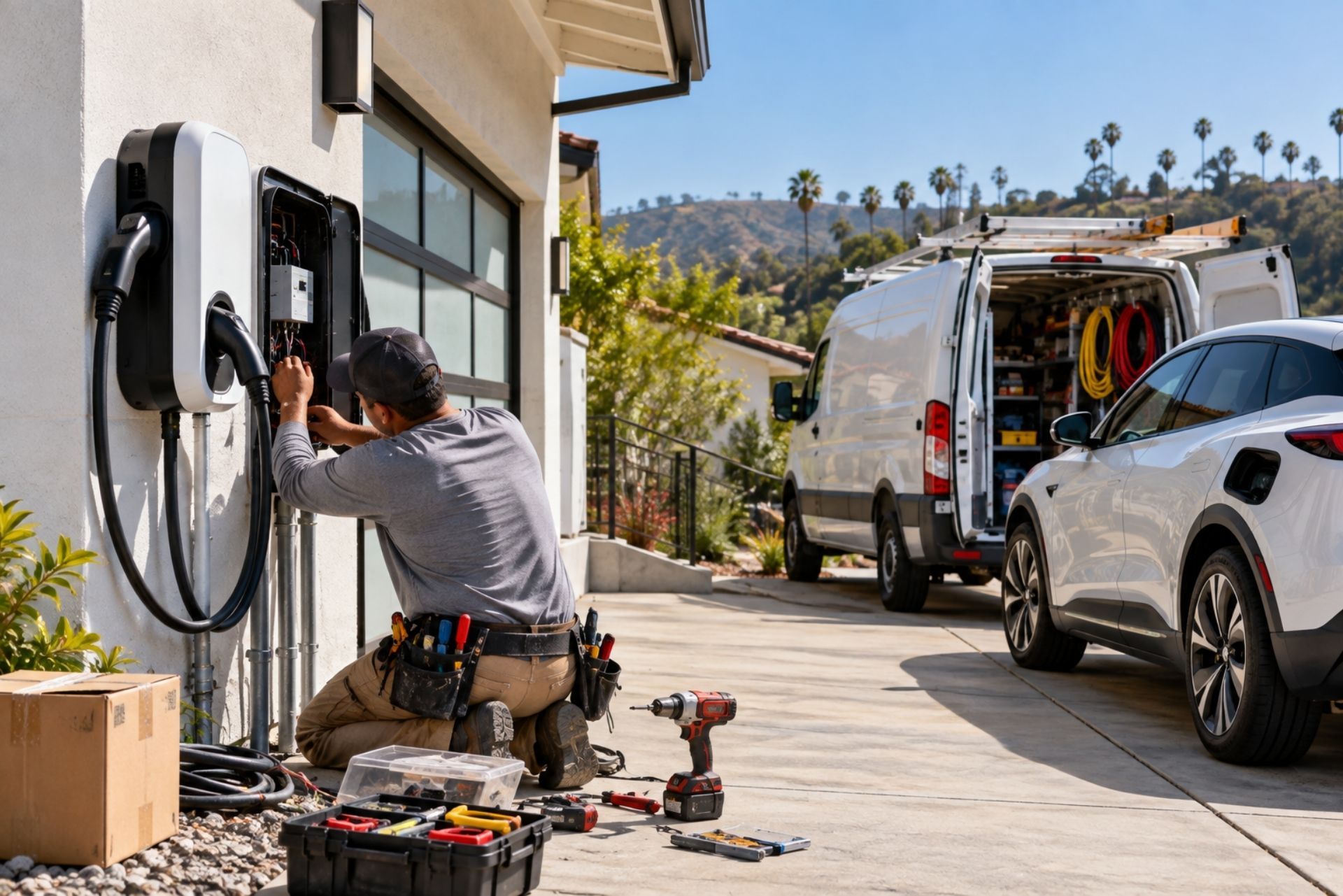
California's EV charging infrastructure is expanding at a staggering pace, and the contractors doing the actual installation work face a unique set of risks that most traditional electrical insurance programs weren't designed to cover. Between fire hazards from high-voltage equipment, trenching damage to underground utilities, and the strict licensing requirements enforced by the CSLB, getting your insurance wrong can be a business-ending mistake. This guide breaks down everything California EVSE contractors need to know about general liability, electrical fire claims, workers' comp, CSLB bonds, and commercial auto coverage. Whether you're hanging Level 2 wallboxes in residential garages or setting DC fast-charging pedestals in commercial parking structures, the insurance requirements differ more than most installers realize. A policy priced for one type of work may not respond to a claim from the other if your "Description of Operations" isn't updated. Getting this right from the start protects your license, your crew, and your ability to win contracts. Here's what actually matters.
California Regulatory Landscape for EVSE Contractors
California has always been aggressive about electrical safety standards, and EV charger installations are no exception. The state layers its own requirements on top of the National Electrical Code, and local jurisdictions often add even more. Understanding these layers is critical because your insurance coverage needs to align with every regulatory obligation you carry.
CSLB Licensing and C-10 Electrical Requirements
The Contractors State License Board requires a C-10 Electrical Contractor license for permanent EV charger installations. The 2026 NEC Section 625.4 now mandates that all permanently installed EV power transfer equipment be installed by "qualified persons," and California's local Authorities Having Jurisdiction are interpreting that mandate strictly as licensed C-10 electricians. This effectively shuts out unlicensed installers and raises the stakes for those who are properly licensed.
Your CSLB license requires a contractor's bond (currently $25,000 for most classifications), but that bond protects consumers, not you (https://readylaneinsurance.com/do-contractors-need-general-liability-insurance-in-california/). It's a common misconception that the CSLB bond replaces insurance. It doesn't. If a homeowner's garage catches fire six months after your install, that bond won't cover the claim. You need standalone insurance policies for that.
State-Mandated Workers' Compensation Rules
California is one of the strictest states for workers' comp. If you have even one employee, you must carry workers' compensation insurance. No exceptions, no grace period. Operating without it is a criminal offense that can result in a stop-work order and penalties up to $100,000 (https://www.mosaicia.com/business-insurance/specialized-business-insurance/washington-gas-stations-insurance).
For EV charger installers specifically, your workers' comp classification code matters. Electricians doing high-voltage work carry higher rates than
general contractors. If your crew handles both panel upgrades and charger mounting, make sure your policy reflects the highest-risk activity performed. Misclassifying employees to
save on premiums is a fast track to a denied claim and potential fraud charges.

By: Patrick Caruso
President of Caruso Insurance Services
Essential Insurance Policies for Charger Installation
The core insurance stack for an EV charger installer in California includes several policies that work together. Skipping any one of them creates a gap that could wipe out your business after a single incident.
General Liability for Third-Party Property Damage
General liability is your first line of defense when your work damages someone else's property or injures a third party. Think about a scenario where your crew drills through a water line while mounting a charger bracket, flooding a customer's finished basement. That's a general liability claim.
For most California EVSE contractors, you'll want at least $1 million per occurrence and $2 million aggregate (https://www.thecontractormatrix.com/contractor-insurance-requirements/california). Many commercial property owners and general contractors require these minimums before they'll let you on-site. Your general liability policy should specifically list EV charger installation in the operations description. Vague language like "electrical work" can give an adjuster room to deny a claim.
Professional Liability and Errors & Omissions
Professional liability (E&O) covers you when your design decisions or installation specifications cause problems down the line. If you recommend an undersized panel upgrade and the charger repeatedly trips breakers, or if you spec the wrong surge protection and it voids the equipment warranty, E&O responds where general liability won't.
This is especially relevant now that major EVSE manufacturers like ABB and V2C require Type 1 or Type 2 Surge Protective Devices to maintain equipment warranties. If you skip the SPD or install the wrong type and a power surge destroys the charger, the manufacturer will point the finger at you. E&O coverage handles that exposure.
Pollution Liability for Trenching and Excavation
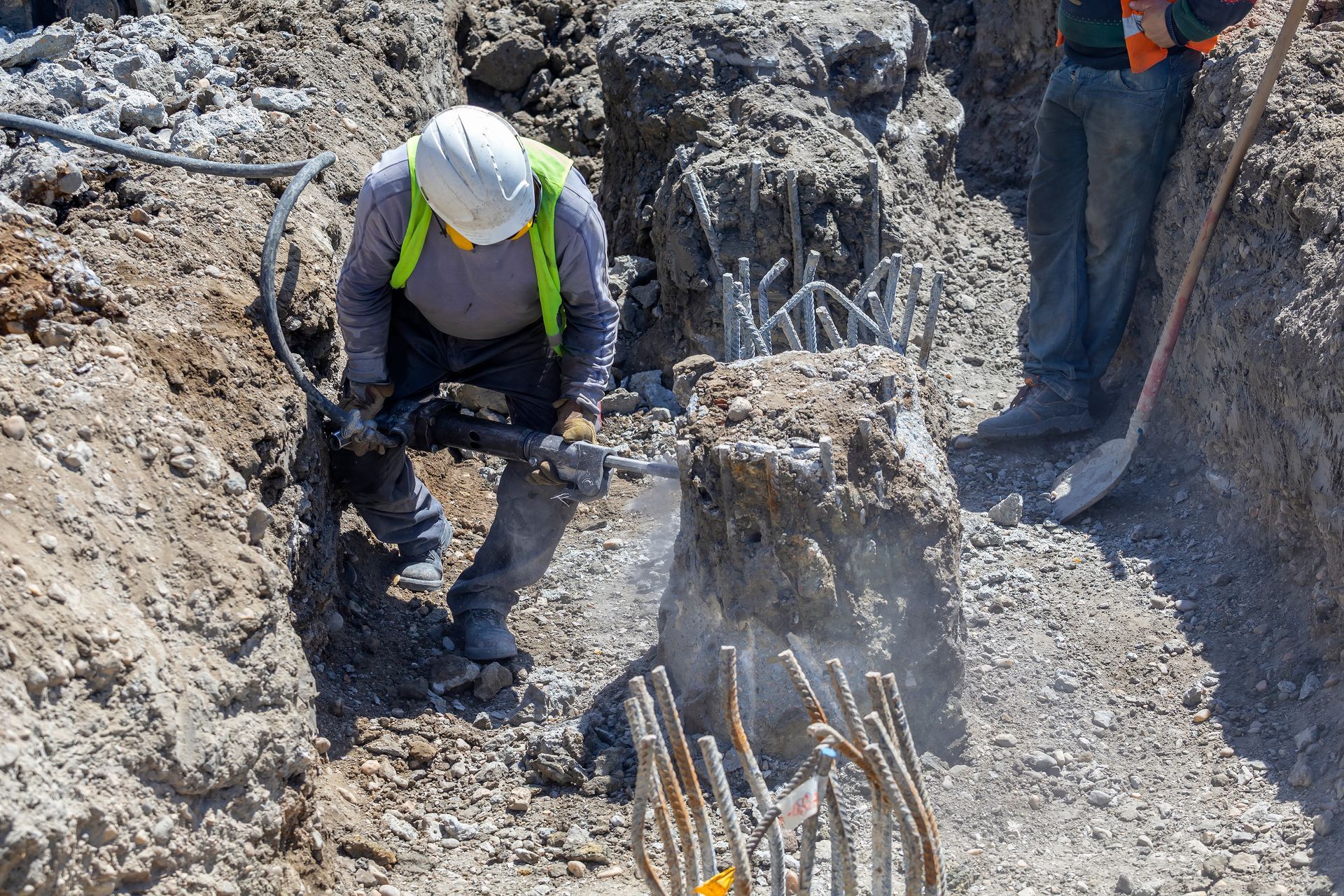
Many charger installations, particularly at commercial sites, require trenching to run conduit from the electrical panel to the charging station. If your crew hits an old underground fuel tank or disturbs contaminated soil, standard general liability policies typically exclude pollution-related claims.
A separate pollution liability policy covers cleanup costs and third-party claims arising from accidental contamination. In California, where environmental regulations carry real teeth, a single soil contamination incident can generate six-figure remediation bills. This coverage is especially important for installers working at gas stations converting to EV charging or older commercial properties with unknown subsurface conditions.
Specialized Coverage for EV Infrastructure Risks
Beyond the standard policies, EV charger installers face risks that are genuinely different from traditional electrical work. Your insurance program needs to account for these specific exposures.
Completed Operations Coverage for Fire Risks
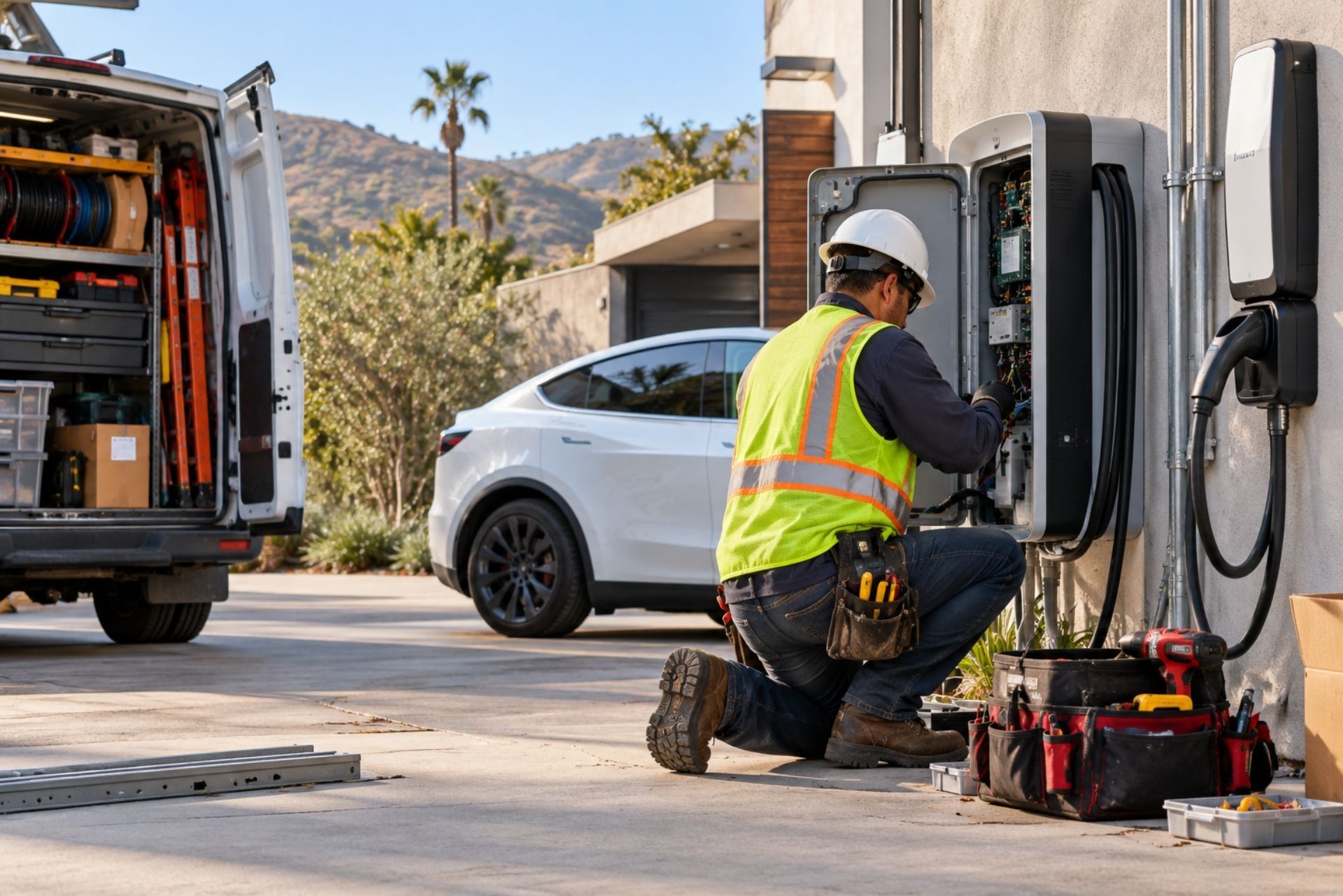
Here's where things get expensive if you get it wrong. Completed operations coverage protects you after you've finished a job and left the site. If a charger you installed three months ago causes an electrical fire, this is the coverage that responds.
This matters more than ever because EV-related fire claims now cost approximately 30% more than traditional electrical fires due to specialized remediation requirements. Lithium-ion battery fires produce toxic fumes and require different suppression methods, driving up the cost of every claim. Make sure your general liability policy includes completed operations coverage, and verify that the limits are sufficient. A $1 million policy might sound adequate until you're facing high fire remediation bills plus property damage claims and legal defense costs.
Inland Marine for Equipment in Transit
If your crew transports chargers, conduit, panels, and tools between job sites, your commercial auto policy likely doesn't cover the cargo. Inland marine insurance fills this gap, protecting equipment and materials while they're in transit or stored at a job site before installation.
A single Level 3 DC fast charger can be a significant investment. If your van gets rear-ended on the 405 and the charger in the back is destroyed, you want inland marine coverage, not a fight with your auto insurer. This policy also covers tools and equipment stolen from job sites, which happens more often than anyone likes to admit.
Meeting Commercial and Municipal Contract Requirements
Winning commercial and government contracts in California means meeting insurance specifications that go well beyond basic coverage. These requirements aren't negotiable: either you meet them or you lose the bid.
Additional Insured Endorsements for Property Owners
Almost every commercial property owner and general contractor will require you to add them as an additional insured on your general liability policy. This gives them coverage under your policy if they're named in a lawsuit arising from your work. It's standard practice, and your insurance agent should be able to add endorsements quickly.
The key detail most installers miss: make sure the additional insured endorsement covers both ongoing operations and completed operations. Some standard endorsements only cover ongoing work, leaving the property owner exposed after you've finished the job. For a charger installation where fire risk persists long after you leave the site, completed operations coverage for the additional insured is essential.
Waivers of Subrogation in California Contracts
A waiver of subrogation prevents your insurance company from going after the property owner to recover money it paid on your claim. California commercial contracts routinely require these waivers, and your insurer needs to approve them before you sign the contract.
Here's the practical impact: if your insurer pays a $200,000 claim and discovers the property owner's faulty wiring contributed to the problem, a waiver of subrogation prevents your insurer from suing the property owner to recover that money. Insurers sometimes charge a small additional premium for this endorsement, but it's a cost of doing business on commercial projects. Request it in advance rather than scrambling after you've already signed a contract.
Insurance premiums for EV charger installers are higher than for general electrical work, but there are concrete steps you can take to bring costs down without sacrificing coverage.
Safety Certification Impacts on Premiums
Insurers reward contractors who invest in safety training and certification. OSHA 30-hour certification for supervisors, NFPA 70E electrical safety training, and manufacturer-specific installation certifications all signal to underwriters that your crew is less likely to cause a loss.
Some insurers offer premium discounts of 5% to 15% for documented safety programs (https://www.erm-ins.com/california-electronics-manufacturing-insurance). A written safety manual, regular toolbox talks, and annual refresher training create a paper trail that helps during both the underwriting process and claims investigations. If your crew holds certifications from specific charger manufacturers, include those in your insurance application. Underwriters view manufacturer training as a meaningful risk reduction factor.
Documenting Installations to Mitigate Claims
Thorough documentation is your best defense against claims that surface months or years after an installation. Photograph every stage of the installation: the panel before and after the upgrade, the conduit routing, the charger mounting, and the final configuration. Save permit inspection records and keep copies of all manufacturer installation guides you followed.
When a fire claim hits 18 months after your install, the first thing the insurance adjuster will want is proof that you followed code and manufacturer specifications. Contractors who can produce timestamped photos, signed inspection reports, and documented torque values on connections are in a dramatically stronger position than those working from memory. This documentation also feeds into your CLUE (Comprehensive Loss Underwriting Exchange) history: a clean claims record with strong documentation keeps your future premiums manageable and your business insurable.
Protecting Your EV Installation Business Long-Term
The California EV charger installation market is growing fast, and the contractors who survive long-term will be those who treat insurance as a business tool rather than an annoying expense. Your coverage needs to evolve as your work does. If you start taking on DC fast-charging projects after years of residential Level 2 work, update your policy immediately. If you add employees, adjust your workers' comp. If you start crossing state lines for jobs, check whether your California policies extend to other jurisdictions.
Build a relationship with an insurance broker who understands electrical contractor risks and, ideally, has other EVSE installer clients. A generalist agent selling you a cookie-cutter contractor policy is a recipe for coverage gaps. Review your policies annually, keep your documentation tight, and make sure every contract you sign has been reviewed against your actual coverage. The cost of proper EV charger installer insurance in California is real, but it's a fraction of what a single uninsured claim will cost you.
ABOUT THE AUTHOR:
PATRICK CARUSO
I’m Patrick Caruso, founder of Caruso Insurance, and I have spent more than 25 years helping families, contractors, and small businesses across Southern California make confident insurance decisions. I focus on explaining coverage in clear terms, comparing multiple carriers, and supporting clients with steady communication so they feel secure with each step. My goal is to provide dependable guidance, simple answers, and a smooth process for anyone who needs personal or business insurance.
Contact Us

Service that stays with you.
Our team helps simplify insurance decisions for families and businesses. We focus on clear explanations, fast responses, and dependable service. You can count on us for help with coverage questions, updates, and long-term support.
Coverage that keeps you secure
Reliable Protection for Everyday Life
Home insurance helps protect your house, personal belongings, and liability risks. We explain coverage options clearly so you know what your policy includes.
Auto insurance provides protection for accidents, liability, and vehicle damage. We help you compare options so you can choose coverage that fits your driving needs.
Motorcycle insurance provides coverage for riders and their bikes. We help you select options that match how and where you ride.
RV insurance supports protection for motorhomes and recreational vehicles. Coverage applies during travel and while parked.
Coverage Built for Contractors and Trades
Support that keeps your work moving.

General Liability Insurance
General liability insurance helps protect contractors from injury and property damage claims. It supports jobsite requirements and contracts.

Workers Compensation
Workers compensation insurance helps protect employees injured while working. It also supports compliance with state requirements.

Commercial Auto Insurance
Commercial auto insurance provides coverage for work vehicles used on jobsites. It helps protect drivers and company vehicles.
Contractor Insurance
Contractor insurance supports trades and service professionals across Southern California. It helps protect tools, equipment, and daily operations.

Cyber Liability Insurance
Cyber liability insurance helps protect business data and customer information. It supports recovery from digital incidents.

Commercial Property Insurance
Commercial property insurance helps protect offices, shops, and equipment. It supports recovery after covered damage.
Coverage Built for Specialized Work
Support for high-risk and service-driven industries.
Simple Steps Supported by Steady Guidance
A Clear Path to Coverage
Trusted by Clients Across Southern California
Clear service backed by real experiences.
Answers to Common Questions.
Clear explanations to guide your decisions.
How do I know which insurance policy is right for me?
We compare coverage options from multiple carriers to help you see differences in protection and price. You can review clear details and ask questions so you understand what each policy covers. Our team guides you step by step so you feel sure about your decision.
What factors affect my auto insurance premium?
Auto insurance premiums are influenced by your driving history, age, location, vehicle type, and coverage choices. A clean driving record and good safety features can help lower costs. We review these factors with you and help find coverage that fits your budget and needs.
Does homeowners insurance cover all types of damage?
Standard homeowners insurance protects your structure, personal belongings, liability, and additional living expenses in many cases. However, it usually does not include flood or earthquake damage without separate policies. We help you decide if extra coverage is right for your home and location.
Can I update my policy or get certificates online?
Yes. You can submit requests for policy changes and certificates through our online service form at any time. Our team processes those requests quickly and confirms updates once complete so you have the documents you need.
Do I need separate insurance for business risks like EPLI or E&O?
Yes. General liability and workers compensation cover many business risks but do not protect against all exposures. For example, Employment Practices Liability Insurance (EPLI) covers claims like wrongful termination or discrimination, and Errors & Omissions (E&O) covers claims based on mistakes in professional services. We help you identify which extra policies your business may need.
What happens if I need to file a claim?
If you need to file a claim, we guide you through the process and help you contact the insurance carrier. We explain what information you should provide, answer your questions, and stay available while the carrier reviews your claim. This support helps you move forward with confidence.
Contact Us