Stories of unexpected home repairs, natural disasters, and sudden market shifts populate everyday life in California. One homeowner discovered too late that a missing clause cost thousands in damages after an unexpected wildfire. California’s unique risk profile has forced insurers and consumers alike to reexamine personal coverage options with a heightened level of diligence. This guide walks through critical aspects of personal insurance in the state, shedding light on policy changes, evolving risks, and emerging solutions that affect everyday Californians. Whether you are a long-time policyholder or a newcomer in the insurance market, understanding California’s distinctive challenges and opportunities remains essential. For example, recent reviews by the California Department of Insurance have paved the way for insurers to fill coverage gaps statewide according to the department.
This comprehensive review touches on rising risks, cutting-edge research, and innovative reforms integrated into personal insurance policies. The evolving landscape demands that policyholders stay informed about changing risks and protection mechanisms while ensuring they receive value and clarity from their policies.
Understanding the California Insurance Landscape
California stands apart in the insurance world due to its dynamic environmental conditions and high-risk areas, particularly in wildfire-prone regions. A combination of coastal living, seismic activity, and periodic wildfires contribute to a complex risk environment. This environment not only challenges coverage options but also influences the expense of premiums.
Insurers have had to adapt quickly. The state’s push for better forward-looking models, as highlighted by the review completed in July 2025 by the California Department of Insurance, signals innovative risk assessment strategies and enhanced coverage availability. California lawmakers and industry experts are keenly aware of the importance of balancing affordability and comprehensive protection.
In addition to environmental challenges, demographic shifts and economic factors play significant roles. High-value assets and increased cost of living drive a higher demand for tailored personal insurance coverage, ensuring that each policyholder's unique needs are met. This detailed guide aims to provide clarity around available options and newly introduced reforms that impact personal insurance coverage across the state.

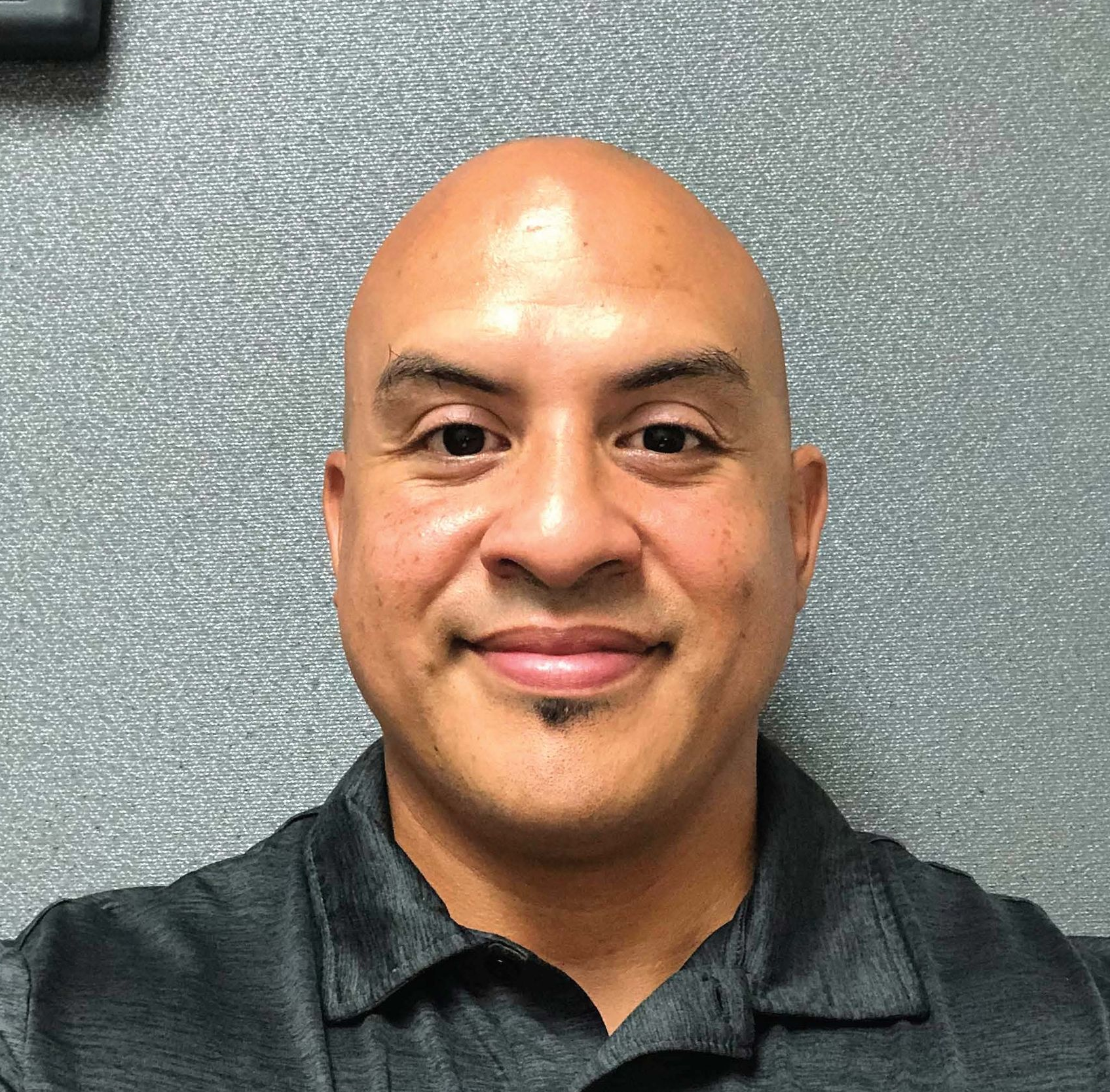
By: Larry Scott
Personal Insurance Agent at Caruso Insurance Services
Key Components of Personal Insurance in California
Personal insurance policies in California involve several core elements that play a significant role in determining coverage and premiums. A well-rounded policy will generally include elements such as dwelling coverage, personal property protection, liability limits, and additional endorsements like earthquake or flood coverage depending on regional risks. With increasing claims related to wildfires and other natural disasters, insurers are updating policies to offer more robust protection tailored to local risks.
One noteworthy element impacting personal insurance is the evolving coverage offered by state-backed programs like the California FAIR Plan. Recent data indicates that the plan's exposure to residential fire risk was valued at $431.45 billion as of September 2024 as reported by Axios. This substantial figure underscores the growing financial challenge that wildfires present across the state.
Rate adjustments, coverage limits, and deductibles are often reevaluated by insurers. Many companies now employ forward-looking models to anticipate risk instead of solely relying on historical data. This new approach not only improves pricing accuracy but also enhances consumer confidence in the coverage they receive.
Decoding Dwelling and Personal Property Coverage
Dwelling coverage protects the structure of a home, including attached structures such as garages or decks, from a variety of perils. Personal property coverage, on the other hand, is designed to reimburse policyholders for the loss or damage of their personal belongings. These elements are fundamental in safeguarding assets and provide strong financial security during times of emergency.
Homeowners should evaluate the limits on each type of coverage carefully. Insufficient coverage can lead to significant financial shortfalls during recovery. Many advocacy groups and state departments, including insights from experts like Jeremy Porter of First Street, stress that California’s update in modeling improves these assessments and continues a trend toward more progressive approaches in managing risks as noted by Axios.
Additional endorsements are available for risks such as earthquakes and floods. These endorsements vary in cost and coverage, requiring homeowners to assess whether the potential risk justifies the extra expense within the fragile equilibrium of risk and premium rates.
Liability Protection and Its Importance
Liability protection forms another critical component of personal insurance, protecting homeowners in the event of lawsuits brought by third parties. This coverage includes incidents occurring both on and off the insured property. California’s litigious environment means that robust liability protection is not optional but rather a necessary safeguard.
Rates for liability insurance are influenced by various factors including where a homeowner lives, recent claims history, and personal safety measures adopted at home. As the severity of claims across California increases, driven in part by natural catastrophes, insurers regularly update liability limits to reflect potential risks.
Properly structured liability coverage can prevent significant financial hardship in cases of accidents or injuries. The increasing premium rates, such as those pointed out by consumer experts like Miranda Dietz from the UC Berkeley Labor Center, remind policyholders to stay vigilant and regularly review their policy details
according to the Los Angeles Times.
California FAIR Plan: A Closer Look
The California FAIR Plan was established to help homeowners in high-risk wildfire areas obtain coverage when traditional insurers decline policies. It serves as the insurer of last resort, providing a crucial safety net for those facing high premiums or outright denial by the private market.
Recent data shows that between 2020 and 2024, the number of homes covered by the California FAIR Plan more than doubled while the plan’s total exposure nearly tripled as reported on Wikipedia. This rapid growth in exposure indicates not only a rising wildfire risk but also a growing reliance on alternative insurers when the private market is unable to accommodate high-risk properties.
This dependence on the FAIR Plan reflects a broader market trend; as climate risks increase, a larger swath of homeowners finds themselves under the state's safety net. Policymakers and industry experts assert that these trends demand further innovation and public interventions to ensure long-term market stability.
Benefits and Limitations of the FAIR Plan
The FAIR Plan plays a pivotal role in providing accessible coverage in times of environmental and market uncertainty. It acts as a bridge for those with properties in wildfire zones, ensuring that no homeowner remains completely uninsured. The program has been a lifeline for many, especially in regions where traditional insurers have historically pulled back.
However, the plan also has limitations. Policyholders may face higher premiums and lower coverage limits compared to traditional policies. As wildfire exposure continues to escalate, these limits may put a strain on homeowners who eventually need comprehensive protection. California’s ongoing insurance reform effort, which recently marked the state's largest insurance overhaul in 30 years according to the California Department of Insurance in March 2024, aims to address these challenges by broadening available options and fine-tuning policy balances.
Understanding both the advantages and drawbacks of the FAIR Plan equips homeowners with the knowledge necessary to negotiate coverage terms effectively and explore additional endorsements or alternative insurance solutions.
The Future of the FAIR Plan
Legislative and administrative reforms are underway to maintain the sustainability of the FAIR Plan. The California Department of Insurance has been working on forward-looking wildfire catastrophe models, a significant milestone in modernizing risk assessment in the insurance industry. The integration of predictive models is expected to refine premium pricing and reduce coverage gaps, ensuring that the state's most vulnerable homeowners are not left exposed.
These models also enhance transparency for consumers. Policyholders can better understand how their premiums are determined and what factors influence changes. In an era marked by rapid environmental changes, such forward-thinking measures are crucial to keeping both the insurance market and homeowners’ finances stable.
For anyone relying on the FAIR Plan, it is important to keep abreast of policy changes, participate in coverage reviews, and consider supplemental policies for broader protection.

Emerging Trends in Personal Insurance Risk Management
California’s exposure to residential fire risk has grown dramatically in recent years. As of September 2024, the California FAIR Plan's exposure to pristine wildfire risk was noted at $431.45 billion as reported by Axios. This steep increase of nearly 60% from the previous year is a clarion call for both insurers and homeowners.
This drastic rise has spurred the development of new methodologies, including catastrophe modeling and risk projection techniques. Insurers are now employing advanced data analytics to predict exposures and craft policies specifically tailored for high-risk zones. These trends are setting the stage for an insurance industry that is not only more reactive but also anticipatory in its planning.
By integrating climate data and long-term environmental trends, companies can better assess and prepare for wildfire risks. This evolution in risk management ensures that policyholders are less likely to experience unexpected shortfalls during claims and have a clearer understanding of their exposure levels. As such, consumers benefit from more transparent and comprehensive coverage options.
Technological Advances and Predictive Analytics
Recent technological improvements have transformed how insurers evaluate risk. The adoption of predictive analytics offers real-time assessments that boost accuracy and adjust premium rates accordingly. This means that instead of solely depending on historical loss data, companies can integrate emerging trends to recalibrate policies in near real-time.
For example, the forward-looking wildfire catastrophe model recently reviewed by the California Department of Insurance reflects a modern adaptation to rising claim frequencies and magnitudes. This model not only anticipates shifts in risk but also provides valuable insights that help policyholders better plan for future scenarios.
The shift to predictive analytics represents more than just technological advancement; it reinforces a move toward consumer-centric strategies where clarity and adaptability are prioritized. Such approaches ensure that even those with atypical or high-risk properties are adequately covered without bearing the full brunt of premium hikes.
Data Privacy and Consumer Protection in the Insurance Sector
In this data-driven environment, ensuring the privacy of consumer data has become paramount. A recent study highlighted that over 40% of data brokers failed to respond to consumer data access requests, underscoring the challenges of compliance with the California Consumer Privacy Act according to research on arXiv. With insurers leveraging extensive data for risk modeling, balancing transparency and privacy has never been more critical.
Insurers must adhere to strict data protection protocols while using aggregated consumer data to tailor risk assessments. This delicate balance ensures the accuracy of predictive models without compromising individual privacy. As the debate around data privacy intensifies, both regulators and companies remain committed to safeguarding sensitive consumer information.
The ongoing conversation about data use in personal insurance demonstrates an important intersection between technological innovation and privacy ethics, ensuring that enhanced risk prediction does not come at the cost of consumer rights.
Policy Adjustments and Reforms on the Horizon
Recent developments in California’s insurance framework reflect a proactive stance aimed at keeping pace with the seismic shifts in the risk landscape. Legislative reform in March 2024 set in motion the state’s largest insurance reforms in three decades, with the primary goal of making coverage both available and affordable even in high-risk areas as reported by the California Department of Insurance.
These comprehensive reforms address multiple aspects of personal insurance-from recalibrating premium structures and expanding coverage options, to tightening regulatory oversight of insurers. The result is a more balanced market environment where both consumers and companies understand the risks and expectations more clearly.
Additionally, experts have noted that insurance premiums have increased at a faster rate than wages over the last couple of decades, presenting an additional layer of complexity for many households according to commentary from the Los Angeles Times. These economic pressures reinforce the need for targeted reforms that ensure price adjustments correlate more closely with actual risk.
Regulatory Adjustments and Consumer Advocacy
Regulatory bodies in California are increasingly focused on ensuring that the insurance industry remains accountable and that consumers are treated fairly. Streamlined claims processing, clearer policy disclosures, and targeted initiatives to close coverage gaps are now at the forefront of regulatory mandates. Such steps work to boost consumer trust and simplify policy comparisons for every homeowner.
Consumer advocacy groups have been vocal in insisting on greater transparency in how premium rates are calculated and how claims are processed, further fueling legislative change. The overarching aim is to create an insurance market where policyholders can confidently rely on clear guidelines and robust coverage mechanisms, no matter where they live in the state.
This ongoing push for consumer-friendly reforms is likely to continue, as both parties work together to build systems that work equitably for all. A shift towards clearer communication between insurers and policyholders ensures that homeowners understand what is covered, and under what terms.
Impact on Premium Rates and Coverage Accessibility
Policy reforms have direct impacts on how premiums are structured. For many California homeowners, increased wildfire risks combined with broader coverage mandates have resulted in premium adjustments. While some view these adjustments as necessary for maintaining comprehensive coverage, others find them challenging in an economic climate where wages have not kept pace with premium hikes.
Innovative initiatives such as integrating advanced catastrophe models into risk assessment help justify premium adjustments relative to the actual risk exposure, rather than arbitrary increases. This effort to align premiums with real-time data provides a layer of fairness for consumers.
Ultimately, adjustments in policy terms and rates are part of an ongoing effort to create a more balanced and predictable insurance market. Policyholders are advised to periodically reassess their insurance needs, especially in light of emerging trends, technological advancements, and regulatory reforms.
Designing a Personal Insurance Strategy
Given the complex nature of risk management in California, designing a personalized insurance strategy is more crucial than ever. Homeowners should view their personal insurance as a dynamic tool that needs periodic review, especially in light of new threats and reforms in the industry.
Crafting a robust personal insurance strategy begins with assessing current risks, understanding existing policy limitations, and exploring supplemental coverages as needed. For example, those in regions prone to wildfires might consider negotiating specific endorsements or standalone policies that focus on mitigating wildfire exposure, all while ensuring that their dwelling and personal property are sufficiently protected.
Many homeowners find that working with knowledgeable insurance agents can be invaluable. These professionals often have access to the latest market trends and policy adjustments needed to construct a well-rounded risk management plan.
Evaluating Your Coverage Needs
Evaluating what kind of coverage best suits one’s personal situation is the first step in designing a sound insurance strategy. A comprehensive evaluation includes not just the current state of the property but also future risk projections based on environmental trends. This may include upgrades to mitigate damage from wildfires, earthquakes, or other natural hazards.
Several questions can guide this evaluation process. What is the replacement cost of the home? How much of personal property should be covered in case of a disaster? What liability limits are necessary given local conditions? Answering these questions thoroughly can aid homeowners in selecting adequate coverage levels that do more than meet basic requirements.
Utilizing tools such as personalized risk assessments and contemporary catastrophe models can refine coverage decisions even further. Such tools leverage historical data and predictive analytics, ensuring that personal insurance policies are tailored to the current climate of risk. In turn, this leads to more accurate premium pricing that aligns with the level of threat.
Strategies to Control Premium Costs
No matter how comprehensive a personal insurance strategy is, keeping premium costs manageable is always a top priority. This often involves a mix of proactive risk mitigation measures and strategic policy selections. For instance, implementing home safety upgrades like fire-resistant roofing or security systems not only yields direct benefits in protection but can also result in discounts on premiums.
Other strategies include bundling insurance policies with the same provider; such practices can lead to multi-policy discounts, incentivizing comprehensive coverage with a focus on affordability. Regularly reviewing and updating your policy ensures that coverage remains aligned with current conditions and financial realities.
Insurance reforms and market dynamics also frequently lead to temporary shifts in premium rates. Homeowners who remain well-informed about these changes can negotiate better terms during renewal periods, thus safeguarding against unexpected price hikes or coverage lapses.
Comparative Analysis: Traditional Policies vs. FAIR Plan Coverage
Both traditional insurance policies and the California FAIR Plan serve critical roles in the state’s coverage landscape. While traditional policies are often more comprehensive and offer a wider range of endorsements, they may be less accessible to homeowners in high-risk areas where private insurers pull back. In contrast, the FAIR Plan provides a vital safety net for individuals who might otherwise be left uninsured.
A detailed comparison of these policy types helps clarify their roles and benefits. Traditional policies tend to have more extensive coverage limits, better claims processing frameworks, and added features such as specialized endorsements, while the FAIR Plan focuses on ensuring basic coverage as highlighted on Wikipedia. Each option offers unique strengths depending on the homeowner’s specific needs and risk profile.
The decision often hinges on balancing comprehensive coverage with affordability. Homeowners should carefully weigh the coverage gaps that might exist in a FAIR Plan policy against the full spectrum of protection available under a traditional policy. This balance is crucial, as California’s insurance market is both dynamic and demanding-requiring policies that evolve alongside emerging threats.
Comparative Table: Coverage Options
| Feature | Traditional Insurance | California FAIR Plan |
|---|---|---|
| Dwelling Coverage | Extensive limits with added endorsementslumbing | Basic coverage with limited endorsements |
| Personal Property Protection | High limits, broader protection | Standard limits may require supplemental coverage |
| Liability Limits | Flexible options with higher limits | Fixed limits to ensure basic protection |
| Risk Eligibility | Available for most properties with certain risk factors | Designed for higher-risk properties in wildfire-prone areasoss events |
| Premium Rates | Subject to market conditions and risk modeling | Typically higher rates with fewer options for discounts |
This table provides a snapshot of the core differences, helping guide homeowners when comparing various policy options. Selecting the optimal coverage depends on risk tolerance, budget considerations, and the specific financial protection needed in unforeseen circumstances.
Living with California Insurance Realities
Managing personal insurance in California requires constant vigilance. As environmental hazards evolve and market conditions shift, homeowners must periodically review their policies to ensure that they remain properly protected. Whether it is the impact of rising premiums or adjustments in risk models, staying informed is key to safeguarding assets.
This dynamic environment challenges both insurers and consumers to balance coverage quality with cost control. Ongoing reforms, like those being implemented in response to drastic increases in wildfire risks, are designed to maintain market stability while protecting consumers as detailed in Axios reports.
Regular policy reviews, collaboration with trusted insurance agents, and proactive property improvements help mitigate the financial impact of sudden risks. The integration of advanced risk prediction models further allows policyholders to remain one step ahead of emerging hazards, maintaining a resilient front against unforeseen challenges.
Navigating Economic Pressures and Policy Changes
The broader economic context in California has a direct impact on personal insurance. With wage growth sidelined by significant premium increases, as identified by industry experts, maintaining comprehensive coverage can strain household finances. Despite these challenges, understanding policy details and opting for risk mitigation strategies contribute significantly to reducing the economic burden.
Key measures such as investing in home safety improvements and choosing policies that align closely with one’s risk profile can make a significant difference in the long run. Ongoing state reforms aim to balance these pressures by ensuring that changes in premium rates remain tied to actual risk data rather than market speculation.
Adopting a proactive approach to managing personal insurance involves more than simply renewing a policy yearly. It means staying updated with legislative changes, consulting with expert advisors, and using available technological resources to fine-tune and adjust coverage as necessary.
Consumer Tips for a Secure Future
Several key tips can help homeowners navigate the uncertainties of California insurance. First, regularly review and update your policy to ensure that coverage remains adequate given recent environmental and market changes. Second, implement property safety measures to potentially lower premium costs. Finally, engage with consumer advocacy groups and consult reputable sources for insights into how legislative reforms may impact your insurance options.
Staying informed on broader market trends, such as those indicated by improved underwriting performance in the U.S. property/casualty industry with a net combined ratio of 96.6 in 2024 reported by the Insurance Information Institute, can provide additional context for better decision-making by pinpointing areas of improved stability in the market.
These consumer-oriented strategies ensure that personal insurance in California does not become an insurmountable burden. Instead, it evolves into a manageable, dynamic tool that empowers homeowners to safeguard their assets reliably.
Frequently Asked Questions About Personal Insurance in California
This section addresses common queries to help clarify uncertainties regarding personal insurance options within California.
Q1: What makes California’s insurance market unique?
A1: California’s market is shaped by a diverse range of risks, including wildfires, earthquakes, and coastal storms, all of which influence the structure and cost of personal insurance policies.
Q2: How does the California FAIR Plan work?
A2: The FAIR Plan is a state-backed initiative designed to offer coverage to high-risk properties that traditional insurers might decline. It aims to fill gaps by providing basic coverage for homeowners in wildfire-prone areas.
Q3: What are the main factors affecting personal insurance premiums?
A3: Factors include the home’s location, the risk profile of the area, claim history, and the coverage limits chosen. Environmental risks such as wildfires and earthquakes often result in higher premiums.
Q4: Can advanced risk models really impact premium rates?
A4: Yes. New predictive models allow insurers to better forecast risk exposure by integrating real-time data, which helps in aligning premium rates with actual risk levels.
Q5: How can homeowners manage rising premium costs?
A5: Homeowners can manage costs by reviewing their coverage regularly, implementing safety-enhancing improvements, bundling policies, and consulting with experienced agents during policy renewal periods.
Q6: Is data privacy a concern with modern risk modeling?
A6: Data privacy is critical. Insurers are required to balance enhanced data analytics with strict privacy protocols to protect consumer data while continuing to improve risk assessments.
Q7: Are there any upcoming reforms that might affect my coverage?
A7: California has enacted significant reforms recently aimed at increasing the availability and affordability of coverage. Policyholders should stay informed by following updates from state officials and trusted news sources.
Final Thoughts on Personal Insurance in California
The ongoing evolution of California’s personal insurance market demands a proactive and informed approach from every policyholder. The combined use of advanced risk models, state-backed initiatives like the FAIR Plan, and key regulatory reforms represent a comprehensive strategy designed to address the state’s unique challenges. Policies are not static; the landscape is continuously shifting in response to environmental changes, technological improvements, and legislative updates.
Future policyholders will likely benefit from the evolving structure that emphasizes consumer protection and fair pricing. As insurers harness predictive analytics and embrace more dynamic risk assessments, homeowners can expect improved clarity and tailored coverage options. The market’s response to natural disasters-especially wildfires-provides a persistent reminder of the necessity to periodically revisit coverage choices and leverage available reforms to stay ahead of emerging risks.
Staying engaged with your insurance provider, regularly reviewing policy details, and keeping abreast of technological and regulatory innovations are the best ways to navigate this intricate field. As shifts continue, consumers who maintain an informed and proactive stance will find themselves better prepared to face California’s inevitable changes. For those interested in the latest market trends, insights from reputable sources like the Axios report provide up-to-date information on the risks and adjustments being made.
This guide underscores that personal insurance in California is not just a static product but an evolving strategy that adapts to meet the demands of a challenging environment. A balanced approach that incorporates personal safety measures with nuanced policy choices is the key to long-term financial security and peace of mind.
ABOUT THE AUTHOR:
LARRY SCOTT
Hello! My name is Larry Scott. I have been in the insurance industry for 21+ years, with a background in Personal, Commercial, and Bonding. I support Caruso Insurance’s goal of providing convenient and competitive insurance coverage for our clients by focusing on each client’s individual needs. I am dedicated to continuing education and staying up to date with technology in the forever changing insurance world. I am a family man and enjoy any time I get to spend with my kids. I love cooking and drinking wine.
Contact Us

Service that stays with you.
Our team helps simplify insurance decisions for families and businesses. We focus on clear explanations, fast responses, and dependable service. You can count on us for help with coverage questions, updates, and long-term support.
Coverage that keeps you secure
Reliable Protection for Everyday Life
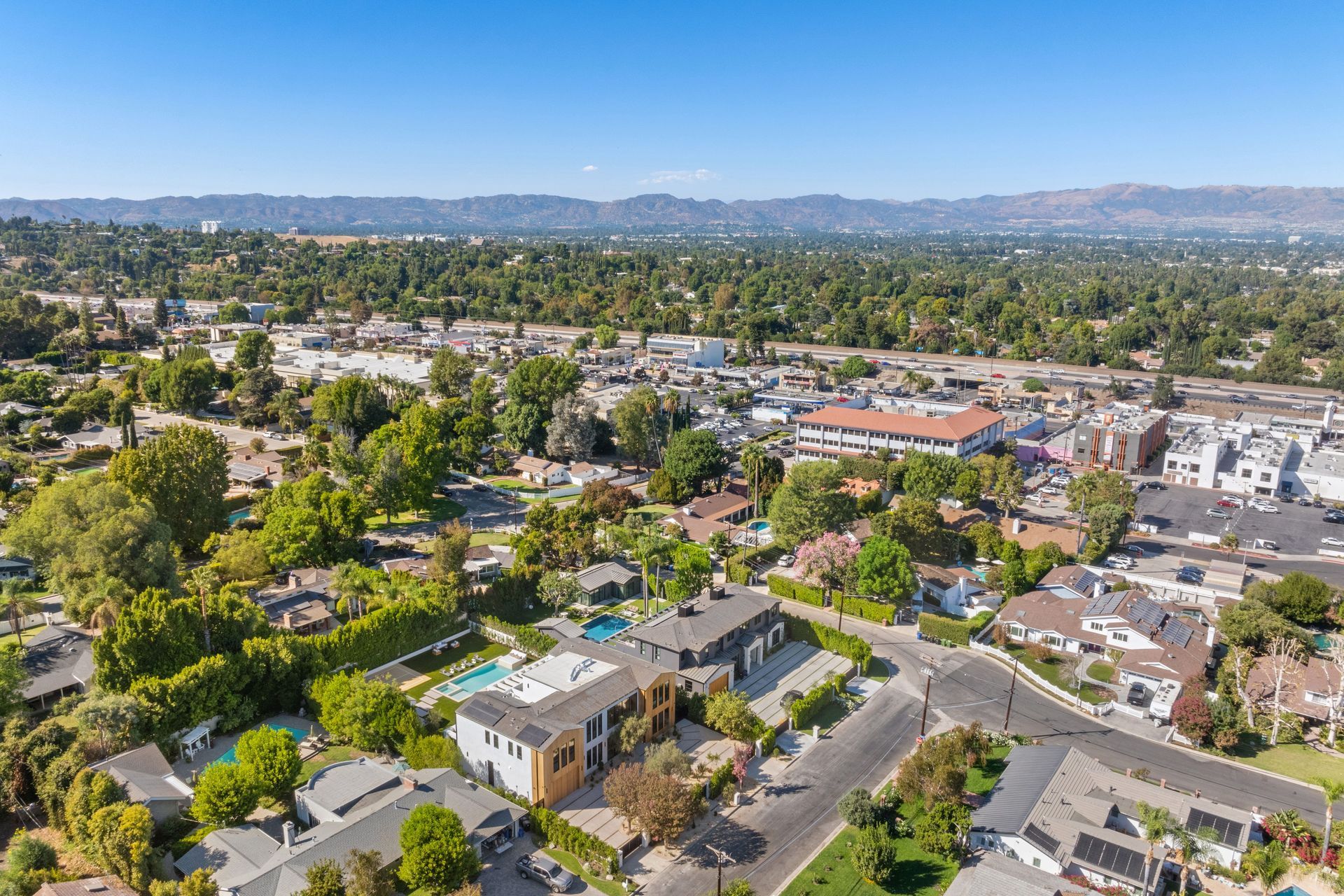
Home insurance helps protect your house, personal belongings, and liability risks. We explain coverage options clearly so you know what your policy includes.
Auto insurance provides protection for accidents, liability, and vehicle damage. We help you compare options so you can choose coverage that fits your driving needs.
Motorcycle insurance provides coverage for riders and their bikes. We help you select options that match how and where you ride.
RV insurance supports protection for motorhomes and recreational vehicles. Coverage applies during travel and while parked.
Coverage Built for Contractors and Trades
Support that keeps your work moving.

General Liability Insurance
General liability insurance helps protect contractors from injury and property damage claims. It supports jobsite requirements and contracts.

Workers Compensation
Workers compensation insurance helps protect employees injured while working. It also supports compliance with state requirements.

Commercial Auto Insurance
Commercial auto insurance provides coverage for work vehicles used on jobsites. It helps protect drivers and company vehicles.
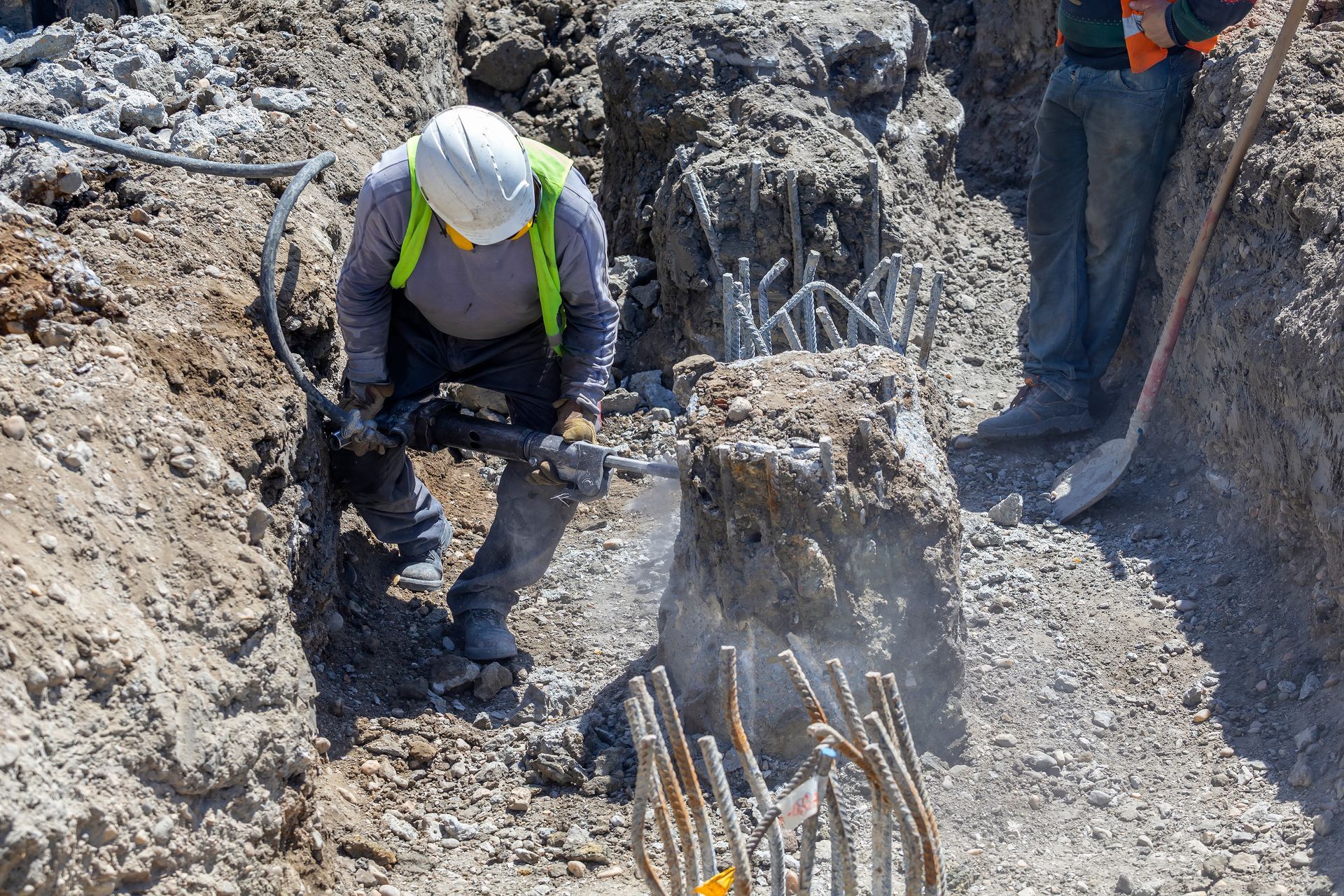
Contractor Insurance
Contractor insurance supports trades and service professionals across Southern California. It helps protect tools, equipment, and daily operations.

Cyber Liability Insurance
Cyber liability insurance helps protect business data and customer information. It supports recovery from digital incidents.

Commercial Property Insurance
Commercial property insurance helps protect offices, shops, and equipment. It supports recovery after covered damage.
Coverage Built for Specialized Work
Support for high-risk and service-driven industries.



Simple Steps Supported by Steady Guidance
A Clear Path to Coverage
Trusted by Clients Across Southern California
Clear service backed by real experiences.
Answers to Common Questions.
Clear explanations to guide your decisions.
How do I know which insurance policy is right for me?
We compare coverage options from multiple carriers to help you see differences in protection and price. You can review clear details and ask questions so you understand what each policy covers. Our team guides you step by step so you feel sure about your decision.
What factors affect my auto insurance premium?
Auto insurance premiums are influenced by your driving history, age, location, vehicle type, and coverage choices. A clean driving record and good safety features can help lower costs. We review these factors with you and help find coverage that fits your budget and needs.
Does homeowners insurance cover all types of damage?
Standard homeowners insurance protects your structure, personal belongings, liability, and additional living expenses in many cases. However, it usually does not include flood or earthquake damage without separate policies. We help you decide if extra coverage is right for your home and location.
Can I update my policy or get certificates online?
Yes. You can submit requests for policy changes and certificates through our online service form at any time. Our team processes those requests quickly and confirms updates once complete so you have the documents you need.
Do I need separate insurance for business risks like EPLI or E&O?
Yes. General liability and workers compensation cover many business risks but do not protect against all exposures. For example, Employment Practices Liability Insurance (EPLI) covers claims like wrongful termination or discrimination, and Errors & Omissions (E&O) covers claims based on mistakes in professional services. We help you identify which extra policies your business may need.
What happens if I need to file a claim?
If you need to file a claim, we guide you through the process and help you contact the insurance carrier. We explain what information you should provide, answer your questions, and stay available while the carrier reviews your claim. This support helps you move forward with confidence.
Contact Us