
A burst pipe in a mid-century bungalow or a wildfire scare on the outskirts of town can send homeowners racing to check their policy details. In Riverside, where property values and local market conditions play a significant role, understanding home insurance may be the key to peace of mind and financial security. Homeowners here need guidance that cuts through the noise, presenting clear, tailored information about everything from standard rates and coverage options to risk factors unique to the area. This guide will examine these aspects in detail and explain how to find effective coverage while navigating an ever-evolving market. Check out insights from industry experts as you review this complete rundown.
The interplay between local property trends and the practical realities of insuring your home can be complex. Riverside's landscape includes a mix of older homes in established neighborhoods and newer developments spread across suburban communities. Each type of property comes with its own set of variables that affect insurance premiums, coverage limits, and deductible amounts. That said, this guide will blend practical advice with current statistical data relevant to Riverside, helping homeowners make informed decisions that balance cost with protection.
Understanding the Riverside Home Insurance Market
Local market conditions can have a substantial impact on insurance premiums and policy options in Riverside. The average annual home insurance cost here for a $300,000 home with a $500 deductible is around $1,005. This figure reflects the unique blend of risk factors and property values found locally, and offers an important baseline for evaluating policies (MyFinancialPrograms.com).
For homeowners looking to upgrade or make home improvements, the market can sometimes feel unpredictable. Policy premiums fluctuate in response to local risks such as natural disasters, changes in property values, and evolving construction standards. The current market in Riverside indicates that insurance premiums exceed the California average. For example, a $600,000 home in Riverside sees rates that are 12.9% above the state’s norm, underscoring the need for local insights when shopping for coverage (MyFinancialPrograms.com).
The escalation in rates means homeowners must balance the benefits of extensive coverage with the inherent cost of living in a high-demand market. To optimize their financial strategy, many homeowners also consider how insurance costs compare to mortgage costs and overall property investment returns.

By: Karla Torres
Personal Insurance Agent at Caruso Insurance Services
Factors Influencing Insurance Premiums in Riverside
Property Value and Home Characteristics
Understanding the significant impact of property value is essential when considering home insurance in Riverside. Median home prices here hover near $693,000, a figure that influences not only market transactions but also the premiums offered by insurers (Prop:Metrics). Older homes, modern apartments, and luxury estates all face different coverage requirements, underscoring the importance of having a policy tailored to the particular home type.
Home characteristics such as construction type, age, and even architectural design can lead to considerable variations in coverage costs. For instance, a historic home constructed with materials now considered more susceptible to certain risks may trigger a higher premium than a newly built home with updated fire protection systems. Factors such as these dictate that evaluations for Riverside policies must consider inherent structural risks alongside overall property value.
Local Risks and Environmental Factors
Environmental risks play a big role in setting premiums. Riverside homeowners often face a range of potential threats, from wildfires to severe storms. Recognizing what local risks exist helps assess the adequacy of a homeowner’s policy. That said, each policy should ideally balance coverage for both common local risks and unforeseen events without unnecessarily boosting premiums.
Local data indicates that policies focusing on wildfire and earthquake protection have become increasingly popular, given the rise in such incidents in certain parts of California (Insuranceopedia). Homeowners in Riverside should look for insurers that offer tailored options for these specific concerns rather than a one-size-fits-all policy. Tailoring coverage to address the environmental realities of Riverside can ultimately lead to better protection and more efficient premiums.
Coverage Essentials: What Every Riverside Homeowner Should Know
Dwelling and Personal Property Coverage
Dwelling coverage helps finance repairs or rebuilding if your home is damaged by covered perils. The cost for $200,000 in dwelling coverage in Riverside averages around $698 per year, offering a reliable starting point as you determine the needed coverage level (The Zebra). This amount should be adjusted based on the property's replacement cost and various improvements added throughout the years.
On top of dwelling coverage, personal property protection is a cornerstone of a robust insurance package. This typically covers the contents of your home, such as furniture, electronics, and other personal items. Policies may also extend to include loss of use, compensating for additional living expenses if a covered event renders the home uninhabitable.
Liability and Additional Living Expense Coverage
Liability coverage safeguards against legal and medical costs should someone be injured on your property. A comprehensive liability provision can cover shifts in living conditions while the home is being rebuilt or repaired due to insured loss. Additional living expense coverage is vital in cases where displacement occurs, ensuring that homeowners are not burdened with unexpected costs during temporary relocations.
This blend of coverage protects your finances on multiple levels, from property repair to potential lawsuits. Given the increasing complexity of legal claims in property damage cases, a detailed liability component in your policy might be more than just prudent planning-it may be essential preparation for unforeseen events.
Average Costs and Affordable Options in Riverside
Premium Averages and Local Comparisons
The average annual cost for home insurance in Riverside stands at approximately $1,426, which is higher than the California average of about $1,324 (Insuranceopedia). This premium is influenced by a variety of factors including home value, local risk assessments, and the overall economic environment in Riverside County.
Even with higher average premiums, savvy homeowners can compare offerings to find local options that meet their budget without skimping on coverage. Mercury, for instance, is recognized as one of the most affordable providers in the area, with rates as low as $682 a year for eligible policies (The Zebra). Understanding these averages helps homeowners negotiate with insurers and recognize what constitutes a fair price in Riverside’s competitive market.
Insurance Options for Different Home Values
Different price ranges and property types call for distinct insurance products. A basic policy on a modest home with a value of $300,000 and a $500 deductible might cost around $1,005 annually (MyFinancialPrograms.com). Meanwhile, homes valued significantly above the median, especially those near $600,000 or more, face premiums that account for higher rebuilding costs and upgraded coverage requirements.
Homeowners should engage with insurers who offer customizable packages. In some cases, additional riders that improve coverage for high-value items or specialized risks come at a modest cost relative to the premium increase. These add-ons make it essential to review multiple quotes, ensuring the balance of affordability and extensive protection fits the homeowner’s specific situation.
Decoding Mortgage Implications and Loan-to-Value Trends
Mortgage conditions significantly influence the type of home insurance a property owner might consider. In Riverside, the average loan-to-value (LTV) ratio is around 53%, with 18% of loans clocking above 90%, which brings medium mortgage risk into focus (Prop:Metrics). When a bank approves a mortgage, the required coverage levels try to mesh well with the determined market value of the property.
For those seeking refinanced financing options, note that about 16% of loans in the area are cash-out refinances. Homeowners tapping into their equity via cash-out strategies should assess whether their current policy still offers sufficient replacement value and whether additional endorsements are needed. These factors are important because any gap between home value and coverage limits can have real financial consequences when rebuilding after a loss.
The structure of mortgage financing in Riverside means that understanding your policy details goes hand in hand with broader financial planning. Homeowners might consult with financial advisors and insurance experts to ensure that their coverage perfectly aligns with both their current property value and any expected future improvements.
Market Trends and Future Implications for Home Insurance
Shifts in Home Prices and Sales
Riverside County has experienced subtle changes in its real estate market. The median sale price of a home in Riverside County is around $603,000, marking a slight decrease of 0.37% compared to the previous year (Redfin). These variations highlight that while the market remains relatively stable, periodic fluctuations can influence both property valuation and the associated insurance premiums.
Another interesting trend is the median sale price per square foot, which currently stands at $314 and is down by 3.7% year over year (Redfin). These trends drive home the point that economic pressures affecting property purchases can similarly translate into insurance affordability and risk assessments. For homeowners and prospective buyers alike, staying abreast of these trends is key to making informed decisions about both purchasing a home and selecting a robust homeowners insurance policy.
Mortgage Types and Conventional Loans
The majority of mortgage loans in Riverside are conventional, with about 87% falling into this category, while investor-backed loans make up roughly 2% (Prop:Metrics). Conventional mortgages typically require detailed coverage provisions that protect both the homeowner and the lender. With local home prices high and the market competitive, choosing an insurance plan that satisfies both personal protection and lender requirements is a balancing act.
Conventional loans are usually associated with stringent underwriting criteria, meaning that homeowners must ensure complete alignment between policy limits and the actual risk exposure of the property. This is especially pertinent if the home has features that elevate its risk profile, such as a location prone to natural hazards. In these cases, proactively discussing needs with insurance agents can help tailor the policy to properly safeguard a property.
Strategies for Finding the Right Coverage
Comparing Multiple Quotes and Providers
Shopping for homeowners insurance is not a one-and-done purchase. With diverse offerings available, comparing quotes from multiple providers is crucial. Leading agencies in Riverside, including those like Mercury that offer competitive rates, demonstrate that even within a market known for higher-than-average premiums, there are affordable choices available (The Zebra). By taking the time to review multiple offers, homeowners can strategically secure the best price and coverage match.
An effective strategy is to list your specific needs, including estimated dwelling coverage, liability limits, and additional protections such as flood or earthquake endorsements. With this detailed checklist, reaching out to several insurers can streamline the comparison process, ultimately revealing both cost savings and coverage enhancements that might otherwise be overlooked.
Understanding Policy Exclusions and Endorsements
Every insurance policy comes with its list of exclusions that detail what is not covered, as well as endorsements that extend or modify standard coverage. Homeowners must scrutinize these details to avoid unexpected coverage gaps when an incident occurs. For instance, standard policies may not cover certain types of flood damage or damages resulting from earthquakes unless specifically endorsed. This requires homeowners to question, explore and occasionally invest in optional add-ons to align the policy with the actual needs of Riverside residents.
Clear awareness of exclusions and endorsements empowers homeowners to fine-tune their coverage. Not only does this ensure that the policy comprehensively protects the property, but it also prevents surprises during the claim process. Regular policy reviews with your insurer or independent advisors can serve as an effective check-up for ensuring that all potential risks-especially those unique to the Riverside environment-are appropriately addressed.
Neighborhood Dynamics and Housing Programs
Housing programs and neighborhood demographics can indirectly impact insurance decisions. In Riverside, only about 3.8% of homes participate in the Section 8 program (Prop:Metrics), signaling that very few properties are part of subsidized housing. While this might not affect every policyholder, it reflects local housing dynamics that can influence neighborhood risk profiles and, by extension, insurance considerations.
Such statistics also provide context when assessing local market values and redevelopment trends. Neighborhoods with a low percentage of subsidized housing, for example, can sometimes boast higher overall property values, which in turn affects the replacement costs considered in insurance policies. Keeping an eye on these demographics can lead to smarter decisions when reviewing policy options or negotiating with insurance agents.
Financial Strategies and Equity Considerations
homeowner decisions of refinancing or leveraging home equity through cash-out refinances are also prevalent. With about 16% of loans in Riverside being cash-out refinances (Prop:Metrics), it is clear that tapping into one’s home equity is common if improvements or debt consolidation needs arise. The sophistication of modern financial strategies ensures that homeowners remain aware not only of their insurance needs but also of how they interplay with overall financial planning.
This dynamic can shape policy terms, as lenders might require a certain level of coverage to match the newly appraised value of a home. In these cases, homeowners must reassess their coverage limits to prevent any shortfall in protection should significant property damage occur. Financial planning and insurance need to work hand in hand to provide the full spectrum of security for Riverside residents.
Coverage Comparison and Value Analysis
To help visualize the differences between coverage needs and options, a comparison chart can be instrumental. This chart compares basic coverage versus extended coverage, illustrating key differences between essential protections and additional endorsements. The table below outlines such a scenario:
| Coverage Type | Basic Homeowners Policy | Extended/Enhanced Policy |
|---|---|---|
| Dwelling Coverage | Standard replacement cost | Higher limits with additional endorsements |
| Personal Property Coverage | Typical contents reimbursement | Higher limits and specified high-value items |
| Liability Protection | Standard coverage limit | Expanded limit options, including umbrella policies |
| Additional Living Expenses | Set percentage of dwelling coverage | Extended period and higher limits |
| Endorsements (flood, earthquake) | Often not included | Available as add-ons |
This table highlights that while a basic policy might meet standard needs, homeowners who prefer extra layers of protection have the flexibility to pursue extended coverage tailored to local risks. An optimal insurance strategy in Riverside balances these variables with both current property assessments and anticipated market changes.
Preparing for the Unpredictable: Claims and Disaster Response
Even with comprehensive coverage, the process of filing a claim can be daunting when disaster strikes. In Riverside, events ranging from wildfires to severe storms can lead to extensive property damage. A well-structured policy should simplify this process, ensuring claimants receive timely support and prompt payout to kickstart repairs. Reviews of previous claim experiences in the area reveal that efficient communication and transparent processes are paramount in fostering trust between insurers and homeowners.
In many instances, policyholders have appreciated the difference that proactive customer service can make. Therefore, when surveying policies, it is wise to choose an insurer known for handling claims effectively as well as for offering robust coverage. Ensuring that your policy includes a clear outline of the claims process-often augmented by online resources and dedicated support teams-can transform a potentially stressful situation into a managed, step-by-step recovery.
Home Insurance in Riverside: Tips for the Long Run
With market trends, local risks, and corresponding premium adjustments in constant flux, a proactive approach to home insurance can offer long-term savings and security. Reviewing your policy annually is highly recommended-adjusting limits, adding endorsements for evolving risks, and reconsidering deductible amounts can all play a role in sustaining optimal coverage. The average annual cost and affordability shifts seen in Riverside highlight that a static approach may not always yield the best outcomes for homeowners.
Keep abreast of local real estate trends and mortgage conditions. In Riverside, with trends such as a slight decrease in median sale prices and a focus on conventional loans, staying informed about your neighborhood’s economic pulse can offer clues about when to adjust coverage. Regular consultations with financial and insurance professionals help translate market changes into actionable, personalized policy updates.
Frequently Asked Questions
What factors influence home insurance premiums in Riverside?
Premiums in Riverside depend on property value, local risks such as wildfires or earthquakes, and specific policy features like deductible levels and coverage limits. These factors combine with broader market trends unique to the region.
How do local market trends affect insurance costs?
Changes in median home sale prices, loan-to-value ratios, and the prevalence of conventional versus investor-backed loans can all shift insurance premium levels. Local fluctuations in property values often lead to adjustments in coverage cost requirements.
Can I find affordable home insurance in Riverside?
Yes. Providers such as Mercury offer competitive rates, sometimes as low as $682 a year. It is advisable to shop around and compare multiple quotes to find a solution that balances affordability with comprehensive coverage.
What is the importance of endorsements in my policy?
Endorsements help extend coverage for specific risks not covered under a standard policy, such as flood or earthquake damage. Carefully reviewing available endorsements ensures that your policy meets your particular needs.
How often should I review my home insurance policy?
Annual reviews of your policy can ensure coverage remains aligned with changes in home value, market trends, and evolving local risks. Adjustments should be made as needed to maintain comprehensive protection.
How do mortgage terms impact insurance requirements?
Mortgage lenders often require coverage limits that match the home's value, especially with conventional loans that dominate the Riverside market. Reviewing your policy in line with mortgage terms is crucial to prevent any coverage gaps.
Wrapping Things Up
For Riverside homeowners, navigating the complexities of home insurance means more than secure paperwork. It means understanding how local market trends, unique environmental risks, and personal financial strategies converge to shape a policy that not only satisfies lender requirements but truly protects your investment.
This guide has covered the essentials-from premium averages and coverage breakdowns to mortgage dynamics and tailored advice for the Riverside market. Homeowners benefit from staying informed, considering local data, and continuously evaluating their insurance needs.
Armed with insights like the average annual cost for a $300,000 home around $1,005 and the recognition that a $600,000 property faces premiums above the state average (MyFinancialPrograms.com), the path to well-informed decisions is clear. A thoughtful review of coverage details, combined with regular adjustments based on market conditions, can provide longstanding financial security and peace of mind.
The Riverside housing market is continually shifting, whether in response to fluctuating property values, changing local risk factors, or adjustments in mortgage lending practices. Staying ahead means not only knowing the current averages and market conditions but also being prepared for future changes.
Engaging with trusted financial advisors and insurance experts offers ongoing benefits, ensuring that as Riverside evolves, your insurance coverage evolves too. Knowledge is power, and with timely insights into local real estate values or trends such as the steady decline of the sale price per square foot (Redfin), homeowners are better positioned to adjust their policies accordingly.
Home insurance is not static. Rather, it requires an adaptable approach, leveraging current statistics and local insights to continuously protect your home. With carefully evaluated coverage and proactive policy management, Riverside homeowners can approach the future with confidence.
Final Thoughts
While home insurance can feel like an unavoidable expense, it is also an investment in the future of your property and personal financial well-being. Riverside residents are well-advised to take a comprehensive look at their coverage, considering both the specific statistical indicators of the local market and the unique characteristics of their homes.
From understanding the nuances of mortgage influences to comparing multiple quotes and considering tailored endorsements, every step adds up to a fuller picture of what protection really means. With rates that are sometimes higher than the California average, Riverside homeowners must remain vigilant, informed, and proactive.
Through continuous engagement with local conditions, transparency in policy details, and thoughtful comparison of quotes-bolstered by data from trusted sources like the ones mentioned above-homeowners ultimately craft a safety net that caters exactly to their needs. This strategy not only protects the investment but also builds a resilient defense against the unpredictable challenges of homeownership (Prop:Metrics).
ABOUT THE AUTHOR:
KARLA TORRES
Hi, I’m Karla Torres-Millan. I’ve been with Caruso Insurance for 14 years and in the insurance industry for a fantastic 25 years, as I specialize in personal insurance. I enjoy hiking, traveling to Baja, and spending time with family. I’m happily married and have two beautiful daughters, both of which have never failed to keep me busy. I’m passionate about what I do because I love to help others. I strive to eliminate the stress families experience when it comes to the lack of protection on their assets.
Contact Us

Service that stays with you.
Our team helps simplify insurance decisions for families and businesses. We focus on clear explanations, fast responses, and dependable service. You can count on us for help with coverage questions, updates, and long-term support.
Coverage that keeps you secure
Reliable Protection for Everyday Life
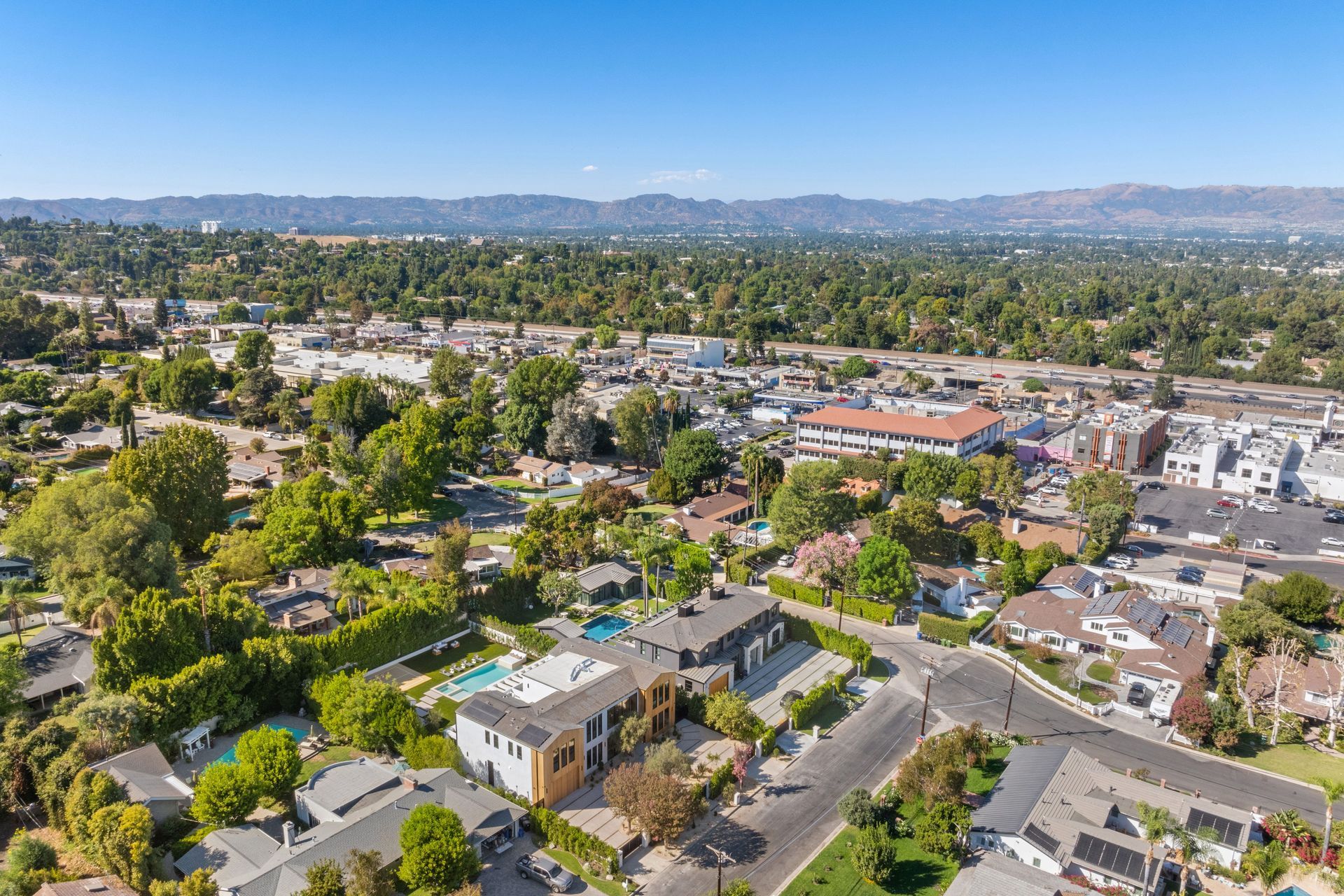
Home insurance helps protect your house, personal belongings, and liability risks. We explain coverage options clearly so you know what your policy includes.
Auto insurance provides protection for accidents, liability, and vehicle damage. We help you compare options so you can choose coverage that fits your driving needs.
Motorcycle insurance provides coverage for riders and their bikes. We help you select options that match how and where you ride.
RV insurance supports protection for motorhomes and recreational vehicles. Coverage applies during travel and while parked.
Coverage Built for Contractors and Trades
Support that keeps your work moving.

General Liability Insurance
General liability insurance helps protect contractors from injury and property damage claims. It supports jobsite requirements and contracts.

Workers Compensation
Workers compensation insurance helps protect employees injured while working. It also supports compliance with state requirements.

Commercial Auto Insurance
Commercial auto insurance provides coverage for work vehicles used on jobsites. It helps protect drivers and company vehicles.
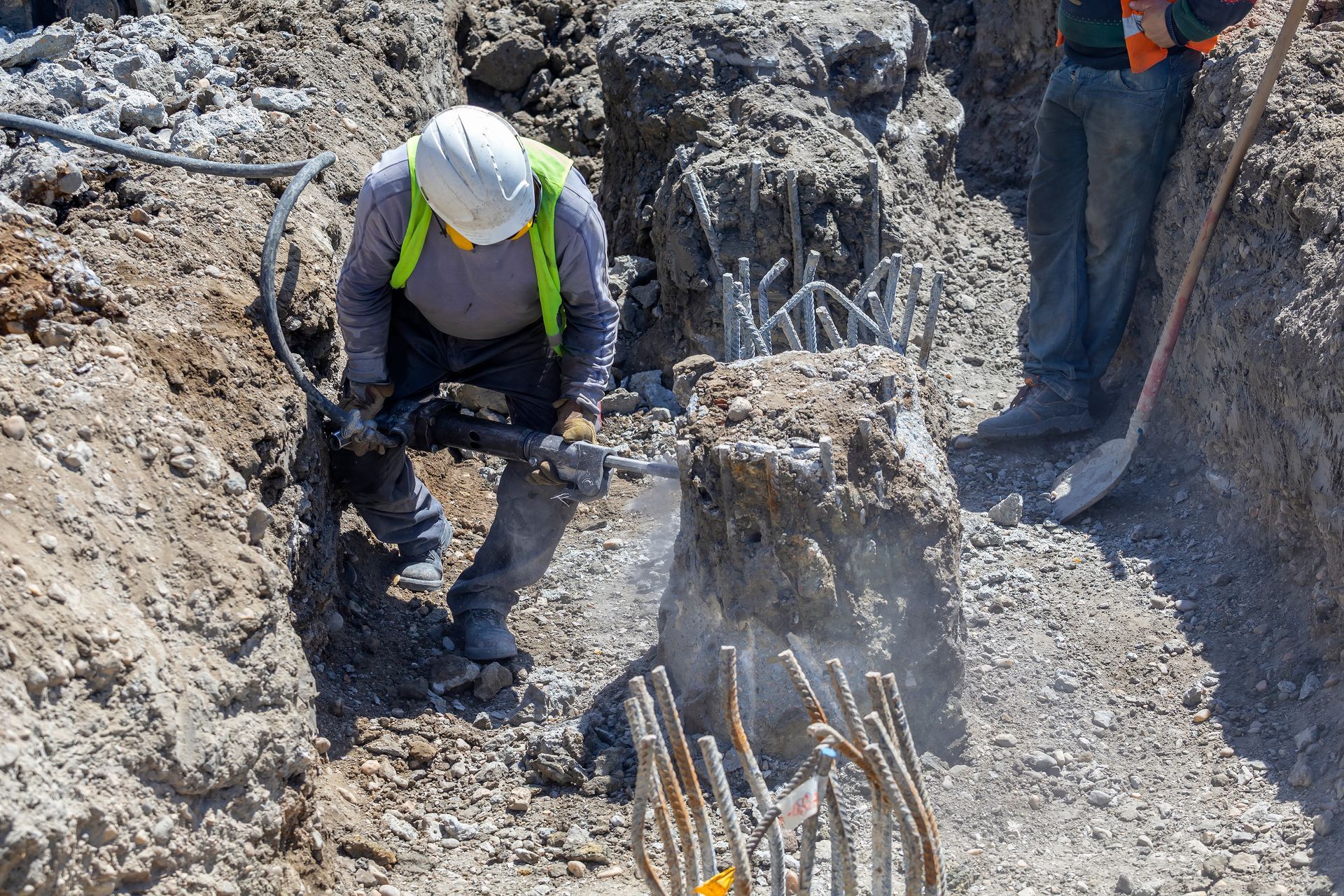
Contractor Insurance
Contractor insurance supports trades and service professionals across Southern California. It helps protect tools, equipment, and daily operations.

Cyber Liability Insurance
Cyber liability insurance helps protect business data and customer information. It supports recovery from digital incidents.

Commercial Property Insurance
Commercial property insurance helps protect offices, shops, and equipment. It supports recovery after covered damage.
Coverage Built for Specialized Work
Support for high-risk and service-driven industries.



Simple Steps Supported by Steady Guidance
A Clear Path to Coverage
Trusted by Clients Across Southern California
Clear service backed by real experiences.
Answers to Common Questions.
Clear explanations to guide your decisions.
How do I know which insurance policy is right for me?
We compare coverage options from multiple carriers to help you see differences in protection and price. You can review clear details and ask questions so you understand what each policy covers. Our team guides you step by step so you feel sure about your decision.
What factors affect my auto insurance premium?
Auto insurance premiums are influenced by your driving history, age, location, vehicle type, and coverage choices. A clean driving record and good safety features can help lower costs. We review these factors with you and help find coverage that fits your budget and needs.
Does homeowners insurance cover all types of damage?
Standard homeowners insurance protects your structure, personal belongings, liability, and additional living expenses in many cases. However, it usually does not include flood or earthquake damage without separate policies. We help you decide if extra coverage is right for your home and location.
Can I update my policy or get certificates online?
Yes. You can submit requests for policy changes and certificates through our online service form at any time. Our team processes those requests quickly and confirms updates once complete so you have the documents you need.
Do I need separate insurance for business risks like EPLI or E&O?
Yes. General liability and workers compensation cover many business risks but do not protect against all exposures. For example, Employment Practices Liability Insurance (EPLI) covers claims like wrongful termination or discrimination, and Errors & Omissions (E&O) covers claims based on mistakes in professional services. We help you identify which extra policies your business may need.
What happens if I need to file a claim?
If you need to file a claim, we guide you through the process and help you contact the insurance carrier. We explain what information you should provide, answer your questions, and stay available while the carrier reviews your claim. This support helps you move forward with confidence.
Contact Us