If you run wheelchair vans or ambulatory sedans in California, your insurance program shapes your business more than almost any other decision. It directly affects your profit margins, determines which broker contracts you can sign, and dictates whether one bad afternoon at a dialysis center puts you out of business. Because the state is a highly litigious environment with strict regulatory oversight, having the right coverage is not just a legal formality but a vital survival strategy.
This Non-Emergency Medical Transportation (NEMT) Insurance in California: The Complete Guide to Commercial Auto Liability, Wheelchair Securement and Passenger Injury, Abuse and Molestation, Vehicle Physical Damage, Workers' Compensation, CPUC and Broker Contract Requirements, and Costs covers the essential protections for operators. We examine auto liability, wheelchair securement claims, abuse and molestation coverage, physical damage, workers' comp, and the specific paperwork brokers and regulators expect. It also covers what each piece costs and where owners frequently overpay or underinsure. The dollar figures below are illustrative, so treat them as planning ranges and confirm current numbers with a broker who writes this class.
The Evolving Landscape of NEMT Insurance in California
Non-Emergency Medical Transportation (NEMT) was once a quiet niche in the commercial auto market. This changed as Medi-Cal managed care plans shifted rides toward transportation brokers. Contract requirements tightened, and nuclear verdicts in auto cases made carriers wary of passenger risks. Providers must now navigate a complex regulatory environment while maintaining safety standards for vulnerable clients.
The result is a shrinking pool of insurers. Many standard carriers refuse to quote new NEMT operations, viewing the risk as too volatile. Owners often rely on specialty or excess and surplus lines markets, which often mean higher premiums, stricter driver criteria, and less flexible policy forms. These non-admitted carriers provide essential coverage but frequently require higher deductibles and rigorous reporting.
Three specific pressures define the California market:
- Litigation climate: California juries treat vulnerable-passenger injuries seriously. A modest fall from a lift or a minor collision can produce a six-figure demand. The cost of defending these claims, regardless of fault, drives up baseline premiums statewide.
- Broker leverage: Health plans and brokers set insurance minimums that exceed state requirements and audit certificates frequently. Failing to maintain specific limits for general or professional liability can lead to immediate contract termination.
- Regional exposure: Long rural runs, congestion in LA and the Bay Area, and wildfire-season road closures affect loss frequency. Underwriters analyze your specific territory to determine how traffic density and terrain impact your risk profile.
Budget insurance as your largest expense after payroll and fuel. Owners who treat it as an afterthought often face a crisis shortly before a contract start date. Understanding Non-Emergency Medical Transportation (NEMT) Insurance in California: The Complete Guide to Commercial Auto Liability, Wheelchair Securement and Passenger Injury, Abuse and Molestation, Vehicle Physical Damage, Workers' Compensation, CPUC and Broker Contract Requirements, and Costs is essential for long-term business viability.
By: Peter Plew
Commercial Insurance Agent at Caruso Insurance Services
Commercial Auto Liability and California State Mandates
Commercial auto liability is the core of your program. It pays for bodily injury and property damage you cause to others, including passengers, while operating your vehicles. In NEMT, passengers represent the largest exposure because they are often frail or medically compromised. Consequently, even minor accidents can result in expensive injuries and significant legal claims.
Your personal auto policy won't respond to these incidents. Standard policies strictly exclude transporting people for a fee. If an insurer discovers you were running Medi-Cal trips or private-pay transports on a personal policy, they will deny the claim and likely cancel your coverage. To comply with Non-Emergency Medical Transportation (NEMT) Insurance in California: The Complete Guide to Commercial Auto Liability, Wheelchair Securement and Passenger Injury, Abuse and Molestation, Vehicle Physical Damage, Workers' Compensation, CPUC and Broker Contract Requirements, and Costs, you must maintain dedicated commercial protection.
Minimum Limits for NEMT and Paratransit Operations
Determining whether you need California Public Utilities Commission (CPUC) authority is a critical first step, as it depends on how your operation is structured and which entities you contract with. While some providers fall under specific exemptions, others must obtain a charter-party carrier permit. You must confirm your status with the CPUC's Transportation Enforcement Branch before buying a policy, because the answer directly drives your required Non-Emergency Medical Transportation (NEMT) Insurance in California: The Complete Guide to Commercial Auto Liability, Wheelchair Securement and Passenger Injury, Abuse and Molestation, Vehicle Physical Damage, Workers' Compensation, CPUC and Broker Contract Requirements, and Costs limits.
Where CPUC authority applies, liability limits scale based on vehicle seating capacity. Common compliance figures are $750,000 for vehicles seating fewer than 8 passengers, $1.5 million for vehicles seating 8 to 15, and $5 million for larger vehicles. Always verify current figures with the CPUC, since mandates can change by administrative rule.
Beyond state mandates, broker and health plan contracts frequently demand higher coverage, often requiring a $1 million combined single limit per vehicle plus an umbrella policy ranging from $1 million to $5 million. Read your contract’s insurance exhibit carefully. These agreements usually require additional insured status for the broker, a waiver of subrogation, and 30 days' notice of cancellation to ensure continuous protection for the vulnerable populations being transported.
Physical Damage and Vehicle Maintenance Coverage
Physical damage coverage protects your vans through comprehensive and collision insurance. A converted wheelchair van often costs $60,000 to $90,000, with lift equipment alone worth over $15,000. Ensure your policy specifically lists this equipment, as some forms cap coverage for custom parts. When securing Non-Emergency Medical Transportation (NEMT) Insurance in California: The Complete Guide to Commercial Auto Liability, Wheelchair Securement and Passenger Injury, Abuse and Molestation, Vehicle Physical Damage, Workers' Compensation, CPUC and Broker Contract Requirements, and Costs, the stated value must include these modifications to avoid being underinsured.
A break-even check helps with deductible choices. If raising your collision deductible from $1,000 to $2,500 saves $600 per van annually, a 5-van fleet saves $3,000 while assuming $1,500 more risk per claim. If you average fewer than two collision claims a year, the higher deductible pays off. This strategy allows operators to reallocate premium savings toward safety technology or driver training.
Maintenance records are also vital. Underwriters increasingly request inspection logs, and documented lift servicing supports you during claim disputes. Regular preventative maintenance ensures that mechanical failures do not lead to accidents that trigger your physical damage or liability coverage, keeping your fleet operational and compliant with state safety standards.
Mitigating Risks of Wheelchair Securement and Passenger Injury
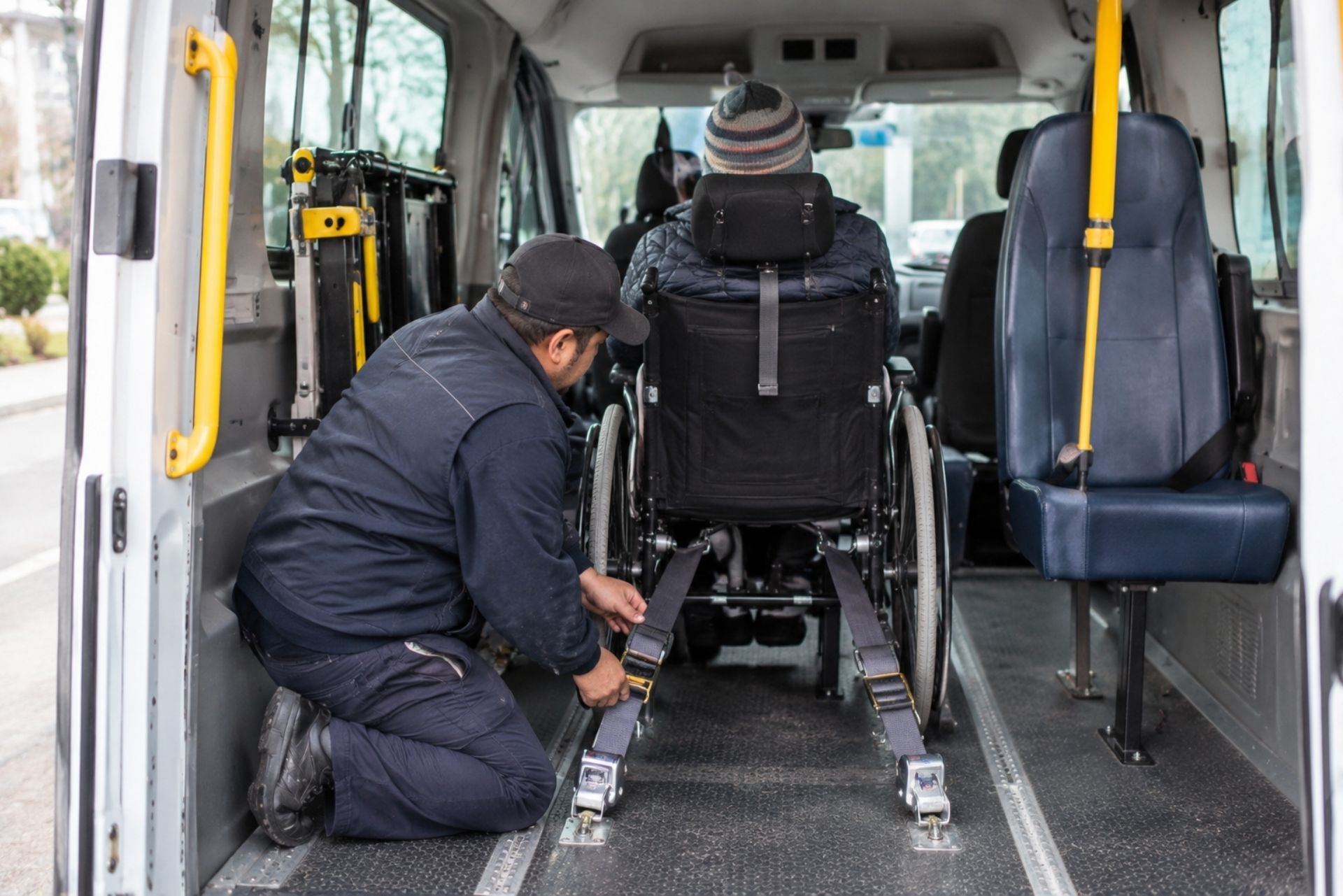
Most serious claims involving Non-Emergency Medical Transportation (NEMT) Insurance in California: The Complete Guide to Commercial Auto Liability, Wheelchair Securement and Passenger Injury, Abuse and Molestation, Vehicle Physical Damage, Workers' Compensation, CPUC and Broker Contract Requirements, and Costs do not originate from high-speed highway crashes. Instead, they typically stem from a wheelchair that was not fully secured when the driver braked, a passenger who slid out of a lap belt, or a lift platform that dropped unevenly. These are passenger injury claims, and they are often entirely preventable through strict adherence to safety protocols.
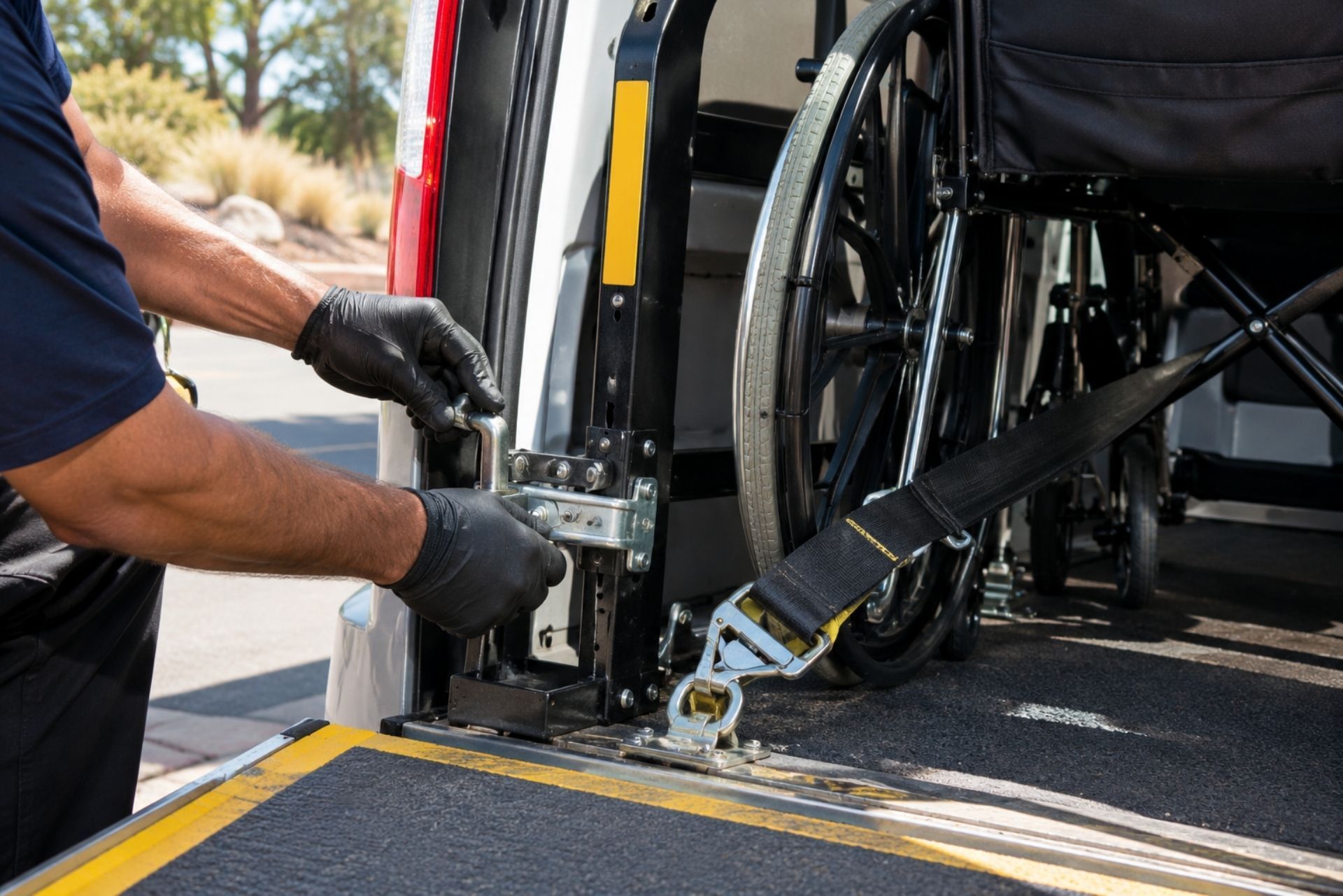
The industry standard of care is the four-point tiedown system paired with a separate occupant restraint, including both a lap and shoulder belt. Drivers who secure the chair but skip the occupant belt create a defense attorney's nightmare during litigation. Training records showing certification in a recognized program, such as PASS (Passenger Assistance Safety and Sensitivity) or a specific manufacturer course, give your insurer the necessary evidence to defend your business against negligence claims.
Practical controls underwriters want to see when evaluating your risk profile:
- Annual securement recertification for every driver, documented with signed records and hands-on testing.
- Pre-trip lift inspections logged daily, including photos of any defects and the subsequent repair invoice.
- Dash cameras with interior views that clearly cover the wheelchair position and securement points.
- A written policy refusing transport when a mobility device is damaged or cannot be secured safely.
- Regular audits of driver performance to ensure tiedowns are used correctly every time.
Interior cameras pay for themselves quickly. A single disputed fall claim might cost $40,000 or more to defend and settle in the California legal market. Footage showing a properly secured passenger can end that claim with a single letter from your counsel. Cameras for a 5-van fleet might run $3,000 to $5,000 installed, meaning you break even if they defeat just one claim every several years. Furthermore, many insurance carriers now offer a telematics or camera credit to reduce your annual premiums.
Professional Liability: Addressing Abuse and Molestation Coverage
Your drivers are frequently alone with vulnerable passengers who may have dementia, developmental disabilities, or limited physical ability to report mistreatment. This dynamic makes abuse and molestation (A&M) allegations a significant exposure for any provider of Non-Emergency Medical Transportation (NEMT) Insurance in California: The Complete Guide to Commercial Auto Liability, Wheelchair Securement and Passenger Injury, Abuse and Molestation, Vehicle Physical Damage, Workers' Compensation, CPUC and Broker Contract Requirements, and Costs. Most standard commercial auto and general liability policies explicitly exclude these claims, leaving a dangerous gap in your protection.
Brokers and state agencies increasingly require proof of dedicated A&M coverage, typically at a $1 million per occurrence limit, though some specific contracts may accept a smaller sublimit. This coverage is usually added as an endorsement to your general liability policy or issued as a standalone professional liability form. It is critical to ask whether defense costs sit inside or outside the limit; a single allegation can cost tens of thousands of dollars to defend even if it is eventually proven baseless.
Underwriters will scrutinize your hiring and supervision practices before offering terms. Strong applications include Live Scan fingerprint background checks, thorough reference verification, documented abuse-recognition training for all staff, and a clear, written complaint-escalation procedure. Installing interior cameras is another proactive step that protects passengers and drivers alike by providing an objective record of every trip.
Professional liability also addresses critical errors occurring outside the vehicle, such as leaving a passenger with dementia at the wrong facility or missing a scheduled dialysis pickup that results in medical complications. You must confirm in writing whether your policy covers these "failure to transport" scenarios, as many standard forms remain silent on these specific professional risks.
Essential Special Endorsements for California NEMT Providers
The gaps between your auto and liability policies are where uninsured claims hide. Two areas deserve particular attention.
General Liability and Loading/Unloading Risks
Picture a driver escorting a passenger from the van, up a curb, and into a clinic lobby, and the passenger falls on the steps. Is that an auto claim or a general liability claim? It depends on your policy wording, and insurers have argued both ways to avoid paying. This ambiguity is a significant risk for Non-Emergency Medical Transportation (NEMT) Insurance in California: The Complete Guide to Commercial Auto Liability, Wheelchair Securement and Passenger Injury, Abuse and Molestation, Vehicle Physical Damage, Workers' Compensation, CPUC and Broker Contract Requirements, and Costs.
"Door-through-door" service makes this question especially important. Ask your broker to confirm in writing that loading, unloading, and escort activity is covered on at least one policy, ideally with no gap between them. A commercial general liability policy with $1 million per occurrence and $2 million aggregate is the typical contract requirement. This coverage protects your business from third-party claims involving bodily injury or property damage occurring outside the vehicle during transit.
Hired and Non-Owned Auto Coverage
If an employee runs a business errand in a personal car, or you rent a van while one of yours is in the shop, your scheduled auto policy may not respond. Hired and non-owned auto (HNOA) coverage fills that critical gap for liability. It is usually inexpensive, often costing only a few hundred dollars a year, and most brokers and the Non-Emergency Medical Transportation (NEMT) Insurance in California: The Complete Guide to Commercial Auto Liability, Wheelchair Securement and Passenger Injury, Abuse and Molestation, Vehicle Physical Damage, Workers' Compensation, CPUC and Broker Contract Requirements, and Costs commonly require it for compliance.
Workers' compensation belongs on this checklist too, since California law requires it as soon as you hire your first employee. NEMT drivers frequently lift patients, push wheelchairs, and work around heavy traffic. Consequently, back and shoulder injuries are common, and insurance rates reflect these physical risks. Misclassifying drivers as independent contractors under California's strict ABC test can leave you personally liable for an uninsured injury plus significant state penalties.
A rough illustration helps with budgeting for Non-Emergency Medical Transportation (NEMT) Insurance in California: The Complete Guide to Commercial Auto Liability, Wheelchair Securement and Passenger Injury, Abuse and Molestation, Vehicle Physical Damage, Workers' Compensation, CPUC and Broker Contract Requirements, and Costs. A typical 5-van California wheelchair operation might see auto liability of $5,000 to $10,000 per vehicle, physical damage of $2,000 to $4,000 per vehicle, and general liability with A&M of $3,000 to $8,000. When you add workers' comp priced by payroll, total annual premiums often range between $45,000 and $90,000. Your specific experience, operating territory, and driver records will move that number substantially.
Your claims history follows you everywhere. Commercial carriers review five-year loss runs, and frequent small claims can hurt your reputation with underwriters as much as one large loss. Paying a $1,500 fender-bender out of pocket instead of filing a formal claim can protect your renewal pricing and keep you eligible for preferred markets. While commercial auto doesn't use the CLUE database the way homeowners insurance does, loss runs serve the same purpose, and every underwriter will request them during the quoting process.
To keep premiums manageable and your broker contracts intact, follow these strategic steps:
- Hire carefully: Require clean MVRs and a minimum age, often 23 to 25, to satisfy carrier guidelines. Pull MVRs annually to ensure no new violations have occurred that could jeopardize your coverage.
- Document everything: Keep detailed records of wheelchair securement training, lift inspections with timestamped photos, and all maintenance invoices. Having these in a file ready for audits proves to insurers that you are a low-risk operator.
- Track certificates: Use a calendar to track renewal dates for every policy. Send updated certificates to brokers and the CPUC well before they expire to avoid the nightmare of suspended trips or contract termination.
- Shop early: Start renewal conversations at least 90 days out. Specialty markets for NEMT move slowly, and rushing the process often leads to higher premiums.
The operators who pay the least for insurance usually treat safety and documentation as a daily habit, not something they frantically assemble when the renewal application arrives. Before your next renewal, pull your loss runs, open your broker contract's insurance exhibit, and check each requirement against your current policies. Any gap you find now costs far less to fix than one you discover after a claim has been denied. Consistent attention to detail is the only way to survive in California’s high-cost insurance environment.
ABOUT THE AUTHOR:
PETER PLEW
Hi my name is Peter Plew and I am a commercial insurance professional. I listen to and strategize with business owners about their visions of the future and assist in getting there as quickly as possible. I help identify unique exposure and risk’s that business owners have and the reasons why they need to be insured against them. My goal is to make sure my clients are always taken care of on a daily basis with any service needs, questions, or concerns they may have. I love to golf and spend time with my family in my spare time.
Contact Us

Service that stays with you.
Our team helps simplify insurance decisions for families and businesses. We focus on clear explanations, fast responses, and dependable service. You can count on us for help with coverage questions, updates, and long-term support.
Coverage that keeps you secure
Reliable Protection for Everyday Life
Home insurance helps protect your house, personal belongings, and liability risks. We explain coverage options clearly so you know what your policy includes.
Auto insurance provides protection for accidents, liability, and vehicle damage. We help you compare options so you can choose coverage that fits your driving needs.
Motorcycle insurance provides coverage for riders and their bikes. We help you select options that match how and where you ride.
RV insurance supports protection for motorhomes and recreational vehicles. Coverage applies during travel and while parked.
Coverage Built for Contractors and Trades
Support that keeps your work moving.

General Liability Insurance
General liability insurance helps protect contractors from injury and property damage claims. It supports jobsite requirements and contracts.

Workers Compensation
Workers compensation insurance helps protect employees injured while working. It also supports compliance with state requirements.
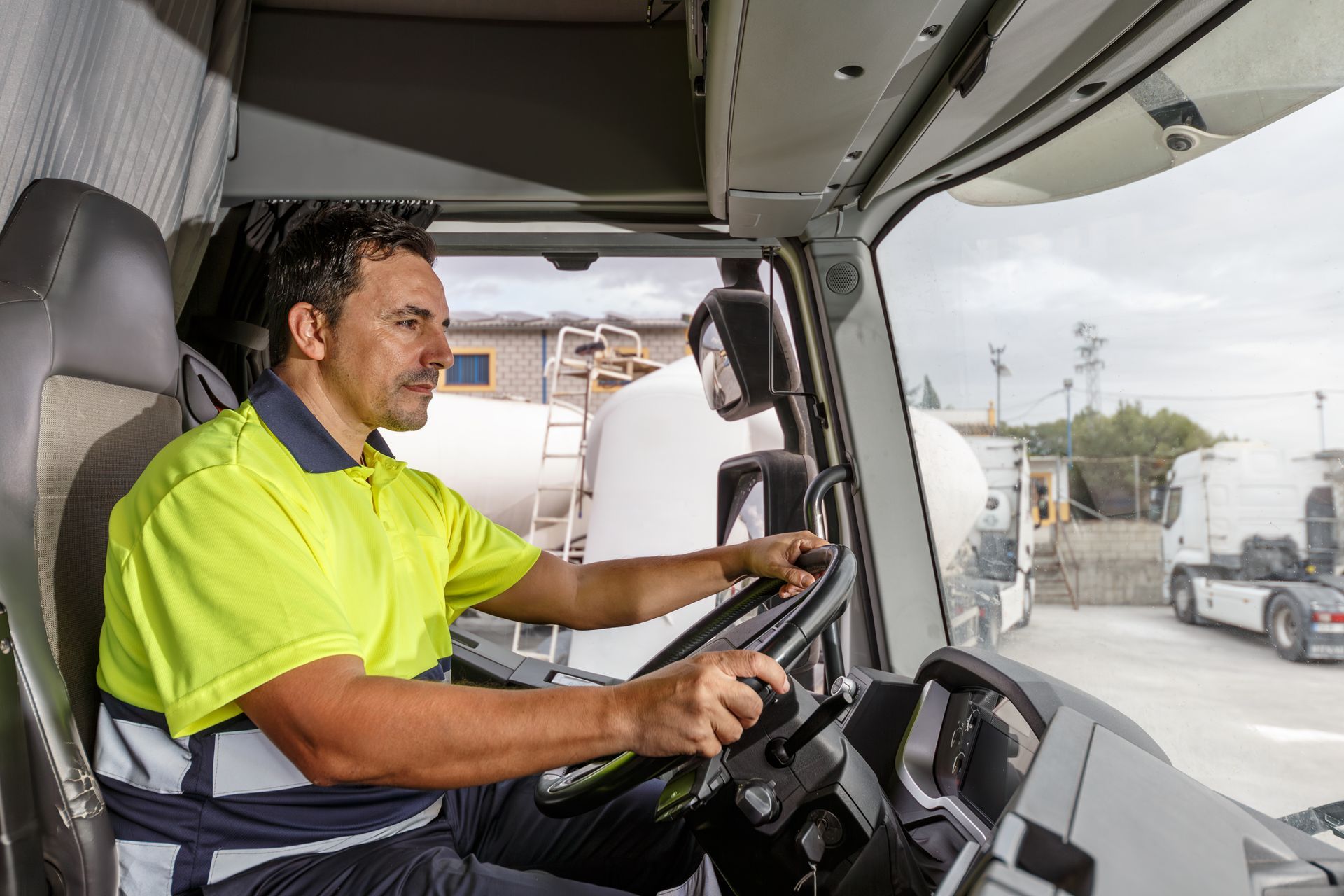
Commercial Auto Insurance
Commercial auto insurance provides coverage for work vehicles used on jobsites. It helps protect drivers and company vehicles.
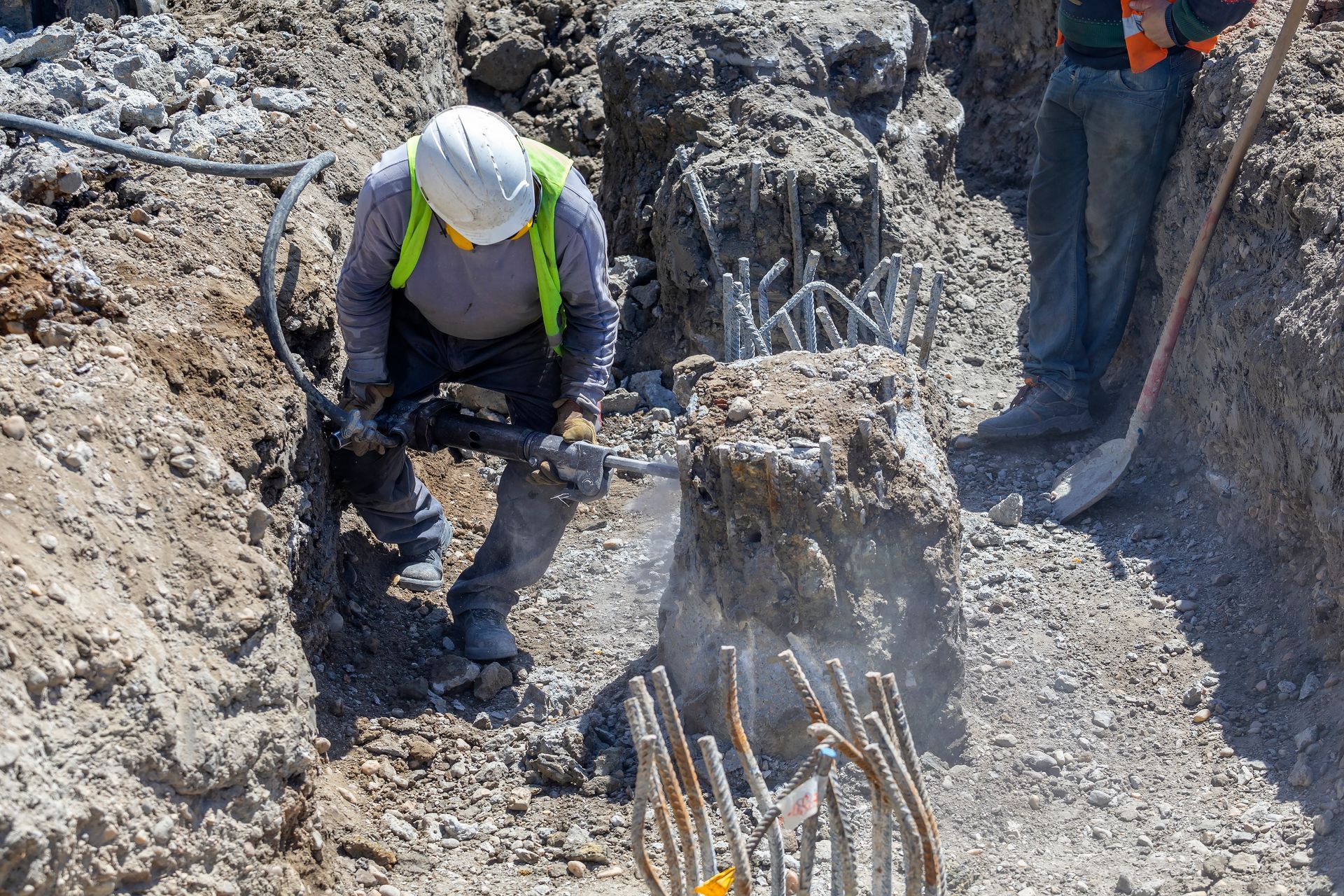
Contractor Insurance
Contractor insurance supports trades and service professionals across Southern California. It helps protect tools, equipment, and daily operations.

Cyber Liability Insurance
Cyber liability insurance helps protect business data and customer information. It supports recovery from digital incidents.

Commercial Property Insurance
Commercial property insurance helps protect offices, shops, and equipment. It supports recovery after covered damage.
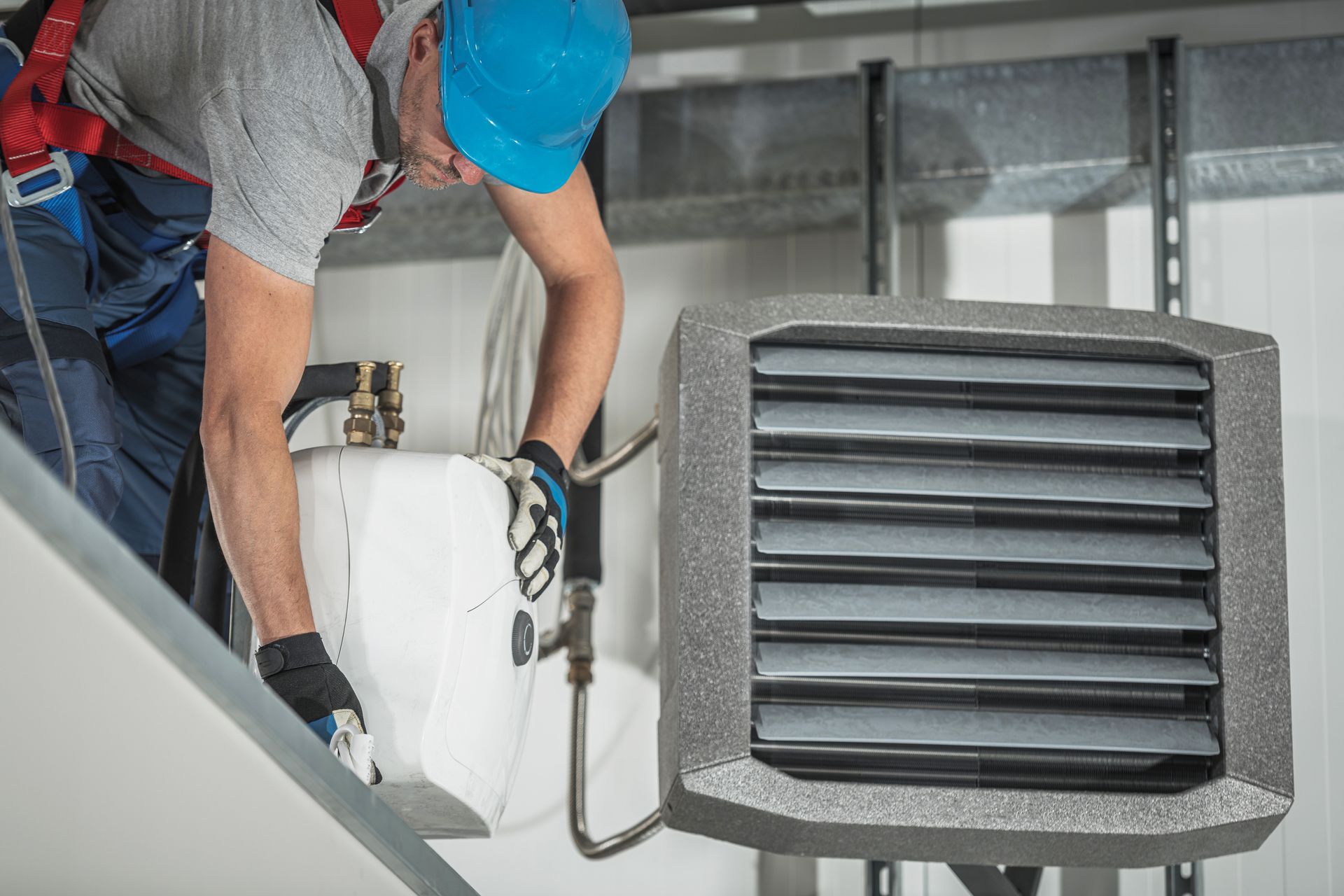
Coverage Built for Specialized Work
Support for high-risk and service-driven industries.


Simple Steps Supported by Steady Guidance
A Clear Path to Coverage
Trusted by Clients Across Southern California
Clear service backed by real experiences.
Answers to Common Questions.
Clear explanations to guide your decisions.
How do I know which insurance policy is right for me?
We compare coverage options from multiple carriers to help you see differences in protection and price. You can review clear details and ask questions so you understand what each policy covers. Our team guides you step by step so you feel sure about your decision.
What factors affect my auto insurance premium?
Auto insurance premiums are influenced by your driving history, age, location, vehicle type, and coverage choices. A clean driving record and good safety features can help lower costs. We review these factors with you and help find coverage that fits your budget and needs.
Does homeowners insurance cover all types of damage?
Standard homeowners insurance protects your structure, personal belongings, liability, and additional living expenses in many cases. However, it usually does not include flood or earthquake damage without separate policies. We help you decide if extra coverage is right for your home and location.
Can I update my policy or get certificates online?
Yes. You can submit requests for policy changes and certificates through our online service form at any time. Our team processes those requests quickly and confirms updates once complete so you have the documents you need.
Do I need separate insurance for business risks like EPLI or E&O?
Yes. General liability and workers compensation cover many business risks but do not protect against all exposures. For example, Employment Practices Liability Insurance (EPLI) covers claims like wrongful termination or discrimination, and Errors & Omissions (E&O) covers claims based on mistakes in professional services. We help you identify which extra policies your business may need.
What happens if I need to file a claim?
If you need to file a claim, we guide you through the process and help you contact the insurance carrier. We explain what information you should provide, answer your questions, and stay available while the carrier reviews your claim. This support helps you move forward with confidence.
Contact Us