Running a refrigeration contracting business in California means dealing with expensive equipment, hazardous refrigerants, and clients who stand to lose tens of thousands of dollars in perishable inventory if something goes wrong on your watch. A single compressor failure you installed, a refrigerant leak at a restaurant, or a slip-and-fall at a client's facility can generate claims that dwarf your annual revenue. Insurance for commercial refrigeration contractors in California isn't just a box to check: it's the financial backbone that keeps your business alive when things go sideways. The state's regulatory environment adds another layer of complexity, with specific bonding requirements, mandatory workers' comp rules, and environmental liability concerns that don't exist in most other states. Whether you're a solo operator running service calls out of a van or managing a crew of technicians across the Bay Area or Central Valley, understanding what coverage you actually need (and what you can skip) will save you real money and real headaches.
Essential Insurance Coverages for California Refrigeration Experts
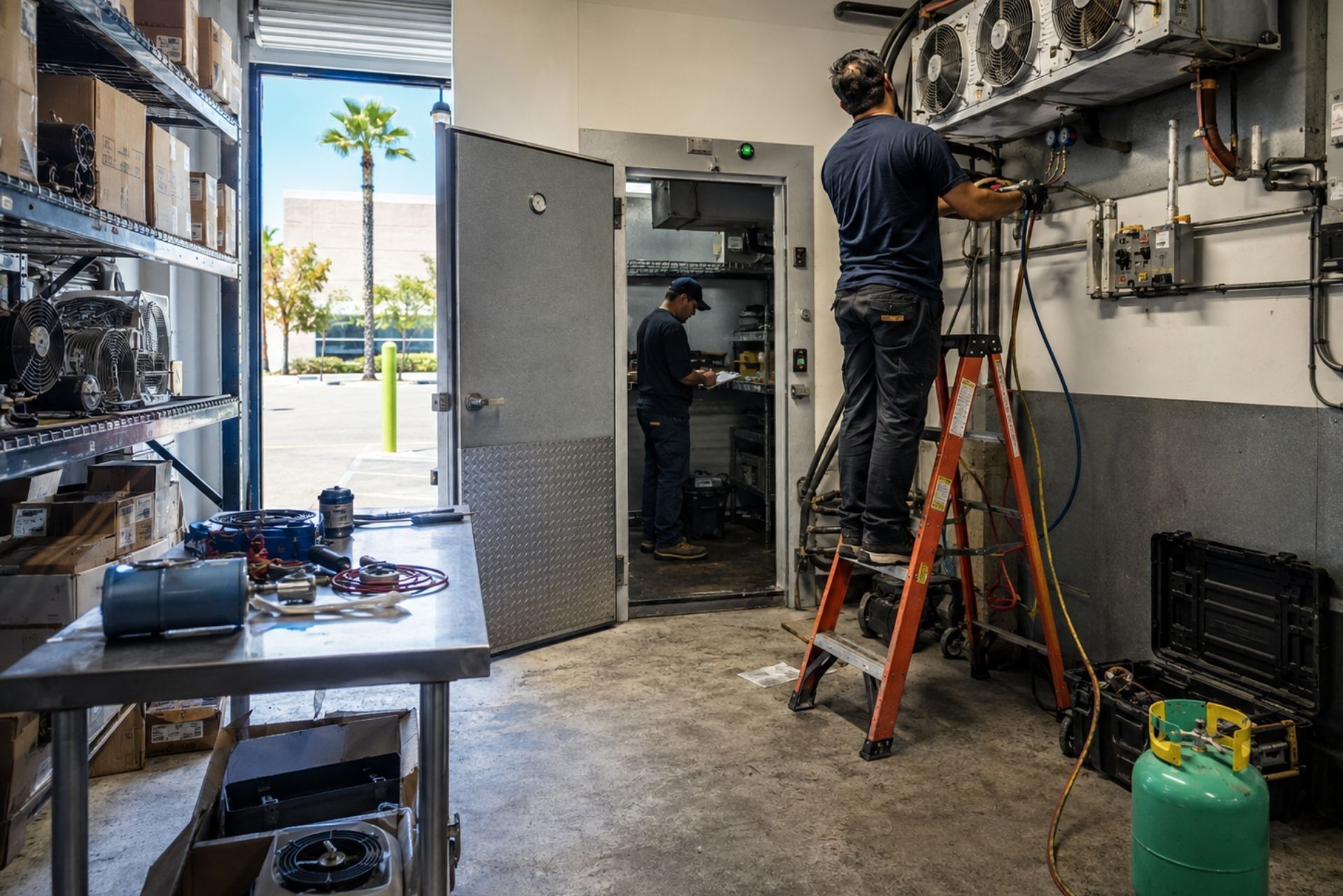
Refrigeration work sits at an uncomfortable intersection of high-value equipment, perishable goods, and hazardous chemicals. That combination means your insurance needs are more layered than a typical HVAC contractor's. The right coverage portfolio protects against everything from a technician accidentally damaging a walk-in cooler to a design flaw that causes a system to fail six months after installation.
General Liability for Third-Party Property Damage
General liability is your first line of defense. If your technician drops a compressor through a restaurant's floor, or a customer trips over your equipment during a service call, this policy covers the resulting bodily injury and property damage claims. In California, most commercial clients and general contractors won't even let you on-site without proof of general liability, typically requiring $1 million per occurrence and $2 million aggregate.
What catches many refrigeration contractors off guard is "completed operations" coverage, which is included in most general liability policies but deserves close attention. This covers damage caused by your work after you've left the job site. If a system you installed fails and floods a grocery store's stockroom three months later, completed operations is what responds. Make sure your policy doesn't exclude it or cap it too low.
Professional Liability and Errors & Omissions
General liability covers physical damage, but what about mistakes in your professional judgment? If you spec the wrong tonnage for a cold storage facility and the system can't maintain temperature, causing $50,000 in spoiled pharmaceutical inventory, that's a professional liability claim. Errors and omissions (E&O) coverage fills this gap.
This matters especially for contractors who handle system design, energy audits, or consult on refrigerant conversions. California's push toward low-GWP refrigerants under the state's HFC reduction regulations means more contractors are advising clients on system transitions. If your recommendation leads to performance problems, E&O coverage protects you from the resulting financial claims.
Commercial Property and Inland Marine Coverage
Your shop, warehouse, and the inventory inside them need protection too. Commercial property insurance covers your business premises against fire, theft, vandalism, and certain weather events. But standard property policies only cover items at your listed location.
Inland marine coverage extends protection to property in transit or temporarily stored at job sites. For refrigeration contractors hauling copper tubing, compressors, and control panels between your shop and client locations, this fills a critical gap. A van break-in at a job site could mean $10,000 or more in stolen materials that your
commercial auto policy won't cover and your property policy can't reach.
By: Patrick Caruso
President of Caruso Insurance Services
California-Specific Legal and Licensing Requirements
California regulates contractors more aggressively than most states, and refrigeration work falls under specific licensing and insurance mandates that you can't afford to ignore.
CSLB C-38 License Bond Requirements
The Contractors State License Board (CSLB) requires all licensed contractors, including C-38 (Refrigeration) license holders, to maintain a contractor's license bond. As of 2026, the minimum bond amount is $25,000 for most contractors, though it can increase to $150,000 or more if you've had disciplinary actions or outstanding judgments.
This bond isn't insurance: it's a guarantee to the state and your clients that you'll follow California contractor law. If a valid claim is made against your bond, the surety company pays out, and then you owe them that money back. Keeping your claims history clean directly affects your bond costs and availability. Contractors with prior CSLB disciplinary actions often face bond premiums three to five times higher than those with clean records.
Mandatory Workers' Compensation Laws
California has zero tolerance for uninsured employers. If you have even one employee, you must carry workers' compensation insurance. There are no exceptions based on company size, and the penalties for non-compliance are severe: fines up to $100,000, potential criminal charges, and a stop-work order from the CSLB.
Refrigeration work carries elevated workers' comp rates because of the physical hazards involved: electrical exposure, heavy lifting, working with pressurized systems, and handling refrigerants in confined spaces. Expect to pay between $8 and $15 per $100 of payroll depending on your specific classification codes and experience modification rate. Investing in documented safety training programs and maintaining a clean claims history through your experience mod can reduce these premiums by 20% to 40% over time.
Protecting Mobile Assets and Specialized Equipment
Most refrigeration contractors spend their days on the road, and that means a significant portion of your business assets are constantly in motion.
Commercial Auto Insurance for Service Vans
Your personal auto policy won't cover vehicles used for business purposes: period. Commercial auto insurance covers your service vans, box trucks, and any other vehicles in your fleet for liability, collision, and comprehensive damage. In California, minimum commercial auto liability limits are $15,000/$30,000/$5,000, but those limits are dangerously low for a business. Most contractors carry at least $1 million in combined single-limit coverage.
If your technicians use their own vehicles for service calls, you need hired and non-owned auto coverage on your commercial policy. Without it, an accident in an employee's personal car during a work-related trip creates a liability gap that could land squarely on your business.
Tools and Equipment Floaters
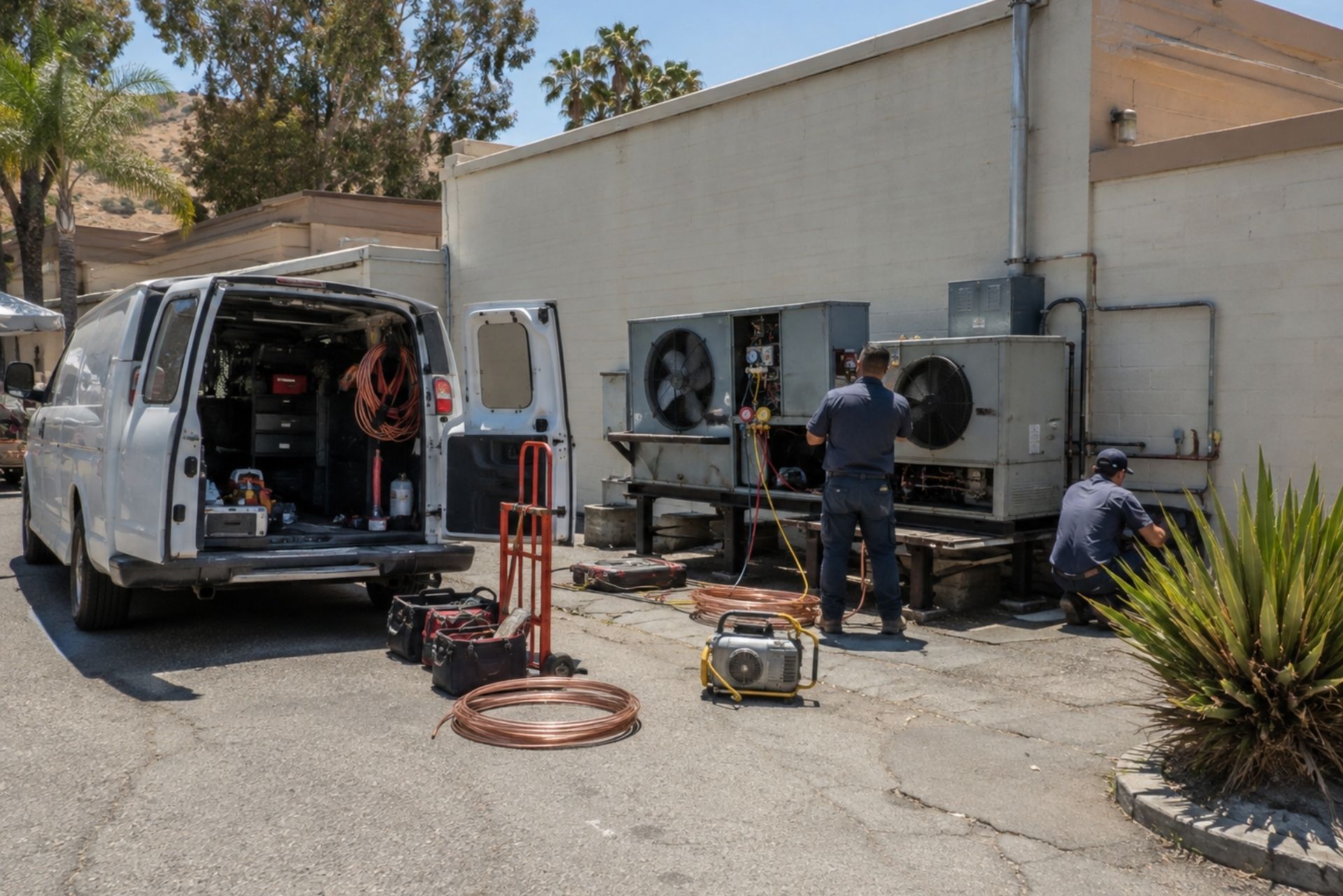
Refrigeration technicians carry specialized tools: manifold gauge sets, recovery machines, vacuum pumps, leak detectors, and digital instruments that can easily total $15,000 to $30,000 per van. A tools and equipment floater (sometimes called an equipment floater or contractor's tools policy) covers these items against theft, accidental damage, and sometimes even mysterious disappearance.
Standard commercial property or auto policies typically exclude or severely limit coverage for portable tools and equipment. A dedicated floater costs relatively little, often $300 to $800 annually per $25,000 in coverage, and eliminates one of the most common out-of-pocket losses refrigeration contractors face.
Mitigating High-Stakes Risks in the Cold Chain
Refrigeration contractors operate in a space where failures don't just cause inconvenience: they destroy inventory, create environmental hazards, and trigger regulatory scrutiny.
Pollution Liability and Refrigerant Leaks
Refrigerant releases are an environmental and regulatory event. Under EPA Section 608 and California's own air quality regulations, releasing certain refrigerants into the atmosphere can trigger fines, mandatory reporting, and cleanup costs. Standard general liability policies almost universally exclude pollution-related claims.
A pollution liability policy covers cleanup costs, third-party bodily injury from chemical exposure, regulatory defense costs, and fines where insurable by law. If you work with ammonia systems in industrial cold storage, this coverage moves from "nice to have" to "absolutely essential." A single ammonia release can generate six-figure cleanup and remediation costs.
Spoilage Coverage and Business Interruption
Here's a scenario that keeps refrigeration contractors up at night: you service a system, leave the site, and the unit fails overnight. By morning, $200,000 in frozen seafood is ruined. The client's attorney is already drafting a demand letter before you've finished your coffee.
Spoilage liability coverage (sometimes structured as part of your general or professional liability) responds to claims where your work caused or contributed to the loss of perishable goods. Some policies also offer business interruption coverage that compensates your client for lost revenue during the downtime. Given that California is home to some of the country's largest food processing, restaurant, and pharmaceutical operations, the spoilage exposure for refrigeration contractors here is enormous.
Your premiums aren't pulled from thin air. Insurers evaluate a specific set of risk factors when pricing your coverage:
- Annual revenue and payroll size: higher numbers mean more exposure and higher premiums
- Claims history over the past three to five years, tracked through databases like CLUE and A-PLUS
- Types of refrigerants you handle: ammonia and CO2 systems carry higher risk ratings than standard HFC work
- Geographic territory: contractors working in wildfire-prone areas or high-crime urban zones pay more
- Years in business and professional certifications: EPA 608 Universal, RETA certifications, and OSHA training records can all work in your favor
- Fleet size and driver records for commercial auto coverage
- Subcontractor usage: if you sub out work, insurers want to see certificates of insurance from every sub
One factor that surprises many contractors is how much their experience modification rate (mod rate) affects overall costs. A mod rate above 1.0 signals higher-than-average claims frequency and can increase your workers' comp premiums by 30% or more. Conversely, maintaining a mod rate below 1.0 through strong safety practices and claims management can save you thousands annually.
Strategies for Securing Competitive Quotes and Coverage
Getting the right insurance for your California refrigeration contracting business at a reasonable price requires more than calling one broker and accepting the first quote.
Start by working with a broker or agent who specializes in contractor insurance, ideally one with experience in mechanical and refrigeration trades. Generalist agents often miss critical coverages or place you with carriers that don't understand your risk profile. Ask specifically whether the carrier has experience with C-38 contractors.
Bundle your policies where possible. A Business Owner's Policy (BOP) combines general liability and commercial property into a single package, often at 10% to 15% less than buying them separately. Add your inland marine and tools floater to the same carrier for additional multi-policy discounts.
Document everything that reduces your risk profile. Maintain written safety programs, conduct annual equipment inspections on your fleet, keep training records for all technicians, and photograph job sites before and after work. Insurers reward contractors who can demonstrate proactive risk management with lower premiums and broader coverage terms. Annual policy reviews with your broker ensure you're not overpaying for coverage you've outgrown or missing protection for new exposures as your business evolves.
Getting the right commercial refrigeration contractor insurance in California isn't a one-time task: it's an ongoing process that should evolve with your business. The contractors who treat insurance as a strategic investment rather than a grudging expense are the ones who survive the claims that inevitably come. Start with the coverages outlined here, work with a specialist broker who knows the California market, and review your program at least once a year. Your future self will thank you when a $150,000 spoilage claim lands on your desk and your policy actually responds.
ABOUT THE AUTHOR:
PATRICK CARUSO
I’m Patrick Caruso, founder of Caruso Insurance, and I have spent more than 25 years helping families, contractors, and small businesses across Southern California make confident insurance decisions. I focus on explaining coverage in clear terms, comparing multiple carriers, and supporting clients with steady communication so they feel secure with each step. My goal is to provide dependable guidance, simple answers, and a smooth process for anyone who needs personal or business insurance.
Contact Us

Service that stays with you.
Our team helps simplify insurance decisions for families and businesses. We focus on clear explanations, fast responses, and dependable service. You can count on us for help with coverage questions, updates, and long-term support.
Coverage that keeps you secure
Reliable Protection for Everyday Life
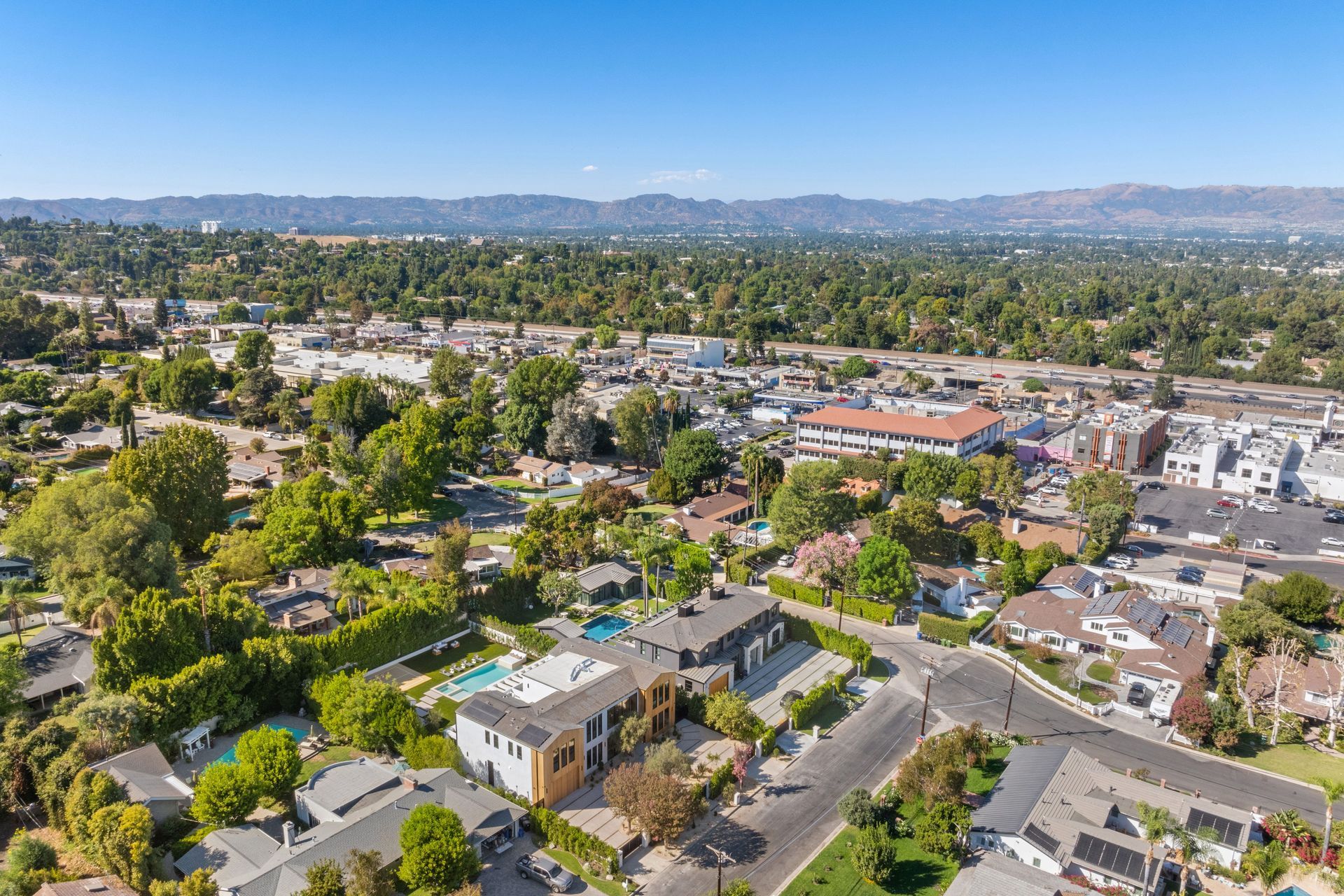
Home insurance helps protect your house, personal belongings, and liability risks. We explain coverage options clearly so you know what your policy includes.
Auto insurance provides protection for accidents, liability, and vehicle damage. We help you compare options so you can choose coverage that fits your driving needs.
Motorcycle insurance provides coverage for riders and their bikes. We help you select options that match how and where you ride.
RV insurance supports protection for motorhomes and recreational vehicles. Coverage applies during travel and while parked.
Coverage Built for Contractors and Trades
Support that keeps your work moving.

General Liability Insurance
General liability insurance helps protect contractors from injury and property damage claims. It supports jobsite requirements and contracts.

Workers Compensation
Workers compensation insurance helps protect employees injured while working. It also supports compliance with state requirements.

Commercial Auto Insurance
Commercial auto insurance provides coverage for work vehicles used on jobsites. It helps protect drivers and company vehicles.
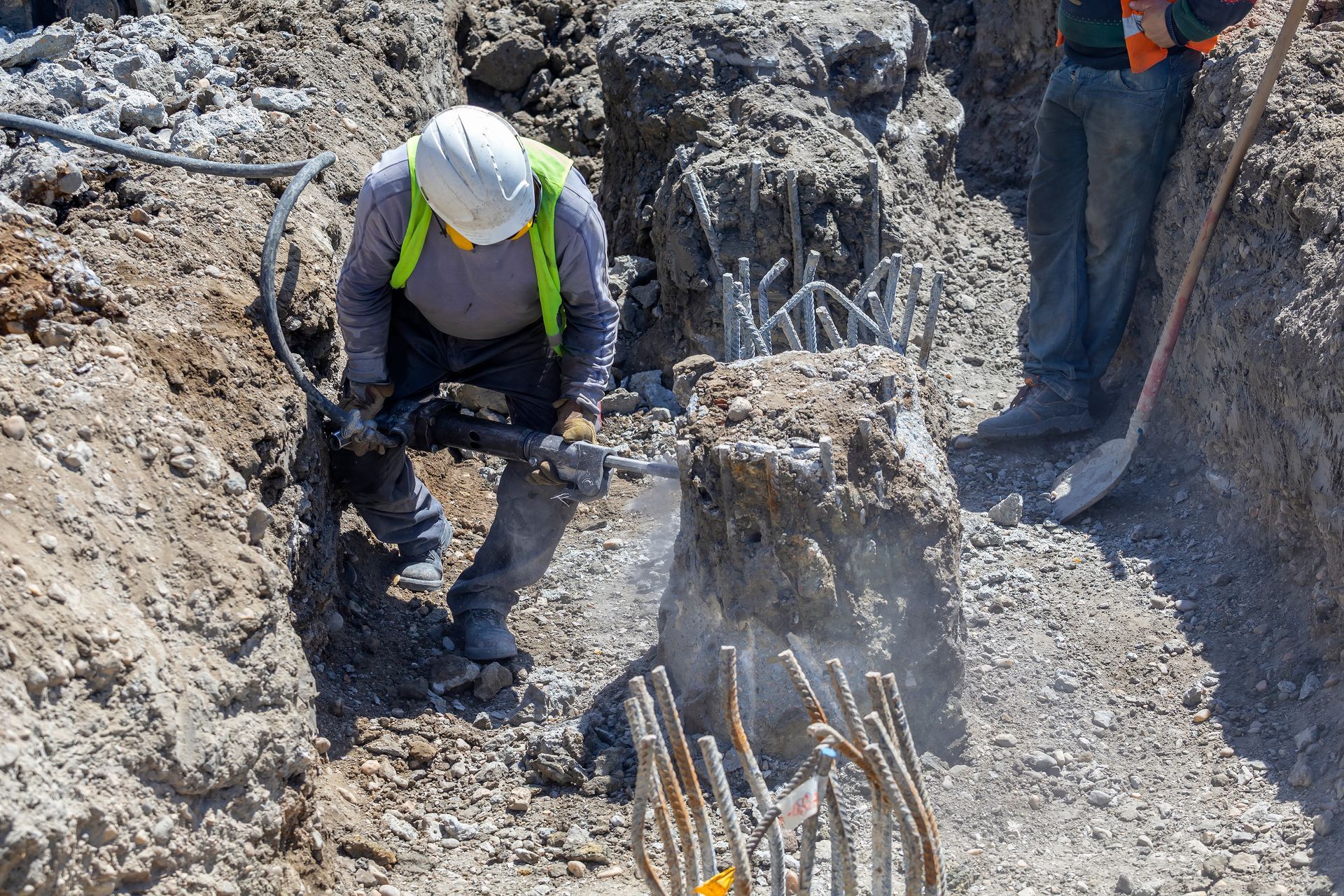
Contractor Insurance
Contractor insurance supports trades and service professionals across Southern California. It helps protect tools, equipment, and daily operations.

Cyber Liability Insurance
Cyber liability insurance helps protect business data and customer information. It supports recovery from digital incidents.

Commercial Property Insurance
Commercial property insurance helps protect offices, shops, and equipment. It supports recovery after covered damage.
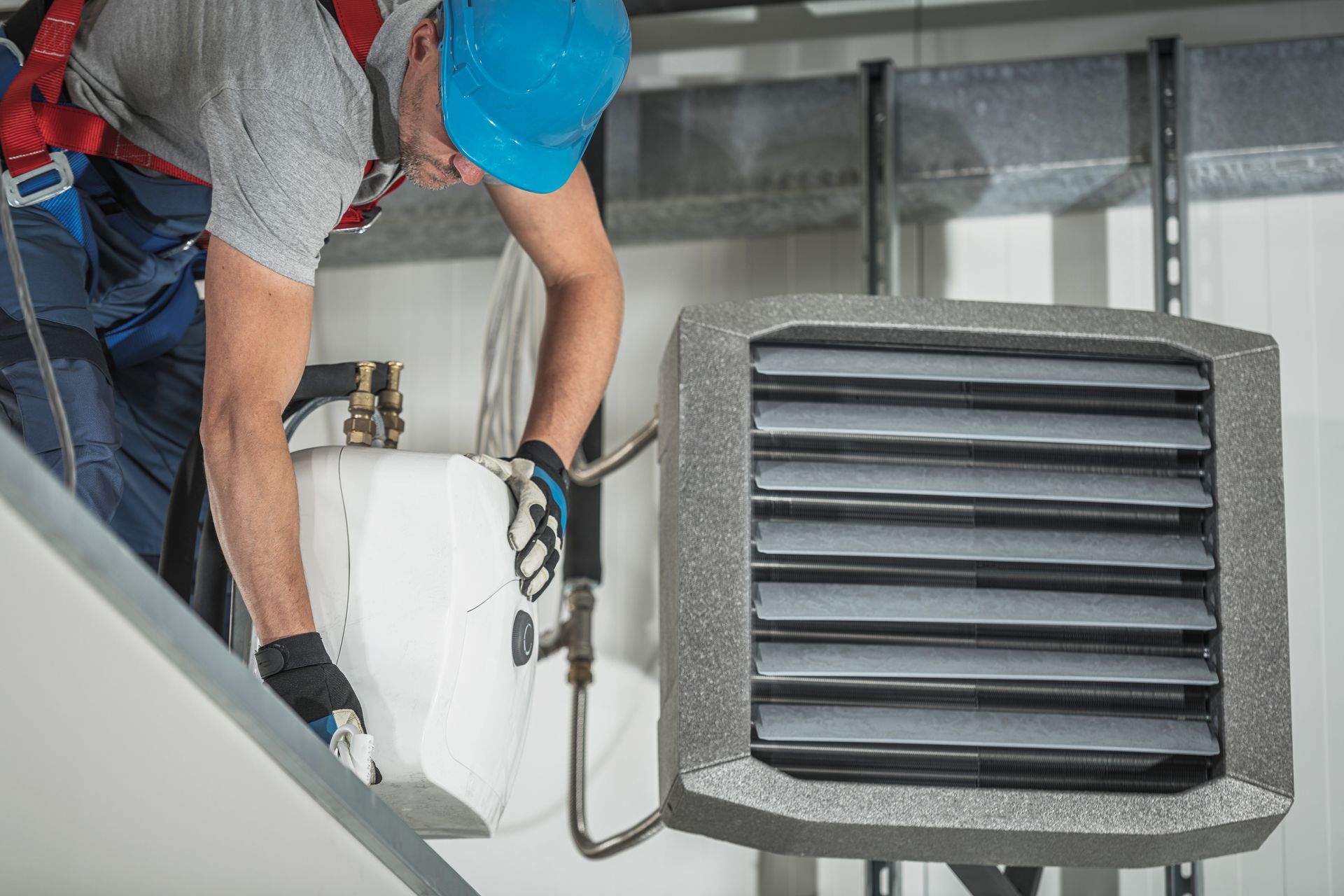
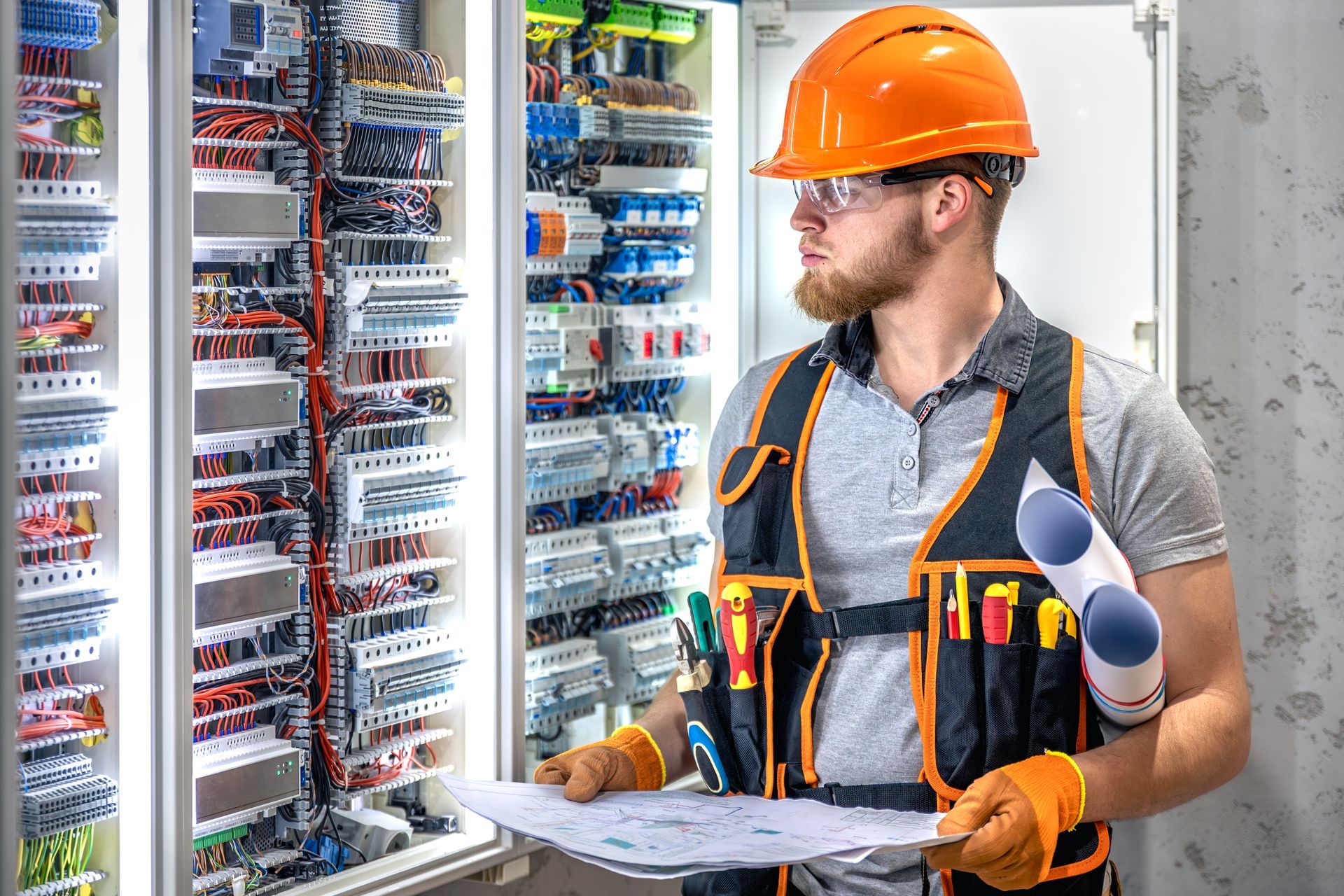
Coverage Built for Specialized Work
Support for high-risk and service-driven industries.
Simple Steps Supported by Steady Guidance
A Clear Path to Coverage
Trusted by Clients Across Southern California
Clear service backed by real experiences.
Answers to Common Questions.
Clear explanations to guide your decisions.
How do I know which insurance policy is right for me?
We compare coverage options from multiple carriers to help you see differences in protection and price. You can review clear details and ask questions so you understand what each policy covers. Our team guides you step by step so you feel sure about your decision.
What factors affect my auto insurance premium?
Auto insurance premiums are influenced by your driving history, age, location, vehicle type, and coverage choices. A clean driving record and good safety features can help lower costs. We review these factors with you and help find coverage that fits your budget and needs.
Does homeowners insurance cover all types of damage?
Standard homeowners insurance protects your structure, personal belongings, liability, and additional living expenses in many cases. However, it usually does not include flood or earthquake damage without separate policies. We help you decide if extra coverage is right for your home and location.
Can I update my policy or get certificates online?
Yes. You can submit requests for policy changes and certificates through our online service form at any time. Our team processes those requests quickly and confirms updates once complete so you have the documents you need.
Do I need separate insurance for business risks like EPLI or E&O?
Yes. General liability and workers compensation cover many business risks but do not protect against all exposures. For example, Employment Practices Liability Insurance (EPLI) covers claims like wrongful termination or discrimination, and Errors & Omissions (E&O) covers claims based on mistakes in professional services. We help you identify which extra policies your business may need.
What happens if I need to file a claim?
If you need to file a claim, we guide you through the process and help you contact the insurance carrier. We explain what information you should provide, answer your questions, and stay available while the carrier reviews your claim. This support helps you move forward with confidence.
Contact Us