Running a business in Corona means dealing with foot traffic, client interactions, and the occasional curveball that no one plans for. A customer slips on a wet floor, a delivery driver backs into a client's fence, or a disgruntled competitor claims your ad campaign damaged their reputation. These situations aren't hypothetical: they happen to real businesses in the Inland Empire every year, and the financial fallout can be devastating without the right coverage in place.
General liability insurance in Corona isn't just a box to check on a compliance form. It's the financial buffer between a minor incident and a lawsuit that could drain your business account. With Corona's population surpassing 160,000 and commercial development continuing to expand along the 91 and 15 corridors, the volume of customer and vendor interactions keeps climbing. More interactions mean more exposure. Whether you're a sole proprietor running a
consulting practice from a home office or managing a crew of twenty on a construction site, understanding what this coverage actually does, what it costs, and how to buy it smartly can save you tens of thousands of dollars. Here's what you need to know.
Understanding General Liability Insurance for Corona Businesses
General liability insurance is the foundational coverage most businesses carry. It protects against third-party claims, meaning claims made by people who aren't your employees. If someone outside your company suffers an injury, has their property damaged, or alleges that your business harmed their reputation through advertising, this policy responds. It covers legal defense costs, settlements, and court judgments up to your policy limits.
Most policies in California carry a standard structure: a per-occurrence limit (commonly $1 million) and an aggregate limit (often $2 million) that caps total payouts during the policy period. For Corona businesses, these limits are typically the minimum starting point, not the ceiling.
Core Protections: Bodily Injury and Property Damage
Bodily injury coverage kicks in when a third party is physically hurt because of your business operations or on your premises. Picture a retail shop on Sixth Street where a customer trips over a display and breaks a wrist. The policy covers their medical bills, lost wages, and your legal defense if they sue. Property damage works similarly: if your landscaping crew accidentally destroys a client's irrigation system, the policy pays for repairs.
These claims are more common than most business owners expect. A single bodily injury claim in Riverside County can easily reach $50,000 to $150,000 when you factor in medical costs and legal fees. Without coverage, that comes straight out of your operating capital.
Personal and Advertising Injury Coverage
This is the part of the policy most people overlook. Personal and advertising injury covers non-physical harms: libel, slander, copyright infringement in your marketing materials, wrongful eviction (for landlords), and invasion of privacy. If a competitor claims your Google Ads campaign used misleading language that damaged their brand, this is the coverage that responds.
For Corona businesses doing any kind of digital marketing, social media advertising, or content creation, this coverage matters more than it did even five years ago. Online disputes escalate quickly, and legal costs for advertising injury claims can run $20,000 to $75,000 before a case even reaches a courtroom.
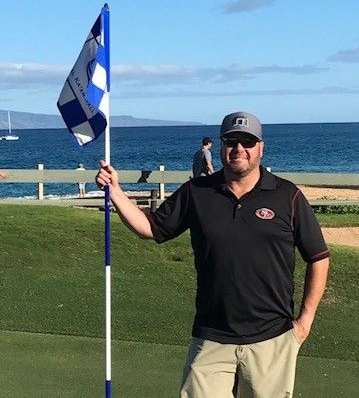
By: Patrick Caruso
President of Caruso Insurance Services
Why Local Businesses in Riverside County Need Coverage
Corona sits in one of the fastest-growing commercial corridors in Southern California. The city's strategic position between Los Angeles and the broader Inland Empire makes it a magnet for new businesses, which also means more competition and more potential for disputes. Riverside County courts handle a significant volume of civil litigation each year, and small businesses are frequently named as defendants.
Meeting California State and City Requirements
California doesn't mandate general liability insurance by law for all businesses, but that doesn't mean you can skip it. Many situations effectively require it. Commercial landlords in Corona almost universally require tenants to carry general liability coverage with minimum limits of $1 million per occurrence, and they'll want to be listed as an additional insured on your policy. The City of Corona requires proof of insurance for contractors pulling permits, and many professional licensing boards expect it as well.
If you bid on subcontracting work for larger firms, you'll find that general contractors won't even consider your proposal without a certificate of insurance. The practical reality is that while the state won't fine you for not having coverage, the market will shut you out.
Protecting Assets in a High-Growth Economic Zone
Corona's commercial real estate market has seen steady appreciation, and business valuations in the area reflect that growth. If you've built a company worth $500,000 or more, a single uninsured liability claim can wipe out years of equity. California courts can pursue personal assets if your business is a sole proprietorship or if corporate protections are pierced.
The CLUE (Comprehensive Loss Underwriting Exchange) database tracks your claims history for seven years. Even one uninsured incident that results in a lawsuit creates a paper trail that makes future coverage harder to obtain and more expensive. Carrying consistent coverage isn't just about today's risk: it's about maintaining your insurability for the long term.
Industry-Specific Risks for Corona-Based Enterprises
Different industries face different liability profiles, and Corona's business mix creates a wide range of exposures. The city's economy spans construction, retail, food service, logistics, and professional services. Each sector carries unique risks that affect both coverage needs and premium costs.
Construction and Artisan Contractors
Construction is one of the highest-risk industries for liability claims, and Corona has no shortage of building activity. Residential remodeling, commercial tenant improvements, and new development projects along Ontario Avenue and Cajalco Road keep contractors busy. A general liability policy for a contractor typically costs $1,500 to $4,000 annually for a small operation, depending on the trade.
Common claims include property damage to adjacent structures, injuries to bystanders on job sites, and completed operations claims where work fails after the project wraps. If you're a plumber and a pipe joint you installed bursts six months later, flooding a client's home, your completed operations coverage handles that claim. Make sure your policy includes this extension: some cheaper policies exclude it.
Retail Stores and Hospitality Services
Corona's retail and restaurant scene has expanded significantly, particularly around the Crossings at Corona and along Main Street. Slip-and-fall claims dominate liability exposure for these businesses. A restaurant might face three to five minor incidents per year, and even one serious injury claim can exceed $100,000.
Food-related businesses also face product liability exposure if a customer has an allergic reaction or gets sick. While product liability is technically a separate coverage, many general liability policies include limited product liability protection. Review your policy language carefully, or better yet, have your agent walk you through what's covered and what's excluded.
Professional Offices and Consulting Firms
Office-based businesses tend to have lower premiums because the physical risk is smaller. An accounting firm or marketing agency in Corona might pay $400 to $800 per year for general liability coverage. But don't confuse lower premiums with lower risk. Visitor injuries, property damage from water leaks affecting neighboring tenants, and advertising injury claims all apply to professional offices.
One important distinction: general liability does not cover errors in your professional work. If a client sues because your consulting advice cost them money, that's a
professional liability (errors and omissions) claim. You need a separate policy for that. Many Corona professionals mistakenly believe their general liability policy covers everything, and they find out otherwise at the worst possible time.
Your premium isn't a random number. Insurers use specific data points to calculate what you'll pay, and understanding these factors gives you some control over your costs.
Business Size and Annual Revenue
Revenue is one of the primary rating factors. A Corona business generating $250,000 in annual revenue will pay significantly less than one bringing in $2 million, because higher revenue generally correlates with more customer interactions and greater exposure. Employee count matters too: more employees mean more opportunities for incidents that trigger claims.
Insurers also consider your square footage, especially for retail and hospitality businesses. A 5,000-square-foot restaurant has more exposure than a 1,200-square-foot office suite. If you're expanding your space, expect your premium to adjust at renewal.
Claims History and Risk Exposure
Your loss history is arguably the most influential factor. Businesses with clean claims records for three to five years typically qualify for preferred rates. A single claim won't necessarily spike your premium, but a pattern of claims signals higher risk to underwriters.
The CLUE database, maintained by LexisNexis, tracks every claim you've filed. When you apply for new coverage or switch carriers, the prospective insurer pulls your CLUE report. Two or more claims within five years can increase your premium by 15% to 30%. This is why some businesses choose to handle minor incidents out of pocket rather than filing small claims that could affect their long-term rates.
Proactive risk management helps here. Conduct annual safety inspections of your premises, document maintenance with photos and dated reports, and address hazards before they become claims. Insurers notice when a business takes risk reduction seriously, and some offer premium credits for documented safety programs.
How to Choose the Right Policy and Limits
Selecting the right policy involves more than picking the cheapest quote. The wrong coverage can leave gaps that cost far more than the premium savings.
Bundling with a Business Owner's Policy (BOP)
A BOP combines general liability with commercial property insurance into a single policy, usually at a 10% to 15% discount compared to buying each separately. For Corona businesses that own equipment, inventory, or tenant improvements, a BOP often makes the most financial sense. Most insurers offer BOPs for small to mid-sized businesses with revenue under $5 million and fewer than 100 employees.
The bundled approach also simplifies administration. One policy, one renewal date, one agent to call when something goes wrong. If your business qualifies, a BOP is almost always the better value compared to standalone policies.
Evaluating Local Insurance Agencies vs. National Carriers
Corona has several independent insurance agencies with deep knowledge of Riverside County's business environment. Local agents often have relationships with multiple carriers, which means they can shop your coverage across several companies to find the best combination of price and protection. A national carrier like State Farm or Nationwide offers brand recognition and financial stability, but their agents typically represent only that one company.
Independent agents can also help you identify coverage gaps specific to your industry and location. An agent who understands Corona's flood zones, traffic patterns, and local ordinances can tailor your policy in ways a call-center representative in another state simply can't. Ask any prospective agent how many commercial clients they serve in the Inland Empire and what industries they specialize in. Experience with local businesses matters.
Securing Your Business Future in the Inland Empire
General liability insurance in Corona is one of those expenses that feels unnecessary until the moment you need it. The businesses that survive unexpected claims are the ones that planned ahead: they carried appropriate limits, reviewed their policies annually, and worked with agents who understood their specific risks.
If you haven't reviewed your coverage in the past twelve months, now is the time. Pull out your current policy, check your limits against your revenue growth, and verify that your coverage matches your actual operations. Businesses change faster than policies do, and a policy written for last year's risk profile might leave you exposed today.
Talk to a local insurance professional who knows the Corona market. Get at least three quotes, compare not just premiums but coverage terms, and make sure your deductibles are set at levels you can actually afford to pay. Your business is worth protecting properly.
ABOUT THE AUTHOR:
PATRICK CARUSO
I’m Patrick Caruso, founder of Caruso Insurance, and I have spent more than 25 years helping families, contractors, and small businesses across Southern California make confident insurance decisions. I focus on explaining coverage in clear terms, comparing multiple carriers, and supporting clients with steady communication so they feel secure with each step. My goal is to provide dependable guidance, simple answers, and a smooth process for anyone who needs personal or business insurance.
Contact Us

Service that stays with you.
Our team helps simplify insurance decisions for families and businesses. We focus on clear explanations, fast responses, and dependable service. You can count on us for help with coverage questions, updates, and long-term support.
Coverage that keeps you secure
Reliable Protection for Everyday Life
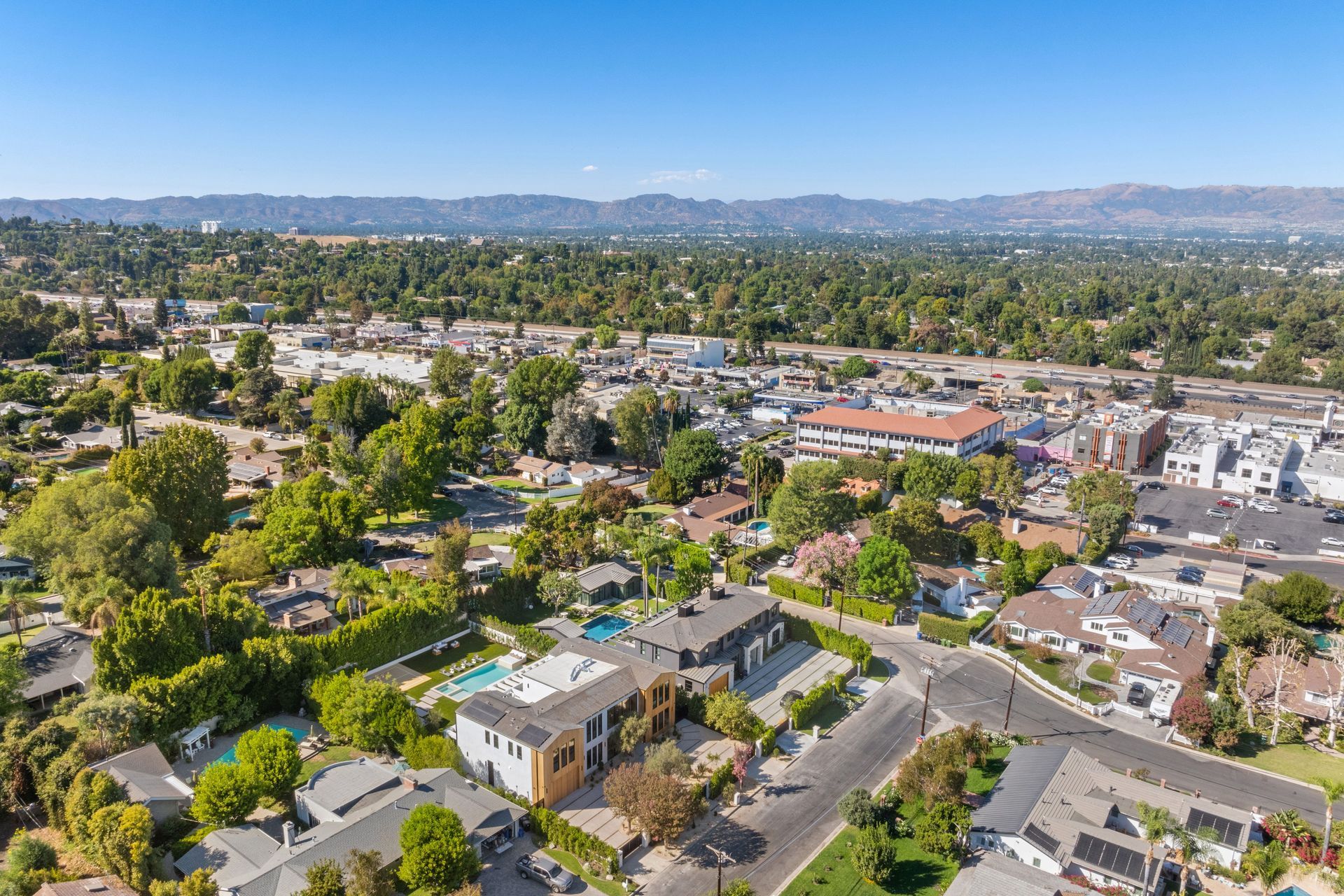
Home insurance helps protect your house, personal belongings, and liability risks. We explain coverage options clearly so you know what your policy includes.
Auto insurance provides protection for accidents, liability, and vehicle damage. We help you compare options so you can choose coverage that fits your driving needs.
Motorcycle insurance provides coverage for riders and their bikes. We help you select options that match how and where you ride.
RV insurance supports protection for motorhomes and recreational vehicles. Coverage applies during travel and while parked.
Coverage Built for Contractors and Trades
Support that keeps your work moving.

General Liability Insurance
General liability insurance helps protect contractors from injury and property damage claims. It supports jobsite requirements and contracts.

Workers Compensation
Workers compensation insurance helps protect employees injured while working. It also supports compliance with state requirements.

Commercial Auto Insurance
Commercial auto insurance provides coverage for work vehicles used on jobsites. It helps protect drivers and company vehicles.
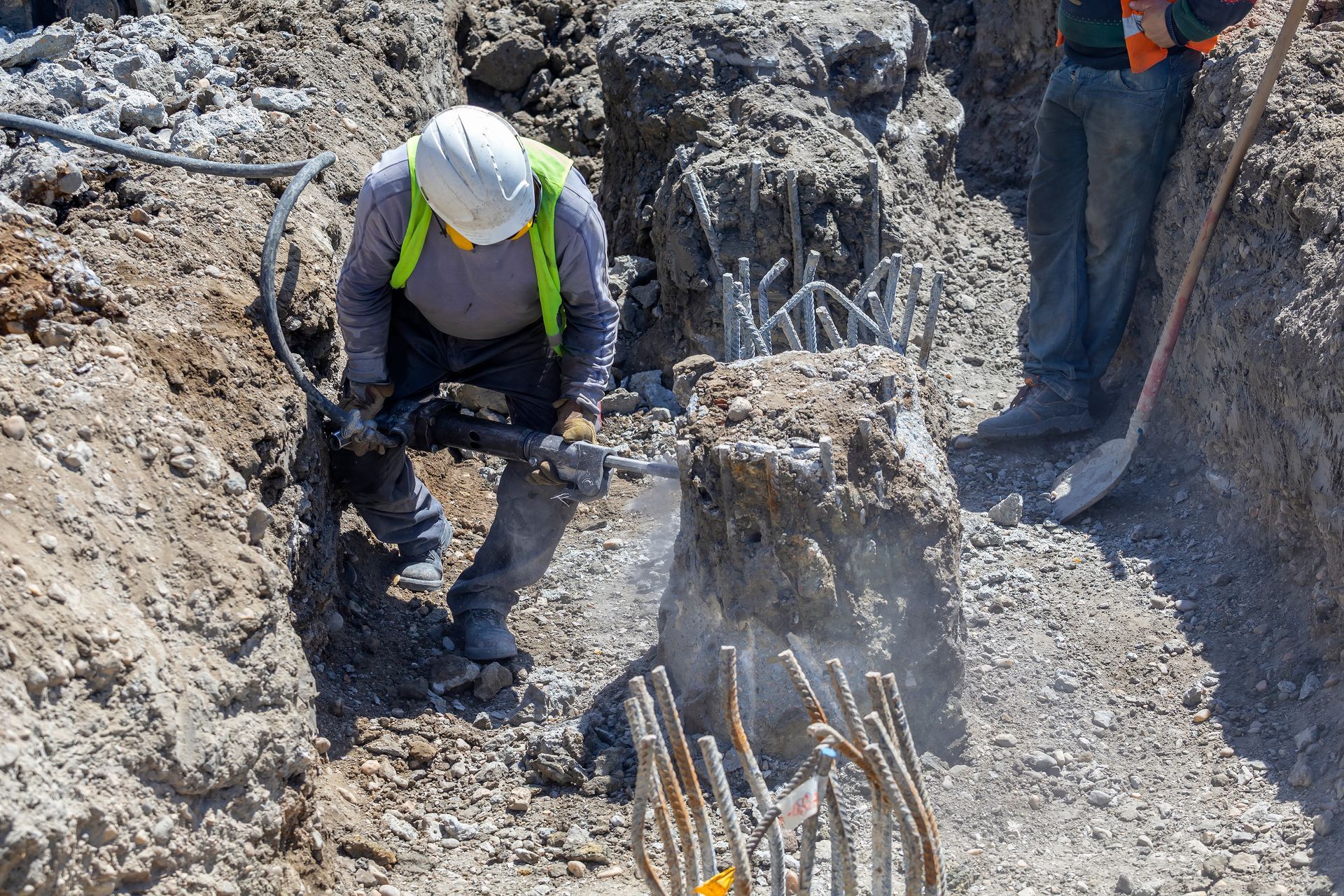
Contractor Insurance
Contractor insurance supports trades and service professionals across Southern California. It helps protect tools, equipment, and daily operations.

Cyber Liability Insurance
Cyber liability insurance helps protect business data and customer information. It supports recovery from digital incidents.

Commercial Property Insurance
Commercial property insurance helps protect offices, shops, and equipment. It supports recovery after covered damage.
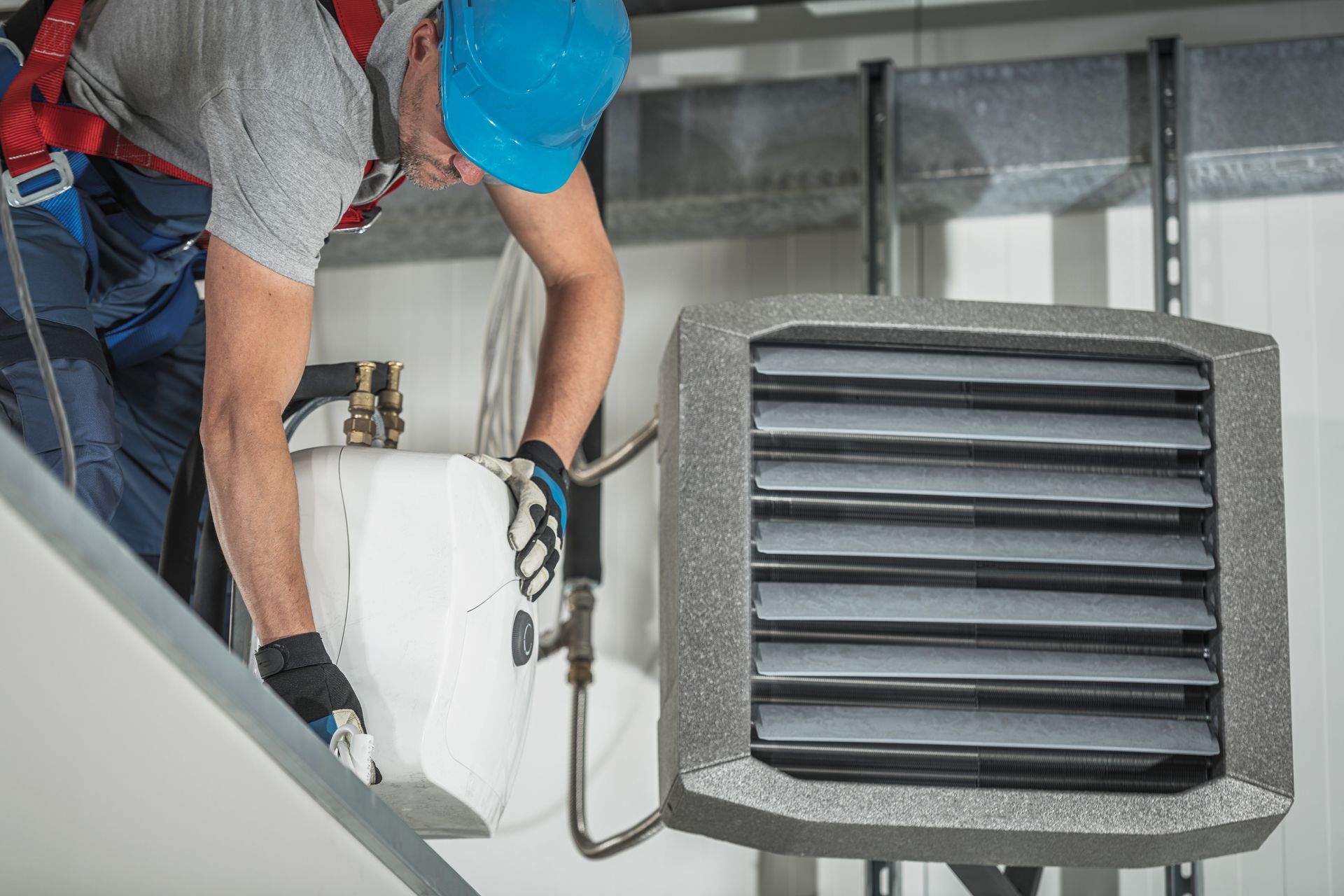
Coverage Built for Specialized Work
Support for high-risk and service-driven industries.


Simple Steps Supported by Steady Guidance
A Clear Path to Coverage
Trusted by Clients Across Southern California
Clear service backed by real experiences.
Answers to Common Questions.
Clear explanations to guide your decisions.
How do I know which insurance policy is right for me?
We compare coverage options from multiple carriers to help you see differences in protection and price. You can review clear details and ask questions so you understand what each policy covers. Our team guides you step by step so you feel sure about your decision.
What factors affect my auto insurance premium?
Auto insurance premiums are influenced by your driving history, age, location, vehicle type, and coverage choices. A clean driving record and good safety features can help lower costs. We review these factors with you and help find coverage that fits your budget and needs.
Does homeowners insurance cover all types of damage?
Standard homeowners insurance protects your structure, personal belongings, liability, and additional living expenses in many cases. However, it usually does not include flood or earthquake damage without separate policies. We help you decide if extra coverage is right for your home and location.
Can I update my policy or get certificates online?
Yes. You can submit requests for policy changes and certificates through our online service form at any time. Our team processes those requests quickly and confirms updates once complete so you have the documents you need.
Do I need separate insurance for business risks like EPLI or E&O?
Yes. General liability and workers compensation cover many business risks but do not protect against all exposures. For example, Employment Practices Liability Insurance (EPLI) covers claims like wrongful termination or discrimination, and Errors & Omissions (E&O) covers claims based on mistakes in professional services. We help you identify which extra policies your business may need.
What happens if I need to file a claim?
If you need to file a claim, we guide you through the process and help you contact the insurance carrier. We explain what information you should provide, answer your questions, and stay available while the carrier reviews your claim. This support helps you move forward with confidence.
Contact Us