A plumbing service having one faulty repair that results in significant water damage can lead to a multi-million dollar claim. Such scenarios are all too common in many industries, prompting professionals to seek robust liability coverage. California’s diverse business landscape, from technology startups to established legal practices, demands tailored insurance that protects against claims of negligence and errors. As the professional liability insurance market grows globally, understanding these coverages and knowing when to acquire them is crucial for any California business.
Professional liability insurance in California not only limits a company’s exposure to costly litigation but also offers reassurance to clients. This guide delves into the fundamentals of professional liability, examines regional considerations, and dissects emerging trends in the industry. Readers will find clear explanations, real-world examples, and expert-backed insights to navigate potential risks in the Golden State.
With the professional liability market valued at $42.8 billion globally in 2024
(Crescenta Valley Insurance), it pays to be informed. Whether you are a small business owner or a managing partner in a larger firm, the information detailed below can help you determine what level of risk protection is appropriate for your operation.
Understanding Professional Liability Insurance
Professional liability insurance, sometimes known as errors and omissions insurance, is designed to protect businesses and individuals from claims alleging negligence or mistakes during service. Instead of covering physical damage, it addresses the financial burden of lawsuits that allege professional errors. This coverage is particularly relevant in fields like consulting, accounting, legal services, and healthcare.
The idea behind professional liability is simple. If a business is found at fault for a financial loss suffered by a client, the insurance can provide legal defense and cover settlement costs. Given the high stakes, especially in industries where a single erroneous act can lead to sky-high claims, sound professional liability insurance is not merely a business expense but a critical safeguard for continuity.
In California, where innovation meets regulation, the complexities of professional liability take on added dimensions. Regulatory frameworks are strict, and professional services often face more scrutiny. This sentiment is echoed in industry research noting that coverage policies for claims exceeding $20 million have seen dramatic increases, with jury verdicts spiking significantly around the 2019 period
(Insurance Research Council).

By: Peter Plew
Commercial Insurance Agent at Caruso Insurance Services
Key Features and Coverage Levels
Californian businesses typically choose from multiple coverage levels to ensure their specific risks are met. Policies vary largely by the breadth and depth of protection offered.
Some of the most common coverage ranges include limits from $1 million to $5 million and $5 million to $20 million. For instance, the $1 million to $5 million coverage range held about 25% of the global market share in 2024, with roughly 350,000 contracts active worldwide (Industry Research). Meanwhile, coverage in the $5 million to $20 million range, which accounted for 20% of the market, supports over 250,000 active policies across the globe.
These coverage options allow business owners to tailor policies to their exposure. Small firms might favor lower coverage levels based on perceived risk, while larger organizations, especially those involved in complex contracts, may opt for higher limits to ensure comprehensive coverage in case of litigation.
Coverage Limits and Premium Rates
Setting the right coverage limit is a delicate balance between risk exposure and affordability. Professional liability insurance premiums in California are influenced by several factors, including the nature of the business, claims history, and the risk profile of the services offered.
For new customers in 2024, the national median monthly cost of professional liability insurance was around $42, though the average monthly premium typically reached $66 (Crescenta Valley Insurance). This variation in price reflects differences in industry risks and the amount of coverage required. Businesses in high-risk professions might face higher premiums to secure adequate policy limits, a critical factor for companies intending to operate without financial interruptions.
When setting premium rates, insurers also evaluate external factors like legal climates, regional litigation trends, and specific local regulations, making California a unique case where both state and federal laws play intertwined roles in shaping the landscape.
Policy Exclusions and Special Considerations
It is important to note that professional liability policies are laden with exclusions designed to narrow the scope of the coverage. For instance, intentional wrongdoing is usually not covered, and claims related to criminal acts fall outside the policy’s protections.
Other common exclusions include breaches of contract that do not stem from negligent acts, and claims that arise from fraudulent behavior. Business owners should carefully review policy documents, as exclusions can vary significantly between insurers and specific plans. By clearly understanding these exclusions, companies can avoid gaps in coverage that might lead to financial exposure in a litigation event.
Particularly in California, where high-profile litigation is not uncommon, aligning coverage specifics with the operational risks is vital. Insurance professionals and legal advisors often recommend supplementing standard professional liability coverage with tailored endorsements where necessary.
California's Unique Legal Environment
California’s legal environment adds an extra layer of complexity to professional liability insurance. Given the state’s rigorous consumer protection laws and proactive regulatory bodies, the potential for high-stake litigation is a constant concern. A concrete example from recent years shows that jury verdicts of $20 million or more have increased sharply, with one study recording a 300% jump compared to the average between 2001 and 2010 (Insurance Research Council).
This legal backdrop has several implications. First, businesses in California need not only coverage for common claims but also the necessary support for extensive legal battles that their markets may inherently invite. Secondly, California’s legal complexities often require that professionals update their policies more frequently, ensuring that they remain compliant with new legislative changes.
Legal practitioners, healthcare providers, technology innovators, and educators, among others, all face unique challenges here. It is not uncommon for one misstep to result in a prolonged legal contest, potentially costing millions. As a result, proactive risk management strategies often include regular review of professional liability policies and the additional purchase of endorsements tailored to the state’s stringent legal standards.
Risk Management and Best Practices
Risk management in California extends beyond simply purchasing an insurance policy. Proactive measures include regular auditing of business practices, ongoing employee training, maintaining clear documentation of client interactions, and ensuring compliance with state regulations.
Many experts recommend that companies conduct annual reviews of their coverage to identify any operational changes that might increase risk exposure. Whether it's integrating cybersecurity protocols or bolstering internal controls, businesses benefit from a thorough risk management plan. In fact, nearly half of small businesses carried cyber liability coverage in 2024 (CoinLaw), emphasizing the intertwining of digital risks with professional liability concerns.
Developing a strong risk management culture is particularly important in high litigious environments. Industry associations and legal advisors in California frequently stress the importance of incident reporting, comprehensive documentation, and periodic policy reviews to minimize risk and prevent costly claims.

How to Choose the Right Policy in California
Selecting the most suitable professional liability insurance policy depends on the unique characteristics of a business. In California, companies often strive to balance overall risk with the affordability of premiums. Key steps include a careful analysis of historical claims data, a review of potential industry-specific vulnerabilities, and the selection of an insurer with strong financial stability.
Business owners should consider the following steps: first, assess your industry’s risk profile. For example, creative agencies, financial consultants, and health professionals face distinct challenges that may not affect an IT consulting firm. Next, compare policy details such as coverage limits, premium rates, and specific exclusions. Engaging with a knowledgeable insurance broker who understands the California market can also streamline this process and help negotiate the most favorable terms.
Ensuring that the policy has adequate limits is important. As discussed earlier, coverage options typically split into the $1 million to $5 million and $5 million to $20 million ranges. For a business that handles large client transactions or deals with sensitive data, higher limits are generally more desirable. With over 250,000 active policies globally in the higher coverage segment (Industry Research), the trend indicates that ample protection is an industry norm for high-risk sectors.
Evaluating Your Business Needs
Before settling on a particular policy, companies in California are advised to conduct comprehensive internal reviews. Determining the potential liabilities associated with daily operations is key. This evaluation helps in understanding whether insurance should cover only negligence or extend to areas like misrepresentation and errors in professional opinion.
It is also important to assess any historical incidents that might serve as red flags. If prior claims or risk exposures exist, this should influence the decision on policy limits and deductible levels. With the median monthly premiums hovering around $42 for new customers (Crescenta Valley Insurance), businesses must weigh such costs against the perceived exposure to litigation. Essentially, mulling over past experiences and considering your future projects can often reveal the necessity for more robust coverage.
Effective evaluation often requires input from various stakeholders, including legal advisors, risk management consultants, and insurance brokers. This comprehensive approach helps align insurance coverage with both current risks and strategic growth plans.
Integration of Cyber Liability with Professional Coverage
As digital transformation accelerates in California, professional liability insurance is increasingly overlapping with cyber liability coverage. Many businesses today operate in a hybrid environment where both physical operations and data-centric services coexist. Cyber risks such as data breaches or system failures can lead to multifaceted claims that extend beyond traditional professional errors.
Even though professional liability focuses on errors and omissions, digital vulnerabilities have pushed many insurers to incorporate cyber risk management into their offerings. In 2024, nearly 47% of small businesses had secured cyber liability coverage, underscoring the growing importance of digital risk management (CoinLaw). This integration is particularly critical for technology firms and service providers who handle vast amounts of customer data.
For companies that rely heavily on information technology, understanding this integrated coverage is essential. It provides a combined safety net that addresses both professional missteps and cyber incidents, ensuring that a single breach or error does not snowball into an overwhelming financial catastrophe.
Benefits of Integrated Coverage
Combining professional liability with cyber liability leads to several advantages. First, businesses enjoy streamlined policy management with one insurer covering multiple risk vectors. Second, this integration simplifies the claims process, allowing faster resolution should a claim arise. Finally, an integrated approach often results in cost efficiencies since bundled policies tend to be more competitively priced.
In California, where tech startups and established tech giants coexist, this blended approach has gained traction. Insurers now provide endorsements that specifically address digital risks alongside traditional liabilities, ensuring that professional services remain protected against the full spectrum of risks in today’s digital environment.
Consulting with insurance experts who specialize in integrated risk management is advisable, as they can tailor policies to your specific operational model, balancing digital and professional exposures in a cohesive framework.
Industry Trends and Emerging Risks
Changes in the legal, technological, and regulatory spheres are continuously reshaping the professional liability landscape in California. In addition to the evolving nature of digital threats, emerging trends in consumer expectations and litigation practices influence how policies must be crafted.
Recent trends point toward increased litigation related to professional oversights. As mentioned earlier, high-value claims - even exceeding $20 million - have surged in recent years (Insurance Research Council). Businesses in high-risk sectors experience growing pressure to secure coverage that not only matches their current operations but also anticipates future exposures. Industry experts warn that the next wave of claims may increasingly stem from digital errors and sophisticated cyberattacks, blending traditional professional errors with modern technological vulnerabilities.
This trend calls for closer monitoring of evolving risks. California businesses must stay updated on legislative changes, technological advancements, and emerging case law influencing liability claims. Such vigilance prompts periodic reviews of coverage as well as integrating risk management best practices tailored to the California legal environment.
Additionally, consumer demand for quick and fair claims handling is growing. Insurers and businesses are thus expected to improve transparency and bolstered policies. Many insurance providers now offer enhanced legal support, proactive risk management consultation, and digital risk assessments as part of their professional liability packages.
Preparing for Future Challenges
Anticipating future trends is crucial for businesses aiming to thrive in California’s competitive markets. Companies increasingly invest in technology to monitor risk indicators and implement real-time incident reporting. While robust cybersecurity measures have become standard, professional liability policies are evolving to accommodate these digital risk assessments.
Engaging with industry groups, attending relevant workshops, and regularly consulting insurance experts can yield insights into future market dynamics. A proactive rather than reactive stance toward insurance coverage can mean the difference between surviving a daunting legal challenge or suffering crippling financial losses.
Looking ahead, the trend is clear: integrated coverage and comprehensive risk management strategies will be essential. California’s market, known for its rapid changes in technology and legal frameworks, necessitates that businesses remain agile and informed.
Comparison of Professional Liability Coverage Options
To make an informed decision, comparing various coverage options side by side is beneficial. Below is a table outlining the key differences between two common coverage ranges available to businesses today in terms of limits and market share.
| Coverage Range | Market Share (Global) | Active Policies |
|---|---|---|
| $1 Million to $5 Million | 25% (Industry Research) | Approximately 350,000 |
| $5 Million to $20 Million | 20% (Industry Research) | More than 250,000 |
This chart provides a snapshot of the most popular policy limits based on global data, helping California business owners align their coverage with industry norms. In choosing the right coverage level, understanding both the quantitative and qualitative aspects of risks involved is essential.
The table also emphasizes the importance of balancing affordable premiums with sufficient policy limits to protect against the possibility of high-cost claims.
Cost Considerations for California Businesses
Price remains among the major factors when businesses select professional liability insurance. In California, several elements contribute to the final cost of coverage, including the business’s field, claims history, and policy limits.
Recent figures indicate that in 2024, new customers faced a national median monthly premium cost of approximately $42, while the average payment was closer to $66 (Crescenta Valley Insurance). Variations in these costs often relate directly to the intrinsic risks of the business sector and the coverage amount selected. For companies beginning operations, choosing a policy that fits within budget constraints while providing essential coverage is critical.
Businesses are also advised to factor in potential future increases in premiums if claims arise. The inherent volatility in high-litigation states like California means that insurers may adjust rates over time. A comprehensive evaluation of both current and projected operational risks can offer clarity on whether to lock in a higher limit now or to purchase additional endorsements later.
Budgeting for Professional Liability
Budgeting for professional liability insurance demands an in-depth risk analysis. California businesses typically allocate part of their operating budget to risk management, including insurance, legal consultations, and periodic audits. The aim is to manage unexpected legal claims without severely disrupting cash flow or operational continuity.
It is wise to work with financial advisors and insurance brokers who specialize in professional liability. Through sharing knowledge of the state market’s fluctuations, companies can better predict long-term costs. Additionally, paying attention to emerging claims trends can provide early signals for revising coverage levels, ensuring that the policy remains aligned with actual risk exposure.
This preparation is particularly important given the dynamic nature of California’s professional services sectors, where innovation often outpaces regulatory adjustments, thus affecting insurance models.
Frequently Asked Questions
Below are some common questions that California business owners ask to better understand professional liability insurance.
Q: What is professional liability insurance?
A: It is coverage designed to protect professionals against claims of negligence, errors, or omissions in the provision of professional advice or services.
Q: Why is professional liability insurance important in California?
A: With California's rigorous legal standards and high litigation environment, such insurance helps protect businesses from potentially catastrophic claims that could hinder operations.
Q: How do I determine the right coverage limit?
A: Evaluate your business risks, past claim history, and industry standards; many companies opt for coverage between $1 million to $5 million or $5 million to $20 million based on their specific needs. For example, the $5 million to $20 million range accounts for 20% of the market globally (Industry Research).
Q: Can professional liability be integrated with cyber liability?
A: Yes, many modern policies are converging due to blended risks; as data breaches become as consequential as professional errors, integrated coverage offers greater protection against multifaceted claims.
Q: What are common policy exclusions?
A: Common exclusions involve claims based on intentional wrongdoing, criminal acts, or fraud. Understanding these exclusions helps avoid unexpected gaps in coverage.
Key Takeaways for California Businesses
California businesses face unique financial and operational challenges that necessitate proactive coverage planning. Diligently reviewing policy options and aligning them with both current operations and future growth trajectories remains essential. Factors such as industry risk, historical claims, and the evolving legal environment shape the type of coverage that best serves a business.
Notably, high litigation trends and increased claims amounts reinforce the need for robust liability limits. A well-crafted professional liability policy not only offers legal and financial protection but also bolsters the credibility of a business, reassuring clients and stakeholders alike.
Industry statistics, such as the significant jump in high-value jury verdicts and the sizable market share held by certain coverage ranges, remind businesses that adequate protection is non-negotiable. California’s market demands continuous vigilance and proactive risk management.
Additional Considerations
Cost considerations, integrated coverage approaches, and emerging risk trends should be at the forefront of any review of professional liability insurance. With monthly premiums in the range of $42 to $66 for new customers, careful budgeting is necessary. Companies must balance upfront costs with long-term security against claims that can severely disrupt business operations.
Investing in premium policies and regularly reviewing their adequacy ensures that businesses are ready to counteract unforeseen challenges. Engaging with expert advisors and staying informed about both legal and technological changes remain the cornerstones of effective risk management.
As California continues to evolve as a hub of innovation and high-stakes litigation, professional liability insurance will remain a vital tool in any business strategy. Staying updated on market trends and policy details can help mitigate risks before they escalate into major financial burdens.
Before You Go
Professional liability insurance is much more than a safety net; it is a strategic asset essential for sustained business success in California. By understanding the nuances of policy limits, coverage integrations, and market trends, business owners are better equipped to make decisions that align with both current needs and future challenges.
The rapid changes in the legal and technological landscape demand continuous education and vigilance. Consulting with industry experts, legal advisors, and experienced brokers can deliver insights that fine-tune policy choices and contribute to more resilient business practices. For instance, keeping abreast of changes in national and global premium rates - such as the median monthly cost highlighted by industry leaders (Crescenta Valley Insurance) - can provide valuable context for negotiations.
By adopting a holistic approach to risk management that encompasses both professional errors and emerging cyber threats, companies in California can protect themselves from both predictable and unforeseen challenges. This integrated perspective is crucial in a state where the interplay between legal standards and technological innovation continuously reshapes the landscape.
Final Thoughts for California Business Owners
Californian businesses operate in one of the most dynamic and scrutinized markets in the nation. This guide emphasizes that sourcing professional liability insurance is not simply about ticking a regulatory box, but rather about strategically safeguarding your firm’s reputation and financial health. With the robust global market for professional liability and the growing trend for higher value claims, every prudent business should evaluate its policy periodically.
Regular consultations with risk management professionals and a proactive approach to coverage adjustments can ensure continuous protection. In a legal environment where a single error can trigger millions in liability, the emphasis must remain on creating layered defenses. Combining insurance with stringent internal controls provides the resilience needed in a competitive market.
Ultimately, informed decision-making and strategic planning in professional liability insurance pave the way for sustainable growth and operational stability in California's turbulent landscape. Business owners who invest in strong, integrated policies today can save themselves from costly disruptions tomorrow.
Frequently Asked Questions Recap
The FAQ section above outlines the most common concerns regarding professional liability insurance for California businesses. As reiterated, the coverage is designed to protect against claims of negligence, errors, or omissions. It is imperative to have a comprehensive understanding of your policy’s scope, the specific exclusions, and the exact limits of protection available.
Acquainting oneself with the differences between coverage ranges and integrated policies, such as those bundling cyber liability, often leads to more informed decisions. Clarity on these points is not only beneficial when purchasing coverage but also crucial during the claims process.
By maintaining an open dialogue with insurance providers and legal consultants, businesses can adapt their risk management strategies to meet the unique challenges of the Californian market. Questions, as outlined in the FAQ section, serve as useful starting points for further discussions with your broker or advisor.
Wrapping Things Up
Professional liability insurance stands as a cornerstone of operational security for professionals in California. It addresses the gap between routine business mistakes and the high cost of litigation. Given the state’s sophisticated legal landscape and the increasing volume of high-value claims, a well-selected policy is an indispensable asset for businesses large and small.
The insights provided throughout this guide aim to empower business owners with the knowledge needed to assess risk accurately and to choose a policy that aligns with both present needs and future ambitions. With information drawn from reputable sources such as Crescenta Valley Insurance (Crescenta Valley Insurance) and industry research studies, companies can base their decisions on current data and emerging trends.
This guide underscores the significance of staying educated on legal trends, reviewing coverage levels frequently, and engaging with seasoned professionals to fine-tune a risk management approach. Professional liability insurance, therefore, should be considered a dynamic tool, continuously adapted to the evolving demands of the California market.
Securing the right policy is not an end in itself but part of an ongoing process of managing and mitigating risks. As California continues to lead in innovation and industry advancements, making informed insurance choices is a necessity that will help sustain organizational stability and growth well into the future.
ABOUT THE AUTHOR:
PETER PLEW
Hi my name is Peter Plew and I am a commercial insurance professional. I listen to and strategize with business owners about their visions of the future and assist in getting there as quickly as possible. I help identify unique exposure and risk’s that business owners have and the reasons why they need to be insured against them. My goal is to make sure my clients are always taken care of on a daily basis with any service needs, questions, or concerns they may have. I love to golf and spend time with my family in my spare time.
Contact Us

Service that stays with you.
Our team helps simplify insurance decisions for families and businesses. We focus on clear explanations, fast responses, and dependable service. You can count on us for help with coverage questions, updates, and long-term support.
Coverage that keeps you secure
Reliable Protection for Everyday Life

Home insurance helps protect your house, personal belongings, and liability risks. We explain coverage options clearly so you know what your policy includes.
Auto insurance provides protection for accidents, liability, and vehicle damage. We help you compare options so you can choose coverage that fits your driving needs.
Motorcycle insurance provides coverage for riders and their bikes. We help you select options that match how and where you ride.
RV insurance supports protection for motorhomes and recreational vehicles. Coverage applies during travel and while parked.
Coverage Built for Contractors and Trades
Support that keeps your work moving.

General Liability Insurance
General liability insurance helps protect contractors from injury and property damage claims. It supports jobsite requirements and contracts.

Workers Compensation
Workers compensation insurance helps protect employees injured while working. It also supports compliance with state requirements.

Commercial Auto Insurance
Commercial auto insurance provides coverage for work vehicles used on jobsites. It helps protect drivers and company vehicles.
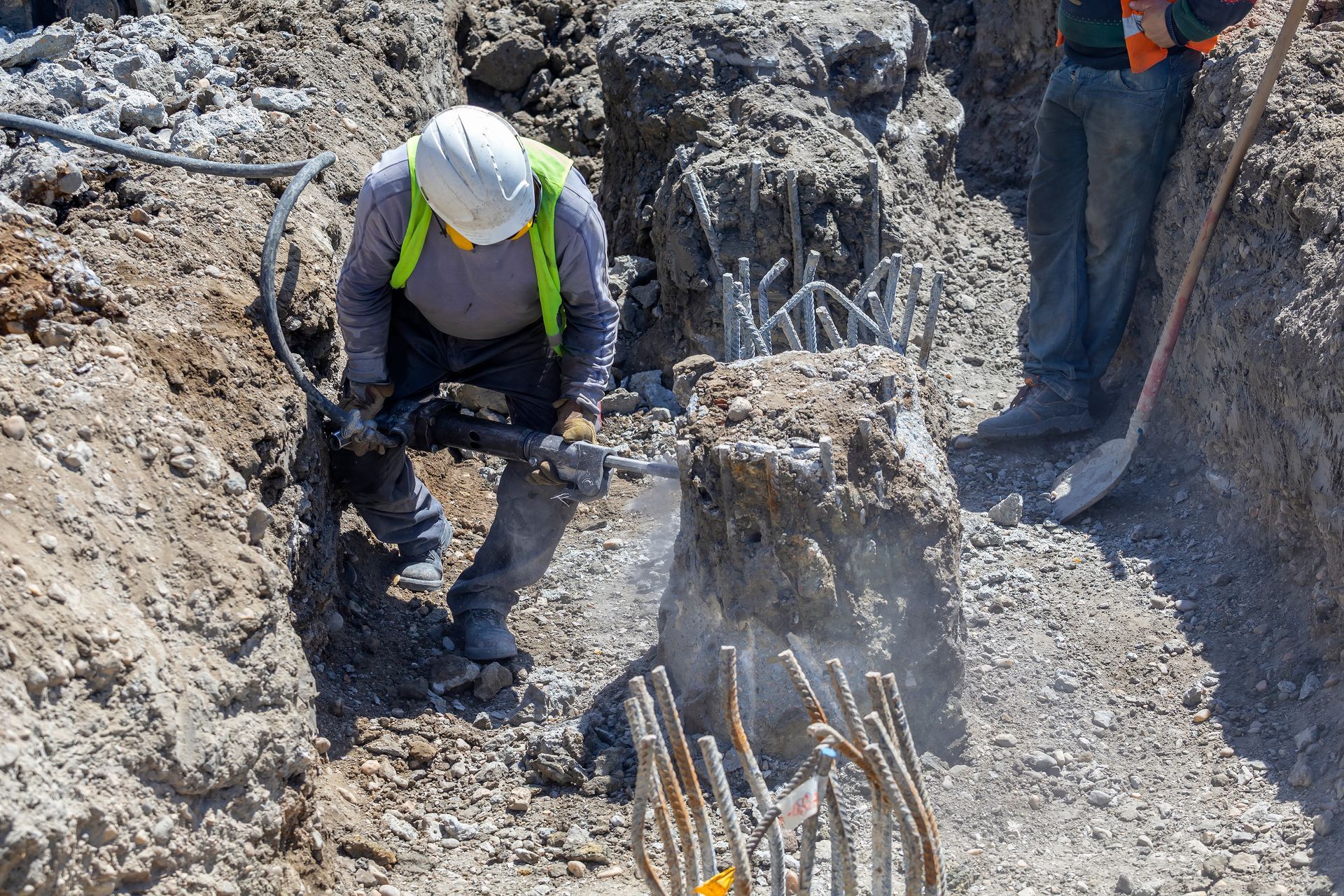
Contractor Insurance
Contractor insurance supports trades and service professionals across Southern California. It helps protect tools, equipment, and daily operations.

Cyber Liability Insurance
Cyber liability insurance helps protect business data and customer information. It supports recovery from digital incidents.

Commercial Property Insurance
Commercial property insurance helps protect offices, shops, and equipment. It supports recovery after covered damage.
Coverage Built for Specialized Work
Support for high-risk and service-driven industries.



Simple Steps Supported by Steady Guidance
A Clear Path to Coverage
Trusted by Clients Across Southern California
Clear service backed by real experiences.
Answers to Common Questions.
Clear explanations to guide your decisions.
How do I know which insurance policy is right for me?
We compare coverage options from multiple carriers to help you see differences in protection and price. You can review clear details and ask questions so you understand what each policy covers. Our team guides you step by step so you feel sure about your decision.
What factors affect my auto insurance premium?
Auto insurance premiums are influenced by your driving history, age, location, vehicle type, and coverage choices. A clean driving record and good safety features can help lower costs. We review these factors with you and help find coverage that fits your budget and needs.
Does homeowners insurance cover all types of damage?
Standard homeowners insurance protects your structure, personal belongings, liability, and additional living expenses in many cases. However, it usually does not include flood or earthquake damage without separate policies. We help you decide if extra coverage is right for your home and location.
Can I update my policy or get certificates online?
Yes. You can submit requests for policy changes and certificates through our online service form at any time. Our team processes those requests quickly and confirms updates once complete so you have the documents you need.
Do I need separate insurance for business risks like EPLI or E&O?
Yes. General liability and workers compensation cover many business risks but do not protect against all exposures. For example, Employment Practices Liability Insurance (EPLI) covers claims like wrongful termination or discrimination, and Errors & Omissions (E&O) covers claims based on mistakes in professional services. We help you identify which extra policies your business may need.
What happens if I need to file a claim?
If you need to file a claim, we guide you through the process and help you contact the insurance carrier. We explain what information you should provide, answer your questions, and stay available while the carrier reviews your claim. This support helps you move forward with confidence.
Contact Us