
A common challenge for carpentry contractors in California is balancing quality craftsmanship with the inherent risks on job sites. A broken tool or a miscalculation can not only delay a project but also lead to serious injuries. For instance, finish carpentry contractors in the state have reported injury rates that highlight the importance of comprehensive insurance coverage. Contractors and business owners alike benefit from understanding the available insurance options and safety guidelines, as well as from knowing how to choose a policy that fits their unique needs. Read on to discover the ins and outs of insurance designed specifically for the cabinet and finish carpentry fields. For detailed injury statistics, refer to the
California Department of Industrial Relations data for 2022.
The Critical Role of Insurance in Carpentry Contracting
Understanding the Risks
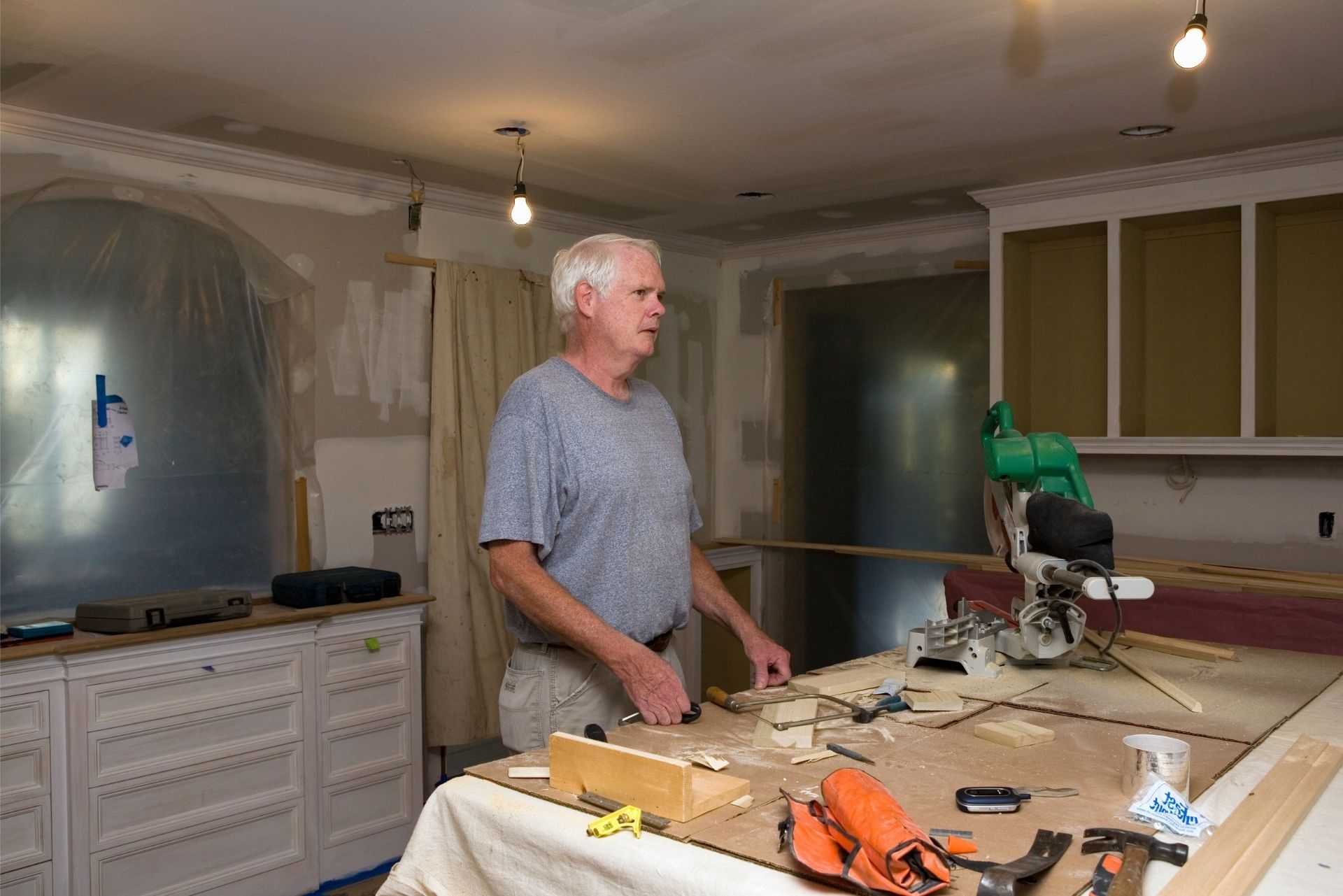
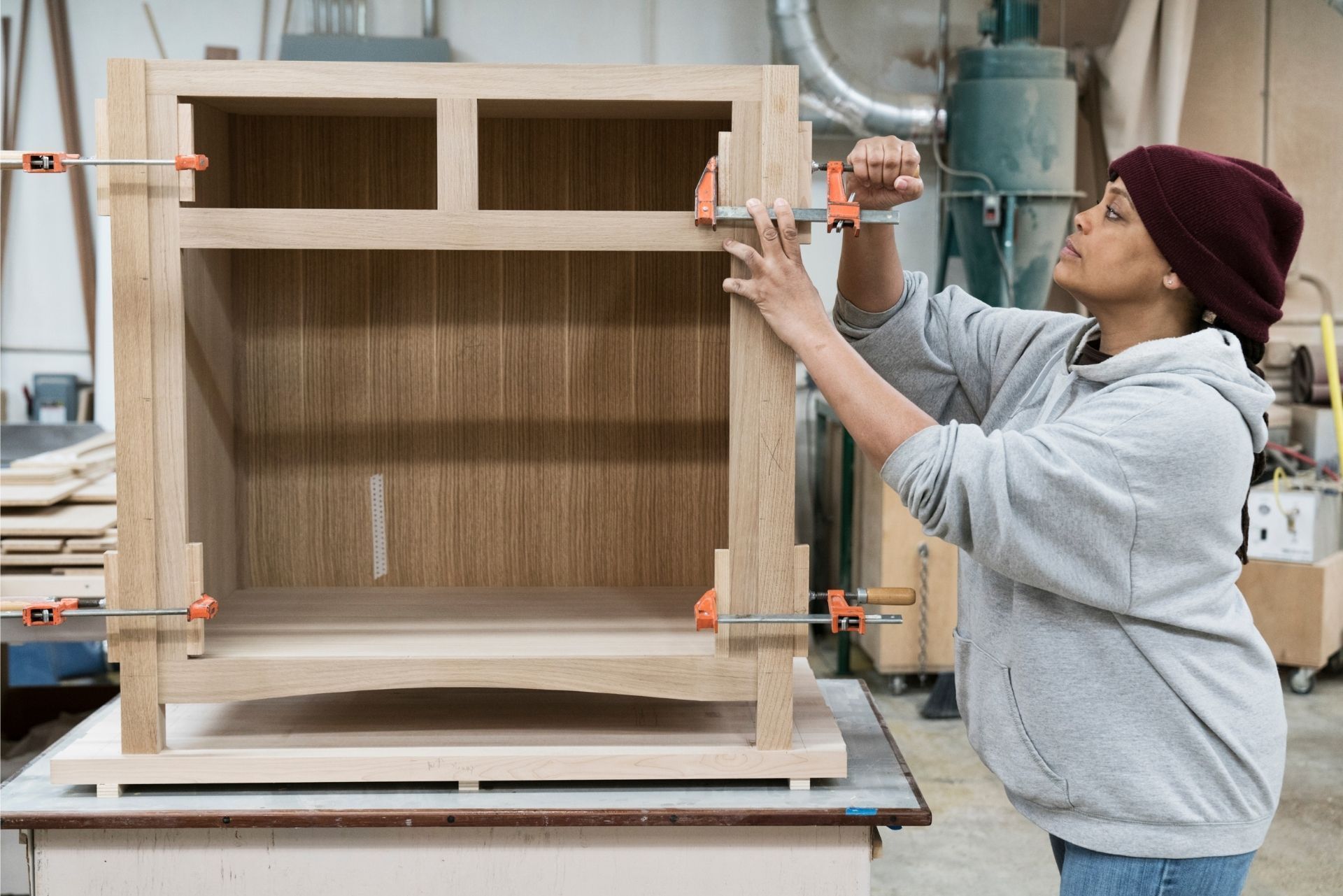
Carpentry work, especially in cabinet installation and finish carpentry, involves a mix of manual labor and precision. The process entails handling sharp tools and heavy equipment, working at heights, and sometimes operating in confined spaces. Given those conditions, unanticipated injuries can occur, making insurance not just a regulatory requirement, but a practical necessity for protecting one's livelihood.
Data from the California Department of Industrial Relations establishes that finish carpentry contractors experienced an injury rate of 3.7 per 100 full-time workers in 2022. The following year, this rate increased to 3.9, underscoring that even with safety protocols in place, risks persist on the job site.
Insurance plays a vital role not just in risk management, but also in providing peace of mind. Contractors can focus more on their craft, confident that a good policy covers liabilities from accidents, property damage, and unforeseen mishaps on site.
Financial Protection Through Insurance
Injury-related claims or property damage incidents can lead to significant legal and repair costs. This financial exposure can jeopardize even the most established businesses. For instance, a contractor who suffers an injury might face not only medical bills but also the cost of retraining or replacing skilled workers. Insurance offers a financial safety net that covers these unexpected expenses.
Insurance tailored for finish carpentry contractors supports not only physical damage claims but may also extend to equipment breakdown, liability for injuries on site, and even worker compensation. With customized policies, carpenters can access coverage that directly addresses the risks of their trade, ensuring that both workers and project outcomes are protected.
Many policies now provide added benefits like access to legal counsel and claims management expertise. This extra layer of support reduces the administrative burden on business owners and helps quickly resolve claims, allowing operations to resume without undue delay.

By: Patrick Caruso
President of Caruso Insurance Services
Assessing the Risks on the Job
Job Site Hazards and Injury Statistics
Finish carpentry is a field where precision and aesthetics meet, but this meeting of creativity and mechanics exposes workers to various hazards. Tools like circular saws, routers, and other power equipment are essential but also present injury risks if not operated correctly. Furthermore, working on elevated platforms or ladders adds to the danger.
Injury statistics underscore these concerns. According to the 2022 report from the California Department of Industrial Relations, finish carpentry contractors recorded an injury rate of 3.7 per 100 full-time workers. The trend continued into 2023 with a slightly raised figure of 3.9 per 100 full-time workers (2023 data), signaling that enhanced safety measures and updated insurance policies are essential.
Contractors must be proactive in managing risks by employing rigorous safety protocols and investing in protective gear. Regular tool maintenance, proper training, and clear workplace safety practices are fundamental steps that complement robust insurance coverage.
Incorporating Safety Programs in Daily Operations
Many carpentry contractors have adopted comprehensive safety programs designed to mitigate risks. These programs include emergency response drills, regular safety meetings, and a strict adherence to equipment use guidelines. While these steps can reduce incidents, they do not eliminate the risk entirely which is why insurance continues to be crucial.
Safety programs help in lowering downtime and injury severity, potentially reducing the magnitude of insurance claims. However, the unpredictable nature of accidents means that even the best preparations may fall short, reinforcing the need for a sound insurance policy.
By investing in both safety initiatives and protective insurance, contractors can ensure that a single incident does not derail their project timelines or business operations.
General Liability and Worker Compensation
General liability insurance is fundamental for any business in the construction sector. It covers bodily injury, property damage, and even legal fees associated with lawsuits. For example, if a client is injured on a job site due to an accidental lapse in safety measures, a good general liability policy can take care of the expenses tied to that incident.
Worker compensation is equally important. This coverage ensures that employees receive assistance with medical expenses and lost wages in the event of an on-the-job injury. This is particularly relevant in light of the injury rates mentioned in the 2022 data from the California Department of Industrial Relations.
Both of these coverages contribute to a well-rounded protection plan, ensuring that both the business and its employees are shielded from financial disruptions resulting from accidents.
Equipment and Property Coverage
For cabinet and finish carpentry contractors, protecting expensive tools and equipment is a priority. Specialized policies are available that specifically cover damage to or theft of tools, machinery, and even finished cabinetry during transit or on site. This type of coverage is critical, as a major repair or replacement bill can significantly impact cash flow.
The value of the equipment used on site is often high, and without proper coverage, a single mishap might lead to substantial financial losses. Therefore, reviewing and updating policy limits regularly becomes key as a business grows or upgrades its inventory.
Such policies are designed to match the dynamic value of your assets, adapting to technological advances and increasing equipment costs over time.
Business Interruption Coverage and More
Business interruption insurance is another element that deserves attention. This policy covers lost income and ongoing expenses when an insured event forces your operations to pause temporarily. While it comes into play only in major incidents, its benefits should not be underestimated.
Incidents, like severe weather conditions or a sudden, extensive injury claim, can halt project progress. Business interruption coverage bridges the gap between such disruptions, ensuring the cash flow continues to support fixed costs, such as rent and utilities, during downtime.
Many insurance providers offer customizable packages that bundle business interruption with other essential coverages to offer a comprehensive approach to risk management for cabinetwork operations.
Regulatory Requirements and Industry Licensing
Licensing in the Cabinet and Finish Carpentry Sector
One of the key regulatory hurdles for carpentry contractors in California involves obtaining the proper licenses. The Cabinet, Millwork, and Finish Carpentry license category (C-6) ensures that contractors have the necessary training, experience, and expertise to handle the intricate work required in this field. Licensing boards assess practical and theoretical knowledge through standardized examinations.
For example, the California Department of Consumer Affairs reported in 2007–2008 that there were 873 examinations administered for this license category, yielding a pass rate of 55%. Such statistics underscore the rigor and high standards demanded of professionals in this field, with testing designed to confirm both technical proficiency and a deep knowledge of safety practices.
Adhering to these licensing requirements often instills confidence in clients and partners, as it establishes a contractor’s commitment to quality and compliance with industry standards.
Legal and Financial Implications of Non-Compliance
Operating without the proper licensing not only puts contractors at risk of legal action but may also void insurance coverage in the event of an incident. Regulatory bodies enforce strict guidelines to ensure that all practitioners maintain the highest levels of competence and safety. As a result, maintaining compliance directly impacts the viability of insurance coverage.
Insurance providers may also factor in compliance history when determining policy premiums. Thus, staying updated with licensing requirements and adhering strictly to them can lead to lower insurance costs and better coverage terms.
The legal framework provides both protection and a level playing field for business operations, ensuring that all active contractors uphold industry standards and accountability.
Choosing the Right Insurance Provider
Evaluating Coverage Options
When it comes to selecting an insurance provider, it pays to look beyond the basic price quotes. Contractors should evaluate the range of coverage options available, understanding the specific risks associated with cabinet and finish carpentry work. A tailored insurance package that includes general liability, worker compensation, equipment, and business interruption coverage can be invaluable.
Reviewing customer reviews, claim resolution times, and the provider’s experience in the niche market are crucial. The provider’s familiarity with the unique challenges of the carpentry industry often translates into better support during an insurance claim, allowing for streamlined repairs and rapid claim settlement.
Prospective clients should request detailed coverage descriptions and, if possible, examine case studies or examples of past claims. This proactive approach ensures that the chosen policy aligns closely with the specific demands of their projects.
Local Versus National Insurance Providers
Contractors may encounter various providers offering policies that appear similar on paper, but it is important to consider the nuances between local and national insurance companies. Local providers may offer a better understanding of regional risks such as state-specific regulations and environmental factors that affect construction sites in California.
A national provider might bring extensive resources and a broader range of coverage options, yet may lack the personalized service that local providers can deliver. Weighing these factors is essential to find the right balance between cost and service quality.
Connecting with colleagues and industry associations can provide additional context about which providers offer the best value and the most responsive customer service. Such word-of-mouth recommendations are often an invaluable resource when making a decision.
Insurance Policy Customization
Not all insurance policies fit every business. Customization is key when selecting insurance for cabinet and finish carpentry operations. Some contractors may need extended equipment coverage if they use advanced tools or specialized machinery. Others might benefit from enhanced worker compensation options if they operate in environments where injuries are more likely.
Discussing these requirements with an insurance representative can lead to a tailor-made policy that precisely covers unique business risks. It is important to ensure that the policy details are reviewed periodically to accommodate any growth in assets or changes in project scope.
Whether a contractor is starting out or looking to adjust existing coverage, taking the time to understand and customize the insurance plan can save significant time and money in the long run.
How to Mitigate Risks and Lower Insurance Costs
Proactive Safety Measures
Investing in proper safety equipment and regular training sessions is essential for lowering the overall risk profile of a carpentry business. Safety measures not only protect employees but also present a positive signal to insurance providers. When insurers see that proactive steps are taken to reduce workplace hazards, they are often willing to offer more favorable premiums.
For example, while the injury rate for finish carpentry contractors was recently recorded at 3.9 per 100 full-time workers (2023 data), implementing effective safety protocols can contribute to lowering this figure over time. This proactive approach is crucial in managing risk exposures.
Developing a structured safety training program and ensuring seamless communication on safety procedures can help create an environment where risk is minimized and productivity is enhanced. These practices directly influence insurance providers to assess the business as a lower risk entity.
Regular Policy Reviews and Updates
The dynamic nature of the construction industry means that business operations and associated risks can evolve over time. A policy that suited a small start-up a few years ago might not be adequate for a growing enterprise. Regular reviews ensure that the insurance coverage remains aligned with the current operational profile.
Policy reviews should include an assessment of project scopes, equipment values, and any new risks encountered during expansion. This proactive review process can also reveal opportunities to adjust deductibles or integrate additional coverages that match new business realities.
Contractors are advised to revisit their insurance policies annually, ideally in consultation with an insurance advisor who understands the intricacies of the carpentry sector. This diligence helps to keep insurance costs in check without sacrificing the level of protection.
Industry Insights and Future Trends
Emerging Risks and Shifting Regulations
Changes in the industry landscape and evolving regulatory requirements demand constant vigilance from carpentry contractors. With new technologies emerging in design and construction, innovative methods and materials are being used more frequently, but these advances come with new challenges.
Regulators continue to monitor and update numerous safety standards for the construction industry, influencing the overall risk profiles of projects. Contractors who keep abreast of these changes are better positioned to adjust their safety practices and insurance coverage accordingly.
Looking ahead, as technology integrates further into the trades, both risk assessment and insurance underwriting are expected to be more data-driven. This evolution may lead to more personalized insurance policies that reflect specific business practices and risk management strategies.
Adapting to Industry Disruptions
Market disruptions, whether due to economic changes or technological innovations, require businesses to be flexible. Contractors who adopt a forward-thinking approach can leverage industry insights to mitigate risk even before problems arise. For instance, understanding that a subtle increase in injury rates (2022 statistics) might correlate with outdated practices can prompt a review of current methods and safety protocols.
Moreover, industry experts suggest that aligning insurance reviews with the adoption of new technology can result in safer job sites and, ultimately, more competitive insurance rates. This proactive adaptation ensures that policies remain relevant and provide comprehensive coverage when market conditions shift.
Keeping an eye on industry trends allows contractors to not only enhance operational efficiency but also to provide transparency to insurers, which can lead to mutual benefits in risk management and financial planning.
Comparing Coverage Options: A Closer Look
Side-by-Side Comparison of Key Policy Features
When evaluating insurance coverage for cabinet and finish carpentry contractors, it helps to compare key policy elements side by side. Below is a simplified table that outlines how different features may impact overall coverage:
| Coverage Feature | General Liability | Worker Compensation | Equipment & Property | Business Interruption |
|---|---|---|---|---|
| Injury Coverage | Yes | Yes | Limited | No |
| Property Damage | Yes | No | Yes | Yes |
| Equipment Theft | No | No | Yes | No |
| Income Replacement | No | No | Yes | Yes |
This table serves as a guide in determining which policies highlight the necessary points for protection in different accident scenarios. While no single policy may address all concerns, a combination of coverages offers the most robust protection.
Understanding policy details and differentiators provides clarity on potential gaps and aids in making an informed decision that aligns with your business risk profile.
Integrated Insurance Solutions for Niche Markets
Insurance providers now increasingly tailor packages to meet the specific demands of niche markets such as finish carpentry. These integrated solutions combine several coverage types into one comprehensive policy. Developing a policy that fits the nuanced needs of a niche market means that every risk, from equipment damage to legal defense costs, is considered under one umbrella.
For contractors working in both cabinet and finish carpentry sectors, such integrated solutions can provide economies of scale that reduce overall premiums while maintaining a high level of protection. This approach benefits contractors by offering transparency, simplicity, and significant cost savings without sacrificing comprehensive coverage.
Exploring the market for niche insurance solutions can provide clarity and potentially better rates than standard, off-the-shelf policies.
Partnering with an Insurance Expert
Guidance Through a Complex Market
Navigating the array of specialized insurance policies available for finish carpentry contractors can be challenging. Partnering with a knowledgeable insurance expert can make this process significantly smoother. An experienced advisor understands the unique safety risks, legal requirements, and financial implications that are inherent in this field.
A trusted professional can assist in evaluating current needs, recommending policy adjustments, and providing insights into emerging trends that may affect future coverage. These experts are often well versed with the nuances of both state and federal regulations impacting the construction industry.
For contractors seeking personalized advice, consulting an expert ensures that insurance policy selections are strategic, fully comprehensive, and executed with precision.
Building Long-Term Relationships for Continuous Coverage
Establishing a long-term relationship with an insurance provider not only creates a dependable support system but also builds a foundation for continuous policy improvement. Many experienced advisors work closely with business owners, conducting annual reviews and updating policies as the business grows or as new risks emerge.
This ongoing relationship means that adjustments in coverage are timely and reflective of both current operations and future projections. It also offers the benefit of quick resolution during claim processes, where familiarity with the business details can expedite the overall procedure.
Long-term partnerships, fostered by open communication and mutual understanding, contribute significantly to sustaining business stability in an unpredictable field.
Frequently Asked Questions
Q: Why is specialized insurance necessary for cabinet and finish carpentry contractors?
A: Specialized insurance provides coverage for the unique risks that cabinets and finish carpentry contractors face, including equipment damage and on-site injuries. This tailored approach ensures that both financial and legal liabilities are suitably covered.
Q: How do injury rates affect insurance premiums for finish carpentry contractors?
A: Higher injury rates typically indicate increased risk exposure. For example, recent data showed injury rates of 3.7 per 100 full-time workers in 2022 and 3.9 in 2023 (2022 data and 2023 updates). These statistics often result in higher premiums as insurers adjust rates to cover potential claims.
Q: What are the key factors to consider when choosing an insurance policy?
A: Evaluate coverage limits, inclusions such as worker compensation, equipment protection, business interruption, and the reputation of the insurer in claim management. Balancing these factors ensures that the policy aligns with the specific risks of your work environment.
Q: How important is regular policy review for a growing carpentry business?
A: Regular reviews enable contractors to adjust coverage according to evolving risk factors, project sizes, and business growth. Annual assessments can help capture new risks or assets that need coverage, thus keeping insurance protection current and effective.
Q: Can safety programs impact insurance costs?
A: Yes, proactive safety programs typically lower the overall risk profile, which in turn can lead to lower premiums. Consistent safety practices demonstrate a commitment to minimizing accidents and liability, elements that insurers value.
Q: Are there benefits to partnering with local insurance providers?
A: Local providers often have a better understanding of regional conditions and state-specific regulations. This local expertise can result in more customized coverage options and sometimes better rates for contractors working within California.
Before You Go
Takeaway Insights for Contractors
The path to selecting effective insurance for cabinet and finish carpentry work is paved with careful evaluation of risks, comprehensive policy options, and proactive safety measures. With a deep understanding of both the statistical and practical aspects of the trade, contractors are better positioned to manage risks and protect their business operations.
Reviewing data from reliable sources like the California Department of Industrial Relations and staying updated with industry licensing requirements as outlined by the California Department of Consumer Affairs helps establish a solid foundation of credibility in the market.
Whether you are renegotiating an existing policy or purchasing a new one, taking a holistic view that includes safety training, regulatory compliance, and customized insurance solutions is essential. Equipped with both expert insights and practical tools, carpentry contractors in California can confidently navigate the intricate landscape of insurance, ensuring that every project is backed by robust protection.
Wrapping Things Up
Carpentry is as much about precision and artistry as it is about managing unexpected challenges. With the injury rates demonstrating the inherent risks in the trade and the evolving regulatory landscape, it becomes even more critical to invest the necessary time in understanding insurance options. Contractors who balance sound safety protocols with well-tailored insurance policies are in the best position to safeguard their financial wellbeing and maintain a thriving business.
The process might seem overwhelming at the start, but with careful research and guided support, the right insurance solution is within reach. By maintaining proactive safety measures and partnering with knowledgeable insurance experts, contractors can both mitigate risk and seize new opportunities confidently.
This comprehensive exploration of California cabinet and finish carpentry insurance offers insights that are vital for today’s businesses. With data-backed examples and practical advice, the aim is to empower contractors to make informed decisions that not only protect their assets but also pave the way for continued success in a competitive industry.
ABOUT THE AUTHOR:
PATRICK CARUSO
I’m Patrick Caruso, founder of Caruso Insurance, and I have spent more than 25 years helping families, contractors, and small businesses across Southern California make confident insurance decisions. I focus on explaining coverage in clear terms, comparing multiple carriers, and supporting clients with steady communication so they feel secure with each step. My goal is to provide dependable guidance, simple answers, and a smooth process for anyone who needs personal or business insurance.
Contact Us

Service that stays with you.
Our team helps simplify insurance decisions for families and businesses. We focus on clear explanations, fast responses, and dependable service. You can count on us for help with coverage questions, updates, and long-term support.
Coverage that keeps you secure
Reliable Protection for Everyday Life

Home insurance helps protect your house, personal belongings, and liability risks. We explain coverage options clearly so you know what your policy includes.
Auto insurance provides protection for accidents, liability, and vehicle damage. We help you compare options so you can choose coverage that fits your driving needs.
Motorcycle insurance provides coverage for riders and their bikes. We help you select options that match how and where you ride.
RV insurance supports protection for motorhomes and recreational vehicles. Coverage applies during travel and while parked.
Coverage Built for Contractors and Trades
Support that keeps your work moving.

General Liability Insurance
General liability insurance helps protect contractors from injury and property damage claims. It supports jobsite requirements and contracts.

Workers Compensation
Workers compensation insurance helps protect employees injured while working. It also supports compliance with state requirements.

Commercial Auto Insurance
Commercial auto insurance provides coverage for work vehicles used on jobsites. It helps protect drivers and company vehicles.
Contractor Insurance
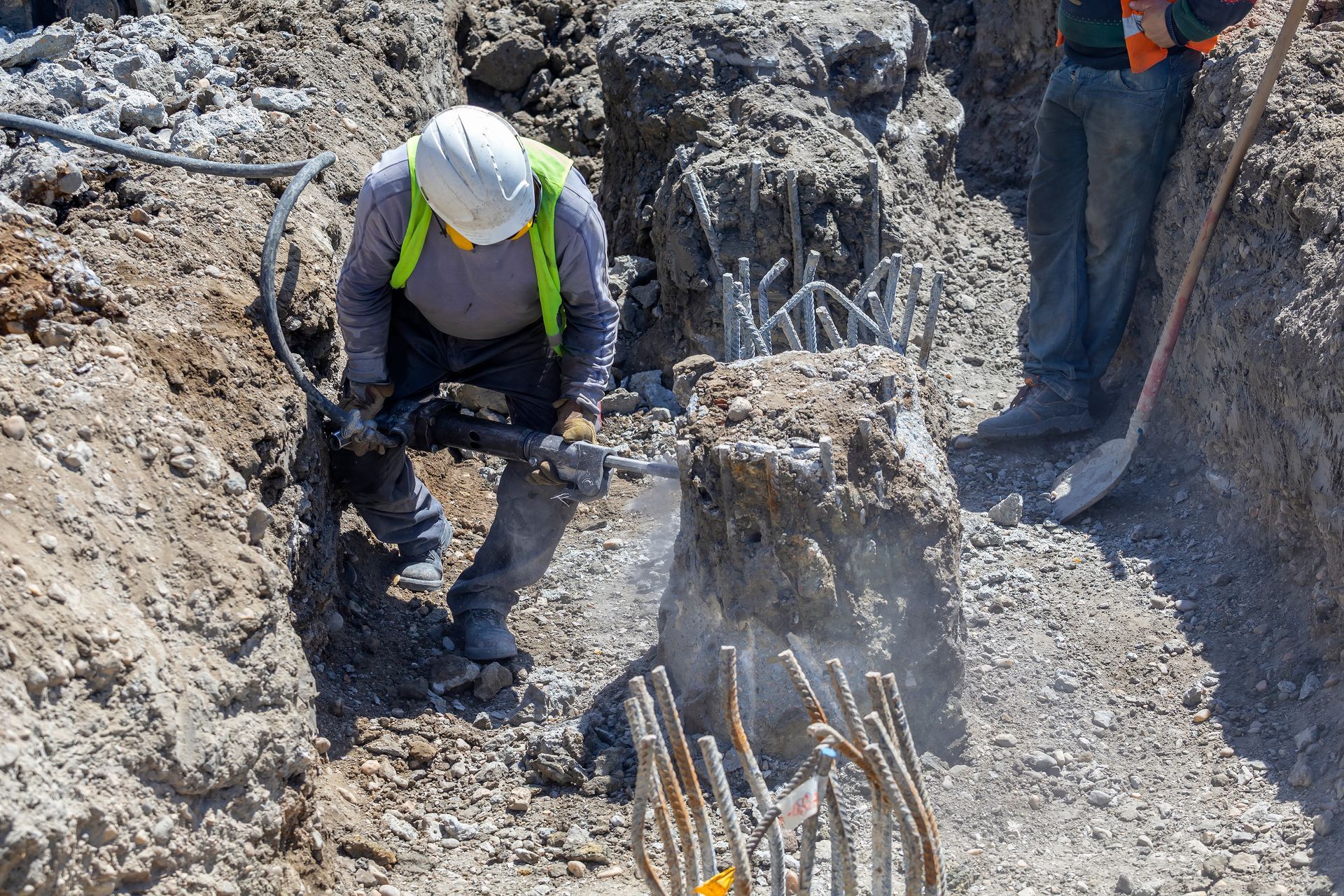
Contractor insurance supports trades and service professionals across Southern California. It helps protect tools, equipment, and daily operations.

Cyber Liability Insurance
Cyber liability insurance helps protect business data and customer information. It supports recovery from digital incidents.

Commercial Property Insurance
Commercial property insurance helps protect offices, shops, and equipment. It supports recovery after covered damage.
Coverage Built for Specialized Work
Support for high-risk and service-driven industries.



Simple Steps Supported by Steady Guidance
A Clear Path to Coverage
Trusted by Clients Across Southern California
Clear service backed by real experiences.
Answers to Common Questions.
Clear explanations to guide your decisions.
How do I know which insurance policy is right for me?
We compare coverage options from multiple carriers to help you see differences in protection and price. You can review clear details and ask questions so you understand what each policy covers. Our team guides you step by step so you feel sure about your decision.
What factors affect my auto insurance premium?
Auto insurance premiums are influenced by your driving history, age, location, vehicle type, and coverage choices. A clean driving record and good safety features can help lower costs. We review these factors with you and help find coverage that fits your budget and needs.
Does homeowners insurance cover all types of damage?
Standard homeowners insurance protects your structure, personal belongings, liability, and additional living expenses in many cases. However, it usually does not include flood or earthquake damage without separate policies. We help you decide if extra coverage is right for your home and location.
Can I update my policy or get certificates online?
Yes. You can submit requests for policy changes and certificates through our online service form at any time. Our team processes those requests quickly and confirms updates once complete so you have the documents you need.
Do I need separate insurance for business risks like EPLI or E&O?
Yes. General liability and workers compensation cover many business risks but do not protect against all exposures. For example, Employment Practices Liability Insurance (EPLI) covers claims like wrongful termination or discrimination, and Errors & Omissions (E&O) covers claims based on mistakes in professional services. We help you identify which extra policies your business may need.
What happens if I need to file a claim?
If you need to file a claim, we guide you through the process and help you contact the insurance carrier. We explain what information you should provide, answer your questions, and stay available while the carrier reviews your claim. This support helps you move forward with confidence.
Contact Us