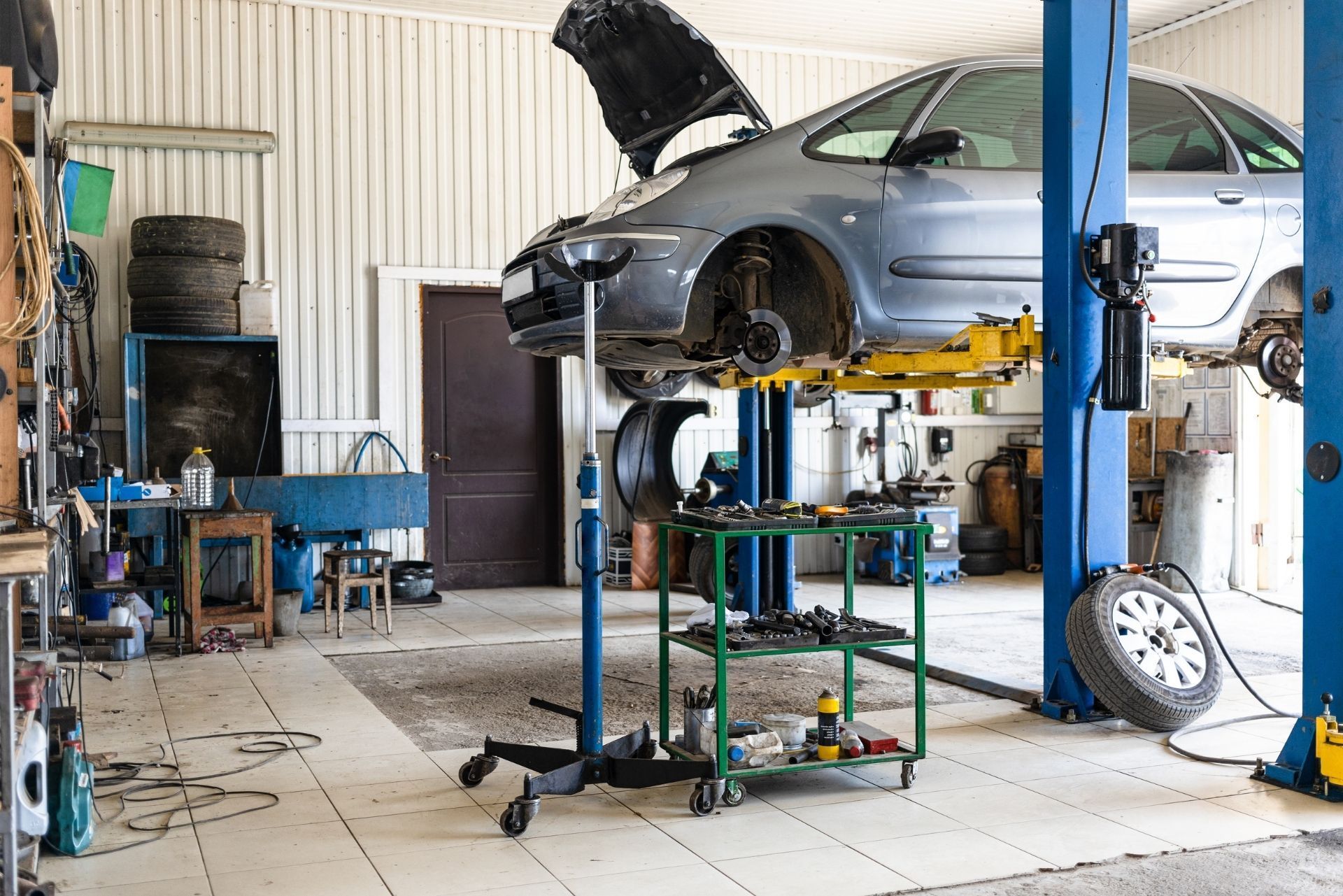
Operating an auto repair shop in California requires more than technical expertise and a skilled workforce. With rising repair costs and ever-changing industry conditions, independent repair shops face unique risks that demand tailored insurance solutions. A sharp rise in auto insurance premiums and the essential role played by independent multi-shop operations in regional economies underline the importance of having optimal coverage. For instance, independent multi-shop operators with four to six locations have not just survived but thrived, a trend noted in recent expert analyses on industry performance (Connected by Alan Demers and Stephen Applebaum).
Understanding the landscape of insurance coverage will help independent shops mitigate financial exposure while assuring their ability to continue providing quality services. This guide explores the core aspects of insurance coverage needed for independent auto repair shops in California, incorporating industry statistics, recent trends, and insights from current research.
Insurance is more than a regulatory formality. It is an integral component of a shop’s operational and financial resiliency, supporting everything from job estimates to safeguarding against catastrophic claims.
The Evolving Insurance Landscape for Auto Repair Shops
Auto repair shops today operate in a dynamic environment where technology, rising claims frequencies, and consumer behaviors all impact risk and financial planning. One significant development is that total loss frequency for claims in the United States remains elevated, hovering between 20% to 22% (Collision Repair Industry Statistics 2025). This high frequency amplifies the need for robust insurance policies tailored to the auto repair industry.
An insurance portfolio that adequately covers potential losses can play a critical role in long-term business stability. As repair shops increasingly benefit from digital tools to submit estimates, with 40% of consumers now preferring to send photos via mobile apps instead of in-person visits (Collision Repair Industry Statistics 2025), the integration of technology and insurance processes is becoming even more essential.
The synergy between technology adoption and insurance innovations not only improves operational efficiency but also creates additional safety nets for both the repair shop and its clientele.

By: Jennifer Roberts
Commercial Insurance Agent at Caruso Insurance Services
Understanding Insurance Coverage Needs
Comprehensive Liability and Property Coverage
Insurance policies for auto repair shops must account for a variety of risks. Property damage, bodily injury, equipment breakdown, and environmental hazards are only some of the issues that repair shop owners may face. Ensuring that the coverage includes both liability and property protections is essential for preventing unexpected financial hardships.
Given the high frequency of collision claims, it is important that coverage amounts reflect the actual exposure a shop faces. With auto insurance premiums rising nearly 14% in 2023 due to soaring repair costs (Collision Repair Industry Statistics 2025), ensuring sufficient coverage can protect a business from the cascading financial impacts that a single incident may unleash.
Insurance products should be structured in a way that they easily adapt to the accelerated pace of technological change, as diagnostics and digital vehicle evaluations become an industry standard.
Considerations for Equipment and Business Interruption Coverage
Modern repair shops invest significant capital in both technology and heavy equipment used every day. Equipment breakdown coverage helps offset the high costs of repairing or replacing machinery should it fail. This is especially vital for independent shops that operate on tight margins and cannot afford prolonged downtime.
Business interruption coverage becomes crucial when downtime due to unforeseen events results in lost revenue, which can be a critical factor for shops with a lean operating model. As part of a comprehensive risk management strategy, these coverages ensure that even during challenging times, the shop can sustain its operations.
Insurance providers now often integrate digital management solutions that facilitate claim submissions through mobile apps, aligning with the trend whereby a considerable segment of consumers now opts to submit photos and digital estimates (Collision Repair Industry Statistics 2025).
Risk Factors and Industry Trends Affecting Coverage
High Claim Frequencies and Rising Costs
One key risk factor in the collision repair sector is the persistently high total loss frequency. The elevated claim frequencies, which stand around 20% to 22% (Collision Repair Industry Statistics 2025), underscore the importance of designing insurance strategies that consider both frequent, lower-cost claims as well as the occasional high-cost event.
Furthermore, rising repair costs are pushing insurance premiums higher, meaning independent repair shops need to be prepared for increased operational overhead during claim settlements. A rising trend in premiums paired with aggressive marketing of diagnostic technologies ensures that policyholders are more likely to get precise appraisals before any claim adjustments.
This landscape demands insurance products that can adapt quickly to market fluctuations, and policies that can offer flexibility when costs must be managed efficiently.
Impact of Digital Diagnostics on Claims and Coverage
Recent technological advancements have shifted repair appraisal methods significantly. In the first quarter of 2025, about 86.9% of all repairable damage appraisal reports included a diagnostic scan and over 32.2% featured a calibration (Crash Course - Q3 2025). This increased integration of technology not only refines the accuracy of damage assessment but also plays a critical role in determining premium rates and claim settlement processes.
These digital tools help to verify damages and calibrate repair procedures more accurately, thus reducing the frequency of fraudulent claims and expediting the claims process. For independent repair shop owners, this means a smoother insurance experience, as well as opportunities to negotiate better rates based on demonstrated risk mitigation.
The incorporation of increasingly sophisticated technology constantly reshapes risk assessments and, by extension, insurance policy structuring in the auto repair industry.
Tailored Insurance Solutions for California Auto Repair Shops
Customization of Policies Based on Business Size
Independent auto repair shops differ in size, specialization, and operational strategies, making it essential for insurance policies to be highly customizable. Data shows that shops with as few as four locations can begin to leverage economies of scale in terms of insurance benefits. Those with seven or more shops are even more likely to enjoy the advantage of a refined risk management profile (Connected by Alan Demers and Stephen Applebaum).
Policy customization should account for shop size, geographic location, and specific service offerings. For example, smaller shops may need to focus more on property damage and liability insurance, while larger operations might have more complex requirements including comprehensive business interruption coverage and equipment breakdown protections.
By partnering with insurers who understand the nuances of the industry, auto repair shop CEOs can secure solutions that are both robust and cost-efficient, ensuring continued service quality even when faced with unforeseen disruptions.
Strategies to Control Deductibles and Premium Increases
One common concern for independent auto repair shops is managing the financial impact of deductibles. The average collision deductible reported by industry statistics is around $650 (Collision Repair Industry Statistics 2025). Strategies that mitigate deductible costs include increasing safety measures, investing in updated diagnostic technology, and participating in risk management programs that can lead to premium discounts.
Insurance providers often reward shops that take proactive measures with lower deductibles and competitive premium rates. Implementing a thorough preventive maintenance program and ensuring staff are trained on safety protocols can also contribute to this effort.
Cost control measures protect the bottom line, offering peace of mind to shop owners who are continuously juggling operational challenges and rising expenses due to inflation and labor costs.
The Role of Digital Appraisals and Diagnostics
The claims process has experienced significant transformation over the past few years. With a substantial percentage of repair shop appraisals now using diagnostic scans and calibration techniques (Crash Course - Q3 2025), the traditional, more subjective methods of damage estimation have largely been replaced by data-driven assessments.
This shift not only improves the accuracy of the damage evaluation but also simplifies the process of determining the validity and speed of claim resolutions. By leveraging digital reports, insurance companies can reduce the window of time taken to process claims, thereby enhancing customer satisfaction.
From an operational standpoint, this change supports a transparent workflow that integrates seamlessly with modern management software, reducing administrative burdens and allowing shop owners to focus on core repair activities.
How Digital Tools Enhance Fraud Prevention
Fraud prevention is another critical element in the modern claims process. Digital diagnostics, including calibration, support a more robust evidence base for each claim. With nearly 87% of repairable appraisals incorporating a diagnostic scan, the risk of fraudulent claims is substantially reduced (Crash Course - Q3 2025).
This integration leads not only to quicker resolution times but also helps maintain lower overall premium rates as insurers can more accurately predict claim costs. Lower fraud levels along with increased transparency mean that insurers can pass these benefits to shop owners through optimized policy terms and more competitive pricing.
Digital tools ultimately offer both operational and financial benefits, ensuring that the claims process is as efficient, fair, and secure as possible.
Emerging Trends in Auto Repair Shop Insurance
Impact of Autonomous Vehicle Safety on Claims
One of the most transformative trends in the automotive realm is the rise of autonomous driving technology. A recent study comparing the safety of autonomous and human drivers found that the Waymo One autonomous service recorded zero bodily injury claims over 3.8 million miles (Comparative Safety Performance of Autonomous- and Human Drivers). This trend signifies a potential shift in risk exposure that could eventually lead to lower claim frequencies for certain types of incidents.
Insurers and repair shop owners alike are watching this trend closely. Although the widespread adoption of autonomous vehicles remains in its early stages, the safety benefits highlighted by recent studies suggest that shops involved in servicing such vehicles may encounter a different risk profile compared to traditional vehicles.
This shift pushes insurance providers to repackage coverage options that better align with lower risk exposure, potentially offering lower premiums and more attractive policy terms for shops that service emerging vehicle technologies.
Leveraging Data and Analytics for Smarter Coverage
The rapid evolution of data analytics informs nearly every facet of the insurance industry today. By harnessing detailed data from diagnostic scans, business interruption trends, and maintenance records, insurance companies can tailor policies to the specific needs of individual shops.
Advanced analytics not only enable insurers to set premiums that reflect actual risk levels but also empower auto repair shops to implement targeted risk management practices. Instead of a one-size-fits-all approach, data-driven customization can help secure competitive rates that reward proactive risk mitigation measures.
This data-centric approach supports a smarter, more responsive insurance market, paving the way for policies that are as dynamic as the technology driving the industry forward.
Financial Considerations and Economic Impact
The Cost of Premiums and Deductibles
Financial planning is arguably one of the most critical areas for independent auto repair shop owners. With the average collision deductible currently around $650 (Collision Repair Industry Statistics 2025), managing cash flow in the face of unexpected claims can be challenging. Alongside rising repair costs that push premiums higher, effective financial management and risk mitigation become essential elements in maintaining business profitability.
Striking a balance between affordable premiums and strong coverage terms requires regular reviews of policy offerings. Financial prudence and a commitment to proactive rehabilitation investments in safety technology and staff training can significantly reduce the risk of costly claims. As repair shop costs escalate, smart insurance practices and financial planning are necessary to ensure that every claim is manageable.
Setting aside reserves and negotiating premiums that better reflect modern risk factors is part of a broader strategy to mitigate both short-term and long-term financial pressures.
Operational Resilience and Profitability Trends
Recent trends indicate a promising shift towards profitability despite the challenging claim environment. In the first quarter of 2025, the Personal Auto Net Combined Operating Ratio improved nearly 10 percentage points, reaching 95.3%, signaling a more profitable operational trend for the industry (Crash Course - Q3 2025). For independent shops, this trend is a encouraging sign that with refined risk management and a sound insurance strategy, sustained profitability is achievable despite elevated claim frequencies.
Maintaining operational resilience through robust insurance policies and smart financial planning allows auto repair shops to withstand market shifts while investing in growth and new technologies. By aligning coverage with the latest industry data and trends, independent shops can not only survive but also thrive in competitive market conditions.
This operational focus, paired with industry insights and evolving technology, positions California’s independent auto repair shops to strategically manage risk and optimize profitability.
Risk Management and Safety First Approaches
Integrating Safety Programs in Daily Operations
Risk management extends far beyond insurance policies. It begins with a comprehensive safety program integrated into everyday operations. A well-documented and enforced safety program can help in mitigating minor risks that might otherwise escalate into severe incidents.
Regular safety training sessions, proper equipment maintenance, and adherence to safety guidelines all contribute to the prevention of accidents. These proactive measures not only lower the chance of financial loss but also enhance the overall operational culture of a repair shop. Insurers value such initiative, which may lead to favorable adjustments in premium costs.
Effective risk management is both a preventive and reactive strategy, ensuring that any potential incident is managed before it turns into a significant claim.
Utilizing Advanced Diagnostics and Regular Evaluations
The increased reliance on diagnostic scans and calibration in repair appraisals (Crash Course - Q3 2025) is a clear indicator that technology is at the forefront of both repair and risk management strategies. Regular equipment evaluations and adherence to updated diagnostic procedures not only improve the accuracy of repairs but also minimize the risk of error-related claims.
For independent repair shops, investing in technology that supports continuous evaluation and regulatory compliance is an essential strategy. These measures reduce the possibility of high-cost claims and safeguard the reputation and financial stability of the shop.
Continual process improvement through data analytics and regular audits creates a safer working environment-a benefit that is reflected in insurance assessments and coverage terms.
Comparing Coverage Options for Auto Repair Shops
The rapidly changing landscape of the auto repair industry necessitates a clear understanding of available coverage options. A comparative evaluation of standard versus extended coverage options helps shop owners choose the policy that best fits their operational requirements while staying within budget constraints.
The following table highlights key differences between basic and extended coverage for California auto repair shops:
| Coverage Feature | Basic Coverage | Extended Coverage |
|---|---|---|
| Liability Protection | Standard limits covering bodily injury and property damage | Higher limits with additional coverage for legal expenses |
| Property Damage | Covers shop property and equipment against fire, theft, and natural disasters | Includes business interruption and equipment breakdown protections |
| Deductible Amounts | Average deductible of around $650 (Collision Repair Industry Statistics 2025) | Customizable options based on risk mitigation strategies |
| Claims Processing | Standard assessment procedures | Expedited claims with advanced digital diagnostics |
This comparison emphasizes the importance of selecting coverage that reflects your business size, technological adoption, and risk exposures. Extended coverage may have higher premiums, but the additional benefits often justify the expense in a landscape marked by rising repair costs and claim frequencies.
Shop owners should carefully analyze their individual risks while taking into account evolving trends such as improved digital diagnostics and changing consumer behaviors.
The convergence of technology and insurance in the auto repair industry is a powerful force driving both operational and risk management improvements. Digital diagnostic tools provide a more precise assessment of damages and repair needs, which in turn allows insurers to set premiums that more accurately reflect a shop's risk profile. As automated tools and data analytics become more sophisticated, the accuracy of claims processing will likely continue to improve.
Integrating these advanced diagnostics into daily practices not only streamlines operations but also contributes to effective risk mitigation. The rapid pace at which the industry evolves implies that remaining updated on technological advances is essential for maintaining competitive insurance coverage and operational efficiency. This evolution supports the development of policies that adjust dynamically to changing risk profiles.
For independent repair shops, embracing technology provides the dual benefit of improved customer service and enhanced insurance terms, as evidenced by the increased use of diagnostic scans in appraisals (Crash Course - Q3 2025).
Frequently Asked Questions
This section addresses common queries that independent shop owners in California might have regarding reliable and effective insurance coverage.
Q: Why is specialized insurance necessary for independent auto repair shops in California?
A: Specialized insurance is tailored to the unique risks of repair operations, from elevated claim frequencies to the need for digital diagnostic integrations. Policies are designed to cover both property and liability exposures specific to auto repair shops.
Q: How do digital diagnostics affect my insurance premiums?
A: Digital diagnostics enable more accurate damage appraisals, which help minimize fraudulent claims and speed up the claims process. This improved accuracy can lead to better premium rates and more favorable coverage terms.
Q: What steps can I take to reduce my deductible costs?
A: Investing in comprehensive safety programs, maintaining regular equipment inspections, and training staff in best practices can help lower your deductible amounts over time by reducing risks and the frequency of claims.
Q: How does the trend of digital appraisals impact claim processing?
A: With a vast majority of appraisals now incorporating diagnostic scans, claims processing becomes more efficient and transparent, reducing processing time and increasing the accuracy of claim settlements.
Q: Is there a financial advantage to opting for extended coverage?
A: While extended coverage can carry higher premiums, it also offers broader protection such as higher liability limits, equipment breakdown, and business interruption coverage, all of which help mitigate significant financial loss during unexpected events.
Q: How do insurance providers adjust to rising repair costs?
A: Insurance providers continuously update premium calculations and coverage options based on market data and improved diagnostic technologies, ensuring that policies remain reflective of current conditions such as the near 14% increase in premiums reported in recent statistics (Collision Repair Industry Statistics 2025).
Wrapping Things Up
For independent auto repair shops in California, implementing a comprehensive insurance strategy is not optional. It is an essential part of sustaining operations and mitigating risks in an industry where total loss frequencies remain high and repair costs continue to influence premium prices. A tailored coverage approach encompasses property, liability, and business interruption components, each playing a critical role in protecting a shop’s entire value chain.
In today’s competitive market, technology integration in the form of diagnostic scans, digital appraisals, and data analytics is revolutionizing the way claims are processed and premiums are calculated. Staying abreast of these trends enables shop owners to secure insurance policies that not only reflect current market conditions but also offer dynamic risk management solutions. With statistics indicating an industry movement towards profitability and technological innovation, California auto repair shops can look forward to more robust, transparent, and customer-friendly insurance offerings.
Independent shops that invest in safety measures, adopt advanced technological solutions, and tailor their insurance policies to fit their unique operational requirements position themselves for long-term success. As industry dynamics evolve, so too must the insurance strategies that support them, ensuring that both operational excellence and financial security go hand in hand.
Retention of accurate and updated risk management practices, ongoing staff training, and a commitment to leveraging modern technology will ultimately drive down insurance costs while delivering enhanced protection. This guide highlights the critical intersection of operational excellence and tailored insurance solutions-a foundation for the future of independent auto repair shops in California.
ABOUT THE AUTHOR:
JENNIFER ROBERTS
Jennifer Roberts supports business clients with commercial insurance service and account coordination. She works closely with clients to explain coverage details clearly and guide them through policy updates that support business needs.
Jennifer believes strong organization and clear communication are key to reliable service. She stays involved throughout the policy process, from documentation to ongoing updates, and focuses on maintaining accurate and dependable client accounts.
Contact Us

Service that stays with you.
Our team helps simplify insurance decisions for families and businesses. We focus on clear explanations, fast responses, and dependable service. You can count on us for help with coverage questions, updates, and long-term support.
Coverage that keeps you secure
Reliable Protection for Everyday Life
Home insurance helps protect your house, personal belongings, and liability risks. We explain coverage options clearly so you know what your policy includes.
Auto insurance provides protection for accidents, liability, and vehicle damage. We help you compare options so you can choose coverage that fits your driving needs.
Motorcycle insurance provides coverage for riders and their bikes. We help you select options that match how and where you ride.
RV insurance supports protection for motorhomes and recreational vehicles. Coverage applies during travel and while parked.
Coverage Built for Contractors and Trades
Support that keeps your work moving.

General Liability Insurance
General liability insurance helps protect contractors from injury and property damage claims. It supports jobsite requirements and contracts.

Workers Compensation
Workers compensation insurance helps protect employees injured while working. It also supports compliance with state requirements.
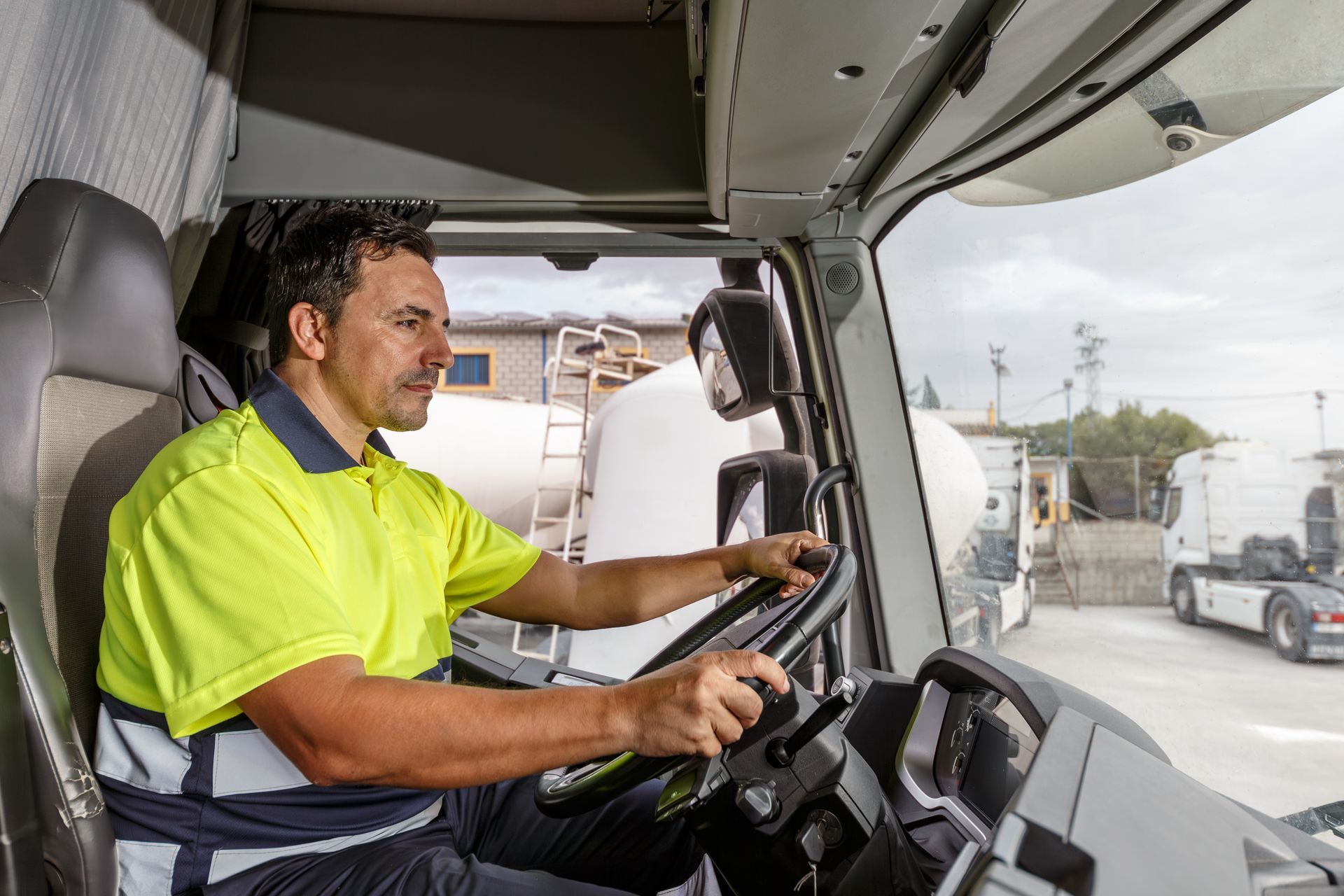
Commercial Auto Insurance
Commercial auto insurance provides coverage for work vehicles used on jobsites. It helps protect drivers and company vehicles.
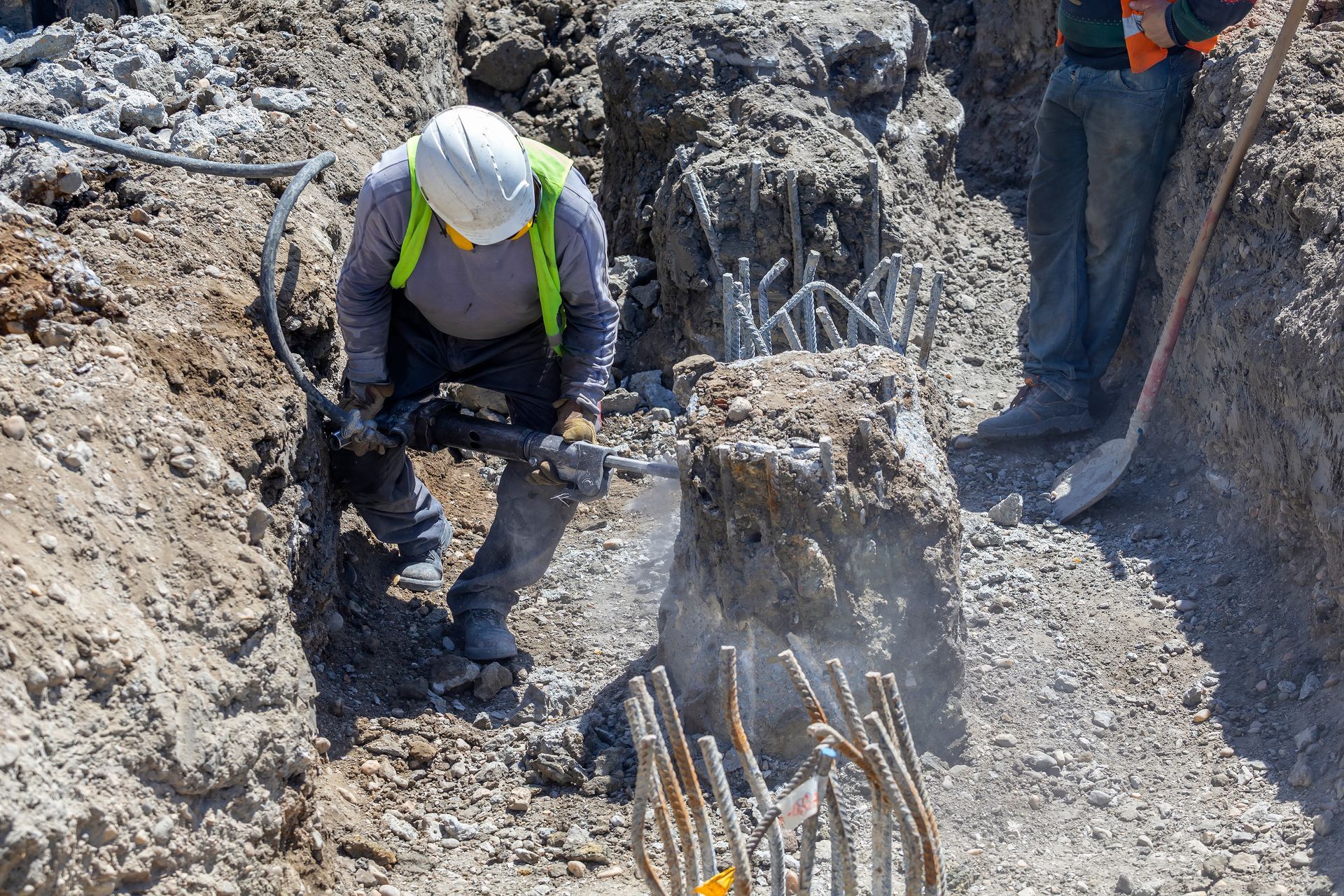
Contractor Insurance
Contractor insurance supports trades and service professionals across Southern California. It helps protect tools, equipment, and daily operations.

Cyber Liability Insurance
Cyber liability insurance helps protect business data and customer information. It supports recovery from digital incidents.

Commercial Property Insurance
Commercial property insurance helps protect offices, shops, and equipment. It supports recovery after covered damage.
Coverage Built for Specialized Work
Support for high-risk and service-driven industries.
Simple Steps Supported by Steady Guidance
A Clear Path to Coverage
Trusted by Clients Across Southern California
Clear service backed by real experiences.
Answers to Common Questions.
Clear explanations to guide your decisions.
How do I know which insurance policy is right for me?
We compare coverage options from multiple carriers to help you see differences in protection and price. You can review clear details and ask questions so you understand what each policy covers. Our team guides you step by step so you feel sure about your decision.
What factors affect my auto insurance premium?
Auto insurance premiums are influenced by your driving history, age, location, vehicle type, and coverage choices. A clean driving record and good safety features can help lower costs. We review these factors with you and help find coverage that fits your budget and needs.
Does homeowners insurance cover all types of damage?
Standard homeowners insurance protects your structure, personal belongings, liability, and additional living expenses in many cases. However, it usually does not include flood or earthquake damage without separate policies. We help you decide if extra coverage is right for your home and location.
Can I update my policy or get certificates online?
Yes. You can submit requests for policy changes and certificates through our online service form at any time. Our team processes those requests quickly and confirms updates once complete so you have the documents you need.
Do I need separate insurance for business risks like EPLI or E&O?
Yes. General liability and workers compensation cover many business risks but do not protect against all exposures. For example, Employment Practices Liability Insurance (EPLI) covers claims like wrongful termination or discrimination, and Errors & Omissions (E&O) covers claims based on mistakes in professional services. We help you identify which extra policies your business may need.
What happens if I need to file a claim?
If you need to file a claim, we guide you through the process and help you contact the insurance carrier. We explain what information you should provide, answer your questions, and stay available while the carrier reviews your claim. This support helps you move forward with confidence.
Contact Us