Running a business in Chino means dealing with a unique mix of opportunities and risks. The city sits at a crossroads of Southern California's industrial corridors, retail hubs, and growing service economy, and that positioning creates real exposure. A customer who trips on a wet floor, a
delivery driver who backs into a client's fence, a disgruntled competitor who claims your advertising is misleading: these aren't hypothetical scenarios. They're Tuesday. If you own or operate a business here, general liability insurance isn't some abstract checkbox on a compliance form. It's the financial barrier between a manageable incident and a lawsuit that could drain your bank account. Chino businesses face specific pressures that make this coverage especially critical, from aggressive lease requirements in local commercial developments to the sheer volume of foot traffic along major corridors like Central Avenue and Philadelphia Street. Whether you're running a small
retail shop, a logistics operation near the 60 freeway, or a growing
professional services firm, understanding what this coverage does, what it costs, and how to buy it correctly will save you real money and real headaches.
The Importance of General Liability Insurance for Chino Business Owners
General liability coverage is the foundational policy that most Chino businesses need before they open their doors or sign a lease. It protects against the most common third-party claims: someone gets hurt on your premises, you damage someone else's property, or you're accused of certain types of defamation or misleading advertising. Without it, you're personally and financially exposed to lawsuits that routinely cost $50,000 to $150,000 or more to defend, even when you've done nothing wrong.
Protecting Assets in California's Litigious Environment
California consistently ranks among the most lawsuit-heavy states in the country. According to the American Tort Reform Association, the state's legal climate remains one of the most plaintiff-friendly in the nation as of 2026. San Bernardino County courts see thousands of personal injury and premises liability cases each year, and Chino businesses aren't immune. A single slip-and-fall claim can generate $75,000 or more in medical bills, legal fees, and settlement costs. Without insurance, that comes directly out of your business accounts or personal assets if you're a sole proprietor. California doesn't cap pain-and-suffering damages in most civil cases, which means jury awards can be unpredictable and enormous. Even an LLC's liability protections have limits, especially if a court finds you were personally negligent.
Meeting Local Lease and Contractual Requirements
Most
commercial landlords in Chino require tenants to carry general liability insurance with minimum limits of $1 million per occurrence and $2 million aggregate before they'll hand over the keys. This is standard across shopping centers, office parks, and
industrial spaces in the area. Beyond leases, many contracts with larger companies or government entities require proof of coverage before you can bid on work or provide services. The City of Chino itself requires liability coverage for vendors at public events and for businesses contracting with the municipality. If you can't show a certificate of insurance, you lose the deal. It's that simple.
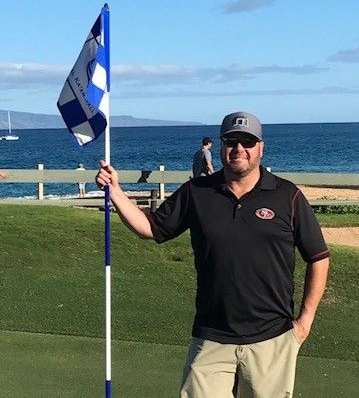
By: Patrick Caruso
President of Caruso Insurance Services
What General Liability Covers for Local Enterprises
Understanding what your policy actually pays for prevents two problems: buying coverage you don't need and assuming you're covered for something you're not. General liability is broad but has clear boundaries.
Bodily Injury and Third-Party Property Damage
This is the core of any general liability policy. If a customer, vendor, or passerby is injured on your business premises or as a result of your operations, the policy covers their medical expenses, lost wages, and any legal judgment or settlement. The same applies to property damage: if your employee accidentally breaks a client's equipment during a service call, or your signage falls and damages a neighboring storefront, your policy responds. In Chino, where many businesses operate in close proximity within strip malls and shared industrial complexes, property damage claims between neighboring tenants are more common than you'd expect. A burst pipe in your unit that floods the business next door is a classic example.
Personal and Advertising Injury Protection
This component covers non-physical harms: libel, slander, copyright infringement in your advertising, wrongful eviction (if applicable), and invasion of privacy. For Chino businesses running local ad campaigns, maintaining social media accounts, or publishing marketing materials, this matters. If a competitor claims your Google Ads copy falsely disparages their product, or a former client alleges you used their testimonial without permission, the advertising injury portion of your policy covers defense costs and potential settlements. These claims are becoming more frequent as businesses invest more heavily in digital marketing.
Medical Payments and Legal Defense Costs
Medical payments coverage, often called "med pay," is a smaller sublimit within your policy (typically $5,000 to $10,000) that pays for minor injuries regardless of fault. If a customer bumps their head on a low shelf in your store, med pay covers their emergency room visit without requiring them to file a lawsuit. This is genuinely useful because it resolves small incidents quickly and reduces the chance they escalate into formal claims. Separately, your policy's legal defense coverage kicks in the moment a covered claim is filed. Defense costs in California frequently run $200 to $400 per hour for experienced litigation attorneys, and even a straightforward case can rack up $30,000 to $50,000 in legal fees before it settles.
Common Industry Risks Specific to the Chino Area
Chino's economy is diverse, and the risk profile varies significantly depending on your industry. What threatens a retail boutique on Central Avenue is very different from what threatens a warehouse operation near Eucalyptus Avenue.
Retail and Service Sector Vulnerabilities
Chino's retail and service businesses face high foot traffic exposure. Restaurants deal with burn injuries, food contamination claims, and alcohol-related incidents. Salons and spas face allergic reaction claims and chemical exposure lawsuits. Fitness studios see sprains, fractures, and equipment-related injuries. Even professional service firms like accountants, consultants, and real estate agencies face advertising injury claims and occasional premises liability issues when clients visit their offices. One pattern I've seen repeatedly: businesses that share parking lots with other tenants often end up involved in liability disputes over poorly maintained common areas. Your lease should clarify who insures what, but your own policy is your first line of defense.
Manufacturing and Warehousing Liability
Chino has a significant industrial presence, particularly in food processing, packaging, and distribution. These operations carry elevated risks: forklift accidents involving visiting drivers, loading dock injuries, product contamination claims, and damage to goods stored on behalf of third parties. A warehouse that stores product for Amazon sellers, for instance, faces potential claims if stored inventory is damaged by a roof leak or pest infestation. Manufacturing operations also need to consider products liability exposure, which general liability covers to a degree but may require a separate products liability endorsement for adequate protection. Your claims history in these industries directly affects future premiums, and insurers track incidents through the CLUE (Comprehensive Loss Underwriting Exchange) database for up to seven years.
Your premium isn't arbitrary. Insurers use specific data points to calculate what you'll pay, and understanding these factors gives you some control over the number.
Business Size and Annual Revenue
Premiums scale with revenue because insurers view higher revenue as a proxy for greater exposure: more customers, more transactions, more opportunities for something to go wrong. A Chino-based retail store generating $300,000 in annual revenue might pay $800 to $1,200 per year for a standard $1M/$2M policy. A restaurant doing $1.5 million annually could pay $2,500 to $5,000 or more, depending on whether they serve alcohol. Warehousing and manufacturing operations with revenues above $2 million often see premiums ranging from $3,000 to $8,000 annually. Your number of employees also matters, as does your square footage and whether the public regularly accesses your premises.
Claims History and Risk Exposure
If you've filed previous liability claims, expect higher premiums. Insurers pull your CLUE report, and even a single paid claim within the past five years can increase your rate by 15% to 30%. Businesses with clean claims histories qualify for preferred rates and sometimes earn loss-free discounts. Your specific risk exposure also plays a role: a business that hosts public events, operates heavy machinery, or works at client locations faces higher premiums than a home-based consultant. Investing in documented safety protocols, annual property inspections, and maintenance records (with photos and reports) can demonstrably reduce your premiums over time. Some insurers offer credits of 5% to 10% for businesses that can show consistent risk management practices.
How to Select the Right Coverage Limits and Deductibles
The standard starting point for most small businesses in Chino is a $1 million per occurrence / $2 million aggregate policy. This satisfies most lease requirements and contract minimums. But don't stop at the minimum just because it's cheapest.
If your business regularly interacts with the public, handles expensive client property, or operates in a higher-risk industry, consider whether $1 million per occurrence is truly enough. A serious injury claim in California can exceed that amount. An umbrella policy that adds $1 million to $5 million in excess coverage typically costs only $300 to $800 per year for small businesses, making it one of the best values in commercial insurance.
For deductibles, most general liability policies have no deductible or a small one ($250 to $1,000). Choosing a higher deductible lowers your premium, but make sure you can comfortably cover that amount out of pocket. A $1,000 deductible saves you maybe $50 to $100 annually on premium: not worth it if cash flow is tight and you'd struggle to pay it during a claim.
Steps to Securing a Policy in Chino
Getting covered doesn't need to be complicated, but doing it right takes a bit of effort upfront.
- Gather your business details: legal entity type, EIN, annual revenue, number of employees, square footage, and a description of your operations.
- Get quotes from at least three sources. Work with an independent insurance agent who represents multiple carriers, and also get a direct quote from at least one major insurer for comparison. Agents familiar with San Bernardino County businesses will know which carriers are competitive for your industry.
- Review each quote carefully. Compare not just premium but also per-occurrence limits, aggregate limits, exclusions, and any endorsements included. Pay attention to whether the policy covers completed operations (critical for contractors and service providers).
- Ask about bundling. A Business Owner's Policy (BOP) combines general liability with commercial property insurance and often costs less than buying each separately. For many Chino businesses, a BOP is the most cost-effective starting point.
- Request certificates of insurance immediately after binding coverage. Your landlord, clients, and partners will ask for these, and having them ready avoids delays.
- Review your policy annually. Revenue changes, new locations, additional employees, and shifts in your business model all affect your coverage needs. An annual review with your agent ensures you're neither underinsured nor overpaying.
Getting general liability insurance in Chino isn't just about compliance or checking a box for your landlord. It's about making sure a single bad day doesn't become a business-ending event. The cost of a standard policy is a fraction of what even one uninsured claim would cost you, and the peace of mind is real. Talk to a local agent who understands the Chino market, get your quotes, and get covered before the next risk walks through your door.
ABOUT THE AUTHOR:
PATRICK CARUSO
I’m Patrick Caruso, founder of Caruso Insurance, and I have spent more than 25 years helping families, contractors, and small businesses across Southern California make confident insurance decisions. I focus on explaining coverage in clear terms, comparing multiple carriers, and supporting clients with steady communication so they feel secure with each step. My goal is to provide dependable guidance, simple answers, and a smooth process for anyone who needs personal or business insurance.
Contact Us

Service that stays with you.
Our team helps simplify insurance decisions for families and businesses. We focus on clear explanations, fast responses, and dependable service. You can count on us for help with coverage questions, updates, and long-term support.
Coverage that keeps you secure
Reliable Protection for Everyday Life
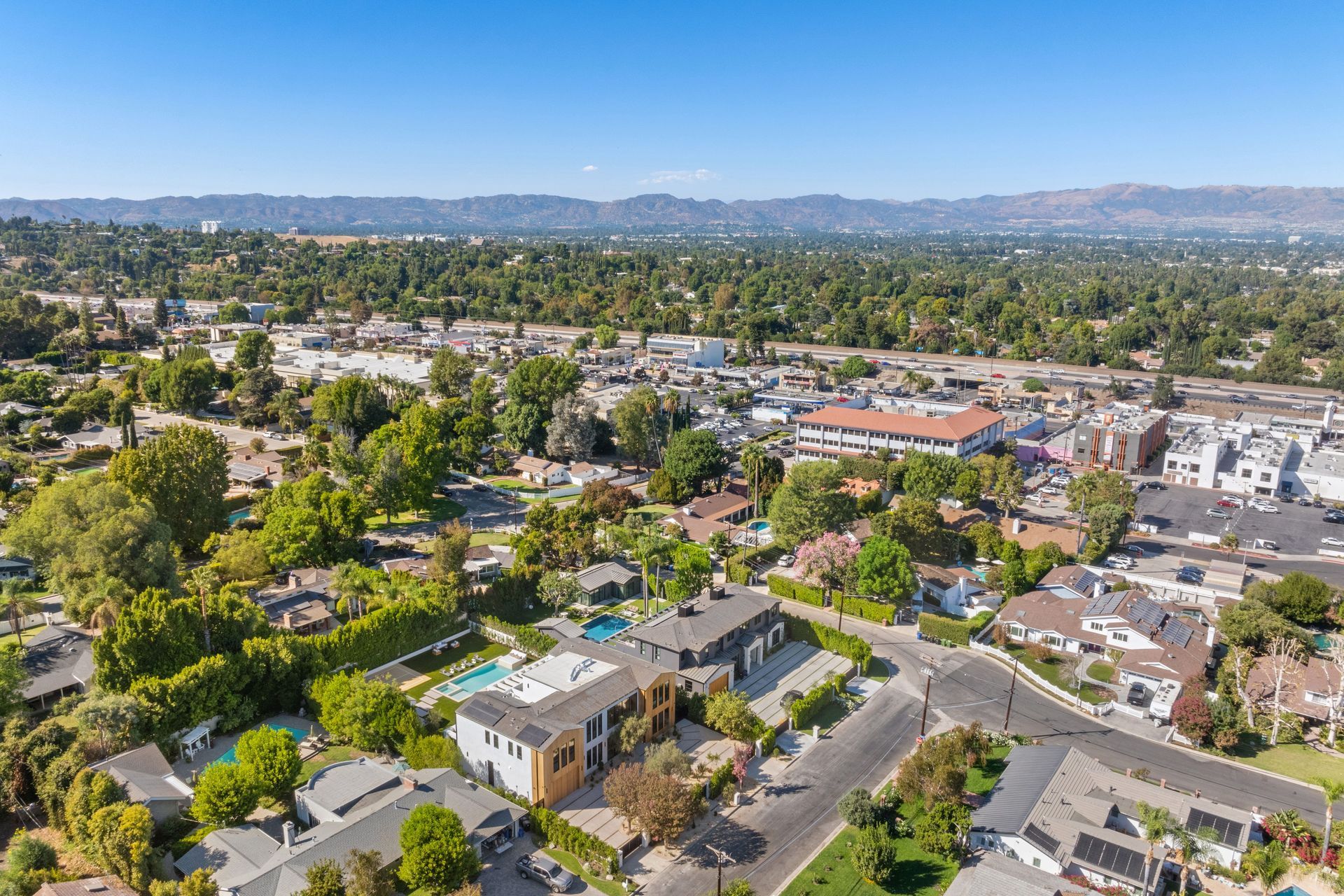
Home insurance helps protect your house, personal belongings, and liability risks. We explain coverage options clearly so you know what your policy includes.
Auto insurance provides protection for accidents, liability, and vehicle damage. We help you compare options so you can choose coverage that fits your driving needs.
Motorcycle insurance provides coverage for riders and their bikes. We help you select options that match how and where you ride.
RV insurance supports protection for motorhomes and recreational vehicles. Coverage applies during travel and while parked.
Coverage Built for Contractors and Trades
Support that keeps your work moving.

General Liability Insurance
General liability insurance helps protect contractors from injury and property damage claims. It supports jobsite requirements and contracts.

Workers Compensation
Workers compensation insurance helps protect employees injured while working. It also supports compliance with state requirements.

Commercial Auto Insurance
Commercial auto insurance provides coverage for work vehicles used on jobsites. It helps protect drivers and company vehicles.
Contractor Insurance
Contractor insurance supports trades and service professionals across Southern California. It helps protect tools, equipment, and daily operations.

Cyber Liability Insurance
Cyber liability insurance helps protect business data and customer information. It supports recovery from digital incidents.

Commercial Property Insurance
Commercial property insurance helps protect offices, shops, and equipment. It supports recovery after covered damage.
Coverage Built for Specialized Work
Support for high-risk and service-driven industries.

Simple Steps Supported by Steady Guidance
A Clear Path to Coverage
Trusted by Clients Across Southern California
Clear service backed by real experiences.
Answers to Common Questions.
Clear explanations to guide your decisions.
How do I know which insurance policy is right for me?
We compare coverage options from multiple carriers to help you see differences in protection and price. You can review clear details and ask questions so you understand what each policy covers. Our team guides you step by step so you feel sure about your decision.
What factors affect my auto insurance premium?
Auto insurance premiums are influenced by your driving history, age, location, vehicle type, and coverage choices. A clean driving record and good safety features can help lower costs. We review these factors with you and help find coverage that fits your budget and needs.
Does homeowners insurance cover all types of damage?
Standard homeowners insurance protects your structure, personal belongings, liability, and additional living expenses in many cases. However, it usually does not include flood or earthquake damage without separate policies. We help you decide if extra coverage is right for your home and location.
Can I update my policy or get certificates online?
Yes. You can submit requests for policy changes and certificates through our online service form at any time. Our team processes those requests quickly and confirms updates once complete so you have the documents you need.
Do I need separate insurance for business risks like EPLI or E&O?
Yes. General liability and workers compensation cover many business risks but do not protect against all exposures. For example, Employment Practices Liability Insurance (EPLI) covers claims like wrongful termination or discrimination, and Errors & Omissions (E&O) covers claims based on mistakes in professional services. We help you identify which extra policies your business may need.
What happens if I need to file a claim?
If you need to file a claim, we guide you through the process and help you contact the insurance carrier. We explain what information you should provide, answer your questions, and stay available while the carrier reviews your claim. This support helps you move forward with confidence.
Contact Us