California Architecture Firm Insurance
Insurance coverage designed to protect HVAC contractors and their daily operations.
or call us: 951-547-6770
For California architecture firms, the design process is evolving beyond creative sketches and innovative building concepts. New challenges in insurance coverage, rising costs, and unpredictable risks have made the insurance market a critical factor in shaping project outcomes. Firms must balance secure coverage with the demands of modern construction risks while keeping an eye on profitability and compliance. One striking aspect that underscores the stakes is the emphasis on adequate risk assessment during the design phase. For example, industry leaders like Perkins&Will integrate factors such as wind, water, and flood damage into site selection and building design decisions as noted by industry experts.
Beyond natural risks, construction-related liabilities have intensified. Insurance broker insights suggest that construction defect claims have targeted an extensive segment of condominiums and townhomes over the past quarter-century. With nearly 80 to 85 percent of such policies facing defect claims according to recent studies, architectural projects must now include comprehensive coverage to manage exposure. This article reviews essential insurance considerations tailored specifically to architecture firms operating in California.
Risk management is no longer an afterthought. It has become a pivotal element interwoven with every project detail. This guide provides a detailed look at insurance necessities, spanning coverage priorities, industry challenges, and solutions tailored to architecture firms in the Golden State.
Understanding the Current Insurance Landscape in California
The insurance market in California is deeply intertwined with state-specific risks. Increasing wildfire risks and construction liabilities are reconfiguring the way insurance is priced and structured. Insured losses from events such as the Los Angeles wildfires are projected to range between $35 billion and $45 billion according to McKinsey. This level of exposure highlights the importance of reliable coverage, making it essential for architecture firms to navigate these challenges with informed strategies.
Policies in California, especially those tied to construction and property development, tend to be robust yet complex. The empirical data from recent insurance market assessments indicates that risk-based pricing models are evolving. The California Department of Insurance recently completed its review of a forward-looking wildfire catastrophe model, paving the way for improved coverage gaps statewide per state guidance. This shift is critical for architecture firms involved in both new developments and renovations, reinforcing the need for flexible and comprehensive policies.
Moreover, the fluctuating exposure to construction defect liabilities further complicates matters. Developers specializing in condominiums and townhomes incur significantly heavier insurance burdens compared to those working on rental apartment projects, with costs estimated to be three to four times higher according to recent research. Such statistics underscore the necessity of meticulously evaluating the specifics of each policy.

By: Peter Plew
Commercial Insurance Agent at Caruso Insurance Services
Key Coverage Considerations for Architecture Firms
For architecture firms, securing the right type of insurance goes beyond standard property and casualty policies. It involves detailed assessments of potential liabilities and understanding the nuances of different risk categories. In effect, coverage must be as innovative as the design process itself. Firms often require specialized packages that blend elements of professional liability, general liability, and property insurance.
Professional liability coverage, sometimes known as errors and omissions (E&O) insurance, protects against claims arising from design errors, omissions in project planning, or miscommunications. Given that architecture is a field where even a minor oversight can lead to costly litigation, ensuring the policy is tailored to a firm’s specific operations is essential. This level of coverage is designed to bridge possible gaps between design guarantees and real-world outcomes.
General liability coverage addresses risks linked with bodily injury and property damage caused by onsite operations. For architecture firms involved in project supervision or onsite visits, having strong general liability insurance can mitigate risk exposure during construction phases. In some cases, a single incident can lead to extended claims, especially with the anticipated rise in construction defect litigation as acknowledged by construction dispute reports.
Essential Add-ons and Endorsements
As the insurance landscape grows more complex, additional endorsements tailored for architecture firms have become crucial. Coverage riders may include protection for cyber-attacks, intellectual property claims, and even professional indemnity specific to architectural design innovations.
Cyber insurance can be particularly significant in an era where digital designs and blueprints are stored electronically. A single data breach may compromise sensitive project details, leading to losses that are not strictly physical. Similarly, intellectual property coverage ensures that creative designs and proprietary methods remain protected against misuse or legal disputes.
Another recommended endorsement is contractor’s pollution liability. With the increasing scrutiny over sustainable building practices and environmental impact, ensuring that any inadvertent contamination or environmental mismanagement is covered becomes more significant. This comprehensive approach to coverage can provide architecture firms with financial security in the event of unforeseen complications.
Analyzing Market Trends and Liability Challenges
Market trends in California indicate a shift toward more customized insurance solutions. With the emergence of advanced risk assessment models, guidelines are now pushing for a forward-looking approach to catastrophe management. Recent reviews by the California Department of Insurance have led to enhanced wildfire catastrophe models, aimed at closing gaps and facilitating adequate coverage across the state as confirmed by state regulators.
Newly emerging data constantly points toward multifaceted liabilities that extend beyond traditional risks. Construction defects remain a focal risk area, significantly affecting the financial considerations of architectural projects. With up to 85% of condominium and townhome policies having faced construction defect claims according to insured data, it becomes evident that effective risk management requires a layered and comprehensive insurance strategy.
Firms are not only battling physical risks but also the financial implications of prolonged litigation. As disputes over defective construction extend the tail of claims exposure, every delay and extra cost multiplies the burden. This is particularly relevant in today’s environment where potential liabilities include not only the immediate damages but also the cascading effects of extended dispute resolution processes.
Impact of Construction Defect Litigation
The construction industry is currently witnessing increased turbulence in relation to defect-related claims. Extended litigation periods have pushed insurers to rethink pricing models, making general liability claims more unpredictable and potentially expensive. Experts suggest that claims related to defects could significantly alter the cost structure for firms involved in construction oversight and design supervision.
Developers facing these challenges tend to pay multiple times more for commercial general liability coverage compared to rental apartment projects as detailed in recent studies, a statistic that highlights why architectural firms need proactive risk assessments. Understanding these dynamics helps firms negotiate better policy terms and ensures that financial exposure is minimized.
This scenario emphasizes the importance of incorporating risk mitigation strategies into project planning. The integration of advanced construction oversight protocols and regular risk assessments can serve as a preventive measure. Architecture firms that can demonstrate robust risk management practices may benefit from more favorable premium rates and terms.

Strategies for Navigating Insurance Reform in California
Reforming the insurance approach involves a thorough grasp of regulatory shifts and adopting innovative practices. California’s insurance environment is undergoing a gradual transformation aimed at addressing the coverage gaps highlighted by recent wildfire and construction defect crises. The Center for California Real Estate, for instance, has proposed six urgent actions designed to address the state's homeowners insurance challenges. Such proposals offer valuable insights that can be adapted for the architecture and construction sectors.
To stay ahead, architecture firms should actively monitor regulatory changes and adjust their risk profiles accordingly. The adoption of forward-looking models by state regulators has already influenced market practices, paving the way for a more secure insurance environment for both homeowners and professionals engaged in property development. Firms must stay agile, incorporating state trends into their internal risk assessments and insurance planning.
Collaborating with insurance brokers who understand the complex interplay between design innovation and risk management can lead to more tailored coverage. Trusted advisors can help architecture firms navigate policy adjustments, ensuring that both emerging and traditional risks are properly covered without inflating overhead costs.
Leveraging Data and Technology
Data-driven insights have become a valuable asset in the insurance space. Advanced analytics is transforming how risks are evaluated, with detailed models now assessing potential wildfire exposures and structural vulnerabilities. The integration of such data in the underwriting process is vital. Architecture firms that invest in robust data analysis tools can more effectively predict project liabilities and negotiate corresponding insurance coverage that meets their precise needs.
Technology-driven solutions such as predictive maintenance tools also play a role in mitigating risks during the construction phase. These tools provided real-time data, allowing firms to take proactive measures before small issues develop into significant liabilities. This proactive approach not only supports better project management but can also have a favorable impact on insurance premiums.
Embracing a culture of continuous learning and risk reassessment could yield dividends in the long run. With rapid technological advances, staying current means leveraging new data insights to craft strategies that minimize exposure and improve overall resilience.
Architecture firms have multiple insurance options tailored to their unique operational risks. While basic coverage can be found in standard policies, specialized endorsements are crucial for firms to match the fast-changing risk environment. Companies must evaluate options for professional liability, general liability, and property coverage, ensuring that each policy component aligns with their specific operational nuances.
A critical choice for many is opting for an integrated approach that bundles various coverage types to simplify risk management. Bundled policies, which offer streamlined administration and potentially competitive premium rates, can be particularly beneficial for firms managing multiple projects simultaneously. However, it is essential that firms thoroughly compare the bundled benefits against standalone options, ensuring that no critical area remains underinsured.
The decision on which solution to adopt depends on several factors: firm size, project scope, client requirements, and historical claim records. Customizing coverage often involves negotiations with insurers who understand the complexities of architectural work. When policies reflect the real-world dynamics of construction-related risks, the resulting coverage provides both peace of mind and robust financial protection.
Coverage Table: Comparing Key Insurance Options
| Coverage Type | Primary Benefit | Typical Insured Risks |
|---|---|---|
| Professional Liability | Covers design errors and omissions | Design mistakes, miscommunications |
| General Liability | Protects against bodily injury and property damage | Onsite accidents, contractor mishaps |
| Property Insurance | Covers damage to physical assets | Fire, theft, natural disasters |
| Cyber Insurance | Protects digital assets and intellectual property | Data breaches, digital disruptions |
| Environmental Liability | Covers pollution and environmental fines | Contractor pollution, environmental damage |
This table offers a side-by-side comparison for quick reference. It provides clarity on which coverage types are best suited for the different risks architectural projects may face.
Engaging with an insurance professional can help tailor a policy that meets the specific needs of a firm and its projects. It is crucial that firms do not rely solely on the bundling of policies but also scrutinize individual endorsements that might require additional coverage limits or specific exclusions.
Integrating Risk Management Within the Firm’s Operational Blueprint
Innovative architecture firms are increasingly turning to integrated risk management practices. Such practices are built on the idea that comprehensive insurance solutions should complement, rather than supplant, internal safety protocols. By fostering a culture of proactive risk management, firms are better positioned to negotiate with insurers and secure favorable terms.
Investment in regular risk assessments, diligent project monitoring, and even third-party audits can highlight potential vulnerabilities before claims arise. These measures not only enhance the firm's overall resilience but can also lead to tighter underwriting conditions, ultimately lowering premium costs. A feedback loop between risk management teams and insurance brokers ensures that coverage remains aligned with the evolving project portfolio, making risk management a dynamic and responsive process.
Incorporating these processes into the firm’s operational blueprint is not just a defensive maneuver, but a competitive differentiator. More agile firms tend to enjoy better insurance terms as their demonstrated ability to manage risk reduces the likelihood of prolonged litigation or unexpected claims. For instance, firms that regularly update their risk mitigation practices may see improved premiums compared to peers with less proactive approaches.
Examples of Effective Risk Integration
Consider an architecture firm that recently embraced a high-tech monitoring system on active construction sites. This system tracks various environmental factors and construction activities, immediately alerting management to any anomalies. In doing so, it merges digital oversight with traditional risk management strategies, creating a layered defense against potential claims.
Another method involves regular training sessions, where employees are updated on the latest industry risks and corresponding best practices. Such training programs help ensure that every team member understands their role in minimizing liability exposure. This collective approach not only improves project safety but also reassures insurers that the firm takes risk management seriously.
Adopting a holistic view of risk often results in a smoother claims process. Should an incident occur, a robust internal framework can provide the necessary documentation and evidence to support the claim. This alignment between internal safety measures and insurance expectations frequently reduces claim resolution times and minimizes financial impact.
Impact on Business Growth and Competitive Edge
Securing the proper insurance coverage is more than an administrative task; it is a strategic investment that has long-term implications for business growth. For architecture firms, confidently managing risk paves the way for taking on more ambitious projects, attracting discerning clients and securing better overall market positioning. Proper insurance coverage signals to potential clients that a firm is serious about quality and risk management.
Some firms have built their reputation on the combination of outstanding design and comprehensive risk management practices. Their ability to safeguard client investments builds trust and opens doors to more significant opportunities. In competitive bidding environments, firms with strong risk profiles are often viewed as more reliable partners. This advantage can translate into long-term client relationships and a more robust project pipeline.
Moreover, access to advanced insurance products can free up capital that would have otherwise been tied up as risk reserves. This financial flexibility allows firms to invest in innovative technologies, expand their service offerings, and capture new market segments. As risk profiles improve, access to funding and credit may also become more favorable, reinforcing a virtuous cycle of growth and improvement.
Leveraging a Competitive Insurance Advantage
Architecture firms that align with top-tier insurance carriers tend to enjoy reduced friction in project management. Streamlined claims handling, faster payout processes, and proactive risk advice can all contribute to enhanced operational efficiency. Such advantages are critical in an industry where project timelines are tight and margins can be slim.
Partnering with insurers who understand the unique challenges and needs of the architecture sector can result in the development of custom coverage options. In a market where traditional insurance packages might not fully cover emerging risks, these tailor-made solutions provide a competitive edge. Firms that combine excellent design acumen with robust insurance strategies are well-positioned to lead the market.
This competitive advantage not only improves day-to-day operations but also has lasting benefits. Clients are more likely to engage with partners who demonstrate both creative excellence and sound risk management principles. In a landscape where every detail counts, having exemplary insurance support can make all the difference in securing key projects and long-term contracts as evidenced by market analyses.
Frequently Asked Questions
The following questions address some of the most common concerns architecture firms have when evaluating insurance options in California.
Q: Why is professional liability coverage essential for architecture firms?
A: Professional liability coverage protects firms against claims related to design errors, omissions, or miscommunications during the design process. It is crucial for mitigating the financial risks associated with professional mistakes, which can lead to extensive litigation.
Q: How do construction defect claims affect insurance costs?
A: Construction defect claims significantly increase the cost of commercial general liability insurance. Data shows that developers working on condominiums or townhomes may pay three to four times more than those involved with rental apartment projects according to recent research.
Q: What role does technology play in managing insurance risks?
A: Technology-driven solutions, like predictive maintenance tools and real-time monitoring systems, help architecture firms identify potential issues early on. This proactive approach can reduce the likelihood of claims and improve overall risk management, which may lead to more favorable insurance terms.
Q: Can bundling insurance policies benefit architecture firms?
A: Bundling policies may offer administrative efficiencies and competitive premium rates. However, firms should carefully review the bundled components to ensure that each specific risk area is adequately covered, rather than relying solely on the convenience of a package.
Q: How does improved risk management contribute to business growth?
A: Effective risk management not only reduces insurance costs but also improves a firm’s competitive edge. By demonstrating robust safety protocols and proactive risk assessments, firms can secure more ambitious projects and build stronger client relationships.
Q: What steps can architecture firms take to stay updated on insurance reforms?
A: Firms should regularly consult with insurance brokers, participate in industry conferences, and monitor updates from regulatory bodies such as the California Department of Insurance. Staying informed about emerging trends and policy changes is key to ensuring continuous compliance and optimal coverage
as noted by state updates.
Wrapping Things Up
Insurance is an indispensable tool for California architecture firms operating under a complex risk environment. With exposure to wildfire risks, construction defect liabilities, and ever-evolving regulatory frameworks, ensuring comprehensive and well-tailored coverage is paramount. Balancing multiple types of policies – from professional liability and general liability to specialized endorsements – can shield firms from unexpected financial setbacks while enabling creative risk-taking.
The key lies in integrating detailed risk management protocols into everyday operations. Firms that invest in advanced analytics, real-time monitoring systems, and continuous training stand to benefit from reduced claim frequencies and improved insurance terms. This proactive stance can lead to not only a stronger financial position but also a competitive advantage in the marketplace.
Ultimately, consistent reassessment of internal processes and keeping abreast of industry reforms are central to maintaining secure and efficient insurance coverage. Architecture firms that embrace these practices and tailor their policies to reflect real-world challenges are better well-prepared to navigate the uncertainties of today’s construction and design landscape as reflected in recent data. This proactive approach builds trust with clients and allows firms to focus on what they do best: designing inspiring and sustainable environments.
Final Considerations for a Resilient Future
Wrapping up the discussion, the interplay between innovative design and robust insurance strategies cannot be overstated. The changing nature of risk-driven by both environmental factors and evolving construction practices-requires that architecture firms keep pace with industry advancements and regulatory reforms. Embracing new technology for risk management and frequently revisiting insurance policies ensure that coverage remains as dynamic as the projects themselves.
Long-term success in California’s competitive architecture landscape lies in blending creative excellence with strategic risk mitigation. Every policy, endorsement, and risk management review ultimately supports the core goal: to safeguard the creative process while ensuring projects are delivered with confidence and sustainable financial planning. By developing a deep understanding of current market trends, such as the impact of wildfire risks and construction defects, firms can negotiate better terms and build stronger, more resilient portfolios.
In a state shaped by natural forces and innovative urban development, risk is a constant companion. However, with the right insurance advisor and a thorough grasp of insurance reform, architecture firms can transform risk from a potential liability into an opportunity for enhanced credibility and business growth as market research suggests. The future belongs to those who plan ahead and secure the foundations of success-both in design and in risk management.
ABOUT THE AUTHOR:
PETER PLEW
Hi my name is Peter Plew and I am a commercial insurance professional. I listen to and strategize with business owners about their visions of the future and assist in getting there as quickly as possible. I help identify unique exposure and risk’s that business owners have and the reasons why they need to be insured against them. My goal is to make sure my clients are always taken care of on a daily basis with any service needs, questions, or concerns they may have. I love to golf and spend time with my family in my spare time.
Contact Us

Service that stays with you.
Our team helps simplify insurance decisions for families and businesses. We focus on clear explanations, fast responses, and dependable service. You can count on us for help with coverage questions, updates, and long-term support.
Coverage that keeps you secure
Reliable Protection for Everyday Life
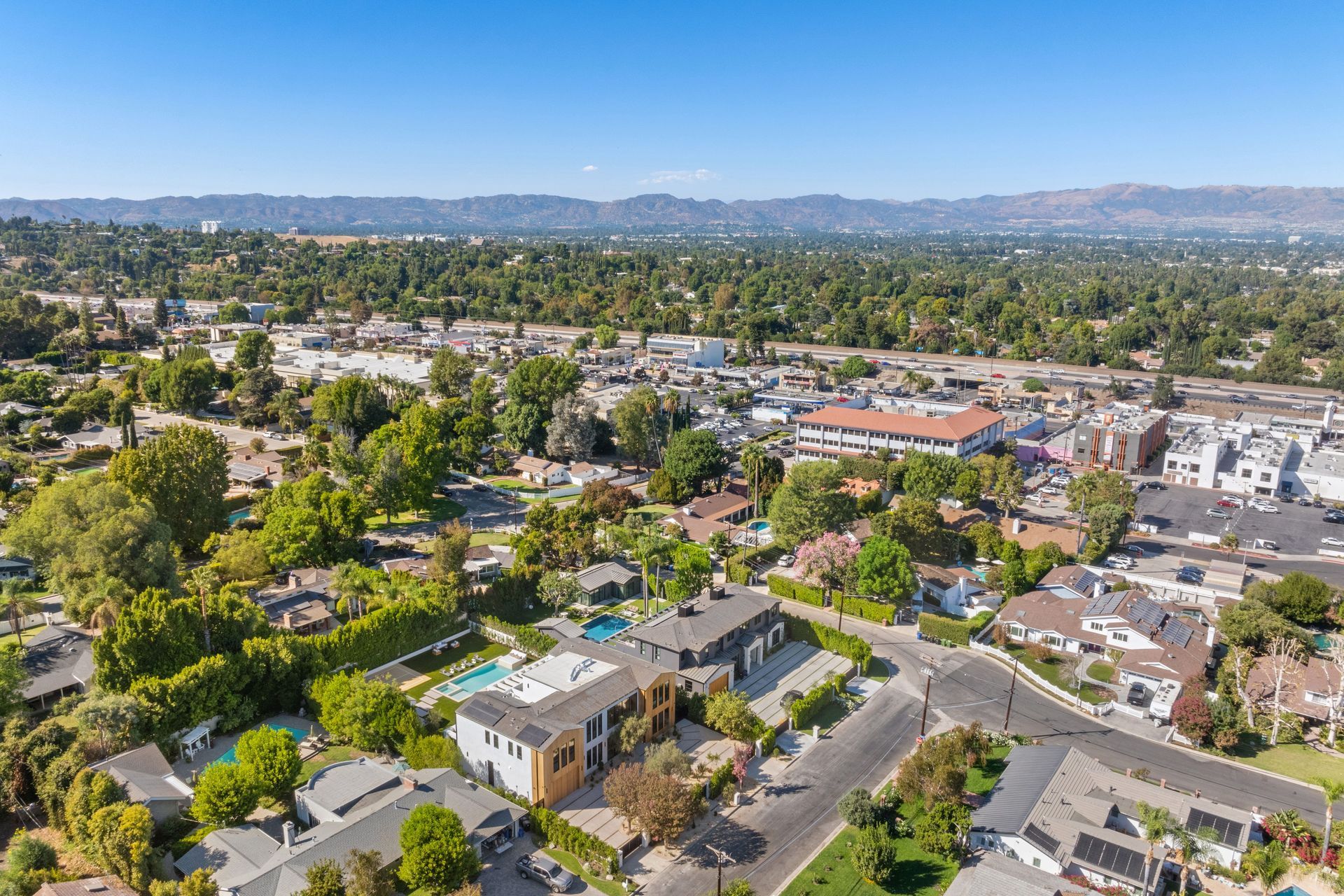
Home insurance helps protect your house, personal belongings, and liability risks. We explain coverage options clearly so you know what your policy includes.
Auto insurance provides protection for accidents, liability, and vehicle damage. We help you compare options so you can choose coverage that fits your driving needs.
Motorcycle insurance provides coverage for riders and their bikes. We help you select options that match how and where you ride.
RV insurance supports protection for motorhomes and recreational vehicles. Coverage applies during travel and while parked.
Coverage Built for Contractors and Trades
Support that keeps your work moving.

General Liability Insurance
General liability insurance helps protect contractors from injury and property damage claims. It supports jobsite requirements and contracts.

Workers Compensation
Workers compensation insurance helps protect employees injured while working. It also supports compliance with state requirements.

Commercial Auto Insurance
Commercial auto insurance provides coverage for work vehicles used on jobsites. It helps protect drivers and company vehicles.
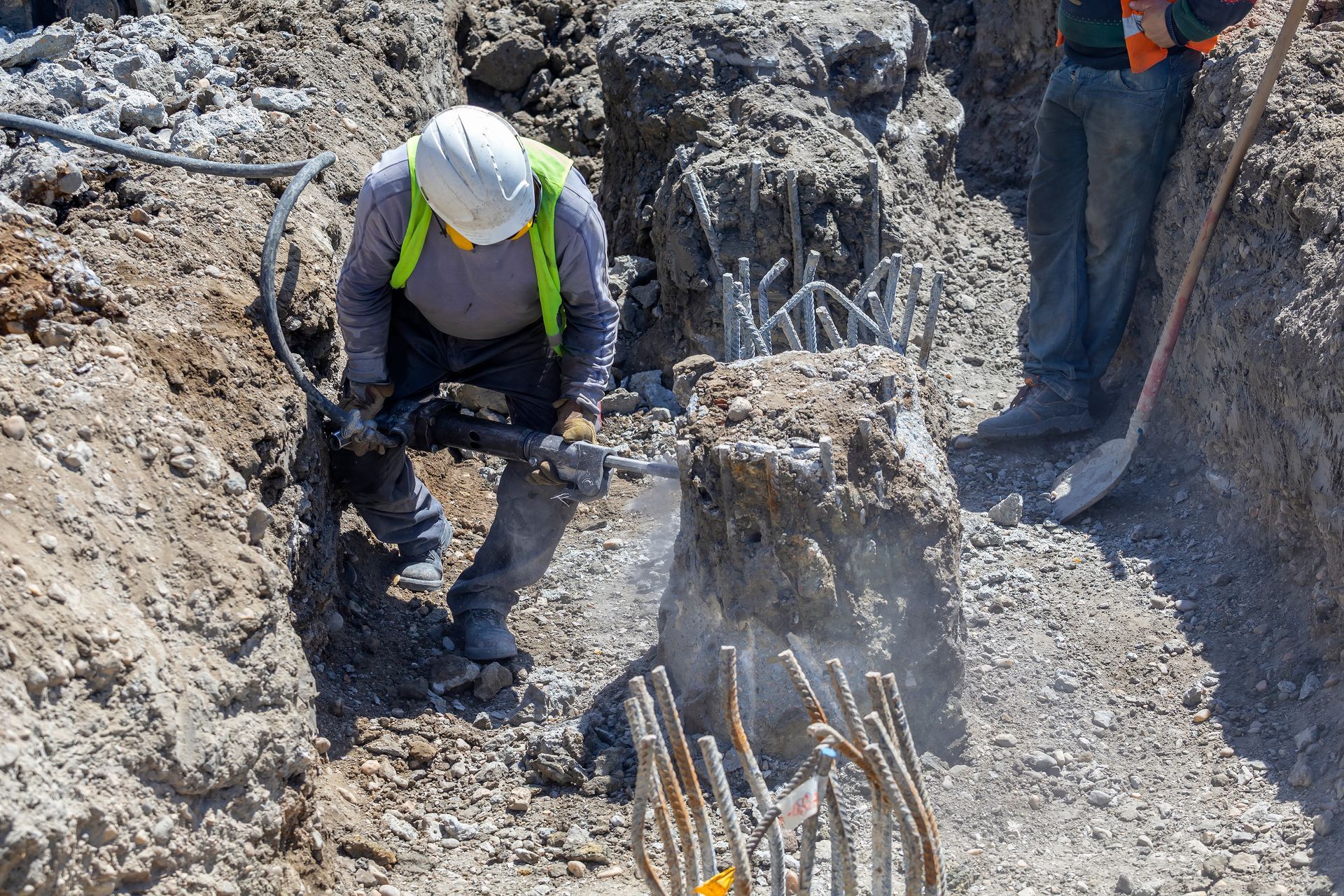
Contractor Insurance
Contractor insurance supports trades and service professionals across Southern California. It helps protect tools, equipment, and daily operations.

Cyber Liability Insurance
Cyber liability insurance helps protect business data and customer information. It supports recovery from digital incidents.

Commercial Property Insurance
Commercial property insurance helps protect offices, shops, and equipment. It supports recovery after covered damage.
Coverage Built for Specialized Work
Support for high-risk and service-driven industries.



Simple Steps Supported by Steady Guidance
A Clear Path to Coverage
Trusted by Clients Across Southern California
Clear service backed by real experiences.
Answers to Common Questions.
Clear explanations to guide your decisions.
How do I know which insurance policy is right for me?
We compare coverage options from multiple carriers to help you see differences in protection and price. You can review clear details and ask questions so you understand what each policy covers. Our team guides you step by step so you feel sure about your decision.
What factors affect my auto insurance premium?
Auto insurance premiums are influenced by your driving history, age, location, vehicle type, and coverage choices. A clean driving record and good safety features can help lower costs. We review these factors with you and help find coverage that fits your budget and needs.
Does homeowners insurance cover all types of damage?
Standard homeowners insurance protects your structure, personal belongings, liability, and additional living expenses in many cases. However, it usually does not include flood or earthquake damage without separate policies. We help you decide if extra coverage is right for your home and location.
Can I update my policy or get certificates online?
Yes. You can submit requests for policy changes and certificates through our online service form at any time. Our team processes those requests quickly and confirms updates once complete so you have the documents you need.
Do I need separate insurance for business risks like EPLI or E&O?
Yes. General liability and workers compensation cover many business risks but do not protect against all exposures. For example, Employment Practices Liability Insurance (EPLI) covers claims like wrongful termination or discrimination, and Errors & Omissions (E&O) covers claims based on mistakes in professional services. We help you identify which extra policies your business may need.
What happens if I need to file a claim?
If you need to file a claim, we guide you through the process and help you contact the insurance carrier. We explain what information you should provide, answer your questions, and stay available while the carrier reviews your claim. This support helps you move forward with confidence.
Contact Us