
California residents know all too well that the threat of seismic activity is real. A recent study by the U.S. Geological Survey shows there is an 86% probability of a magnitude 7.0 or greater earthquake occurring in Southern California within the next 30 years, urging homeowners to seriously consider earthquake insurance for financial protection (USGS study).
While earthquake insurance is not mandated, many homeowners underestimate both the risks and the benefits of comprehensive coverage. With only 12.48% of residential properties in the state having earthquake insurance as of 2024 (California Insurance Study), the need for enhanced coverage is clear. The following detailed discussion explains the specifics of earthquake insurance in California, covering what is protected under these policies, how rate increases affect policyholders, and how risk mitigation measures can lead to premium discounts.
Below is an in-depth exploration designed for homeowners, policy buyers, and those curious about seismic risk management. Each section addresses crucial aspects of earthquake insurance and highlights how current statistics and industry developments play a role in shaping coverage decisions.
Understanding Earthquake Insurance in California
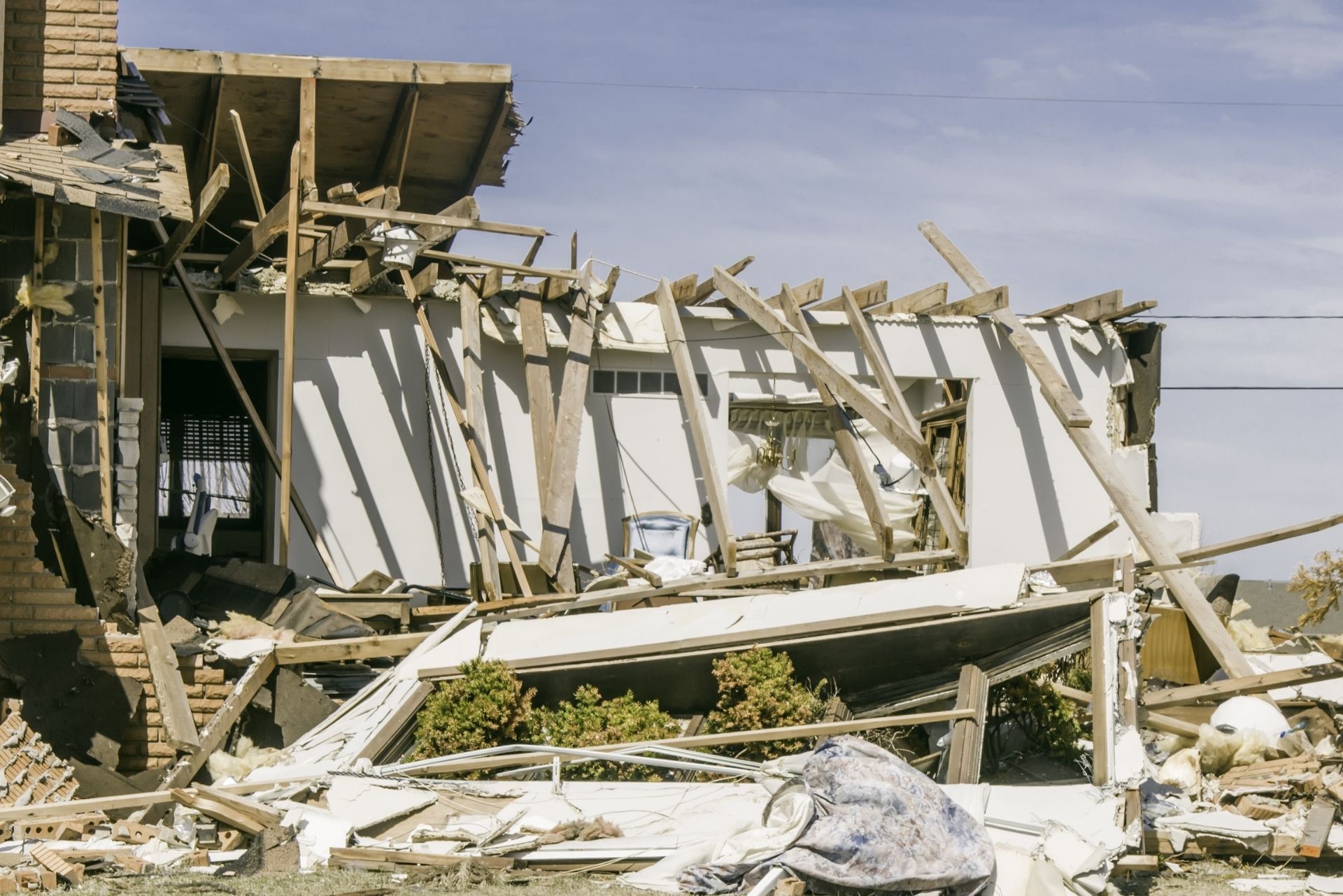
Earthquake insurance is tailored to help property owners manage the fallout from an event that might otherwise leave them financially stranded. Unlike standard homeowners policies, which almost always exclude earthquake damage, earthquake insurance is a specialized product covering repairs, reconstruction, and sometimes additional living expenses if your home becomes uninhabitable.
In California, where the seismic risk is high and ever-present, the market for earthquake insurance reflects the diverse needs of its residents. An industry report revealed that the California Earthquake Authority (CEA) is responsible for providing coverage for two-thirds of all residential earthquake policies in the state (CEA market share). This highlights not only the massive influence of a single insurer but also signifies that specialized policies are designed in accordance with regional hazards.
Policy features can vary greatly from one provider to another. Some policies include provisions for aftershocks, while other policies provide enhanced coverage for structural damage and debris removal. It is essential that policyholders review what is covered to ensure that the policy meets their risk profile and financial needs.

By: Karla Torres
Personal Insurance Agent at Caruso Insurance Services
Coverage Details and Policy Limits
Earthquake insurance policies in California typically cover physical structural damage that results directly from seismic activity. This coverage extends to the building’s foundation, walls, and roof. Alongside these primary components, policies often cover damage to attached accessories and permanently affixed fixtures.
The specifics of coverage vary with the policy limits. While many policies provide a set dollar amount for rebuilding or repairs, they may include separate limits for personal property or debris removal. Understanding policy exceptions is critical, as some items might not be covered if they do not fall under the defined areas of damage.
The table below breaks down the common elements of earthquake insurance and typical limits associated with each component:
| Coverage Element | Typical Limit | Notes |
|---|---|---|
| Structural Damage | Cost to rebuild the home | May include attachments |
| Debris Removal | Percentage of policy limit | Covers cleanup expenses |
| Temporary Housing | Limited daily benefits | For residents displaced by damage |
| Personal Property | Often separate or included in endorsements | May require additional riders |
Policyholders should thoroughly read their policies. Certain exclusions such as damage due to landslides or floods often apply, making it important to consider additional endorsements or separate policies for comprehensive protection.
Rate Increases and Financial Considerations
Rate adjustments in the earthquake insurance industry can affect households significantly. In October 2024, a 6.8% average rate increase was implemented by the CEA, set to take effect in January 2025 (CEA rate increase announcement). Although the percentage might sound modest, it plays a role in the overall affordability of maintaining coverage in regions with high seismic risk.
The increase is part of an effort to entice more residents to secure coverage while ensuring that the authority remains capable of paying out in the event of disasters. These adjustments are also reflective of increased risk models that account for a high probability of major earthquakes. For instance, studies show a nearly 7% chance of a magnitude-8 or stronger earthquake over 30 years in California (CBS News report), which forces insurers to recalibrate premiums accordingly.
Homeowners should keep in mind that policy costs are just one aspect of earthquake protection. Balancing premium expenses with coverage benefits, deductibles, and potential out-of-pocket repair costs is crucial in financial planning for seismic events. When evaluating earthquake insurance, it is always helpful to compare what each policy offers and assess how each risk factor – including rate increases – might affect long-term financial stability.
Seismic Risks and the Importance of Coverage
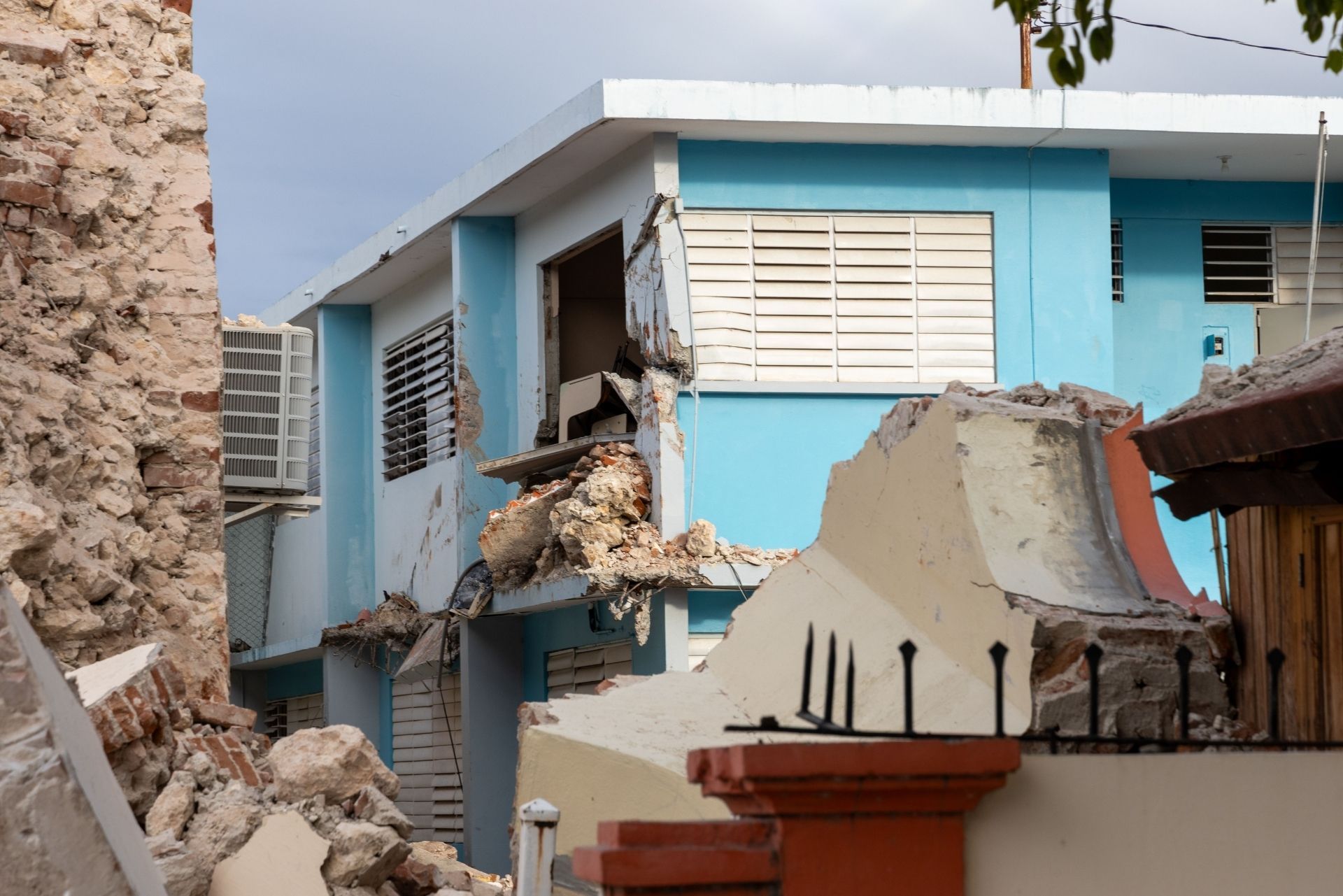
California’s geographical position makes it prone to frequent seismic activities, which often result in significant property damage and financial loss. The high likelihood of seismic events intensifies the need for policies that not only cover physical damage but also contribute to timely recovery. For instance, while only 1.5 million households had earthquake insurance in 2023 (San Francisco Chronicle report), many more risk the financial devastation that follows a major quake.
Seismic events cause energy release that may trigger structural failures. If a building’s frame or foundation is compromised, the damage quickly escalates, affecting both primary structures and essential fixtures. Clean-up costs, temporary relocation expenses, and elevated refinancing challenges can further burden homeowners. Adequate earthquake insurance offers a buffer against these cascading financial impacts.
Another factor heightening the need for earthquake insurance is the evolving urban landscape. With new developments and older structures coexisting in high-risk areas, the potential economic burden of seismic damage underscores the significance of comprehensive insurance solutions.
Mitigation: Retrofitting and Premium Discounts
One effective way to manage earthquake risk is through retrofitting, which enhances a building’s ability to withstand seismic forces. Many policyholders can benefit from premium discounts if they invest in seismic upgrades to their homes. The CEA encourages such measures by offering rate reductions of up to 25% for retrofitted properties (CEA retrofit discount).
Structural retrofits may include reinforcing walls, securing heavy furniture, and bolting the house to its foundation. These upgrades not only lower earthquake insurance premiums but also significantly reduce damage during a seismic event. In many ways, retrofitting embodies a win-win approach by merging risk reduction with long-term financial savings.
Local government and building authorities often promote retrofitting programs and sometimes offer incentives such as low-interest loans or grants. Homeowners should consult with both insurance advisors and structural engineers to identify the most effective improvements, thus aligning safety enhancements with insurance benefits.
Additional Considerations for Earthquake Insurance in California
When evaluating earthquake insurance options, several practical aspects should be considered. Firstly, understanding the deducible structure is key. High deductible amounts may lower the premium but also increase the out-of-pocket costs following a seismic event. Policyholders can often choose between different deductible schemes depending on their risk tolerance and financial preparedness.
Another critical aspect is the waiting period that some policies implement. After purchasing a policy, there may be a waiting period before coverage goes into effect. It is important for potential customers to be aware of these time frames and not assume the policy is active immediately upon purchase. This safeguard is designed to prevent opportunistic claims immediately after seismic events are predicted.
Finally, policyholders should keep track of periodic reviews and update their coverage as needed. With market conditions evolving, the cost and extent of coverage may change over time. Consulting with experts can help homeowners navigate these adjustments and ensure that their protection remains both cost-effective and comprehensive.
Evaluating the Role of the California Earthquake Authority (CEA)
The California Earthquake Authority is a pivotal institution in the state’s insurance framework. With a dominant 66% market share of residential earthquake insurance, the CEA plays a central role in underwriting seismic risks. Its policies are often benchmarked against emerging data and seismic models, making them a reference point for overall market stability.
The CEA’s recent implementation of a 6.8% average rate increase is an example of adjusting policy parameters based on evolving risks and financial challenges. Through such adjustments, the authority strives to balance premium affordability with the need to maintain a sustainable pool of funds that can cover potential claims. Homeowners can rest assured that these adjustments are part of a broader effort to secure adequate funds for future disaster relief.
Moreover, the CEA actively supports initiatives that promote seismic safety. The retrofit discount program is among its most popular strategies aimed at encouraging homeowners to invest in necessary structural improvements. Such measures not only lower individual premiums but also contribute to reducing overall damage in the event of an earthquake.
Comparing Earthquake Insurance to Homeowners Policies
It is important to recognize that standard homeowners insurance policies typically exclude earthquake-related damage. While traditional policies cover risks such as fire, theft, or weather-related events, they are not designed to handle the specific challenges that seismic events present. Earthquake insurance fills this gap by addressing the unique risks inherent in an earthquake-prone region like California.
A side-by-side comparison table below illustrates the differences between typical homeowners policies and earthquake insurance:
| Coverage Aspect | Homeowners Insurance | Earthquake Insurance |
|---|---|---|
| Structural Damage Due to Earthquakes | Excluded | Included with higher limits |
| Coverage for Aftershocks | Excluded | May be covered under additional provisions |
| Debris Removal | Often limited | Specifically included as a dedicated benefit |
| Temporary Housing Expenses | Usually not included | May be provided if the home is uninhabitable |
As the table indicates, earthquake insurance addresses exposures that standard homeowners policies do not, making it a critical element in a holistic risk management strategy for those in seismic zones.
Understanding Policy Exclusions and Limitations
While earthquake insurance provides essential financial protection, it may not cover every type of damage or expense resulting from a seismic event. Certain exclusions apply, and understanding these limitations is important for homeowners to avoid unexpected gaps in coverage. Policy language often excludes losses from landslides, floods, or non-seismic-related structural failures.
Insurance providers typically outline these restrictions in detailed sections of the policy documents, and it is advisable for homeowners to review them closely. By clarifying what is not covered, policyholders can better identify if additional supplemental coverage is required to fully address their situation.
It is also noteworthy that policies include defined waiting periods and specific claim submission deadlines. Such procedural details, aimed at preventing fraudulent claims, can sometimes leave homeowners in a challenging position if an earthquake occurs shortly after coverage is purchased. Consulting with an insurance advisor prior to finalizing a policy ensures that these conditions are fully understood.
Enhancing Protection Through Bundled Policies
Many homeowners in California opt for bundling their earthquake insurance with other forms of coverage. Bundled policies may provide discounts or additional benefits that are not available with standalone earthquake policies. This strategy not only simplifies the claims process but also may result in cost savings over time.
Insurance providers are increasingly offering bundled solutions that integrate earthquake coverage with homeowners, fire, and even flood policies. Such packages are designed to address multiple risks with a single provider, creating a more holistic shield against various hazards. Homeowners should discuss available bundling options with their insurance representatives to determine what combination of policies best suits their needs.
Bundling also offers the benefit of streamlined customer service and claims handling. With a single point of contact, policyholders can navigate complex claims more efficiently when multiple types of damage occur simultaneously. In a state where natural disasters are not uncommon, leveraging these bundled options can provide both financial and administrative relief.
Several factors contribute to the final premium amount for earthquake insurance in California. The location of the property, age of the building, construction materials, and previous retrofitting efforts all play critical roles. Areas located near active fault lines or in regions with historically high seismic activity naturally attract a higher premium.
Recent data shows that a 6.8% rate increase is set to take effect in January 2025, reflecting current risk models and the need for sustainable funds in case of a major earthquake (CEA rate increase details). Homeowners who have taken proactive steps such as retrofitting may benefit from significant discounts on these premiums, sometimes as much as a 25% reduction. These incentives are designed to encourage seismic upgrades that strengthen the overall resilience of properties.
Other personal factors, such as claims history and overall property value, also influence the cost of coverage. As such, policyholders are advised to obtain tailored quotes based on their individual circumstances. This thorough evaluation helps to create a realistic view of what the final insurance costs will be and how they might evolve in response to regional changes.
Seismic risk management should be viewed as a long-term investment in personal financial security. Earthquake insurance is more than just a monthly premium expense; it is a critical component of protecting one’s primary asset in a high-risk area. Even if some residents regard coverage as an optional expenditure, the long-term financial benefits can far outweigh the incremental costs.
Homeowners are encouraged to factor in probable seismic events when planning both home improvements and retirement savings strategies. Building resilience through retrofitting, sustaining comprehensive insurance coverage, and setting aside an emergency fund can collectively reduce the financial shock of major earthquakes. Regular reviews of policy terms and periodic reassessments aligned with changing risk profiles help ensure that coverage remains adequate over time.
Additionally, discussions with financial advisors and insurance experts can uncover other risk management strategies that complement earthquake insurance. By integrating seismic risk into a broader financial plan, homeowners can increase their capacity to recover quickly and minimize disruption following a seismic event.
Frequently Asked Questions About Earthquake Insurance
What does earthquake insurance typically cover?
Earthquake insurance covers structural damages to a home due to seismic activity. Some policies also cover debris removal and temporary living expenses if the property becomes uninhabitable.
How is the premium for earthquake insurance determined?
Premiums depend on factors like property location, building design, construction materials, and whether the home has undergone retrofit improvements. Insurers use risk models to adjust rates, explaining the recent 6.8% average increase proposed for 2025 (CEA rate update).
Why is retrofitting important?
Retrofitting enhances a building’s capacity to withstand seismic forces. Many insurance policies provide up to a 25% discount for retrofitted properties, making it both a safety and financial benefit.
Does standard homeowners insurance cover earthquake damage?
No, standard homeowners policies typically exclude earthquake damage. Separate earthquake insurance is required to cover the risks associated with seismic events.
Are there bundled options that include earthquake insurance?
Yes, some providers offer bundled policies that integrate earthquake insurance with traditional homeowners and other property-covering products. Bundling often brings cost savings and simplified claims procedures.
How often should a homeowner review their earthquake insurance policy?
It is advisable to review the policy annually or after making any significant changes to the property. This ensures coverage remains in line with current risk levels and structural modifications.
Final Thoughts on Earthquake Insurance in California
With the constant risk of seismic activity and evolving market conditions, earthquake insurance remains a vital tool for property protection in California. Homeowners faced with a significant probability of major earthquakes can benefit from understanding policy details and using available discounts through retrofitting. Current changes, such as the recommended rate increase of 6.8% effective January 2025 (CEA rate announcement), highlight the evolving landscape and importance of informed policy decisions.
Balancing policy costs with risk exposure, comprehending coverage limitations, and integrating seismic risk planning into overall financial management form the cornerstone of long-term protection against natural disasters. Evaluating the importance of bundling options and staying abreast of provider changes further empowers homeowners to make decisions that reflect both current risks and future needs.
Residents can remain confident that by thoroughly researching and understanding the specifics of earthquake insurance, they are taking a proactive step in safeguarding their most valuable investment. For those still considering the benefits of earthquake insurance, consulting with a knowledgeable insurance professional is a wise next step in this dynamic market.
ABOUT THE AUTHOR:
KARLA TORRES
Hi, I’m Karla Torres-Millan. I’ve been with Caruso Insurance for 14 years and in the insurance industry for a fantastic 25 years, as I specialize in personal insurance. I enjoy hiking, traveling to Baja, and spending time with family. I’m happily married and have two beautiful daughters, both of which have never failed to keep me busy. I’m passionate about what I do because I love to help others. I strive to eliminate the stress families experience when it comes to the lack of protection on their assets.
Contact Us

Service that stays with you.
Our team helps simplify insurance decisions for families and businesses. We focus on clear explanations, fast responses, and dependable service. You can count on us for help with coverage questions, updates, and long-term support.
Coverage that keeps you secure
Reliable Protection for Everyday Life
Home insurance helps protect your house, personal belongings, and liability risks. We explain coverage options clearly so you know what your policy includes.
Auto insurance provides protection for accidents, liability, and vehicle damage. We help you compare options so you can choose coverage that fits your driving needs.
Motorcycle insurance provides coverage for riders and their bikes. We help you select options that match how and where you ride.
RV insurance supports protection for motorhomes and recreational vehicles. Coverage applies during travel and while parked.
Coverage Built for Contractors and Trades
Support that keeps your work moving.

General Liability Insurance
General liability insurance helps protect contractors from injury and property damage claims. It supports jobsite requirements and contracts.

Workers Compensation
Workers compensation insurance helps protect employees injured while working. It also supports compliance with state requirements.

Commercial Auto Insurance
Commercial auto insurance provides coverage for work vehicles used on jobsites. It helps protect drivers and company vehicles.
Contractor Insurance
Contractor insurance supports trades and service professionals across Southern California. It helps protect tools, equipment, and daily operations.

Cyber Liability Insurance
Cyber liability insurance helps protect business data and customer information. It supports recovery from digital incidents.

Commercial Property Insurance
Commercial property insurance helps protect offices, shops, and equipment. It supports recovery after covered damage.
Coverage Built for Specialized Work
Support for high-risk and service-driven industries.



Simple Steps Supported by Steady Guidance
A Clear Path to Coverage
Trusted by Clients Across Southern California
Clear service backed by real experiences.
Answers to Common Questions.
Clear explanations to guide your decisions.
How do I know which insurance policy is right for me?
We compare coverage options from multiple carriers to help you see differences in protection and price. You can review clear details and ask questions so you understand what each policy covers. Our team guides you step by step so you feel sure about your decision.
What factors affect my auto insurance premium?
Auto insurance premiums are influenced by your driving history, age, location, vehicle type, and coverage choices. A clean driving record and good safety features can help lower costs. We review these factors with you and help find coverage that fits your budget and needs.
Does homeowners insurance cover all types of damage?
Standard homeowners insurance protects your structure, personal belongings, liability, and additional living expenses in many cases. However, it usually does not include flood or earthquake damage without separate policies. We help you decide if extra coverage is right for your home and location.
Can I update my policy or get certificates online?
Yes. You can submit requests for policy changes and certificates through our online service form at any time. Our team processes those requests quickly and confirms updates once complete so you have the documents you need.
Do I need separate insurance for business risks like EPLI or E&O?
Yes. General liability and workers compensation cover many business risks but do not protect against all exposures. For example, Employment Practices Liability Insurance (EPLI) covers claims like wrongful termination or discrimination, and Errors & Omissions (E&O) covers claims based on mistakes in professional services. We help you identify which extra policies your business may need.
What happens if I need to file a claim?
If you need to file a claim, we guide you through the process and help you contact the insurance carrier. We explain what information you should provide, answer your questions, and stay available while the carrier reviews your claim. This support helps you move forward with confidence.
Contact Us