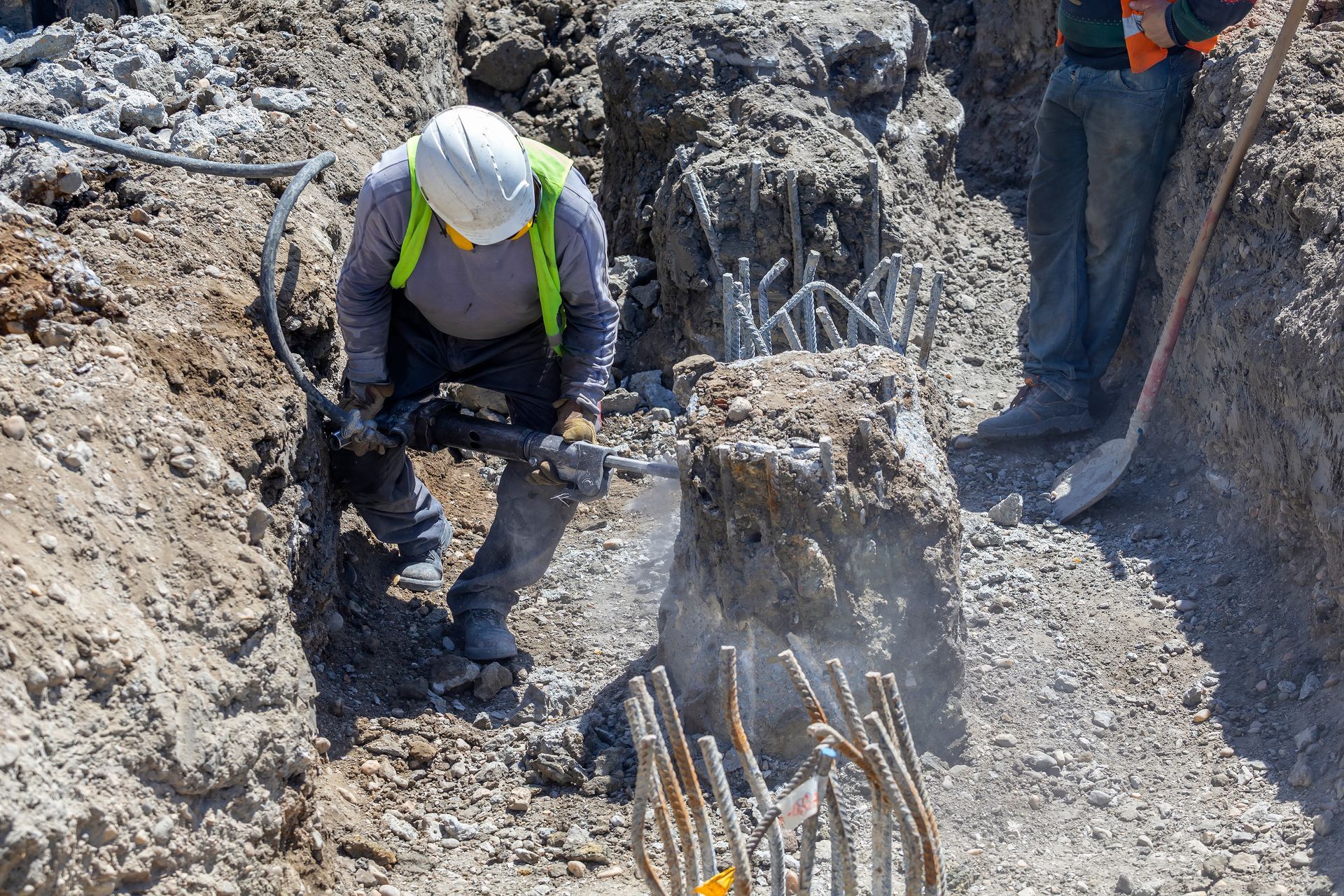
A common mishap on a busy job site can quickly escalate to a challenging financial setback. When a masonry contractor in California faces a slip-up, appropriate insurance not only shields against unforeseen losses but also enhances business credibility. With rising construction costs and evolving legal requirements, understanding contractor insurance now carries more weight than ever. Recent developments, such as the contractor retention limits set to take effect in January 2026, underscore the importance of proper risk management. Contractors seeking protection and peace of mind can learn more about vital trends from sources like the JM Construction Report.
Contractors often navigate a maze of project challenges, from fluctuating material costs to operational risks that could cripple an otherwise solid business. In California, the market is evolving, and rising statistics reflect a new era of construction demands. Contractors who adapt by securing comprehensive insurance solutions will find themselves better prepared for whatever challenges arise on site.
Understanding Market Trends and Economic Pressures
Current economic conditions shape many aspects of the masonry contracting industry. For example, the California Construction Cost Index (CCCI) reported a significant year-over-year increase, with construction costs rising by 16% in January 2025 (California Department of General Services). This high percentage indicates that contractors must prepare for higher input costs and adapt pricing models accordingly.
Alongside material and labor cost pressures, the market also faces adjustments in contractual terms. New private construction contract rules, effective January 1, 2026, now cap retention fees at 5% of progress payments and total contract prices. These changes, aimed at expediting payments, provide a more predictable cash flow for contractors, but they also require diligent planning to avoid unexpected gaps in funding during projects (JM Construction Report).
Industry forecasts predict significant growth in the masonry field. Projections indicate that the California masonry industry will expand to $2.9 billion by 2025, involving over 1,700 establishments and more than 16,300 employees (IBISWorld). Contractors must therefore account for competitive pressures, fluctuating costs, and expanding operational responsibilities as they seek to protect their businesses with the right insurance coverage.

By: Peter Plew
Commercial Insurance Agent at Caruso Insurance Services
Key Insurance Coverage Options for Masonry Contractors in California
Masonry contractors operate under a unique set of risks, making specialized insurance coverage critical. General liability policies come recommended as a first line of defense to cover property damage and bodily injury claims. However, these standard coverages may not address nuances like errors and omissions that might arise from design or project missteps.
Errors & omissions (E&O) coverage has transitioned from an optional extra to a central element of a contractor’s risk-transfer program. With legal standards tightening and the margin for error shrinking, insurance experts now advise contractors not to overlook E&O protection. As explained in CLM Magazine, this coverage is particularly adept at addressing professional liability issues that may otherwise lead to claims and costly litigation.
Alongside E&O, contractors often consider additional layers of protection. These include workers' compensation for onsite injuries, property insurance for damaged equipment, and commercial auto insurance for any vehicle-related incidents. The extra cost may seem burdensome at first glance, but the financial security they provide far outweighs the potential expenses incurred by a significant incident.
Legislative adjustments in California now require a closer look at project financing and contractor responsibilities. The new private construction contract rules that cap retention fees at 5% of progress payments and overall contract prices represent a considerable shift from previous practices. Contractors must now ensure that their financial plans and insurance coverages are aligned with these statutory changes (JM Construction Report).
Apart from payment recoupment, these rules also influence how contractors structure job site operations and manage cash flow. With a more prompt payment structure, contractors may find themselves with a surplus for lean periods, providing the opportunity to invest in risk management strategies such as advanced training or dedicated contractor insurance policies. California’s evolving regulatory framework has brought these issues to the forefront, urging all stakeholders to reassess their risk profiles and insurance needs.
Retaining a comprehensive risk management plan is vital, not solely for legal compliance but also for long-term profit stability. Considering potential delays in material delivery or project disputes, ensuring your insurance policy addresses the full gamut of contractual risks becomes paramount. Contractors with well-structured risk management plans not only avoid common pitfalls but also build their reputation as reliable and proactive industry players.

Assessing the Financial Impact of Rising Construction Costs
The escalation in construction costs has a dual effect on masonry contractors: while overall project bids may rise, profit margins experience tight squeezes. The California Construction Cost Index’s 16% increase earlier this year, compared with a more modest 3.4% over a subsequent 12-month period (JM Construction Report), signals a volatile market. The interplay of these figures affects budgeting strategies and influences how contractors approach insurance cost absorption.
Contractors operating in areas with rising material and labor costs may find it challenging to balance competitive bids while still preserving a healthy margin. Insurance plays a critical role in these scenarios. By evolving from basic policies to those that encompass specialized risks-including E&O and jobsite-specific incidents-masonry contractors create a safety net that manages not only external liabilities but also internal financial pressures.
Insurance providers, aware of the high stakes, often tailor their offerings to suit the economic realities faced by contractors. Policies that integrate flexible premium adjustments and risk assessments can help offset the financial blow from fluctuating construction costs. This synchronized approach between market hardships and insurance protection ultimately helps maintain stability in an inherently volatile industry.
Risk Management Strategies and Loss Prevention
Effective insurance coverage is only one half of the equation when it comes to safeguarding your business. Risk management strategies, coupled with proactive loss prevention measures, go a long way in minimizing potential claims. For masonry contractors, this often means investing in continuous training for teams and implementing precise safety protocols onsite.
Proper documentation of project details and routine quality checks are integral to lowering the chances of errors surfaced in legal claims. With many construction sites serving as high-stakes environments, the integration of insurance and proactive risk management fosters a culture of safety and accountability. Contractors who embrace these strategies are better positioned to weather any unexpected setbacks.
Beyond on-site strategies, engaging with an insurance advisor who understands the nuances of the masonry sector can pinpoint specific vulnerabilities. From proper coverage limits to ensuring that every aspect of a project is backed by appropriate insurance, expert advice can make the difference between a setback that derails a project and one that is smoothly absorbed. The additional layer of advisory from agencies like Castro Property & Commercial Insurance Agency often adds real-world practicality to the theoretical coverage parameters.
Building a Tailored Insurance Portfolio
No two contractors are identical in terms of scope or risk exposure. As a result, a one-size-fits-all insurance policy rarely meets every need. Instead, it is beneficial to craft a tailored insurance portfolio designed to cover the specific nuances of your operations. This might involve combining general liability with professional liability, workers' compensation, and even specialized coverages that address unique jobsite risks.
This tailored approach not only maximizes protection but also ensures that premiums are allocated efficiently over the most vulnerable segments of your business. By avoiding costly overlaps and filling potential gaps, a carefully crafted insurance portfolio enhances both operational flexibility and financial resilience. Insurance experts advocate for periodic reviews of your coverage, especially as your business evolves and market conditions shift.
For instance, if a contractor's portfolio expands to include commercial installations, coverage limits may need to be revisited, given the increased exposure to higher claims from larger projects. Additionally, industry reports indicate that about 20% of hardscape contractors have already diversified into commercial projects (Concrete Masonry and Hardscapes Association), emphasizing the need for a versatile insurance arrangement. Business owners should work closely with their agents to ensure policies remain updated and reflective of current operations.
Insurance Policy Selection Tips for Masonry Contractors
Selecting the right insurance involves more than comparing premiums. It is essential to understand a policy’s breadth as well as its limitations. Critical questions include: What are the coverage limits? Are there exclusions that might be relevant to the specific nature of masonry work? Does the policy provide support during litigation, or will you need to hire separate legal counsel in the event of a claim?
Often, policies designed exclusively for masonry contractors include provisions tackling the unique hazards of handling heavy materials and intricate installations. For instance, policies that incorporate errors & omissions coverage help address potential professional miscalculations-an increasingly important factor as contracts grow in complexity (CLM Magazine). Evaluating insurers based on their industry-specific expertise and customer feedback is an advisable step before making any significant commitments.
Ultimately, the objective is not to select the cheapest policy, but rather the one that offers comprehensive coverage aligned with the contractor’s operational reality. Decisions taken at the outset, such as whether to enhance coverage limits or integrate supplemental protections, bear long-term consequences on both financial stability and business reputation.
Practical Considerations When Filing a Claim
Filing a claim can be a daunting process for any contractor, and one misstep can lead to prolonged disruptions. Establishing clear internal protocols is a critical step. When incidents occur, rapid action and thorough documentation are essential to secure favorable outcomes. Contractors should familiarize themselves with every facet of their policies-knowing what is covered and what to expect in the claims process can significantly reduce stress during challenging times.
Insurance professionals emphasize treating every claim as a learning opportunity. Detailed record-keeping, photographs of job site conditions, and comprehensive incident reports facilitate smoother dialogues with insurers. These practices not only streamline the claims process but also build a repository of documentation that might be useful in future disputes.
For many masonry contractors, a well-documented claim history contributes to strengthening the relationship with insurers. Clear communication and transparency when dealing with claims not only speed up the resolution process but may also influence renewal terms. Regularly conducting internal reviews of incidents can also highlight recurring issues, suggesting areas where operational improvements might reduce future risks.
A quick reference table can be a valuable tool when deciding between different coverage packages. The following comparison highlights key features of basic and extended contractor insurance policies, allowing masonry contractors to quickly gauge which plan may be more appropriate for their needs.
| Coverage Feature | Basic Contractor Insurance | Extended Contractor Insurance |
|---|---|---|
| General Liability | Covers bodily injuries and property damage | Covers bodily injuries, property damage, and associated legal costs |
| Errors & Omissions | Often optional or limited | Includes robust coverage for professional liabilities |
| Workers' Compensation | Standard limits for on-site injuries | Enhanced limits with proactive risk management consultations |
| Retention Fee Coverage | May not account for new statutory limits | Aligned with California's 5% cap on progress payments |
This breakdown helps contractors assess what is vital for their projects. By carefully reviewing the distinctions between basic and extended plans, masonry contractors can make informed decisions that align with both regulatory demands and business growth objectives.
Cost Management and Budgeting for Insurance Premiums
Insurance premiums represent a significant operating expense, so managing costs without sacrificing essential coverage is a balancing act. In California, where material costs and labor expenses continue to surge, keeping a tight rein on premiums is crucial for maintaining lean operations. Regularly reviewing policies not only helps in negotiating better rates but also ensures that no outdated coverage sneaks into the overall cost.
Contractors should ask questions such as whether bundling policies yields discounts, or if periodic policy audits may reveal potential savings. Additionally, the adoption of new risk management technologies and safety procedures can lead to lower claims, which over time may result in reduced premiums. Such proactive measures, when paired with strategic policy selection, create a more sustainable financial model for securing contractor insurance.
Even in fluctuating markets, informed decisions grounded in current policy details and economic trends allow contractors to predict costs with greater accuracy. This forward-thinking approach not only helps with day-to-day cash flow planning but also establishes a stable foundation for long-term expansion in an industry marked by rapid change.
Learning from Industry Statistics and Reports
Statistics reflect more than just numbers-they tell the story of an industry in motion. For example, recent contractor reports indicate that nearly half of surveyed hardscape contractors reported gross sales below $1 million, highlighting the importance of scalable insurance solutions for smaller operators (Concrete Masonry and Hardscapes Association). At the same time, commercial installations, though representing 20% of the market, require expanded coverage limits and risk mitigation practices.
Understanding market size projections plays a vital role in planning. The rapid expansion of the masonry industry, projected to reach $2.9 billion by 2025 (IBISWorld), encourages contractors to evaluate not just current needs but also future growth. Keeping insurance portfolios adaptable ensures that every contractor-from small-scale operators to larger, multifaceted companies-remains adequately protected in an ever-changing market.
This dynamic environment demands constant vigilance. Contractors who study statistics and industry insights not only protect their profits but also position themselves as forward-thinking and reliable. In an environment where even minor oversights can lead to significant claims, robust insurance solutions become indispensable tools in a contractor’s business arsenal.
Frequently Asked Questions
This FAQ section addresses some of the most common queries raised by masonry contractors looking to optimize their insurance coverage in California.
Q: Do I need errors & omissions coverage as a masonry contractor?
Yes. Errors & omissions coverage is becoming a necessity rather than a luxury. It shields contractors from professional missteps that may lead to legal claims, ensuring long-term business viability (CLM Magazine).
Q: How do new retention rules affect payment schedules?
The new rules, effective January 2026, cap retention fees at 5% of progress payments. This change facilitates faster cash flow, enabling contractors to manage projects more efficiently.
Q: Can tailored insurance policies help reduce overall premium costs?
Absolutely. Customizing a policy to cover only the risks pertinent to your business eliminates unnecessary costs and ensures that you are fully protected in critical areas.
Q: Should smaller masonry contractors consider commercial coverage options?
Even if your business has lower annual sales, expanding into commercial projects calls for additional coverage. Tailored policies can bridge the gap between smaller scale operations and the demands of commercial contracts.
Q: What role does risk management play in lowering insurance premiums?
Risk management and loss prevention strategies significantly influence premium rates. By adopting strict safety protocols and maintaining thorough records, contractors can demonstrate reduced risk, potentially lowering future premiums.
Q: How often should I review my insurance portfolio?
An annual review is advisable, but significant changes in your projects or market conditions might warrant more frequent evaluations.
Final Thoughts for California Masonry Contractors
Choosing the right insurance policy can be a turning point for any masonry contractor operating in California. With the current market exhibiting rapid changes in cost structures and regulatory frameworks, protective coverages have never been more important. A well-planned insurance portfolio addresses the past risks while anticipating future challenges, ensuring a smooth operational flow even in turbulent times.
Staying ahead of legal adjustments by maintaining thorough documentation, continuous risk management, and engaging with industry experts remains the cornerstone of long-term success. Whether it is leveraging new contract rules or assessing comprehensive E&O protections, each element of your insurance strategy must align with business goals and the prevailing market realities.
For further guidance on securing your business from unforeseen challenges, exploring expert insights and current trends in contractor insurance is a must. Reliable sources such as Castro Property & Commercial Insurance Agency can assist masonry contractors in navigating this complex landscape.
ABOUT THE AUTHOR:
PETER PLEW
Hi my name is Peter Plew and I am a commercial insurance professional. I listen to and strategize with business owners about their visions of the future and assist in getting there as quickly as possible. I help identify unique exposure and risk’s that business owners have and the reasons why they need to be insured against them. My goal is to make sure my clients are always taken care of on a daily basis with any service needs, questions, or concerns they may have. I love to golf and spend time with my family in my spare time.
Contact Us

Service that stays with you.
Our team helps simplify insurance decisions for families and businesses. We focus on clear explanations, fast responses, and dependable service. You can count on us for help with coverage questions, updates, and long-term support.
Coverage that keeps you secure
Reliable Protection for Everyday Life

Home insurance helps protect your house, personal belongings, and liability risks. We explain coverage options clearly so you know what your policy includes.
Auto insurance provides protection for accidents, liability, and vehicle damage. We help you compare options so you can choose coverage that fits your driving needs.
Motorcycle insurance provides coverage for riders and their bikes. We help you select options that match how and where you ride.
RV insurance supports protection for motorhomes and recreational vehicles. Coverage applies during travel and while parked.
Coverage Built for Contractors and Trades
Support that keeps your work moving.

General Liability Insurance
General liability insurance helps protect contractors from injury and property damage claims. It supports jobsite requirements and contracts.

Workers Compensation
Workers compensation insurance helps protect employees injured while working. It also supports compliance with state requirements.

Commercial Auto Insurance
Commercial auto insurance provides coverage for work vehicles used on jobsites. It helps protect drivers and company vehicles.
Contractor Insurance
Contractor insurance supports trades and service professionals across Southern California. It helps protect tools, equipment, and daily operations.

Cyber Liability Insurance
Cyber liability insurance helps protect business data and customer information. It supports recovery from digital incidents.

Commercial Property Insurance
Commercial property insurance helps protect offices, shops, and equipment. It supports recovery after covered damage.
Coverage Built for Specialized Work
Support for high-risk and service-driven industries.



Simple Steps Supported by Steady Guidance
A Clear Path to Coverage
Trusted by Clients Across Southern California
Clear service backed by real experiences.
Answers to Common Questions.
Clear explanations to guide your decisions.
How do I know which insurance policy is right for me?
We compare coverage options from multiple carriers to help you see differences in protection and price. You can review clear details and ask questions so you understand what each policy covers. Our team guides you step by step so you feel sure about your decision.
What factors affect my auto insurance premium?
Auto insurance premiums are influenced by your driving history, age, location, vehicle type, and coverage choices. A clean driving record and good safety features can help lower costs. We review these factors with you and help find coverage that fits your budget and needs.
Does homeowners insurance cover all types of damage?
Standard homeowners insurance protects your structure, personal belongings, liability, and additional living expenses in many cases. However, it usually does not include flood or earthquake damage without separate policies. We help you decide if extra coverage is right for your home and location.
Can I update my policy or get certificates online?
Yes. You can submit requests for policy changes and certificates through our online service form at any time. Our team processes those requests quickly and confirms updates once complete so you have the documents you need.
Do I need separate insurance for business risks like EPLI or E&O?
Yes. General liability and workers compensation cover many business risks but do not protect against all exposures. For example, Employment Practices Liability Insurance (EPLI) covers claims like wrongful termination or discrimination, and Errors & Omissions (E&O) covers claims based on mistakes in professional services. We help you identify which extra policies your business may need.
What happens if I need to file a claim?
If you need to file a claim, we guide you through the process and help you contact the insurance carrier. We explain what information you should provide, answer your questions, and stay available while the carrier reviews your claim. This support helps you move forward with confidence.
Contact Us