
A sudden storm, unexpected water damage, or even a minor mishap can quickly turn a quiet day into a costly repair ordeal. For homeowners in Upland, California, understanding the dynamic world of home insurance is essential. This guide dives into key data points, the current Upland housing landscape, and practical tips for securing property protection tailored to local conditions. Consider this resource a trusted companion in navigating insurance coverage in a market where the median property value in 2023 reached $688,800 (Data USA) and insurance premiums average around $871 per year (GetHomeInsuranceQuotes.com).
Understanding Upland's Housing Market
The housing market in Upland is defined by its mix of attractive neighborhoods, mature trees lining peaceful streets, and a dynamic real estate climate. Home values in this region are notable. For example, the average home value sits around $801,811, reflecting a slight one-percent drop over the past year (Zillow), while the median home value is estimated at $810,881 (HomeSnacks). These figures provide important context for homeowners assessing the balance between insurance costs and the overall value of their investment.
Local market trends have investors and homeowners keeping a keen eye on property values. High property values can lead to more comprehensive insurance needs. In Upland, where property values are significantly higher than the national average, selecting adequate coverage is not just a financial decision but a personal one that preserves the stability of long-term home investments.
An informed homeowner is not only aware of the trends in property value but also keeps up with factors that might affect insurance premiums. With the average annual homeowners insurance premium in Upland at approximately $871, it is crucial to understand how local characteristics and property values interact to shape the insurance landscape.

By: Elijah Elias
Personal Insurance Agent at Caruso Insurance Services
Key Elements of Home Insurance in Upland
Premiums and Policy Cost Factors
The cost of a homeowners insurance policy in Upland is influenced by several intertwined factors. The location plays a significant role; homeowners in areas with higher property values and increased risk factors generally face higher premiums. For Upland, where the median property value was around $688,800 in 2023 (Data USA), the premiums reflect market realities.
Factors such as local weather conditions, the age and condition of a property, and even proximity to fire departments or hydrants can affect premiums. An insurer might also assess risk by looking at historical claim data for the region, meaning that even a slight neighborhood variation in risk can lead to noticeable changes in cost.
Investigating multiple policies and obtaining quotes can be a prudent step. Insurance agents familiar with Upland’s market nuances often recommend tailoring coverage to suit the specific characteristics of a property, ensuring that homeowners are not underinsured.
Understanding Specific Coverage Options
Home insurance policies generally offer a mix of coverage options that address the diverse risks homeowners might face. In Upland, homeowners frequently consider coverage for hazards like earthquake risk, even though many standard policies do not include such events. It may be necessary to secure additional endorsements or separate earthquake insurance if the area warrants consideration.
Another element to consider is the inclusion of personal property coverage. This protection ensures that belongings are reimbursed if damage or loss occurs due to events like theft or fire. Many insurers also provide liability coverage, which is critical if an accident on the property leads to injury.
For a small percentage of Upland residents, the FAIR Plan remains an option. In 2022, about 0.9% of residential dwelling units in Upland were insured through California’s FAIR Plan
(California Department of Insurance). This state-run program is designed to help those who might not secure coverage through traditional channels, offering an alternative when standard market avenues are not available.
Insurance Products in a Competitive Market
The Role of the FAIR Plan
In Upland, the vast majority of homeowners choose traditional insurance policies, yet a small but significant group opts for the FAIR Plan. Understanding the FAIR Plan matters because it offers coverage for properties that might otherwise be classified as high risk. As mentioned, around 0.9% of residential properties relied on the FAIR Plan in 2022 (California Department of Insurance).
This alternative becomes particularly relevant during periods where wildfires or other localized events increase overall risk perception. Although the FAIR Plan may carry limitations in comparison to private insurance, it ensures that every homeowner in Upland has some baseline level of protection.
For those evaluating their options, it can be helpful to compare traditional policies against FAIR Plan offerings. The differences in coverage limits, deductibles, and premium costs can have a lasting impact on your financial flexibility in the event of a claim.
Traditional Policies Versus Additional Coverage Options
The bulk of Upland homeowners secure coverage through traditional policies provided by private insurers. These policies tend to offer a wider range of customizable options and higher coverage limits, making them more adaptable to both standard and unforeseen claims. With the average homeowners insurance premium in Upland hovering around $871 (GetHomeInsuranceQuotes.com), there is a balancing act between affordability and comprehensive protection.
Traditional policies might include supplemental coverages for expensive rebuild costs, temporary accommodations if a home becomes uninhabitable, and even replacement cost coverage rather than actual cash value. These add-ons can be critical as building costs and repair prices escalate, particularly in markets where property values are high.
Private insurers also offer endorsements that address specific local risks such as regional weather patterns, which can be an asset for homeowners who want more than the standard package. In Upland, where properties might face unique challenges, having the right endorsements in place could make a significant difference.

The Financial Impact of Home Insurance
Understanding the Cost Breakdown
Home insurance is a necessary expense that protects a substantial investment. For many in Upland, the policy cost is an annual investment in peace of mind and financial stability. Several local market factors culminate in the final premium calculation. The average annual premium of approximately $871 (GetHomeInsuranceQuotes.com) is an indicator of both the local property values and market risk factors that insurers account for.
Beyond the headline premium, homeowners must consider deductibles, which are the out-of-pocket costs at the time of a claim. A higher deductible can lower the premium but might also pose financial strain during a claim. Striking a balance between these two aspects is part of a strategic approach to insurance in Upland.
Homeowners should also examine whether their coverage adequately reflects current market conditions. With home values potentially subject to fluctuations, periodic policy updates may be necessary to ensure that rebuilding costs and replacement values remain aligned with current estimates.
Preparing for Potential Claims
The true value of home insurance is realized when a claim is made. Homeowners in Upland must be prepared for situations ranging from water damage, theft, or even natural disasters. Having a well-documented inventory of belongings and a close understanding of policy limits can make the claims process smoother.
Local service providers and insurance agents often advise maintaining up-to-date documentation. Photographs of the interior and exterior of a home, along with current receipts for major purchases, can expedite the claims adjustment process. An organized approach ensures that the compensation received accurately reflects the loss endured.
Some policies include features like lost rental income or debris removal coverage. While these options may not be necessary for every policyholder, in regions with a considerable number of high-value homes such as Upland, these options might add valuable layers of protection.
Local Considerations for Upland Homeowners
Impact of Local Real Estate Trends
Property value trends in Upland offer insight into how insurance should be structured. With the median property value reported at $688,800 in 2023 (Data USA) and the average home value around $801,811 (Zillow), it is evident that the local real estate market remains robust. Homeowners should factor these trends into their decisions when updating policies or seeking additional endorsements.
As property values shift, so too can the potential exposure that these properties represent to an insurer. Insurance quotes are periodically recalibrated based on the market, which means that staying informed about local house price trends can help in renegotiating policy terms or even finding better premium rates during renewal periods.
The dynamic real estate market in Upland also motivates residents to periodically review their coverage limits. While policies might have been adequate when initially written, escalating repair costs or modern building standards can lead to coverage gaps. It is always wise to have an insurance review, particularly if significant home improvements have been undertaken.
Community Risk Factors and Environmental Considerations
Upland, like other regions in California, is subject to various risks that influence insurance decisions. Wildfire risks, seismic activity, and even localized flooding in rare conditions require thoughtful attention when constructing insurance policies. Local insurers are increasingly tailoring their products to meet these specific challenges.
Homeowners should take the initiative to understand how environmental factors might affect not only property values but also the available insurance coverage. For instance, ensuring that homes have adequate fire mitigation systems or seismic improvements can sometimes lead to lower premiums. These proactive measures serve as a practical benefit in negotiations with insurance providers.
Local government resources and community updates often provide insights into potential risks. Engaging with these resources can empower homeowners with the latest information, contributing to smarter decisions when selecting coverages tailored to mitigate the unique challenges of living in Upland.
Steps to Secure Adequate Home Insurance
Evaluating and Comparing Policies
One of the most effective ways to secure a fitting insurance policy is by comparing different policy options side by side. Homeowners should look carefully at what each policy covers, including protection limits, deductibles, endorsements, and any extra benefits such as temporary living expense reimbursement. The choice of policy should align with the specific risks identified in Upland’s dynamic market.
Shoppers for home insurance are encouraged to contact several providers. In addition to comparing premiums, demand detailed breakdowns of coverage differences. Trusted online calculators and comparison charts provided by insurance agents can simplify this process, making it easier to see where the best value lies.
A thorough review might even uncover that traditional insurance policies can be enhanced with tailor-made features. Ensuring that the policy retains flexibility while offering sufficient coverage is a key aspect of preparing for any eventuality that might arise.
Regular Reviews and Adjustments
Unlike many financial products that remain static, home insurance should evolve with property values and local economic conditions. Homeowners in Upland, where market shifts and property improvements are common, benefit from regular policy reviews. This practice helps guarantee that the amount of coverage stays in line with current repair or replacement costs.
Adjusting a policy in light of an increase in property value or major renovations is prudent. It ensures that if a loss occurs, the funds available for repair or rebuilding are not insufficient. Insurance agents typically suggest reviewing policies annually or after any significant home upgrade. Even a small update can prevent major discrepancies in coverage during an unexpected claim.
Additionally, a periodic conversation with an insurance specialist can bring awareness to new coverage options that may have been introduced. As insurers update their plans to reflect emerging trends, staying informed becomes an investment in protecting a cherished asset.
Data Insights and Market Statistics in Upland
Property Value Trends and Their Impact
A glance at Upland’s housing data paints a detailed picture of the market dynamics. With median property values at $688,800 (Data USA) and average home values near $801,811 (Zillow), it is clear that homeowners are investing in a market where insurance policies must match the high-value assets involved. These statistics underscore the importance of maintaining a policy that reflects current market conditions, ensuring adequate funds in the event of damage.
The wide gap between the median and average home values also indicates that while many homes fall within a certain price range, luxury properties drive up averages slightly. Tailoring insurance to cover both scenarios is essential. Traditional policies may cater well to standard properties, yet specialized endorsements might be required for the high-end market.
For prospective buyers and current homeowners alike, reviewing recent data can spotlight trends that affect both property valuation and insurance premiums. While reviewing these trends, an understanding emerges of how even slight market shifts can have a ripple effect on coverage needs.
Insurance Coverage Availability and Alternative Options
The variety of coverage options available in Upland illustrates the diverse needs of its residents. Traditional insurance remains the primary product, but as observed from recent data, approximately 0.9% of residential dwelling units have utilized the FAIR Plan (California Department of Insurance). These alternatives are particularly important for homes situated in areas that may be deemed higher risk by conventional providers.
Homeowners who struggle to obtain traditional policies often turn to the FAIR Plan as a lifeline. Despite its limitations, the plan represents an essential safety net designed to ensure that no property is left unprotected. The presence of these alternative products forces the private insurance market to remain competitive and innovative, an advantage that ultimately benefits all policyholders.
Reviewing alternative insurance options also emphasizes the importance of understanding local market intricacies. When one alternative falls short in coverage, another may offer specific endorsements that sit better with a homeowner’s profile, ensuring a well-rounded approach to risk management.
Frequently Asked Questions
Q: What is the average annual homeowners insurance premium in Upland?
A: The average annual premium in Upland is approximately $871 (GetHomeInsuranceQuotes.com).
Q: How do local home values affect my insurance policy?
A: Higher property values, like the $688,800 median in Upland (Data USA), typically necessitate greater coverage due to the increased cost of repairs or rebuilding.
Q: What is the FAIR Plan and who uses it in Upland?
A: The FAIR Plan is a state-run insurance program, and around 0.9% of residential properties in Upland have utilized it (California Department of Insurance). It serves those who may not qualify for traditional policies.
Q: Should I review my policy regularly?
A: Yes. Regular policy reviews ensure that your coverage remains adequate based on updating property values and any home improvements.
Q: What additional coverages should I consider?
A: Consider endorsements for risks such as earthquakes, fire, and temporary housing if your home becomes uninhabitable following a loss. Understanding what's included in your policy can help bridge any gaps if a claim arises.
Q: How can I prepare for a potential claim?
A: Keep an updated inventory of your belongings and document home improvements. These steps can expedite the claims process and ensure the compensation you receive accurately reflects your losses.
Practical Strategies for Homeowners in Upland
Assessing Your Specific Risk Profile
An important strategy to secure the best insurance policy is evaluating your unique risk profile. Homeowners in Upland should consider factors such as the age of their home, location-specific hazards, and the history of past claims in the area. If a property has undergone recent renovations or upgrades, ensuring that insurance limits are adjusted to cover the increased value is essential. Taking the initiative to update your risk profile can pay dividends if an unexpected event occurs.
Neighborhood safety and construction standards vary across Upland's many communities. By assessing localized risks, such as potential wildfire exposure or proximity to an industrial facility, homeowners can speak confidently with their agents about necessary endorsements or coverage adjustments. Keeping records of these assessments can also streamline future policy reviews or renewal discussions with your provider.
Moreover, it is advisable to periodically consult with an insurance expert who understands the intricacies of the local market. Their insights can turn generic coverage into a smart, customized solution that caters specifically to Upland's environment and housing market.
Tips to Lower Your Insurance Premiums
While adequate coverage is paramount, saving on premiums without lowering protection is also a priority for many. Several strategies may help reduce insurance costs in Upland. Bundling policies-for example, combining home and auto insurance-can often lead to discounts. Additionally, having safety features such as a home security system, smoke detectors, and updated electrical systems may lower your overall risk profile in the eyes of insurers.
Another tip is to maintain a good credit score. Insurers frequently consider credit history when determining premium rates. Keeping up with home maintenance and routine improvements not only protects your investment but may also provide proof of lower risk if you need to file a claim later. Research has shown that disciplined maintenance and safety improvements can sometimes result in tangible savings over time.
Working with an independent insurance agent familiar with Upland’s real estate market may also reveal opportunities for premium reductions. These professionals understand the nuances of local risk and can often guide clients toward additional discounts or special programs designed for the community.
Making the Most of Your Home Insurance Investment
Balancing Coverage and Cost
Choosing the right policy for your Upland home should be a balance between adequate protection and keeping premiums manageable. Though high property values often nudge premiums upward, tailoring the policy to your specific needs can create a cost-effective package that covers all critical risks. Homeowners should decide on coverage amounts that fit both the replacement cost of their home and its unique features.
This balance might mean opting for a slightly higher deductible in exchange for lower annual premiums. At the same time, ensuring that the policy offers comprehensive protection against fire, natural disasters, theft, and liability is non-negotiable. A detailed discussion with your insurance agent can help pinpoint the most important coverage options while allowing for adjustments that align with your budget.
For many in Upland, the decision involves periodic reviews of policy performance and looking into competitor offerings. Being receptive to mid-term updates ensures that your policy keeps pace with fluctuations in both property market conditions and local risk factors.
Integrating Home Maintenance with Insurance Strategy
Successful home insurance management extends beyond merely purchasing a policy; it includes ongoing maintenance and regular property reviews. In Upland, where property values remain high, keeping the home in excellent condition not only preserves its market value but also can have a favorable impact on insurance costs. Routine inspections and upgrades in key areas such as roofing, plumbing, and electrical systems can drive down the potential for claims while occasionally prompting rate adjustments upon policy renewal.
Maintenance records and receipts are powerful tools when negotiating claims or reevaluating coverage. They provide the insurer with tangible evidence that proactive steps have been taken. Over time, this documentation may help reduce risk categorizations and even contribute to a more favorable premium structure.
Integrating a proactive maintenance plan with regular consultations with insurance professionals creates a comprehensive strategy. In this way, homeowners transform their insurance policy from a mere safety net into a dynamic element of overall financial planning.
Before You Go
For Upland residents, the home insurance landscape may seem as diverse and dynamic as the neighborhoods themselves. Whether you choose a traditional policy or explore alternatives like the FAIR Plan, understanding every nuance of coverage is key to making wise decisions. Explore local market data and speak with specialists to align your policy with your property’s unique circumstances.
Staying informed about local home value trends-like the median home value of $810,881 (HomeSnacks)-and knowing the specifics of your premium rates, as indicated by figures such as the $871 average homeowner premium, are ways to ensure that you have not only the right policy today but also adjustable protection for tomorrow.
Home insurance is a vital component of any long-term financial plan. With a combination of regular reviews, an assessment of local risk factors, and a proactive maintenance strategy, Upland homeowners can face the future with greater confidence and financial security. Tailor your coverage wisely and make each premium dollar count as a shield against the unforeseen.
Frequently Asked Questions About Home Insurance in Upland, CA
Q: How do the local property values influence my insurance needs?
A: Higher local property values, such as a median value of $688,800 (Data USA), mean that adequate replacement cost coverage is crucial. Adjusting coverage as market values change is recommended.
Q: Is the FAIR Plan a good option for everyone in Upland?
A: The FAIR Plan is intended primarily for homeowners who have difficulty obtaining coverage through traditional means, as reflected in its use by roughly 0.9% of Upland properties (California Department of Insurance). Most homeowners will likely find more comprehensive options with private insurers.
Q: What steps can help lower my insurance premium without sacrificing coverage?
A: Bundling policies, maintaining a good credit score, and updating safety features in your home are some effective strategies. Additionally, verifying that your coverage limits accurately reflect current property values can prevent cost increases.
Q: How often should I review my home insurance policy?
A: Reviewing your policy annually or after major renovations is advised. This review helps ensure that coverage levels stay in line with property value changes and any new risks that may emerge.
Q: What additional endorsements might be valuable for Upland homeowners?
A: Given local risks, additional endorsements for earthquake and wildfire protections, or even temporary living expense coverage, can often add valuable layers of protection to your standard policy.
This guide provides a comprehensive look at the intricacies of home insurance in Upland, California. Combining local market data, practical advice, and strategic insights, homeowners can confidently navigate the challenging world of insurance. Armed with reliable statistics and a clear understanding of policy intricacies, Upland homeowners are empowered to secure their investment with tailored coverage that meets both local demands and personal needs. Whether you are updating an older policy or purchasing your first home, the right information can transform your approach to insurance into one that truly protects your home and your future.
ABOUT THE AUTHOR:
ELIJAH ELIAS
N/A
Contact Us

Service that stays with you.
Our team helps simplify insurance decisions for families and businesses. We focus on clear explanations, fast responses, and dependable service. You can count on us for help with coverage questions, updates, and long-term support.
Coverage that keeps you secure
Reliable Protection for Everyday Life
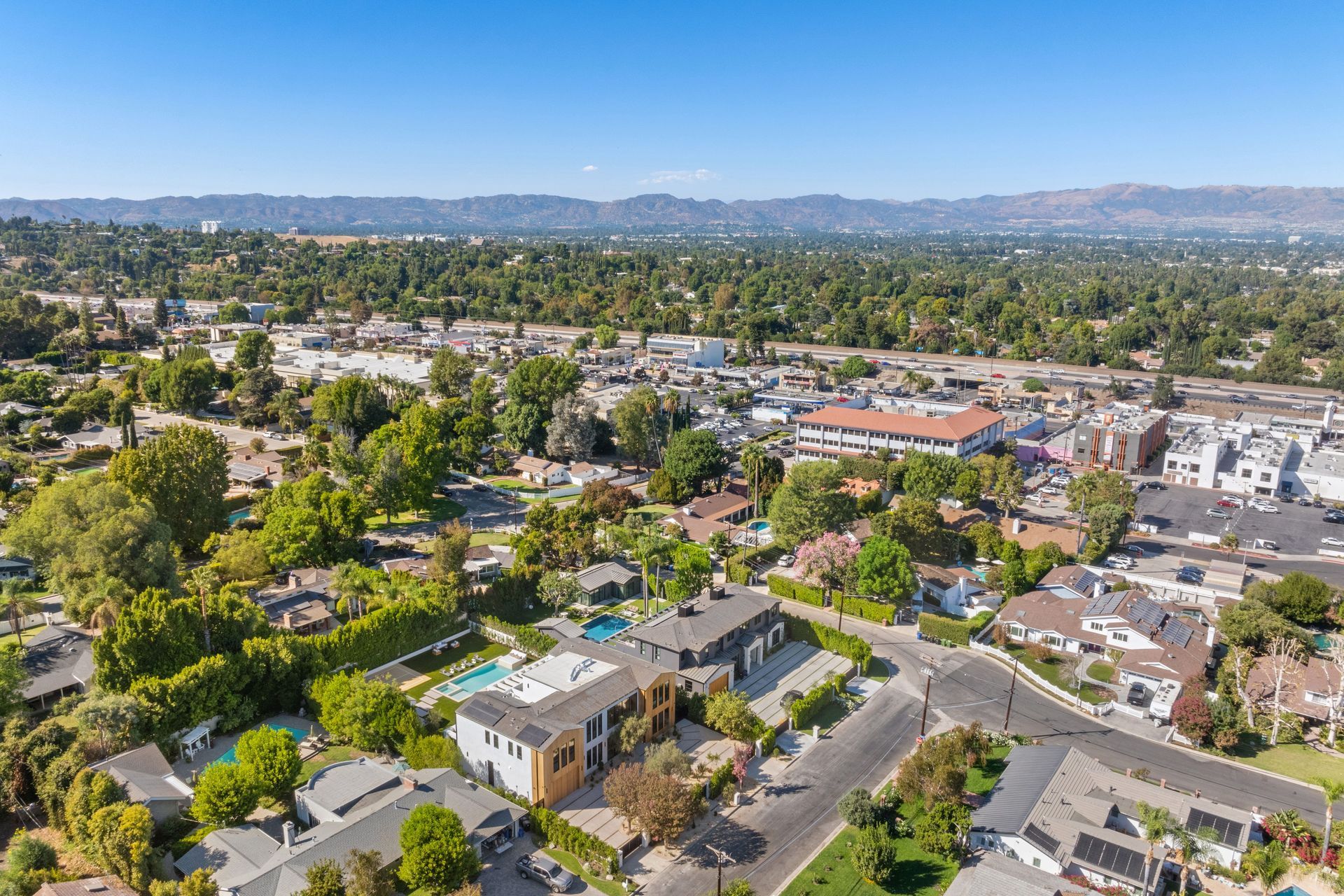
Home insurance helps protect your house, personal belongings, and liability risks. We explain coverage options clearly so you know what your policy includes.
Auto insurance provides protection for accidents, liability, and vehicle damage. We help you compare options so you can choose coverage that fits your driving needs.
Motorcycle insurance provides coverage for riders and their bikes. We help you select options that match how and where you ride.
RV insurance supports protection for motorhomes and recreational vehicles. Coverage applies during travel and while parked.
Coverage Built for Contractors and Trades
Support that keeps your work moving.

General Liability Insurance
General liability insurance helps protect contractors from injury and property damage claims. It supports jobsite requirements and contracts.

Workers Compensation
Workers compensation insurance helps protect employees injured while working. It also supports compliance with state requirements.

Commercial Auto Insurance
Commercial auto insurance provides coverage for work vehicles used on jobsites. It helps protect drivers and company vehicles.
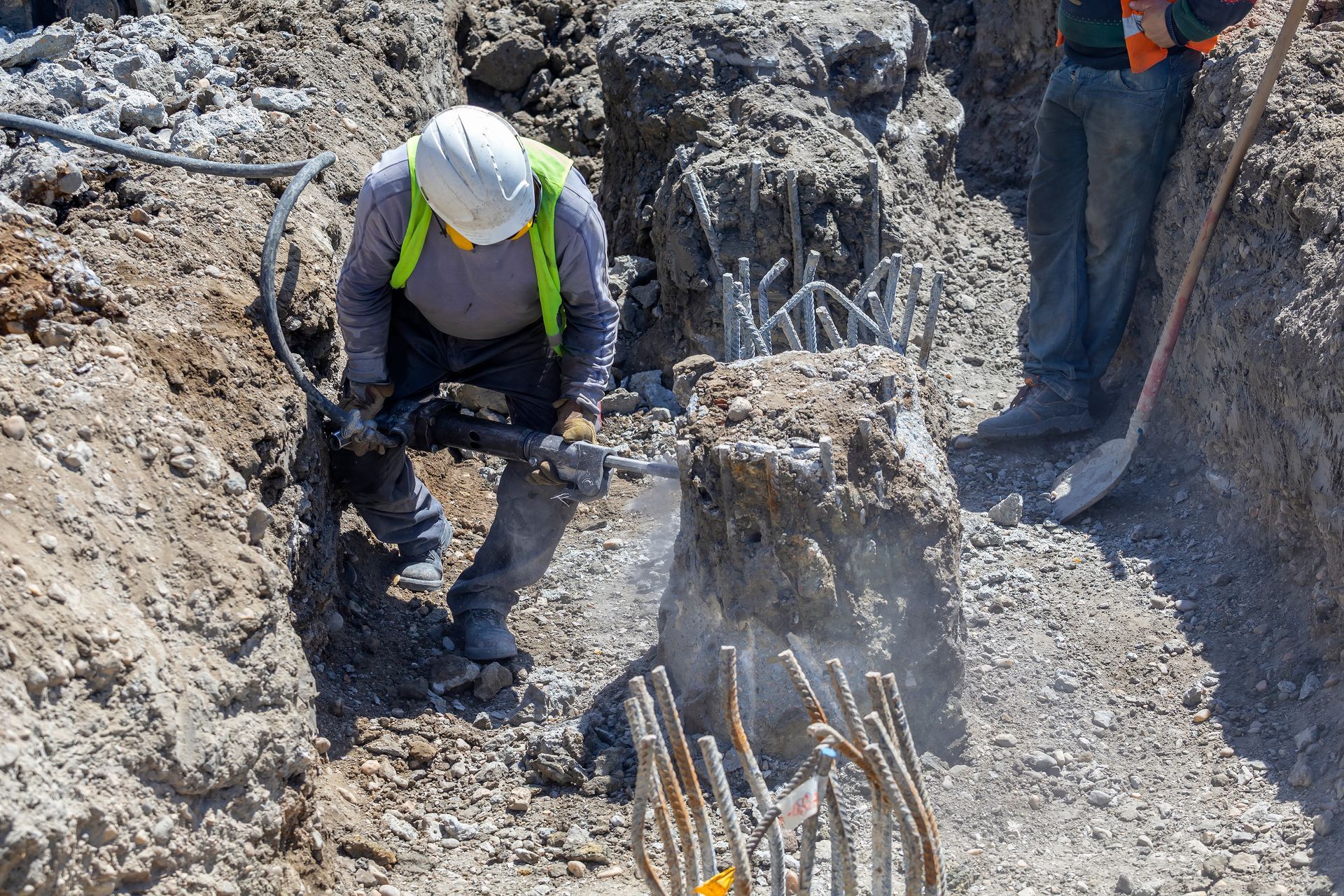
Contractor Insurance
Contractor insurance supports trades and service professionals across Southern California. It helps protect tools, equipment, and daily operations.

Cyber Liability Insurance
Cyber liability insurance helps protect business data and customer information. It supports recovery from digital incidents.

Commercial Property Insurance
Commercial property insurance helps protect offices, shops, and equipment. It supports recovery after covered damage.
Coverage Built for Specialized Work
Support for high-risk and service-driven industries.



Simple Steps Supported by Steady Guidance
A Clear Path to Coverage
Trusted by Clients Across Southern California
Clear service backed by real experiences.
Answers to Common Questions.
Clear explanations to guide your decisions.
How do I know which insurance policy is right for me?
We compare coverage options from multiple carriers to help you see differences in protection and price. You can review clear details and ask questions so you understand what each policy covers. Our team guides you step by step so you feel sure about your decision.
What factors affect my auto insurance premium?
Auto insurance premiums are influenced by your driving history, age, location, vehicle type, and coverage choices. A clean driving record and good safety features can help lower costs. We review these factors with you and help find coverage that fits your budget and needs.
Does homeowners insurance cover all types of damage?
Standard homeowners insurance protects your structure, personal belongings, liability, and additional living expenses in many cases. However, it usually does not include flood or earthquake damage without separate policies. We help you decide if extra coverage is right for your home and location.
Can I update my policy or get certificates online?
Yes. You can submit requests for policy changes and certificates through our online service form at any time. Our team processes those requests quickly and confirms updates once complete so you have the documents you need.
Do I need separate insurance for business risks like EPLI or E&O?
Yes. General liability and workers compensation cover many business risks but do not protect against all exposures. For example, Employment Practices Liability Insurance (EPLI) covers claims like wrongful termination or discrimination, and Errors & Omissions (E&O) covers claims based on mistakes in professional services. We help you identify which extra policies your business may need.
What happens if I need to file a claim?
If you need to file a claim, we guide you through the process and help you contact the insurance carrier. We explain what information you should provide, answer your questions, and stay available while the carrier reviews your claim. This support helps you move forward with confidence.
Contact Us