California Resort Insurance
Insurance coverage designed to protect HVAC contractors and their daily operations.
or call us: 951-547-6770
A sudden bout of extreme weather in a popular coastal resort town can transform a quiet getaway into a costly repair nightmare. Resort owners across California are beginning to note that insurance challenges are intensifying alongside the threats of wildfires, extreme storms, and rising maintenance costs. A growing body of research is pushing stakeholders to reexamine how insurance coverage for resort properties is structured and priced. In some regions, nearly 750,000 properties in San Diego County have already faced higher premiums or non-renewals because of extreme weather threats (Axios).
The complexities of resort insurance in California are not just about protecting physical assets. Comprehensive coverage now requires addressing operational interruptions, guest liability, and environmental risks inherent in resort properties. Each piece of the policy must be carefully designed to bridge the gap between unexpected disasters and the financial stability of resort operators.
Understanding these risks is the first step in developing coverage that is both robust and cost-effective.
Understanding the Unique Challenges Facing California Resorts
Resort properties in California face a set of challenges distinct from typical residential or commercial properties. The picturesque settings that attract guests also make these locations vulnerable to unusual weather events and natural disasters.
Wildfires, for example, have a profound impact on property values and insurance costs. A study estimated that a wildfire event in Altadena, California, in January 2025 led to a monthly loss of housing prices averaging $32,125 for six months (arXiv). This is not merely a statistic; it is a warning signal for resort owners who often manage large expanses of landscaped grounds and wooden structures that can be severely affected by fire. For resorts, property damage is compounded by revenue losses during the downtime following an incident.
Additionally, as climate change continues to intensify the frequency and severity of weather-related events, insurance providers are rethinking underwriting strategies. Actuaries like Sheri Lee Scott from Milliman Property & Casualty have highlighted how attempts to incorporate mitigation measures could inadvertently worsen the insurance crisis (CalMatters). Resort operators must now weigh the practicalities of implementing expensive safety measures against the possibility of facing even higher premiums.


By: Peter Plew
Commercial Insurance Agent at Caruso Insurance Services
When selecting an insurance policy for a resort property, it’s essential to assess both the property’s unique operational risks and the broader environmental threats. Resort insurance is often tailored to encompass a range of coverage types, from property protection to liability and business interruption insurance.
Business interruption coverage stands out as a significant component for resorts. With operations highly interconnected-accommodations, dining, event planning-a single incident can abruptly end revenue streams. This aspect of coverage is indispensable, ensuring that resorts can manage cash flow challenges even if guest bookings decline post-disaster.
Resort operators should also consider policies that include environmental hazards and natural disaster clauses. As illustrated by the California Department of Insurance’s review of a forward-looking wildfire catastrophe model in July 2025 (California Department of Insurance), innovative modeling techniques are being developed to more accurately predict and price risks, potentially offering better insights into the true cost of rebuilding and recovery post-event.
Key Coverage Components for California Resort Insurance
The basic components of resort insurance policies are similar to those found in many property insurance agreements, but they incorporate several layers that respond to the unique nature of resort operations. Effective coverage generally addresses the following areas:
Property Damage: Protecting the resort infrastructure-from buildings to recreational facilities-is the cornerstone of any policy. This coverage is designed to function in the aftermath of natural disasters and vandalism.
Business Interruption: This element compensates for lost income when properties are uninhabitable or when operations are disrupted following a disaster. In a region where natural events are becoming more common, such provisions act as a financial buffer.
Liability Coverage: Resort operators often host a variety of activities and events, ranging from weddings to corporate retreats. Liability policies can protect these operators from claims of negligence or accident-related injuries occurring on their premises.
A Closer Look at Property Damage Coverage
Property damage coverage is multifaceted. It typically includes protection for both the physical structures and the contents within. For resorts, this type of coverage might extend to specialized areas, such as pools, landscaped grounds, and recreational equipment. The intricate layout of many resorts means that insurers must account for a wide range of potential vulnerabilities.
This type of coverage often involves assessments of both the age of the building and the materials used, and the underlying terrain. For instance, wooden structures in fire-prone areas can command higher premiums. Wildfire risk exposure for residential properties has jumped significantly over the last year-by nearly 60% for some portfolios (Axios)-and resorts may face similar hikes.
Specialized assessments help insurers determine the right level of coverage and, potentially, help resort owners take proactive measures to strengthen their property’s resilience.
Business Interruption and Liability Components
Business interruption insurance is perhaps the most critical element given the seasonal nature of many resorts. With peak seasons often carrying the bulk of annual revenue, even a short period of closure can mean substantial financial losses. Effective business interruption policies compensate resort owners for both lost revenue and fixed expenses during these periods.
Liability coverage, on the other hand, is designed to address incidents that may occur during guest or contractor interactions. With the diverse range of guest activities and events hosted at many resorts, potential liability claims can be significant. Incorporating both general liability and specialized event insurance creates a more comprehensive safety net.
Cost control remains a focus for insurers. Restructuring liability terms to include preventative measures can help mitigate risk levels, even as reinsurers show less willingness to underwrite wildfire threats (Reinsurance Business).

Comparing Resort Insurance Options
A well-informed decision often begins with a clear comparison of coverage specifics. Resort insurance policies can vary significantly based on the provider, the level of coverage offered, and the geographical challenges a property faces. The table below offers a snapshot of key differences among commonly available resort coverage options on the market in California:
| Coverage Type | Basic Policy | Enhanced Policy | Comprehensive Policy |
|---|---|---|---|
| Property Damage | Standard perils (fire, storm) | Includes additional environmental hazards | Comprehensive with extended fire risk coverage |
| Business Interruption | Limited income replacement | Wider coverage period | Full income replacement including ancillary services |
| Liability Coverage | General liability | Event-specific liability | Combined general and specialized liability packages |
| Risk Mitigation Services | Optional | Included as advisory | Full suite of risk management and mitigation advisory |
This comparison highlights how resort operators can choose a policy that aligns with their operational risk profile and financial readiness. Looking at your specific needs and the local environmental factors helps in deciding the right level of protection while mitigating exposure to unforeseen risks.
Each policy carries its own terms and conditions, so it is crucial to review contract details closely and ask questions about what is included. Robust insurer support can make the difference between a manageable incident and a disruptive financial crisis.
Risk Mitigation Strategies and Their Impact on Premiums
Risk mitigation is rapidly becoming a cornerstone of resort management, especially in geographical areas where climate challenges are on the rise. Effective risk mitigation not only minimizes the potential damage from disasters but can also help reduce insurance premiums over time. However, incorporating advanced mitigation techniques into underwriting practices may also tighten the market.
Actuaries have cautioned that certain measures, if integrated into underwriting protocols, could inadvertently "exacerbate" the current insurance crisis (CalMatters). In some cases, stringent requirements may prompt insurers to reassess coverage in high-risk zones, leading to policy non-renewals or significantly higher premiums. For resort owners, this means that investments in safety enhancements must balance immediate costs with the potential for future premium relief.
Technological advancements such as predictive modeling play a key role in this balance. The California Department of Insurance recently completed a review of a forward-looking wildfire catastrophe model (California Department of Insurance), reflecting an earnest effort to quantify wildfire risk more accurately. Resort operators who align their risk mitigation strategies with these models may find that, over time, they benefit from a more predictable and manageable insurance cost structure.
The Economic Influence of Natural Disasters on Resort Values
Natural disasters impact more than just immediate physical damage; they also shape the long-term financial outlook of resort properties. In California, the price impact can be steep. For example, a study on the January 2025 wildfire in Altadena revealed that housing prices experienced a monthly depreciation averaging $32,125 for six months (arXiv). While residential properties are typically the focus, resorts face similar market pressures.
The ripple effect is broad. Reductions in property values can affect refinancing, resale potential, and even the ability to secure future capital investments. Resort owners also face indirect costs such as increased anxiety among customers regarding safety and an overall shift in booking behaviors. This dynamic interplay between environmental risks and property values has prompted insurance providers to reexamine coverage parameters and pricing models, thereby ensuring that both immediate and long-term financial exposures are appropriately managed.
This trend reflects an evolving insurance market, one where predictive models, environmental statistics, and real-time risk assessments converge to provide more dynamic rate-setting. Such premium adjustments, while seemingly harsh, serve as a reminder to resort owners of the importance of continual risk assessment and prompt responses to changing environmental conditions.
Insurance Strategies Tailored to Resort Operations
Effective insurance strategies for resorts are multifaceted. In addition to securing traditional property, liability, and business interruption coverage, resort owners should consider policies that address unique operations. These include coverage for seasonal events, recreational activities, and even specialized guest services.
Customizable coverage options allow resort operators to incorporate riders that target specific risk areas. For instance, a resort that offers water sports or adventure packages might need liability extensions that cover equipment use and off-site activities. Meanwhile, another resort with an emphasis on hosting large-scale events may require additional event cancellation coverage and crowd liability protection.
Given that reinsurers have been scaling back their willingness to underwrite wildfire risks (Reinsurance Business), resort operators should be proactive in engaging with their insurers. Detailed scenario planning, risk assessments, and even third-party audits can help in negotiating more favorable terms while ensuring robustness in coverage.
Operational Considerations: Safety, Compliance, and Preventative Measures
Operational success in the resort industry is closely tied to adherence to safety standards and regulatory compliance. Resort operators are expected to implement fire safety measures, comprehensive evacuation plans, and regular maintenance protocols-each with a direct bearing on insurance premiums and risk management evaluations.
Investments in these areas are not merely regulatory checkboxes; they form the backbone of resilience planning. The proactive implementation of safety measures may offer insurers tangible evidence of reduced risk, potentially balancing premium hikes. Staying current with mandated code updates and pursuing advanced fire suppression technologies can substantially improve the risk profile of a resort.
Insurance providers often offer advice and even incentives for adopting these preventative measures. This dual approach of risk mitigation and insurance adaptation is designed to create a safer environment for guests and staff alike while contributing to the overall reduction in potential claim scenarios.
Customizing Coverage for Different Resort Profiles
Resort properties can vary from secluded beachfront hideaways to sprawling mountain lodges. Each type of resort carries its own risk profile, which directly influences the design and cost of insurance policies. When tailoring coverage, several factors must be considered, including property location, building age and construction, guest capacity, and the range of services provided.
For example, an oceanfront resort often faces risks related to coastal storms and erosion. In contrast, a mountain resort may be more vulnerable to wildfires and heavy snowfall disruptions. Customization of the policy ensures that each risk factor is appropriately covered without overpaying for unnecessary aspects. Regular reviews of coverage with an experienced insurance broker can unveil opportunities to adjust limits or include riders that meet the evolving demands of the environment.
Moreover, a periodic review of local trends and natural disaster statistics is crucial. With the exposure to wildfire risk for some residential properties in California rising almost 60% compared to the previous year (Axios), resort operators must remain nimble in their approach to both policy renewal and risk management.
Technology is rapidly reshaping how risks are evaluated and managed across the insurance industry. Advanced modeling tools and data analytics now facilitate more precise predictions of natural disaster impacts on resort properties. These tools help insurers better forecast potential losses and adjust premium structures in real time.
For resort operators, integrating technological solutions into risk management strategies is a smart investment. Predictive analytics can inform everything from building reinforcement decisions to the timing of guest bookings during high-risk seasons. The recent adoption of a forward-looking wildfire catastrophe model by the California Department of Insurance underscores this trend (California Department of Insurance).
Technology-driven insights give insurance brokers and property managers a clearer picture of impending risks, allowing for timely adjustments to each resort’s coverage needs. This real-time data integration also supports more refined risk segmentation, ensuring that premiums reflect the latest available evidence of risk exposure.
Preparing for Policy Renewals and Adjustments
Policy renewals often prompt a reassessment of both the scope of coverage and the operational risk landscape. For resort operators, staying proactive during renewal periods is critical. Engaging directly with insurers to discuss updated risk assessments, recent safety improvements, and projected changes in local environmental conditions can lead to more favorable terms.
Documentation of all improvements, whether they involve structural reinforcements or updates in safety protocols, should be gathered and presented during negotiations. As underwriting criteria evolve-sometimes influenced by insights from studies and expert analysis-the clarity of a resort’s risk mitigation strategies becomes paramount in securing competitive rates.
Even if some aspects of risk remain unmitigated, clear communication and cooperation with insurers may prevent severe policy adjustments or non-renewals. Staying in regular contact with an insurance advisor and reviewing risk assessments annually are key steps to ensuring continuity of coverage.
What to Ask Your Insurance Provider
Before signing on for a resort insurance policy, it is essential to ask detailed questions that clarify the extent of coverage and any potential gaps. Inquiries that detail the conditions under which liability and property damage will be fully covered can save significant headaches in the aftermath of an incident.
Questions regarding policy riders, especially in light of the evolving nature of natural disaster modeling and risk management, should be a priority. Resort operators need clarity on how coverage will adapt to unforeseen climatic shifts or sudden policy changes driven by updated predictive models.
Additionally, ask about the claims process and the typical turnaround for payout following an incident. Understanding the insurer's reputation and responsiveness during emergencies can be as crucial as knowing the limits of the policy.
Frequently Asked Questions
Q: What makes resort insurance different from standard property insurance?
A: Resort insurance typically includes specialized coverages that address the unique aspects of resort operations, such as business interruption and event liability, beyond standard property protection.
Q: Are natural disasters like wildfires covered under resort insurance?
A: Yes, many policies include natural disaster coverage. However, given the rising wildfire risks in California, coverage terms and premiums can vary widely. Detailed discussions with your provider are essential (arXiv).
Q: How can resorts reduce their insurance premiums?
A: Implementing robust risk mitigation strategies, such as enhancing fire safety protocols and adopting advanced risk assessment technologies, can help lower premiums over time.
Q: What should be considered during policy renewals?
A: During renewals, it is important to update all documented improvements, review current risk models, and discuss any changes in local environmental risks with your insurance provider.
Q: How do advanced predictive models affect resort insurance policies?
A: Predictive models contribute to more accurate risk assessments, which can result in adjustments to premiums. These models help insurers price policies in line with real-time data on environmental risks (California Department of Insurance).
Q: Is it necessary for resort operators to work with specialized brokers?
A: Yes, brokers with experience in resort insurance can tailor coverage options that address the distinct risks and operational challenges faced by resorts.
Wrapping Things Up
Insurance for resort properties in California is evolving in response to increasing environmental risks and economic pressures. Resort owners must understand and address the unique challenges posed by wildfires, coastal storms, and other natural events that directly affect property values and operational stability. Whether it involves ensuring adequate business interruption coverage, enhancing physical risk mitigation, or keeping pace with technological advances in risk evaluation, the landscape of resort insurance is one that requires constant attention and proactive management.
By remaining informed about the latest research and trends-such as the significant hikes in wildfire risk exposure reported by sources like Axios (Axios)-resort operators can take the necessary steps to protect both their guests and their bottom line.
An open dialogue with insurance providers and an active approach to risk mitigation are essential components in forging a resilient future for resort properties amidst a changing climate. Continuous reassessment of policies and procedures can help ensure that resorts not only survive adverse conditions but also thrive during recovery periods. The careful integration of advanced predictive models with practical safety measures will likely define the future landscape of resort insurance.
ABOUT THE AUTHOR:
PETER PLEW
Hi my name is Peter Plew and I am a commercial insurance professional. I listen to and strategize with business owners about their visions of the future and assist in getting there as quickly as possible. I help identify unique exposure and risk’s that business owners have and the reasons why they need to be insured against them. My goal is to make sure my clients are always taken care of on a daily basis with any service needs, questions, or concerns they may have. I love to golf and spend time with my family in my spare time.
Contact Us

Service that stays with you.
Our team helps simplify insurance decisions for families and businesses. We focus on clear explanations, fast responses, and dependable service. You can count on us for help with coverage questions, updates, and long-term support.
Coverage that keeps you secure
Reliable Protection for Everyday Life
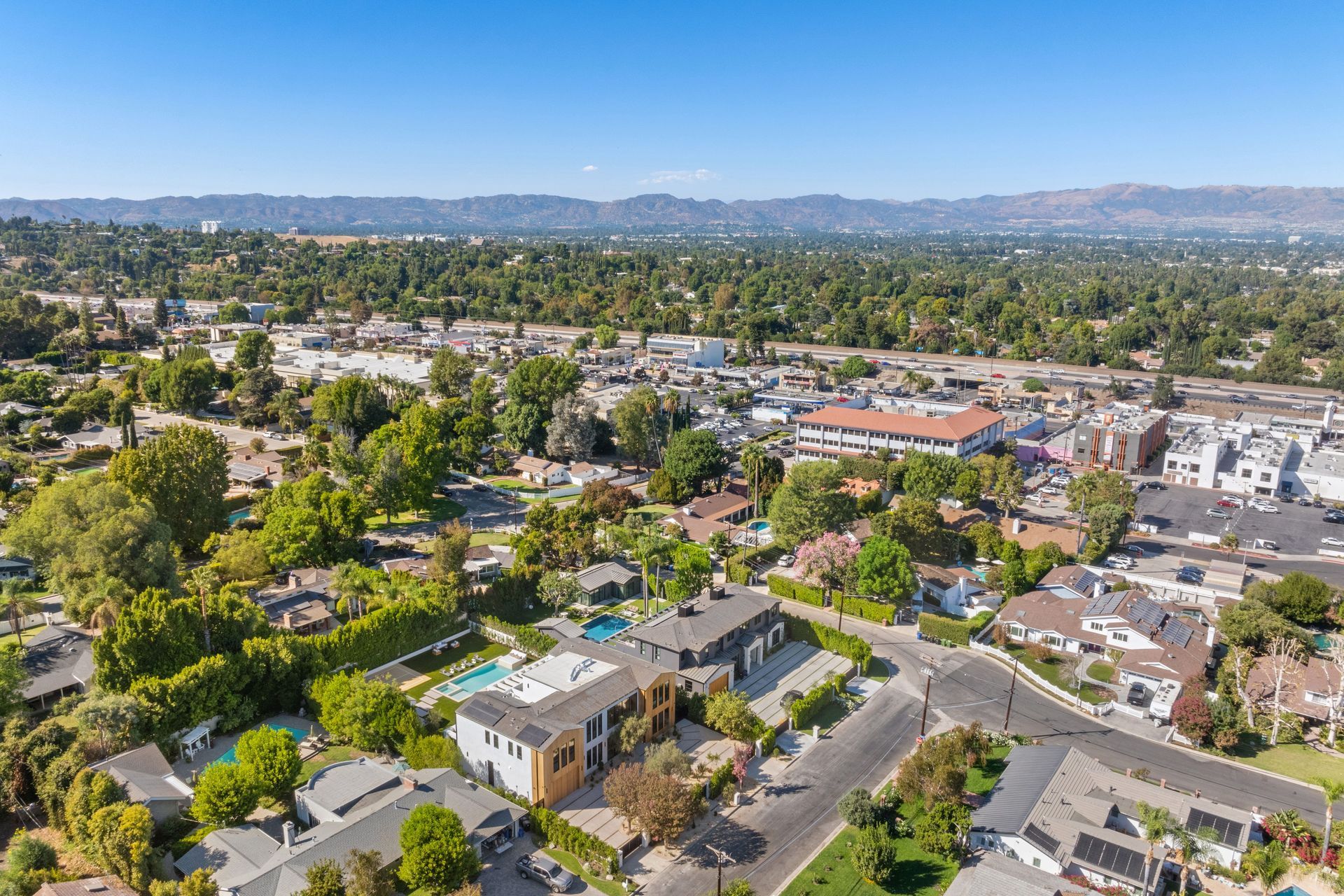
Home insurance helps protect your house, personal belongings, and liability risks. We explain coverage options clearly so you know what your policy includes.
Auto insurance provides protection for accidents, liability, and vehicle damage. We help you compare options so you can choose coverage that fits your driving needs.
Motorcycle insurance provides coverage for riders and their bikes. We help you select options that match how and where you ride.
RV insurance supports protection for motorhomes and recreational vehicles. Coverage applies during travel and while parked.
Coverage Built for Contractors and Trades
Support that keeps your work moving.

General Liability Insurance
General liability insurance helps protect contractors from injury and property damage claims. It supports jobsite requirements and contracts.

Workers Compensation
Workers compensation insurance helps protect employees injured while working. It also supports compliance with state requirements.

Commercial Auto Insurance
Commercial auto insurance provides coverage for work vehicles used on jobsites. It helps protect drivers and company vehicles.
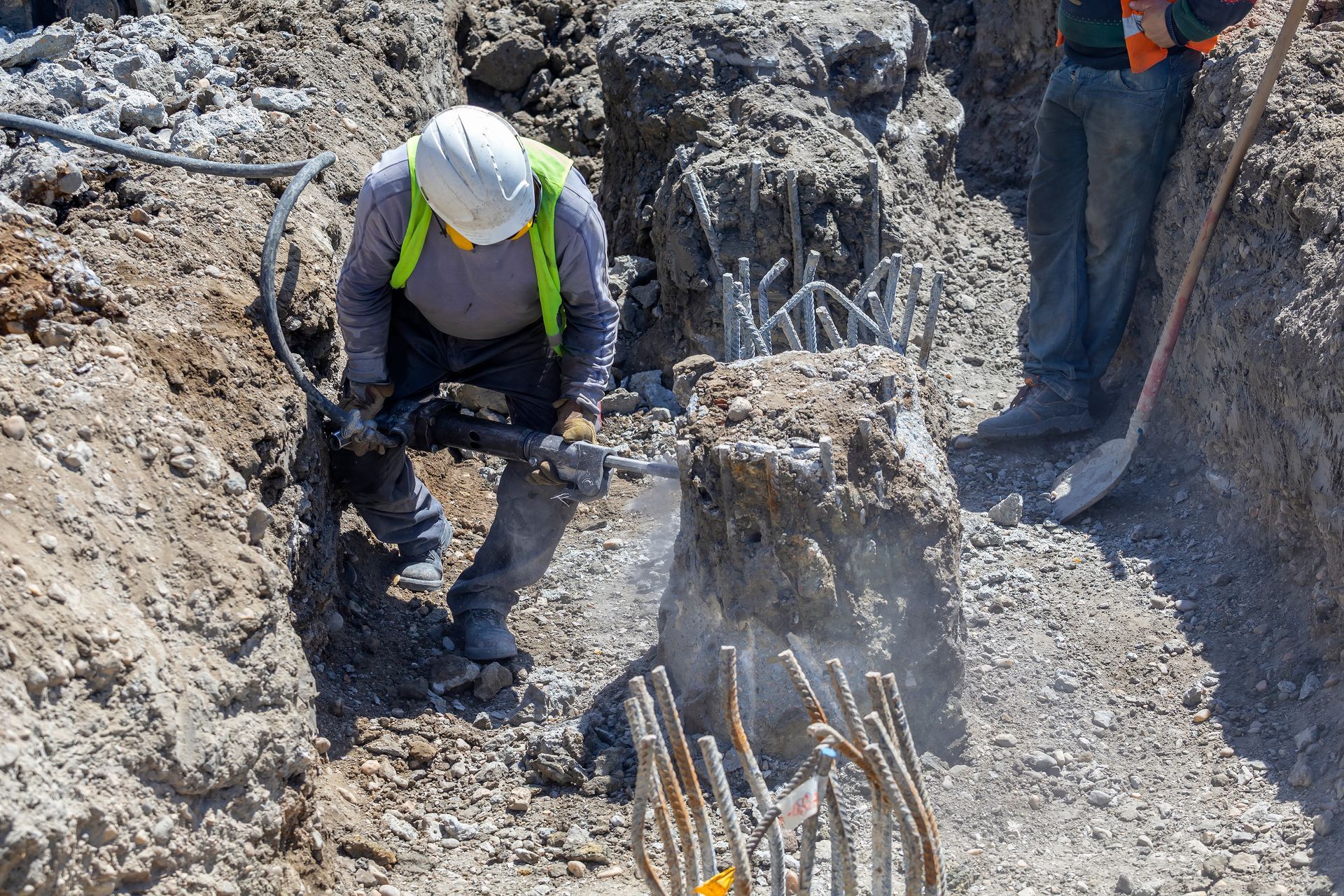
Contractor Insurance
Contractor insurance supports trades and service professionals across Southern California. It helps protect tools, equipment, and daily operations.

Cyber Liability Insurance
Cyber liability insurance helps protect business data and customer information. It supports recovery from digital incidents.

Commercial Property Insurance
Commercial property insurance helps protect offices, shops, and equipment. It supports recovery after covered damage.
Coverage Built for Specialized Work
Support for high-risk and service-driven industries.



Simple Steps Supported by Steady Guidance
A Clear Path to Coverage
Trusted by Clients Across Southern California
Clear service backed by real experiences.
Answers to Common Questions.
Clear explanations to guide your decisions.
How do I know which insurance policy is right for me?
We compare coverage options from multiple carriers to help you see differences in protection and price. You can review clear details and ask questions so you understand what each policy covers. Our team guides you step by step so you feel sure about your decision.
What factors affect my auto insurance premium?
Auto insurance premiums are influenced by your driving history, age, location, vehicle type, and coverage choices. A clean driving record and good safety features can help lower costs. We review these factors with you and help find coverage that fits your budget and needs.
Does homeowners insurance cover all types of damage?
Standard homeowners insurance protects your structure, personal belongings, liability, and additional living expenses in many cases. However, it usually does not include flood or earthquake damage without separate policies. We help you decide if extra coverage is right for your home and location.
Can I update my policy or get certificates online?
Yes. You can submit requests for policy changes and certificates through our online service form at any time. Our team processes those requests quickly and confirms updates once complete so you have the documents you need.
Do I need separate insurance for business risks like EPLI or E&O?
Yes. General liability and workers compensation cover many business risks but do not protect against all exposures. For example, Employment Practices Liability Insurance (EPLI) covers claims like wrongful termination or discrimination, and Errors & Omissions (E&O) covers claims based on mistakes in professional services. We help you identify which extra policies your business may need.
What happens if I need to file a claim?
If you need to file a claim, we guide you through the process and help you contact the insurance carrier. We explain what information you should provide, answer your questions, and stay available while the carrier reviews your claim. This support helps you move forward with confidence.
Contact Us