A stray misstep on a job site can cause significant consumer loss or employee dissatisfaction. This guide explains what California contractor license bonds are, why they matter, and how recent regulatory changes affect contractors. Detailed insights and verified statistics help frame the landscape for professionals navigating the state’s licensing requirements. Understanding the bond is not just regulatory compliance; it is a safeguard for all parties involved. For instance, the contractor license bond protects clients from defective construction work and ensures that employees receive due wages. Explore the
latest bond requirements set by the CSLB to stay updated.
The Essentials of Contractor License Bonds
California contractor license bonds serve a dual purpose. They protect consumers who might suffer damage from faulty construction and safeguard employees who might otherwise miss out on critical wage payments. The bond acts as a security mechanism that fosters trust between the contractor and those who rely on their services. By requiring contractors to secure a bond, the state ensures that funds are available in the event of financial or performance-related discrepancies.
With this security measure in place, consumers and employees alike can have confidence that the financial stakes are covered. The bond requirement is a foundational component of the licensing process. It provides a vital line of defense against potential disputes and helps maintain the integrity of California’s construction industry.
Beyond offering financial relief to affected parties, the bond mechanism is an essential tool used by the state to enforce licensing laws effectively. The commitment to consumer and worker protection is at the core of why these bonds are mandated by California’s Contractors State License Board. For more detailed insights, see the guidance available on the
CSLB guide.


By: Jennifer Roberts
Commercial Insurance agent at Caruso Insurance Services
Key Changes and Legislative Updates
Recent Bond Increases
Effective January 1, 2023, the contractor license bond amount increased from $15,000 to $25,000. This change reflects a balanced approach between consumer protection and cost accessibility for contractors. The decision was part of Senate Bill 607, an initiative aimed at enhancing the protective nature of the bond while ensuring that the increased amount did not deter prospective applicants.
The $10,000 increase represents a compromise that maintains the primary function of the bond. According to experts at Cummins & White LLP, the new bond amount preserves the bond’s role in protecting stakeholders while still being attainable for most contractors (Cummins & White LLP). This legislative update ensures that only those who can meet the new financial threshold become licensed, balancing industry standards with consumer trust.
Contractors must now demonstrate financial responsibility up front. This increased commitment reiterates the importance of accountability in the construction industry, where errors can pose significant liabilities. The statutory adjustment is a signal that California continues to fortify its regulatory framework.
Bonding Requirements for LLCs and Responsible Employees
Contractors don’t face the bond requirement alone. Limited Liability Companies (LLCs) seeking a license must also meet an additional surety bond requirement of $100,000. This extra requirement is intended to benefit employees or workers who could be financially impacted by the company’s failure to pay wages, interest, or fringe benefits. By complementing the $25,000 contractor bond, the additional $100,000 bond offers broader protection within larger organizational structures.
Moreover, responsible managing employees (RME) and responsible managing officers (RMO) are subject to the bond requirement individually. A $25,000 bond is necessary for each individual holding these positions unless the RMO has substantial ownership of the company, defined as owning 10% or more of the corporation’s voting stock. In this way, the state ensures that the individuals directly responsible for operations bear personal accountability.
Such requirements are not merely bureaucratic details; they serve as important measures to promote ethical and responsible business practices in the industry.
Understanding the Role of the Contractor License Bond
Consumer Protection
The primary function of the contractor license bond is to shield consumers from the consequences of defective or incomplete work. The financial guarantee ensures that if a contractor breaches licensing laws or fails to deliver services as expected, funds are available to compensate the affected parties. In this sense, the bond provides an immediate remedy and fosters a healthier contractor-consumer relationship.
A customer who suffers from poor workmanship or materials can file a claim against the bond, ensuring that corrective measures or compensation are fast-tracked without demanding legal battles. This preventive measure plays a crucial role in maintaining the quality and reliability of contracted services across California.
This focus on consumer protection is a key reason why state authorities emphasize the importance of maintaining an adequate bond.
Protection for Employees
Employee protection is another fundamental purpose of the bond. In scenarios where contractors do not pay wages or provide fringe benefits, employees have recourse through the bond. This arrangement not only incentivizes prompt compensation practices but also prevents financial hardships for workers who may suffer due to labor disputes.
The bond offers a safety net that ensures employees are not left in a precarious financial situation if an employer runs into difficulties. By addressing concerns for both consumers and employees, the bond stands as a critical element in promoting fairness and accountability within the construction industry.
For added clarity and a deeper dive into the specifics of these benefits, consulting the detailed framework outlined by the
CSLB’s licensing guidelines can be beneficial

Strategic Implications for Contractors
Managing Financial Commitments
Securing a higher bond amount means adjusting internal financial strategies. Contractors must not only streamline operations to cover project costs but also ensure that sufficient funds are allocated to meet bond requirements. This dual responsibility underscores the importance of financial planning and risk management. Adequate budgeting ensures that the bond does not become an unforeseen burden but rather a well-integrated aspect of the overall business strategy.
Many contractors have incorporated bond costs in their project estimates, making it an integral part of their financial framework. Balancing the increased bond with competitive project bids requires careful planning and nuanced adjustments to workflow management. The newer bond levels remind contractors of the inherent risk-reward balance in any construction project.
Efficient financial planning also involves clear documentation and a coordinated approach among stakeholders. This helps in managing unexpected costs while maintaining operational efficiency.
Understanding the Licensing Process
The licensing process, inclusive of securing a bond, involves detailed steps established by the CSLB. Contractors must navigate application procedures, verification processes, and compliance protocols to obtain and maintain their license. The process is designed to be thorough, which in turn bolsters consumer and employee protections by ensuring that only qualified professionals operate in the state.
Steps include presenting financial documentation and proof of bond procurement along with comprehensive background checks. Though the financial threshold itself is the focal point, it is the entirety of the process that establishes contractor credibility. Regular audits and periodic confirmations of bond status keep licensees accountable to the standards expected by regulators.
By adhering strictly to these protocols, contractors demonstrate a commitment to quality and reliability, crucial traits in a competitive industry.
Economic Impact and Market Trends
Market Adaptations to Regulatory Shifts
Adjusting to new bond requirements is not only a matter of compliance; it also triggers strategic financial adaptations among businesses. The increase to a $25,000 bond has had a marked impact on how construction companies operate, influencing bidding practices and cost structures. The decision to raise the bond amount was strategic, aiming to protect consumers while encouraging companies to prioritize financial stability.
With nearly 236,919 active licensed contractors in California as of December 1, 2022 (Surety Bond Insider), the market demonstrated resilience in absorbing this change. Contractors now have an added layer of credibility, as the increase assures clients of their commitment to accountability and quality work.
Smaller firms may face challenges in managing the increased upfront cost, prompting some to explore innovative financial products or group bonding options. These adaptations signal a broader trend where risk management is integrated into daily business operations.
Impact on Competitive Bidding
The labor and financial markets in California are highly competitive. With bond requirements rising, contractors must factor this cost into their overall bid strategy. Companies that have already built robust financial safeguards may view the change as an opportunity to reinforce their competitive edge.
In essence, the bond increase could result in a more conservative bidding approach where only well-capitalized firms can reliably participate in larger projects. This may also lead to a consolidation trend where established companies absorb smaller ventures that struggle with the increased financial burden.
Nevertheless, the long-term impact is positive as it reduces instances of financial default and consumer grievances, leading to a more stable construction market in California.
Practical Guidance for New and Existing Contractors
Steps to Secure Your Bond
Securing a contractor license bond involves several clear steps. First, evaluate the bond amount required for your specific role. For example, if you are a responsible managing employee or officer without significant corporate ownership, you must show a $25,000 bond. Those operating as LLCs need to obtain an additional surety bond of $100,000 to cover wage-related claims.
Next, engage with a surety provider who understands both the construction market and the regulatory requirements of California. A reliable surety will help navigate the application process, ensuring that all documentation is accurate and complete. This initial step is crucial for adherence to the CSLB’s strict standards.
After applying, contractors should be prepared to demonstrate their financial capability and risk management processes. This proof reassures regulators and consumers of their commitment to secure and ethical business practices.
Tips for Managing Bond Costs
Managing bond costs effectively is essential for ensuring smooth operations. One effective strategy is to incorporate bond fees into initial project budgets rather than treating them as a separate expense. By doing so, contractors create a buffer that accounts for unpredictable costs while still remaining profitable.
Another viable approach is investing in financial planning services that specialize in construction projects. Such experts can help contractors forecast bond-related expenses and integrate them into comprehensive financial strategies. Clear communication between project managers and finance teams is critical to control cost overruns.
Some contractors maintain long-term relationships with surety providers, which can streamline future renewals and possibly secure more favorable terms. Leveraging these relationships can also offer competitive advantages over peers who manage these relationships on a case-by-case basis.
The Long-Term Outlook
Sustainability and Future Trends in Licensing
The contractor licensing landscape in California is evolving, driven by both market forces and regulatory oversight. As safety, consumer protection, and employee rights continue to be focal points, the bond requirements are likely to remain a key feature of operational compliance. The current framework exemplifies a balanced approach that caters to the needs of multiple stakeholders.
Looking forward, technology integration in licensing processes is expected to improve transparency and efficiency. Digital tools can help contractors manage documentation, communicate with regulators, and even track bond compliance in real time. Several progressive states are already exploring ways to simplify these processes, setting a precedent that California may follow.
These trends signal an era of increased accountability where ongoing monitoring and risk management become part of routine business operations. This approach not only safeguards all parties involved but ultimately contributes to a more secure marketplace overall.
Building a Resilient Business Model
Resilience in business operations is a recurring theme in the construction industry. For contractors, resilience is not solely about handling market fluctuations; it includes maintaining a proactive stance on regulatory changes. Adequate insurance and surety bonds form an essential part of a resilient business model.
Contractors who proactively manage their bonds and adapt to new financial requirements tend to attract higher-quality projects and build lasting relationships with clients and partners. Planning for unexpected challenges-such as delays, material shortages, or regulatory changes-requires a dynamic approach to financial management. Investing in robust administrative practices and updating risk management protocols strengthens the overall business model.
Ultimately, developing a long-term strategic plan that incorporates bond management as a critical element can distinguish a contractor from competitors and contribute significantly to business growth.
Real-World Scenarios and Case Studies
Case Study: A Mid-Sized Contractor’s Journey
Consider the scenario of a mid-sized general contracting firm that has been operating for over two decades. Faced with the increase in the mandatory bond amount, the firm revisited its financial plans. The company integrated the additional $10,000 cost into its overall bid strategy and re-evaluated its risk management processes.
This adjustment was not merely about meeting regulatory obligations-it was an opportunity to reposition the company as one that took consumer protection seriously and was committed to ethical employment practices. Their improved bond portfolio became a selling point when bidding for state-funded projects, demonstrating enhanced operational stability.
The case underscores how compliance with updated bond requirements can be transformed into a competitive advantage in a market that values accountability and consumer trust.
Case Study: An Emerging LLC in a Competitive Market
An emerging LLC in the bustling Bay Area faced unique challenges when applying for its contractor license. In addition to the standard $25,000 bond, the LLC had to secure an additional $100,000 surety bond due to its structure and the emphasis on protecting employee payout obligations.
The need to soundly manage both bonds pushed the company to adopt a more thorough financial oversight approach. By working closely with financial advisors and a trusted surety, the emerging business not only secured the necessary bonds but also refined its operational strategies to balance aggressive project acquisition with robust risk management.
This approach enabled the LLC to build a strong reputation with clients who appreciated the company’s commitment to comprehensive protection. The scenario illustrates that even newer entrants can successfully navigate complex regulatory environments by leveraging strategic relationships and sound financial planning.
Frequently Asked Questions
Q: What is the primary purpose of the contractor license bond?
A: The contractor license bond is meant to protect consumers from defective construction work and ensure employees receive timely wage payments. It acts as a security net in case of regulatory breaches or financial shortcomings.
Q: How much is the contractor license bond in California as of 2023?
A: Contractors must secure a $25,000 bond following the increase from $15,000. This change took effect on January 1, 2023 (CSLB).
Q: Do LLCs need to secure additional bonding?
A: Yes. In addition to the $25,000 contractor bond, LLCs must secure a $100,000 surety bond to cover potential wage-related claims. This extra requirement enhances employee protection.
Q: Are there separate bonding requirements for responsible managing employees?
A: A $25,000 bond is required for each responsible managing employee or officer. However, an exception applies if the responsible managing officer owns 10% or more of the corporation’s voting stock.
Q: How can contractors effectively manage the impact of bond cost increases?
A: Contractors can integrate bond costs into their project budgets, maintain long-term relationships with surety providers, and review their overall risk management strategies to minimize financial disruptions.
Q: Can bond details influence competitive project bidding?
A: Yes. Secure and credible bond arrangements demonstrate financial responsibility, which can enhance a contractor’s reputation and competitive standing in project bidding.
Key Takeaways for Contractors
Understanding and managing the requirements of contractor license bonds is intrinsic to maintaining a robust and compliant construction business in California. With legislative changes like Senate Bill 607, contractors face new financial thresholds designed to protect both consumers and employees. The increased accountability encourages best practices across the industry.
Staying informed about licensing processes and adjusting financial strategies accordingly is an ongoing process. Whether dealing with standard licensing or navigating additional requirements for LLCs, meticulous planning and adherence to regulatory guidelines can transform these requirements into a competitive advantage.
This guide reinforces the importance of aligning operational practices with regulatory expectations, ensuring that contractors are not only meeting compliance standards but also securing long-term business resilience. Regularly reviewing state updates and exploring strategic financial management techniques is vital for staying ahead in a competitive market.
Implementing a Proactive Approach
Adopting a proactive approach towards bond management involves integrating best practices into daily operations. Many contractors now allocate dedicated financial resources for bonding needs as part of their annual budgeting process. This adjustment minimizes last-minute financial scrambles and builds a reputation of reliability within the industry.
Contractors should consider training sessions and workshops that address new regulatory guidelines and effective risk management strategies. Peer discussions and case study reviews can also offer insights into how other companies have adapted to similar changes. Reputable resources such as industry reports published by organizations like Surety Bond Insider provide valuable benchmarks (Surety Bond Insider).
In addition, many firms are leveraging digital management platforms that track compliance deadlines, renewals, and claim processes. These platforms can automate parts of the compliance workflow, freeing managerial time for strategic decisions. Such tech-driven solutions underscore the evolving nature of licensing and risk management, ensuring that contractors remain competitive even as regulatory requirements evolve.
Adapting Your Business Strategy
Changing bond requirements offer contractors an opportunity to re-evaluate overall business strategies. Instead of viewing regulatory changes solely as costs, some companies are approaching the increased bonding amounts as a verification of their financial stability and commitment to excellent work quality.
Rethinking pricing structures to accommodate the costs of increased bond amounts can also lead to more competitive estimates that reflect both operational costs and enhanced protections. Transparent communication during the bidding process about the additional protections provided by the bond can instill customer confidence. Tools like detailed cost breakdowns and side-by-side comparisons of bids have become invaluable in maintaining clarity and trust between contractors and clients.
This strategic approach can position a company as a leader in both quality and reliability, helping to secure more lucrative projects and fostering better long-term client relationships.
| Aspect | Traditional Bonding | New Bonding Requirements |
|---|---|---|
| Standard Contractor Bond | $15,000 | $25,000 CSLB |
| LLC Surety Bond | Not required | $100,000 CSLB |
| Responsible Managing Employee/Officer Bond | $15,000 | $25,000 |
Comparing the requirements side by side provides clarity on how the new regulatory framework operates. Such visual aids help contractors better understand where adjustments are needed and how to plan financially for their projects.
Looking Ahead: Future Implications
As regulatory bodies continue to refine standards in response to emerging market conditions, the framework for contractor license bonds is expected to evolve further. Increased transparency, more streamlined processes, and the advent of digital compliance management are on the horizon. Proactive contractors will continue to play a role in shaping industry standards by advocating for balance between consumer protection and business feasibility.
Many experts observe that regulatory updates tend to drive innovation within the sector. Constructive adaptation to new rules can lead to improved internal practices and safer business environments. The overall trend is one of ensuring that the bonding process remains robust, secure, and fair.
Keeping an eye on legislative movements and trends, such as those highlighted by the CSLB and Surety Bond Insider, is vital. A willingness to adapt and embrace new technological solutions can ease the administrative burden and deliver long-term competitive benefits.
Before You Go
California’s contractor license bond requirements are more than a legal formality. They form the foundation of a system built on trust, accountability, and consumer protection. Contractors who understand these requirements and integrate proactive financial strategies are better positioned to thrive in a competitive market.
This guide illustrates that whether you are a seasoned contractor or an emerging firm, the bond is an opportunity to reinforce your business’s reputation. By staying informed, adapting your financial planning, and aligning with best practices in risk management, your business can navigate the complexities of regulatory compliance confidently.
For a detailed look at regulatory nuances and further insights into effective bond management, consistently consult updates from authoritative sources like the
CSLB. This proactive approach will not only support compliance but also contribute to your long-term success in the dynamic California construction market.
Wrapping Things Up
This comprehensive guide covers the essentials of contractor license bonds in California-from understanding the bond’s dual role in protecting consumers and employees, to navigating the increased financial requirements and strategic implications of the new regulatory framework. Embracing these changes and incorporating them into your business strategy is key to sustaining success.
Business owners and contracting professionals alike should learn to view these regulations as mechanisms that enhance overall market trust. Reliable bonding practices and sound financial strategies are fundamental in ensuring that projects run smoothly and that both clients and employees feel protected.
Whether you’re managing a large LLC or operating as an individual contractor, the importance of adapting to these evolving requirements cannot be overstated. As the industry adjusts, the focus remains on accountability, transparency, and proactive risk management, making this a crucial time for all players in the California construction sector to fortify their operational foundations.
Final Reflections
Contractors and industry stakeholders need not view the increased bond requirements as merely an added expense. Instead, they can see it as a valuable investment in establishing credibility and consolidating trust with clients and employees alike. The meticulous work that goes into securing a bond is a testament to a contractor’s commitment to quality and ethical practices.
As the market evolves, continuous learning, strategic financial planning, and regular updates on regulatory changes will be vital. By embracing the necessary adjustments and remaining engaged with industry best practices, contractors can navigate the complexities of bond requirements with confidence and foresight.
For more insights into how regulatory trends affect the contracting industry, consult detailed resources such as the CSLB guidelines. Staying connected with current legislation and expert commentary is crucial to anticipating and adjusting to future shifts in the licensing landscape.
ABOUT THE AUTHOR:
JENNIFER ROBERTS
Jennifer Roberts supports business clients with commercial insurance service and account coordination. She works closely with clients to explain coverage details clearly and guide them through policy updates that support business needs.
Jennifer believes strong organization and clear communication are key to reliable service. She stays involved throughout the policy process, from documentation to ongoing updates, and focuses on maintaining accurate and dependable client accounts.
Contact Us

Service that stays with you.
Our team helps simplify insurance decisions for families and businesses. We focus on clear explanations, fast responses, and dependable service. You can count on us for help with coverage questions, updates, and long-term support.
Coverage that keeps you secure
Reliable Protection for Everyday Life

Home insurance helps protect your house, personal belongings, and liability risks. We explain coverage options clearly so you know what your policy includes.
Auto insurance provides protection for accidents, liability, and vehicle damage. We help you compare options so you can choose coverage that fits your driving needs.
Motorcycle insurance provides coverage for riders and their bikes. We help you select options that match how and where you ride.
RV insurance supports protection for motorhomes and recreational vehicles. Coverage applies during travel and while parked.
Coverage Built for Contractors and Trades
Support that keeps your work moving.

General Liability Insurance
General liability insurance helps protect contractors from injury and property damage claims. It supports jobsite requirements and contracts.

Workers Compensation
Workers compensation insurance helps protect employees injured while working. It also supports compliance with state requirements.

Commercial Auto Insurance
Commercial auto insurance provides coverage for work vehicles used on jobsites. It helps protect drivers and company vehicles.
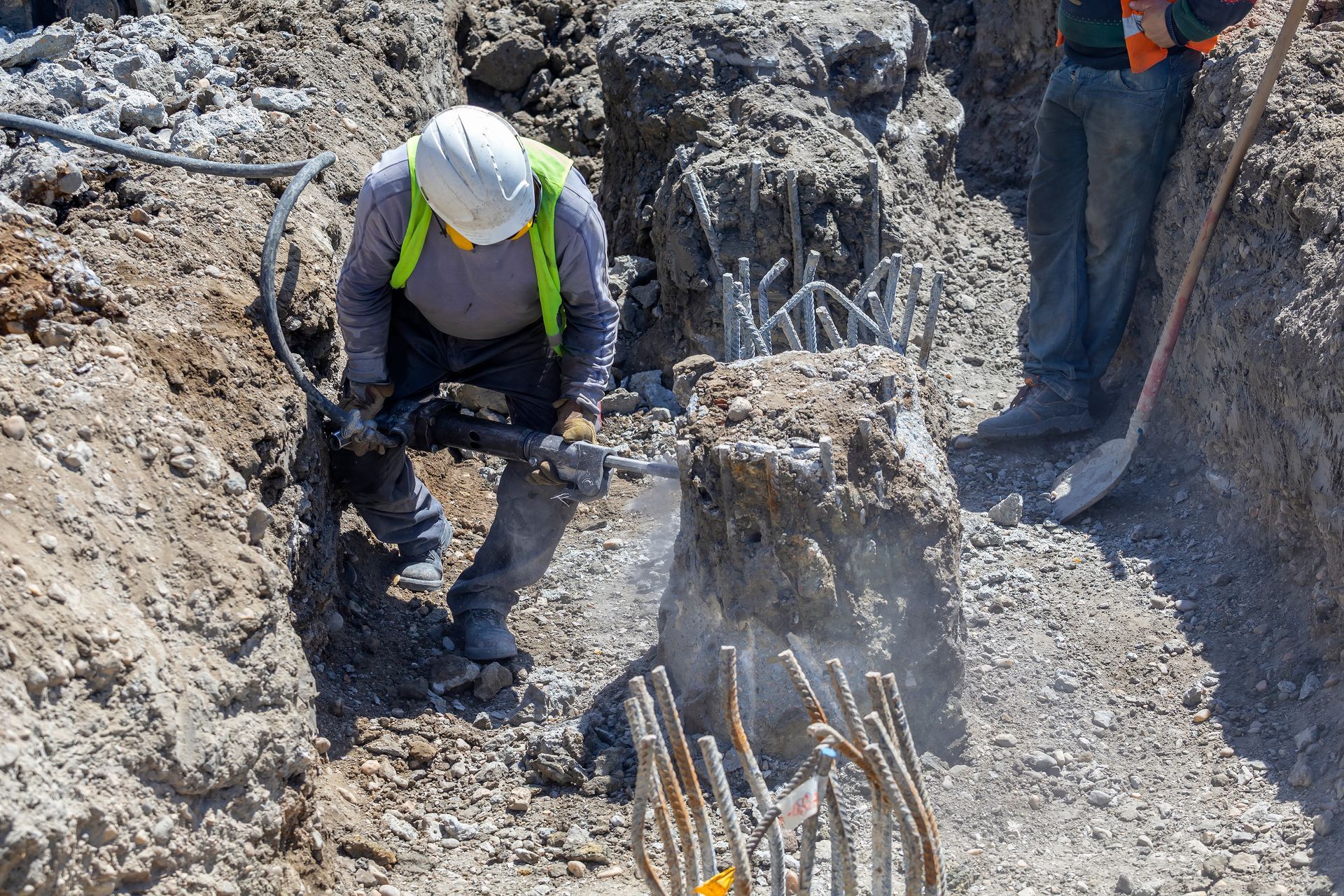
Contractor Insurance
Contractor insurance supports trades and service professionals across Southern California. It helps protect tools, equipment, and daily operations.

Cyber Liability Insurance
Cyber liability insurance helps protect business data and customer information. It supports recovery from digital incidents.

Commercial Property Insurance
Commercial property insurance helps protect offices, shops, and equipment. It supports recovery after covered damage.
Coverage Built for Specialized Work
Support for high-risk and service-driven industries.



Simple Steps Supported by Steady Guidance
A Clear Path to Coverage
Trusted by Clients Across Southern California
Clear service backed by real experiences.
Answers to Common Questions.
Clear explanations to guide your decisions.
How do I know which insurance policy is right for me?
We compare coverage options from multiple carriers to help you see differences in protection and price. You can review clear details and ask questions so you understand what each policy covers. Our team guides you step by step so you feel sure about your decision.
What factors affect my auto insurance premium?
Auto insurance premiums are influenced by your driving history, age, location, vehicle type, and coverage choices. A clean driving record and good safety features can help lower costs. We review these factors with you and help find coverage that fits your budget and needs.
Does homeowners insurance cover all types of damage?
Standard homeowners insurance protects your structure, personal belongings, liability, and additional living expenses in many cases. However, it usually does not include flood or earthquake damage without separate policies. We help you decide if extra coverage is right for your home and location.
Can I update my policy or get certificates online?
Yes. You can submit requests for policy changes and certificates through our online service form at any time. Our team processes those requests quickly and confirms updates once complete so you have the documents you need.
Do I need separate insurance for business risks like EPLI or E&O?
Yes. General liability and workers compensation cover many business risks but do not protect against all exposures. For example, Employment Practices Liability Insurance (EPLI) covers claims like wrongful termination or discrimination, and Errors & Omissions (E&O) covers claims based on mistakes in professional services. We help you identify which extra policies your business may need.
What happens if I need to file a claim?
If you need to file a claim, we guide you through the process and help you contact the insurance carrier. We explain what information you should provide, answer your questions, and stay available while the carrier reviews your claim. This support helps you move forward with confidence.
Contact Us