Claremont has a well-earned reputation as a city where small businesses thrive. Between the bustling Village, the college campuses, and the residential neighborhoods stretching toward the foothills, there's a real diversity of enterprises here: restaurants, tutoring centers, landscapers, boutique retailers, consultants, and contractors all operating within a few square miles. But operating a business in Southern California comes with legal exposure that can wipe out years of hard work in a single incident. A customer trips on a wet floor. A subcontractor damages a client's property. A competitor claims your advertising stole their tagline. These aren't hypothetical scenarios; they're the kinds of claims that Claremont business owners face regularly. General liability insurance exists precisely for these moments, and understanding how it works in a local context can mean the difference between absorbing a hit and closing your doors. This guide breaks down what Claremont businesses specifically need to know about coverage, costs, customization, and choosing the right provider in 2026. Whether you're opening your first storefront on Yale Avenue or you've been operating in the Inland Empire for decades, the stakes are the same: one uninsured claim can be catastrophic.
Understanding General Liability Insurance for Claremont Businesses
General liability insurance is the foundational policy most businesses carry. It covers third-party claims, meaning claims made by people outside your company, for bodily injury, property damage, and certain types of advertising or reputational harm. Think of it as the policy that protects you from the accidents and disputes that happen during normal business operations.
In California, no state law technically mandates general liability coverage for most private businesses. But here's the reality: many commercial landlords in Claremont require it before signing a lease, the City of Claremont requires it for permits and special events, and most clients or general contractors won't hire you without proof of coverage. So while it's technically optional, operating without it is practically impossible if you want to grow.
Core Coverage: Bodily Injury and Property Damage
Bodily injury coverage pays for medical expenses, legal defense costs, and settlements when someone is physically hurt on your premises or because of your operations. A classic example: a customer at a Claremont Village café slips on a freshly mopped floor and breaks their wrist. Your policy covers their medical bills and your legal fees if they sue.
Property damage coverage works similarly but applies to physical damage you or your employees cause to someone else's property. A painting contractor accidentally splatters a client's hardwood floors. A landscaper backs a truck into a neighbor's fence. These claims add up fast. In Los Angeles County, the average bodily injury claim settlement has climbed above $30,000 in recent years, and legal defense alone can run $10,000 to $50,000 even if you win. Without coverage, those numbers come directly out of your business accounts.
Personal and Advertising Injury Protection
This part of the policy is less intuitive but equally important. Personal and advertising injury covers claims like libel, slander, copyright infringement in your advertising, wrongful eviction (for landlords), and invasion of privacy. If a competitor alleges that your marketing materials copied their branding, or a former client claims you made defamatory statements, this is the coverage that responds.
For Claremont businesses that rely on local advertising, social media marketing, or content creation, this exposure is real. A single cease-and-desist letter from an intellectual property attorney can cost thousands to address, and an actual lawsuit can run into six figures. The personal and advertising injury component of a general liability policy covers both defense costs and any resulting judgments, up to your policy limits.
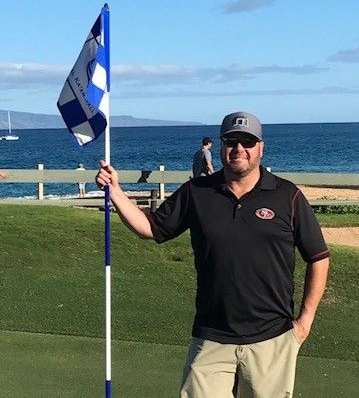
By: Patrick Caruso
President of Caruso Insurance Services
Why Local Claremont Businesses Need Coverage
Claremont's business environment has some specific characteristics that make liability coverage particularly important. The city sits in Los Angeles County, which means you're subject to one of the most plaintiff-friendly legal jurisdictions in the country. Jury awards here tend to be higher than national averages, and attorneys are aggressive about pursuing claims.
The foot traffic in the Village alone creates constant exposure. Restaurants, galleries, and retail shops see hundreds of visitors weekly, and each visitor represents a potential slip-and-fall or product liability claim. Service businesses working in residential areas face their own risks: entering clients' homes, working near expensive property, and interacting with the public daily.
Navigating California's Legal and Regulatory Landscape
California's legal environment creates layers of exposure that businesses in other states don't face. The state's comparative negligence rules mean that even if a claimant is partially at fault for their own injury, your business can still be held liable for your percentage of responsibility. There's no minimum threshold: if you're found 10% at fault, you pay 10% of the damages.
The state also has aggressive consumer protection statutes. Business and Professions Code Section 17200, California's unfair competition law, allows broad claims against businesses for practices deemed unfair or deceptive. A general liability policy with personal and advertising injury coverage can help defend against these claims. For contractors specifically, the California Contractors State License Board requires certain minimum insurance levels, and operating without them can result in license suspension
Protecting Assets in the Village and Beyond
If you own commercial property or have significant business assets in Claremont, an uninsured liability claim can put everything at risk. California allows judgment creditors to pursue business assets, and in some cases personal assets if you're a sole proprietor or general partner. A $500,000 judgment against an uninsured small business isn't unusual in LA County, and that kind of number can force a sale of equipment, inventory, or even real property.
General liability insurance in Claremont acts as a financial buffer between your business and these worst-case outcomes. Most policies start at $1 million per occurrence with a $2 million aggregate, which covers the vast majority of claims. For businesses with higher exposure, umbrella policies can extend coverage to $5 million or more for relatively modest additional premiums.
Factors Influencing Insurance Costs in the Inland Empire
Premiums for general liability coverage vary dramatically based on several factors. A home-based consulting business in Claremont might pay $400 to $600 annually, while a restaurant or contractor could pay $2,000 to $5,000 or more. Understanding what drives these costs helps you budget accurately and identify ways to reduce your premiums.
Location matters too. Claremont sits at the western edge of the Inland Empire, and insurers consider regional factors like population density, local crime rates, and historical claim frequency when setting rates. Being in Los Angeles County rather than San Bernardino County (the border is just a few miles east) can affect pricing, since LA County's litigation environment tends to drive higher premiums.
Industry Risk Classification and Business Size
Insurance carriers assign every business a classification code based on its industry. These codes reflect historical claim data for that type of business. A yoga studio has a very different risk profile than a roofing contractor, and premiums reflect that gap. Here's a rough sense of annual general liability costs for common Claremont business types in 2026:
- Consulting or professional services: $400 to $800
- Retail shops: $500 to $1,200
- Restaurants and food service: $2,000 to $4,500
- General contractors: $2,500 to $6,000
- Landscaping and maintenance: $1,200 to $3,000
Revenue and payroll size also factor in. Most carriers calculate premiums based on your annual revenue or total payroll, so as your business grows, your premiums will increase proportionally. This is normal and expected.
Claims History and Policy Deductibles
Your claims history is one of the most powerful factors in your premium calculation. Insurers check the Comprehensive Loss Underwriting Exchange, known as the CLUE database, which tracks your past claims for up to seven years. Even a single paid claim can increase your premiums by 15% to 30% at renewal, and multiple claims can make you difficult to insure through standard carriers.
This is why risk mitigation matters so much. Conducting annual property inspections, maintaining detailed documentation with photos and maintenance reports, and investing in safety improvements like better lighting, non-slip flooring, and security cameras can prevent claims before they happen. These efforts also give you negotiating power with insurers. Many carriers offer premium discounts of 5% to 15% for documented safety programs.
Choosing a higher deductible, say $1,000 or $2,500 instead of $500, can lower your annual premium by 10% to 20%. Just make sure you can comfortably cover that deductible if a claim arises.
Customizing Your Policy with Local Endorsements
A standard general liability policy covers a lot, but it doesn't cover everything. Depending on your business type and risk profile, you may need endorsements (add-ons) or separate policies to fill gaps. The good news is that most of these additions are affordable when bundled correctly.
Bundling with a Business Owner's Policy (BOP)
A Business Owner's Policy combines general liability with commercial property insurance into a single package, usually at a lower cost than buying each separately. For Claremont businesses that own equipment, inventory, or lease commercial space, a BOP is almost always the smarter financial move.
A typical BOP in Claremont runs $1,000 to $3,000 annually for a small business, compared to $1,500 to $4,500 if you purchased the same coverages separately. The property component covers your physical assets: furniture, computers, inventory, signage, and sometimes business interruption if a covered event forces you to close temporarily. If you're leasing space in the Village or along Foothill Boulevard, your landlord almost certainly requires both liability and property coverage, making a BOP the natural choice.
Adding Professional Liability or Cyber Coverage
General liability covers physical injuries and property damage, but it doesn't cover errors in your professional work or data breaches. If you provide advice, design work, financial services, or any professional service, you need professional liability (also called errors and omissions) insurance separately.
Cyber liability coverage has become essential for almost any business that stores customer data, processes credit cards, or uses cloud-based systems. A data breach affecting even a small Claremont business can cost $50,000 to $200,000 in notification requirements, credit monitoring, and legal defense. Standalone cyber policies start around $500 annually for small businesses, and some BOP carriers now offer cyber endorsements for even less.
How to Choose a Claremont-Based Insurance Provider
Not all insurance providers are created equal, and where you buy your policy matters almost as much as what you buy. Claremont has several local agencies and brokers, and there are also direct-write carriers and online platforms competing for your business.
Benefits of Working with a Local Independent Agent
An independent agent represents multiple insurance carriers rather than just one company. This means they can shop your coverage across several insurers and find the best combination of price, coverage, and service. A Claremont-based independent agent also understands local risks: wildfire exposure near the foothills, the specific requirements of Claremont landlords and the city permitting office, and which carriers have a good track record of paying claims in the region.
The personal relationship matters too. When you file a claim, having an agent who picks up the phone and advocates on your behalf with the carrier is worth more than the small premium savings you might get from an online quote engine. Ask your agent how they handle claims, what their average response time is, and whether they conduct annual policy reviews.
Evaluating Carrier Financial Strength and Reputation
The cheapest policy means nothing if the carrier can't pay claims. Check the financial strength rating of any insurer you're considering. AM Best ratings of A- or higher indicate strong financial stability. You can also check the California Department of Insurance website for complaint ratios, which show how many complaints a carrier receives relative to its market share.
Ask for references from other Claremont businesses. A carrier that's well-regarded among local contractors or retailers is likely a safer bet than an unknown company offering rock-bottom rates. Your coverage is only as good as the company standing behind it.
Securing Your Business Future in the City of Trees
Claremont rewards businesses that plan carefully and protect themselves against the unexpected. General liability coverage isn't just a box to check on a lease application; it's the financial foundation that lets you operate confidently, take on new clients, and grow without the constant fear that one bad day could undo everything you've built.
Start by getting quotes from at least three providers, including at least one local independent agent. Compare not just premiums but coverage limits, exclusions, deductibles, and carrier ratings. Document your safety practices, maintain your property, and review your policy annually as your business evolves. The businesses that thrive here long-term are the ones that treat risk management as an ongoing practice, not a one-time purchase. Your Claremont business deserves that kind of protection.
ABOUT THE AUTHOR:
PATRICK CARUSO
I’m Patrick Caruso, founder of Caruso Insurance, and I have spent more than 25 years helping families, contractors, and small businesses across Southern California make confident insurance decisions. I focus on explaining coverage in clear terms, comparing multiple carriers, and supporting clients with steady communication so they feel secure with each step. My goal is to provide dependable guidance, simple answers, and a smooth process for anyone who needs personal or business insurance.
Contact Us

Service that stays with you.
Our team helps simplify insurance decisions for families and businesses. We focus on clear explanations, fast responses, and dependable service. You can count on us for help with coverage questions, updates, and long-term support.
Coverage that keeps you secure
Reliable Protection for Everyday Life
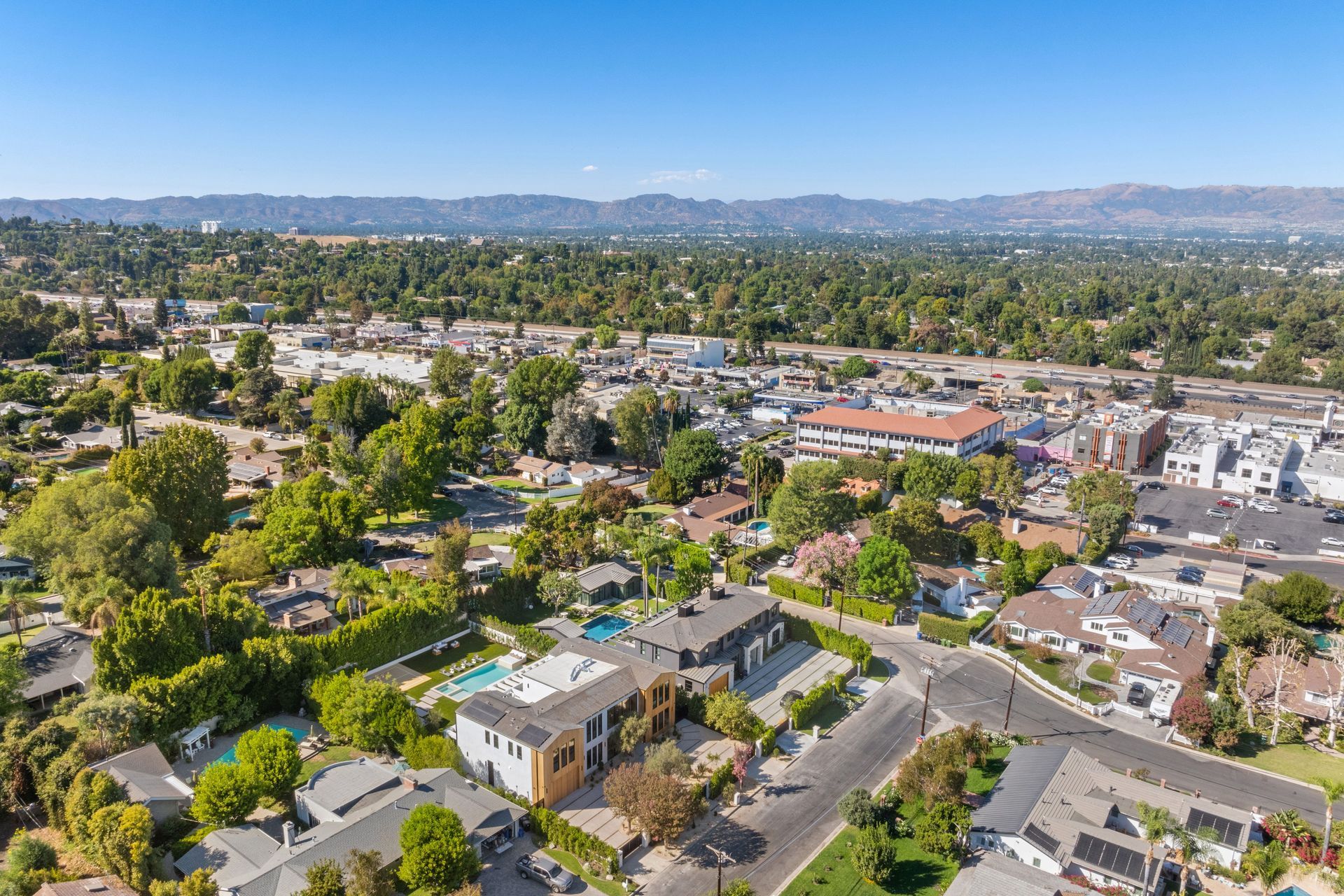
Home insurance helps protect your house, personal belongings, and liability risks. We explain coverage options clearly so you know what your policy includes.
Auto insurance provides protection for accidents, liability, and vehicle damage. We help you compare options so you can choose coverage that fits your driving needs.
Motorcycle insurance provides coverage for riders and their bikes. We help you select options that match how and where you ride.
RV insurance supports protection for motorhomes and recreational vehicles. Coverage applies during travel and while parked.
Coverage Built for Contractors and Trades
Support that keeps your work moving.

General Liability Insurance
General liability insurance helps protect contractors from injury and property damage claims. It supports jobsite requirements and contracts.

Workers Compensation
Workers compensation insurance helps protect employees injured while working. It also supports compliance with state requirements.

Commercial Auto Insurance
Commercial auto insurance provides coverage for work vehicles used on jobsites. It helps protect drivers and company vehicles.
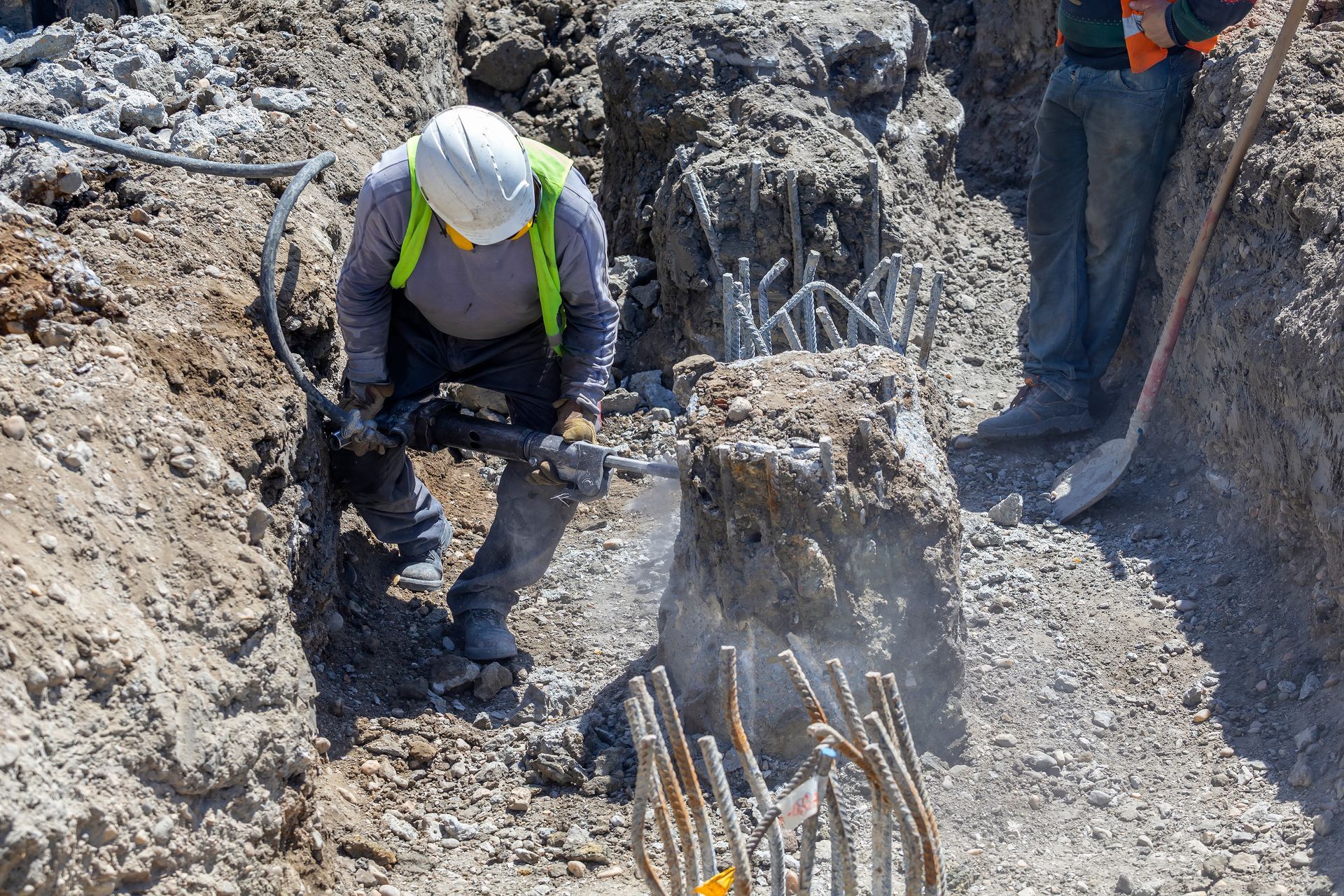
Contractor Insurance
Contractor insurance supports trades and service professionals across Southern California. It helps protect tools, equipment, and daily operations.

Cyber Liability Insurance
Cyber liability insurance helps protect business data and customer information. It supports recovery from digital incidents.

Commercial Property Insurance
Commercial property insurance helps protect offices, shops, and equipment. It supports recovery after covered damage.
Coverage Built for Specialized Work
Support for high-risk and service-driven industries.


Simple Steps Supported by Steady Guidance
A Clear Path to Coverage
Trusted by Clients Across Southern California
Clear service backed by real experiences.
Answers to Common Questions.
Clear explanations to guide your decisions.
How do I know which insurance policy is right for me?
We compare coverage options from multiple carriers to help you see differences in protection and price. You can review clear details and ask questions so you understand what each policy covers. Our team guides you step by step so you feel sure about your decision.
What factors affect my auto insurance premium?
Auto insurance premiums are influenced by your driving history, age, location, vehicle type, and coverage choices. A clean driving record and good safety features can help lower costs. We review these factors with you and help find coverage that fits your budget and needs.
Does homeowners insurance cover all types of damage?
Standard homeowners insurance protects your structure, personal belongings, liability, and additional living expenses in many cases. However, it usually does not include flood or earthquake damage without separate policies. We help you decide if extra coverage is right for your home and location.
Can I update my policy or get certificates online?
Yes. You can submit requests for policy changes and certificates through our online service form at any time. Our team processes those requests quickly and confirms updates once complete so you have the documents you need.
Do I need separate insurance for business risks like EPLI or E&O?
Yes. General liability and workers compensation cover many business risks but do not protect against all exposures. For example, Employment Practices Liability Insurance (EPLI) covers claims like wrongful termination or discrimination, and Errors & Omissions (E&O) covers claims based on mistakes in professional services. We help you identify which extra policies your business may need.
What happens if I need to file a claim?
If you need to file a claim, we guide you through the process and help you contact the insurance carrier. We explain what information you should provide, answer your questions, and stay available while the carrier reviews your claim. This support helps you move forward with confidence.
Contact Us