A major construction project can turn into an expensive ordeal with just one unexpected mishap. For drywall contractors in California juggling tight margins and complex project requirements, the right insurance isn’t just an added expense-it’s an essential safeguard. With a vibrant industry anticipated to reach substantial market size by 2025, those involved in drywall installation and insulation must prioritize comprehensive protection. Detailed data from IBISWorld highlights how drywalls and insulation installers dominate a market burgeoning to $9.6 billion, underlining the growing importance of resilient risk management.
Understanding the nuances of drywall contractor insurance in California is crucial given the evolving nature of construction contracts, regulatory requirements, and specialized risks. Whether it is handling potential workers’ compensation claims, professional liability issues, or navigating policies influenced by wildfire exposure, contractors must arm themselves with detailed knowledge to keep operations secure and thrive in a competitive landscape.
The following guide covers key insurance types, tailored coverage recommendations, and practical tips for drywall contractors. It also incorporates insights into recent legislative changes and expert opinions that directly impact the industry.
Understanding the Scope of Drywall Contractor Insurance
Insurance coverage for drywall contractors is a critical part of mitigating risks on every job site. Many contractors often work in environments where unforeseen challenges arise, ranging from inadvertent property damage to claims of professional liability. In California, policies are molded to cater to the particular risks these contractors face as they work on residential and commercial projects.
The variety of insurance coverage available for drywall contractors includes general liability, workers’ compensation, professional liability, and even surety bonds. Each of these types of insurance addresses distinct aspects of risk. For instance, general liability insurance can cover bodily injury or property damage resulting from on-site accidents. Professional liability coverage, sometimes known as errors and omissions insurance, handles the costs associated with mistakes or oversight in contract work.
Recent challenges in the industry, such as hidden rules that affect wildfire payouts highlighted by the
San Francisco Chronicle, further complicate an already intricate risk landscape. Contractors must therefore ensure that their insurance policies are thorough and updated to account for these new risks.


By: Patrick Caruso
President of Caruso Insurance Services
Key Components of Drywall Contractor Insurance Policies
General Liability Coverage
General liability coverage is often the cornerstone of an insurance package for any contractor. It protects against the financial repercussions of bodily injury or property damage caused during project execution. For drywall contractors, this is particularly relevant when working in busy commercial locations or residential areas where accidents can easily lead to expensive claims.
The protection includes coverage for medical expenses and legal fees if a third party files a claim. Because the potential for costly claims is significant, general liability policies are designed to shield contractors from abrupt financial strain. Policy features can also extend to cover damages attributed to accidental fires or water damage, particularly in cases where drywall work inadvertently disrupts existing structures.
A well-constructed general liability policy is often bolstered by endorsements that add layers to protection for specific scenarios prevalent in the industry.
Professional Liability and Errors & Omissions
Professional liability, also known as errors and omissions (E&O) insurance, offers a safety net that covers the costs arising from professional mistakes during design and installation processes. Drywall contractors must pay careful attention to this aspect of coverage because even minor miscalculations or errors in judgment can lead to significant financial liabilities.
The average annual cost of professional liability insurance for drywall contractors in the state is approximately $2,310, according to data from Insuranceopedia. A robust policy protects the contractor against claims alleging negligence, misrepresentation, and failure to meet contractual obligations. Given the specialized nature of drywall installation, even a minor oversight can disrupt the project timeline and escalate costs significantly.
Investing in professional liability insurance not only secures a contractor’s current projects but also builds credibility with clients who value comprehensive risk management.
Workers’ Compensation Insurance
Drywall contractors who employ a team of installers need to carefully navigate the avenue of workers’ compensation. Workers’ compensation insurance is essential given that construction environments inherently expose employees to physical risks. Any injury on the job can lead to claims that incur considerable costs for both medical treatment and lost productivity.
The workers’ compensation market in California has seen its share of controversies, as evidenced by expert warnings such as those shared by the Executive Director of the Carpenters/Contractors Cooperation Committee. He stated, “Workers' compensation premium fraud hurts hard working men and women trying to make a living and feed their families” (insurance.ca.gov). The implications of these challenges extend beyond individual claims. Ensuring that policies adhere to strict regulatory standards and recent legislative measures is key to minimizing risks to both the employer and the workers involved.
For contractors, this means regularly reviewing and updating workers’ compensation coverage while also maintaining meticulous records of employees’ work conditions and training initiatives.
Surety Bonds and Their Role in Contractor Networks
Surety bonds play a critical role in ensuring the financial credibility of drywall contracting firms. A recent study, “Network and Risk Analysis of Surety Bonds,” demonstrates that contractor networks incorporating network effects can lead to approximately 2% higher exposure for surety organizations (arXiv). This subtle increase in risk exposure underscores the need for contractors to be aware of how their work relationships and past performance may impact future bonding requirements.
These bonds are not merely regulatory checkboxes; they ensure that contractors honor their contractual obligations and complete projects to the satisfaction of all stakeholders. In scenarios where the contractor may default on a project, surety bonds help guarantee financial recourse for the client.
While surety bonds represent an additional cost burden, their strategic importance can't be underestimated in maintaining a contractor’s reputation and financial stability in a competitive market.
Special Considerations for Drywall Contractors in California
Legislative Developments Impacting Insurance
California is known for periodically adjusting regulations that have significant implications for the construction sector. One recent change that warrants attention is the new rule for private construction contracts effective January 1, 2026. This rule caps retention at 5% of progress payments and the total contract price, with a mandatory flow-down to subcontractors (JM Construction Report). Such regulatory updates emphasize the necessity for contractual clarity and timely payment practices.
These legislative measures are designed to protect subcontractors from prolonged payment delays and ensure that risk is equitably distributed among all parties involved. For drywall contractors, understanding these changes is essential, as they directly affect liquidity, bonding, and overall project management strategies.
Contractors should engage legal advisors and insurance experts to recalibrate their policies and workflows, ensuring that every project adheres to the new rules without sacrificing financial stability.
Risks Related to Wildfires and Environmental Factors
Wildfires represent one of the most destructive natural hazards in California with the potential to inflict severe property damage. In response, many insurers have adjusted their policies, sometimes introducing hidden provisions that aim to reduce wildfire payouts. Reports from the San Francisco Chronicle indicate that these adjustments can significantly impact the compensation homeowners receive.
For drywall contractors, these changes may translate into shifts in premium costs or changes in what is specifically covered under a policy. Being proactive about understanding these environmental risks is essential, particularly when projects are located in areas prone to wildfires. Contractors should ensure that their policies explicitly address these scenarios to avoid unexpected gaps in coverage.
Strategic risk management should include discussions with insurance brokers about wildfire exposure, ensuring that policies are aligned with the latest industry practices and regional hazards.
Industry Trends and Labor Market Considerations
The drywall and insulation installation industry in California is growing, supported by an estimated 2,541 establishments and nearly 50,000 employees, according to recent IBISWorld data (IBISWorld). This growth carries a range of implications-from increased competition to more complex care in managing a larger, more dynamic workforce. Labor shortages, training demands, and wage fluctuations underline the critical importance of securing a robust workers’ compensation policy tailored to these realities.
Contractors must pay special attention to workforce stability by investing in both worker training and safety protocols. Doing so not only minimizes accident risks but also helps lower insurance premiums over time. A proactive approach that includes regular safety audits and training sessions can prove invaluable in maintaining a healthy, efficient team.
Furthermore, the labor market’s competitiveness calls for enhanced measures that safeguard both employers and employees, ensuring compliance with state labor laws while maintaining productive operational flow.

Choosing the Right Policy: A Coverage Comparison Table
An effective way to navigate the complexities of drywall contractor insurance is by comparing various coverage types side by side. Presented below is a table outlining basic versus extended coverage, highlighting the essential components for drywall contractors in California.
| Coverage Type | Basic Coverage | Extended Coverage |
|---|---|---|
| General Liability | Covers bodily injury and property damage from on-site accidents. | Includes coverage for accidental fires, water damage, and additional endorsements. |
| Professional Liability | Protects against claims related to errors during design or installation. | Covers additional risks such as misrepresentation and contract neglect issues. |
| Workers’ Compensation | Standard coverage for employee injuries on the job. | Includes additional benefits for legal claims and premium adjustments influenced by industry fraud concerns. |
| Surety Bonds | Guarantees project completion and covers contractual defaults. | Offers higher coverage limits and addresses network effects in contractor relationships. |
This table serves as a reference tool by outlining what features contractors might expect from basic versus more comprehensive policies. Making an informed decision based on these comparisons can ultimately translate into more resilient operational protection and improved project execution.
The differences highlighted in this table underscore the importance of tailoring insurance packages to match the specific risk profiles of projects and teams. Contractors should work closely with insurance advisors to customize policies that cover the nuanced challenges they face in California.
Practical Tips for Managing Insurance Costs and Coverage Gaps
Reviewing Policies and Staying Informed
Drywall contractors must periodically review their insurance policies to ensure complete alignment with current operational risks. State regulations and market dynamics change frequently, and staying informed is critical. Reviews should include verifying that coverage levels have not been outdated by new project demands or regulatory changes such as the recently introduced retention caps.
Engaging regularly with insurance agents and legal advisors ensures that policies reflect the current environment and account for new challenges like hidden wildfire rules mentioned in reputable industry reports.
Contractors should consider setting up annual reviews, especially after major projects, to align their coverage with evolving business needs and legislative adjustments.
Addressing Gaps in Coverage
Even with robust coverage, policy gaps can inadvertently emerge when projects expose contractors to unexpected risks. One common area of concern involves hidden exclusions related to wildfire damage or unforeseen environmental incidents. Specific endorsements might be needed to cover these hazards fully.
Contractors can take proactive steps by discussing specific scenarios with their insurance brokers and ensuring that policies are comprehensive enough to cover unique risks associated with every project phase.
Being transparent about project scopes and historical claims when applying for insurance can have a positive impact on premium costs and coverage inclusions. This information-sharing can help underwriters tailor policies that truly cover the contractor’s operational realities.
Leverage Group Policies and Professional Networks
Aligning with industry associations or professional networks can also offer additional avenues for securing competitive insurance rates and extended coverage. Group policies negotiated through trusted networks or vendor programs often provide benefits in cost savings and coverage customization.
One industry expert noted, "We are Farmers Eyes and Ears on the job site," a perspective that encapsulates the value offered through such vendor networks as effective monitors of emergent hazards (San Francisco Chronicle). Such partnerships can lead to insights on risk trends and provide timely recommendations on policy enhancements.
Networking with peers and participating in industry forums can offer practical advice on managing premium costs and filling coverage gaps that might otherwise be overlooked.
Evaluating Claims History and Its Impact on Premiums
Insurance providers often scrutinize a contractor's claims history when underwriting policies. A record of frequent or high-value claims can lead to elevated premiums or even difficulties in obtaining coverage. For drywall contractors, meticulous documentation of projects and incidents is thus critical.
Maintaining comprehensive records not only aids in regulatory compliance but also provides evidence of proactive risk management practices. This documentation can help mitigate the financial impact of future claims while allowing for more favorable negotiations with insurers.
Contractors should also consider implementing safety training programs and employing stricter safety protocols on every site, positioning themselves as low-risk clients in the eyes of insurers.
Integrating Risk Management into Daily Operations
While insurance plays a key role in risk mitigation, everyday operational strategies are just as important in preventing incidents. Drywall contractors who prioritize regular safety inspections, employee training, and rigorous project management protocols can significantly reduce the frequency of claims.
Each project is an opportunity to implement best practices that directly impact claims history. For example, using checklists for on-site safety and standardizing any unusual work practices can preempt potential accidents and improve overall efficiency.
Beyond physical safety, effective administrative measures-such as consistent record keeping and proactive communication with clients-ensure that potential issues are addressed before they escalate into significant claims. This dual approach of operational excellence and comprehensive insurance coverage forms the foundation upon which successful contractors build their businesses.
Financial Considerations and Cost Management Strategies
Budgeting for Insurance Premiums
Managing cash flow in the construction business requires a keen eye on all major expenses, and insurance premiums form a significant part of that budget. Drywall contractors must balance the need for comprehensive coverage with the challenges of tight profit margins. Detailed budgeting that compares various policy options helps identify the sweet spot between adequate protection and cost-effectiveness.
Contractors are encouraged to explore different insurance providers and negotiate terms that fit their unique risk profiles. Given that the average annual cost of professional liability insurance for drywall contractors in California hovers around $2,310 (Insuranceopedia), aligning coverage levels with operational needs without overspending is both an art and a science.
Negotiated discounts, bundling multiple policies, and leveraging group rates are strategies that have proven effective for many industry professionals.
Monitoring Claims Impact on Future Costs
A contractor’s claim history not only affects current premiums but also plays a role in future rate negotiations. Insurers carefully analyze past claims to tailor new policies. It is therefore wise for contractors to adopt risk management measures that could eventually lead to reduced premium costs.
By demonstrating a track record of safety and minimal claims, contractors can in many cases negotiate lower premiums, which over time enhances their profit margins. Continuous monitoring and reviewing claim outcomes after each project serve as constructive feedback loops that help refine both operational methods and insurance terms.
Implementing technology-based solutions such as incident reporting apps or safety compliance software can further support contractors in presenting a well-documented and low-risk profile to their insurers.
Insurance and the Future of Drywall Contracting in California
As California’s construction industry evolves, so too does the need for insurance products that keep pace with emerging risks. Technological advancements, regulatory updates, and environmental challenges are all reshaping the operating landscape for drywall contractors in the state. An agile insurance strategy that accommodates both current and future risks is indispensable.
Contractors can expect that future policies might evolve to include more nuanced risk assessments, particularly as factors like contractor network effects-illustrated in studies such as the one available on arXiv-gain prominence. Policies could increasingly rely on dynamic risk pricing and flexible coverage packages that change with market conditions.
Keeping pace with these changes requires contractors to commit to ongoing education, consultation with risk management experts, and regular policy reviews. An informed contractor is well-prepared for any adjustments in premium calculations or changes in coverage details necessitated by future industry shifts.
Embracing Technological Innovation
Digital tools and data analytics offer promising pathways to navigate the evolving insurance landscape. From predictive analytics that forecast potential claim trends to management software that streamlines record keeping, technology is poised to revolutionize risk management for drywall contractors.
Implementing such innovations not only bolsters operational efficiency but also strengthens an insurer’s confidence in the contractor’s ability to mitigate risk. As advanced risk management solutions emerge, the lines between operational excellence and insurance coverage integration become increasingly blurred, offering contractors a competitive edge.
Many industry observers emphasize that technology-driven risk management is no longer optional; it is a necessity for survival amidst growing regulatory and environmental challenges.
Frequently Asked Questions
The following section provides answers to common questions that drywall contractors have regarding insurance coverage in California.
Q: What is the most important type of insurance for a drywall contractor?
A: General liability insurance is crucial as it covers bodily injury and property damage on the job. Professional liability and workers’ compensation are also essential to handle specialized risks and cover work-related injuries.
Q: How do recent legislative changes affect insurance for contractors?
A: New rules set to take effect in 2026 cap retention at 5% of progress payments and the total contract price, impacting cash flow and risk distribution. Contractors need to update their policies to reflect these requirements (JM Construction Report).
Q: Can technology help in managing insurance costs?
A: Yes. Digital tools can help monitor claims history and risk factors, allowing contractors to implement targeted risk management strategies that may reduce premiums over time.
Q: Why is professional liability insurance important?
A: Professional liability insurance covers errors, omissions, and misrepresentations that can occur during drywall installation. This coverage protects contractors from the high costs of legal fees and settlement payouts.
Q: How can contractors lower their insurance premiums?
A: Maintaining safety protocols, proper documentation of claims history, and exploring bundling options or group policies can help in negotiating more favorable premium rates.
Q: What role do surety bonds play in contractor insurance?
A: Surety bonds ensure that contractors fulfill contractual obligations and help mitigate risks associated with project defaults. They offer financial security and build trust with clients.
Wrapping Things Up
Drywall contractor insurance in California is more than just a regulatory requirement-it is a dynamic tool designed to keep contractors secure amidst an evolving risk landscape. With market dynamics showing robust growth and emerging risks such as wildfire-related exclusions and legislative changes, adopting a proactive insurance strategy is essential.
Contractors must weigh the benefits of various coverage types, from general liability to professional and workers’ compensation, while also ensuring that additional aspects like surety bonds are appropriately managed. Such comprehensive planning not only safeguards the contractor’s financial health but also bolsters their credibility in a competitive market dominated by thousands of establishments and nearly 50,000 employees (IBISWorld).
Through leveraging advanced technologies, engaging in regular policy reviews, and aligning with professional networks, drywall contractors in California can ensure they are both resilient and prepared for the challenges ahead. A clear understanding of the evolving legislative landscape coupled with an informed approach to insurance management is key to long-term success in this booming industry.
Final Thoughts on Proactive Risk Management
The construction industry never stands still, and neither should the contractors who drive it. Every new project brings with it a mix of opportunity and risk, and managing those risks begins with a well-rounded insurance strategy. Planning ahead, keeping abreast of regulatory changes, and embracing technology are the cornerstone practices that shield contractors from unexpected financial burdens.
With the explosion of market opportunities in California's drywall installation sector matched against evolving threats from natural disasters and shifting legislative mandates, a proactive stance towards risk management is essential. Embracing a comprehensive insurance plan means more than just protecting assets-it signifies a commitment to professional excellence and sustainable growth in a challenging environment.
For every contractor dedicated to perfecting their craft, integrating detailed risk management practices with tailored insurance solutions will continue to be a wise investment, ensuring both current success and future resilience. Understanding that every claim, every premium dollar, and every safety measure plays a role in the bigger picture is the mark of a truly forward-thinking professional.
ABOUT THE AUTHOR:
PATRICK CARUSO
I’m Patrick Caruso, founder of Caruso Insurance, and I have spent more than 25 years helping families, contractors, and small businesses across Southern California make confident insurance decisions. I focus on explaining coverage in clear terms, comparing multiple carriers, and supporting clients with steady communication so they feel secure with each step. My goal is to provide dependable guidance, simple answers, and a smooth process for anyone who needs personal or business insurance.
Contact Us

Service that stays with you.
Our team helps simplify insurance decisions for families and businesses. We focus on clear explanations, fast responses, and dependable service. You can count on us for help with coverage questions, updates, and long-term support.
Coverage that keeps you secure
Reliable Protection for Everyday Life
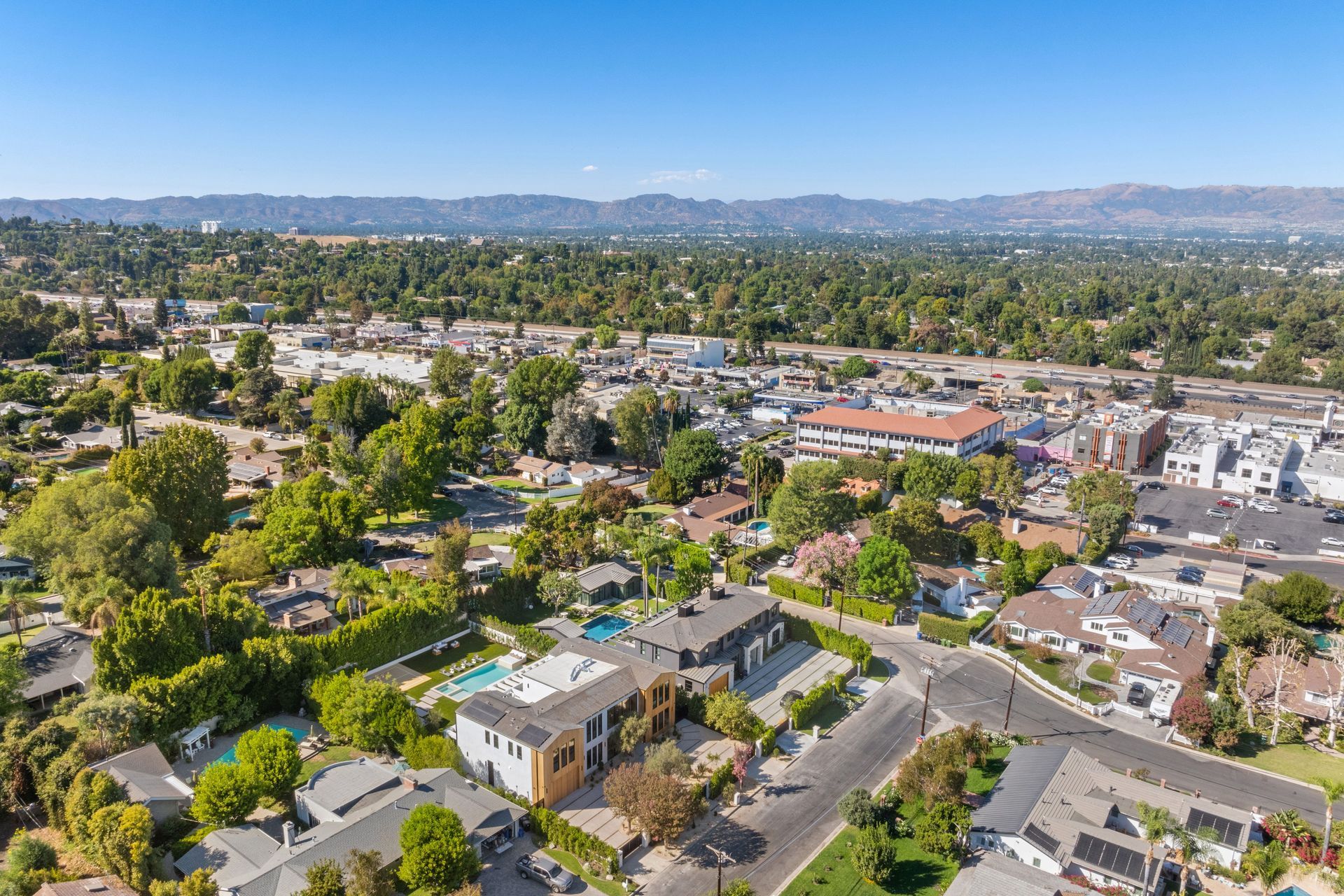
Home insurance helps protect your house, personal belongings, and liability risks. We explain coverage options clearly so you know what your policy includes.
Auto insurance provides protection for accidents, liability, and vehicle damage. We help you compare options so you can choose coverage that fits your driving needs.
Motorcycle insurance provides coverage for riders and their bikes. We help you select options that match how and where you ride.
RV insurance supports protection for motorhomes and recreational vehicles. Coverage applies during travel and while parked.
Coverage Built for Contractors and Trades
Support that keeps your work moving.

General Liability Insurance
General liability insurance helps protect contractors from injury and property damage claims. It supports jobsite requirements and contracts.

Workers Compensation
Workers compensation insurance helps protect employees injured while working. It also supports compliance with state requirements.

Commercial Auto Insurance
Commercial auto insurance provides coverage for work vehicles used on jobsites. It helps protect drivers and company vehicles.
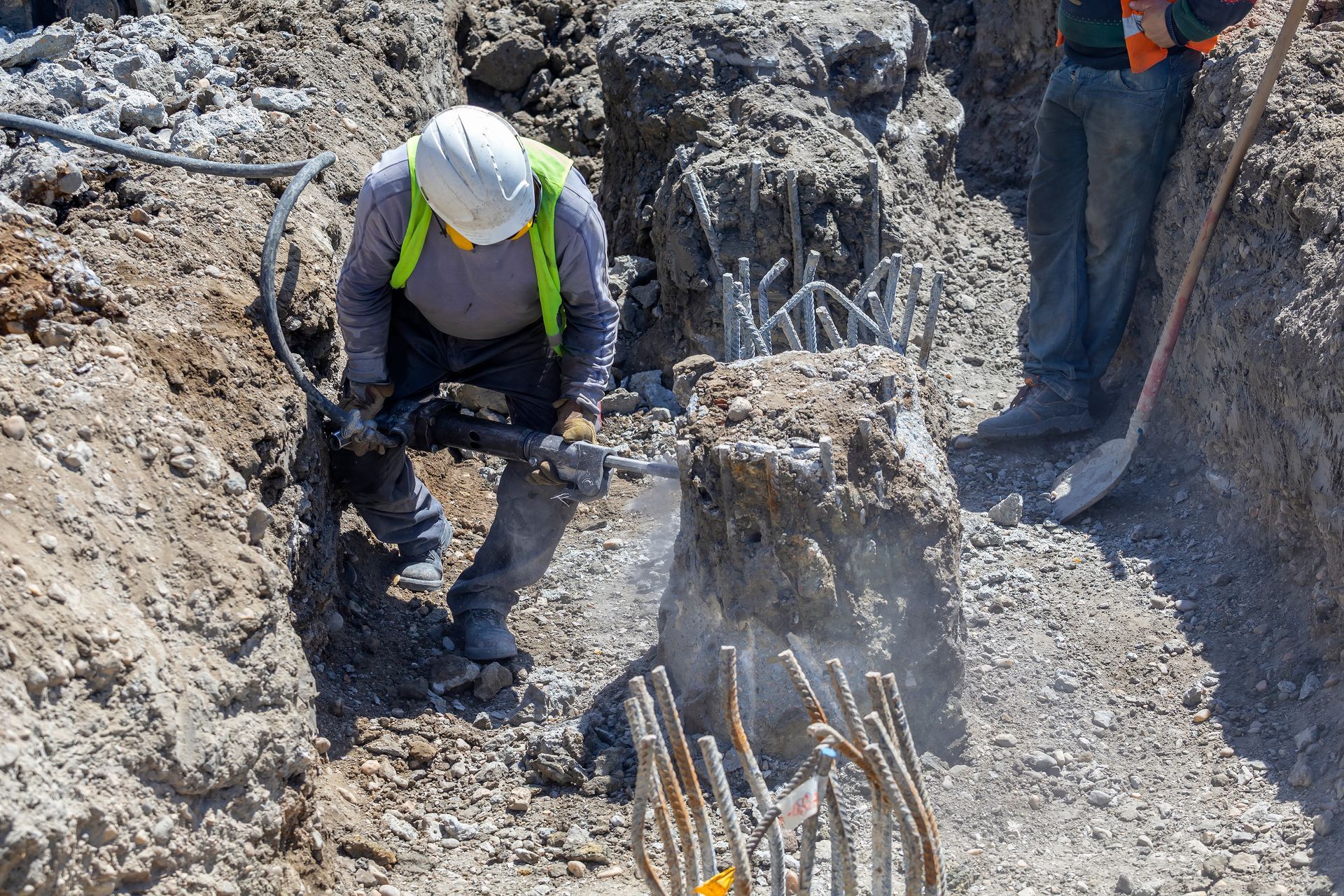
Contractor Insurance
Contractor insurance supports trades and service professionals across Southern California. It helps protect tools, equipment, and daily operations.

Cyber Liability Insurance
Cyber liability insurance helps protect business data and customer information. It supports recovery from digital incidents.

Commercial Property Insurance
Commercial property insurance helps protect offices, shops, and equipment. It supports recovery after covered damage.
Coverage Built for Specialized Work
Support for high-risk and service-driven industries.


Simple Steps Supported by Steady Guidance
A Clear Path to Coverage
Trusted by Clients Across Southern California
Clear service backed by real experiences.
Answers to Common Questions.
Clear explanations to guide your decisions.
How do I know which insurance policy is right for me?
We compare coverage options from multiple carriers to help you see differences in protection and price. You can review clear details and ask questions so you understand what each policy covers. Our team guides you step by step so you feel sure about your decision.
What factors affect my auto insurance premium?
Auto insurance premiums are influenced by your driving history, age, location, vehicle type, and coverage choices. A clean driving record and good safety features can help lower costs. We review these factors with you and help find coverage that fits your budget and needs.
Does homeowners insurance cover all types of damage?
Standard homeowners insurance protects your structure, personal belongings, liability, and additional living expenses in many cases. However, it usually does not include flood or earthquake damage without separate policies. We help you decide if extra coverage is right for your home and location.
Can I update my policy or get certificates online?
Yes. You can submit requests for policy changes and certificates through our online service form at any time. Our team processes those requests quickly and confirms updates once complete so you have the documents you need.
Do I need separate insurance for business risks like EPLI or E&O?
Yes. General liability and workers compensation cover many business risks but do not protect against all exposures. For example, Employment Practices Liability Insurance (EPLI) covers claims like wrongful termination or discrimination, and Errors & Omissions (E&O) covers claims based on mistakes in professional services. We help you identify which extra policies your business may need.
What happens if I need to file a claim?
If you need to file a claim, we guide you through the process and help you contact the insurance carrier. We explain what information you should provide, answer your questions, and stay available while the carrier reviews your claim. This support helps you move forward with confidence.
Contact Us