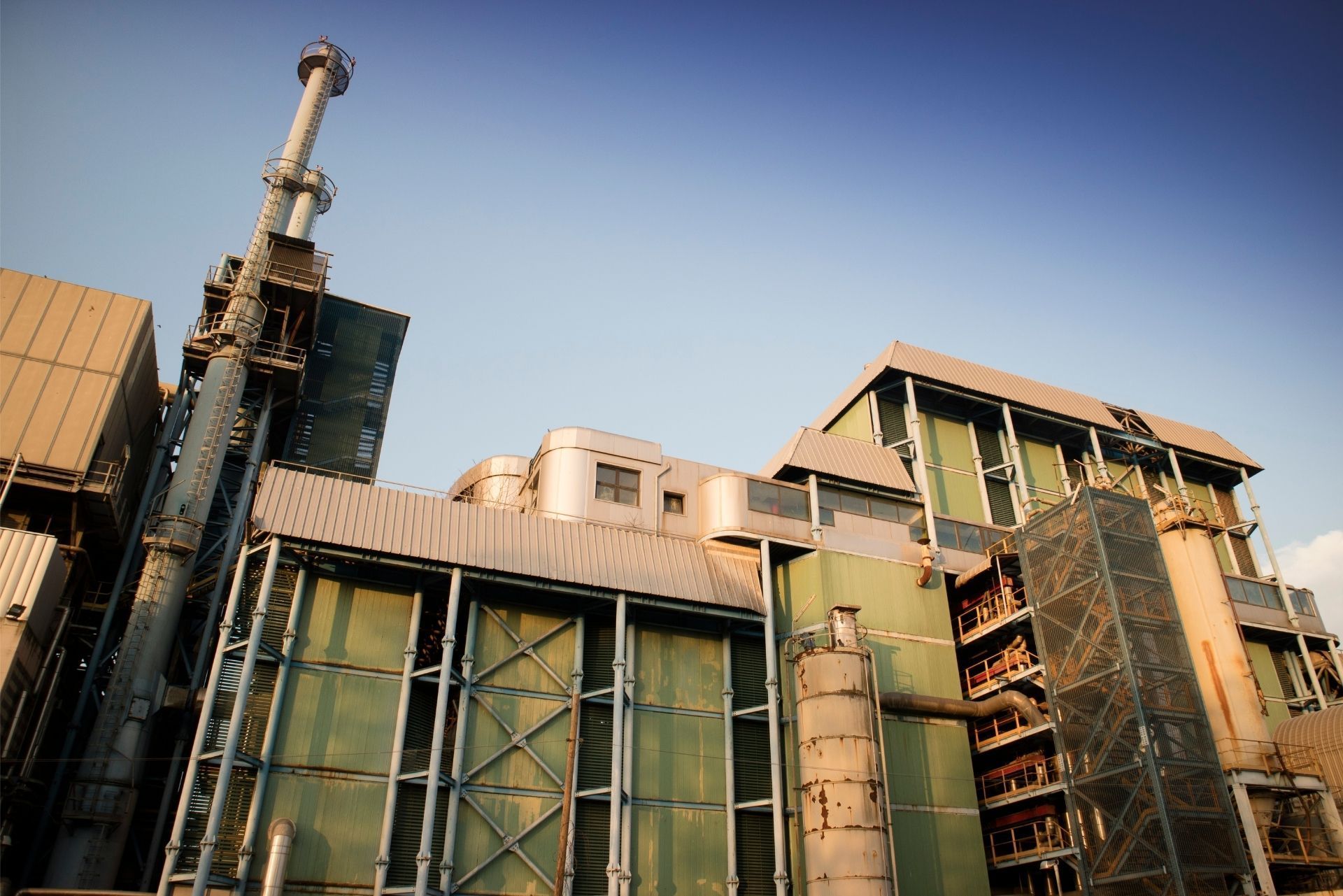
A manufacturing facility experiencing an unexpected power surge can trigger a multimillion-dollar claim if its industrial building is not properly insured. Insurance policies for industrial properties protect companies from these high-cost losses, making it vital to understand the nuances of coverage in California-a state with unique operational challenges. This guide reviews the critical aspects of industrial building insurance, explains the factors influencing underwriting performance, and provides insights into innovative risk-mitigation strategies.
An understanding of the market dynamics in California is essential. The state's exposure to wildfire risks, stringent building codes, and high property values mean that industrial property insurance is more than a basic coverage-it is an essential component of operational resilience. For further industry insights, resources like the Insurance Information Institute report provide valuable context on current underwriting performance.
The following pages dive into what types of coverage are available, what risks are most significant in California, and the latest trends that could affect future premiums and claims.
Key Aspects of Industrial Building Insurance in California
Industrial building insurance is designed to protect structures and physical assets from risks including fire, natural disasters, structural damage, and equipment breakdown. Manufacturers, distributors, and warehouses rely on these policies to maintain business continuity even when significant disruptions occur. The scope of coverage can differ significantly between policies, so understanding the details is crucial.
Pivotal components of these policies include business interruption coverage, building and contents protection, and liability coverage. Many insurers structure policies to deal with both typical risks and those unique to California, such as wildfire and earthquake threats. Enhanced underwriting techniques now allow insurers to perform detailed property-level analysis, enabling them to offer coverage in areas that would have once been off-limits. As noted by industry experts like Dale Porfilio from the Insurance Information Institute, “With more detailed, property-level analysis, insurers can confidently offer coverage in areas previously deemed too risky” .
The evolution of risk assessment models has led to improved net combined ratios in underwriting performance, with recent data reflecting gains reminiscent of the best performance metrics seen since 2013 . This improvement has important implications for industrial property insurance, as better underwriting practices may lead to more competitive premiums and expanded coverage options.

By: Jennifer Roberts
Commercial Insurance Agent at Caruso Insurance Services
Assessing Californian Market Risks for Industrial Properties
California's environmental landscape poses a unique blend of challenges for industrial property owners. Wildfire risks, for instance, drive significant scrutiny in policy underwriting. An industry study revealed that wildfire mitigation and home hardening measures could reduce damage risks by as much as 70% . Although this statistic was specifically focused on home hardening, similar principles apply to industrial structures, where enhancing the physical resilience of buildings plays a critical role in reducing overall risk.
Industrial sites often incorporate heavy machinery and sensitive equipment that are expensive to replace or repair. This, combined with the need to quickly resume operations after an incident, makes industrial building insurance not just a risk management tool but a strategic business imperative. Property owners should work with brokers who understand the precise risk factors in California’s high-risk regions, including wildfire-prone areas and zones susceptible to seismic activity.
For industrial operators, ensuring a comprehensive risk assessment can mean the difference between a manageable claim and a catastrophic financial loss. The meticulous property-level analysis mentioned earlier leverages modern data analytics to better predict and mitigate potential losses. This advancement in risk modeling helps premiums reflect more accurately the true risk profile of the property, supporting sustainable business operations.
Understanding Policy Coverage and Exclusions
Industrial building insurance policies can include a range of coverage options. Beyond basic property loss protection, many policies now offer enhanced coverage that addresses business interruption, debris removal, and the costs involved in temporary facility relocation. Specific provisions may also extend to cover equipment breakdown and supply chain disruptions.
Exclusions are as important as inclusions in any insurance policy. In California, exclusions related to catastrophic events-such as earthquakes or wildfires-often require separate endorsements or additional coverage riders. Industrial operators must negotiate these details carefully to avoid gaps in coverage when a critical incident occurs. It is vital to scrutinize policy language so that potential exclusions do not undermine key operational risks.
Frequently, walk-through inspections and risk management consultations are valuable steps taken by insurers before policy issuance. These services help determine if a building meets all necessary risk standards and whether any additional preventive measures are advisable. In many cases, adopting wildfire risk mitigation strategies, such as landscaping modifications or structural reinforcements, can significantly reduce premiums.
Risk Mitigation Strategies for Industrial Properties
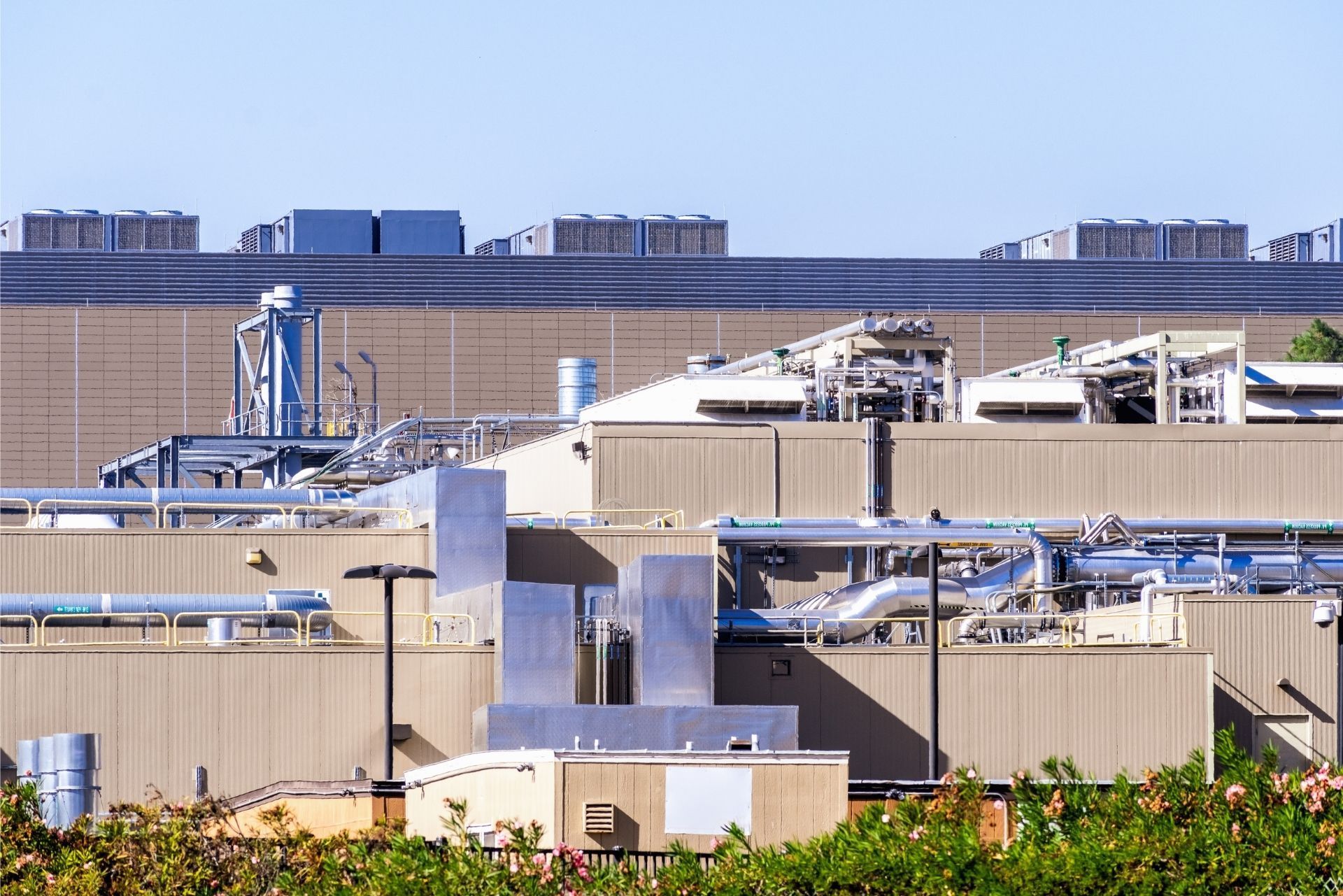
Industry best practices recommend that business owners implement robust risk management and mitigation techniques to protect their industrial facilities. In California, risk mitigation takes on additional importance due to environmental challenges like wildfires and seismic hazards. Proactive steps can yield significant benefits not only in reducing potential property damage, but also in lowering insurance costs.
Implementing comprehensive fire suppression systems is one of the most important measures. Regular maintenance of these systems can prevent small incidents from escalating into large-scale fires. In addition to internal fire response capabilities, industrial sites should maintain clear, accessible emergency plans that include evacuation routes and disaster recovery protocols.
Integrating state-of-the-art security measures also minimizes risk. Secure access control, advanced surveillance systems, and automated alert systems form an essential part of an overall property protection plan. These risk management practices not only protect the physical property but also contribute to more favorable underwriting outcomes from insurers.
The Role of Wildfire Mitigation in Industrial Coverage
California’s wildfire season can pose serious threats to industrial complexes. Fire-prone areas often see increased insurance premiums or even policy non-renewals. However, the application of wildfire risk mitigation strategies has proven effective at reducing potential damage. For example, a related study indicated that wildfire mitigation and home hardening could decrease risk exposure by as much as 70% .
Industrial facilities should consider several proactive measures such as creating defensible spaces, installing fire-resistant building materials, and maintaining updated emergency response systems. Regular site inspections can catch small vulnerabilities before they develop into larger hazards. Aligning with local fire authorities and having access to real-time monitoring systems further reinforces the protective measures in place.
Additionally, engaging with insurers early to discuss what wildfire-specific mitigation efforts can be recognized within the policy may lead to more favorable terms. This dialogue can help adjust coverage parameters to account for effective risk reduction strategies already in place.
Evaluating Underwriting Performance and Its Impact on Premiums
The performance of the U.S. property/casualty insurance industry is an important barometer for industrial property insurance in California. In 2024, the industry achieved a net combined ratio of 96.6-the best underwriting performance seen since 2013 . This implies better risk management and potentially lower premiums for insured businesses.
Improving underwriting performance is often the result of refined risk selection models and increased use of data analytics. These improvements allow insurers to more accurately assess individual property risks. The result is enhanced confidence in policy pricing and renewal decisions, which benefits both insurers and policyholders.
In California, where industrial properties face multi-layered risks, accurately pricing policies is fundamentally linked to the quality of underwriting data. The better an insurer can quantify and mitigate risk, the more stable and competitively priced coverage becomes. This performance indicator also signals a healthy insurance industry that is adapting effectively to changing risk profiles.
Impact of Environmental Liability on Industrial Properties
Environmental liability insurance often plays a supporting role in overall industrial property coverage. As industries strive to reduce their carbon footprints, having environmental liability coverage not only protects against potential contamination claims but may also promote proactive reductions in industrial carbon emissions. Research has shown that environmental liability insurance can contribute to lower emissions, with effects that vary based on regional financial development .
For many California-based industrial operators, meeting increasingly stringent environmental regulations is a top priority. A well-structured environmental liability policy can mitigate risks related to accidental spills or contamination, provide funds for cleanup efforts, and safeguard against reputational harm. This coverage becomes an important add-on in the broader portfolio of industrial property insurance.
Partnerships with certified environmental experts and adopting sustainable practices serve as effective risk reduction techniques. Policies that integrate environmental liability further incentivize companies to implement greener operations. Ultimately, reducing environmental risks leads to a more sustainable business model while potentially lowering insurance premiums through improved risk profiles.
Special Considerations in Structuring Industrial Insurance Policies
Creating a tailored insurance policy for industrial properties in California requires a detailed understanding of both the property in question and the surrounding risks. Policies need to be structured not only to cover physical damage but also to address potential operational losses. Elements such as business interruption, extra expense coverage, and supply chain disruption protection are increasingly part of comprehensive packages available to industrial operators.
Decision makers must also consider potential gaps that might expose the operation to significant losses. A common strategy is to include endorsements that modify standard exclusions-especially for hazards like earthquakes or wildfires that are endemic to the region. The process of customizing coverage starts with an in-depth analysis of the property’s layout, building systems, and operational vulnerabilities.
Insurers often conduct extensive on-site evaluations to understand the risk profile fully. Investments in improved security systems, updated fire suppression mechanisms, and robust maintenance schedules are factors that can be factored into the final terms of coverage. Working closely with insurance advisors who have expertise in California’s industrial market can help expose potential vulnerabilities before they lead to costly claims.
Emerging Trends in Industrial Property Insurance
Industrial building insurance is evolving alongside technological advancements and environmental changes. Technological innovations in building materials, digital risk management tools, and data analytics are reshaping underwriting processes. For example, the advancement in property-level analysis allows insurers to better understand and price risk, opening new markets even in areas that were previously considered too hazardous
Adopting innovative technologies such as real-time monitoring systems and remote diagnostics has also improved the way risks are managed on the ground. These tools not only help in preventing losses but also assist in faster claims processing when incidents occur. As insurers become more adept at integrating these technologies, the overall cost of risk management is likely to decline, passing some savings on to policyholders.
The integration of smart technologies often dovetails with environmental liability initiatives, creating an industrial property insurance ecosystem that is not only responsive to risks but also conducive to sustainable operations.
Market Dynamics and Future Directions
Recent phenomena in the insurance industry point towards a shift in how risk is approached on a national level. With the industry recording its best underwriting performance since 2013 , industrial property insurance policies in California are expected to benefit from more stable underwriting conditions.
Improved data analytics, technological integration, and closer collaboration between insurers and industrial operators will likely shape the future of industrial building insurance. As insurers continue to adopt innovative risk-assessment methods, exposure assessments become more precise, leading to fairer premium calculations. This evolution is particularly significant for California, where environmental factors play a critical role.
Policyholders should also be aware of emerging market trends such as the evolution of FAIR Plan policies. Between 2020 and 2024, the number of homes covered by FAIR Plan policies more than doubled, with total exposure nearly tripling . Similar trends may eventually extend to industrial property insurance as insurers refine their models for handling high-risk areas.
Industry Collaboration and Regulatory Impact
Regulatory bodies and industry associations in California are actively working to address challenges specific to homeowners and industrial property insurance. Reports like the one from the Center for California Real Estate have outlined strategies to address current policy gaps and increasing risk exposures . While these reports are primarily focused on homeowner challenges, much of the guidance is applicable to industrial sectors as well.
Collaboration among regulators, insurers, and property owners has led to enhanced risk mitigation protocols. Proposals from industry groups suggest measures that may include subsidized retrofitting programs, improved disaster response planning, and more flexible endorsements for certain risks. These initiatives aim to stabilize the market and create a more balanced playing field in risk-heavy regions like California.
As policy frameworks adapt, stakeholders can look forward to a more resilient insurance landscape. Embracing regulatory changes early will help businesses minimize exposure and optimize their coverage options in a competitive marketplace.
Tailoring Industrial Property Insurance for Business Needs
Customized coverage is key when it comes to industrial property insurance. Off-the-shelf policies rarely provide the exact protection needed for complex industrial operations, particularly in areas where risks are compounded by environmental or operational challenges. Companies should consider a hybrid approach that blends standard coverage elements with specialized endorsements addressing their unique risks.
The process begins with a thorough risk assessment that considers building age, maintenance records, location-specific hazards, and operational hazards. Many insurers now offer customizable packages that can be tailored to the specific industrial processes and risk profiles of a business. Consulting with insurance experts who have a deep understanding of both industrial operations and regional risk factors is often advisable.
Policyholders should also review future business plans. Expansion, the acquisition of new equipment, or shifts in production methodology can all affect risk profiles. An annual review of the coverage that takes these changes into account may lead to modifications in policy terms, ensuring that the insurance remains current with the evolving needs of a business. Such proactive measures can result in reduced downtime and lower overall risk exposure when an incident occurs.
Comparing Coverage Options: A Side-by-Side Look
Industrial facility managers often compare policies to secure the most comprehensive protection at the best price. To simplify this process, providing a side-by-side comparison of coverage options can help highlight the differences and benefits.
| Coverage Type | Standard Policy Features | Enhanced/Customized Options |
|---|---|---|
| Property Damage | Basic fire, storm, and vandalism coverage | Includes earthquake, wildfire endorsements, and equipment breakdown |
| Business Interruption | Standard downtime coverage | Extra expense coverage and permanent business interruption options |
| Liability Coverage | General liability protection | Environmental and product liability endorsements |
| Risk Mitigation | Risk Mitigation | Advanced property-level analysis with recommended mitigation strategies |
This comparison highlights the elements crucial to making an informed decision about industrial property insurance paired with specialized endorsements. The table underscores that a tailored approach often yields the most comprehensive protection while balancing premium costs.
By using comparison charts, industrial operations managers are better equipped to understand the balance between coverage limits and potential exclusions. They can identify deficiencies in standard packages and negotiate additional coverage where needed.
The Future of Industrial Property Insurance in California
Looking ahead, the industrial insurance landscape in California is expected to continue evolving with technology integration and adaptive risk management practices. Insurers are increasingly focused on harnessing advanced data analytics, which promises to refine underwriting practices further and enable more accurate pricing models. These enhancements may result in reduced premium volatility and improved customer satisfaction over time.
Industry experts predict that as insurers further integrate technology into claims and risk management processes, the overall administrative expense will decline. This transition is anticipated to support better pricing for policyholders while ensuring faster response times during claims processing.
Regulatory developments coupled with increased collaboration among insurers, regulators, and industrial operators suggest that innovative practices will drive the future of industrial property insurance. Stakeholders who adopt proactive risk management, invest in mitigation strategies, and maintain open lines of communication with insurers will be better positioned to navigate a landscape of increasing complexity.
Key Strategies to Prepare for Future Market Shifts
Industry stakeholders are encouraged to stay abreast of regulatory updates, technology trends, and shifts in underwriting practices. Continuous improvement in internal risk assessments and regular policy reviews can help companies adapt as market conditions change. Embracing digital tools to monitor real-time property conditions and leveraging insurance data analytics are strategies that can create a competitive edge.
For industrial businesses, operational resilience is not just about physical protection; it is a strategic initiative that supports long-term sustainability. Establishing close relationships with industry experts and regulatory bodies ensures that policies remain aligned with the latest best practices. This proactive approach ultimately results in more favorable terms and broader coverage options as the industry evolves.
As California continues to lead the way in both industrial innovation and risk management, forward-looking businesses will benefit from staying informed on market trends and adjusting their policies to address future risks effectively. Strategic partners and expert advisors play a key role in this process, contributing essential insights into emerging risks and tailored coverage solutions.
Frequently Asked Questions
This FAQ section addresses common inquiries related to industrial property insurance in California, helping stakeholders get a quick understanding of the main issues likely to affect their coverage options.
Q: Why is industrial property insurance crucial for California-based businesses?
A: The policy covers significant risks such as natural disasters, wildfire damage, and equipment breakdown, protecting valuable assets and ensuring business continuity.
Q: What differentiates a standard policy from an enhanced industrial property policy?
A: Enhanced policies provide broader coverage, including endorsements for wildfire, earthquake, and business interruption-which are particularly important in risk-prone regions like California.
Q: How do wildfire mitigation strategies affect insurance premiums?
A: Proactive measures, such as structural upgrades and landscape modifications, can reduce risk exposure by up to 70%, leading to better underwriting results and lower premiums .
Q: What role does technological innovation play in industrial property insurance?
A: Innovations in data analytics and real-time monitoring improve risk evaluations, support better claims handling, and provide more stable underwriting performance over time.
Q: Are there specific environmental liability components included with industrial insurance policies?
A: Yes, many policies now offer environmental liability coverage that can mitigate risks related to contamination and accidental spills, aiding in overall risk management .
Q: How important is policy customization for industrial operators?
A: Customization is essential because off-the-shelf policies may not address the unique operational and environmental risks specific to industrial buildings in California.
Wrapping Things Up
Industrial property insurance for California-based operations is complex but indispensable. The evolving risk landscape, marked by environmental challenges and rapid technological change, calls for tailored coverage that addresses both physical and operational risks. Business leaders must engage with insurers who utilize advanced risk analytical tools and provide proactive recommendations to have the most robust protection for their assets.
Industry performance indicators, such as a net combined ratio of 96.6 achieved in 2024 , underscore the progress made in underwriting practices. As insurers continue to refine their models and policyholders adopt advanced mitigation measures, the future appears promising for industrial property insurance in California.
Business owners should keep their policies under regular review, adapt to shifting market trends, and invest in preventive measures. A proactive, informed approach will prove invaluable in managing risks and ensuring long-term operational resilience.
For those seeking a robust understanding of industrial property insurance in California, this guide outlines the key elements, from risk mitigation strategies to regulatory impacts, providing insights to secure industrial assets in a challenging landscape. Staying educated on these trends and collaborating closely with knowledgeable insurance professionals is more important now than ever.
ABOUT THE AUTHOR:
JENNIFER ROBERTS
Jennifer Roberts supports business clients with commercial insurance service and account coordination. She works closely with clients to explain coverage details clearly and guide them through policy updates that support business needs.
Jennifer believes strong organization and clear communication are key to reliable service. She stays involved throughout the policy process, from documentation to ongoing updates, and focuses on maintaining accurate and dependable client accounts.
Contact Us

Service that stays with you.
Our team helps simplify insurance decisions for families and businesses. We focus on clear explanations, fast responses, and dependable service. You can count on us for help with coverage questions, updates, and long-term support.
Coverage that keeps you secure
Reliable Protection for Everyday Life
Home insurance helps protect your house, personal belongings, and liability risks. We explain coverage options clearly so you know what your policy includes.
Auto insurance provides protection for accidents, liability, and vehicle damage. We help you compare options so you can choose coverage that fits your driving needs.
Motorcycle insurance provides coverage for riders and their bikes. We help you select options that match how and where you ride.
RV insurance supports protection for motorhomes and recreational vehicles. Coverage applies during travel and while parked.
Coverage Built for Contractors and Trades
Support that keeps your work moving.

General Liability Insurance
General liability insurance helps protect contractors from injury and property damage claims. It supports jobsite requirements and contracts.

Workers Compensation
Workers compensation insurance helps protect employees injured while working. It also supports compliance with state requirements.

Commercial Auto Insurance
Commercial auto insurance provides coverage for work vehicles used on jobsites. It helps protect drivers and company vehicles.
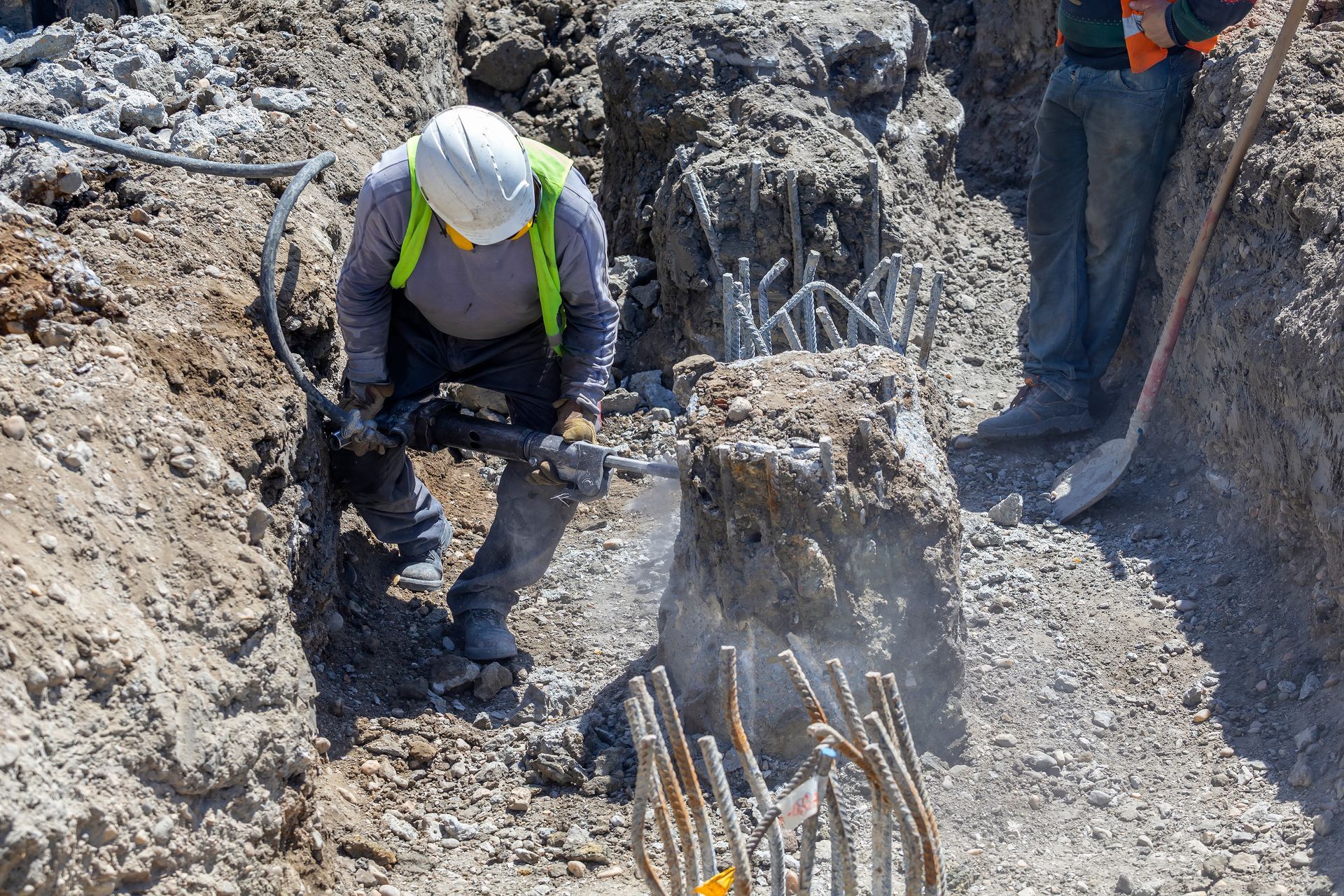
Contractor Insurance
Contractor insurance supports trades and service professionals across Southern California. It helps protect tools, equipment, and daily operations.

Cyber Liability Insurance
Cyber liability insurance helps protect business data and customer information. It supports recovery from digital incidents.

Commercial Property Insurance
Commercial property insurance helps protect offices, shops, and equipment. It supports recovery after covered damage.
Coverage Built for Specialized Work
Support for high-risk and service-driven industries.
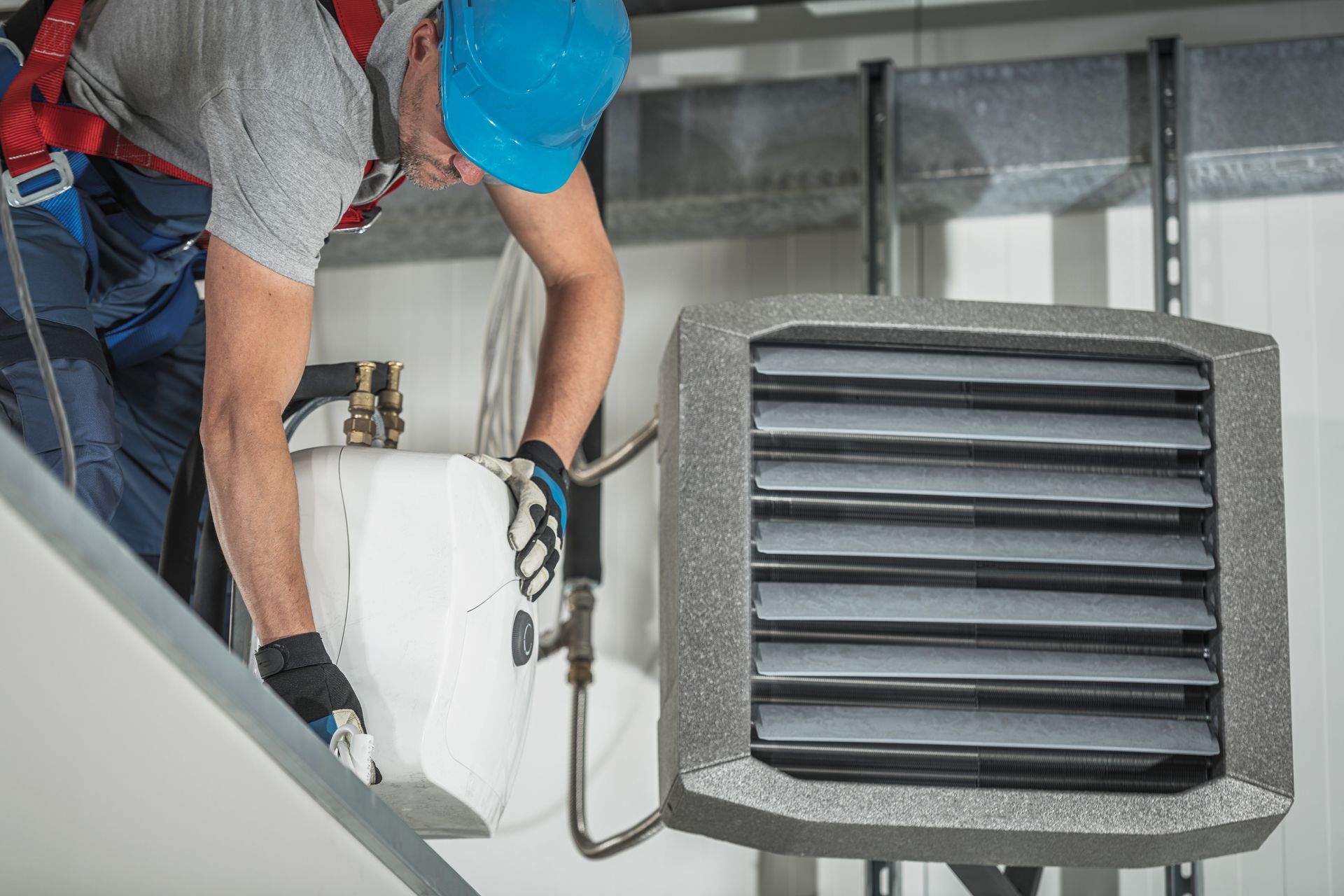

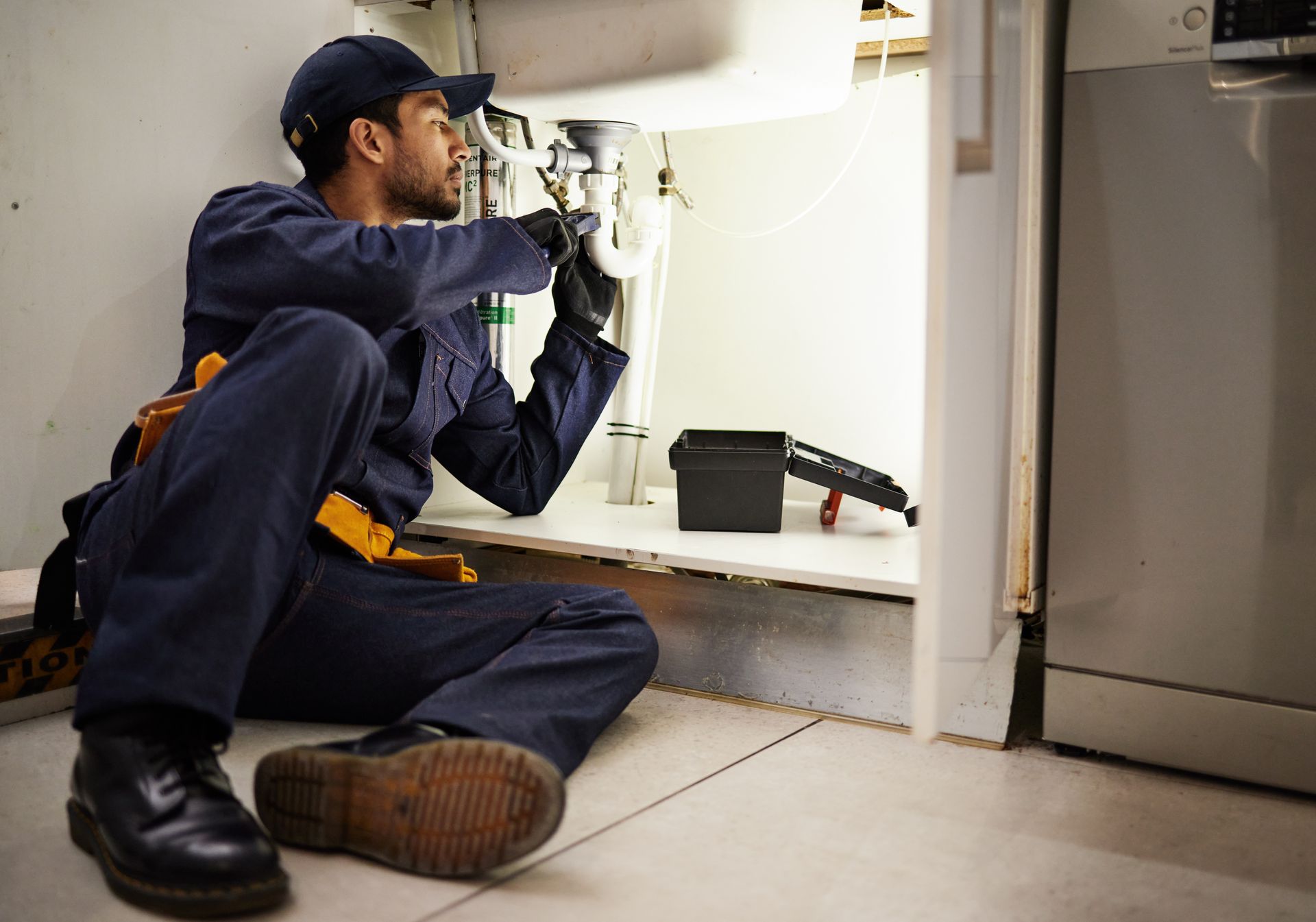
Simple Steps Supported by Steady Guidance
A Clear Path to Coverage
Trusted by Clients Across Southern California
Clear service backed by real experiences.
Answers to Common Questions.
Clear explanations to guide your decisions.
How do I know which insurance policy is right for me?
We compare coverage options from multiple carriers to help you see differences in protection and price. You can review clear details and ask questions so you understand what each policy covers. Our team guides you step by step so you feel sure about your decision.
What factors affect my auto insurance premium?
Auto insurance premiums are influenced by your driving history, age, location, vehicle type, and coverage choices. A clean driving record and good safety features can help lower costs. We review these factors with you and help find coverage that fits your budget and needs.
Does homeowners insurance cover all types of damage?
Standard homeowners insurance protects your structure, personal belongings, liability, and additional living expenses in many cases. However, it usually does not include flood or earthquake damage without separate policies. We help you decide if extra coverage is right for your home and location.
Can I update my policy or get certificates online?
Yes. You can submit requests for policy changes and certificates through our online service form at any time. Our team processes those requests quickly and confirms updates once complete so you have the documents you need.
Do I need separate insurance for business risks like EPLI or E&O?
Yes. General liability and workers compensation cover many business risks but do not protect against all exposures. For example, Employment Practices Liability Insurance (EPLI) covers claims like wrongful termination or discrimination, and Errors & Omissions (E&O) covers claims based on mistakes in professional services. We help you identify which extra policies your business may need.
What happens if I need to file a claim?
If you need to file a claim, we guide you through the process and help you contact the insurance carrier. We explain what information you should provide, answer your questions, and stay available while the carrier reviews your claim. This support helps you move forward with confidence.
Contact Us