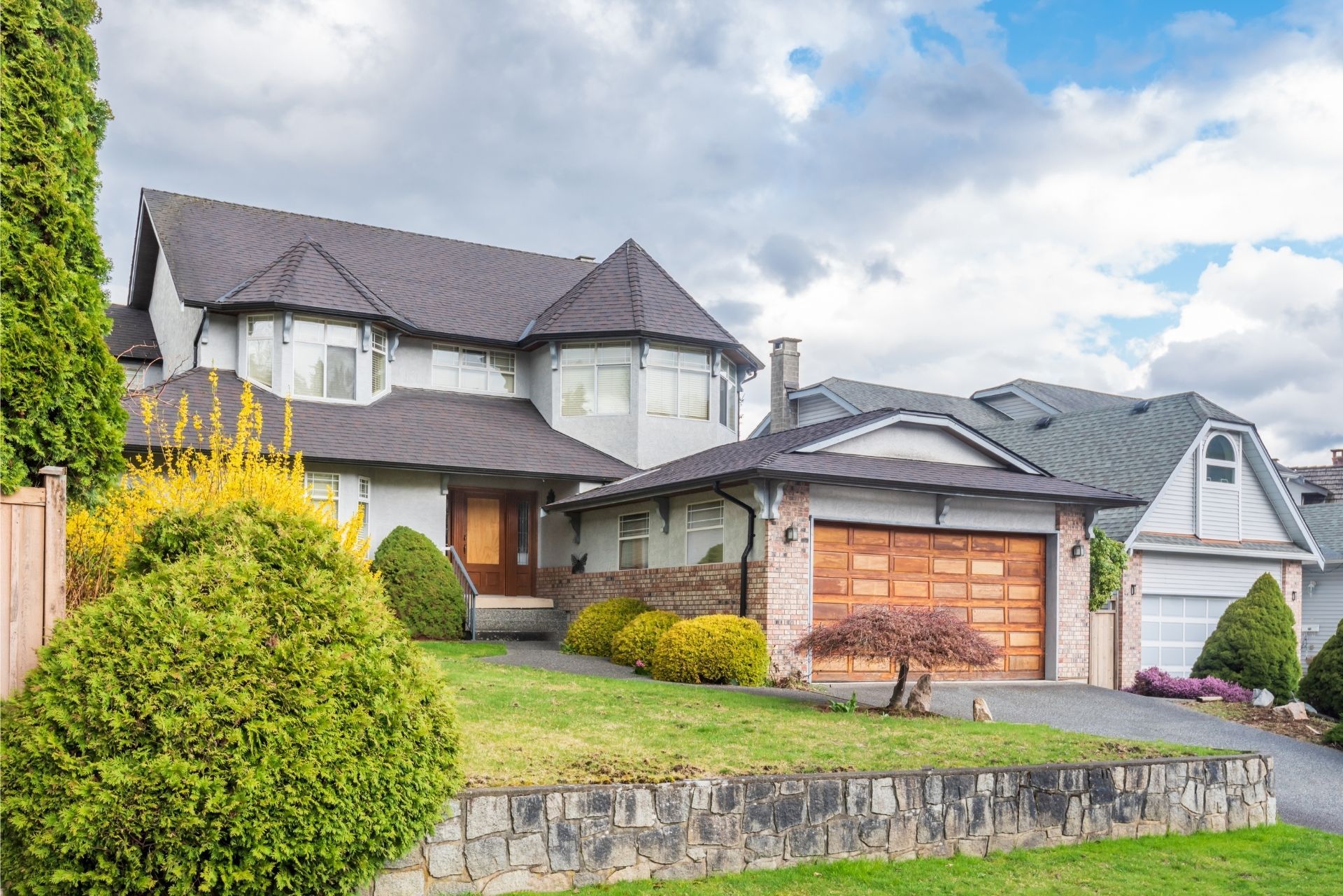
Finding reliable home insurance in Corona, CA can feel like navigating a maze filled with shifting guidelines and regional risk factors. High-risk areas and evolving wildfire models significantly impact the policies available to homeowners. A look at recent trends shows that insurance is being recalibrated for progressive changes and fiercely discussed challenges. For example, California insurers have exhibited a negative underwriting profit compared to the rest of the nation (Independent Institute study), engendering stricter underwriting and revised regulations.
The market in Corona is no exception. Homeowners in the region are keen to understand how climatic shifts, wildfire risk, and regulatory changes affect coverage options. Given this context, it helps to dive into what specific factors shape home insurance terms for Corona residents and how these shifts can impact policy premiums and availability.
Understanding the Market Dynamics in Corona, CA
One of the primary factors influencing the insurance landscape in California is the challenging underwriting climate. Between 2012 and 2021, California insurers reported an average direct underwriting loss of -13.1% compared with the national average, forcing companies to reassess risk models and pricing strategies (Independent Institute). This dynamic is crucial in Corona, where insurers must balance risk exposure against the region’s unique demand for coverage.
Complex models that factor in increasing wildfire risks are double-edged swords. Adjustments made by the California Department of Insurance aim to minimize gaps in coverage, particularly in areas with high wildfire exposure. These changes have led to a rethinking of underwriting metrics and pricing systems that are more reflective of actual risks faced by homeowners.
Innovative forward-looking wildfire catastrophe models, for instance, are implemented to close coverage gaps statewide. With the state recently completing its review of the first such model, residents in Corona can expect adjustments in premium structures and eligibility criteria (California Department of Insurance). These measures are designed to prepare both insurers and policyholders for the increasing frequency of natural disasters.

By: Larry Scott
Personal Insurance Agent at Caruso Insurance Services
The Impact of Regulatory Changes on Home Insurance
Home insurance is heavily influenced by state policies that aim to stabilize the market while ensuring consumers receive necessary protections. In December 2024, the California Department of Insurance instituted a regulation that calls for insurers to boost coverage in high-risk areas by 5% every two years until they hit an 85% market share. This directive was introduced to address the imbalance between supply and demand in risky zones.
Such mandates not only compel insurers to adjust their portfolios but also impact premium calculations in Corona. Increased coverage rates may provide more widespread access to policies but with a potentially steeper cost for homeowners. Balancing these scales is critical for both new buyers and long-standing residents who are already facing challenges in securing affordable insurance.
Another noteworthy recommendation comes from the Little Hoover Commission’s report in November 2024. The report advises reforms that include public oversight of catastrophe modeling and incorporating mitigation efforts in underwriting models (Little Hoover Commission). These reforms indicate a deliberate move towards transparency and improved accuracy in risk assessment.
Wildfire Risk and Insurance Premiums in Corona
Wildfire risk remains one of the most significant concerns for homeowners in Corona and across California. As wildfire exposure grows, so do the challenges faced by insurers. By September 2024, the California FAIR Plan’s exposure to residential wildfire risk had ballooned by nearly 60% compared with the previous year, reaching an estimated $431.45 billion (Axios).
This spike impacts premiums and even availability of coverage. Providers are forced to incorporate these escalated risks into their calculations. Homeowners sometimes see steep premium hikes as companies recoup projected losses and potential claims. Also, in areas like Corona, where wildfire risk is particularly acute, securing a competitive plan becomes more complicated.
The reviewed forward-looking wildfire catastrophe model plays an essential role here. It invites insurers to reframe their strategies, enabling a more nuanced and geographic-specific understanding of risk. For Corona residents striving for the right balance between cost and coverage, these measures can result in smarter, if sometimes more expensive, policy options.
Integrating Mitigation Efforts into Underwriting
Local mitigation efforts have become increasingly relevant in underwriting strategies. Many policies now factor in the resilience of a property, which includes defensible space and the use of fire-resistant materials. Homeowners who invest in such improvements might notice more favorable rates or even a broader range of coverage options.
Efforts to lower exposure to risk yield benefits at both individual and community levels. Strategically planned mitigation can reduce claim frequencies and severity, encouraging insurers to offer better terms over time. Despite these advancements, a clear understanding and verification process remain essential for homeowners.
This integration of mitigation into underwriting models is reflected in broader state recommendations. These efforts, as advised by various industry reports, underline a shift towards reward-based practices that favor prevention over post-disaster compensation.
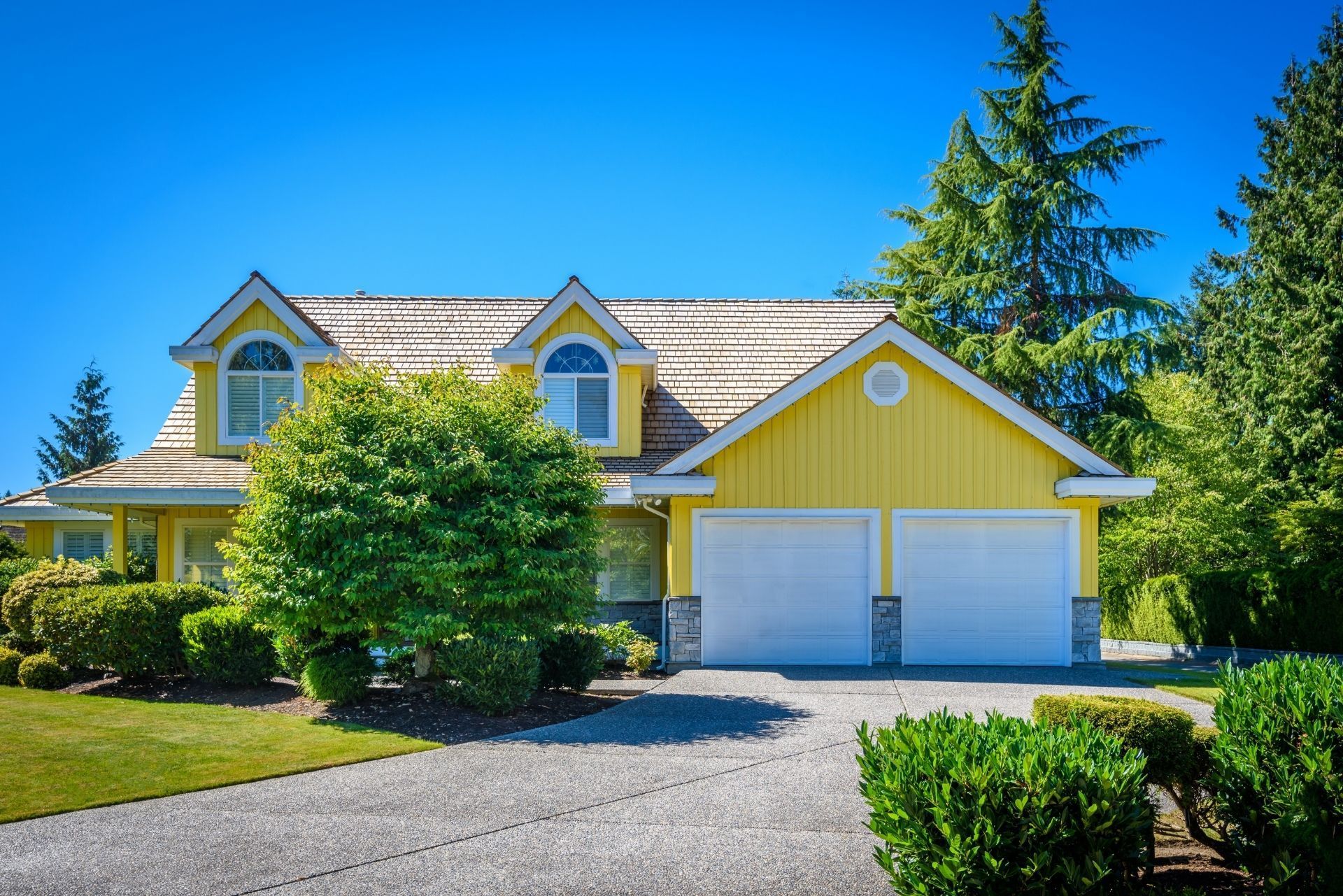
One daunting statistic stands out: more than 100,000 California homeowners lost coverage between 2019 and 2024 following carrier exits and nonrenewals (McKinsey & Company). Corona has felt the ripple effects, with several residents facing uncertainty while shopping for a policy.
This trend is partly a result of the heightened risk environment and the ensuing financial strain on insurance companies. As companies cut back exposure in volatile regions, the market sees a concentration of risk among fewer carriers. This scenario often leads to increased premium costs and limited options for policyholders.
The situation has prompted calls for regulatory reform and more robust public oversight. With structured initiatives like increasing coverage requirements and advancing catastrophe models, the industry aims to refresh its approach. However, these changes require time to translate into practical improvements for those seeking stable, affordable coverage in Corona.
Survey Insights on Coverage Affordability
A recent survey by Kin Insurance highlighted that 60% of California homeowners have struggled to find affordable home insurance over the past three years (Kin Insurance survey). Such a statistic resonates deeply in markets where economic shifts and natural hazards converge.
This insight sheds light on the pressures exerted on pricing and policy availability. Homeowners must navigate a changing landscape while being mindful of policy specifics and potential exclusions. The struggle to find affordable coverage calls for improved communication between insurers and consumers, potentially encouraging enhanced risk assessment models.
It is clear that as carriers exit, remaining insurers need to strike a delicate balance between offering accessible coverage and managing escalating risks in high-threat regions like Corona.
Practical Steps for Corona Homeowners
For those residing in Corona, strategically evaluating your home insurance needs is imperative. Start by investigating policies that clearly articulate coverage details around wildfire and natural disaster risks. Review your current property condition to identify areas for mitigation-this may include shredding vegetation, installing fire-resistant roofing, or updating security features to lower claim risks.
Engage multiple insurers to compare potential discounts for verified mitigation efforts and to ensure you’re obtaining a policy that aligns with personal risk tolerance as well as financial comfort. Consumer advocacy groups and industry experts have stressed that a well-documented risk management strategy can lead to lower insurance premiums over time.
With ongoing regulatory and market shifts, staying informed about updated guidelines and offerings is crucial. Attending local community meetings or following state insurance department updates can keep you in tune with upcoming changes that might benefit you directly.
Evaluating Policy Specifics and Coverage Levels
In the current wave of regulatory changes, scrutinizing policy terms is more essential than ever. Homeowners should pay close attention to details like deductibles, exclusions, and endorsements that may affect claims in high-risk scenarios. Checking whether your policy includes provisions for wildfire-specific losses or if there are separate endorsements for hazards can make a significant difference when disasters strike.
Some insurers now incorporate mitigation measures into underwriting, so policies might offer better rates or additional discounts for homes that meet certain safety standards. This can result in a more comprehensive approach that not only protects homes but also incentivizes residents to adopt safer building practices. The evolving underwriting model is a clear signal that insurance policies in Corona are being tailored more precisely to reflect modern risks and proactive defenses.
Homeowners are encouraged to consult with independent insurance advisors who understand both the local market and state regulatory requirements. Doing so can help in understanding how nuanced factors such as property age, local fire history, and building materials can influence coverage terms.
Data Insights: A Comparative Look at Coverage Options
To better appreciate the complexities in home insurance pricing, a side-by-side comparison of basic versus extended coverage options can be invaluable. That said, understanding the benefits of each kind raises awareness about tailored offerings designed to meet the unique needs of Corona homeowners.
The table below provides a clear breakdown of coverage aspects typically found in basic and extended policies. It considers factors like deductible amounts, coverage for natural disasters, liability limits, and extra endorsements for wildfire damage. Local market trends, such as higher risk exposure in wildfire-prone areas, often push homeowners toward opting for extended coverage, even though it comes at a premium.
This type of practical comparison helps demystify how specific policy aspects interact with local risk factors, guiding homeowners towards informed decisions that offer both financial and physical protection.
| Coverage Aspect | Basic Coverage | Extended Coverage |
|---|---|---|
| Deductible | Standard deductible, often higher | Lower or flexible deductible options |
| Disaster Protection | Limited protection for wildfire events | Enhanced wildfire and natural disaster coverage |
| Liability Limits | Moderate limits suitable for standard claims | Higher limits and additional endorsements |
| Mitigation Discounts | Generally available, but minimal | Significant discounts for verified safety upgrades |
This table underscores the importance of aligning coverage levels with one’s risk profile. In a volatile market like Corona, understanding these distinctions is essential for selecting a policy that delivers optimal protection without stretching budgets.
Tailoring Coverage to Meet Personal Needs
The key to effective home insurance lies in customizing policies to fit individual circumstances. In Corona, homeowners often deal with a blend of urban and semi-rural environments, each coming with its own set of challenges. Assessing personal property risks-like proximity to wildfire zones or exposure to environmental hazards-is the first step in tailoring coverage.
Policies can be modified by adding endorsements or riders that cover particular risks not covered under standard terms. For instance, extra coverage for personal belongings during a natural disaster or a supplemental plan for specialty items might be necessary. By carefully reading policy details, choices can be made to ensure that gaps in coverage are minimized.
With heavy reporting on carrier exits and nonrenewal trends, adapting your policy to include comprehensive risk management options is not just prudent but essential. Ensuring your policy reflects your exact scenario can significantly enhance the level of comfort and security your insurance provides.
Local Resources and Practical Advice
Many local agencies and independent advisors offer workshops that guide homeowners through the intricacies of insurance choices in Corona. These sessions address common questions such as, “How can I reduce my premiums without compromising coverage?” and highlight mitigation investments that yield long-term benefits. Such resources have proven invaluable, especially when decisions need to be tailored based on detailed local risk assessments.
Homeowners benefit from community networking by sharing knowledge on what works best for properties in similar wildfire-prone or flood-vulnerable areas. By leveraging experiences from neighbors and local experts, the process of selecting a policy becomes less daunting, ensuring coverage meets the realities of Corona’s unique challenges.
Reliable information stands as the pillar of making smart choices. Instead of relying solely on taste or hearsay, verifying recommendations through trusted outlets like state insurance updates or surveys conducted by established industry analysts is critical.
What the Future Holds for Insurance in Corona
Recent developments suggest that the regulatory and modeling changes being implemented in California will gradually reshape the risks faced by homeowners. With the first forward-looking wildfire catastrophe model completed in July 2025 (California Department of Insurance), the insurance market is poised to adapt along with evolving environmental risks.
Policyholders in Corona may witness a gradual improvement in the predictability of their premiums as advanced modeling refines risk assessment. Although the market remains volatile, these advancements in regulatory oversight and mitigation-inspired underwriting offer hope for more stable rates and improved coverage quality in the long term.
While adjustments may lead to higher upfront costs, they also push insurers to adopt a more balanced approach focused on overall long-term resilience. Keeping abreast of such changes will allow homeowners to adjust their coverage strategies proactively, ensuring their investments remain protected.
Preparing for Change
Homeowners are advised to periodically review their insurance needs, particularly as new regulations come into effect. While proactive policy updates can seem cumbersome, doing so reinforces that insurance is not just a static purchase but a living document that should evolve alongside personal and regional changes.
Regular engagement with local insurance forums, state updates, and scheduled reviews with trusted advisors can provide strategic insights at a time when risk factors, such as wildfire exposures and regulatory shifts, continue to transform the market.
This proactive approach has steadily emerged as a key theme in securing reliable coverage, creating a forward-looking strategy that matches both the pace of regulatory changes and the increasing complexity of risk in Corona.
Frequently Asked Questions about Home Insurance in Corona, CA
Below are some common questions homeowners might ask when navigating the complexities of home insurance, paired with clear and concise answers that address the essentials.
Q: What should a Corona homeowner look for when shopping for home insurance?
A: It is important to evaluate policy details including wildfire protection, mitigation discounts, exclusions, and any extra endorsements needed for local risks. Comparison of available plans helps in choosing one that best meets both the risk profile and budget.
Q: How do wildfire risks affect my premium in Corona?
A: Wildfire risks typically lead to increased premiums due to higher claim potentials. Regulations and updated catastrophe models are starting to factor these risks more accurately, which can eventually result in refined premium structures based on mitigation efforts.
Q: Can I lower my insurance costs through property improvements?
A: Yes. Home improvements such as installing fire-resistant roofing or creating defensible space can lead to mitigation discounts and lower premiums over time by reducing the assessed risk.
Q: What impact do regulatory changes have on insurance availability in Corona?
A: Regulatory changes, including mandated increases in coverage for high-risk areas, can lead to changes in premium structures and policy offerings, ensuring more comprehensive coverage but requiring careful comparison of options.
Q: How often should I review my home insurance policy?
A: It is advisable to review your policy annually or after any major property improvements or changes in local risk factors, ensuring that the adjustment of coverage is aligned with current needs.
Q: What steps can I take if my current insurer does not offer adequate coverage for my risk levels?
A: Begin by discussing mitigation strategies with your insurer and comparing quotes from multiple providers. Keeping informed about new regulations and available endorsements can also open up more tailored insurance options.
Final Thoughts for Corona Homeowners
Amidst changing climate conditions and evolving underwriting models, Corona homeowners should see insurance as a dynamic tool that needs periodic fine-tuning. Maintaining a balance between comprehensive coverage and affordability remains a common challenge. Recent statistical data and policy shifts, like the mandated increase in coverage for high-risk areas (Associated Press), signal a move towards sustainable resilience in the face of new environmental threats.
The importance of staying well-informed about ongoing market reforms and proactive local measures cannot be overstated. For Corona residents, actively updating their policies with the latest risk assessments and mandatory coverage tweaks is essential for long-term stability. A strategic, researched approach to home insurance not only protects physical assets but also offers peace of mind in uncertain times.
Homeowners should remain engaged with local policy updates, peer advice, and professional guidance. Such engagement offers the best approach to ensure that every policy reflects current risk levels and community standards. The forward momentum in regulatory approaches and enhanced modeling techniques promises that in time, coverage will become more responsive and customized for areas like Corona.
ABOUT THE AUTHOR:
LARRY SCOTT
Hello! My name is Larry Scott. I have been in the insurance industry for 21+ years, with a background in Personal, Commercial, and Bonding. I support Caruso Insurance’s goal of providing convenient and competitive insurance coverage for our clients by focusing on each client’s individual needs. I am dedicated to continuing education and staying up to date with technology in the forever changing insurance world. I am a family man and enjoy any time I get to spend with my kids. I love cooking and drinking wine.
Contact Us

Service that stays with you.
Our team helps simplify insurance decisions for families and businesses. We focus on clear explanations, fast responses, and dependable service. You can count on us for help with coverage questions, updates, and long-term support.
Coverage that keeps you secure
Reliable Protection for Everyday Life
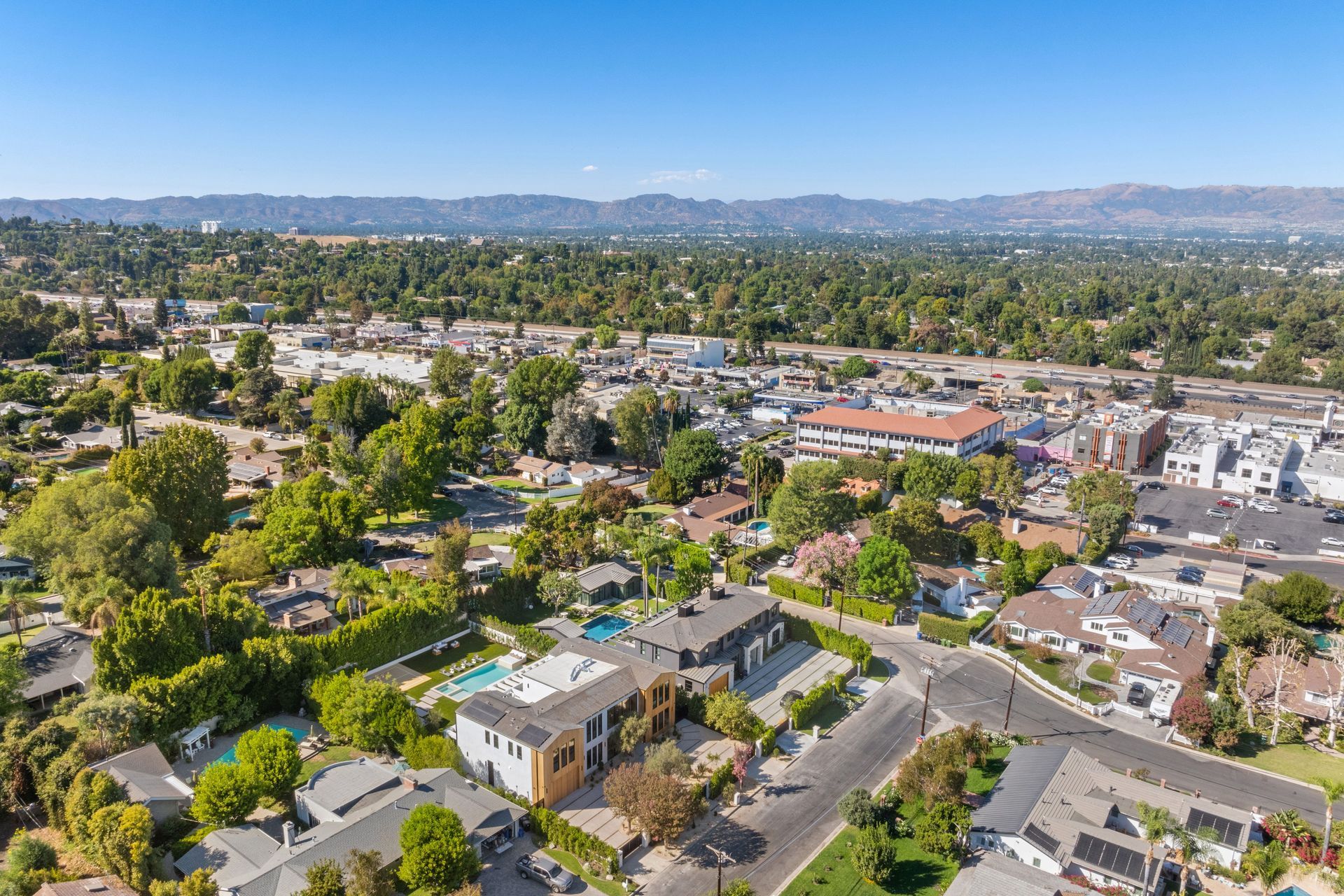
Home insurance helps protect your house, personal belongings, and liability risks. We explain coverage options clearly so you know what your policy includes.
Auto insurance provides protection for accidents, liability, and vehicle damage. We help you compare options so you can choose coverage that fits your driving needs.
Motorcycle insurance provides coverage for riders and their bikes. We help you select options that match how and where you ride.
RV insurance supports protection for motorhomes and recreational vehicles. Coverage applies during travel and while parked.
Coverage Built for Contractors and Trades
Support that keeps your work moving.

General Liability Insurance
General liability insurance helps protect contractors from injury and property damage claims. It supports jobsite requirements and contracts.

Workers Compensation
Workers compensation insurance helps protect employees injured while working. It also supports compliance with state requirements.

Commercial Auto Insurance
Commercial auto insurance provides coverage for work vehicles used on jobsites. It helps protect drivers and company vehicles.
Contractor Insurance
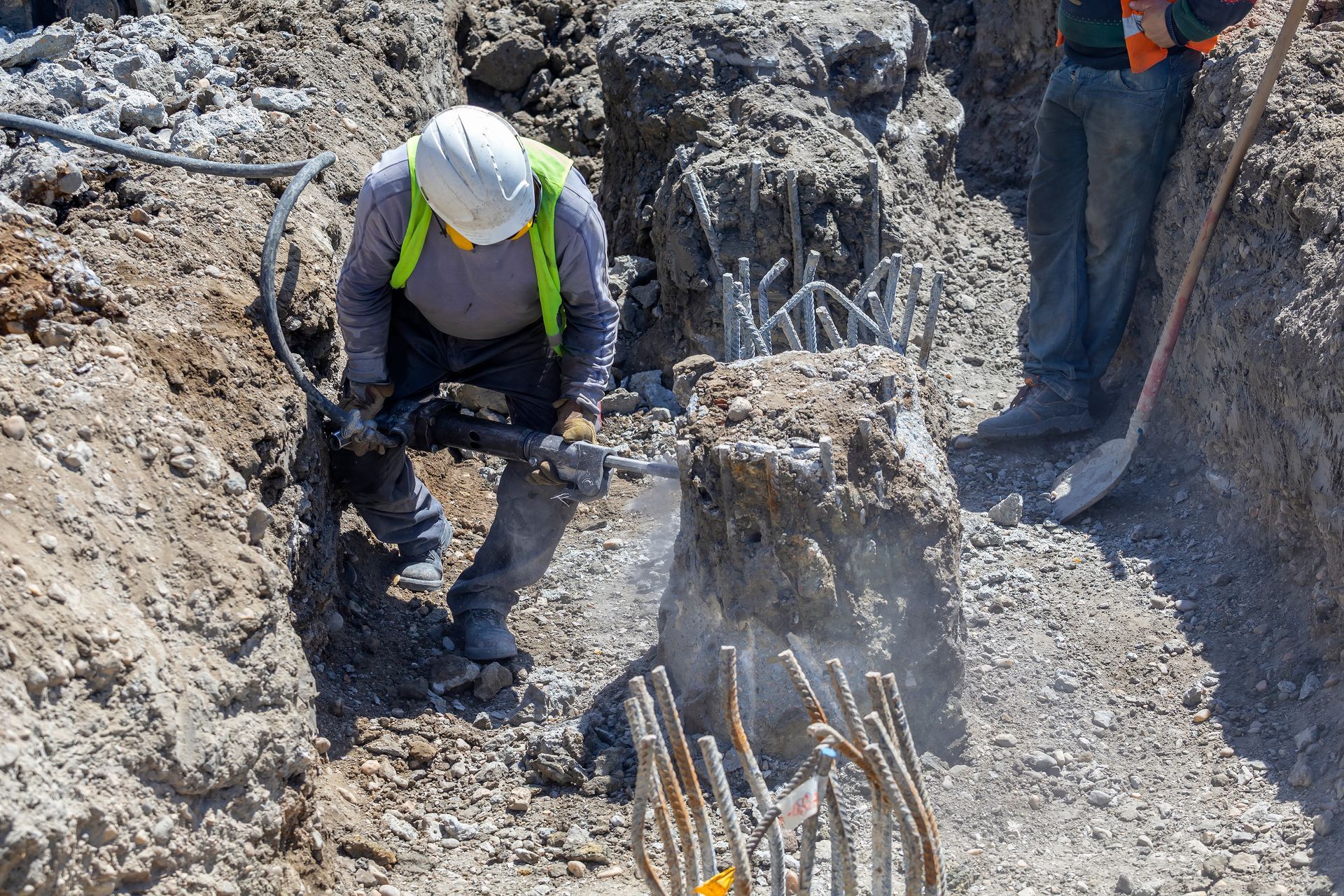
Contractor insurance supports trades and service professionals across Southern California. It helps protect tools, equipment, and daily operations.

Cyber Liability Insurance
Cyber liability insurance helps protect business data and customer information. It supports recovery from digital incidents.

Commercial Property Insurance
Commercial property insurance helps protect offices, shops, and equipment. It supports recovery after covered damage.
Coverage Built for Specialized Work
Support for high-risk and service-driven industries.



Simple Steps Supported by Steady Guidance
A Clear Path to Coverage
Trusted by Clients Across Southern California
Clear service backed by real experiences.
Answers to Common Questions.
Clear explanations to guide your decisions.
How do I know which insurance policy is right for me?
We compare coverage options from multiple carriers to help you see differences in protection and price. You can review clear details and ask questions so you understand what each policy covers. Our team guides you step by step so you feel sure about your decision.
What factors affect my auto insurance premium?
Auto insurance premiums are influenced by your driving history, age, location, vehicle type, and coverage choices. A clean driving record and good safety features can help lower costs. We review these factors with you and help find coverage that fits your budget and needs.
Does homeowners insurance cover all types of damage?
Standard homeowners insurance protects your structure, personal belongings, liability, and additional living expenses in many cases. However, it usually does not include flood or earthquake damage without separate policies. We help you decide if extra coverage is right for your home and location.
Can I update my policy or get certificates online?
Yes. You can submit requests for policy changes and certificates through our online service form at any time. Our team processes those requests quickly and confirms updates once complete so you have the documents you need.
Do I need separate insurance for business risks like EPLI or E&O?
Yes. General liability and workers compensation cover many business risks but do not protect against all exposures. For example, Employment Practices Liability Insurance (EPLI) covers claims like wrongful termination or discrimination, and Errors & Omissions (E&O) covers claims based on mistakes in professional services. We help you identify which extra policies your business may need.
What happens if I need to file a claim?
If you need to file a claim, we guide you through the process and help you contact the insurance carrier. We explain what information you should provide, answer your questions, and stay available while the carrier reviews your claim. This support helps you move forward with confidence.
Contact Us