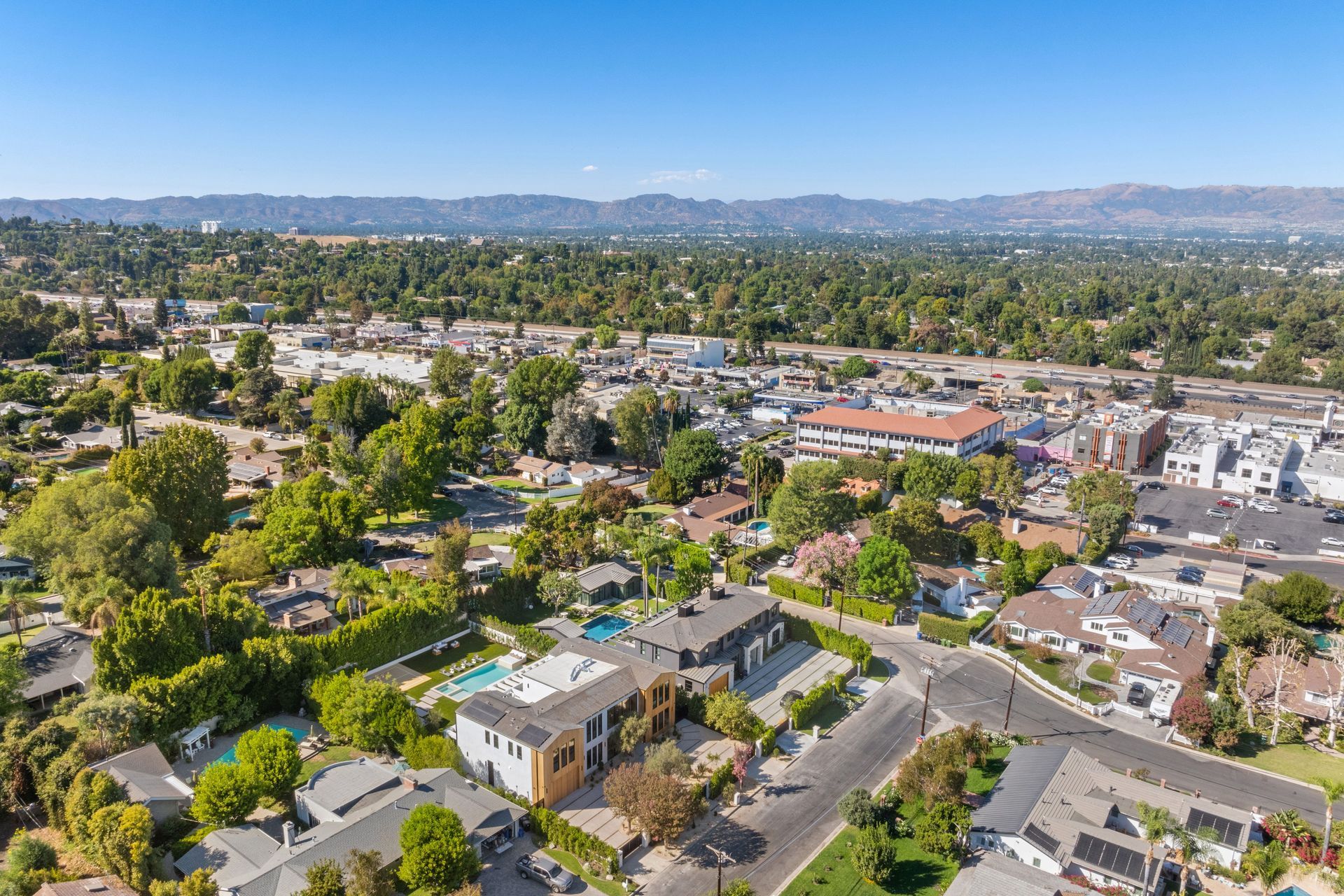
California’s unique blend of innovation in custom home design and a challenging insurance environment has made coverage a critical factor for builders. Custom home construction presents distinct risks that call for tailored policies. With over half of California homeowners experiencing hurdles in obtaining affordable insurance according to a recent Kin Insurance survey, the conversation around specialized builder coverage is both timely and necessary.
The local market is in flux. Climate-related events, seismic risks, and regulatory pressures are complicating the equation even further. Lenders, developers, and custom builders all find themselves navigating an evolving landscape that requires agility, insight, and preparedness.
This guide dives into the challenges, evolving industry trends, and actionable advice specific to custom home builders throughout California. It also explains how tailored insurance solutions can provide stability, protect investments, and enhance project resilience.
Understanding the Insurance Landscape for Custom Home Builders
Custom home projects demand more than standard homeowner insurance. Builders need policies that account for intricate construction phases, compliance requirements, and the unique risks associated with bespoke designs. While traditional homeowners insurance covers many residential risks, challenges specific to construction need separate attention.
Local data paints a clear picture: about 60% of California homeowners have encountered difficulties in securing affordable home insurance over the last few years (Kin Insurance). This statistic underlines broader pricing pressures in the market, a dilemma that custom builders face head-on.
Insurance providers are forced to adjust their risk models. For builders, this means premiums are often aligned more with construction risks, regulatory compliance, and the unpredictability of California’s natural disasters. Even subtle changes in underwriting criteria or catastrophe modeling can have significant impacts on policy pricing and availability.


By: Patrick Caruso
President of Caruso Insurance Services
Market Challenges and Rising Insurance Costs
The implications of high-risk areas in California extend beyond individual homeowner challenges. Insurance companies are increasingly adjusting premium costs as they look to balance risk across broader geographical areas. There is a cost-sharing issue at hand, as noted by industry experts. David Russell from the CSU Northridge Center for Risk Management and Insurance explained, "In high-risk areas, to be able to afford to insure, they're going to have to raise the premium on someone else" (PR Newswire).
Recent proposals, such as the California FAIR Plan’s submission to hike rates by an average of more than 35% beginning spring 2026, highlight the severity of the situation (McKinsey & Company). This steep increase reinforces the need for custom builders to secure policies that offer both breadth and depth in their coverage while also considering future regulatory adjustments.
The rising premiums are not just numbers on a rate sheet. They translate into real-world challenges for cash flow, project budgeting, and ultimately, the long-term viability of custom home development projects. As builders weigh new policies and risk mitigation strategies, understanding the evolving landscape of premium costs becomes essential.
What Custom Home Builders Need to Consider in Their Insurance Policies
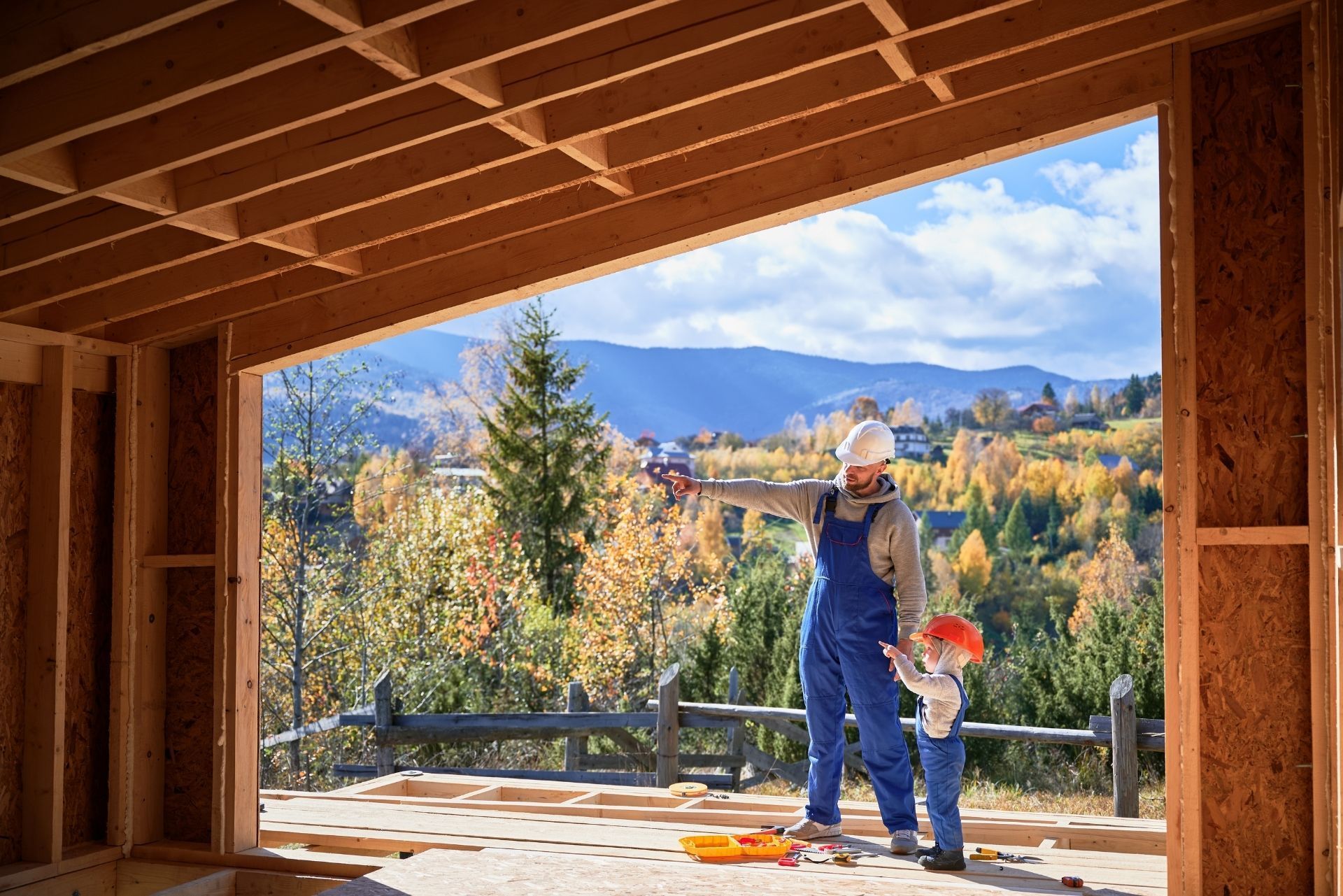
Custom home builders require more than basic coverage. The unique risks of constructing tailor-made homes necessitate robust insurance policies that adapt to each phase of the building process. Special design features, high-end materials, and unique architectural elements can increase construction costs and, in the event of a loss, drive repair expenses far beyond those of conventional homes.
Insurance policies for custom home builders often include extended coverage options that protect against:
- Construction site accidents
- Material and equipment damage
- Liability claims related to construction defects
The focus on compliance and long-term sustainability is crucial. Sanjay Wagle, Senior Vice President of Governmental Affairs at the California Association of REALTORS®, remarked that "Builders are not just building homes anymore. They are building for compliance, for insurance viability, and for long-term sustainability" (Westwood Insurance). For custom home builders, ensuring that their insurance policies provide the needed flexibility to address both regulatory demands and risk exposures is critical.
Construction-Specific Coverage Challenges
Custom homes often incorporate advanced building techniques and innovative materials, both of which require specialized risk analysis. It is not uncommon for insurance providers to treat these projects differently than standard residential construction due to higher perceived risks. Developers frequently report paying three to four times as much for insurance on condominiums compared to similar rental apartments (Terner Center for Housing Innovation).
This pricing discrepancy highlights the significant differences in risk profiles between various types of construction endeavors. For custom home builders, securing insurance that acknowledges both the project uniqueness and the potential for higher liability claims is a balancing act. Establishing best practices in safety and quality control can help mitigate some of these concerns.
Additionally, builders must navigate the challenge of fluctuating insurance costs not only during the construction phase but also post-completion. Custom-built homes may require ongoing coverage adjustments as they transition into a more traditional homeowner profile. This transition brings additional layers of complexity, from risk re-assessment to adapting coverage limits over time.
Tailored Policies: Adapting to Unique Risks and Project Needs
One size does not fit all when it comes to insurance for custom home builders. Policies need to be flexible to accommodate the specific risks associated with every project. This can range from unique materials that are sensitive to climate variations to architectural designs that defy conventional building norms. A tailored policy is one that understands these nuances and offers safeguards accordingly.
Custom coverage plans also often include specialized clauses for construction-related hazards that typical homeowners insurance policies might not cover. Builders have the opportunity to work with insurers to create policies that also address:
- On-site accidents
- Delays due to unforeseen natural events
- Special equipment or high-value custom installations
By engaging in detailed risk assessments and collaborating with underwriters, custom home builders can design insurance solutions that not only provide financial protection but also act as a strategic tool in project management. This approach also helps in planning budgets and anticipating potential cost escalations linked to coverage needs
Emerging Trends and Proposed Reforms Impacting Home Builder Insurance
Industry trends and proposed policy reforms are shaping the future of insurance for custom home builders. Regulatory bodies and industry commissions have introduced several recommendations aimed at reducing costs and increasing policy accessibility. The Little Hoover Commission, for example, advocates for public oversight of catastrophe modeling along with the inclusion of mitigation efforts in underwriting models (Little Hoover Commission).
Further, the Center for California Real Estate recently released a report that outlines six urgent actions to address the state's homeowners insurance challenges. These include streamlining rate approvals and expanding the participation of private insurers (Center for California Real Estate). While these recommendations primarily target homeowners, many of the suggested reforms would benefit custom builders by potentially stabilizing insurance costs and improving market conditions over time.
Given the evolving landscape, insurance providers are increasingly turning to data and advanced modeling techniques. In a scenario where premium costs can fluctuate dramatically, especially following catastrophic events, having reforms in place that promote transparency and consistency can provide a more predictable environment for builders to operate.
Comparing Insurance Options: Traditional Homes vs. Custom Builder Coverage
Custom home builders must navigate a maze of choices when selecting their insurance coverage. The differences between traditional homeowner policies and custom builder coverage are significant, with each type designed to address specific risks. The table below offers a side-by-side comparison to illustrate these differences.
| Coverage Feature | Traditional Homeowners Insurance | Custom Home Builder Insurance |
|---|---|---|
| Coverage Scope | Standard residential risks such as fire and theft | Expanded to include construction period risks, design flaws, and delayed project completion |
| Liability Protection | General liability for personal property accidents | Enhanced liability coverage that includes on-site accidents and third-party claims arising from construction activities |
| Premium Adjustments | Subject to market rates with gradual increases | Often higher due to the increased risk profile; subject to fluctuations based on construction phase and risk mitigation efforts |
| Risk Mitigation | Limited provisions for major project alterations | Includes clauses for advanced risk management practices, customization, and compliance with evolving building codes |
This comparison helps clarify why custom builders need to look beyond standard policies. Tailored coverage options can prevent significant financial loss in scenarios where unique project risks materialize.
In light of ongoing market challenges, both pricing and coverage conditions are evolving rapidly. Builders must remain informed about the nuances between different types of insurance to secure optimal protection that aligns closely with their project demands.
Strategies for Managing Rising Insurance Premiums
Rising premium costs present a significant hurdle for custom home builders. As reports have shown, average homeowners insurance premiums in California increased by 36% between 2020 and 2023 (Joint Center for Housing Studies at Harvard). Although this specific statistic applies to traditional homeowners insurance, the ripple effects are felt throughout the construction sector.
Custom builders can adopt several strategies to manage these rising costs. One effective method is integrating comprehensive risk assessments during the early project stages. Improving site safety and adhering strictly to updated construction codes can sometimes lead to lower premiums.
Another strategy is exploring policies with built-in flexibility. Some insurers offer modular coverage options that adjust as the project progresses. This adaptive approach helps ensure that builders do not overpay for risk they eventually shed once a project is complete. Keeping an open dialogue with insurance providers can be an effective way to negotiate coverage that reflects the unique risks of each custom project.
Regulatory frameworks and market dynamics continuously affect the insurance landscape in California. The increased focus on public oversight, especially regarding catastrophe modeling as recommended by the Little Hoover Commission (Little Hoover Commission), is one regulatory change impacting custom builder coverage. These measures are designed to drive transparency and mitigate runaway premium hikes over time.
Market reforms proposed by organizations like the Center for California Real Estate suggest that streamlining rate approvals and broadening insurer participation could help stabilize costs. These initiatives, though primarily aimed at traditional homeowners, may eventually extend benefits to custom builders as well. Regulatory evolution in California continues to place pressure on insurers, turning focus onto efficiency and risk-sharing mechanisms that are crucial in the current economic climate.
For custom builders, understanding these policy changes and market fluctuations can help inform long-term planning. Staying updated with state reforms, attending industry seminars, or engaging with local builder associations can offer insights into upcoming shifts in insurance practices and pricing trends.
Wrapping Things Up: Key Takeaways for Custom Home Builders
The complexity of insuring custom-built homes in California calls for both proactive measures and a keen awareness of market trends. Rising premiums, evolving regulatory mandates, and the inherent risks of bespoke construction demand policies that are flexible, comprehensive, and tailored to unique project needs.
Custom home builders benefit significantly from a detailed understanding of the insurance landscape. Policies designed for traditional homeowners may not suffice when dealing with high-value, unique construction challenges. Instead, tailored solutions that incorporate construction-phase coverage, liability protection, and future-proofing measures are essential for safeguarding long-term investments.
The pathway to effective insurance starts with comprehensive risk assessments, transparent dialogue with insurers, and a firm grasp on emerging market dynamics. Builders who take these steps are better positioned to manage costs, ensure compliance, and secure resilience for every project they undertake. With initiatives aimed at market reform and a greater emphasis on detailed coverage options, the future holds promise for a more stable environment-even as premium adjustments remain a challenge.
Frequently Asked Questions
What distinguishes custom home builder insurance from standard homeowners policies?
Custom builder insurance covers more than just the typical risks. It includes construction-phase risks, higher liability limits, and specialized clauses for on-site accidents and construction defects.
How can custom home builders manage rising insurance premiums?
Builders can manage premiums by undertaking comprehensive risk assessments, maintaining stringent safety protocols, and seeking tailored policies with modular coverage options.
Are there any reforms on the horizon that might impact insurance costs for custom home builders?
Yes, several regulatory proposals aim to streamline rate approvals and promote public oversight of catastrophe modeling. These reforms could help stabilize costs over time (Little Hoover Commission).
How do insurance costs for custom-built projects compare with those for traditional projects?
Due to the unique and often higher risks involved, insurance for custom-built homes typically commands higher premiums than policies designed for traditional residential construction.
What should builders look for when reviewing an insurance policy?
Builders should ensure that the policy offers robust coverage for construction site accidents, liability claims, and provides flexibility to adjust as project risks evolve.
Can risk mitigation measures affect insurance premiums?
Yes, implementing risk mitigation measures like strict safety protocols and quality control can help lower premiums over time by reducing overall risk exposure.
Final Thoughts on Securing Effective Insurance Coverage
For custom home builders in California, finding effective insurance coverage is a multi-faceted challenge that requires a strategic blend of risk management, market awareness, and engagement with innovative policy solutions. Tailored policies that address both construction-phase risks and long-term liabilities provide the necessary cushion in an unstable market.
Custom builders benefit by partnering with insurers who understand the complexities of bespoke construction projects. Implementing risk mitigation practices and staying abreast of regulatory changes are key to navigating the demanding insurance landscape. As industry trends evolve, builders who proactively adjust their insurance strategies will be better equipped to ensure project continuity and cost control.
The current environment may seem challenging with steep premium increases and shifting regulations, yet effective risk management paired with targeted coverage can significantly mitigate these concerns. With informed and strategic choices, custom home builders create a strong foundation for both project success and long-term sustainability.
ABOUT THE AUTHOR:
PATRICK CARUSO
I’m Patrick Caruso, founder of Caruso Insurance, and I have spent more than 25 years helping families, contractors, and small businesses across Southern California make confident insurance decisions. I focus on explaining coverage in clear terms, comparing multiple carriers, and supporting clients with steady communication so they feel secure with each step. My goal is to provide dependable guidance, simple answers, and a smooth process for anyone who needs personal or business insurance.
Contact Us

Service that stays with you.
Our team helps simplify insurance decisions for families and businesses. We focus on clear explanations, fast responses, and dependable service. You can count on us for help with coverage questions, updates, and long-term support.
Coverage that keeps you secure
Reliable Protection for Everyday Life
Home insurance helps protect your house, personal belongings, and liability risks. We explain coverage options clearly so you know what your policy includes.
Auto insurance provides protection for accidents, liability, and vehicle damage. We help you compare options so you can choose coverage that fits your driving needs.
Motorcycle insurance provides coverage for riders and their bikes. We help you select options that match how and where you ride.
RV insurance supports protection for motorhomes and recreational vehicles. Coverage applies during travel and while parked.
Coverage Built for Contractors and Trades
Support that keeps your work moving.

General Liability Insurance
General liability insurance helps protect contractors from injury and property damage claims. It supports jobsite requirements and contracts.

Workers Compensation
Workers compensation insurance helps protect employees injured while working. It also supports compliance with state requirements.

Commercial Auto Insurance
Commercial auto insurance provides coverage for work vehicles used on jobsites. It helps protect drivers and company vehicles.
Contractor Insurance
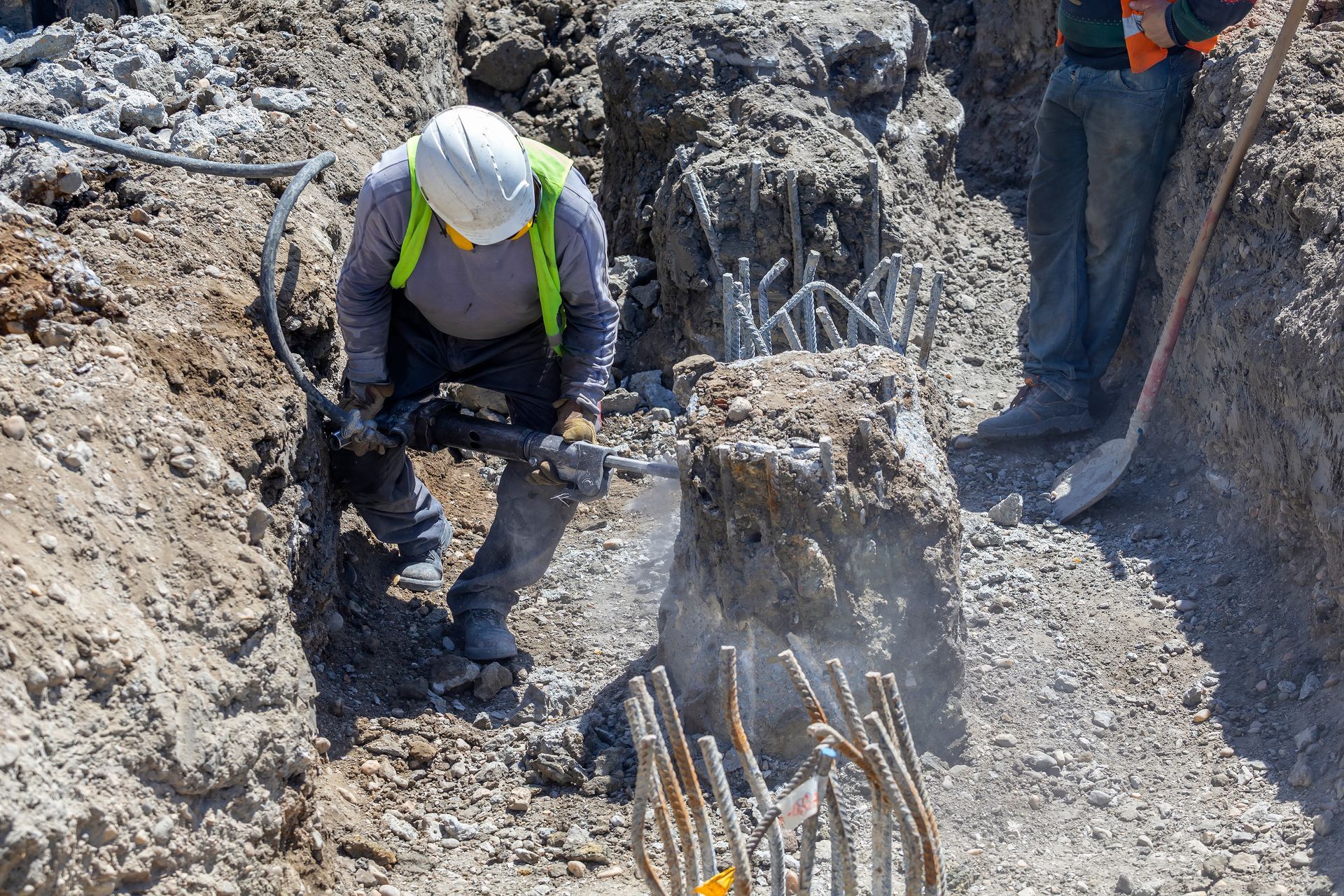
Contractor insurance supports trades and service professionals across Southern California. It helps protect tools, equipment, and daily operations.

Cyber Liability Insurance
Cyber liability insurance helps protect business data and customer information. It supports recovery from digital incidents.

Commercial Property Insurance
Commercial property insurance helps protect offices, shops, and equipment. It supports recovery after covered damage.
Coverage Built for Specialized Work
Support for high-risk and service-driven industries.



Simple Steps Supported by Steady Guidance
A Clear Path to Coverage
Trusted by Clients Across Southern California
Clear service backed by real experiences.
Answers to Common Questions.
Clear explanations to guide your decisions.
How do I know which insurance policy is right for me?
We compare coverage options from multiple carriers to help you see differences in protection and price. You can review clear details and ask questions so you understand what each policy covers. Our team guides you step by step so you feel sure about your decision.
What factors affect my auto insurance premium?
Auto insurance premiums are influenced by your driving history, age, location, vehicle type, and coverage choices. A clean driving record and good safety features can help lower costs. We review these factors with you and help find coverage that fits your budget and needs.
Does homeowners insurance cover all types of damage?
Standard homeowners insurance protects your structure, personal belongings, liability, and additional living expenses in many cases. However, it usually does not include flood or earthquake damage without separate policies. We help you decide if extra coverage is right for your home and location.
Can I update my policy or get certificates online?
Yes. You can submit requests for policy changes and certificates through our online service form at any time. Our team processes those requests quickly and confirms updates once complete so you have the documents you need.
Do I need separate insurance for business risks like EPLI or E&O?
Yes. General liability and workers compensation cover many business risks but do not protect against all exposures. For example, Employment Practices Liability Insurance (EPLI) covers claims like wrongful termination or discrimination, and Errors & Omissions (E&O) covers claims based on mistakes in professional services. We help you identify which extra policies your business may need.
What happens if I need to file a claim?
If you need to file a claim, we guide you through the process and help you contact the insurance carrier. We explain what information you should provide, answer your questions, and stay available while the carrier reviews your claim. This support helps you move forward with confidence.
Contact Us