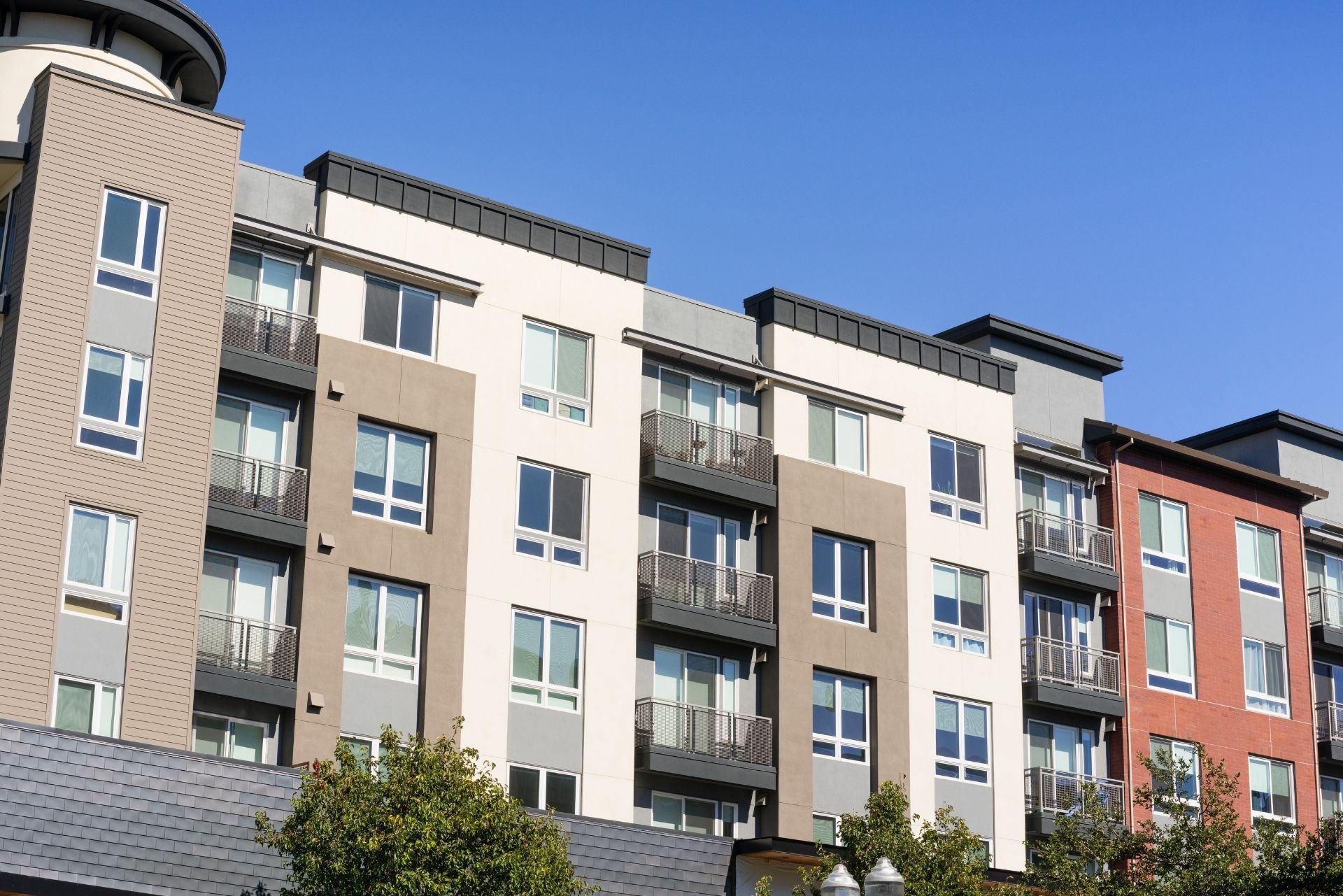
A sudden spike in insurance premiums for apartment operators has given many property managers pause, with some costs surging over 26 percent in a single year according to recent data. A closer look into the evolving insurance market in California reveals a mix of rising expenses, shifting market dynamics, and a need for renewed industry solutions that cater to the unique risks faced by multifamily housing complexes.
This guide explains the key factors that impact apartment property insurance in California, discusses current market pressures, and suggests solutions that can help property owners and managers navigate these turbulent times. Each section dives deeper into the concerns specific to the California market and provides insights that can aid in making informed decisions about coverage and risk management.
With changing weather patterns, increased liability risks due to construction defects, and a regulatory environment that consistently evolves, understanding these issues is essential for stakeholders in the California apartment complex market.
Understanding the Rising Insurance Costs for Apartment Complexes
Insurance costs for multi-family properties have been on an upward trend, jumping sharply in recent years. The steep 26.2 percent rise in 2023 as reported by industry sources has dramatically reshaped the economic landscape for apartment operators. Rising costs affect profitability, drive up overall rent prices, and force many property managers to reevaluate their insurance coverage strategies.
Factors that contribute to these rising premiums include increased underwriting expenses, more frequent claims, and significant adjustments in risk assessment models made by insurers. While some of these adjustments are responses to increased natural disasters, a significant factor remains the costly liability incurred when losses are high.
When property managers understand these influences, they can better tailor coverage for specific risk profiles. The California market, in particular, requires vigilance due to its susceptibility to unique risks such as wildfires and earthquake exposure.
By: Jennifer Roberts
Commercial Insurance Agent at Caruso Insurance Services
The Impact of Construction Defect Liability
In California, the cost of insurance is not uniform across different types of residential properties. A recent study found that developers face considerably higher premiums for condominium insurance than for rental apartment coverage which suggests that construction defect liability can triple or even quadruple costs. This means that differentiating coverage types based on property design, building materials, and construction quality becomes crucial.
Property managers and developers need to consider the implications of construction defects and invest in quality control, maintenance, and regular safety audits. Adopting rigorous standards early in the construction process can reduce the likelihood of claims related to defects, ultimately lowering insurance costs over time.
Ensuring that all parties involved in a project are aware of potential liabilities can significantly contribute to mitigating these risks, resulting in more stable premiums and less volatile insurance expenses over the property’s lifecycle.
Challenges Specific to California’s Insurance Market
California's homeowners and apartment complex insurance markets face challenges that are unique to the state. Insurers in California currently pay out almost $1.09 for every dollar collected in premiums according to industry reports, which places tremendous pressure on insurers and sends uncertainty to property owners. Such a payout ratio can indicate financial instability and can lead to reduced coverage options over time.
The ratio points to deeper issues in underwriting practices, claims management, and overall risk diversification strategies. Rising insurance costs, especially when paired with low insurance collectability, reveal a market that is struggling to balance premium collections against ever-growing exposure to risk.
Property owners are also faced with underinsurance issues, particularly in wildfire-prone zones where consumer surveys suggest that a significant percentage of survivors do not have enough coverage. These problems call for a timely reassessment of existing policies and risk management strategies to ensure that properties are adequately protected against potentially ruinous claims.

Market Volatility and the Decline in Multifamily Permits
The broader economic environment also exerts influence on insurance decisions. A noticeable 26 percent decline in multifamily permits across California’s major markets during the first quarter of 2025 has raised concerns over future construction activity and overall investor confidence.
This downturn in new permits may have short-term implications for premium pricing as reduced competition and lower supply put pressure on existing property owners to maintain higher coverage levels. The construction slowdown also affects the diversity of portfolios in which insurance companies might spread their risk. As a result, insurers might adjust premiums upward to account for reinsurance challenges and the potential concentration of risk in older properties.
Understanding this decline and its broader impact helps property managers plan and adjust their risk management strategies accordingly. It also informs strategic decisions such as retrofitting older properties or investing in new constructions with enhanced safety features.
Strategic Responses and Public-Private Solutions
Experts have argued that the insurance market in California requires unified and coordinated responses to create long-term sustainability and market stability as highlighted by industry leaders. Instead of isolated measures, a combined public-private approach is needed to effectively address systemic pressures.
Collaboration can result in approaches that standardize risk management practices, stabilize premium pricing, and streamline claims handling processes. By bringing together regulators, insurers, and property managers, efforts to stabilize the market can be more innovative and targeted.
This collaboration is especially critical in a state like California, where natural disasters and economic fluctuations add layers of complexity to the insurance market. A unified strategy could also lead to the creation of new insurance products that better reflect the current risk environment, offering tailored coverage options designed to mitigate unforeseen exposures.
Adapting to the Future: Long-Term Trends in Premiums
Looking ahead, experts predict that California's insurance premiums will likely continue on an upward trend for the next 10 to 20 years according to commentaries in the sector. This forecast is driven by factors such as the increasing frequency of natural disasters, ongoing regulatory changes, and the persistent risk associated with multifamily properties.
For property managers and owners, planning for the future means building contingencies into annual budgets and exploring risk reduction measures. Investing in property upgrades, enhancing safety features, and possibly consolidating properties under modern risk management frameworks can help mitigate the effects of premium hikes.
Over the long term, creating a resilient portfolio that can weather cost fluctuations is not just about transferring risk to insurers. It’s also about smart financial planning and proactive engagement with the changing insurance landscape.
Key Considerations for Choosing the Right Insurance Policy
Selecting the right insurance coverage for apartment complexes involves a careful evaluation of a property’s unique risk profile, location, and management practices. One major factor is ensuring that the coverage limits adequately reflect potential losses driven by natural disasters, liability claims, or construction defects. With risks sometimes amplifying by a factor of three or four, property owners should meticulously compare policies.
Another consideration is the range of coverage types available. While standard property insurance typically covers most structural and liability aspects, it might fall short in addressing emerging risks like those brought about by extreme weather events or new operational practices. Looking into endorsements or additional coverages that provide stroke protection for such risks could be a worthwhile investment.
Property managers are encouraged to conduct regular reviews of their current policies with an insurance expert who can offer updated recommendations based on evolving market realities. This proactive approach can identify potential gaps in coverage and ensure that policies meet the latest regulatory and operational standards.
Understanding Premium Structures
Insurance premiums for apartment complexes are shaped by multiple factors including claim history, construction quality, and geographical risk factors. Premium structures may differ by provider and even change from one policy term to the next. Detailed comparisons are essential not only for cost but also for how risk is allocated between insurer and property owner.
Some insurers may offer incentives for implementing robust safety protocols or investing in disaster risk reduction measures. These benefits can help stabilize costs over time, even as the overall market remains volatile. Property owners who are systematic about such measures can take comfort in knowing that their proactive efforts are recognized in underwriting practices.
Comparing policies side by side using customized charts or tables can prove to be an invaluable exercise. These tools help identify differences in coverage scope, deductibles, premium rates, and any additional endorsements that could impact final costs.
Side-by-Side Coverage Comparison Chart
| Coverage Aspect | Standard Policy | Enhanced Policy |
|---|---|---|
| Property Damage | Basic structural repairs | Includes natural disaster protection |
| Liability Claims | Standard liability limits | Higher limits with additional legal expense coverage |
| Construction Defect | Exclusions may apply | Optional rider for defect liability |
| Premium Stability | Subject to annual adjustments | Discounted rates with risk mitigation incentives |
This table allows property managers to quickly assess what differs between standard and enhanced policies. It is crucial to remember that performance metrics are just one piece of the puzzle; the actual claim handling process and insurer reputation should also be weighed carefully.
Operational Strategies to Offset Premium Costs
While rising insurance costs present a challenge to any apartment complex owner, adopting robust operational strategies can help offset these expenses. Investing in regular maintenance, exploring risk mitigation technologies, and incorporating proactive safety training for residents and staff all contribute to reducing exposure to unexpected claims.
Implementing preventative measures such as installing updated fire suppression systems, reinforcing building security, and performing periodic structural audits can reduce risk levels significantly. When these strategies are effectively communicated to insurers, they may result in more favorable premium terms.
Additionally, bundling policies or engaging in group purchasing arrangements with industry peers might also offer economies of scale that reduce overall costs. While adjustable rate options might carry a premium, the potential savings from risk reduction activities can justify the efforts required to implement these strategies.
Evaluating the Role of Public-Private Collaborations
A critical element emerging in discussions about California’s insurance crisis is the need for coordinated public-private initiatives. Industry experts stress that sling-shotting from fragmented approaches to more formalized collaborations can stabilize not only the insurance market but also protect homeowners and apartment complex owners as outlined in recent expert reports.
These initiatives bring together government agencies, private insurers, and property managers. Combined efforts have the potential to innovate risk management practices, streamline claims administration, and introduce new financial instruments designed to buffer the volatility inherent to the insurance market in high-risk areas.
For example, pilot programs that integrate government-backed reinsurance pools with private underwriting expertise could lessen the financial burden during catastrophic events. Such collaborative efforts enable quicker payouts and more predictable premium adjustments, benefiting all parties involved.
Preparing for Unpredictable Natural Disasters
Wildfires and other natural disasters pose significant challenges in California. With consumer surveys showing that between 40 percent and 80 percent of wildfire survivors are underinsured according to recent studies, it is clear that more comprehensive coverage solutions are necessary.
Property owners should ensure that their insurance policies not only cover basic damages but also include endorsements that address the specific risks associated with weather-related disasters. This may include affordable upgrades that extend cover to fire, smoke damage, and even temporary relocation costs in the aftermath of an incident.
Engaging local authorities and participating in community-based disaster preparedness programs can also provide additional layers of security. These steps help transfer some risk away from insurers, potentially leading to more balanced premium adjustments over time.
Integrating Technology and Data Analytics in Risk Management
The advent of modern technology has begun to alter how risks are assessed and managed in the insurance space. Advanced data analytics, satellite imaging, and predictive modeling tools are increasingly being used by insurers to better estimate risk exposure for apartment complexes in California.
By adopting these technologies, property managers are better positioned to identify potential vulnerabilities in real time. This proactive approach allows them to implement targeted risk mitigation measures before costly incidents occur.
Moreover, technology-driven solutions offer insurers a more detailed view of individual property risk profiles. The increased accuracy in risk assessment can potentially lead to more tailored policies that reflect the actual exposure, thereby offering discounts for properties that invest in risk-reducing technologies.
What This Means for Today's Apartment Complex Owners
Apartment complex owners in California must address the interplay between rising premiums, regulatory changes, and the need for comprehensive risk management. The current market climate calls for a balanced approach where investments in safety and technological upgrades complement prudent insurance planning.
Some owners may find that retrofitting older properties with modern safety systems not only enhances tenant safety but also results in lower premiums over time. Others might consider strategic partnerships or risk pooling initiatives that share the burden of large claims payments.
Every owner should review their current insurance policies with an eye toward both immediate and long-term risks. This comprehensive evaluation could lead to more competitive quotes, improved coverage, and better overall risk preparedness.
Frequently Asked Questions
This section answers common questions that property owners and managers may have regarding California apartment complex insurance.
Q: How have recent insurance cost increases affected apartment complexes?
A: Rising premiums, such as the 26.2 percent increase seen in 2023, have put strain on operating budgets and made it essential for owners to adjust their insurance strategies according to recent reports.
Q: Why is construction defect liability important for insurance costs?
A: Properties that incorporate construction defect risks may see their premiums triple or quadruple, making it critical for owners to invest in quality construction and regular maintenance as studies indicate.
Q: What strategies can help lower insurance premiums over time?
A: Investing in risk mitigation measures such as safety upgrades, routine maintenance, and the adoption of risk assessment technologies can lead to lower premium rates. Bundling policies and exploring group purchasing arrangements are also beneficial.
Q: How does the decline in multifamily permits affect insurance?
A: A reduction in multifamily permits can signal market contraction, potentially leading insurers to adjust premiums upward to manage concentrated exposure as documented.
Q: Are there any collaborative efforts to address California's insurance challenges?
A: Yes. Collaborative public-private initiatives are being promoted to standardize risk management practices and stabilize the market, ensuring long-term viability for both insurers and property owners.
Q: Will insurance costs continue to rise in California?
A: Experts predict that California’s insurance costs will likely keep rising for the next 10 to 20 years, driven by persistent risks such as natural disasters and evolving regulatory demands
according to industry panels.
Preparing for Tomorrow: What to Remember
For managers and owners of apartment complexes in California, proactive planning and risk management are key to weathering the pressures of rising insurance costs. Staying informed about market trends, understanding the details of premium structures, and taking actionable steps toward risk reduction will prove invaluable.
Engaging with both public and private sector initiatives, utilizing advanced technologies, and consistently reviewing policy details can help mitigate the financial shocks of premium adjustments. Adopting these measures provides not only enhanced coverage but also a potential reduction in overall costs.
As the market navigates future challenges, it will be critical to remember that insurance is just one tool in the broader strategy of protecting property investments. Careful planning today paves the way for more secure and resilient property management in the years to come. A holistic approach incorporating both strategic and operational adjustments will ultimately offer the best chance at maintaining stability. This careful balancing act is at the core of successfully managing California apartment complex insurance in an evolving market
as industry experts emphasize.
ABOUT THE AUTHOR:
JENNIFER ROBERTS
Jennifer Roberts supports business clients with commercial insurance service and account coordination. She works closely with clients to explain coverage details clearly and guide them through policy updates that support business needs.
Jennifer believes strong organization and clear communication are key to reliable service. She stays involved throughout the policy process, from documentation to ongoing updates, and focuses on maintaining accurate and dependable client accounts.
Contact Us

Service that stays with you.
Our team helps simplify insurance decisions for families and businesses. We focus on clear explanations, fast responses, and dependable service. You can count on us for help with coverage questions, updates, and long-term support.
Coverage that keeps you secure
Reliable Protection for Everyday Life
Home insurance helps protect your house, personal belongings, and liability risks. We explain coverage options clearly so you know what your policy includes.
Auto insurance provides protection for accidents, liability, and vehicle damage. We help you compare options so you can choose coverage that fits your driving needs.
Motorcycle insurance provides coverage for riders and their bikes. We help you select options that match how and where you ride.
RV insurance supports protection for motorhomes and recreational vehicles. Coverage applies during travel and while parked.
Coverage Built for Contractors and Trades
Support that keeps your work moving.

General Liability Insurance
General liability insurance helps protect contractors from injury and property damage claims. It supports jobsite requirements and contracts.

Workers Compensation
Workers compensation insurance helps protect employees injured while working. It also supports compliance with state requirements.

Commercial Auto Insurance
Commercial auto insurance provides coverage for work vehicles used on jobsites. It helps protect drivers and company vehicles.
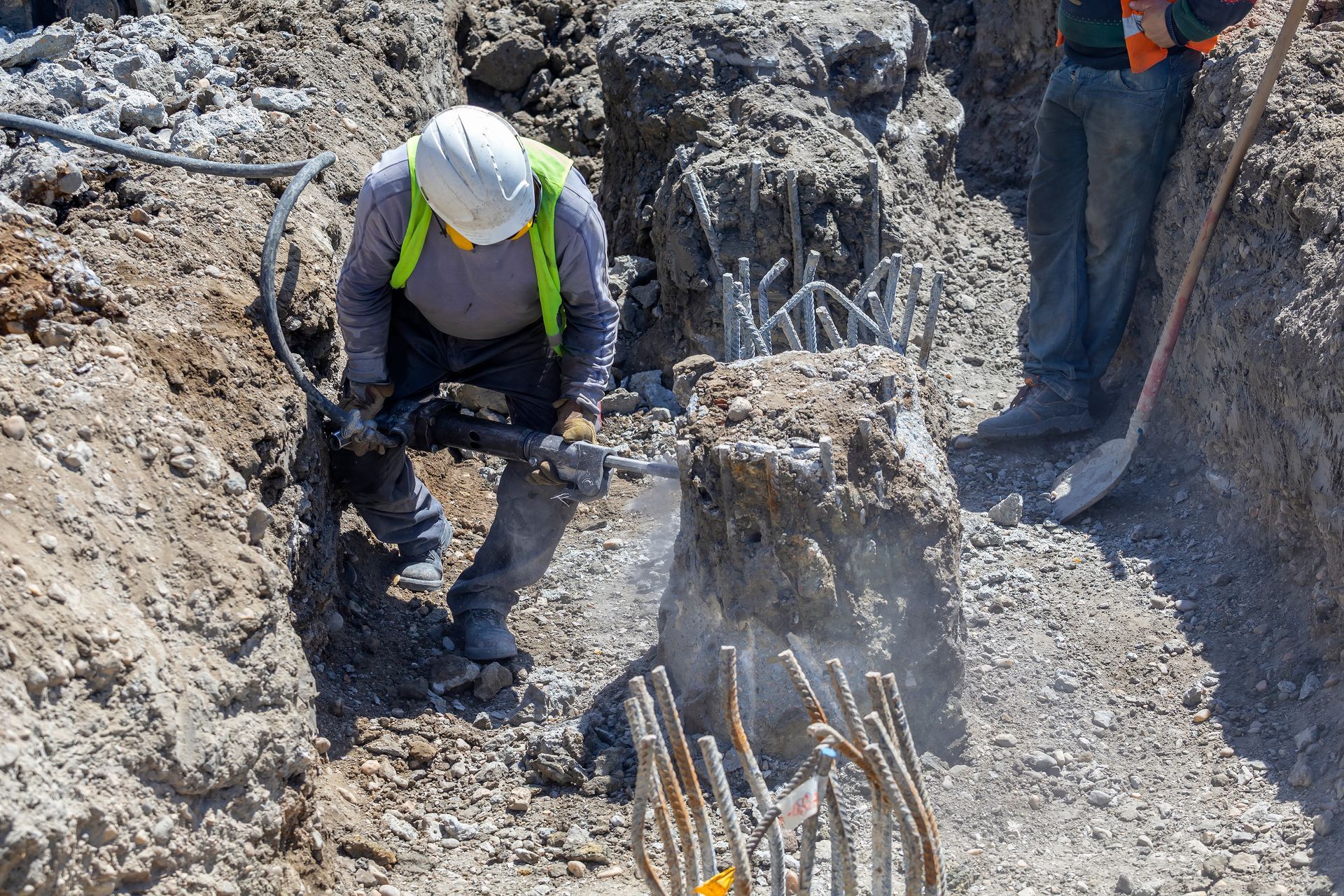
Contractor Insurance
Contractor insurance supports trades and service professionals across Southern California. It helps protect tools, equipment, and daily operations.

Cyber Liability Insurance
Cyber liability insurance helps protect business data and customer information. It supports recovery from digital incidents.

Commercial Property Insurance
Commercial property insurance helps protect offices, shops, and equipment. It supports recovery after covered damage.
Coverage Built for Specialized Work
Support for high-risk and service-driven industries.



Simple Steps Supported by Steady Guidance
A Clear Path to Coverage
Trusted by Clients Across Southern California
Clear service backed by real experiences.
Answers to Common Questions.
Clear explanations to guide your decisions.
How do I know which insurance policy is right for me?
We compare coverage options from multiple carriers to help you see differences in protection and price. You can review clear details and ask questions so you understand what each policy covers. Our team guides you step by step so you feel sure about your decision.
What factors affect my auto insurance premium?
Auto insurance premiums are influenced by your driving history, age, location, vehicle type, and coverage choices. A clean driving record and good safety features can help lower costs. We review these factors with you and help find coverage that fits your budget and needs.
Does homeowners insurance cover all types of damage?
Standard homeowners insurance protects your structure, personal belongings, liability, and additional living expenses in many cases. However, it usually does not include flood or earthquake damage without separate policies. We help you decide if extra coverage is right for your home and location.
Can I update my policy or get certificates online?
Yes. You can submit requests for policy changes and certificates through our online service form at any time. Our team processes those requests quickly and confirms updates once complete so you have the documents you need.
Do I need separate insurance for business risks like EPLI or E&O?
Yes. General liability and workers compensation cover many business risks but do not protect against all exposures. For example, Employment Practices Liability Insurance (EPLI) covers claims like wrongful termination or discrimination, and Errors & Omissions (E&O) covers claims based on mistakes in professional services. We help you identify which extra policies your business may need.
What happens if I need to file a claim?
If you need to file a claim, we guide you through the process and help you contact the insurance carrier. We explain what information you should provide, answer your questions, and stay available while the carrier reviews your claim. This support helps you move forward with confidence.
Contact Us