Concrete contractors in California face a uniquely challenging environment marked by rapid industry growth and complex risk profiles. With construction projects scaling up in size and scope, effective insurance solutions have become an essential element in protecting businesses and ensuring project continuity. For instance, the concrete contracting industry in California is projected to reach $11 billion by 2025, a statistic that underscores the competitive and evolving market (IBISWorld).
This guide provides an in-depth look at the insurance challenges, coverage options, and strategic approaches that concrete contractors can employ to safeguard their businesses.
Understanding the Insurance Landscape for Concrete Contractors
Concrete contractors in California operate in a sector that demands a nuanced understanding of both industry-specific risks and regulatory requirements. The complexity of modern construction projects means that contractors must navigate not only the basics of liability protection but also emerging challenges such as rising workers' compensation costs and increasing litigation over construction defects (Insurance Journal).
The ever-changing regulatory environment and economic fluctuations add layers of risk that can impact a contractor’s bottom line. From fluctuating material costs to stringent safety standards enforced by state and federal bodies, every project carries a potential for significant financial repercussions if inadequately insured.
Risk management in this industry extends far beyond acquiring a basic policy. It requires tailored policies that address the specific challenges concrete contractors face, ranging from property damage to personal injury claims. Understanding these nuances can help contractors better assess which coverage types are most critical for long-term success.


By: Peter Plew
Commercial Insurance Agent at Caruso Insurance Services
Key Insurance Coverages for Concrete Contractors
General Liability Insurance
General liability insurance remains the cornerstone of most construction businesses, offering protection against accusations of bodily injury or property damage linked to daily operations. For concrete contractors operating in California, premiums can range from 1.7% to 4.2% of revenue, depending on the company's size and risk profile (Contractor Nerd).
This type of insurance is designed to cover legal fees, settlements, and even punitive damages in the event of a lawsuit. Given the inherent risks on construction sites, a robust general liability policy is indispensable for maintaining financial stability in the face of unforeseen incidents.
Contractors are encouraged to obtain multiple quotes and compare offerings from different carriers to secure competitive premiums. Implementing proper risk management practices can lead to significant savings over time, which is crucial in an industry where profit margins may already be under pressure.
Workers’ Compensation Insurance
Workers’ compensation insurance is another critical component for concrete contractors. With proposals set to increase the hourly wage threshold for several dual wage classifications by $2 to $5 per hour starting September 1, 2026, the costs associated with workers’ comp are expected to rise (Rancho Mesa Insurance Services).
This coverage protects contractors from the financial strain associated with workplace injuries. It covers medical costs, lost wages, and rehabilitation expenses, ensuring that injured workers receive necessary assistance while protecting the company from potentially devastating lawsuits.
Given the physical nature of concrete work, it's vital that contractors maintain high safety standards on-site. This proactive approach not only reduces the likelihood of accidents but also can result in lower workers’ compensation premiums over time as safety records improve.
Commercial Auto Insurance and Equipment Coverage
For businesses that operate heavy machinery and vehicles, commercial auto insurance and equipment coverage are equally indispensable. Given the substantial investment in vehicles and equipment, an incident on the road or at a job site could lead to significant repair or replacement expenses.
Commercial auto policies help cover bodily injury and property damage claim expenses arising from vehicle use in the course of business operations. Equipment coverage can protect against losses due to theft, vandalism, or accidental damage, safeguarding the tools that keep the business running.
Consider policies that offer extended coverage options, as these may prove advantageous during periods of high demand or when deploying new, specialized equipment across several sites.
Risk Factors Impacting Insurance Needs
Project Complexity and Size
The scale and complexity of construction projects play a pivotal role in determining a contractor's risk profile. Larger projects amplify potential liability through increased exposure to accidents and lawsuits. The rising trend of disputes over defective construction, influenced by labor shortages and high demand for rebuilding, is a growing concern for many contractors (Insurance Journal).
Understanding the client and project specifics is essential when determining the level of coverage required. Contracts for high-risk projects often necessitate more comprehensive policies that can cover both anticipated and unforeseen events.
To mitigate risks, contractors are advised to employ robust project management strategies. Making use of detailed safety checklists, regular training sessions, and adherence to industry best practices can all help reduce liabilities and enhance overall site safety.
Emerging Technologies and Safety Considerations
Technological innovation is rapidly reshaping construction practices, as evidenced by the growing interest in AI-powered collaborative robots. A nationwide survey of 600 architecture, engineering, and construction professionals revealed that safety and reliability are major criteria in adopting these technologies (arXiv).
While these technologies offer the potential to reduce human error and improve site efficiency, they also introduce new variables that insurance policies must cover. Contractors may need to explore specialized coverage that accounts for technological risks, including data breaches or malfunctions linked to automated systems.
Maintaining rigorous protocols for technology implementation and seeking expert advice on emerging regulatory trends can help ensure that coverage remains relevant and comprehensive in the face of rapid technological change.

Managing Costs in a Competitive Market
Shopping for the Right Policy
Concrete contractors can achieve substantial savings by shopping around and comparing multiple insurance carriers. The insights provided by industry experts at Contractor Nerd emphasize that a targeted approach to risk management and regular policy reviews can result in significant cost reductions (Contractor Nerd).
Evaluating different policy terms and comparing premium quotes are practical strategies that ensure contractors are not overpaying for coverage they may not need. It is advisable to look for carriers experienced in servicing the construction sector, as they are more likely to offer products designed for the unique challenges of concrete work.
Taking the time to analyze policy details, including coverage limits, deductibles, and exclusions, can prove invaluable. The right insurance package not only provides adequate coverage but also aligns with financial goals and operational needs.
Mitigating Risks with Proactive Measures
Proper risk management practices can play a significant role in reducing insurance costs. Implementing safety protocols, investing in employee training, and maintaining up-to-date certifications are proven methods to lower risk exposure.
Contractors must go beyond merely fulfilling minimum regulatory requirements. By embedding best practices into daily workflows, businesses can reduce claim frequency and severity, which in turn positively influences premium rates. The Center for California Real Estate has highlighted the challenges posed by an unsustainable growth in the FAIR Plan and lengthy rate filing processes, reinforcing that a proactive approach is necessary to manage regulatory and financial risks (Carrier Management).
Regular safety audits, staff training, and updated equipment maintenance schedules not only help in risk reduction but also elevate business credibility with insurers. These measures become critical negotiating points during policy renewals.
Legal Challenges in Construction
Litigation over construction defects is on the rise, with disputes expected to increase in the near future due to labor shortages and the high demand for rebuilding in disaster-affected areas (Insurance Journal). Such legal challenges underscore the importance of balancing coverage with robust legal safeguards.
Contractors should consider policies that offer legal defense coverage as part of their liability protection. Carefully reviewing policy language can help avoid surprises during claim handling and ensure a smoother resolution process.
This is a complex area where attention to detail can prevent significant financial loss. Legal consultation before finalizing insurance agreements may be beneficial to address any ambiguities and secure robust legal backing in case of disputes.
Disputes Over Defective Construction
Disputes arising from construction defects have become more frequent. With industry reports indicating a rise in litigation due to various stressors facing contractors, having a comprehensive coverage plan becomes even more critical (Insurance Journal).
These claims often result in extended legal battles, with possible adverse effects on a company’s cash flow and reputation. Concrete contractors are encouraged to work closely with legal experts and insurance brokers to tailor policies that account for this risk.
Understanding how claims are managed by insurers, including provisions for expert testimonies and dispute resolution, will help contractors mitigate backlash and keep projects progressing despite legal hurdles.
Impact of Changing Worker Compensation Regulations
Adjustments in Wage Thresholds
Workers’ compensation regulations are evolving rapidly. The recent approval by the Workers’ Compensation Insurance Rating Bureau to increase the hourly wage threshold for 13 out of 16 dual wage classifications by $2 to $5 per hour will likely result in higher claim costs, affecting overall premium pricing (Rancho Mesa Insurance Services).
This regulatory change highlights the need for contractors to continuously monitor state and federal guidelines. Adjustments in compensation insurance rates require that businesses revisit their safety programs and wage policies regularly.
In anticipation of these changes, proactive steps such as improved safety measures and efficient claims management processes will not only reduce the risk of workplace injuries but also help keep premium increases in check.
Balancing Safety and Compliance
Maintaining compliance with workers’ compensation regulations while investing in safety improvements can bring dual benefits to concrete contractors. Rigorous safety training programs, regular equipment inspections, and an emphasis on hazard awareness are all key to preventing workplace injuries.
Such measures serve to protect workers and significantly reduce the likelihood of costly claims. This proactive approach not only enhances worker safety but may also contribute to more favorable insurance premiums over time.
The emphasis on safety creates an environment where workers feel valued, and insurers recognize the reduced risk, providing a long-term advantage in premium negotiations.
Comparative Analysis: Insurance Options for Concrete Contractors
A side-by-side comparison of key insurance coverages can serve as a roadmap for concrete contractors looking to choose the right combination of policies. The table below highlights the primary features, benefits, and cost considerations associated with different types of insurance coverage.
| Coverage Aspect | General Contracting | Low Voltage Specific |
|---|---|---|
| Project Type Exposure | Broad construction activities, typical building work | Structured cabling, digital communications, integrated systems |
| Insurance Premium Costs | Moderate, based on cumulative risks | Potentially higher due to specialized risks and technology |
| Policy Clauses | Standard liability exclusions | More specific exclusions related to equipment failure and system integration |
| Risk Mitigation Needs | General safety and worksite protection | Enhanced coverage for system malfunctions and cyber-related incidents |
This comparative chart provides a quick reference to aid in decision making. Business owners can evaluate which coverages strategically align with their operational needs and financial constraints, ensuring that no aspect of their risk profile is overlooked.
Adapting Insurance Strategies to Market Changes
The insurance market is not static; it evolves with changes in technology, regulations, and market trends. Concrete contractors in California must adjust their insurance strategies to reflect these shifting dynamics. The study highlighting the growing interest in AI-powered solutions for safety and efficiency emphasizes that insurers and contractors alike need to adapt to these advancements (arXiv).
Adopting technological innovations not only boosts productivity but also positions contractors to negotiate better policy terms. As the industry becomes more automated, policies will likely evolve to incorporate coverage for new risks associated with digital technologies and robotics.
Staying informed about market and regulatory changes is crucial for maintaining effective insurance coverage. Contractors are advised to regularly review policy terms and consult with industry experts to address emerging risks proactively.
Financing, Budgeting, and Insurance Premiums
Budgeting for insurance premiums is a vital aspect of managing a concrete contracting business. With insurers evaluating risk using numerous factors such as work history, project size, and even the current regulatory climate, contractors must be strategic in their financial planning. Ensuring that adequate funds are allocated for premium payments can help avoid cash flow problems during claim incidents.
Effective financial management involves regular reviews of insurance policies coupled with an assessment of broader market trends. For instance, concerns about rising costs for condominium insurance, where developers pay three to four times as much as for similar rental apartments, underscore the importance of a thoughtful insurance strategy (Terner Center for Housing Innovation).
Balancing risk financing with capital investment in growth areas is key. Contractors who leverage both detailed budgeting practices and proactive risk management often find themselves better equipped to handle unforeseen expenses without compromising operational efficiency.
Future Trends in Concrete Contractor Insurance
Looking ahead, the insurance landscape for concrete contractors is poised for significant evolution. Advances in technology, coupled with shifts in regulatory frameworks, are sure to impact the types of coverage that will be available.
Emerging trends include the integration of telematics in commercial auto policies, more dynamic underwriting methodologies, and policies that cater specifically to the unique risks of modern construction projects. The adoption of automated systems and AI-powered risk management tools will likely help lower accident rates and streamline claims processing.
Being proactive in understanding and implementing these trends will give concrete contractors a competitive edge. Staying informed through industry reports and consultations with insurance experts can help businesses remain ahead of the curve.
Frequently Asked Questions
Do concrete contractors need specialized insurance?
Yes. Concrete contractors must have tailored insurance policies that cover general liability, workers’ compensation, commercial auto, and equipment to address the unique risks associated with construction work.
How can safety measures impact insurance premiums?
Implementing rigorous safety protocols and training programs can reduce the frequency and severity of claims, leading to lower insurance premiums over time.
What is the impact of rising workers’ compensation rates?
With the anticipated increase in workers’ comp wage thresholds, contractors should prepare for higher premium costs by adopting efficient safety and claims management procedures.
Are technological advancements affecting insurance coverage?
Yes. The integration of AI and robotics in construction is reshaping risk management practices, prompting insurers to develop policies that cover new types of technological risks.
How important is it to shop around for insurance?
It is critical. Comparing policies from multiple carriers can help concrete contractors secure optimal coverage at competitive rates, providing essential cost savings in the long run.
Wrapping Things Up
The concrete contracting industry in California is witnessing unprecedented growth amid evolving risks and regulatory changes. With the market projected to reach $11 billion by 2025 (IBISWorld), concrete contractors must adopt a forward-thinking approach to insurance coverage.
This guide has highlighted the key components of effective insurance packages, from general liability to workers’ compensation and beyond. By understanding the intricate details of each coverage type and implementing proactive safety and risk management measures, contractors can protect their investments and ensure business longevity.
Adapting to market changes, leveraging technology, and maintaining open communication with insurance brokers can create a resilient framework that supports sustained business growth in a competitive environment. As contracts become bigger and more complex, the importance of the right insurance coverage cannot be overstated.
ABOUT THE AUTHOR:
PETER PLEW
Hi my name is Peter Plew and I am a commercial insurance professional. I listen to and strategize with business owners about their visions of the future and assist in getting there as quickly as possible. I help identify unique exposure and risk’s that business owners have and the reasons why they need to be insured against them. My goal is to make sure my clients are always taken care of on a daily basis with any service needs, questions, or concerns they may have. I love to golf and spend time with my family in my spare time.
Contact Us

Service that stays with you.
Our team helps simplify insurance decisions for families and businesses. We focus on clear explanations, fast responses, and dependable service. You can count on us for help with coverage questions, updates, and long-term support.
Coverage that keeps you secure
Reliable Protection for Everyday Life
Home insurance helps protect your house, personal belongings, and liability risks. We explain coverage options clearly so you know what your policy includes.
Auto insurance provides protection for accidents, liability, and vehicle damage. We help you compare options so you can choose coverage that fits your driving needs.
Motorcycle insurance provides coverage for riders and their bikes. We help you select options that match how and where you ride.
RV insurance supports protection for motorhomes and recreational vehicles. Coverage applies during travel and while parked.
Coverage Built for Contractors and Trades
Support that keeps your work moving.

General Liability Insurance
General liability insurance helps protect contractors from injury and property damage claims. It supports jobsite requirements and contracts.

Workers Compensation
Workers compensation insurance helps protect employees injured while working. It also supports compliance with state requirements.

Commercial Auto Insurance
Commercial auto insurance provides coverage for work vehicles used on jobsites. It helps protect drivers and company vehicles.
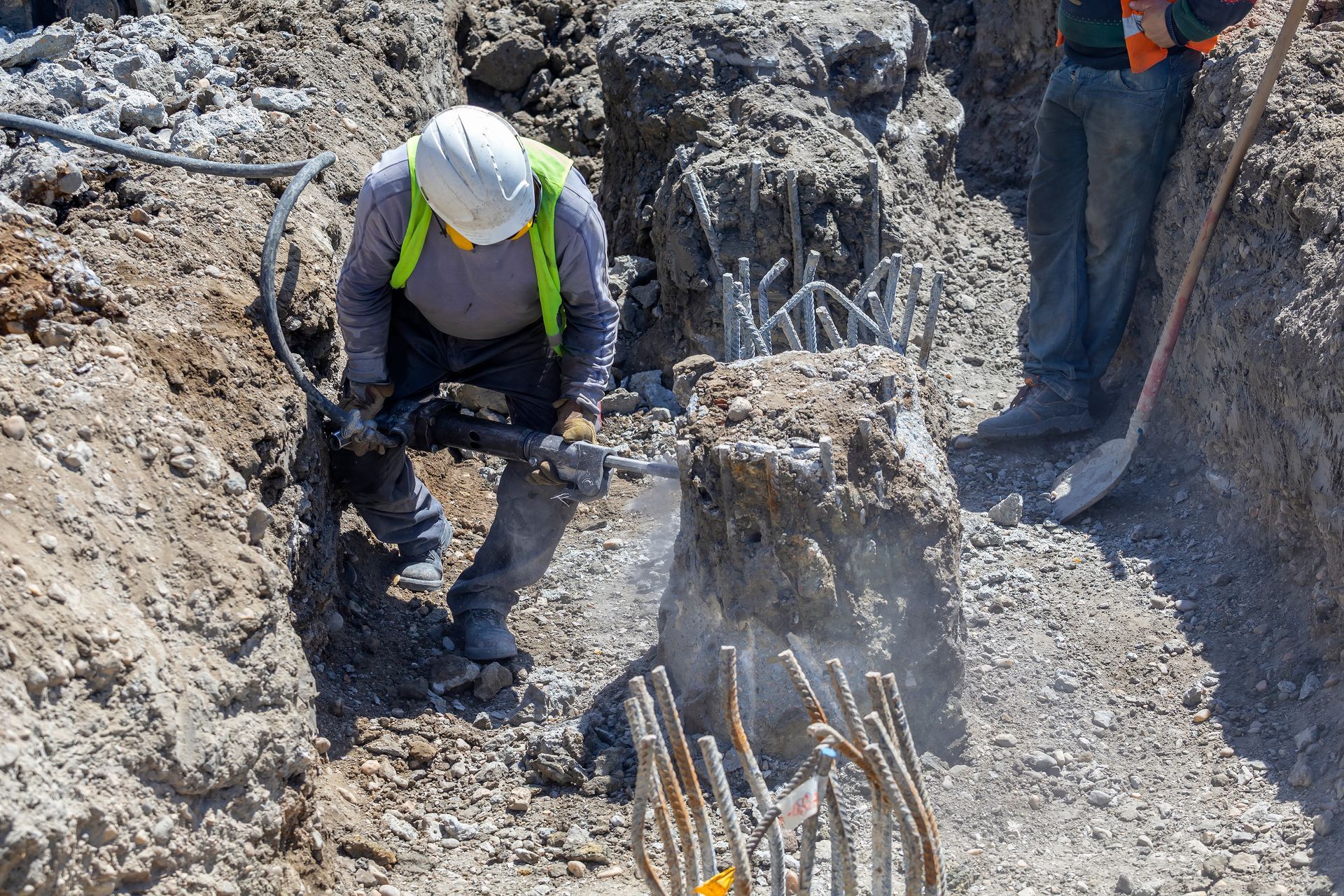
Contractor Insurance
Contractor insurance supports trades and service professionals across Southern California. It helps protect tools, equipment, and daily operations.

Cyber Liability Insurance
Cyber liability insurance helps protect business data and customer information. It supports recovery from digital incidents.

Commercial Property Insurance
Commercial property insurance helps protect offices, shops, and equipment. It supports recovery after covered damage.
Coverage Built for Specialized Work
Support for high-risk and service-driven industries.



Simple Steps Supported by Steady Guidance
A Clear Path to Coverage
Trusted by Clients Across Southern California
Clear service backed by real experiences.
Answers to Common Questions.
Clear explanations to guide your decisions.
How do I know which insurance policy is right for me?
We compare coverage options from multiple carriers to help you see differences in protection and price. You can review clear details and ask questions so you understand what each policy covers. Our team guides you step by step so you feel sure about your decision.
What factors affect my auto insurance premium?
Auto insurance premiums are influenced by your driving history, age, location, vehicle type, and coverage choices. A clean driving record and good safety features can help lower costs. We review these factors with you and help find coverage that fits your budget and needs.
Does homeowners insurance cover all types of damage?
Standard homeowners insurance protects your structure, personal belongings, liability, and additional living expenses in many cases. However, it usually does not include flood or earthquake damage without separate policies. We help you decide if extra coverage is right for your home and location.
Can I update my policy or get certificates online?
Yes. You can submit requests for policy changes and certificates through our online service form at any time. Our team processes those requests quickly and confirms updates once complete so you have the documents you need.
Do I need separate insurance for business risks like EPLI or E&O?
Yes. General liability and workers compensation cover many business risks but do not protect against all exposures. For example, Employment Practices Liability Insurance (EPLI) covers claims like wrongful termination or discrimination, and Errors & Omissions (E&O) covers claims based on mistakes in professional services. We help you identify which extra policies your business may need.
What happens if I need to file a claim?
If you need to file a claim, we guide you through the process and help you contact the insurance carrier. We explain what information you should provide, answer your questions, and stay available while the carrier reviews your claim. This support helps you move forward with confidence.
Contact Us