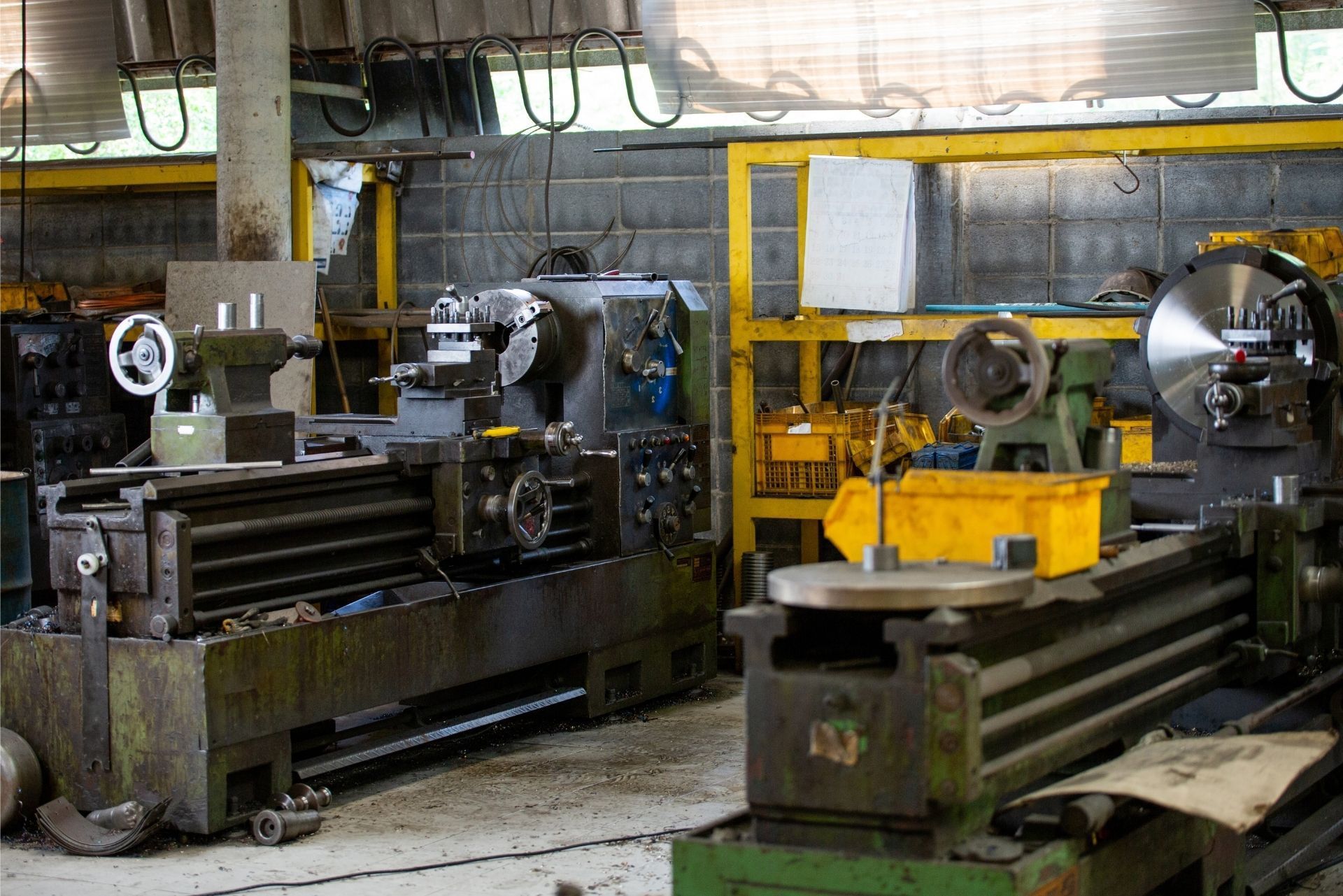
Machine shops in California face an array of operational challenges and unique risks that require targeted insurance solutions. In a state where insurance companies spent approximately $3.1 billion with diverse businesses during 2021, owners are keenly aware that a comprehensive coverage policy is not a luxury but an absolute necessity. Read on to gain insights on how to protect the vital assets of your machine shop.
This guide explores the key coverage areas, market trends, and practical measures to ensure your business remains secure amid rising operational costs and market uncertainties. Industry professionals recommend taking proactive measures as even small disruptions can translate into significant financial losses.
For example, insights from
the California Department of Insurance highlight the importance of robust coverage strategies for businesses facing a dynamic risk environment.
Understanding the Unique Risks of Machine Shops in California
Machine shops operate with expensive machinery, specialized tools, and complex production processes. Unforeseen events including equipment breakdowns, property damage, and workplace injuries are inherent risks that can interrupt business operations and inflate costs. Hence, managing risk effectively involves understanding your exposures and ensuring the right types of coverage are in place.
Industrial operations frequently encounter situations that may trigger significant claims. The interplay between operational risks, regulatory demands, and market conditions means that traditional coverage may not suffice. With the insurance market experiencing volatility, particularly in areas such as workers' compensation, machine shop owners must constantly reassess their policy limits and coverage details to align with their operational realities.
As workers’ compensation solidity fluctuates, it's useful to note that in the first half of 2024, the average charged rate for workers' compensation insurance in California declined by around 2% compared to the previous year, indicating that shifts in the industry can be both upward and downward over time.
Learn more about these trends.

By: Danielle Sweet
Commercial Insurance Agent at Caruso Insurance Services
Essential Insurance Coverages for Machine Shops
Property and Equipment Coverage
Machine shops rely heavily on their equipment and physical assets. Property and equipment coverage is crucial for protecting against losses from fire, theft, vandalism, and natural disasters. This insurance can help cover damage to valuable machinery that is central to production.
In addition to standard property coverage, insured parties might also opt for specialized policies that cover breakdowns or overheating of machinery. These policies offer rapid response solutions, ensuring that operational downtime is minimized and repairs are expedited. The unique operational dynamics in California, including seismic activity, further amplify the need for robust property coverage.
Considering the value of your physical assets, machine shop owners should check policy terms closely for exclusions or limitations relating to specific equipment. Regular maintenance records and updated inventories can prove beneficial during the claims process.
Liability and Business Interruption Insurance
Liability insurance is essential in any industrial setting, especially in environments where heavy machinery is constantly in use. A liability policy protects against damages arising from accidents or injuries sustained on the premises. For machine shops in California, commercial general liability (CGL) policies help cover legal costs, settlements, or judgments if a claim arises.
Business interruption coverage is equally critical. Machine shops can face downtime due to various disruptions ranging from mechanical failures to natural calamities. Such coverage ensures that even during periods of inactivity, the business can maintain payroll and cover necessary expenses while repairs or replacements are processed.
With rising costs seen in various segments of the insurance market-including an 8.7% rate increase in workers' compensation insurance during 2025
as reported by Soma Insurance-it is imperative for business owners to have liability and interruption policies that are comprehensive and current.
Market Conditions and Trends Impacting Insurance for Machine Shops
Rising Operational and Administrative Costs
Experts in the insurance field have observed that both auto repairers and insurers may face continued cost increases in the near future. Expert insights from industry analysts like Kyle Krumlauf note that rising costs-from parts and labor to administrative expenses-are on the horizon for various sectors, including the machine shop industry. Routine maintenance, repair responses, and quick equipment replacement efforts are all likely to drive insurance premiums higher. Explore these expert perspectives further.
Insurance providers are also adapting to regulatory pressures and social inflation, contributing to adjustments in other areas like Employment Practices Liability Insurance (EPLI). Forecasts suggest that EPLI rates in California may climb between 10 to 15 percent in 2025, driven by an evolving social landscape and tightening regulations.
For machine shop owners, staying informed about these evolving trends is not only beneficial but necessary. With an economy marked by rapid changes, having an insurance partnership that remains agile and responsive to market pressures is key to minimizing unforeseen disruptions.
Workers' Compensation and Changing Premiums
Workers' compensation insurance is among the most critical coverages for any machine shop. Despite a modest decline in workers' comp rates during the first half of 2024, the market remains unpredictable. A report indicates that while 2024 saw slight rate stability, a dramatic rise is projected for 2025. This increase in rates marks the largest single-year change since 2011 and is significantly influenced by factors such as regulatory changes and increased claim costs.
Such shifts underline the need for a tailored approach when selecting workers' compensation policies. It’s important to evaluate your labor force, the range of risks present on-site, and potential exposure to workplace injuries. Continuous dialogue with insurance professionals can help ensure that your policy remains both cost-effective and comprehensive.
Local insurance trends show that while some segments might see temporary relief, others like workers' comp can unpredictably spike due to unforeseen events and policy shifts. Maintaining a proactive stance with periodic reviews can help machine shop owners manage these changing dynamics effectively.
Special Considerations for Machine Shop Insurance Policies
Tailoring Policies to Your Needs
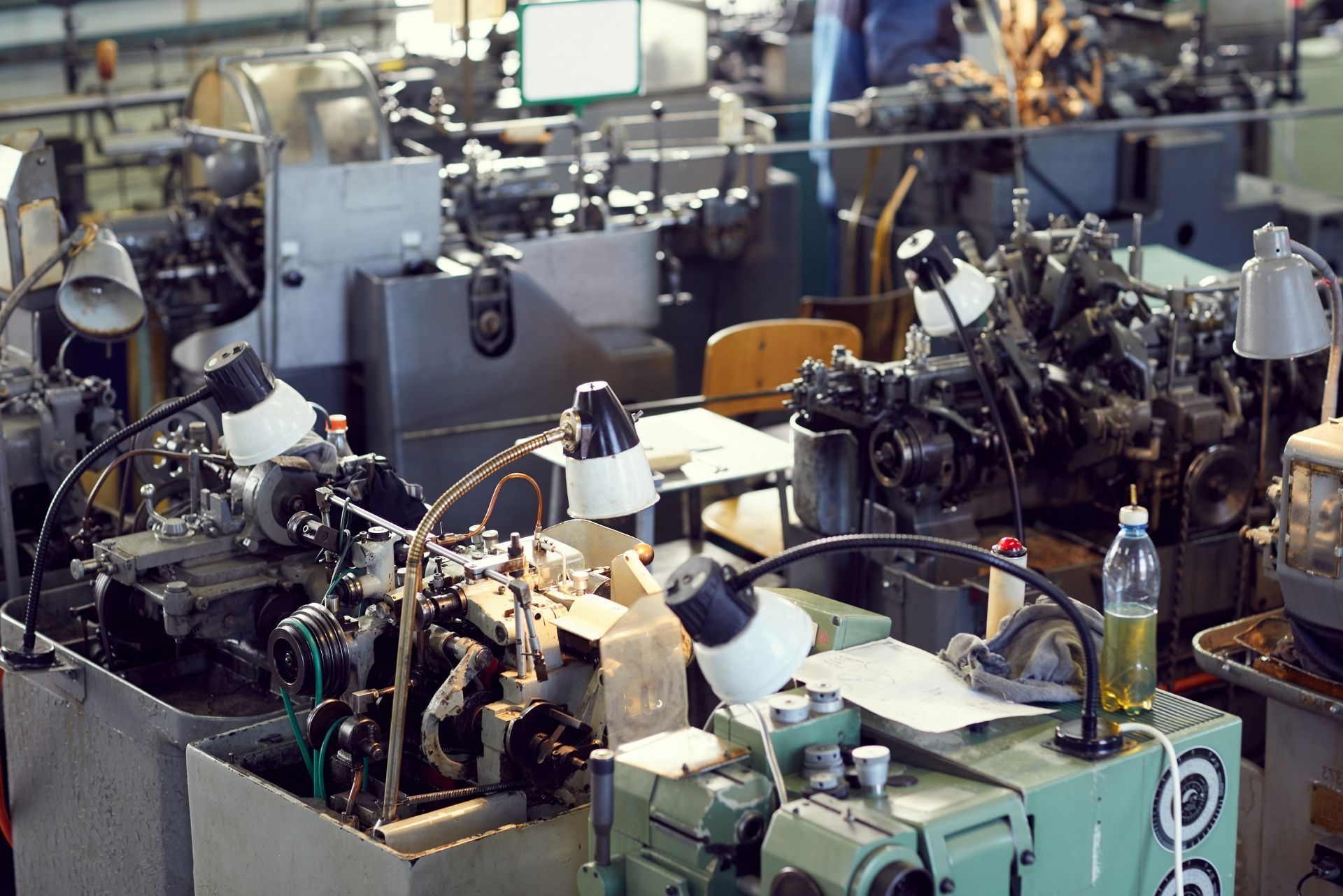
Machine shops vary in size, production volume, and risk exposure. Hence, a one-size-fits-all approach rarely works when it comes to insurance. Customizing your coverage is not only a safeguard but a strategic move to align with the unique operational nuances of your shop.
Some policies offer modular coverage options where additional protections can be added to address specific risks, such as blowers, compressors, or other heavy machinery. Engaging with knowledgeable brokers who understand both the intricacies of machine shops and the local regulatory environment is essential. A detailed review of policy language ensures that clauses related to maintenance, machinery downtime, and equipment replacement are clarified upfront.
It is also advisable to consider endorsements or riders that may cover business interruption due to supply chain disruptions, a factor that has become more prevalent with global market volatility. By customizing policies, machine shop owners can protect both their physical assets and their operational continuity.
Challenges in the Insurance Marketplace
California’s insurance environment is often described as fragile, with many experts calling for reforms to modernize state regulations. According to industry voices, changes in statutory guidelines are imperative to address underlying challenges and stabilize the market over the long term. The push for reforms is echoed by several trade groups and insurers who see the current framework as lagging behind industry needs.
Particularly relevant to machine shops is the persistently increasing cost of claims related to mechanical failures and workplace injuries. This not only creates difficulties in policy pricing but also in maintaining a sustainable profit margin in an industry where margins can be thin.
Advocacy reports, such as those from the Center for California Real Estate, have recommended actions like streamlining rate approvals and securing long-term mitigation funding to address the state's insurance crisis. Machine shop owners should remain engaged with such developments to anticipate potential impacts on their policies.
Crafting a Comprehensive Insurance Strategy for Your Machine Shop
Risk Management Best Practices
Embedding risk management into your operational framework is as crucial as the insurance policy itself. Effective risk management involves regular safety audits, preventive maintenance, and operational training focused on safety protocols. Simple measures such as routine machine inspections and comprehensive employee training can significantly reduce the likelihood of accidents and the subsequent claims that follow.
Keeping detailed records and having an inventory of all assets can speed up the claims process in the event of damage. Additionally, establishing a relationship with insurers through ongoing dialogue provides a platform to discuss potential policy adjustments based on your evolving risk profile.
Regular risk assessments not only help in identifying areas of improvement but also demonstrate proactive management to insurers-a factor that can lead to more favourable terms and premium reductions.
Building a Customized Policy with Expert Guidance
Working with insurance brokers who specialize in industrial coverage can be invaluable. Their expertise can guide machine shop owners in selecting coverage elements that resonate with the unique operational risks while providing broad-based protections. Expert brokers assess factors including property values, employee count, production levels, and local risk factors to craft insurance policies that address both common and niche risks.
Given the dynamic environment of California’s insurance market, particularly with fluctuations in workers’ compensation rates and rising EPLI premiums, having a broker who is conversant with current trends is critical. For example, forecasts from industry reports indicate potential increases in Employment Practices Liability Insurance, underscoring the need for awareness and adaptability when finalizing policy details.
Ultimately, a combination of expert guidance and a tailored approach in policy selection often leads to the best outcomes, ensuring that all facets of risk are adequately covered.
Insurance Comparison: A Closer Look at Policy Options
Understanding the differences between policy options can be overwhelming. The following table offers a snapshot comparison of core coverage types tailored to machine shops in California. It highlights the primary benefits of each policy to help decision-makers weigh the options.
| Coverage Type | Main Benefits | Potential Limitations |
|---|---|---|
| Property and Equipment Coverage | Protects machinery, tools, facilities; covers fire, theft, natural disasters | May not cover mechanical breakdowns unless endorsed |
| Liability Insurance | Covers legal and settlement costs from accidents or injuries on site | Does not typically cover employee-related claims |
| Business Interruption Coverage | Supports fixed costs during periods of downtime | Dependent on timely claim filings and proper documentation |
| Workers’ Compensation | Covers employee medical expenses and lost wages | Subject to rate fluctuations and regulatory changes |
This comparison chart serves as a starting point for discussions with your insurance provider. Fine-tuning coverage options based on the specifics of your machine shop is vital. Each policy element should be viewed as a building block that contributes to an overall risk management strategy.
By comparing the value and limitations of different policies, machine shop owners can pinpoint gaps in coverage and make informed decisions that align with both current and future risks.
Adapting to Future Challenges in the Insurance Landscape
Preparing for Regulatory Changes and Market Fluctuations
As the regulatory environment evolves, not only do machine shop operations change but so do the requirements for insurance. Advocates stress the need for reforms that modernize state practices and align with current risk exposures. This need for updated rules is particularly apparent in the wake of rising claim costs and shifting market dynamics.
Legislative changes may redefine how claims are processed and how premiums are calculated. With market fluctuations like the anticipated 10 to 15 percent increase in EPLI rates in 2025 as forecast by industry reports, it is prudent for business owners to build a policy review schedule into their risk management practices. This proactive approach ensures that policies evolve alongside regulatory and market developments.
Staying prepared for these changes is a critical operational strategy. A well-structured insurance plan not only covers existing risks but also provides a buffer against unforeseen regulatory shifts and market-driven price surges.
Leveraging Technology and Data in Risk Management
Data-driven decision making is reshaping how risk exposures are calculated and managed in machine shops. Technologies that monitor equipment performance and operational metrics help in early disruption identification, ensuring potential issues are addressed before they escalate into costly claims.
Insurers are increasingly using technology to better predict risk, which means accurate data from your operations can lead to more favourable underwriting decisions and potential discounts. Keeping detailed records and leveraging smart maintenance schedules may offer a competitive edge, reinforcing both the operational safety and financial health of your business.
This data-centric approach not only enhances the precision of risk evaluations but also builds credibility with insurers by demonstrating a commitment to proactive risk management and operational excellence.
Frequently Asked Questions
This section covers common questions that machine shop owners typically ask about insurance options in California. These brief responses provide clarity and guide the next steps in managing your coverage effectively.
Q: Why is specialized insurance necessary for machine shops?
A: Machine shops face unique risks such as expensive machinery and operational hazards that general policies might not address adequately. Specialized insurance offers tailored coverage to protect against these specific challenges.
Q: What does property and equipment coverage include?
A: This coverage protects your shop's physical assets, including machinery and tools, from events like fire, theft, and natural disasters. It may also have endorsements available for mechanical breakdowns.
Q: How do market trends affect insurance premiums?
A: Changing market conditions, such as fluctuations in workers' compensation rates and rising costs in other areas, cause insurers to adjust premiums periodically. Staying updated with these trends helps in tailoring the right coverage.
Q: What should machine shop owners do to manage risk effectively?
A: Regular safety audits, maintenance of equipment, and continuous dialogue with experienced insurers are key steps towards effective risk management. These measures help reduce the frequency and severity of claims.
Q: How often should insurance policies be reviewed?
A: Given the dynamic nature of risks and market fluctuations, a policy review is recommended at least annually or more frequently if there are significant changes in your operations or market conditions.
Q: Are there any additional coverages to consider for business interruption?
A: Yes, considering endorsements that cover supply chain disruptions and extended operational shutdowns can provide added security and ensure that fixed expenses are managed during unforeseen events.
Wrapping Things Up for California Machine Shop Owners
Establishing a comprehensive insurance strategy is critical for machine shop owners who face a high-stakes operational landscape. With California’s insurance environment evolving through regulatory shifts and market changes, staying informed and proactive in coverage management can make all the difference.
Owners should collaborate with trusted insurance professionals who can guide them in building tailored policies that reflect current risks and future challenges. The insights from industry reports and regulatory reviews show that embracing customized coverage solutions is essential, whether it involves robust property coverage, flexible liability options, or adaptable workers’ compensation policies.
Machine shop operators should also heed expert warnings about rising operational costs and the potential for rate increases. By engaging in regular policy reviews and employing comprehensive risk management practices, the long-term financial health and operational resiliency of the business can be safeguarded. Stay updated with industry trends like those reported by
the American Property Casualty Insurance Association to ensure policies remain contemporary and effective.
ABOUT THE AUTHOR:
DANIELLE SWEET
HI! I am Danielle Sweet your insurance extraordinaire. I have been in the insurance industry since I was 19 years old working in many different areas of insurance to provide a broad knowledge base to our clients. I have three amazing children who keep me on my toes even as they are older. I have a passion for horses and am lucky to ride every week. I am truly blessed to be able to help business owners and individuals navigate the world of insurance and educate you to make an informed decision that is right for you.
Contact Us

Service that stays with you.
Our team helps simplify insurance decisions for families and businesses. We focus on clear explanations, fast responses, and dependable service. You can count on us for help with coverage questions, updates, and long-term support.
Coverage that keeps you secure
Reliable Protection for Everyday Life
Home insurance helps protect your house, personal belongings, and liability risks. We explain coverage options clearly so you know what your policy includes.
Auto insurance provides protection for accidents, liability, and vehicle damage. We help you compare options so you can choose coverage that fits your driving needs.
Motorcycle insurance provides coverage for riders and their bikes. We help you select options that match how and where you ride.
RV insurance supports protection for motorhomes and recreational vehicles. Coverage applies during travel and while parked.
Coverage Built for Contractors and Trades
Support that keeps your work moving.

General Liability Insurance
General liability insurance helps protect contractors from injury and property damage claims. It supports jobsite requirements and contracts.

Workers Compensation
Workers compensation insurance helps protect employees injured while working. It also supports compliance with state requirements.

Commercial Auto Insurance
Commercial auto insurance provides coverage for work vehicles used on jobsites. It helps protect drivers and company vehicles.
Contractor Insurance
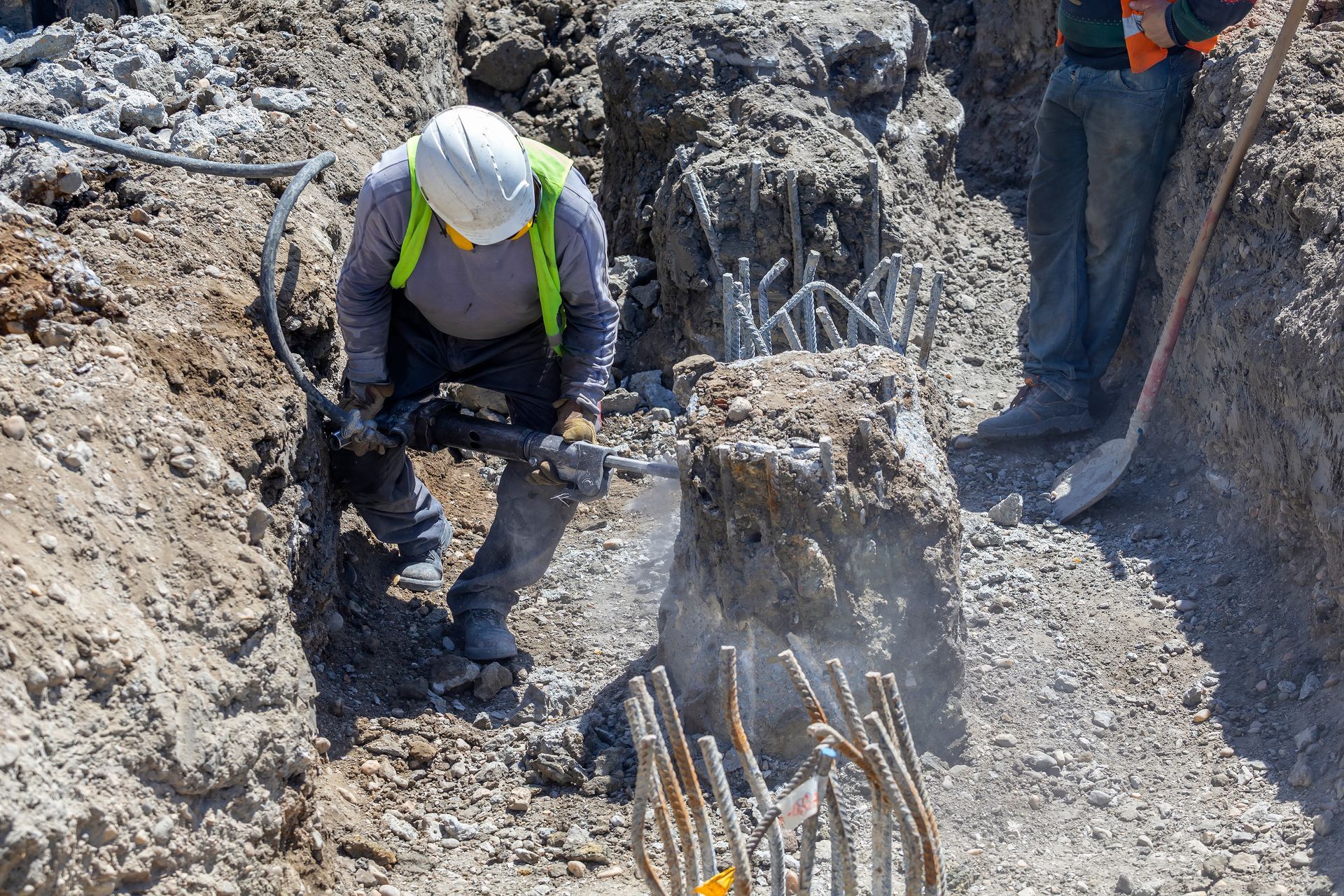
Contractor insurance supports trades and service professionals across Southern California. It helps protect tools, equipment, and daily operations.

Cyber Liability Insurance
Cyber liability insurance helps protect business data and customer information. It supports recovery from digital incidents.

Commercial Property Insurance
Commercial property insurance helps protect offices, shops, and equipment. It supports recovery after covered damage.
Coverage Built for Specialized Work
Support for high-risk and service-driven industries.
Simple Steps Supported by Steady Guidance
A Clear Path to Coverage
Trusted by Clients Across Southern California
Clear service backed by real experiences.
Answers to Common Questions.
Clear explanations to guide your decisions.
How do I know which insurance policy is right for me?
We compare coverage options from multiple carriers to help you see differences in protection and price. You can review clear details and ask questions so you understand what each policy covers. Our team guides you step by step so you feel sure about your decision.
What factors affect my auto insurance premium?
Auto insurance premiums are influenced by your driving history, age, location, vehicle type, and coverage choices. A clean driving record and good safety features can help lower costs. We review these factors with you and help find coverage that fits your budget and needs.
Does homeowners insurance cover all types of damage?
Standard homeowners insurance protects your structure, personal belongings, liability, and additional living expenses in many cases. However, it usually does not include flood or earthquake damage without separate policies. We help you decide if extra coverage is right for your home and location.
Can I update my policy or get certificates online?
Yes. You can submit requests for policy changes and certificates through our online service form at any time. Our team processes those requests quickly and confirms updates once complete so you have the documents you need.
Do I need separate insurance for business risks like EPLI or E&O?
Yes. General liability and workers compensation cover many business risks but do not protect against all exposures. For example, Employment Practices Liability Insurance (EPLI) covers claims like wrongful termination or discrimination, and Errors & Omissions (E&O) covers claims based on mistakes in professional services. We help you identify which extra policies your business may need.
What happens if I need to file a claim?
If you need to file a claim, we guide you through the process and help you contact the insurance carrier. We explain what information you should provide, answer your questions, and stay available while the carrier reviews your claim. This support helps you move forward with confidence.
Contact Us