
The soaring cost of property insurance in California is a challenge many condo and HOA communities face daily. A combination of rising premiums, the complexities of insuring large residential associations, and fluctuating market conditions all contribute to a landscape where detailed understanding matters more than ever. Recent industry developments have seen coverage limits for community associations surge, and California is often in the spotlight for record-setting changes.
California’s insurance market now finds itself caught between increased demands and limited supply. This interplay has led to dramatic premium hikes for condo associations and HOAs. For instance, some California condo associations have experienced insurance premium increases in a single renewal cycle that soar between 200% and 500% (Coverage Cat). This article unpacks these trends while offering a comprehensive guide for condo associations and HOAs seeking to navigate the challenging insurance environment.
Readers looking for detailed expert perspectives and verified data can find more insights in discussions such as those presented by
San Francisco Standard on the current insurance crisis.
Understanding the Current Insurance Landscape for California HOAs and Condo Associations
The insurance sector in California has seen unprecedented shifts in recent years. Expert Cyn Wang commented that “we’re in an unprecedented property insurance crisis in California right now” (San Francisco Standard). This crisis is driven by escalating claims, climate-related risks, and increased litigation costs.
California houses approximately 51,250 homeowner associations serving over 14 million residents (iPropertyManagement). With so many communities relying on cohesive insurance policies, any disruption in the market has far-reaching consequences. The market imbalance is particularly visible in the widening gap between reinsurance supply and the soaring demand for risk coverage. According to a report by the California Department of Insurance, this gap tripled from the previous fall to reach an estimated $60 billion in early 2023 (P&C Insurance).
For condo associations and HOAs, understanding these market dynamics is essential to effectively negotiate terms and secure suitable coverage amidst challenging conditions. Transparent and well-structured policies have never been more critical.

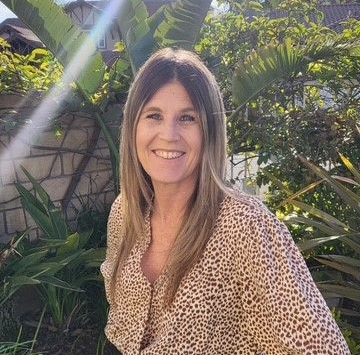
By: Jennifer Roberts
Commercial Insurance Agent at Caruso Insurance Services
Key Factors Driving Premium Increases
Rising Claims and Increased Litigation
One major contributor to soaring premiums in California is the combination of rising claims and increased litigation expenses. As claims escalate, insurance companies must adjust their pricing models to manage risks effectively. This impacts all insured parties, including large-scale residential associations. In fact, a recent survey by the Foundation for Community Association Research revealed that 90% of HOAs reported increased property and casualty insurance premiums, with nearly one quarter reporting hikes ranging between $101 and $500 (HOAresources).
The reality of higher litigation stakes places financial pressure on insurers who, in turn, pass these costs through to policyholders. This trend means that any HOA or condo association must account for unpredictable adjustments in their financial planning.
Limited Reinsurance Supply
The gap between reinsurance supply and demand is another pressure point. As noted, the California Department of Insurance reported that the gap increased significantly, implying a strained market where insurers face increased reinsurance costs. These higher costs eventually translate to insurance premiums for communities and associations, adding to the financial burden on already operating on tight budgets (P&C Insurance).
This evolving market dynamic makes long-term financial planning increasingly uncertain. Along with the rising cost of insurance, HOAs must also consider the potential for abrupt premium adjustments from year to year.
Broadening Protection with Enhanced Coverage Limits
Recent policy developments have aimed to mitigate some of the risks associated with rising claims and unpredictable market conditions. A recent move by the California Fair Plan Association to extend its coverage options for community associations is notable. Coverage limits have increased from $8.4 million to $20 million (HOAresources), a move that aims to provide more robust protection for associations facing high-stake claims.
This development is crucial for associations managing larger properties or those in regions particularly susceptible to natural disasters. The broadened limits allow for better risk management and more comprehensive coverage, which can be acceptable even if premiums have to increase as well. Enhanced coverage can offer peace of mind that a catastrophic event will not overwhelm community finances.
Market Options Narrowing
According to industry experts, the era of having a handful of insurance options is quickly fading. One expert pointed out, “The days of having two, three, or four options are long gone,” referencing the reduced diversity amongst providers (InsuranceRise). For associations that once had choices between different carriers or coverage plans, this concentration means relying on fewer, albeit more specialized, options.
As a result, associations must tread carefully when renegotiating renewal contracts. They also need to prepare for the likelihood of premium increases that directly reflect a market with fewer players and less flexibility.

HOA-Specific Considerations and Financial Impact
The Weight of HOA Fees in Local Markets
Homeowners association fees have become a significant factor, particularly in premium markets like San Diego County. Recently, data suggest that in 2024, over half of the homes for sale in San Diego County included HOA fees. This percentage overtakes the national average of 40.5% (Axios). Higher fees can be a double-edged sword-they provide additional revenue necessary to cover rising insurance costs yet can also add to the burden for homeowners.
For many associations, the fee structures have been adapted to account for new and increasing insurance costs. Boards must carefully balance additional assessments and fee hikes against homeowners' ability to pay. Upfront transparency and clear explanations can help manage the expectations of community residents.
Monitoring the interplay of insurance cost trends and HOA fee structures is essential. The financial strategies adopted now determine the level of resiliency associations can expect when faced with further premium increases or unexpected claims events.
Budgeting and Financial Planning in an Uncertain Environment
Given the shift in coverage limits and narrowing options, budgeting for insurance is a critical part of HOA management. Annual assessments or one-time special assessments to cover rising premiums have become more commonplace. Many associations are now considering longer-term financial forecasts that include a buffer for these adjustments.
Boards should not only assess current premium levels but also project future fluctuations. This may involve a close examination of past premium trends combined with market forecasts. As financial planning becomes more complex, associations might also consult third-party experts to help navigate these turbulent waters.
Comparing Basic and Extended Coverage Options
Choosing between basic and extended coverage options often presents a significant decision point for condo associations and HOAs. Basic policies typically cover standard liabilities and property damages, while extended policies can include additional protections such as environmental risks, equipment breakdown, or even certain types of natural disasters.
This decision directly affects the premium cost. Although extended coverage may be more expensive upfront, it could ultimately prove cost-effective by mitigating risks that could otherwise lead to catastrophic losses. Comparatively, the reassurance of having higher coverage limits can be an invaluable asset, especially in a state like California where risks are amplified.
Below is an illustrative table that highlights some of the key distinctions between basic and extended coverage:
| Coverage Feature | Basic Coverage | Extended Coverage |
|---|---|---|
| Property Damage | Standard liability limits | Higher limits with additional perils |
| Liability Protection | Standard legal expense coverage | Enhanced with broader legal defense |
| Natural Disasters | Limited scope | Broader coverage including earthquakes or floods |
| Environmental Risks | Often excluded | Included or available as an endorsement |
The table above demonstrates that while basic coverage might suffice for smaller associations with limited exposure, extended coverage can reduce risk significantly for larger communities. Weighing these options in light of current market conditions is indispensable for financial security and long-term planning.
Strategies for Mitigating Rising Insurance Costs
Risk Management Improvements
Implementing proactive risk management strategies can be a powerful tool for reducing insurance costs over time. Associations can conduct regular safety audits, invest in property upgrades, or even hold safety workshops for residents. These measures help reduce the probability of claims by minimizing potential hazards.
When insurers see that an HOA is taking significant steps to mitigate risk, they may be more inclined to offer more favorable premium rates. In many cases, advanced risk management initiatives are rewarded with lower premiums or more flexible policy terms.
Collaborative efforts among communities, such as sharing best practices or pooling resources for risk management, have gained traction. This proactive approach can help offset the cost burdens many associations currently face.
Engaging with Insurance Experts
Given the intricate nature of condo association insurance policies, consulting with experienced insurance professionals can yield better outcomes. Insurance brokers or specialized consultants who understand the nuances of California’s market can assist associations in obtaining the best value for their particular needs.
This expertise is particularly valuable when reassessing renewals or when searching for extended coverage options. Knowledgeable professionals can guide decision-makers through the maze of policy language and underscore areas where extended coverage is necessary versus optional risk management measures.
Effective communication with insurers can sometimes help in negotiating terms that more accurately reflect an association’s risk profile. Associations that actively engage in discussions tend to report better aligned premiums with actual risks and exposures.
Practical Tips for HOA and Condo Association Boards
Reviewing and Updating Policies Regularly
Frequent review of insurance policies is an essential practice for any HOA or condo association board. As market conditions evolve, policies that once provided sufficient coverage may become outdated. Regular reviews ensure that homeowners are adequately protected at competitive rates.
It is advisable for boards to establish an annual cycle for evaluating their insurance needs rather than waiting until a renewal period triggers a wake-up call. Engaging independent experts for a policy review can uncover coverage gaps or redundancies that affect premium costs.
Timely updates not only minimize risks but can also provide strategic insights for future risk management initiatives, ensuring that community resources are used efficiently.
Effective Communication with Homeowners
The financial implications of insurance premium increases often extend to every member of a community. For this reason, transparent communication from board members is critical. Homeowners deserve clear information about why premiums are increasing, what additional protections are being put in place, and how the overall risk landscape is evolving.
Regular meetings, newsletters, and community forums can be effective platforms for disseminating information. Explaining the role of comprehensive insurance coverage and outlining the long-term benefits of robust policies helps secure community buy-in during financially challenging times.
By providing homeowners with the rationale behind higher fees or additional assessments, board members can build trust and reduce resistance to necessary changes.
Evaluating Insurance Providers and Products
With several providers now offering specialized policies for large residential associations, the evaluation process has become a critical step in managing risk and costs. Finding an insurer who understands the unique challenges of a condo association or HOA can lead to products that are more closely tailored to individual needs.
Besides comparing policy terms and coverage limits, it is important to consider the insurer’s experience in handling claims relevant to community associations. Associations should review the performance history of potential insurers, including their responsiveness in crises and their willingness to work with associations on risk management strategies.
New market trends indicate that some insurers have significantly narrowed their offerings, making it essential to assess the depth of market options. As one expert mentioned, “The days of having two, three, or four options are long gone” (InsuranceRise), emphasizing the need for thorough provider evaluations.
Preparing for Future Changes in the Insurance Market
Adjustments in the insurance market are not likely to slow down anytime soon. As California faces ongoing challenges ranging from natural disasters to litigation changes, condo associations and HOAs must stay agile. Future changes may include adjustments in premium structures, more frequent policy updates, or even shifts in coverage models entirely.
Proactive planning should involve continuous market research and the establishment of contingency funds designed to absorb sudden premium hikes. Many associations are now diversifying their risk management strategies by not solely relying on traditional insurance but also exploring alternative risk transfer mechanisms and self-insurance options.
Keeping abreast of regulatory changes and emerging industry best practices provides an additional layer of defense. Staying informed means board members can anticipate shifts and negotiate more effectively with insurers, ultimately ensuring that associations remain resilient over time.
Frequently Asked Questions
What makes condo association insurance different from standard homeowners policies?
Condo association insurance typically covers common areas, shared structures, and liabilities that impact the entire community rather than an individual homeowner’s property. This type of policy is designed to serve groups rather than individuals.
Why have insurance premiums increased so dramatically for many California HOAs and condo associations?
Insurance premiums have risen due to a combination of factors including an increase in claims, higher litigation costs, and a narrower reinsurance market. These factors create a scenario where insurers pass on costs to policyholders (HOAresources).
Are there strategies that associations can adopt to reduce the risk of higher premiums?
Yes. Implementing proactive risk management initiatives, conducting regular safety audits, and engaging insurance experts can help reduce risks. These strategies often result in better premium terms over time.
What should a board look for when comparing insurance providers?
Boards should evaluate how each provider tailors their coverage for community risks, their claims-handling reputation, and their overall financial stability. A track record in managing complex claims is critical for ensuring the association’s risk profile is adequately addressed.
How can associations prepare financially for unexpected insurance premium increases?
Associations can create contingency funds, review and update budgets regularly, and plan for potential special assessments. These actions help ensure that financial resources are available when urgent increases occur (Coverage Cat).
What role do extended coverage options play in protecting associations?
Extended coverage options provide enhanced protection by including broader liability protections and higher claim limits. They play a crucial role when standard policies may not fully cover catastrophic events.
Looking Ahead: Balancing Risk, Cost, and Community Needs
The challenges facing California condo associations and HOAs are multifaceted. Boards are not only balancing complex insurance markets but also the pressures of managing community expectations and financial resources. With an evolving landscape and rising premiums, a flexible, informed, and proactive approach becomes essential.
Enhanced coverage options that push policy limits upward provide some relief when claims occur. At the same time, the strain on reinsurance markets and insurance provider options means that every board meeting now includes long-term insurance planning as a core agenda item.
As associations plan for the future, collaboration among board members, risk management professionals, and insurance experts remains key. Structures that accommodate both current challenges and future uncertainties will ultimately be more resilient.
Wrapping Things Up
California condo association and HOA insurance embodies a unique intersection of financial risk, community management, and market dynamics. Recent trends in premium increases and narrowed supplier options signal the importance of proactive management and strategic review.
While the present challenges are significant, informed planning and transparent communication can alleviate many of the stresses associated with rising insurance costs. Taking advantage of enhanced coverage options, implementing robust risk management practices, and engaging experienced insurance professionals can help associations manage these economic pressures effectively.
For comprehensive insights and further updates on market trends, trusted outlets such as
Axios offer dependable reporting on local developments that impact community associations.
Final Thoughts on Navigating an Uncertain Future
HOA and condo association boards in California face mounting challenges that require consistent review and adaptation. With market volatility causing premium hikes and policy changes, staying informed is more critical than ever. A well-prepared association not only survives but thrives by negotiating clear, balanced insurance policies that cover current risks and prepare for future uncertainties.
The adaptation process includes recognizing that insurance is not a one-time decision, but an ongoing commitment to community safety and financial stability. By routinely reviewing policy terms, engaging in risk mitigation, and fostering open communication among community members, boards can better align insurance costs with tangible benefits.
As the insurance market continues to shift, integrating expert insight, market data and a thorough risk management plan can pave the way for more stable, resilient communities in California. The ability to adjust financially and operationally to market dynamics is the cornerstone of building a community that can withstand tomorrow’s challenges.
ABOUT THE AUTHOR:
JENNIFER ROBERTS
Jennifer Roberts supports business clients with commercial insurance service and account coordination. She works closely with clients to explain coverage details clearly and guide them through policy updates that support business needs.
Jennifer believes strong organization and clear communication are key to reliable service. She stays involved throughout the policy process, from documentation to ongoing updates, and focuses on maintaining accurate and dependable client accounts.
Contact Us

Service that stays with you.
Our team helps simplify insurance decisions for families and businesses. We focus on clear explanations, fast responses, and dependable service. You can count on us for help with coverage questions, updates, and long-term support.
Coverage that keeps you secure
Reliable Protection for Everyday Life
Home insurance helps protect your house, personal belongings, and liability risks. We explain coverage options clearly so you know what your policy includes.
Auto insurance provides protection for accidents, liability, and vehicle damage. We help you compare options so you can choose coverage that fits your driving needs.
Motorcycle insurance provides coverage for riders and their bikes. We help you select options that match how and where you ride.
RV insurance supports protection for motorhomes and recreational vehicles. Coverage applies during travel and while parked.
Coverage Built for Contractors and Trades
Support that keeps your work moving.

General Liability Insurance
General liability insurance helps protect contractors from injury and property damage claims. It supports jobsite requirements and contracts.

Workers Compensation
Workers compensation insurance helps protect employees injured while working. It also supports compliance with state requirements.

Commercial Auto Insurance
Commercial auto insurance provides coverage for work vehicles used on jobsites. It helps protect drivers and company vehicles.
Contractor Insurance
Contractor insurance supports trades and service professionals across Southern California. It helps protect tools, equipment, and daily operations.

Cyber Liability Insurance
Cyber liability insurance helps protect business data and customer information. It supports recovery from digital incidents.

Commercial Property Insurance
Commercial property insurance helps protect offices, shops, and equipment. It supports recovery after covered damage.
Coverage Built for Specialized Work
Support for high-risk and service-driven industries.



Simple Steps Supported by Steady Guidance
A Clear Path to Coverage
Trusted by Clients Across Southern California
Clear service backed by real experiences.
Answers to Common Questions.
Clear explanations to guide your decisions.
How do I know which insurance policy is right for me?
We compare coverage options from multiple carriers to help you see differences in protection and price. You can review clear details and ask questions so you understand what each policy covers. Our team guides you step by step so you feel sure about your decision.
What factors affect my auto insurance premium?
Auto insurance premiums are influenced by your driving history, age, location, vehicle type, and coverage choices. A clean driving record and good safety features can help lower costs. We review these factors with you and help find coverage that fits your budget and needs.
Does homeowners insurance cover all types of damage?
Standard homeowners insurance protects your structure, personal belongings, liability, and additional living expenses in many cases. However, it usually does not include flood or earthquake damage without separate policies. We help you decide if extra coverage is right for your home and location.
Can I update my policy or get certificates online?
Yes. You can submit requests for policy changes and certificates through our online service form at any time. Our team processes those requests quickly and confirms updates once complete so you have the documents you need.
Do I need separate insurance for business risks like EPLI or E&O?
Yes. General liability and workers compensation cover many business risks but do not protect against all exposures. For example, Employment Practices Liability Insurance (EPLI) covers claims like wrongful termination or discrimination, and Errors & Omissions (E&O) covers claims based on mistakes in professional services. We help you identify which extra policies your business may need.
What happens if I need to file a claim?
If you need to file a claim, we guide you through the process and help you contact the insurance carrier. We explain what information you should provide, answer your questions, and stay available while the carrier reviews your claim. This support helps you move forward with confidence.
Contact Us