A golf course in California is more than just a sports venue; it is a thriving business that reflects both natural beauty and significant economic investment. With a booming market and rising concerns from climate-related challenges, selecting the right insurance coverage is essential for safeguarding your assets and operations. Interested parties should carefully assess the risks and insure their investments accordingly. For insights on market trends, consider expert views like those from Keith Cubba at Colliers International, who has observed a noticeable decrease in risk premiums in the industry.
This guide will explore key aspects of California golf course insurance, from market trends and investment risks to environmental challenges that impact coverage costs. With detailed explanations and practical advice, it provides critical information to help golf course owners and investors make informed decisions.
Understanding the Market Landscape
California’s golf industry has experienced remarkable growth in economic activity and business expansion. With the Golf Courses & Country Clubs industry projected to reach $4.1 billion by 2025 according to industry figures, the sector now operates over 600 establishments, employing tens of thousands. These numbers illustrate an expanding market that is both competitive and diverse in its offerings.
As demand increases, the financial stakes for golf course operators and investors have grown significantly. The impressive economic output in the golf industry contributes widely to local economies and supports numerous employment opportunities. An understanding of these market dynamics is crucial when considering the type and amount of insurance coverage needed to protect the enterprise.
The surge in business activity brings with it an imperative need to reassess risk management strategies. It is not unusual for an increase in industry value to accompany an expectation of increased liability risks, making insurance a cornerstone of operational strategy.

By: Peter Plew
Commercial Insurance Agent at Caruso Insurance Services
Trends in Golf Course Investment and Real Estate
The investment landscape for golf courses in California is evolving quickly. For instance, sales transactions have risen steadily with a notable 9.5% increase in golf course transactions in 2024 according to recent data. This increase in activity is supported by substantial increases in both average and median sales prices, which climbed by 38% and 22.7% respectively.
This current uptrend in real estate deals indicates that golf courses are not just leisure facilities but also valuable investment assets. As more investors look to capitalize on the industry’s robust performance, the need for comprehensive insurance coverage that accounts for both operational risk and real estate investment risk is becoming increasingly evident.
Investment in golf course properties is now seen as a dynamic, multifaceted opportunity that demands not only sound financial judgment but also a strategic approach to risk mitigation. The compression of risk premiums noted by industry experts further supports this approach, which in turn enhances the appeal of golf course investments.
Risks and Challenges in the California Environment
Operating a golf course in California is not without its challenges. The state’s varied climate means that course operations are subjected to risks ranging from seasonal storms to prolonged heatwaves. More notably, climate change exacerbates potential hazards such as wildfires, which notably impact both operations and insurance costs. Climate events have led to golf course closures and poor air quality that not only disrupt play but force operators to reassess their insurance policies as noted by a recent insurance report.
In California, wildfires pose a particular risk. For example, severe wildfire events, like those in the Los Angeles area in 2025, resulted in economic losses exceeding $250 billion according to expert testimony. While these figures may not always directly impact every golf course, they underline the potential scale of environmental risks that can trigger significant financial exposure if insurance is not adequately structured.
Climate-related risks also affect the structure of insurance premiums. In an environment where operational disruptions due to natural hazards are increasingly likely, many insurers are recalibrating policy costs. Moreover, the growing trend of underinsurance in wildfire-prone regions underscores the importance of reviewing and updating coverage regularly. Over nearly two decades, consumer complaints have brought significant attention to the issue of underinsurance, prompting insurers to revisit policy frameworks
as reported by state regulators.

Why Golf Course Insurance is a Critical Investment
Golf course insurance in California transcends basic property protection. Given the complexity of operations, it also covers a range of liabilities, including physical damages, business interruptions, and even liability claims related to accidents on the course. The assurance provided by comprehensive insurance solutions often becomes the deciding factor for lenders and investors in the valuation of golf course assets.
Exemplary reports on the resurgence of the U.S. golf industry indicate that increased rounds played and higher course valuations have brought renewed attention to asset protection strategies as detailed in the latest Golf Investment Report. An insurance policy that covers not only physical assets but also the intangible investment in reputation and operational continuity is essential for modern golf courses.
This kind of coverage provides peace of mind, ensuring that if an unexpected event occurs-whether an extreme weather incident or a liability claim-the financial consequences are contained. With market insights pointing toward the compression of risk premiums, many insurers now offer more competitive packages tailored specifically for the unique challenges of the golf course industry.
Key Considerations When Choosing an Insurance Policy
Deciding on the right insurance policy for a California golf course involves analyzing several key factors. The primary areas to explore include coverage limits, the scope of insured perils, and liability extensions. A detailed policy should be capable of addressing not just the physical structures but also ancillary assets such as equipment, staff liabilities, and future revenue losses in the event of a disruption.
Policyholders should examine the exclusions and specific endorsements provided by insurers. Sometimes, what appears to be comprehensive coverage might fall short when facing niche risks inherent to the golf industry. For example, damage from climate-induced events such as wildfire smoke can lead to operational interruptions that standard policies often exclude. It is important to understand the fine print to ensure that the policy fully covers your operational and financial risks.
It is also wise to consult with an insurance expert who understands both the specific risks facing golf courses and California’s regulatory environment. By comparing policy details and pricing, operators can make a more informed decision that reflects their unique needs. Researching current market trends and recent claims data may also expose common pitfalls and best practices that can save money and secure future operations.
Understanding Policy Exclusions and Endorsements
Every insurance policy contains exclusions. For golf course owners, it is important to assess these limitations before signing on the dotted line. Some coverage may exclude specific natural disasters or damage from long-term environmental degradation. Likewise, endorsements that extend the coverage to cover email notices, temporary closures, or additional business loss are often available at a marginal premium increase.
A deep dive into these details can reveal gaps in coverage that, if unaddressed, could leave financial vulnerabilities. Leveraging expertise from third-party consultants who specialize in sports and leisure facilities might expose options that are not immediately apparent on a standard policy. Such insights help align your coverage with your risk profile and present a safety net for unforeseen circumstances.
The insurance landscape for golf courses is evolving, and policies are being adjusted to better reflect the realities of modern operations. By staying updated on industry best practices and recent regulatory changes, golf course managers can better safeguard their investments.
Evaluating Liability Coverage
Liability coverage is a critical aspect of any golf course insurance package. It is common for accidents on the course to lead to injury claims, property damage, or even long-term liability exposures. The right policy should protect against the full spectrum of such liabilities, including both bodily injury and property damage. Liability insurance also often covers legal costs arising from litigation, ensuring that the golf course is financially shielded from potentially crippling legal bills.
Historically, several liability incidents in recreational spaces have prompted insurers to review and adjust their policies to better reflect real-world risks. In the competitive California market, ensuring robust liability coverage can differentiate a policy that simply meets regulatory standards from one that truly secures future operations. Operators are encouraged to review their policies annually with professional advisers who bring local expertise and up-to-date insights.
When liability exposures are considered, the cost of claims management and potential settlement payouts can rapidly escalate. Adequate liability coverage acts as both a buffer and a deterrent against financial instability in the face of legal challenges or accident claims.
Adapting to Climate Change and Environmental Risks
The threat of climate change is becoming an increasingly prominent risk for California’s golf course operators. As wildfires cause widespread damage and disruption, insurers adjust their risk assessments and pricing models to account for a higher frequency of extreme events. Experiences with recurring climate events have led to a reevaluation of assumed risks and, at times, increased insurance costs for properties deemed highly vulnerable.
Recent studies have shown that environmental exposures, including poor air quality from wildfire smoke, directly contribute to operational disruptions and increased maintenance costs. This has led insurers to incorporate more comprehensive environmental clauses in their policies. For instance, policies might now specify coverage for business interruption related to wildfire incidents or damage caused by smoke, though with specific terms and conditions that require careful scrutiny.
Adapting to these new challenges means recognizing that the costs of inaction far outweigh the added premiums. In an industry already buoyed by growing investment interest, proactive measures are essential for risk mitigation. Understanding and responding to climate-driven risks ultimately fortifies the financial sustainability of a golf course, making environmental risk management a key component of any comprehensive insurance strategy.
The Role of Underinsurance
Underinsurance remains a persistent risk in regions where climate change is reshaping exposure profiles. Historical data indicates that thousands of claims related to climate incidents were underwritten inadequately across the state. Consumer complaints have highlighted the ramifications of this gap, particularly in the aftermath of wildfire events that left many properties with insufficient coverage as detailed by the California Department of Insurance.
For golf courses, ensuring that the policy limits are sufficient to cover large-scale operational interruptions and catastrophic losses is essential. Operators should work with their insurers to conduct detailed risk assessments, verifying that coverage not only meets regulatory requirements but also aligns with the potential value loss in a worst-case scenario. Such due diligence minimizes exposure and enhances overall financial resilience.
This proactive measure of addressing underinsurance speaks to the broader need for continuous policy review and adaptation. As market conditions evolve, so too should the insurance solutions that protect these lucrative but vulnerable assets.
How to Choose the Right Insurance Provider
Selecting an appropriate insurance provider for a golf course in California involves more than a review of premium costs. It is critical to evaluate the insurer’s track record in handling large-scale claims, especially those arising from environmental disruptions. A provider with excellent claims management and local expertise can make a significant difference when rapid decision-making is required following an incident.
Reputation and customized coverage are important factors to consider. Golf course operators are wise to partner with insurers who have demonstrated experience specifically with sports and leisure facilities. Providers that offer tailored policies take into account the unique operational risks of a golf course, from seasonal fluctuations in usage to the high capital investment in well-maintained landscapes and facilities.
Business owners should request detailed proposals that outline the scope of coverage and any potential gaps. Engaging in a detailed conversation about risk exposure and coverage customization is essential. With precise data on market trends and recent claims from similar businesses, a well-informed operator can better balance cost with the necessary breadth of coverage.
Evaluating Financial Stability and Claims History
Before finalizing your choice of an insurance provider, it is vital to evaluate the financial stability of the company. Operators need evidence that their insurer will be able to honor claims even in widespread or catastrophic events. A review of past claims history and the insurer’s financial ratings offers insights into their capacity to handle challenging circumstances.
Reviewing feedback from current policyholders can also help assess the service quality and responsiveness of the insurance provider. Relying solely on quoted premiums without considering the insurer’s administration of claims might expose business owners to setbacks when a claim arises. Local reviews and industry benchmarks provide a clearer picture of how an insurer would likely perform under real pressure, ensuring that the chosen partner is both reliable and efficient.
Keep in mind that strategic partnerships between businesses and insurers often evolve through continuous dialogue and policy adjustments. Staying connected with insurers can yield opportunities to upgrade policies as market conditions change, thus ensuring sustained compliance and financial protection.
Managing Operational Risks Beyond Insurance
While proper insurance is a critical plank in managing risks, golf course operators should also invest in broader risk management and operational strategies. Routine maintenance, rigorous safety protocols, and effective emergency response plans are important to reduce the frequency and severity of incidents. These proactive measures can in turn lower insurance premiums, as insurers often reward operators who demonstrate commitment to risk reduction.
For example, regular safety drills, proper maintenance of equipment, and scheduled updates to emergency planning help create a safer environment. When a risk materializes, having a well-tested operational plan in place can greatly reduce damages and improve the efficiency of post-incident responses.
In addition, monitoring local weather patterns and climate forecasts enables operators to make timely decisions during times of environmental stress. Investing in state-of-the-art risk monitoring systems not only protects the physical assets but also informs insurers that the operator is engaged in active risk management. This can be a strong argument for negotiating favorable policy terms.
Developing an Integrated Risk Management Strategy
An integrated approach to risk management takes into account the entirety of a golf course’s operational profile. In a state such as California, where external factors such as climate events can rapidly change the risk landscape, it is particularly important to address all potential exposure areas. This includes not only risk mitigation through insurance but also enhanced safety protocols and investment in technology that monitors environmental changes.
Management teams are encouraged to develop risk management frameworks that align closely with their insurance coverage. Regular training sessions, detailed risk audits, and timely policy reviews will ensure that the measures in place remain effective and relevant. The result is a robust form of operational resilience where insurance acts as the final safeguard rather than the first-and possibly only-line of defense.
Cross-functional collaboration between risk managers, operations staff, and insurance consultants creates an integrated model that benefits all stakeholders. This strategy builds confidence among lenders, investors, and regulatory bodies, ensuring that the golf course remains a viable and secure investment over the long term.
Frequently Asked Questions
The following FAQ section addresses common concerns raised by golf course operators and investors when considering insurance coverage in California.
Q: Why is comprehensive insurance essential for golf courses?
A: Comprehensive insurance protects against a range of risks-from property damage and business interruption to liability claims arising from accidents on the course. Detailed policies help ensure continuous operations even after significant disruptions.
Q: How do climate events affect insurance premiums for golf courses?
A: Climate events like wildfires and prolonged drought can lead to increased maintenance costs and operational interruptions. Insurers incorporate these risks into their pricing models, often leading to higher premiums if proper risk management measures are not followed.
Q: What should be reviewed in an insurance policy for a golf course?
A: It is important to review coverage limits, exclusions, endorsements for environmental risks, and the scope of liability protection. Detailed policy reading and discussions with insurance specialists can help highlight any coverage gaps that need addressing.
Q: How can underinsurance impact a golf course operation in California?
A: Underinsurance may lead to significant financial shortfalls in the event of large-scale disruptions, particularly in high-risk areas. Historical cases of underinsurance have shown that inadequate coverage can leave operators vulnerable to severe economic losses as reported by state consumer bodies.
Q: What role does regular risk management play in reducing insurance costs?
A: Proactive risk management-including regular maintenance, safety drills, and emergency planning-not only minimizes incidents on-site but can also lead to more favorable insurance rates by demonstrating a commitment to risk reduction.
Wrapping Things Up
Golf courses in California sit at the intersection of thriving economic opportunity and environmental risk. The contemporary market demonstrates that solid investments extend beyond the fairway, requiring robust financial shields against unpredictable events. As the industry grows-with projections reaching $4.1 billion by 2025 per recent industry analysis-insurance remains a critical line of defense.
Operators need to remain vigilant and responsive to the evolving risks posed by climate change, liability exposures, and market dynamics. The importance of reviewing policy details, assessing risk profiles, and opting for insurers with deep expertise in the golf course sector cannot be overstated. This responsible approach not only protects the business but also ensures that the sport can continue to thrive amidst shifting risk landscapes.
Investing in comprehensive coverage, staying abreast of regulatory changes, and adopting a proactive risk management strategy collectively work to ensure that the future of California golf courses is as secure as it is promising. By placing a strong emphasis on tailored insurance solutions, golf course operators secure a foundation for long-term success.
Looking to the Future
As the golf course industry continues to evolve, emphasis on sustainable practices and smart risk management is only expected to increase. With market trends and environmental challenges prompting a recalibration of insurance standards, forward-thinking operators are already setting benchmarks in proactive coverage. Such initiatives not only improve operational resilience but also set the stage for a robust future investment climate.
Ongoing dialogue between insurers, risk management professionals, and golf course operators ensures that policies remain reflective of current market conditions and emerging challenges. Keeping an eye on industry developments helps managers refine their insurance coverage and align it with the unique dimensions of their operational risks.
Ultimately, the convergence of reliable insurance coverage and effective risk management positions California’s golf courses for continued growth and stability. With the right strategies in place, these businesses can confidently navigate future uncertainties and secure the legacy of one of the state's most cherished recreational industries.
Industry experts continue to advocate for a well-rounded approach to risk coverage in an era of rapid change.
ABOUT THE AUTHOR:
PETER PLEW
Hi my name is Peter Plew and I am a commercial insurance professional. I listen to and strategize with business owners about their visions of the future and assist in getting there as quickly as possible. I help identify unique exposure and risk’s that business owners have and the reasons why they need to be insured against them. My goal is to make sure my clients are always taken care of on a daily basis with any service needs, questions, or concerns they may have. I love to golf and spend time with my family in my spare time.
Contact Us

Service that stays with you.
Our team helps simplify insurance decisions for families and businesses. We focus on clear explanations, fast responses, and dependable service. You can count on us for help with coverage questions, updates, and long-term support.
Coverage that keeps you secure
Reliable Protection for Everyday Life
Home insurance helps protect your house, personal belongings, and liability risks. We explain coverage options clearly so you know what your policy includes.
Auto insurance provides protection for accidents, liability, and vehicle damage. We help you compare options so you can choose coverage that fits your driving needs.
Motorcycle insurance provides coverage for riders and their bikes. We help you select options that match how and where you ride.
RV insurance supports protection for motorhomes and recreational vehicles. Coverage applies during travel and while parked.
Coverage Built for Contractors and Trades
Support that keeps your work moving.

General Liability Insurance
General liability insurance helps protect contractors from injury and property damage claims. It supports jobsite requirements and contracts.

Workers Compensation
Workers compensation insurance helps protect employees injured while working. It also supports compliance with state requirements.

Commercial Auto Insurance
Commercial auto insurance provides coverage for work vehicles used on jobsites. It helps protect drivers and company vehicles.
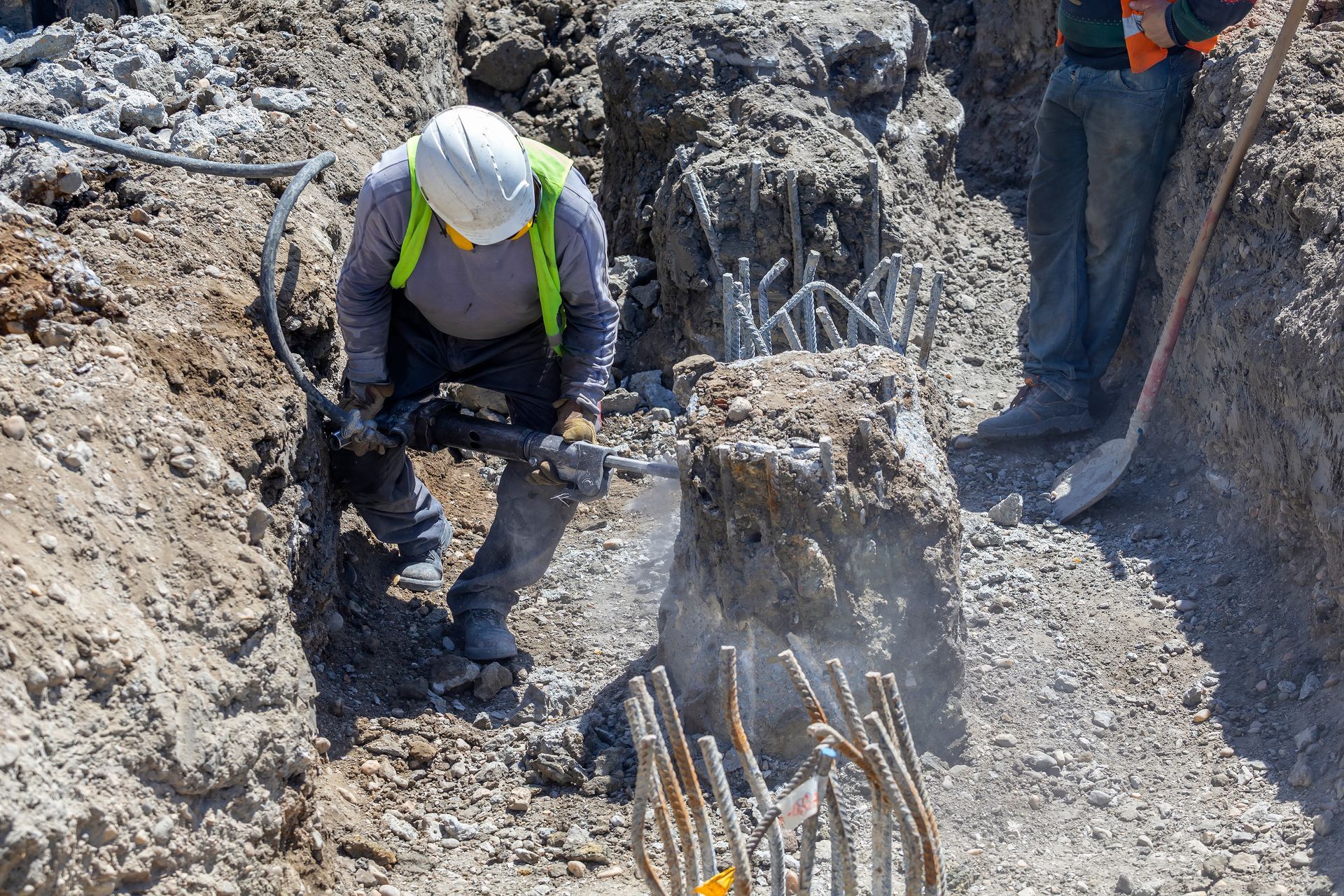
Contractor Insurance
Contractor insurance supports trades and service professionals across Southern California. It helps protect tools, equipment, and daily operations.

Cyber Liability Insurance
Cyber liability insurance helps protect business data and customer information. It supports recovery from digital incidents.

Commercial Property Insurance
Commercial property insurance helps protect offices, shops, and equipment. It supports recovery after covered damage.
Coverage Built for Specialized Work
Support for high-risk and service-driven industries.



Simple Steps Supported by Steady Guidance
A Clear Path to Coverage
Trusted by Clients Across Southern California
Clear service backed by real experiences.
Answers to Common Questions.
Clear explanations to guide your decisions.
How do I know which insurance policy is right for me?
We compare coverage options from multiple carriers to help you see differences in protection and price. You can review clear details and ask questions so you understand what each policy covers. Our team guides you step by step so you feel sure about your decision.
What factors affect my auto insurance premium?
Auto insurance premiums are influenced by your driving history, age, location, vehicle type, and coverage choices. A clean driving record and good safety features can help lower costs. We review these factors with you and help find coverage that fits your budget and needs.
Does homeowners insurance cover all types of damage?
Standard homeowners insurance protects your structure, personal belongings, liability, and additional living expenses in many cases. However, it usually does not include flood or earthquake damage without separate policies. We help you decide if extra coverage is right for your home and location.
Can I update my policy or get certificates online?
Yes. You can submit requests for policy changes and certificates through our online service form at any time. Our team processes those requests quickly and confirms updates once complete so you have the documents you need.
Do I need separate insurance for business risks like EPLI or E&O?
Yes. General liability and workers compensation cover many business risks but do not protect against all exposures. For example, Employment Practices Liability Insurance (EPLI) covers claims like wrongful termination or discrimination, and Errors & Omissions (E&O) covers claims based on mistakes in professional services. We help you identify which extra policies your business may need.
What happens if I need to file a claim?
If you need to file a claim, we guide you through the process and help you contact the insurance carrier. We explain what information you should provide, answer your questions, and stay available while the carrier reviews your claim. This support helps you move forward with confidence.
Contact Us