A single incident at a pet boarding facility can result in extensive damages and expensive claims, prompting many to consider pet kennel insurance as an essential safeguard. This detailed guide offers a comprehensive look into the unique aspects of pet kennel insurance in California, addressing the rising costs in veterinary care, recent legislative shifts, and how coverage parameters compare in today’s market. The state’s evolving regulatory framework and high concentration of insured pets add extra complexity, making it crucial for pet kennel operators to thoroughly understand their options. For further context, learn more about the statistics and trends affecting pet insurance at Press Democrat.
Understanding the Rising Cost of Veterinary and Pet Care
The cost of veterinary care in the United States has surged significantly over the past decade. Recent data indicates that veterinary care prices have experienced a 60% increase, placing additional financial pressure on pet kennels and pet owners alike. As these costs climb, ensuring that animals are covered by comprehensive insurance policies becomes increasingly vital for both routine and emergency care.
This rapid growth in expenses is partly driven by increased demand for high-quality treatment and advanced medical procedures in companion animal care. Facilities in California, which houses a high proportion of insured pets-accounting for 18.6% of all covered pets in the nation-are particularly affected by these trends. More insight on the rising veterinary care prices can be found at the Bureau of Labor Statistics report.


By: Danielle Sweet
Commercial Insurance Agent at Caruso Insurance Services
Regulatory Impact: California Senate Bill 1217 and Its Implications
California’s regulatory environment for pet insurance has shifted significantly with the introduction of Senate Bill 1217. This new mandate requires pet insurance providers to include coverage for pre-existing conditions, leading to notable increases in premium costs for pet kennel insurance policyholders. Such legislative changes impact how policies are structured and priced, compelling insurers to adjust their models to accommodate broader coverage requirements.
While this legislation enhances protection for animals with previous health issues, it also results in higher premiums. Operators of pet boarding facilities need to weigh these costs against the benefits of comprehensive coverage for their insured animals. Additional details regarding the impact of this law on insurance premiums can be reviewed at HERE San Diego.
The insurance landscape for pet kennels is multifaceted, involving varied coverage options that cater to the needs of different facilities. When selecting a policy, it is essential to evaluate the range of coverage offered, which may include liability protection, reimbursement for veterinary bills, and even coverage for accidental injuries or illnesses. Operators should consider factors such as deductible amounts, claim limits, and exclusions that could affect the overall cost-effectiveness of the policy.
For many pet owners and kennel operators, a common observation is that having pet insurance can prompt increased utilization of veterinary services. Kristen Lynch, Executive Director of the National American Pet Health Insurance Association, noted that insured pet owners tend to bring their animals in for treatment more frequently, partly driven by the security that insurance provides (Press Democrat). This tendency underscores the need for pet kennels to opt for robust policies that can cover frequent claims, especially in a state with rising care costs.

Comparing Coverage: Accident and Illness Policies for Dogs and Cats
At a pet kennel, managing the risks associated with both dogs and cats requires an understanding of how accident and illness policies differ. In 2023, the average annual cost of pet insurance for accidents and illnesses was estimated at $676 for dogs compared to $383 for cats. These figures not only highlight the cost differences but also help operators determine premiums and risk management strategies based on the type of animals they accommodate.
Even within the same facility, the variation in coverage costs can result in differentiated strategies for service and care. Understanding the reasons behind these differences-including breed predispositions, usage patterns, and medical history-can assist facility managers in negotiating better policy terms or bundling services in a cost-effective manner.
Insurance Trends Among Pet Kennel Owners in California
California stands out as one of the leading states in terms of pet insurance coverage, with a notably high percentage of insured pets. Such trends are indicative of a broader commitment to animal health and welfare in the state. However, increased coverage also correlates with a higher frequency of veterinary visits and claims. Studies indicate that nearly 45% of pet insurance claims involve orthopedic injuries or conditions, a significant factor for kennel operators to consider when assessing risk profiles across their facilities.
Understanding these trends allows pet kennel operators to tailor their insurance policies more accurately, ensuring that both preventive measures and emergency responses are adequately covered. Knowledge of claim tendencies and insurance statistics helps in building a proactive risk management strategy that supports both business continuity and animal health.
Developing a Risk Management Strategy Tailored to Kennel Operations
Managing a pet kennel involves navigating a host of risks, from property damage to animal injuries. By combining proactive insurance planning with sound operational practices, facility managers can mitigate the financial impacts of accidents and illnesses. One effective approach is to establish clear protocols for emergency veterinary care, ensuring that animals receive prompt attention and that claims are processed efficiently.
An important aspect of risk management is recognizing when and how claims are triggered. Policyholders should be aware of common exclusions and limits within their coverage plans. For instance, complications from pre-existing conditions or hereditary issues may not always be fully covered under standard policies, despite recent mandates like California Senate Bill 1217. Tailoring existing operations to maximize the benefits provided by insurance can help pet kennel operators avoid costly out-of-pocket expenses during emergencies.
Comparative Analysis: Traditional Liability vs. Comprehensive Kennel Insurance
When assessing insurance for pet kennels, comparing traditional liability coverage with comprehensive kennel insurance is key. Traditional liability coverage might protect the business in cases of accidents involving third parties or property damage; however, comprehensive kennel insurance extends this protection to cover a broader range of risks, including direct veterinary costs and, in some cases, the costs associated with repatriating animals.
A comparative look at the two can be outlined in the table below. This summary provides an at-a-glance view of what each policy type generally covers, making it simpler for operators to decide the best fit for their needs.
| Coverage Aspect | Traditional Liability | Comprehensive Kennel Insurance |
|---|---|---|
| Third-Party Injuries | Yes | Yes |
| Property Damage | Limited | Broadly Covered |
| Veterinary Costs | No | Included for Accidents and Illnesses |
| Pre-Existing Conditions | Usually Excluded | Mandated Under-SB 1217 in California |
| Emergency Services | Not Typically Covered | Often Covered |
This table illustrates clear differences in value between the two insurance structures. Operators can use such comparisons as a basis to negotiate premium terms and build a plan that adequately addresses the specific risks inherent in their operations.
Economic and Financial Considerations for Pet Kennel Operators
Economic pressures and market fluctuations increasingly influence pet kennel operations. Beyond the cost of administering care, facility operators must balance the expense of insurance premiums against the potential costs of an accident or a series of claims. As veterinary care costs have soared-by an estimated 60% over the past decade-it is vital to have coverage that does not simply add to operational expenses but rather acts as a buffer against unforeseen financial drain (Bureau of Labor Statistics).
Budgeting for both recurring premiums and the potential outlay in the event of a claim requires detailed financial planning. Facility managers must appreciate that higher premium rates may be indicative of broader coverage and greater claim inclusivity. It is not unusual for policies to have premium increases following legislative mandates or market shifts, as seen with the changes driven by California Senate Bill 1217. This proactive investment in comprehensive coverage can be seen as a strategic choice rather than an additional overhead.
Future Outlook: Trends and Projections in the Veterinary Care Market
The global veterinary care market is projected to grow at a compound annual rate of 8% from 2024 through 2030, according to industry reports (Grand View Research). For pet kennel operators in California, this growth signals not just an expansion of the market but also the increasing complexity and sophistication of service offerings. As pet care continues to move toward higher standards of medical care, the policies designed to provide financial support in this area are also rising in complexity.
Understanding these trends is crucial when planning long-term strategies. Operators who align their risk management frameworks with market projections and anticipated policy evolutions will be better positioned to thrive. Embracing technological advances and enhanced diagnostic capabilities can also aid in reducing costly emergency interventions, ultimately leading to more manageable insurance claims and premium adjustments.
Enhanced Safety and Preventative Measures in Kennel Operations
Beyond insurance policies, proactive safety measures can significantly reduce the likelihood of claims. Many successful pet kennel operations emphasize employee training, regular facility audits, and the fast implementation of safety protocols in the event of an emergency. These practices not only improve animal welfare but also reassure insurers, potentially leading to reduced premiums over time.
Preventative measures are an integral part of a well-rounded risk management strategy. Facility operators are encouraged to document all safety protocols and invest in continuous training for staff. The integration of advanced monitoring systems such as surveillance cameras and real-time reporting apps further underscores a commitment to animal safety. Such efforts can also provide a documented history that may be useful during claim assessments or policy negotiations.
Tailoring Your Insurance Policy: Key Questions to Ask Providers
Before finalizing an insurance policy, operators need to engage with providers through thorough, targeted questioning. One of the primary concerns should be the extent of coverage for both accidental injuries and long-term illnesses. Questions regarding deductibles, claim limits, and exclusions should be addressed clearly. Understanding what policies will and will not cover can prevent unexpected expenses in the case of an emergency.
Additionally, it is wise to compare offerings from multiple insurers. Operators should ask about waiting periods for claims, policy renewal terms, and any additional fees that might be applicable. It is also important to confirm whether the policy includes coverage for specialist referrals, particularly for more complex veterinary procedures. Detailed conversations with insurers can reveal hidden benefits or limitations that may not be immediately obvious from policy documents.
Integrating Technology and Data Analysis in Risk Management
Modern pet kennel operations increasingly rely on technology to manage risk and streamline administrative tasks. Data analytics allows operators to track claim patterns, veterinary service usage, and even the performance of individual policy components. Such insights can not only improve operational efficiency but also enable more informed decisions when negotiating insurance terms.
Utilizing data-driven strategies can support initiatives that reduce claim frequency. For example, predictive analytics may flag emerging issues before they result in costly claims. Integrating these technologies with daily operational practices underscores a commitment to safety and operational transparency, which can frequently result in enhanced policy terms and trust from insurance providers.
Cost-Benefit Analysis: When to Invest in Comprehensive Coverage
Considering the increasing veterinary costs and the possibility of frequent claims, it is essential for pet kennel operators to conduct a thorough cost-benefit analysis before investing in comprehensive coverage. While premium costs may seem high, comprehensive insurance plans can ultimately reduce financial risk by providing a safety net for both common mishaps and rare, high-cost scenarios. According to recent studies, pet insurance premiums have grown in tandem with veterinary care expenses, and California’s premium hikes reflect a broader trend across the industry (NAPHIA statistics).
This analysis should include a review of typical claims, the potential cost of repairs or treatments, and the frequency of incidents in kennel operations. Facility managers who adopt a proactive attitude and invest in risk reduction measures may simultaneously benefit from lower insurance costs and improved operational stability. Identifying specific risk zones within operations can also guide strategic insurance purchases that cover the most critical vulnerabilities.
Learning from Industry Leaders: Best Practices for Insurance Management
Leading pet kennels often share common strategies that have helped them manage risks while keeping operating costs under control. Several industry experts stress the importance of maintaining a comprehensive record of incidents and preventative measures. This documentation not only streamlines the claims process but also builds a compelling case when negotiating policy terms with insurers.
Industry leaders advise that robust training for staff, combined with regular audits of the facility, can help uncover potential hazards before they result in costly claims. Applied data from veterinary service usage and insurance claims informs the refinement of safety protocols and guides policy adjustments. In an environment where pet insurance trends are evolving rapidly, consistent attention to operational detail is essential for maintaining a competitive edge.
Frequently Asked Questions
Q: What does pet kennel insurance typically cover?
Most pet kennel insurance policies provide coverage for liability issues, veterinary costs for accidents and illnesses, and sometimes property damage. It is important to check policy specifics, as coverage can vary widely.
Q: How has California legislation impacted pet kennel insurance?
Changes in legislation, such as Senate Bill 1217, have required insurers to cover pre-existing conditions. This has often led to premium increases but provides broader coverage for insured animals (HERE San Diego).
Q: Why might insured pet owners use veterinary services more frequently?
Insured pet owners tend to act proactively, seeking prompt treatment for pet health issues. The increased frequency helps prevent complications but can lead to a higher number of claims (Press Democrat).
Q: What factors influence the cost differences between dog and cat insurance?
Insurance rates vary due to differences in risk profiles, including breed tendencies and typical medical needs. In 2023, average annual costs were higher for dogs than for cats (NAPHIA data).
Q: How can pet kennel operators reduce the risk of costly claims?
Operators can reduce risks by implementing rigorous safety protocols, ensuring staff are well-trained, and using a data-driven approach to monitor common claims and maintenance issues.
Q: What role does data analytics play in managing insurance for pet kennels?
Data analytics helps in tracking trends in claims and monitoring the effectiveness of safety procedures. This data can guide operators in tailoring policies and improving risk prevention strategies.
Wrapping Things Up
Pet kennel insurance in California involves a delicate balance between comprehensive coverage and cost management. With veterinary care prices surging by 60% over the past decade and regulatory shifts requiring inclusion of pre-existing conditions, operators must remain agile and well-informed about their insurance options (Bureau of Labor Statistics). A vigilant approach to risk management, bolstered by data analytics and strong operational practices, can provide the necessary assurance that both animals and business interests are well-protected.
Reviewing options carefully, comparing policies side by side, and consulting with trusted insurance experts are crucial steps in crafting a robust strategy. Sound insurance planning not only defends against unexpected losses but also lays the groundwork for sustainable growth in an increasingly competitive industry.
Keeping an Eye on Future Trends
Looking ahead, the pet care industry is expected to witness significant changes influenced by continual market growth and technological advancements. With projections for an 8% annual growth rate in the global veterinary care market, pet kennel operators will need to remain abreast of changing dynamics and evolving risk profiles (Grand View Research). As the insurance market adapts to emerging trends, comprehensive coverage options are likely to expand, making it essential for facility managers to maintain flexibility in their approaches.
Future-oriented strategies include increasing the focus on preventive measures and integrating advanced technology into routine operations. Collaborative efforts between insurers and pet care providers promise to yield innovative solutions that not only reduce claims but also prioritize animal welfare. The continuous loop of feedback and improvement is expected to solidify the role of insurance as a proactive, rather than reactive, tool.
Final Thoughts on Safeguarding Your Kennel Business
Insurance planning for pet kennels is not a one-size-fits-all proposition. The intricate interplay between rising veterinary costs, legislative changes, and evolving insurance practices demands an in-depth understanding of the market. By analyzing current trends, from the 26% growth in gross written premiums for cats to the fact that nearly half of claims involve orthopedic injuries (WifiTalents), operators can tailor their insurance strategies to ensure comprehensive protection.
The key lies in striking a balance between enhanced coverage and cost-efficiency. By investing in the right policies and prioritizing preventative measures, pet kennel operators can create a secure foundation that safeguards their business operations, supports animal care, and fosters long-term growth.
ABOUT THE AUTHOR:
DANIELLE SWEET
HI! I am Danielle Sweet your insurance extraordinaire. I have been in the insurance industry since I was 19 years old working in many different areas of insurance to provide a broad knowledge base to our clients. I have three amazing children who keep me on my toes even as they are older. I have a passion for horses and am lucky to ride every week. I am truly blessed to be able to help business owners and individuals navigate the world of insurance and educate you to make an informed decision that is right for you.
Contact Us

Service that stays with you.
Our team helps simplify insurance decisions for families and businesses. We focus on clear explanations, fast responses, and dependable service. You can count on us for help with coverage questions, updates, and long-term support.
Coverage that keeps you secure
Reliable Protection for Everyday Life

Home insurance helps protect your house, personal belongings, and liability risks. We explain coverage options clearly so you know what your policy includes.
Auto insurance provides protection for accidents, liability, and vehicle damage. We help you compare options so you can choose coverage that fits your driving needs.
Motorcycle insurance provides coverage for riders and their bikes. We help you select options that match how and where you ride.
RV insurance supports protection for motorhomes and recreational vehicles. Coverage applies during travel and while parked.
Coverage Built for Contractors and Trades
Support that keeps your work moving.

General Liability Insurance
General liability insurance helps protect contractors from injury and property damage claims. It supports jobsite requirements and contracts.

Workers Compensation
Workers compensation insurance helps protect employees injured while working. It also supports compliance with state requirements.

Commercial Auto Insurance
Commercial auto insurance provides coverage for work vehicles used on jobsites. It helps protect drivers and company vehicles.
Contractor Insurance
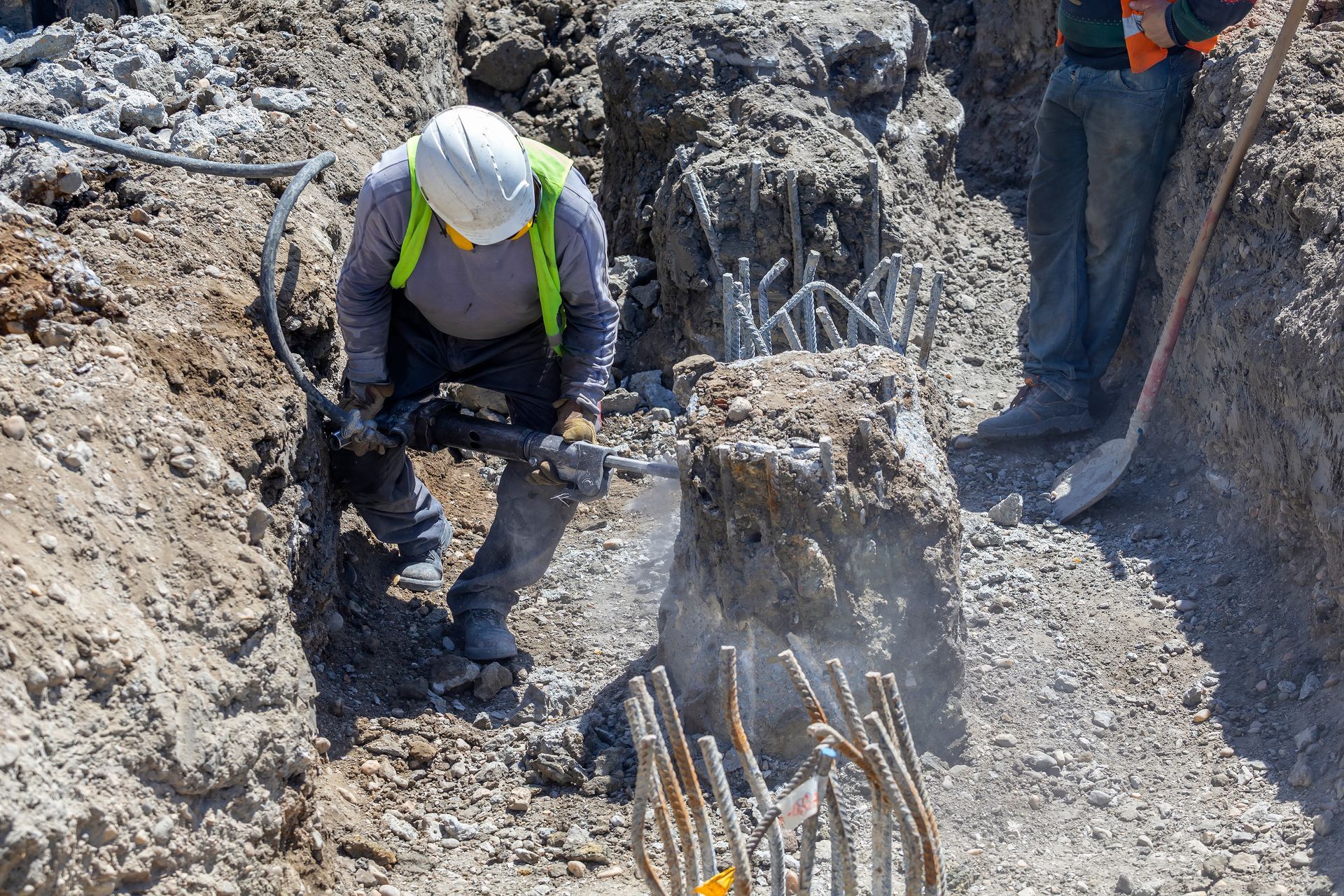
Contractor insurance supports trades and service professionals across Southern California. It helps protect tools, equipment, and daily operations.

Cyber Liability Insurance
Cyber liability insurance helps protect business data and customer information. It supports recovery from digital incidents.

Commercial Property Insurance
Commercial property insurance helps protect offices, shops, and equipment. It supports recovery after covered damage.
Coverage Built for Specialized Work
Support for high-risk and service-driven industries.



Simple Steps Supported by Steady Guidance
A Clear Path to Coverage
Trusted by Clients Across Southern California
Clear service backed by real experiences.
Answers to Common Questions.
Clear explanations to guide your decisions.
How do I know which insurance policy is right for me?
We compare coverage options from multiple carriers to help you see differences in protection and price. You can review clear details and ask questions so you understand what each policy covers. Our team guides you step by step so you feel sure about your decision.
What factors affect my auto insurance premium?
Auto insurance premiums are influenced by your driving history, age, location, vehicle type, and coverage choices. A clean driving record and good safety features can help lower costs. We review these factors with you and help find coverage that fits your budget and needs.
Does homeowners insurance cover all types of damage?
Standard homeowners insurance protects your structure, personal belongings, liability, and additional living expenses in many cases. However, it usually does not include flood or earthquake damage without separate policies. We help you decide if extra coverage is right for your home and location.
Can I update my policy or get certificates online?
Yes. You can submit requests for policy changes and certificates through our online service form at any time. Our team processes those requests quickly and confirms updates once complete so you have the documents you need.
Do I need separate insurance for business risks like EPLI or E&O?
Yes. General liability and workers compensation cover many business risks but do not protect against all exposures. For example, Employment Practices Liability Insurance (EPLI) covers claims like wrongful termination or discrimination, and Errors & Omissions (E&O) covers claims based on mistakes in professional services. We help you identify which extra policies your business may need.
What happens if I need to file a claim?
If you need to file a claim, we guide you through the process and help you contact the insurance carrier. We explain what information you should provide, answer your questions, and stay available while the carrier reviews your claim. This support helps you move forward with confidence.
Contact Us