
A scorching summer day in Orange can remind residents that their homes are more than just dwellings-they are sanctuaries from unpredictable weather and natural hazards. With recent challenges in the state insurance market, homeowners are increasingly questioning if their coverage truly protects them in moments of crisis. Rising rates, ever-changing risks, and evolving regulations have made home insurance in Orange, California, both complex and critical. Understanding available options and the reasons behind current challenges is essential for anyone looking to safeguard their investment. In fact, a study by Kin Insurance revealed that 60% of California homeowners have struggled to find affordable coverage in recent years.
For residents in Orange, navigating this turbulent market means getting acquainted with the factors driving price changes and coverage limitations. Local homeowners must consider aspects such as climate-related risks, catastrophic events, and even the financial health of the insurers themselves. This comprehensive guide unpacks these factors and offers step-by-step insights into maintaining appropriate home insurance protection in the region.
This detailed exposition relies on recent data and expert opinions, ensuring that Orange residents are armed with the latest insights. Whether you’re reviewing your current policy or shopping for new protection, the information here aims to reflect the reality of the California home insurance market as it stands today.
Understanding the California Home Insurance Market
Market Conditions and Underwriting Challenges
California’s home insurance landscape is characterized by fluctuations that reflect the state’s environmental hazards. Underwriters have faced mounting losses over recent years. A study from the Independent Institute highlights that from 2012 to 2021, the average direct underwriting profit for homeowners’ insurers in California was negative when compared with national averages. This indicates significant challenges faced by insurers in pricing coverage accurately and maintaining profitability. Independent research emphasizes that these underwriting losses have contributed to rising premiums as companies adjust their risk projection methods.
The underwriting environment has grown more unpredictable due to recurring wildfires, floods, and other natural disasters. Insurers are increasingly scrutinizing risks associated with high-severity events, which has forced even stable insurance providers to reconsider the cost of coverage. This shift has led to higher premiums and fewer policy offerings for high-risk regions within California, including branches in Orange.
Residents depend on insights from industry experts and studies to understand these changes. For instance, Neale Mahoney from SIEPR stated, "Californians clearly recognize the severity of the insurance crisis and want something done about it." His perspective resonates with many homeowners, who now demand better protection at a price they can afford. This call for change is not only affecting local policyholders but also pushing insurance companies to innovate their underwriting models.
Impact of Natural Disasters on Premiums
The recent wildfire events in California have left many questioning home safety and policy resilience. Los Angeles experienced one of its most catastrophic wildfire disasters in January 2025, with over 50,000 acres scorched and more than 16,000 structures lost, according to a report by McKinsey & Company. While Orange is not at the epicenter of every disaster, the ripple effects of these events have led to cautious underwriting across the state.
Repeated large-scale events have pushed insurers to apply more conservative risk management strategies. Even areas with a relatively lower incidence of disasters, like parts of Orange, can see secondary effects such as increased premiums and limited coverage options. The intertwined nature of local markets means that trends in one part of the state eventually impact all regions. This is a stark reminder of the interconnected risk landscape for homeowners across California.
Insurance companies now embed catastrophe modeling and advanced data analytics into underwriting processes to manage such exposures. However, even these high-tech approaches struggle to capture the full scope of risks presented by climate change and environmental shifts.


By: Elijah Elias
Personal Insurance Agent at Caruso Insurance Services
Local Considerations for Orange Homeowners
Unique Risk Factors in Orange, California
Orange County, known as an attractive coastal and suburban area, faces its own set of challenges. Alongside the common California risks, local factors such as urban density, varying topography, and occasional extreme weather events create a unique insurance landscape. Homeowners in the region must consider localized impacts, ranging from coastal erosion to the possibility of wildfires on the inland slopes.
Community-specific evaluations are important. Home insurance policies need to reflect not just the national or state norms, but also the inherent risks associated with the local environment. Local building codes, the age and type of homes, and neighborhood risk profiles all play a crucial role. In cases where natural disasters have had significant impacts statewide, even Orange residents notice changes in how insurers calculate risk premiums.
Local agents are typically well-versed in these nuances and may provide tailored advice that national insurers overlook. Engaging with local experts could offer insights into coverage modifications, mitigation strategies, and even bundling options to optimize protection with reasonable premiums.
The Role of Mitigation and Preparedness
The rising threat of natural disasters means that mitigating risk is more important than ever. Measures such as retrofitting homes, maintaining defensible spaces, and investing in fire-resistant materials help reduce potential damage. Insurers are increasingly taking such safeguards into account when evaluating policies.
Some companies even offer premium discounts for homeowners who adopt mitigation strategies. These steps not only reduce the likelihood of significant damage but may also signal to underwriters that the property is less risky. It’s a practical approach that benefits both the insurer and the insured. Such mitigation efforts might influence policy terms, making them more affordable for proactive homeowners in Orange.
Local workshops and government initiatives sometimes offer resources and advice on prevention. Engaging in these efforts may be crucial for lowering long-term home insurance costs in regions prone to high-severity events.
Types of Home Insurance Policies Available
An array of policy options is available today to suit the varying needs of Orange homeowners. The most common is the standard homeowners insurance policy, which covers the property, belongings, and liability protection. However, with evolving risks, many insurers are now offering specialized endorsements or riders to cover damages from events typically excluded from basic policies.
For instance, some policies may now offer additional protection against damage from wildfires, floods, or seismic events, albeit at a higher cost. Comprehensive policies can provide peace of mind by including coverage for events that used to be written off as high risk. Evaluating these options carefully is important, particularly if a homeowner lives in an area potentially affected by California’s notorious environmental hazards.
Insurance products are shifting focus from one-size-fits-all approaches to more modular coverage. Homeowners in Orange have benefited from this trend, as tailored policies can offer a better alignment between premium costs and personalized risk. This approach promotes transparency while enabling residents to only pay for what is necessary for their specific conditions.
Comparing Basic and Extended Coverage
Deciding between basic and extended insurance packages requires a clear understanding of what each policy covers. Basic homeowners insurance typically includes damage from perils such as fire, wind, and theft. Extended coverage might include additional risks like earthquakes, sinkholes, or water damage from heavy rains. This choice often depends on geographical risks and personal asset protection needs.
Table 1 below provides a quick comparison between basic and extended coverage options available to Orange homeowners.
| Coverage Feature | Basic Homeowners Policy | Extended Coverage Policy |
|---|---|---|
| Property Damage | Covers fire, wind, and theft | Includes additional perils such as earthquake effects and flood-related damage |
| Liability Protection | Standard liability limits | Enhanced limits and additional protections |
| Additional Living Expenses | Basic coverage in case of displacement | Higher limits and extended duration of benefits |
| Premium Cost | Generally lower premiums | Higher premiums due to higher risk coverage |
This table emphasizes the trade-offs that homeowners must account for. While extended policies may seem costly at first, they can cover unexpected disasters that basic policies may not address. For some, the additional investment is worthwhile given the recent increases in catastrophic events across the state.

Pricing Trends and Budget Considerations
Rising Premiums and Economic Pressures
Home insurance premiums have been on an upward trend for years. Nationally, premiums have jumped significantly since 2019. This trend is particularly pronounced in regions like Orange where the demand for revised coverage options is high. A statistic from Zillow noted that since 2019, home insurance premiums have increased by 38% nationally while the median homeowner income has only risen by 22% according to recent measurements. Although this stat reflects a broader market, it impacts local affordability as well.
For many in Orange, rising premiums have strained household budgets. This economic pressure has driven some to search for alternative protections or adjust the coverage limits of their existing policies. In a state where environmental risks persist, adjusting coverage while staying within one’s budget can be challenging-for both insurers and policyholders alike.
It is essential to stay on top of pricing trends and compare available policies. Many insurance providers now offer online quoting tools, which can provide quick estimates adjusted to the specific conditions of a home in Orange. These tools enable homeowners to make more informed decisions when shopping around for a plan that matches both their need for protection and their budget constraints.
Balancing Premium Costs and Coverage Adequacy
Homeowners must weigh premium costs against the level of protection offered. An appealing lower premium may provide less robust coverage, leaving policyholders exposed to significant out-of-pocket expenses during a disaster. Conversely, a more comprehensive policy might be financially challenging, requiring adjustments in coverage limits or deductible amounts to maintain affordability.
It is useful to periodically review and compare quotes as market conditions change. Since the onset of climate-related risks, approximately 60% of Californians are very concerned about potential future premium hikes due to these risks as noted by a policy institute study. This level of concern underscores the importance of maintaining a balance between premium costs and adequate coverage. Homeowners in Orange benefit by looking at recent claims data, understanding the types of losses common in the area, and adjusting their coverage accordingly.
Insurance companies sometimes offer loyalty rewards, bundling discounts, or premium credits for homeowners that maintain a clean claims history or invest in risk mitigation. These factors can help lower overall costs and should be considered when budgeting for insurance over the life of a home.
Reform Proposals and Regulatory Interventions
Proposed Changes to Catastrophe Modeling
As the challenges in home insurance pricing become more severe, regulatory bodies and commissions have stepped in to propose overhauls. A notable recommendation comes from the Little Hoover Commission, which suggests public oversight of catastrophe modeling. This recommendation aims to bring transparency into how insurers assess risk and ultimately price coverage according to their policy report. Such measures could lead to more predictable pricing adjustments that align more closely with empirical risk rather than inflated forecasts caused by high-severity events.
Public oversight in modeling may also open the door for inclusion of mitigation efforts occurring at the local level. Homeowners who proactively invest in safety improvements might see some relief in premium increases if insurers view these measures as demonstrably lowering risk.
This shift in modeling could restore trust between consumers and providers, ensuring that premium hikes are driven by clear, justifiable risk factors rather than a one-size-fits-all response to state-wide trends.
Policy Reforms Targeting Affordability
Affordability remains a hot-button issue among Californians. Nearly 60% of homeowners in the state have experienced difficulty finding affordable coverage according to data from Kin Insurance as reported in their survey. This statistic is a call to action for lawmakers and industry regulators to explore ways to bring more affordable options to market.
Recent proposals include the integration of mitigation efforts into underwriting models so that those who invest in risk reduction benefit from lower premiums. The reform discussions also focus on improving transparency around how rates are calculated. With better understanding, homeowners can adjust their properties appropriately to minimize risks.
Amendments aimed at reducing administrative costs and streamlining claims processes may also help bring down premiums. The hope is that a more efficient system can lead to fairer pricing that doesn’t compromise essential protections. As debates continue among policymakers, the implications for Orange homeowners are quite direct-improved regulation could mean more affordable and stable home insurance premiums over time.
How Orange Homeowners Can Prepare and Protect Their Investments
Steps to Take for Ensuring Adequate Coverage
Practical measures for homeowners in Orange begin with reviewing current insurance policies. Even if the current premium seems manageable, it is wise to verify whether the level of protection appropriately reflects the unique risks faced in the local area. Also, considering changes in market conditions it may be time for a policy update that includes endorsements for events such as wildfires or severe weather incidents.
Homeowners should gather quotes from multiple insurers, ensuring that each policy accounts for region-specific hazards. Frequent reassessments can reveal if discounts or alternative coverage structures are available. Local agents offer valuable insights where regional hazards, building styles, and neighborhood claims histories play a role in pricing.
Keeping documentation on home improvements and risk mitigation efforts is another crucial step. Evidence of a safe and updated structure can be a bargaining chip when negotiating better premiums. These steps, taken together, help ensure that your policy isn’t just a piece of paper but a dynamic contract that evolves with changing risks.
Utilizing Local Expertise and Resources
Orange residents can benefit significantly from tapping into localized expertise. Local insurance agents or financial advisors with deep roots in the area can offer tailored advice. They understand both state-wide regulatory changes and the nuanced risk factors specific to Orange. These professionals can bridge the gaps between national underwriting models and actual local conditions.
Community meetings, homeowner association workshops, and county-sponsored risk mitigation programs offer additional layers of information. Participating in these local efforts not only informs policyholders about their rights and available assistance but also provides networking opportunities with others facing similar insurance challenges.
Local expertise becomes particularly valuable when policies are being revised after significant events, such as the recent catastrophic wildfire in Los Angeles. By keeping abreast of updates and participating in local discussions, Orange homeowners can advocate effectively for more sensible and affordable insurance products.
Data and Trends: A Closer Look
Understanding Statistical Trends in Home Insurance
Data reveals the challenging landscape that Californians face. The combined pressures of natural disasters and financial strains are not unique to Orange; they are symptomatic of the broader state trend. According to industry reports, there is a noticeable gap between the rate increases and the steady growth in homeowner incomes. This divergence puts a strain on household budgets and forces a re-evaluation of what constitutes essential coverage.
For example, the same research indicated that underwriting profits have been negative over a prolonged period, creating an environment where insurers are reluctant to extend generous coverage without adjusting premium structures. The cumulative effect is a market that, while robust in its offerings, is highly sensitive to shifts in environmental risk. Insurers must manage these dynamics carefully to retain consumer trust.
Statistical trends guide insurers in shaping new products. The industry now focuses on balancing risk exposure with affordability, seeking product innovations that benefit both providers and policyholders. This renewed focus attempts to mitigate the negative financial trend flagged by industry analysts and regulatory commissions alike.
Comparative Analysis: Orange versus Other California Regions
While Orange County might seem less prone to the most severe natural disasters relative to some inland communities, the overall climate risk across California influences regional premiums everywhere. Comparing Orange to other parts of the state highlights both similarities and distinctions in coverage strategies. For instance, while coastal counties might contend more with erosion and salt air damage, inland areas typically face heightened wildfire concerns.
Insurers, however, use state-wide catastrophe models to inform local pricing. Even if a particular area has experienced fewer incidents, the overall heightened risk perception in California is enough to drive up premiums in Orange as well. Such comparisons stress the importance for Orange residents to understand that even if their area seems relatively calm on the surface, state and national trends continue to weigh heavily on pricing decisions.
Local market conditions are also influenced by community investments in risk mitigation and preparedness efforts. This nuanced approach means that Orange homeowners who actively participate in improving community resilience may see more favorable pricing compared to similar neighborhoods in regions with less proactive measures.
Frequently Asked Questions
What factors determine home insurance premiums in Orange?
Premiums are influenced by local environmental risks, home characteristics, claims history, and regional economic conditions. Insurance providers analyze these factors using state-wide data and localized assessments to set premium rates.
How can I get more affordable coverage in Orange?
Shopping around, bundling policies, and investing in risk mitigation measures such as fire-resistant upgrades can help lower premiums without sacrificing necessary coverage.
Are extended policies worth the extra cost?
For homeowners with properties in risk-prone areas, extended coverage options provide additional protection against disasters not typically covered in a standard policy.
How often should I review my home insurance policy?
Given the rapidly shifting risks in California, it is advisable to review your policy annually to ensure its coverage matches current needs and risk levels.
Can local resources help me manage home insurance costs?
Yes, local workshops and county-sponsored programs can provide valuable information and resources to help mitigate risks and possibly reduce premiums over time.
Making Informed Decisions for Home Insurance in Orange
Concluding Insights and Next Steps
The home insurance market in Orange, California, reflects the complex interplay between localized risks and statewide trends. With changes driven by recurring natural disasters, evolving underwriting challenges, and shifts in regulatory policies, staying informed and proactive is critical. By comparing available coverage options and leveraging local expertise, homeowners can make decisions that balance adequate protection with affordability.
Data shows that market conditions and pricing models are subject to rapid change. When a majority of California homeowners have struggled to secure affordable coverage, local decision-making becomes even more critical. Engaging in community mitigation efforts and keeping abreast of regulatory reforms can help Orange residents navigate these turbulent times more effectively.
As the landscape of home insurance evolves, it is essential to periodically reassess your risk exposure and coverage adequacy. Even if your current policy appears sufficient, economic and environmental conditions may necessitate periodic updates. Consulting local experts who understand both the nuances of Orange and the broader California market can be a great first step.
Final Thoughts for Orange Homeowners
Home insurance is much more than a routine expense-it is a critical investment in protecting a place that holds both tangible and intangible value. For homeowners in Orange, keeping pace with rapid changes in coverage models, underwriting practices, and risk factors is not just a logistical exercise, but a strategic necessity. Actively engaging with updated data and expert opinion will benefit both your policy selections and your long-term financial security.
By weighing the benefits of basic versus extended coverage, monitoring local economic trends, and engaging with local mitigation measures, you can better align your policy with your personal needs and the evolving risk environment in California. This dynamic strategy may ultimately result in a more secure financial future while ensuring that your home remains a safe haven amidst uncertainty.
For further reading on specific changes in the home insurance market, perspectives from industry experts and validated data from sources like SIEPR can offer additional insight into the factors affecting policy pricing and underwriting practices.
Getting Ready to Act
Steps for an Effective Policy Review
Begin by gathering your current policy documents and reviewing them carefully for any exclusions or limitations that might be relevant given current environmental risks. Speaking with a local insurance agent can help clarify potential gaps in coverage and identify areas for improvement. When discussing policy adjustments, ask about options for bundling coverage or obtaining discounts for property improvements.
Once you have an understanding of your existing coverage attributes, request comparative quotes. Modern online tools make it easier to receive personalized estimates based on your home’s risk factors. Even if the current provider offers competitive rates, having multiple quotes allows you to understand the marketplace dynamics.
Effective policy reviews can unveil hidden opportunities. Whether you are considering raising your deductible for a lower premium or investing in home improvements for a discount, keep an eye on both long-term savings and immediate benefits. The goal is to secure a policy that stands up to both typical claims and extraordinary events.
How Community Involvement Shapes Market Resilience
Active participation in community efforts not only helps in risk reduction but can also lead to more favorable insurance terms. Neighborhood investments in wildfire prevention, security systems, and emergency preparedness have a cumulative positive effect. Local governments and homeowner groups in Orange often collaborate on such measures, highlighted by regional initiatives addressing wildfire preparedness.
As public oversight of catastrophe modeling becomes a potential reality, policyholders may start witnessing changes in premium calculations that better reflect local risk mitigation efforts. This kind of community engagement reinforces the notion that insurance is a shared responsibility-not one borne solely by individual homeowners or insurers.
Local news outlets and governmental websites often provide updates on such initiatives, ensuring that residents of Orange are kept abreast of changes which might affect their insurance premiums. Staying informed through local channels is an essential part of protecting your home and financial interests.
Looking Ahead: The Future of Home Insurance in Orange
Emerging Trends and Technological Innovations
Technological advances are reshaping aspects of the home insurance market. Innovations like real-time monitoring devices, improved satellite imagery for risk assessment, and advanced data analytics models are increasingly playing a role in underwriting decisions. These breakthroughs offer the promise of more precise risk evaluation and tailored insurance solutions for homeowners in Orange.
Trends suggest that future policies may increasingly reward technological adoption. Homeowners who integrate smart home technology, for instance, may not only enjoy improved security and comfort but also benefit from insurance rebates or lower deductible requirements. Such technological enhancements present a promising avenue toward a more balanced approach to risk management and cost efficiency.
Meanwhile, the evolution of data-driven models is also expected to lead to more consistent policy premiums that are reflective of local conditions. If industry recommendations regarding public oversight and improved catastrophe models are implemented, this may pave the way for fairer pricing mechanisms that adjust more dynamically to changes in risk exposure.
Anticipating Regulatory and Market Shifts
Anticipated regulatory reforms, such as those proposed by the Little Hoover Commission, indicate that significant shifts in how home insurance is managed could be on the horizon. These changes are aimed at reducing the burden on consumers while maintaining the financial health of insurers. If these proposals take shape, they could result in reduced premium volatility and improved coverage sustainability over time.
Market trends and technological innovations are likely to converge, resulting in a more resilient insurance ecosystem. Homeowners in Orange will need to stay informed and proactive about these developments. Tools that provide updates on local market conditions, regulatory changes, and technological advancements are invaluable for making well-informed decisions.
While predicting the precise impact of these changes is challenging, current indicators suggest that a more balanced interplay between risk and reward is emerging. By proactively engaging with available resources, Orange residents can better prepare for the future of home insurance.
Wrapping Things Up
Key Takeaways for Orange Homeowners
The complete guide to home insurance in Orange, California, reveals a layered scenario influenced by environmental hazards, evolving market dynamics, and emerging technological innovations. Homeowners must remain vigilant when reviewing policy details, comparing quotes, and investing in local risk-mitigation measures.
Insurance in California is a market marked by constant shifts, and staying informed is the most valuable tool. From understanding the negative underwriting trends discussed by the Independent Institute to recognizing public concerns over affordability reported by the Public Policy Institute of California, every statistic reinforces that reading the fine print matters deeply.
Whether your priority lies in safeguarding your home against wildfires or simply ensuring that your coverage is up-to-date with the latest risk considerations, this guide offers a comprehensive starting point. It is crucial to use the available data-backed by insights from institutions like McKinsey & Company-to inform your insurance strategy.
Final Strategic Advice
The challenges faced by the California home insurance market call for a proactive approach to risk management. Orange homeowners benefit most when they invest time in comparing policies, engaging with local experts, and staying updated on market reforms and technological advances.
Adopting an active role in understanding your policy details and local risk factors can lead to significant savings and improved coverage over time. Constant vigilance, coupled with community engagement, stands as the best strategy to shield one’s most valuable asset.
Ultimately, having the right home insurance in Orange is not only about reducing financial burdens but also about gaining peace of mind in an unpredictable climate. As market trends evolve, leveraging data-supported insights and local expertise will remain the cornerstone of smart, protective decision-making for every homeowner in this vibrant community.
ABOUT THE AUTHOR:
ELIJAH ELIAS
N/A
Contact Us

Service that stays with you.
Our team helps simplify insurance decisions for families and businesses. We focus on clear explanations, fast responses, and dependable service. You can count on us for help with coverage questions, updates, and long-term support.
Coverage that keeps you secure
Reliable Protection for Everyday Life
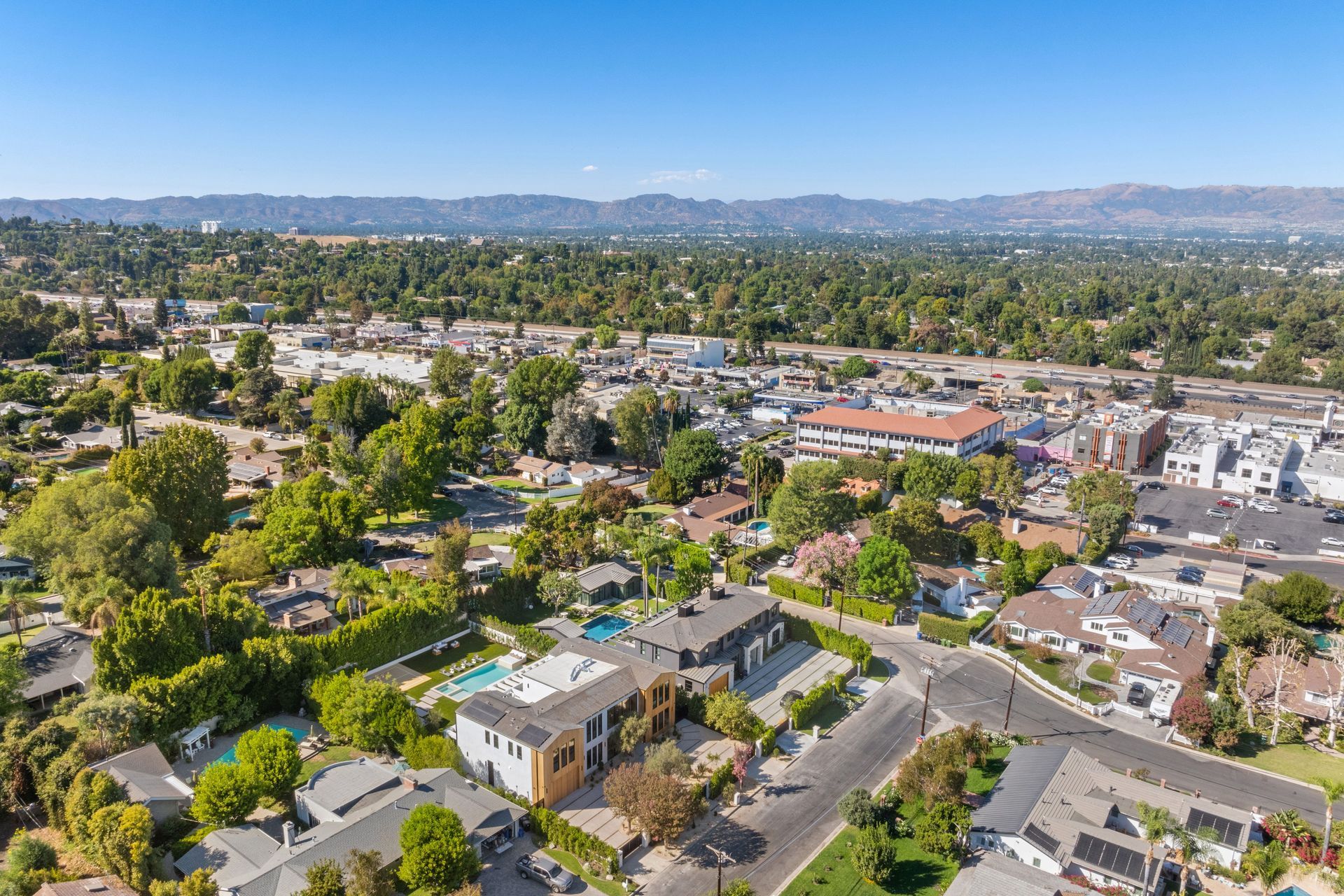
Home insurance helps protect your house, personal belongings, and liability risks. We explain coverage options clearly so you know what your policy includes.
Auto insurance provides protection for accidents, liability, and vehicle damage. We help you compare options so you can choose coverage that fits your driving needs.
Motorcycle insurance provides coverage for riders and their bikes. We help you select options that match how and where you ride.
RV insurance supports protection for motorhomes and recreational vehicles. Coverage applies during travel and while parked.
Coverage Built for Contractors and Trades
Support that keeps your work moving.

General Liability Insurance
General liability insurance helps protect contractors from injury and property damage claims. It supports jobsite requirements and contracts.

Workers Compensation
Workers compensation insurance helps protect employees injured while working. It also supports compliance with state requirements.

Commercial Auto Insurance
Commercial auto insurance provides coverage for work vehicles used on jobsites. It helps protect drivers and company vehicles.
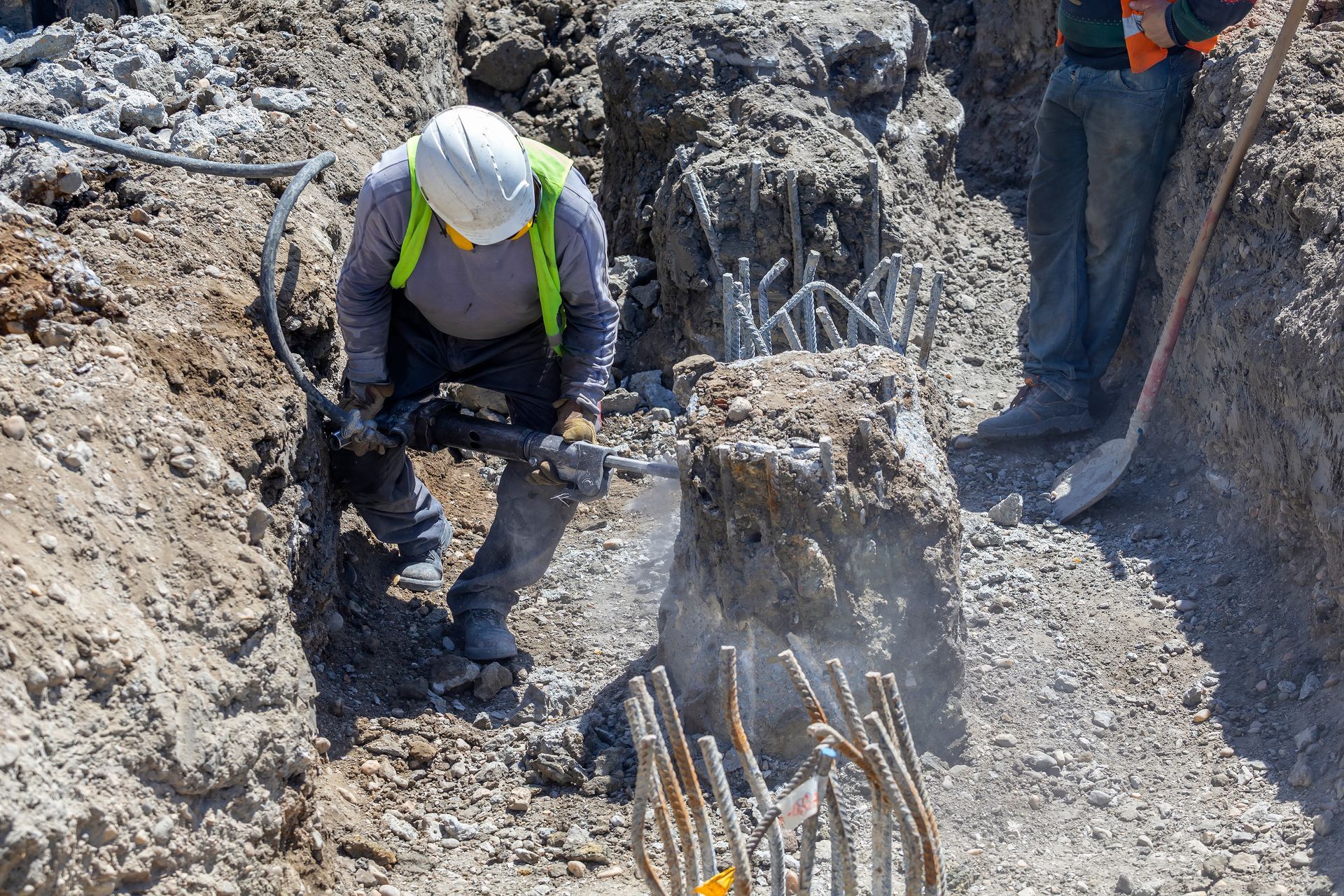
Contractor Insurance
Contractor insurance supports trades and service professionals across Southern California. It helps protect tools, equipment, and daily operations.

Cyber Liability Insurance
Cyber liability insurance helps protect business data and customer information. It supports recovery from digital incidents.

Commercial Property Insurance
Commercial property insurance helps protect offices, shops, and equipment. It supports recovery after covered damage.
Coverage Built for Specialized Work
Support for high-risk and service-driven industries.



Simple Steps Supported by Steady Guidance
A Clear Path to Coverage
Trusted by Clients Across Southern California
Clear service backed by real experiences.
Answers to Common Questions.
Clear explanations to guide your decisions.
How do I know which insurance policy is right for me?
We compare coverage options from multiple carriers to help you see differences in protection and price. You can review clear details and ask questions so you understand what each policy covers. Our team guides you step by step so you feel sure about your decision.
What factors affect my auto insurance premium?
Auto insurance premiums are influenced by your driving history, age, location, vehicle type, and coverage choices. A clean driving record and good safety features can help lower costs. We review these factors with you and help find coverage that fits your budget and needs.
Does homeowners insurance cover all types of damage?
Standard homeowners insurance protects your structure, personal belongings, liability, and additional living expenses in many cases. However, it usually does not include flood or earthquake damage without separate policies. We help you decide if extra coverage is right for your home and location.
Can I update my policy or get certificates online?
Yes. You can submit requests for policy changes and certificates through our online service form at any time. Our team processes those requests quickly and confirms updates once complete so you have the documents you need.
Do I need separate insurance for business risks like EPLI or E&O?
Yes. General liability and workers compensation cover many business risks but do not protect against all exposures. For example, Employment Practices Liability Insurance (EPLI) covers claims like wrongful termination or discrimination, and Errors & Omissions (E&O) covers claims based on mistakes in professional services. We help you identify which extra policies your business may need.
What happens if I need to file a claim?
If you need to file a claim, we guide you through the process and help you contact the insurance carrier. We explain what information you should provide, answer your questions, and stay available while the carrier reviews your claim. This support helps you move forward with confidence.
Contact Us