A single power outage or a slip on a wet floor can derail operations for a busy convenience store in California. With a market projected to reach a size of $6.0 billion by 2025 and thousands of establishments across the state (IBISWorld), having the right insurance is fundamental to protecting assets, employees, and revenue streams.
The risk profile for convenience stores is unique. These businesses face a multitude of potential hazards, including property damage, liability claims, and even gaps in coverage due to natural disasters like wildfires. This guide provides a closer look at the types of coverage available, risk areas to be mindful of, and strategies to optimize policies for better protection.
From commercial property claims to the impact of wildfire losses that have affected insurers statewide, understanding the landscape is essential for store owners who aim to build resilient, thriving operations. Detailed analysis of market statistics and policy shifts offers key insights for decision-makers in this industry.
Understanding the Insurance Landscape for Convenience Stores in California
Convenience store operators are navigating a challenging risk environment as they operate in densely populated urban and suburban areas. This environment creates a unique portfolio of risks-from slip-and-fall accidents to costly business interruption claims when disasters strike. California’s evolving risk profile includes a steady stream of consumer complaints regarding underinsurance and the unusual challenges posed by natural disasters.
The emphasis on commercial policies and comprehensive coverage has led to an increased role for specialized programs. For instance, the FAIR Plan has seen more than double the number of commercial policies from 4,601 to 9,939 between 2019 and 2024 (San Francisco Chronicle). Understanding these nuances is the first step toward ensuring that the insurance strategy for a convenience store is both current and comprehensive.
Insurance solutions for convenience stores are evolving quickly. Both emerging risks and traditional hazards need to be addressed, and policy options must be aligned with the state’s legal requirements and market realities.

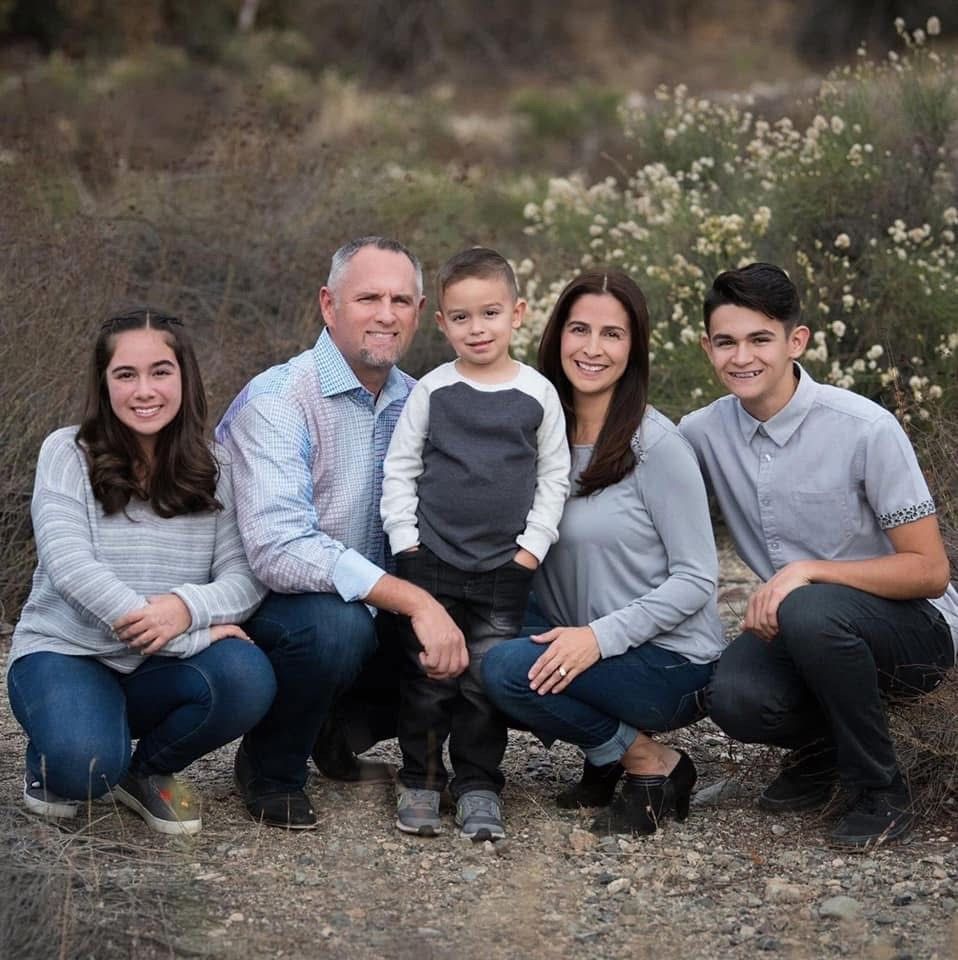
By: Peter Plew
Commercial Insurance Agent at Caruso Insurance Services
Key Coverage Types for Convenience Stores
General Liability and Property Damage
General liability insurance is a staple for any retail operation. For convenience stores, it covers injuries sustained by customers and third-party property damage claims. This is critical given the high foot traffic these establishments experience on a daily basis.
Property damage policies protect against destruction due to hazards like fires, vandalism, or even severe weather events. According to IBISWorld, the California convenience store industry is significant in scale, making comprehensive property coverage a must-have for protecting multi-million dollar investments.
These policies are designed to reduce the financial impact of sudden, unexpected incidents. For convenience store owners, an unexpected claim can quickly escalate, affecting profits and business operations.
Business Interruption Insurance
Business interruption insurance plays a vital role in mitigating the effects of unforeseen disasters that may force a temporary closure. A small business may face significant revenue loss if operations halt unexpectedly-whether due to a natural disaster or utility problems.
This type of insurance not only covers lost income but also addresses expenses during downtime. Replacing lost revenue without disrupting daily operations is a key priority for any convenience store aiming for long-term stability.
In the risk-prone landscape of California, where wildfires have significantly increased financial exposure, proper business interruption coverage has never been more critical. A strong policy ensures that owners can weather temporary setbacks and return quickly to serving the community.
Wildfire Risks and Impact on Insurance Coverage
Wildfire Exposure and Its Consequences
Wildfires represent one of the most pressing and dynamic risks in California, posing an enormous risk to both residential and commercial properties. Insured losses from wildfires in the state have surpassed $70 billion over the past decade (Independent Institute), a stark indicator of the destructive potential these events hold.
The increased exposure has forced insurers to recalibrate their risk models and, in some cases, adjust coverage limits. In 2023, the FAIR Plan increased its commercial coverage limit to $20 million per property (San Francisco Chronicle), a move that underscores the need to prepare for high-severity events.
Convenience store owners should conduct regular risk assessments that specifically consider wildfire potential. Even establishments that are not in the direct path of wildfires may see increased premiums or more stringent policy conditions while insurers adjust to statewide exposure.
Closing Coverage Gaps for Wildfire Catastrophes
The California Department of Insurance has been proactive in addressing wildfire risk through the development and review of forward-looking catastrophe models. These models help insurers tighten coverage gaps and prime policies to withstand potential disaster scenarios (California Department of Insurance).
Ensuring that policies close all major gaps in coverage is essential for business continuity when a wildfire strikes unexpectedly. Many small business owners have risen to the challenge by revisiting the terms of their commercial risk policies and including tailored wildfire endorsements.
This preparedness is key. For convenience stores, where every day matters, having coverage that fully addresses potential wildfire damage not only builds resilience but also safeguards the broader economic community.

Specialized Policies and the FAIR Plan
Navigating the FAIR Plan Landscape
The FAIR Plan remains a critical resource for businesses facing challenges in securing standard commercial policies. With exposure that nearly quintupled to $700 billion in September 2025 and around 650,000 policies in force (McKinsey & Company), the FAIR Plan has become a lifeline for underinsured properties, particularly in high-risk zones.
Commercial policies under the FAIR Plan have experienced rapid gains from 4,601 policies in 2019 to 9,939 by early 2024 (San Francisco Chronicle). This increase signals a growing reliance on programs that offer more flexible terms in an era marked by reactive environmental challenges.
Convenience store owners should review their current commercial coverage carefully to determine if adding or transitioning to a FAIR Plan policy will better address their unique risk profile. Balance and careful analysis are necessary to decide whether coverage limits, deductibles, and premiums align with business needs and the evolving threat landscape.
Evaluating Underwriting Profit Challenges
The profitability of underwriting for homeowners insurance in California has seen significant challenges over recent years. For example, between 2012 and 2021, an average direct underwriting profit of -13.1% was recorded for California homeowners, a stark contrast to the national average of 3.6% (Independent Institute).
Although these figures pertain to homeowners insurance, the financial stress reflected in this data often leads to broader market adjustments. Commercial policies, including those covering convenience store operations, are indirectly influenced by these trends. Insurers adapt by recalibrating policies and coverage terms to manage risks more effectively.
For store owners, it is useful to engage in regular discussions with insurance professionals to remain aware of shifting market conditions and underwriting practices. This dialogue can lead to more informed decisions when renewing policies or engaging in new contracts.
Evaluating Economic Impact and Community Support Programs
Economic Contributions from Insurance Spending
Insurance spending in California has a cascading effect on local economies. For instance, insurance companies contracting with small and diverse-owned businesses contributed a total economic output of $6.7 billion to the state’s economy, supporting more than 29,000 jobs and generating over $917 million in state tax revenues (California Department of Insurance).
This economic ripple is critical for convenience stores, which often serve as small, community-focused businesses. A healthy insurance market and robust coverage solutions not only protect individual businesses but also amplify overall economic stability within local communities.
Investments in comprehensive policies underscore the benefit of well-structured insurance programs. Such initiatives empower store owners to invest in security upgrades, staff training, and other measures that enhance both customer experience and long-term profitability.
Supporting Diverse Business Owners
A key objective of Californian insurance policies has been to empower diverse business owners. Insurance companies spent $3.1 billion with California diverse businesses, leading to widespread gains across the state (California Department of Insurance). This commitment towards inclusivity strengthens the market and ensures that even small convenience stores in underserved communities have access to competitive and comprehensive coverage.
Such initiatives are beneficial in fostering a balanced economic ecosystem. When small business owners have the backing of tailored insurance programs, they are better positioned to invest in local growth and community development.
The alignment of insurance spending with community-oriented programs represents an ideal model for sustainable business growth across California. Retailers who operate within these ecosystems enjoy a measurable advantage, both in terms of risk management and broader economic opportunity.
Practical Strategies for Choosing the Right Insurance Policy
Assessing the Business Profile and Risk Factors
Every convenience store is unique. Location, size, customer traffic, and the range of products offered play a significant role in shaping an insurance policy. An in-depth risk assessment is essential for identifying potential hazards that are specific to the business.
Store owners are encouraged to review their physical layout, employee workflows, and customer behaviors. Detailed inspection can reveal less obvious risks that general policies might not fully cover. This focused approach allows insurance professionals to tailor coverage that mitigates the most pressing concerns.
The process may involve a combination of onsite visits, third-party evaluations, and internal audits, ensuring both property and financial viability are adequately protected. A proactive approach to risk management is a hallmark of resilient business planning.
Customization and Endorsements
Customization in insurance policies helps align coverage with the operational risks of a convenience store. Endorsements can be added to cover specific challenges such as equipment failure, food spoilage, or cyber threats emerging from digital payment systems.
A comprehensive review of existing policies may reveal gaps that endorsements can fill. For example, coverage tailored to address the risk of wildfire damage or business interruption may be integrated into the overall policy package. Customized additions can significantly impact the business's ability to recover swiftly from an incident.
Engaging with trusted insurance professionals who understand the intricacies of high-traffic retail operations is crucial. This hands-on guidance often results in both improved coverage and potentially lower premiums, as policies are aligned more accurately with real-world exposures.
The Role of Regular Policy Review and Industry Trends
Keeping Up with Changing Market Conditions
The insurance industry is dynamic, with constant fluctuations in risk and market conditions. For convenience stores in California, any lapse in policy review could expose gaps in protection. Regular evaluations help store owners stay ahead of changes in coverage limits, premium adjustments, and exclusions.
For example, as environmental risks evolve and the economic landscape adjusts, stores must reassess their policies to ensure that limits keep pace with exposure. Market insights, such as the nearly quintupled exposure seen in FAIR Plan programs (McKinsey & Company), provide valuable context for reviewing and renewing insurance policies.
By keeping policies under regular review, store owners can benefit from adjustments that align coverage with current risks and economic realities. This diligence reduces unexpected vulnerabilities while strengthening the overall risk management strategy.
Leveraging Technology and Data Analytics
Modern data analytics and forecasting models allow both insurers and insured businesses to assess risk more accurately. Some programs use forward-looking catastrophe models to close coverage gaps statewide, a move that supports more flexible and focused policies (California Department of Insurance).
The integration of technology helps tailor policies to individual business risk profiles and can even predict shifts in natural disaster patterns. This technical edge ensures that convenience store owners are not caught off-guard by sudden changes in risk exposure or emerging threats.
Implementing technology-driven reviews in conjunction with expert consultations creates a robust framework for maintaining effective coverage over time.
FAQ Section
What is the significance of the FAIR Plan for convenience stores?
The FAIR Plan provides coverage when standard insurance solutions are not available. Its growing use-especially in high-risk areas-helps safeguard retailers from gaps in commercial policies (San Francisco Chronicle).
Do convenience stores need specialized insurances beyond general liability?
Yes. In addition to general liability, policies such as property damage, business interruption, and tailored endorsements addressing wildfire and cyber risks are essential for comprehensive protection.
How often should a store owner review their insurance policy?
Regular reviews are important. As market conditions and risk exposures change, an annual review or policy update is recommended to ensure adequate coverage.
Can technology help in managing insurance risks for my store?
Modern analytics and forecasting tools can accurately assess risks and predict potential exposure. These tools enable proactive risk management and help tailor policies to meet specific business needs.
What happens if my store is in a wildfire-prone area?
Store owners in wildfire-prone regions should consider policies that include wildfire endorsements. Such coverage may include increased limit options and tailored risk management features to handle potential losses.
How can I reduce my premium costs without sacrificing coverage?
Customization and regular policy reviews ensure that you only pay for what you need. A proper risk assessment can help pinpoint mitigation measures and adjustments to coverage that may lower premiums over time.
Strategies for Building Long-Term Resilience
In the competitive market of California convenience stores, resilience is built on both physical protection and sound financial management. Detailed risk assessments, coupled with strategic policy enhancements, ensure that operations remain unimpaired even when unforeseen events occur. Store owners who choose proactive risk management and customized coverage are in a position to weather potential storms and emerge stronger.
Investing in comprehensive policies not only protects the physical store but also reinforces community relationships-employees, suppliers, and customers alike feel secure knowing that financial contingencies are in place. The long-term approach to risk management is particularly critical when external pressures, such as environmental hazards and economic fluctuations, pose a persistent challenge.
Regular interactions with insurance professionals and leveraging updated technology in risk evaluation pave the way for smoother claim processes and lower exposure to potential disruptions.
Implementing Best Practices for Policy Management
Adopting best practices in policy management includes staying updated on emerging risks, engaging in periodic policy reviews, and working with insurers who understand the local dynamics of California's diverse business landscape. For convenience stores, each component may influence operational decisions from staffing to property investments.
Adherence to industry best practices, such as periodic self-assessments and the use of specialized risk management tools, helps in tailoring policies that accurately reflect current business needs. Such measures ensure premiums are optimized and the potential for uncompensated claims is minimized.
Collaboration between insurance providers and store owners is key to adjusting coverage as the market evolves. This coordinated approach helps navigate challenges such as regulatory changes, increased exposure to wildfire risks, or adjustments in underwriting guidelines across the industry.
Leveraging Expert Advice
Expert advice from experienced brokers who focus on retail and commercial insurance is an invaluable resource. These professionals can provide guidance on fine-tuning your policy and ensuring that all risk aspects-from liability to business interruption-are properly addressed.
The resulting policy is more scalable and easier to adapt when landscape changes occur. Expert recommendations ensure that each endorsement and policy clause supports your long-term business strategy while keeping the focus on protecting your convenience store.
Consultation with industry experts is particularly helpful during periods of market volatility, as proven by trends such as the negative underwriting margins seen in California homeowners’ insurance
(Independent Institute), a signal that the entire insurance ecosystem is sensitive to rapid changes.
What to Remember When Choosing Coverage
Every convenience store owner should prioritize reviews of the current coverage, ensuring that standard policies meet the specific risks associated with retail operations. Detailed fact-finding and a deep understanding of emerging risks lead to better outcomes in the event of a claim.
Customization remains a recurring theme in insurance solutions. Adding endorsements that cover specific risks-especially those related to property damage from environmental hazards or loss of business income-has proven beneficial. This proactive approach is integral to building a robust safety net for any operation.
The importance of partnering with reputable insurance providers, those who appreciate the diverse nature of California’s business operations, cannot be understated. With a careful mix of standard and customized coverage aligned with the dynamic conditions in the state, convenience store owners can ensure long-term operational security.
Final Thoughts on California Convenience Store Insurance
Developing a comprehensive insurance strategy that considers both traditional risks and emerging challenges is essential for any convenience store. Policies must evolve as the industry grows, and owners must be prepared for sudden changes in the risk environment-whether that be from market dynamics or environmental factors like wildfires.
By harnessing expert advice, leveraging real-world data, and engaging in regular policy reviews, retail operations can secure tailored solutions that maximize protection while minimizing financial disruption. The economic landscape, underscored by significant sector contributions such as a $6.0 billion market size and robust demand for policy stability, reinforces the necessity of a well-rounded insurance approach (IBISWorld).
Ultimately, convenience store insurance in California extends well beyond simple cost management; it is about preserving the lifeblood of community retail services and sustaining the economic fabric that supports local businesses across the state.
Wrapping Things Up
Convenience store operators must view insurance as an integral part of their long-term business strategy-a mechanism for safeguarding not only properties but also the businesses' overall operational resilience. Whether it is through adapting to current wildfire risks, fine-tuning policy details via advanced analytics, or simply ensuring that comprehensive coverage is in place, a proactive insurance plan yields benefits that extend far beyond premium costs.
The dynamic nature of California's retail landscape demands both preparedness and flexibility. Keeping abreast of market trends and policy changes will empower owners to make informed decisions that protect their business from unexpected disasters and other risks.
Store managers and insurance professionals working together create a robust network of solutions, ensuring that every potential pitfall is accounted for and every gap is effectively closed. A well-strategized insurance policy not only mitigates risk but also supports sustainable growth and operational continuity.
Before You Go
Embracing a comprehensive and well-curated insurance strategy is something every convenience store owner in California should consider a priority. Reviewing policies periodically, engaging with trusted brokers, and understanding the specific risks affecting your business are essential steps toward sustained success.
Taking proactive measures today can mean the difference between a minor hiccup and a major setback tomorrow. As the industry evolves-with market size projections hitting $6.0 billion and wildfires continuing to influence coverage-being prepared is the best defense against future uncertainties.
The continuous reassessment and customization of insurance solutions ensure that your convenience store remains one step ahead, backed by policies that truly reflect the demanding environment in which it operates.
ABOUT THE AUTHOR:
PETER PLEW
Hi my name is Peter Plew and I am a commercial insurance professional. I listen to and strategize with business owners about their visions of the future and assist in getting there as quickly as possible. I help identify unique exposure and risk’s that business owners have and the reasons why they need to be insured against them. My goal is to make sure my clients are always taken care of on a daily basis with any service needs, questions, or concerns they may have. I love to golf and spend time with my family in my spare time.
Contact Us

Service that stays with you.
Our team helps simplify insurance decisions for families and businesses. We focus on clear explanations, fast responses, and dependable service. You can count on us for help with coverage questions, updates, and long-term support.
Coverage that keeps you secure
Reliable Protection for Everyday Life
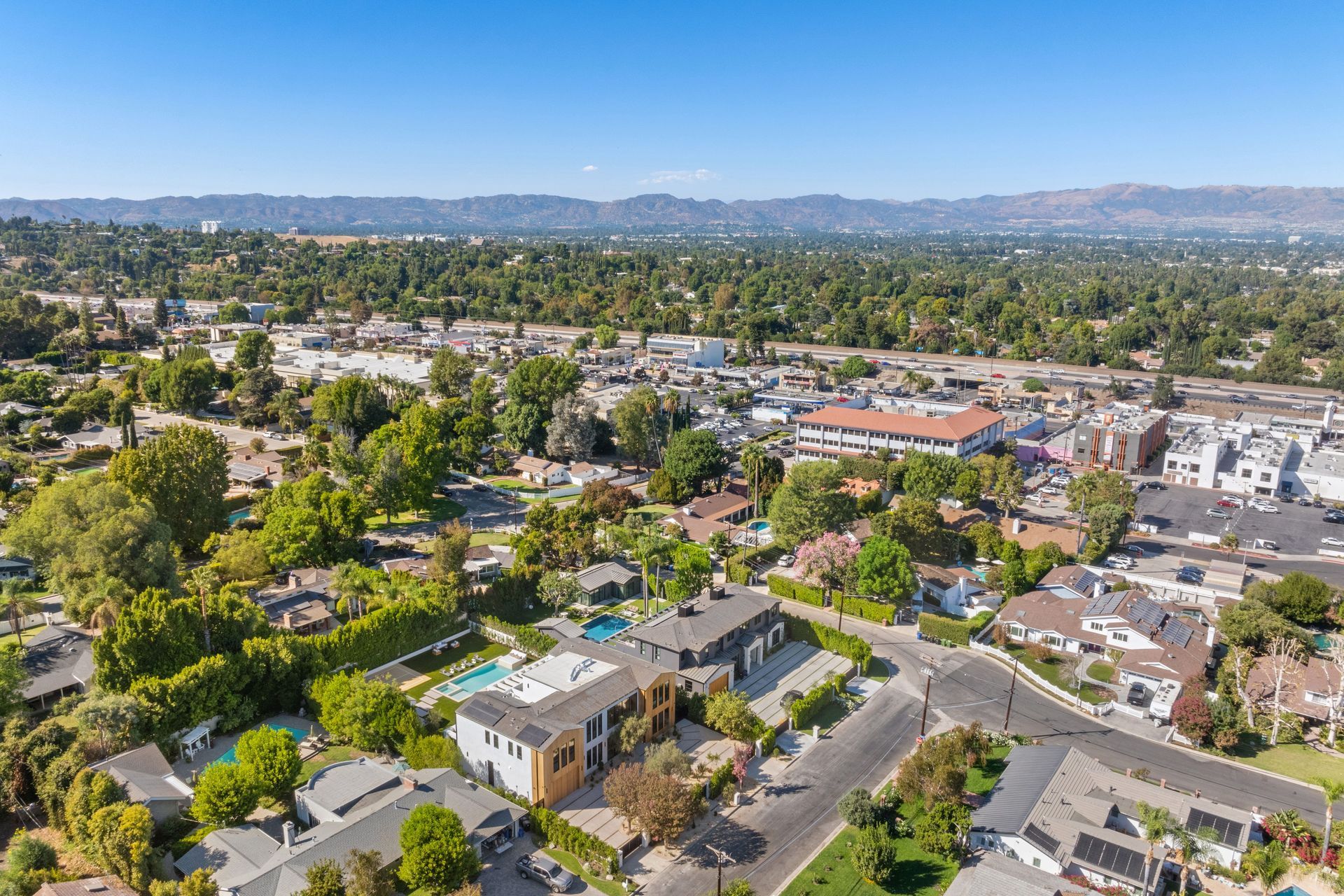
Home insurance helps protect your house, personal belongings, and liability risks. We explain coverage options clearly so you know what your policy includes.
Auto insurance provides protection for accidents, liability, and vehicle damage. We help you compare options so you can choose coverage that fits your driving needs.
Motorcycle insurance provides coverage for riders and their bikes. We help you select options that match how and where you ride.
RV insurance supports protection for motorhomes and recreational vehicles. Coverage applies during travel and while parked.
Coverage Built for Contractors and Trades
Support that keeps your work moving.

General Liability Insurance
General liability insurance helps protect contractors from injury and property damage claims. It supports jobsite requirements and contracts.

Workers Compensation
Workers compensation insurance helps protect employees injured while working. It also supports compliance with state requirements.

Commercial Auto Insurance
Commercial auto insurance provides coverage for work vehicles used on jobsites. It helps protect drivers and company vehicles.
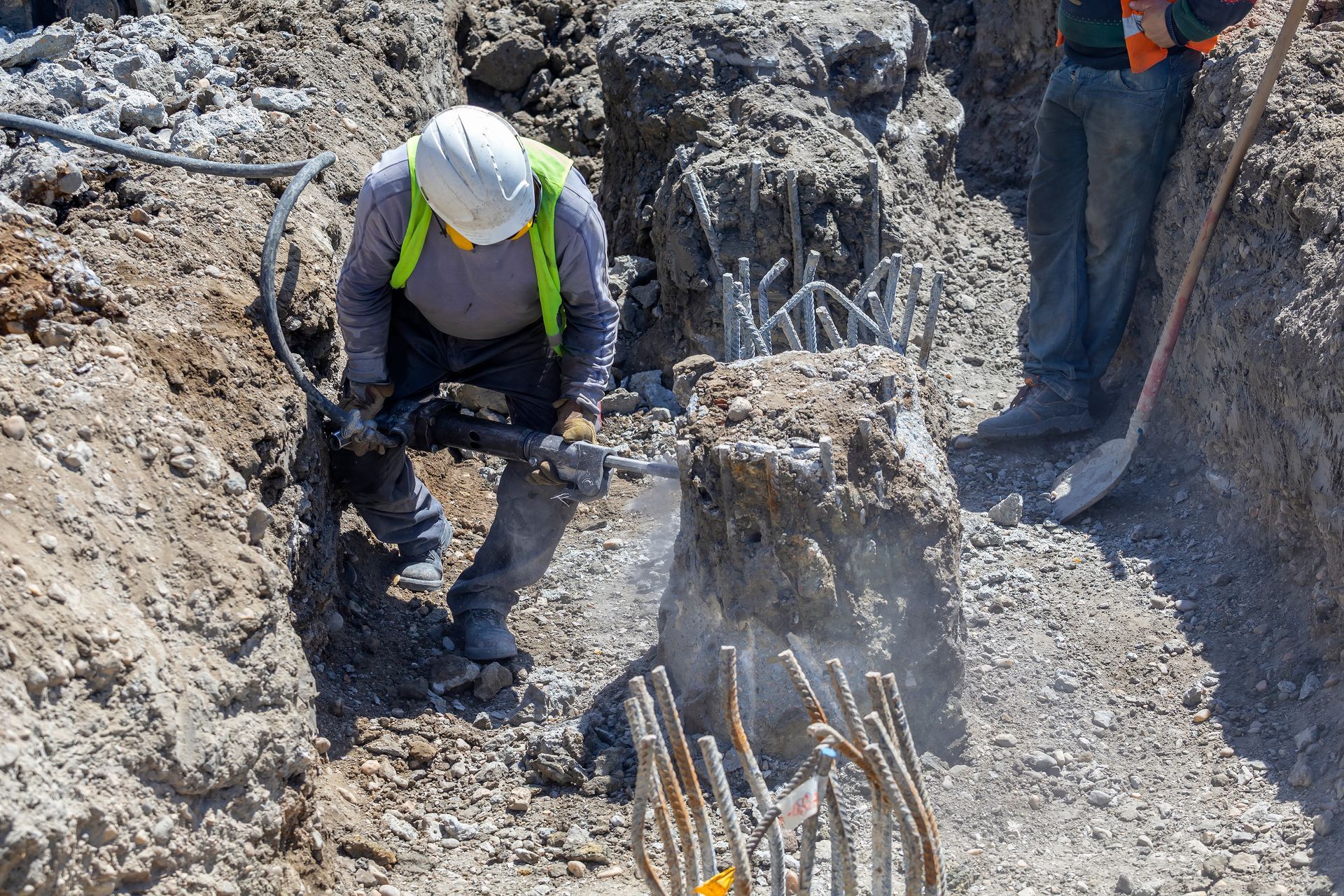
Contractor Insurance
Contractor insurance supports trades and service professionals across Southern California. It helps protect tools, equipment, and daily operations.

Cyber Liability Insurance
Cyber liability insurance helps protect business data and customer information. It supports recovery from digital incidents.

Commercial Property Insurance
Commercial property insurance helps protect offices, shops, and equipment. It supports recovery after covered damage.
Coverage Built for Specialized Work
Support for high-risk and service-driven industries.


Simple Steps Supported by Steady Guidance
A Clear Path to Coverage
Trusted by Clients Across Southern California
Clear service backed by real experiences.
Answers to Common Questions.
Clear explanations to guide your decisions.
How do I know which insurance policy is right for me?
We compare coverage options from multiple carriers to help you see differences in protection and price. You can review clear details and ask questions so you understand what each policy covers. Our team guides you step by step so you feel sure about your decision.
What factors affect my auto insurance premium?
Auto insurance premiums are influenced by your driving history, age, location, vehicle type, and coverage choices. A clean driving record and good safety features can help lower costs. We review these factors with you and help find coverage that fits your budget and needs.
Does homeowners insurance cover all types of damage?
Standard homeowners insurance protects your structure, personal belongings, liability, and additional living expenses in many cases. However, it usually does not include flood or earthquake damage without separate policies. We help you decide if extra coverage is right for your home and location.
Can I update my policy or get certificates online?
Yes. You can submit requests for policy changes and certificates through our online service form at any time. Our team processes those requests quickly and confirms updates once complete so you have the documents you need.
Do I need separate insurance for business risks like EPLI or E&O?
Yes. General liability and workers compensation cover many business risks but do not protect against all exposures. For example, Employment Practices Liability Insurance (EPLI) covers claims like wrongful termination or discrimination, and Errors & Omissions (E&O) covers claims based on mistakes in professional services. We help you identify which extra policies your business may need.
What happens if I need to file a claim?
If you need to file a claim, we guide you through the process and help you contact the insurance carrier. We explain what information you should provide, answer your questions, and stay available while the carrier reviews your claim. This support helps you move forward with confidence.
Contact Us