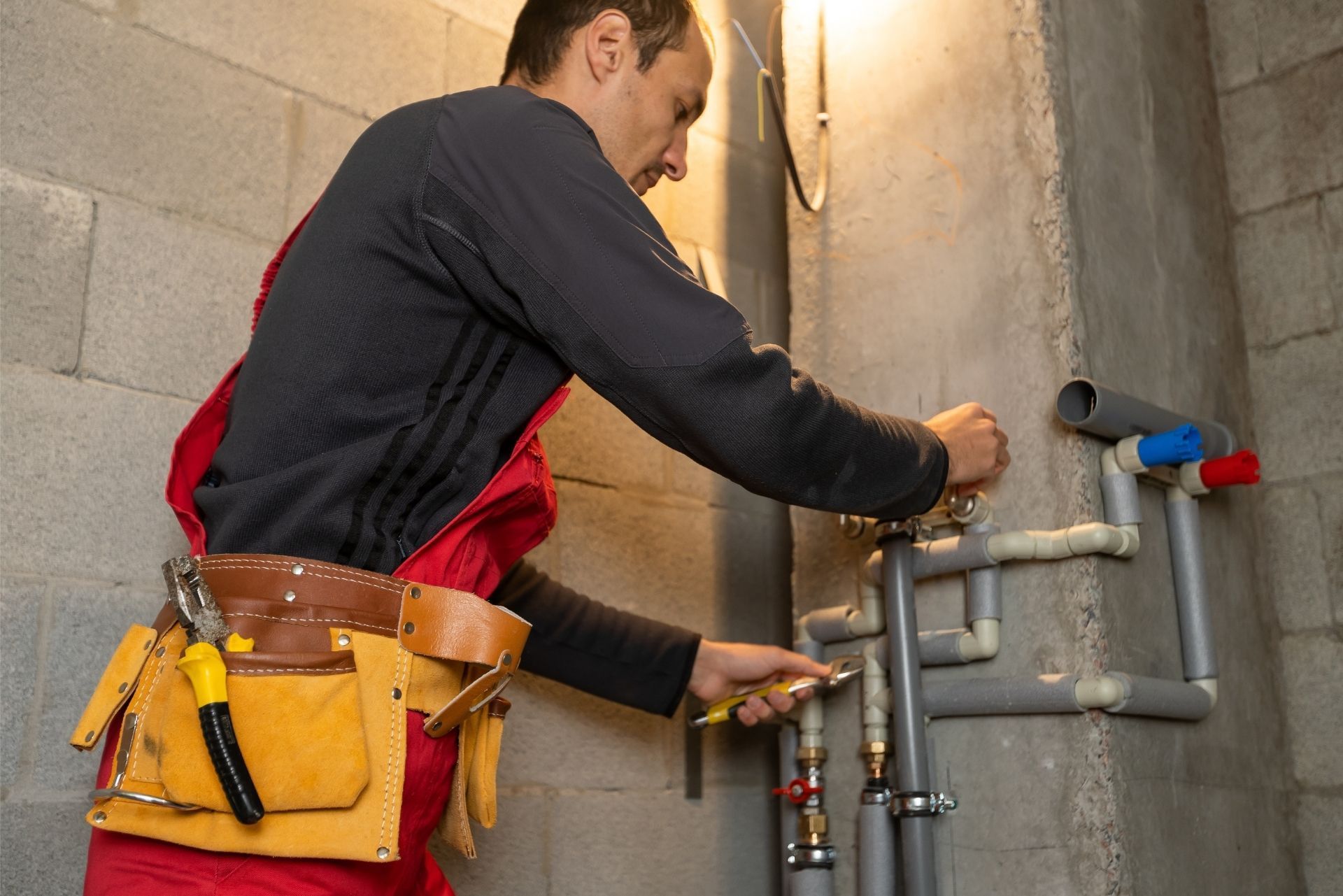
A single misstep on a job site or a burst pipe on a busy day can trigger costly claims that jeopardize an entire business. This guide dives deep into the ins and outs of insurance for plumbing contractors in California, weighing options from general liability to workers compensation, and clarifying how evolving industry trends should factor into your coverage decisions. With rising concerns over labor shortages and infrastructure aging, understanding your risks and covering your bases has never been more crucial. Experts urge plumbing contractors to stay informed about shifting market dynamics, including changes that could affect litigation and claim frequency. For further research and insights, see the recent commentary from Plumbing & Mechanical Contractor.
This comprehensive guide is designed to address both seasoned professionals and new contractors alike. Each section offers detailed analysis, practical examples, and actionable advice to protect your business under California’s unique regulatory landscape. With realities such as a projected market nearing $18.1 billion and a shifting labor pool, a proactive insurance approach is essential.
Understanding the California Plumbing Industry Landscape
California’s plumbing industry is a robust segment of the construction and building maintenance sector. The industry is projected to reach a market size of $18.1 billion by 2025, supporting thousands of businesses and tens of thousands of workers. Keeping tabs on these numbers not only bolsters confidence but also underscores the need for proper coverage tailored to the unique challenges faced by plumbing professionals.
Chronic issues such as aging infrastructure force plumbing contractors to work on complex and potentially hazardous projects. This sector’s growth is bolstered by periodic surges in maintenance and repair needs, as well as new construction projects requiring expert plumbing work. The competitive nature of the industry means that small firms, many with revenues of less than $1 million annually, must reconcile limited budgets with the heavy costs associated with potential liability claims.
The challenges extend beyond market size. Labor shortages are a significant concern with the construction labor pool hovering around half-a-million workers since 2023, impacting everything from project timelines to safe work practices. When fewer qualified workers are available, errors may proliferate, and safety protocols sometimes falter. This underscores why comprehensive insurance coverage is not a luxury but a necessity in safeguarding your operations.

By: Patrick Caruso
President of Caruso Insurance Services
Key Insurance Policies for Plumbing Contractors
Various insurance policies come into play when running a plumbing business. Each type addresses specific risks and brings financial protection during unforeseen circumstances. The following sections break down the primary policies every plumbing contractor should consider.
General Liability Insurance
General liability insurance forms the cornerstone of a risk management strategy for plumbing contractors. This coverage typically protects against third-party claims resulting from property damage, bodily injury, and other unforeseen issues. In California, where construction defect litigation is expected to rise significantly according to a recent Insurance Journal report from 2025, having robust general liability coverage is critical.
Contractors may face lawsuits stemming from project-related accidents or workmanship errors. The policy should cover legal fees, settlement costs, and potential damages. Considering the potentially increased annual risks highlighted by these litigation trends, evaluating coverage limits and deductibles is important. When selecting a policy, reviewing exclusions with a trusted quote provider or insurance expert ensures that hidden gaps in coverage do not expose your business to substantial out-of-pocket costs.
Additionally, the evolving world of surety bonds is worth noting. Recent studies indicate that incorporating network effects in surety bonds can increase the average risk by roughly 2% (arXiv study). This nuanced detail has direct implications for both your insurance premiums and risk management strategies, urging contractors to perform due diligence before committing to any agreement.
Workers Compensation Insurance
Workers compensation is non-negotiable for any company with employees. California’s renowned emphasis on worker rights means that employers must adequately cover claims related to job-related injuries or illnesses. The California Workers' Compensation Institute reports a modest annual decline of 1% in claim frequency since 2007; however, potential concerns about medical inflation still persist.
For smaller plumbing firms, especially those with a median staff size of just six workers, ensuring that every employee is covered is a legal requirement. The relatively lean team sizes make workplace safety practices all the more crucial. Investing in proactive training and safety protocols can help reduce the frequency of claims and, in some cases, lead to lower premiums over time.
When considering workers compensation policies, business owners should look for plans that provide not only statutory coverage but also additional support services such as claims management and safety training resources. A well-rounded approach can facilitate faster claim resolutions and help maintain business continuity.
Commercial Auto Insurance
Many plumbing services require the use of company vehicles, whether it be for transporting tools or reaching multiple job sites quickly. Commercial auto insurance covers the use of vehicles for business purposes. Coverage typically includes liability protection, damages to the vehicle, and injuries resulting from accidents.
With project deadlines that often rely on timely job completion, a single auto accident can result in severe disruptions and costly delays. Ensuring your commercial vehicles are insured against collisions, vandalism, and other unexpected events is essential to keep operations running smoothly.
Understanding the nuances of your policy, including driver qualification requirements and distance limitations, can prevent surprises when a claim is filed. It is advisable to consult with an insurance agent who specializes in commercial policies pertinent to plumbing contractors.
Equipment and Tools Coverage
Plumbing contractors operate with a significant investment in specialized tools and equipment. Many insurers offer policies that cover these assets against theft, vandalism, or damage. This aspect is particularly important for smaller contractors, where a sudden loss of essential tools could jeopardize operations and lead to costly delays.
Insurance policies designed for equipment coverage can also include provisions for rental reimbursements, ensuring that work continues while damaged equipment is replaced or repaired. Considering the financial strain that equipment downtime introduces, this form of coverage can be a critical component of your overall risk management strategy.
Contractors should engage in thorough comparisons of available policies, paying close attention to limits, deductibles, and the particular exclusions that may apply to your unique set of assets.
Emerging Trends and Risk Factors in Plumbing Contractor Insurance
Trends in litigation, workforce dynamics, and environmental factors are influencing how insurance products are structured for plumbing contractors. In the coming years, several changes could notably impact claims and premiums.
Increased Litigation and Claim Exposures
Recent reports indicate that construction defect litigation is poised to increase significantly. According to a 2025 report in the Insurance Journal, rising litigation is likely to affect general liability claims. The heightened scrutiny on construction defects means that even minor errors or compliance oversights could trigger legal actions, driving up insurance costs.
This trend is particularly worrisome for small contractors who operate with limited financial buffers. As litigation expenses and legal fees rise, business owners must carefully evaluate whether their current general liability policies offer adequate coverage in the contemporary climate of legal challenges. Regular policy reviews with an emphasis on evolving industry risks are vital.
For those looking for peace of mind and competitive risk management, selecting a policy with extended coverage for legal claims, such as those linked to construction defects, can be a strategic long-term decision.
Labor Shortages and Its Insurance Implications
The construction labor shortage, which has lingered around half-a-million workers since 2023 (Insurance Journal), is reshaping project management and safety protocols across the industry. With fewer skilled workers available, the likelihood of errors increases, and this can, in turn, drive insurance claims.
When contractors are forced to rely on a constrained labor pool, they may lack the manpower to enforce the rigorous safety and quality standards that minimize risks. This situation reinforces the need for layered insurance policies.
Mitigating the effects of labor shortages involves investing in robust training programs and possibly exploring automation or other labor-saving technologies. Although these strategies require upfront investment, they can help reduce the frequency and severity of claims and may ultimately influence premium rates in a favorable direction.
Impact of Network Effects in Surety Bonds
One element affecting the risk landscape for trucking and construction professionals alike is the application of network effects in surety bonds. According to a recent study on arXiv, network effects can increase the risk and tail probability mass of the loss distribution by about 2%. Although this figure might appear marginal, it can have significant implications when compounded over multiple projects and years of operations.
Network effects refer to the way interactions within a network-such as subcontractors, suppliers, and insurers-tend to amplify risk scenarios. Understanding how these effects work can lead to more informed choices when selecting bonding and insurance arrangements. The implication here is that contractors need to factor in these risk multipliers and possibly adjust their policy limits and risk management practices accordingly.
This heightened understanding underscores the necessity of working with insurers who comprehend not only the practicalities of plumbing work but also the statistical subtleties of risk distribution as outlined by recent research.

Choosing the Right Insurance Partner and Coverage Provider
Selecting an appropriate insurance partner is half the battle in effective risk management. Given the complexities of the plumbing industry, finding a specialist who understands California’s regulatory environment and the intricacies of plumbing-specific risks is vital.
Evaluating Policy Options and Providers
When evaluating insurance providers, contractors must consider several key factors beyond the mere cost of premiums. Look for specialists who offer tailored policies that account for the specific risks of the plumbing industry. Providers who have experience working with small businesses, especially those with annual revenues under $1 million, are well-equipped to understand the pressing issues faced by these companies.
It is also advisable to check how insurers respond to industry trends, such as increased litigation or labor shortages. An insurer that actively monitors and adjusts policies in response to market conditions will likely offer more resilient coverage over time. Seek out companies that provide clear communication, dedicated customer service, and accessible claims management.
Engaging in a comparative analysis can help ensure that the selected partner not only offers competitive rates but also provides robust coverage limits and flexible policy options, thus safeguarding both current projects and future growth.
Integration of Technology and Real-Time Risk Monitoring
Modern insurance solutions are increasingly incorporating technology to provide real-time risk monitoring and dynamic policy adjustments. Digital platforms now allow providers to track worksite conditions and even offer feedback on safety practices. For plumbing contractors operating in an industry that sees constant evolution in work practices, these technological integrations can be invaluable.
Automated systems that monitor safety incident trends and update policies accordingly can minimize delays in claims processing and help prevent risk accumulation. Such integrations not only streamline operations but also enable insurers to pinpoint areas where additional safety measures could reduce claim frequency.
Embracing digital tools and smart insurance platforms is a strategic move. It empowers contractors to proactively manage risk, ensuring that their insurance policy remains both current and effective in a rapidly shifting landscape.
Risk Management Strategies for Plumbing Contractors
Insurance is just one piece of the risk management puzzle. Successful plumbing contractors implement comprehensive strategies designed to minimize risk before it translates into an insurance claim. The following methods have helped many businesses navigate the pitfalls of the industry.
Commitment to Safety Practices
Rigorous on-site safety protocols are among the most effective ways to reduce insurance claims. Ensuring that all employees are regularly trained, familiar with updated safety standards, and equipped with the necessary gear can lower the frequency of accidents that lead to costly claims.
Periodic safety audits and corrective actions can also reduce the likelihood of any job-related injuries, ultimately boosting a company's credibility and minimizing premium escalations over time. Revenue-sensitive companies, especially those operating with lean teams, benefit immensely from this proactive approach.
Investing in safety not only preserves the well-being of employees but is also a tangible factor that many insurers consider when setting premium rates. In an environment where aging infrastructure might expose workers to additional hazards, this becomes even more crucial.
Effective Project Oversight and Quality Control
Maintaining detailed project oversight is key to identifying potential issues before they escalate. Quality control measures such as careful inspection routines, thorough documentation, and adherence to building codes mitigate risks that can otherwise culminate in litigation related to construction defects.
Regular feedback loops between senior managers and on-site teams help establish accountability and facilitate swift corrective actions when deviations occur. These practices not only safeguard the contractor’s reputation but also build consumer trust-a factor that often translates into reduced insurance claims.
Furthermore, investing time to ensure quality control on every project can reveal early warning signs of larger systemic issues. When addressed promptly, these minor adjustments might translate into substantial long-term savings in both insurance costs and legal liabilities.
Adapting to Technological Innovations
Technological advancements are reshaping the construction and plumbing industries. Modern tools, including leak detection systems and advanced diagnostic equipment, enable quicker responses and more precise repairs. These innovations not only enhance service quality but also reduce the incidence of extended damage claims, ultimately leading to lower insurance premiums.
Digital platforms that centralize project management, safety data, and worker training information allow for continuous monitoring and improvement. As contractors integrate these systems into their daily operations, the overall risk profile of the business diminishes, making it easier to negotiate more favorable policy terms with insurers.
Insurers are beginning to reward businesses that actively embrace technology. The logical consequence is that technological innovation, when paired with diligent risk management, paves the way for improved safety, efficiency, and protection against unforeseen claims.
Strategies to Control Insurance Premiums
Insurance premiums in the plumbing sector can be influenced by several factors-from the size of your business and the frequency of claims to trends in litigation and labor shortages. Here are actionable strategies to help minimize costs while ensuring comprehensive coverage.
Regular Policy Reviews
Constantly reevaluating your policy can reveal coverage options that better suit your evolving needs. As your business grows or shifts its focus, it may be tempting to let an outdated coverage plan linger. Instead, schedule regular reviews with your insurance provider to assess your risk exposure and make necessary adjustments.
Policy fine-tuning may include updating coverage limits, adding endorsements that address emerging risks, or even negotiating better terms based on a solid track record of safety and claims management. Having an updated policy that mirrors your business’s current needs is essential in an environment where construction defect litigation and labor challenges are on the rise.
Regular reviews also help pinpoint deductible adjustments that can reduce premium costs without compromising on coverage quality. This proactive approach allows contractors to maintain a balance between cost management and financial protection.
Bundling Insurance Policies
Many insurers offer discounts when multiple insurance products are bundled together. For a plumbing contractor, bundling general liability, workers compensation, commercial auto, and equipment coverage often results in substantial premium savings.
Bundled packages not only streamline the insurance management process but also provide a comprehensive shield against a variety of risks. This approach is particularly beneficial for contractors operating on tight margins, ensuring that broad protection comes at a more manageable cost.
Before finalizing a bundled policy, it is advisable to review the details with your insurance agent. The aim is to make sure that all aspects of your business are adequately covered while also taking advantage of any available discounts.
Integrating Risk Management with Insurance Practices
Aligning risk management initiatives with insurance practices creates a more resilient business model. When every aspect of your operations-from safety training to on-site equipment checks-is optimized to limit exposures, insurance premiums may eventually reflect that reduced risk.
Developing a Proactive Claims Process
Having a swift and efficient claims process in place offers dual benefits. On one hand, it ensures that any incidents are managed with minimal disruptions, and on the other, it provides insurers with a clear picture of your risk management efforts. Implementing digital claims reporting systems can help in this regard, providing real-time data and enhancing transparency.
Such systems can also aid in identifying recurring issues that require corrective action. By addressing these issues directly, contractors not only improve workplace conditions, but they also work towards lowering future insurance costs as claim frequencies drop.
A proactive claims process further cements the business’s reputation as responsible and forward-thinking, which can be a valuable negotiating point during policy renewals.
Fostering an Open Safety Culture
Establishing a culture where safety is a shared responsibility among all employees reinforces the overall risk reduction strategy. Regular training sessions, safety briefings, and an open-door policy for safety concerns can significantly reduce incidents.
A team that is actively engaged in identifying potential hazards contributes directly to reducing the probability and severity of accident-related claims. This cultural shift not only protects staff but also builds a consistent narrative of due diligence, an important factor when insurers assess risk.
Such a proactive internal culture, when clearly documented and promoted, can also be influential in negotiating premiums, as it demonstrates to insurers that the business is committed to minimizing risks before they materialize into claims.
Frequently Asked Questions
This section addresses some of the most common questions plumbing contractors may have about insurance coverage and risk management strategies.
Q: Why is general liability insurance essential for a plumbing contractor?
A: General liability insurance protects against third-party claims for property damage or bodily injury. With the rising incidence of construction defect litigation, having robust liability coverage can minimize financial exposure.
Q: What should small plumbing companies consider when choosing a policy?
A: Small contractors, especially those with lower annual revenues, should look for tailored policies that cover unique risks, including equipment loss and on-the-job injuries, while also considering bundling options for cost savings.
Q: How can labor shortages affect my insurance costs?
A: Labor shortages can increase the likelihood of errors and accidents, leading to more claims and higher premiums. Investing in training and safety protocols can help mitigate these risks.
Q: Do I really need commercial auto insurance if I already have a personal policy?
A: Commercial auto insurance is critical because personal auto policies do not cover vehicles used for business purposes. For timely work completion and business operations, proper separation ensures you’re adequately protected in case of any accident.
Q: Can modern technology help lower my insurance premiums?
A: Yes. Integrating technology such as digital claims systems and safety monitoring tools can reduce claim frequency, making your business less risky to insure over time.
Q: What role do network effects in surety bonds play in risk management?
A: Recent studies indicate that network effects in surety bonds can slightly increase risk exposure by about 2% (arXiv), urging a closer look at how these influences might alter premium settings and risk strategies.
Chart: Comparing Key Insurance Coverages for Plumbing Contractors
The table below provides a side-by-side comparison of the main insurance policies applicable to plumbing contractors. Use this as a quick reference to distinguish between coverage options and their benefits.
| Insurance Type | What It Covers | Key Considerations |
|---|---|---|
| General Liability | Third-party bodily injury, property damage, legal fees | Coverage limits, policy exclusions, rising litigation risks (Insurance Journal) |
| Workers Compensation | Employee injuries, medical expenses, lost wages | State regulations, claim frequency, potential medical inflation |
| Commercial Auto | Business vehicle accidents, damages, liability | Driver qualifications, vehicle usage, timely project execution |
| Equipment Coverage | Theft, damage, vandalism for specialized tools | Asset valuation, replacement cost, downtime implications |
Adapting to Change in a Complex Environment
Plumbing contractors in California face a dynamic environment where market conditions, litigation trends, and labor challenges converge. Amid these challenges, insurance remains a steadfast tool for business continuity.
With a projected industry market size of $18.1 billion by 2025, and a fluctuating scale of operation often involving small-scale companies, understanding the intricacies of your insurance needs is more than advisable-it is necessary. The evolving landscape demands a nimble approach: regular policy reviews, adopting new technologies for risk monitoring, and fostering an organizational culture that prioritizes safety.
The guide above emphasizes that, despite the inherent risks, diligent risk management paired with appropriate insurance coverage can build a resilient and proactive business model. From addressing emerging litigation trends to understanding the impact of small changes in surety bond risks, this holistic approach ensures that each project progresses with fewer disruptions and mitigated vulnerabilities.
Wrapping Things Up
A deep understanding of insurance does more than provide a safety net-it empowers plumbing contractors to make informed decisions that affect both daily operations and long-term growth. Identifying the right mix of general liability, workers compensation, commercial auto, and equipment coverage is a critical step toward financial stability.
Besides securing the right policies, the value lies in the integration of smart risk management practices and technology solutions. This guide has examined everything from the nuances of increased litigation risk and network effects in surety bonds to the practical measures every contractor can take. The goal is straightforward: reduce claims and protect your livelihood.
For those navigating the multifaceted world of California plumbing contractor insurance, staying proactive and informed is the best strategy. As regulatory and market conditions continue to shift, aligning your coverage with intelligent risk management strategies not only secures your business now but also positions it for continued success in the future.
ABOUT THE AUTHOR:
PATRICK CARUSO
I’m Patrick Caruso, founder of Caruso Insurance, and I have spent more than 25 years helping families, contractors, and small businesses across Southern California make confident insurance decisions. I focus on explaining coverage in clear terms, comparing multiple carriers, and supporting clients with steady communication so they feel secure with each step. My goal is to provide dependable guidance, simple answers, and a smooth process for anyone who needs personal or business insurance.
Contact Us

Service that stays with you.
Our team helps simplify insurance decisions for families and businesses. We focus on clear explanations, fast responses, and dependable service. You can count on us for help with coverage questions, updates, and long-term support.
Coverage that keeps you secure
Reliable Protection for Everyday Life

Home insurance helps protect your house, personal belongings, and liability risks. We explain coverage options clearly so you know what your policy includes.
Auto insurance provides protection for accidents, liability, and vehicle damage. We help you compare options so you can choose coverage that fits your driving needs.
Motorcycle insurance provides coverage for riders and their bikes. We help you select options that match how and where you ride.
RV insurance supports protection for motorhomes and recreational vehicles. Coverage applies during travel and while parked.
Coverage Built for Contractors and Trades
Support that keeps your work moving.

General Liability Insurance
General liability insurance helps protect contractors from injury and property damage claims. It supports jobsite requirements and contracts.

Workers Compensation
Workers compensation insurance helps protect employees injured while working. It also supports compliance with state requirements.

Commercial Auto Insurance
Commercial auto insurance provides coverage for work vehicles used on jobsites. It helps protect drivers and company vehicles.
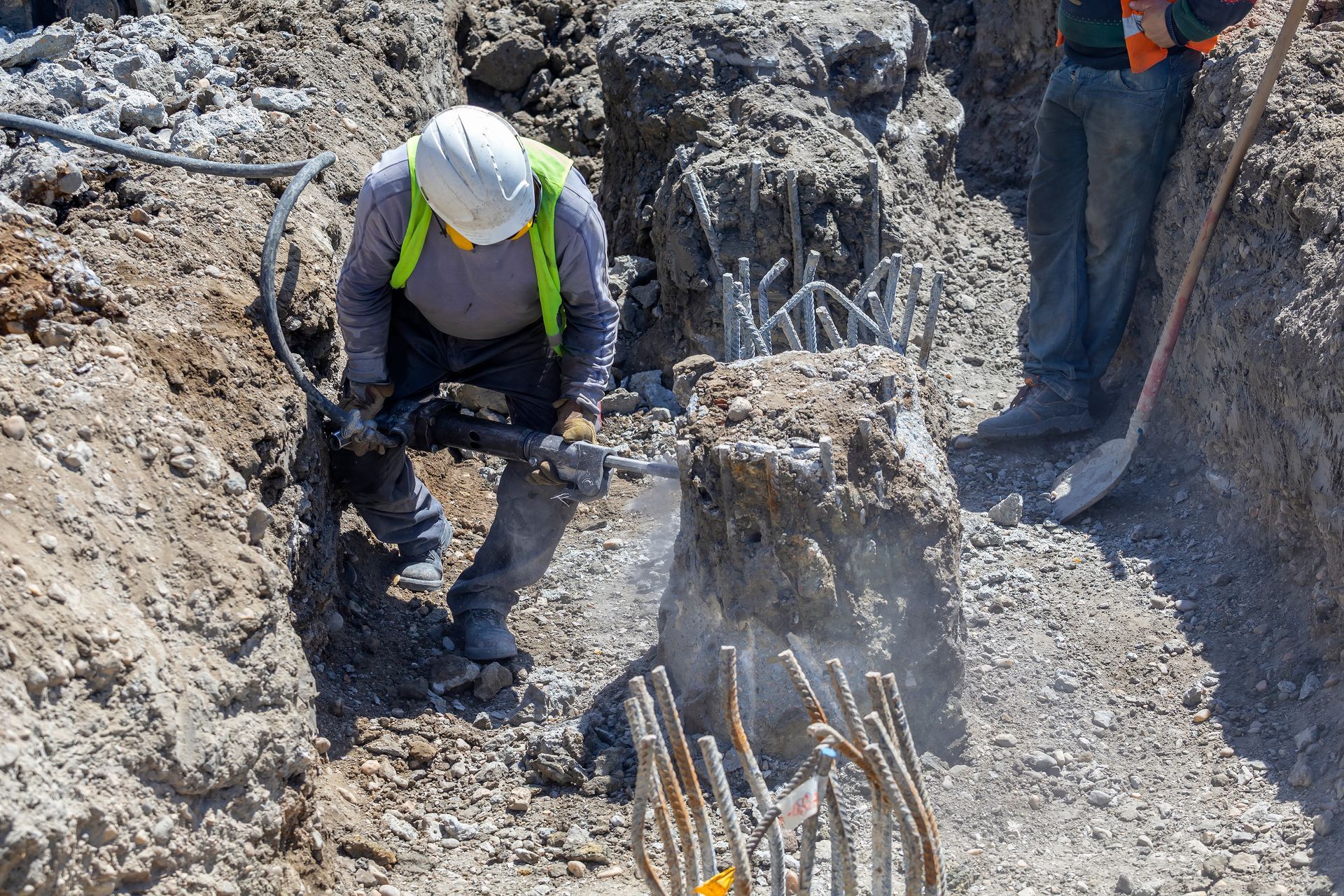
Contractor Insurance
Contractor insurance supports trades and service professionals across Southern California. It helps protect tools, equipment, and daily operations.

Cyber Liability Insurance
Cyber liability insurance helps protect business data and customer information. It supports recovery from digital incidents.

Commercial Property Insurance
Commercial property insurance helps protect offices, shops, and equipment. It supports recovery after covered damage.
Coverage Built for Specialized Work
Support for high-risk and service-driven industries.

Simple Steps Supported by Steady Guidance
A Clear Path to Coverage
Trusted by Clients Across Southern California
Clear service backed by real experiences.
Answers to Common Questions.
Clear explanations to guide your decisions.
How do I know which insurance policy is right for me?
We compare coverage options from multiple carriers to help you see differences in protection and price. You can review clear details and ask questions so you understand what each policy covers. Our team guides you step by step so you feel sure about your decision.
What factors affect my auto insurance premium?
Auto insurance premiums are influenced by your driving history, age, location, vehicle type, and coverage choices. A clean driving record and good safety features can help lower costs. We review these factors with you and help find coverage that fits your budget and needs.
Does homeowners insurance cover all types of damage?
Standard homeowners insurance protects your structure, personal belongings, liability, and additional living expenses in many cases. However, it usually does not include flood or earthquake damage without separate policies. We help you decide if extra coverage is right for your home and location.
Can I update my policy or get certificates online?
Yes. You can submit requests for policy changes and certificates through our online service form at any time. Our team processes those requests quickly and confirms updates once complete so you have the documents you need.
Do I need separate insurance for business risks like EPLI or E&O?
Yes. General liability and workers compensation cover many business risks but do not protect against all exposures. For example, Employment Practices Liability Insurance (EPLI) covers claims like wrongful termination or discrimination, and Errors & Omissions (E&O) covers claims based on mistakes in professional services. We help you identify which extra policies your business may need.
What happens if I need to file a claim?
If you need to file a claim, we guide you through the process and help you contact the insurance carrier. We explain what information you should provide, answer your questions, and stay available while the carrier reviews your claim. This support helps you move forward with confidence.
Contact Us