Imagine a situation where a fleet vehicle accident disrupts an entire day of operations. This is a real scenario many California businesses face daily. With unique challenges such as skyrocketing repair costs and shifting market conditions, understanding business auto insurance becomes essential. California's insurance market is not just vast-it’s dynamic, with developments that impact premiums and claims across the board. For example, in 2023, California’s direct premium written for all private passenger automobile insurance reached new heights. Read more about the premium increase on
AM Best.
Understanding Business Auto Insurance in California
The Role of Business Auto Insurance
Business auto insurance is a tailored coverage designed specifically for companies using vehicles for commercial purposes. It provides essential protection against various risks and liabilities that arise from owning or using vehicles in a business setting. For instance, fleets ranging from service vans to larger trucks require coverage that goes beyond standard personal auto policies.
This type of insurance adequately safeguards against liabilities from vehicle accidents, property damage, and even bodily injury. The coverage is particularly critical in a state like California, where traffic density and high repair costs can escalate claim amounts significantly.
California’s Unique Insurance Landscape
California stands out as the largest market for auto insurance in the U.S. One recent insight revealed that the direct premium for private passenger automobile insurance in the state increased to $36.49 billion in 2023 (AM Best). Although this figure covers personal lines, the ripple effect extends into the commercial sector. Businesses in California must navigate a market where both claim severity and frequency have increased, pushing insurers to refine their risk models and coverage options.
From a policy perspective, companies not only need to cover potential damages but also consider how increased repair costs impact their bottom line. Factors like faster road speeds and the resulting higher severity in claims have been cited by industry experts, including insights from leaders at prominent trade organizations (AM Best).

By: Peter Plew
Commercial Insurance Agent at Caruso Insurance Services
Premiums, Claims, and Economic Impacts
Rising Premiums and Their Impact
The statistics paint a vivid picture of an insurance market under pressure. With an 11.6% rise in premiums marking 2023's performance in the private passenger auto market within California (AM Best), businesses must be prepared for higher costs when extending these dynamics to commercial vehicle policies.
In a market where premiums are climbing, companies must carefully assess the value of protection provided versus the cost incurred. The risk factors that drive premium costs include not only accident frequency but repair costs, which have increased due to higher quality vehicle technology and more expensive replacement parts.
Such financial pressures force both insurers and business owners to carefully manage their risks and develop strategies that mitigate potential losses. A notable point raised by industry leaders is that insurers are paying out more in claims than they are bringing in from premiums, signaling that claim severity is a major contributor to cost inflation (AM Best).
Economic Contributions and Business Diversity
Beyond the day-to-day policy management for fleet vehicles, the business auto insurance sector contributes significantly to the state’s economy. In 2021, insurance companies spent roughly $3.1 billion with diverse California businesses, doubling the previous year’s expenses (California Department of Insurance). This spending plays a critical role in shaping the state’s economic environment by supporting a wide array of service providers, manufacturers, and repair services.
In addition to direct spending, the broader economic impact includes job support and tax revenues. In October 2025, California Insurance Commissioner Ricardo Lara highlighted a $6.7 billion economic impact from diverse business segments in the insurance industry, supporting over 29,000 jobs and generating more than $917 million in state tax revenues (California Department of Insurance).
This supportive environment makes it even more imperative for businesses to consider not just the policy terms, but also the economic context in which they operate. Insurance helps cushion the economic shocks that might otherwise disrupt operations, making it a vital part of maintaining continuity.
Challenges Facing California Business Auto Insurance
Rising Construction and Repair Costs
One of the pressing challenges for insurers in California is the surge in construction and repair costs. In May 2023, a major player in the insurance market decided to pause new applications for certain policies in response to inflationary pressures and escalating costs (California Globe). Such measures reflect the hard choices insurers face when balancing premium revenues against rapidly rising claim expenses.
This trend affects commercial policies significantly because business vehicles often require specialized repairs that command higher prices. The ripple effect is clear-a combination of higher repair costs and more frequent claims could lead to a general tightening of underwriting guidelines for businesses.
For business owners managing fleets, these rising costs necessitate a closer look at coverage options. Businesses might need tailored endorsements or enhanced policies that specifically address the unique risks associated with commercial transport.
The Challenge of Accurate Risk Assessment
Another layer of complexity arises from the way insurers assess risk. Traditional models sometimes fall short in incorporating the latest data from InsurTech innovations. A recent study demonstrated how leveraging advanced data integration can refine loss models and improve risk assessments (arXiv). By combining InsurTech data with proprietary claims information, insurers can achieve a more nuanced understanding of potential losses.
This shift in strategy means that commercial clients might see more personalized policy solutions, as insurers rely on enhanced data models to set premiums and coverage limits. Customers could benefit from fairer pricing and policies that better reflect their individual risk profiles.
The ongoing technological integration is not merely a trend but a necessity. With the complexity of risks ranging from accident severity to economic fluctuations, modern risk models are key to stabilizing insurance outcomes for both insurers and policyholders

What Does Business Auto Insurance Cover?
Business auto insurance typically extends coverage to vehicles used for company operations. This usually includes physical damage to vehicles, liability for bodily injury or property damage, and sometimes additional protections like uninsured motorist coverage. The goal is to safeguard a business’s assets and prevent financial setbacks from unexpected accidents.
For many companies, the policy might also cover costs related to legal defense if an accident leads to litigation. Given the high stakes involved in commercial activities, having a robust policy means dealing with fewer unexpected financial burdens in the event of an accident.
The specific coverage details, including deductibles and liability limits, can differ widely based on the insurer and the nature of the business. It is crucial to work with an experienced professional who can tailor the policy to the specific risks of operating a fleet in a state with diverse road challenges like California.
Optional Endorsements to Consider
In addition to basic coverage, many insurers offer optional endorsements to expand the scope of protection. Endorsements for roadside assistance, comprehensive collision repair, and even coverage for specialized equipment can make a significant difference in the overall risk management plan.
These endorsements are particularly useful for businesses with vehicles that operate under specialized conditions. For example, delivery services or construction companies may benefit from equipment coverage and tailored collision repair policies.
As policies and endorsements evolve, staying informed about the latest offerings can provide proactive protection rather than reactive solutions. Well-informed business owners take advantage of these endorsements to customize their coverage and better shield their assets from sudden operational disruptions.
Industry Innovations and Their Impact on Risk
InsurTech and Loss Models
Recent advancements in InsurTech have revolutionized the way insurers evaluate risk. An insightful study titled “Improving Business Insurance Loss Models by Leveraging InsurTech Innovation” detailed how integrating technology-driven data sets with traditional claims information can yield more accurate risk assessments (arXiv).
Such technology not only fine-tunes the underwriting process but also has practical implications for policyholders. By reducing uncertainty and predicting risk more precisely, insurers can offer policies that better align with a business’s actual exposure. The benefits are twofold: lower premiums for lower risk profiles and more responsive policy adjustments when the business environment shifts.
The evolution in risk modeling is a welcome advancement for both insurers and business owners, ensuring that policies are robust, transparent, and fair.
Systemic Risk and Comprehensive Models
On a broader scale, researchers are also tackling systemic risk within the insurance industry. A study titled “Systemic Risk Asymptotics in a Renewal Model with Multiple Business Lines and Heterogeneous Claims” provides a framework to assess not just individual risks, but the aggregate claims and tail probabilities (arXiv).
This kind of research is crucial for understanding how simultaneous claims across different sections of the insurance portfolio might stress the overall system. For business auto insurance, it contributes to a more accurate determination of premiums and reserve funds, ensuring that companies remain solvent even in times of correlated risk events.
The continuing development of these comprehensive models represents the next step in risk management-a move towards a more data-driven and holistic approach that benefits everyone involved.
Customer Experience and Market Dynamics
Customer Satisfaction in a Competitive Market
The level of customer satisfaction plays a significant role in the competitive insurance market. According to the 2024 U.S. Auto Insurance Study by J.D. Power, the Auto Club of Southern California (AAA) earned top customer satisfaction marks in California (J.D. Power). While this statistic primarily reflects personal auto insurance experiences, the dedication to customer service and transparent claims handling is equally important in commercial auto insurance.
For business owners, effective claims management and accessible customer support can make the difference between a minor hassle and a major operational setback. With an ever-evolving risk landscape, insurers that maintain high satisfaction scores are often better equipped to respond to challenges quickly and efficiently.
Consumer feedback highlights the importance of clear communication, user-friendly claim processes, and timely service-features that are as beneficial to personal policyholders as they are to companies managing fleets.
Adapting to Market Shifts
Insurers and customers alike are adapting to market changes driven by economic realities and regulatory shifts. One vivid example is State Farm’s decision in May 2023 to stop accepting new applications for several policy types other than personal vehicle insurance (California Globe). This move underscores how external pressures like inflation and rising repair costs influence product offerings and underwriting practices.
For businesses in California, these market adaptations signal a need to re-evaluate auto insurance arrangements periodically. It may be wise to consult with trusted industry experts who can provide insight into how these shifts affect both premium costs and the availability of coverage options tailored for commercial fleets.
Staying informed and flexible allows companies to navigate the complex regulatory and market landscape confidently, ensuring ongoing protection without undue financial burden.
A Side-by-Side Comparison of Coverage Features
| Coverage Feature | Standard Commercial Policy | Enhanced Business Auto Policy |
|---|---|---|
| Liability Protection | Meets state minimums | Customized limits based on fleet size and risk profile |
| Physical Damage Coverage | Collision and comprehensive, may include deductiblesd (standard limits) | Lower deductibles and broader scope including specialized equipment |
| Uninsured Motorist Coverage | Available as an add-on | Often integrated into the policy package |
| Roadside Assistance | Optional endorsement | Frequently included, tailored for fleet operations |
| Legal Defense and Claim Management | Standard coverage | Enhanced support with faster claim resolution processes |
This table illustrates a side-by-side comparison of basic versus enhanced policies. The improved options often cater to fleet-heavy companies that need comprehensive coverage, reflecting the real-world demands in California’s competitive environment.
The added value of enhanced policies is particularly beneficial in light of the high risks associated with dense urban transport networks and the increased likelihood of severe claim scenarios.
Factors to Consider When Choosing a Policy
Before choosing a policy, business owners should assess their specific needs. The key considerations include the number of vehicles, operational regions, average driving conditions, and the value of the fleet. Since policies differ substantially in their coverage details, it is crucial to work with an experienced broker who understands the nuances of California’s insurance market.
Another important factor is the insurer’s financial stability. In scenarios where claim severity is high, as reported by industry experts, a financially robust insurer can provide greater assurance that claims will be handled promptly and effectively (AM Best).
Ultimately, a well-chosen policy offers peace of mind, protecting the business from the unforeseen and ensuring that operations continue smoothly even after an accident.
How to Manage and Reduce Risk Through Insurance
Effective Risk Management Strategies
Risk mitigation is as critical as choosing the right coverage. Addressing potential hazards proactively can reduce the chance of severe losses. Regular driver training, strict maintenance schedules, and implementing safety technologies in vehicles are all proven methods to reduce accident rates.
Insurers increasingly encourage businesses to adopt risk management programs that may result in lower premiums over time. With tailored advice from risk management experts, companies can identify vulnerabilities unique to their fleet operations.
Preventive measures not only benefit the bottom line but also promote a culture of safety that translates into better driver performance and reduced claim frequency.
Leveraging Technology to Improve Safety
Technology continues to play a leading role in risk reduction. Advanced telematics, for example, allows insurers to monitor vehicle locations, driving behaviors, and usage patterns. This data helps in adjusting policy conditions on the fly and may even result in discounts for businesses that demonstrate safer practices.
Other innovative tools include predictive analytics platforms that forecast potential claim events based on weather, traffic patterns, and historical accident data. Such data-driven insights support more precise underwriting and, in turn, more appropriate coverage options for businesses.
Embracing technology also enables businesses to foster a safety-first culture within their teams, ensuring that both management and staff are aware of the risk factors inherent in daily operations.
Looking Ahead: Future Trends in Business Auto Insurance
Anticipated Market Shifts
As California continues to experience rapid growth in its insurance market, future trends indicate increasing customization of policies and integration of advanced data analytics. With studies showing that enhanced loss models can dramatically improve risk assessments (arXiv), one can expect that business auto insurance policies will become even more closely tailored to specific operational contexts.
The market is also likely to see further adjustments in pricing structures, as insurers react to both domestic economic pressures and the unique challenges California businesses face. Drivers such as increased repair costs and technological innovations will continue to shape policy offerings and underwriting processes.
For businesses, staying ahead of these trends means closely monitoring policy changes and being ready to adjust their risk management strategies accordingly.
The Role of Regulatory Changes
Regulatory changes play an important role in molding the insurance market. California’s regulators have been proactive in setting guidelines that strive to create a fair marketplace while protecting consumers and businesses. The state’s emphasis on transparency and accountability bolsters consumer confidence, ensuring that policyholders receive the protection they need in challenging times.
As regulatory frameworks continue to evolve, insurers are increasingly required to incorporate new risk data and adjust to updated compliance standards. This continual regulatory input encourages an environment where policies are more fair, transparent, and aligned with the actual risks faced by businesses in the region.
Future changes in regulation are expected to further push insurers toward innovation in their risk assessment methodologies, supporting a healthier balance between premium pricing and claim payouts. Such changes ultimately benefit business owners by offering policies that more accurately reflect both risk and value.
Frequently Asked Questions
Q: What is the main difference between personal and business auto insurance in California?
A: Business auto insurance is designed for vehicles used for commercial purposes, ensuring that coverage includes higher liability limits and protection against workplace-specific risks.
Q: Why are premiums rising in California's auto insurance market?
A: Rising premiums are driven by factors such as increased claim severity, higher repair costs, and economic pressures. In 2023, premiums for California private passenger auto insurance increased by 11.6% (AM Best).
Q: How can advanced technology help reduce business auto insurance costs?
A: Advanced technology like telematics helps reduce risks by monitoring driver behavior and predicting potential claims, which may lower premiums through more accurate underwriting.
Q: What additional endorsements should businesses consider?
A: Endorsements such as roadside assistance, specialized equipment coverage, and legal defense support can provide extra protection for unique fleet requirements.
Q: How do regulatory changes affect business auto insurance?
A: Regulatory changes encourage insurers to adopt more transparent underwriting practices and modern data integration, resulting in policies that better match actual risk levels for businesses.
Q: What role does customer satisfaction play in the market?
A: High customer satisfaction ensures that providers promptly handle claims and communications, an especially important factor for businesses that rely on timely resolutions during critical operations (J.D. Power).
Wrapping Things Up
California businesses operate in an environment that demands resilience and adaptability. With the insurance market evolving due to rising premiums, technological innovations, and changing economic landscapes, business auto insurance remains a crucial line of defense. It not only shields companies from immediate financial setbacks but also provides long-term economic stability.
By understanding the nuances of commercial auto policies, evaluating the impact of rising costs, and leveraging modern risk management tools, business owners can secure a policy that addresses both current and future needs. As the market adapts to new regulatory and technological influences, staying informed remains the key to managing risk effectively.
Whether managing a small fleet or overseeing a large commercial operation, the goal is a comprehensive strategy that builds on reliable coverage, proactive risk management, and a clear understanding of market trends. This approach will help sustain operations despite the challenges and uncertainties that come with conducting business on California roads-a true lifeline in a competitive market.
Learn more about recent premium challenges.
ABOUT THE AUTHOR:
PETER PLEW
Hi my name is Peter Plew and I am a commercial insurance professional. I listen to and strategize with business owners about their visions of the future and assist in getting there as quickly as possible. I help identify unique exposure and risk’s that business owners have and the reasons why they need to be insured against them. My goal is to make sure my clients are always taken care of on a daily basis with any service needs, questions, or concerns they may have. I love to golf and spend time with my family in my spare time.
Contact Us

Service that stays with you.
Our team helps simplify insurance decisions for families and businesses. We focus on clear explanations, fast responses, and dependable service. You can count on us for help with coverage questions, updates, and long-term support.
Coverage that keeps you secure
Reliable Protection for Everyday Life
Home insurance helps protect your house, personal belongings, and liability risks. We explain coverage options clearly so you know what your policy includes.
Auto insurance provides protection for accidents, liability, and vehicle damage. We help you compare options so you can choose coverage that fits your driving needs.
Motorcycle insurance provides coverage for riders and their bikes. We help you select options that match how and where you ride.
RV insurance supports protection for motorhomes and recreational vehicles. Coverage applies during travel and while parked.
Coverage Built for Contractors and Trades
Support that keeps your work moving.

General Liability Insurance
General liability insurance helps protect contractors from injury and property damage claims. It supports jobsite requirements and contracts.

Workers Compensation
Workers compensation insurance helps protect employees injured while working. It also supports compliance with state requirements.

Commercial Auto Insurance
Commercial auto insurance provides coverage for work vehicles used on jobsites. It helps protect drivers and company vehicles.
Contractor Insurance
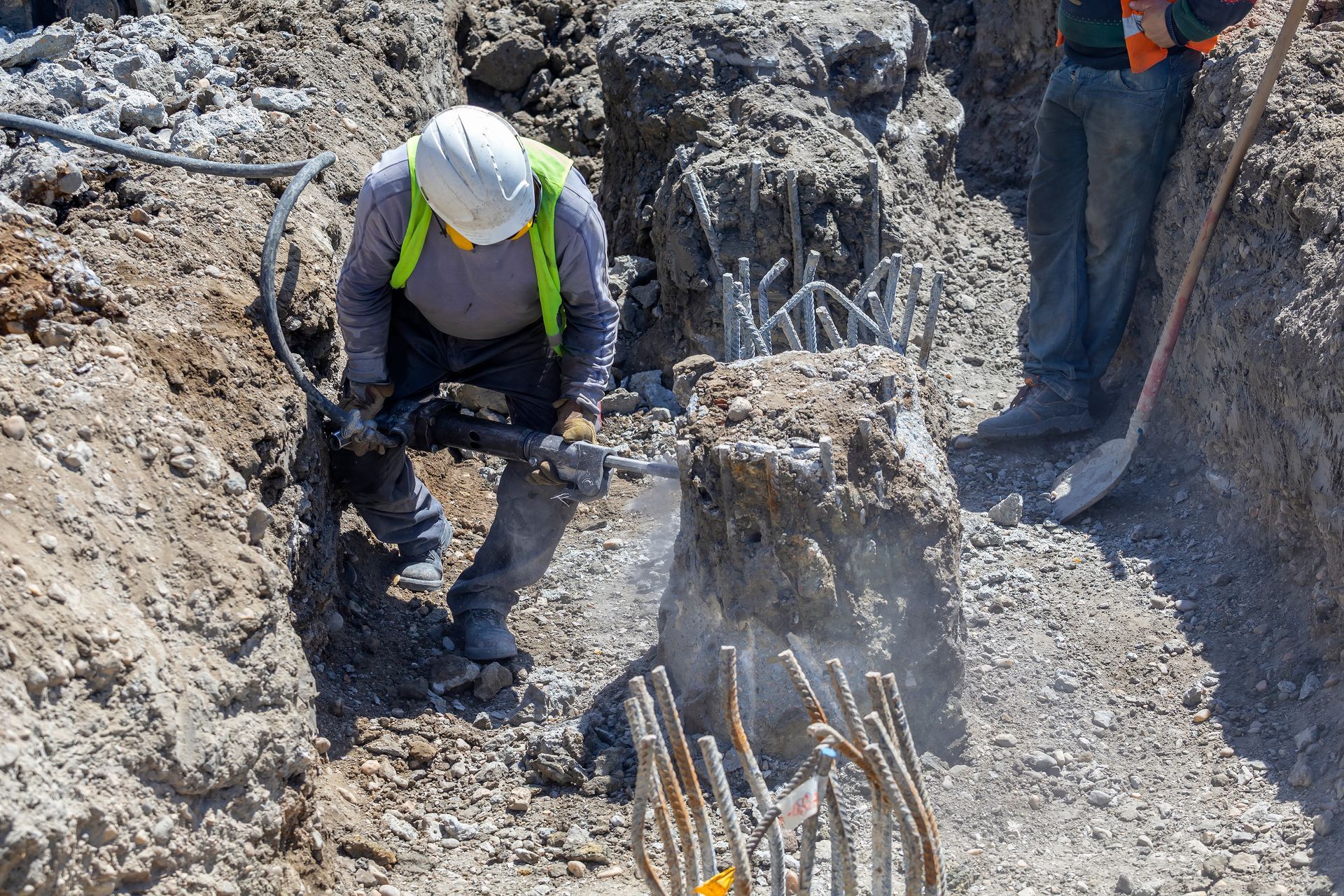
Contractor insurance supports trades and service professionals across Southern California. It helps protect tools, equipment, and daily operations.

Cyber Liability Insurance
Cyber liability insurance helps protect business data and customer information. It supports recovery from digital incidents.

Commercial Property Insurance
Commercial property insurance helps protect offices, shops, and equipment. It supports recovery after covered damage.
Coverage Built for Specialized Work
Support for high-risk and service-driven industries.



Simple Steps Supported by Steady Guidance
A Clear Path to Coverage
Trusted by Clients Across Southern California
Clear service backed by real experiences.
Answers to Common Questions.
Clear explanations to guide your decisions.
How do I know which insurance policy is right for me?
We compare coverage options from multiple carriers to help you see differences in protection and price. You can review clear details and ask questions so you understand what each policy covers. Our team guides you step by step so you feel sure about your decision.
What factors affect my auto insurance premium?
Auto insurance premiums are influenced by your driving history, age, location, vehicle type, and coverage choices. A clean driving record and good safety features can help lower costs. We review these factors with you and help find coverage that fits your budget and needs.
Does homeowners insurance cover all types of damage?
Standard homeowners insurance protects your structure, personal belongings, liability, and additional living expenses in many cases. However, it usually does not include flood or earthquake damage without separate policies. We help you decide if extra coverage is right for your home and location.
Can I update my policy or get certificates online?
Yes. You can submit requests for policy changes and certificates through our online service form at any time. Our team processes those requests quickly and confirms updates once complete so you have the documents you need.
Do I need separate insurance for business risks like EPLI or E&O?
Yes. General liability and workers compensation cover many business risks but do not protect against all exposures. For example, Employment Practices Liability Insurance (EPLI) covers claims like wrongful termination or discrimination, and Errors & Omissions (E&O) covers claims based on mistakes in professional services. We help you identify which extra policies your business may need.
What happens if I need to file a claim?
If you need to file a claim, we guide you through the process and help you contact the insurance carrier. We explain what information you should provide, answer your questions, and stay available while the carrier reviews your claim. This support helps you move forward with confidence.
Contact Us