A major construction project in Southern California can turn on a single unexpected claim. For framing contractors, extensive coverage isn’t just a regulatory tick box; it can serve as the backbone of operational stability. California, home to robust residential construction activity, has seen framing work account for the majority of single-family completions. With framing contractors representing a significant labor force through projects that sometimes involve small crews as high as 40 workers per ten-house release, understanding the nuances of insurance coverage becomes crucial. Read on to get a detailed grasp of the requirements, risks, and strategies for polishing up insurance portfolios in California. Visit
FOagency for a closer look at market specifics.
Understanding the Construction Landscape and Insurance Needs
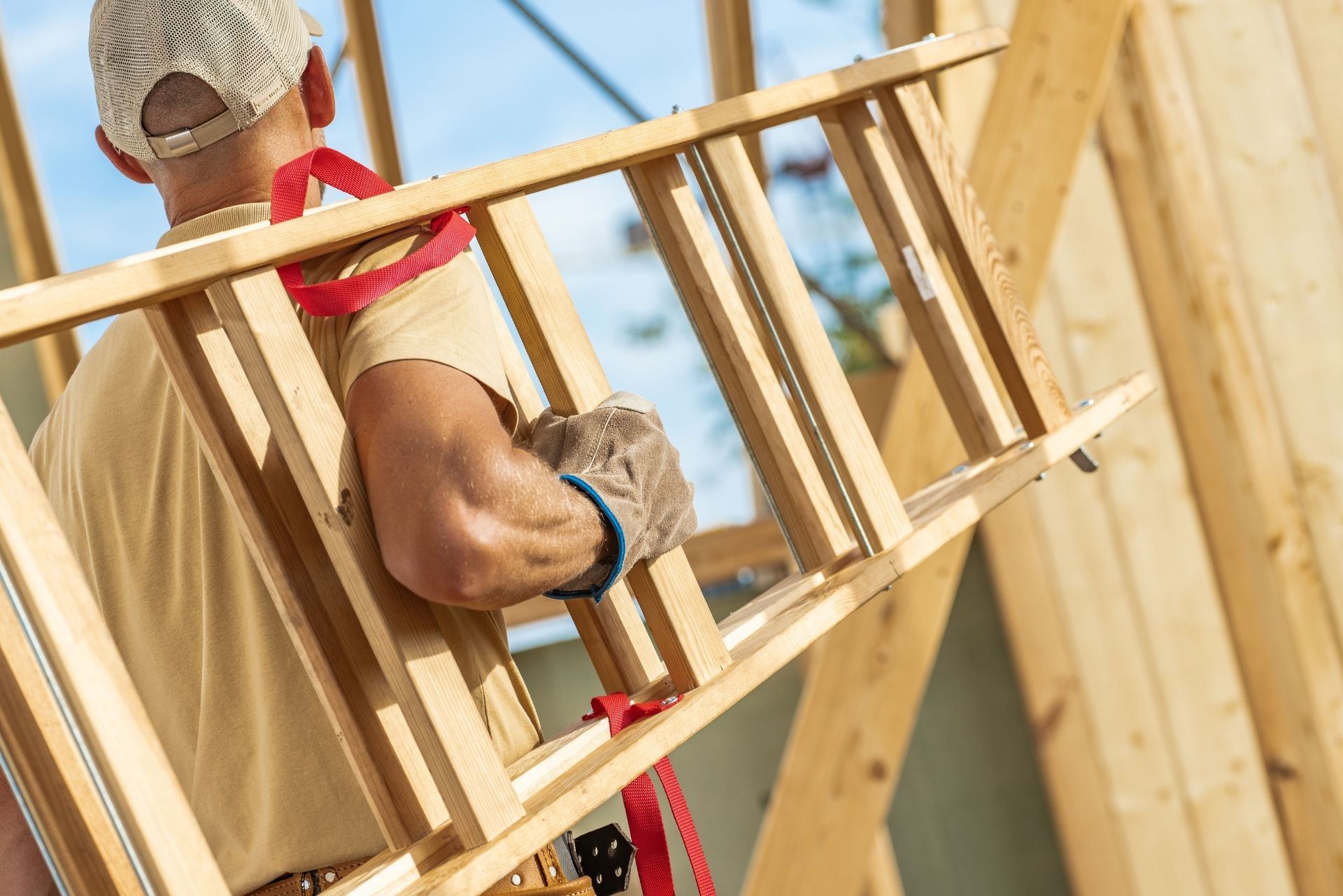
The framing segment carries heavy weight in the construction industry. In 2024, wood framing accounted for 94% of single-family home completions, making it the largest trade in residential construction. With roughly 7,930 establishments employing 44,763 workers, the scale of operations and the intensity of on-site activities underscore a unique set of risks that require specialized insurance coverage. Contractors face hazards ranging from workplace injuries to property damage claims, which can result in costly litigation if not properly managed.
Framing contractors typically handle projects that combine both precision and potential exposure to high-liability risks. Given that a typical framing company might employ a crew with around 40 workers for a ten-house release, even a minor oversight can escalate to major financial liability. This context makes comprehensive coverage a necessity rather than a luxury.
Coverage designed for framing contractors is not simply about protecting against onsite injuries; it also addresses property damage, legal claims, and even financial losses tied to construction defects. The complex interplay of operational scale and nuanced risks means that insurance policies often need detailed customization.
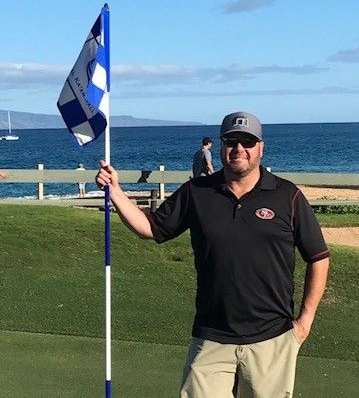
By: Patrick Caruso
President of Caruso Insurance Services
Key Components of Framing Contractor Insurance
General Liability Protection
General liability insurance for framing contractors provides coverage against lawsuits related to bodily injury or property damage sustained during a project. This protection is essential when operating on multiple worksites, where accidents can occur without warning. Contractors often face unpredictable risks including accidental damage to a neighboring property or injuries to an unprotected worker.
This kind of coverage is designed to cushion businesses from significant losses arising from non-employee accidents. Given that business insurance also covers lawsuits related to accidental property damage or negligence as noted by industry experts (Insureon), having a robust general liability policy is non-negotiable.
Workers Compensation Coverage
In addition to liability insurance, workers' compensation is another pillar of a comprehensive insurance portfolio. This coverage is critical for framing contractors because the physical nature of construction work often leads to injuries that can result in substantial medical costs and lost labor time.
Workers’ compensation helps in covering the wage losses and medical expenses for injured employees, thus ensuring that businesses can continue operating even after adverse events. Considering the risks inherent in crystal-clear job site dynamics, adopting a proactive insurance approach is vital for both employee protection and financial stability.
Property Damage and Material Coverage
Property damage policies are tailored to the scenarios where construction sites experience unforeseen structural issues, equipment damage, or even liability around construction defect claims. For many framing contractors, the materials on site represent a significant investment, and this insurance can help in indemnifying those losses.
Several incidents have shown that property damage from environmental or mechanical factors can have severe financial consequences. The risks of property damage, when magnified by market pressures or unexpected events such as wildfires, necessitate that contractors review their coverage limits and ensure that they are in line with potential real-world needs.
California's unique environment, both geologically and legislatively, adds another layer of complexity to insurance demands. The state is highly prone to natural disasters, especially wildfires. In January 2025, Los Angeles experienced its most catastrophic wildfire, burning over 50,000 acres and destroying more than 16,000 structures. The episode led to projected insured losses between $35 billion and $45 billion, a stark reminder of the scale of risk in the region. Read more about these events through insights available at McKinsey.
The high frequency of natural disasters in California forces framers to look at not only standard policies but also supplementary coverages designed for calamities. In this environment, the use of algorithms by insurers in setting coverage limits has come under scrutiny, as highlighted by investigations into systematic underinsurance. These underestimations can leave contractors exposed to greater out-of-pocket expenses during claim recoveries.
There is a clear trend toward refining policy structures that factor in local risks more accurately. As insurers review and revise their methods, framing contractors should take the initiative to regularly consult with brokers to determine whether their policies are up-to-date and reflective of the latest risk assessments.

Construction Defect Liability and Its Impact
California law provides homeowners with a 10-year window to sue developers over construction defects. This legal framework has notable implications for insurance and underwriting in the construction industry. When potential defect claims extend into future years, the cost of insurance premiums for projects like condominiums can see significant hikes. For instance, developers frequently pay three to four times more for condominium insurance compared to similar rental apartments, with estimates in Los Angeles ranging from an extra $8,000 to $18,000 per unit (Terner Center & SPUR).
This statutory period compels developers and framing contractors to closely monitor claims related to construction defects. The ripple effects of such liabilities mean that insurance policies need to provide extended protection that can cover potential litigation costs and repair expenses even years after project completion. Contractors operating in areas known for extended liabilities must therefore budget for increased premiums and potentially consider higher coverage limits as a precaution.
The legal landscape also places additional emphasis on rigorous quality control during construction. Proper oversight and diligent project management can help reduce the frequency and extent of defects, thereby indirectly mitigating insurance claims. As the state continues to tighten regulations, evaluating how such changes affect current practices remains crucial.
Addressing the Underinsurance Challenge
A recurring issue in the insurance domain in California is underinsurance. Recent investigations have revealed that some insurers rely on flawed algorithms, leading to systemic underestimation of reconstruction costs (San Francisco Chronicle). This underassessment can leave both homeowners and contractors vulnerable when a catastrophic loss occurs.
An underlying problem in underinsurance is the gap between the actual cost of rebuilding and the coverage limits that current policies offer. With rising construction costs and increased unpredictability in project outcomes, policymakers and insurers are under pressure to recalibrate their tools and models to better reflect current conditions.
From a contractor’s perspective, it means actively reviewing policy limits and understanding the methodologies behind how premiums and coverage amounts are determined. There is value in seeking professional advice to ensure that a policy fully covers the potential risks specific to a project. New proposals and changes in the regulatory environment continue to push for higher, more accurate coverage limits, a trend that framing contractors need to monitor vigilantly.
Financial Implications and Operational Stability
The financial implications of an inadequately covered risk can result in hefty out-of-pocket expenses in claims. Since framing work is the largest trade in residential construction by labor force size, an incident on-site can lead to cascading disruptions on project timelines. This is especially problematic in high-stakes projects where multiple contractors heavily rely on timely payments and project completion to manage cash flow effectively.
Insurance plays a vital role in safeguarding the business’s financial health. Beyond the obvious legal liabilities, appropriate insurance policies can offset losses due to delays, unanticipated repair costs, and even employee-related expenses. A growing number of framing contractors are now working closely with financial advisors specifically attuned to construction risk management to mitigate these challenges.
Even minor oversights in risk assessment or operational planning can result in significant financial burdens. For example, a single mistake on a sizable project could trigger legal fees or repair costs that far exceed the insurance limits. Such instances highlight the importance of a proactive approach to risk management and regular policy reviews, ensuring that the current coverage aligns with emerging risks and evolving project scales.
Comparing Insurance Options: A Practical Guide
Given that framing contractors operate in a dynamic and high-stakes environment, choosing the right insurance policy is critical. A practical way of understanding the differences in policies is a side-by-side comparison that outlines the main coverage components, premium differences, and liability limits.
The following table illustrates a simplified comparison between a basic coverage policy and an extended coverage policy designed for framing contractors:
| Coverage Feature | Basic Policy | Extended Policy |
|---|---|---|
| General Liability | Standard limits covering bodily injury and property damage | Higher limits with additional legal defense support |
| Workers' Compensation | Covers employee injuries with basic compensation | Enhanced coverage including extended wage replacement |
| Property Damage | Standard limits for equipment and materials | Additional coverage for environmental and unforeseen risks |
| Construction Defect Liability | Covers equipment, tools, and installations.urricane areas | Extended coverage accounting for long-term defect liability |
| Premium Adjustments | Limited by current risk algorithms | Regular reviews and adjustments to reflect current market risks |
This table provides a snapshot of how extended policies can serve as a stronger financial buffer against potential risks. Framing contractors should consider that paying slightly higher premiums in exchange for robust coverage can translate into better financial stability over the lifespan of a project.
Consulting with an experienced insurance advisor who understands the nuances of the construction industry is key. The goal is to strike the right balance between cost and coverage so that the business remains resilient even in adverse situations.
Expert Insights and Industry Trends
Industry experts have weighed in on the challenges and opportunities inherent in the framing contractor insurance space. By addressing common pitfalls such as underinsured policies and the escalating costs of claims, these experts advocate for a more measured and detailed risk management approach. One key insight from the field suggests that proactively addressing worksite injuries and property damage claims can result in decreased premium rates over time (Insureon).
Other experts emphasize the importance of understanding market trends and regional factors, particularly with respect to natural disasters and construction defect liabilities. With California facing environmental challenges like wildfires, and with legal frameworks supporting long-term claims, framing contractors are increasingly expected to maintain a higher standard of risk management. This increased financial scrutiny further underscores the need for comprehensive and flexible policies that can adapt to changing circumstances.
There is also steady pressure on insurers to recalibrate algorithms that often underestimate associated risks. As investigative reports published by the
San Francisco Chronicle have highlighted, customizing policy limits to more accurately reflect labor costs, material expenses, and regional hazards is key for avoiding critical underinsurance pitfalls.
Strategies for Optimizing Your Coverage
Framing contractors can adopt various strategies to ensure their coverage is comprehensive and up-to-date. A key step involves a thorough review of all existing policies and a consultation with trusted insurance professionals who specialize in the construction industry. Attention should be paid to the evolving local risks, especially those related to wildfires and cost inflation in building supplies.
Contractors should gather as much relevant data as possible on past claims, worksite incidents, and environmental exposure. This information can help in negotiating better coverage terms and lower premiums over time. Despite the potential complexity of insurance agreements, a clear operational review-sometimes supported by a detailed risk assessment report-helps pinpoint areas where additional riders might be valuable.
Additionally, staying informed on legislative changes around construction defect liability is critical. Understanding that homeowner associations have up to 10 years to file claims (Terner Center) means that proactive coverage planning is not a one-time event but a continuous process.
Many framing contractors often think of insurance as a necessary expense rather than as an investment in long-term business resilience. However, with the complexity of modern construction projects, insurance coverage should be factored directly into business growth strategies. In scenarios where claims could potentially disrupt multi-million-dollar projects, the right policy can prove invaluable.
Integrating a robust insurance policy extends beyond immediate risk management. It can also increase trust among partners, lenders, and potential clients. With strong coverage in place, contractors demonstrate a commitment to responsible business practices and financial diligence. This commitment can even make qualifying for new contracts easier, in a market where risk-averse business decisions are increasingly favored.
Building a portfolio that includes endorsements for extended liability windows, enhanced workers' compensation, and precise coverage for construction defects is a strategic economic decision. Such comprehensive documentation often plays a positive role during financial audits and when exploring partnership opportunities.
Frequently Asked Questions
This section addresses common questions that many framing contractors have when reviewing their insurance options.
Q: What types of coverage are essential for framing contractors?
A: Contractors typically need general liability, workers' compensation, property damage, and specific coverage against construction defect liabilities. Each policy must be tailored to cover both immediate and long-term risks.
Q: How do natural disasters affect insurance policies in California?
A: Natural disasters such as wildfires can lead to higher premiums and extended coverage needs. Policies may need to be revised over time to ensure that reconstruction costs and related losses are adequately covered.
Q: How can framing contractors mitigate the risk of underinsurance?
A: Regular reviews of policy limits, active consultation with insurance experts, and an ongoing assessment of project-specific risks are effective ways to prevent underinsurance.
Q: What should be done if a construction defect claim is filed years after project completion?
A: Contractors should ensure their policies include extended coverage for construction defect liabilities, which can account for the state-mandated 10-year window for homeowner lawsuits.
Q: Is it worth paying extra for an extended policy compared to a basic one?
A: Yes, extended policies often include higher liability limits and better coverage conditions that can ultimately save money and reduce operational risks, especially during project disruptions.
Q: How often should insurance reviews be conducted?
A: Regular annual reviews or reviews after major project completions help to ensure that the coverage remains aligned with evolving risks and project scales.
Final Thoughts on Protecting Your Business
For framing contractors in California, robust insurance coverage is a cornerstone of successful risk management. As market dynamics shift due to environmental challenges such as wildfires and evolving legal frameworks on construction defects, ensuring that your policies provide comprehensive, up-to-date coverage is essential.
Contractors should view these policies not just as regulatory necessities, but as investments in operational continuity and growth. By combining financial expertise with a detailed understanding of risk management, framing contractors can develop an insurance strategy that meets both short-term project needs and long-term business stability. Staying proactive with regular policy reviews and consulting with specialized advisors remains a key success factor.
Ensuring that all bases are covered-from general liability to extended defect liability - translates into a more secure future. For ongoing insights and a deeper dive into the unique requirements of framing contractor insurance, industry reports and expert consultations provide invaluable guidance. Regular engagement with updated research and market trends is a non-negotiable part of managing risk in California’s dynamic construction landscape. Visit
FOagency for further details and expert advice on customizing the right policy for your needs.
Action Steps for Framing Contractors
Securing comprehensive insurance coverage is a multifaceted process requiring attention to detail and regular updates. Contractors are advised to take several practical steps when aligning their business with the industry's best practices.
First, conduct an internal audit of all current policies to identify potential gaps. This process should involve a detailed review of both onsite injury coverage and property damage limits. Next, consult with an insurance broker or advisor who specializes in construction projects to evaluate if policy adjustments are required. These steps help in ensuring an optimal insurance structure that fits the specific challenges of each project.
Alongside internal reviews, continuously monitor industry trends and legislative changes. As new challenges arise, particularly in the areas of underinsurance and construction defect liability, timely adjustments in coverage can prevent significant financial setbacks. With proactive steps and professional guidance, framing contractors can maintain operational fluidity even in the face of unpredictable challenges.
Wrapping Things Up
This guide has provided a broad yet detailed overview of the intricacies associated with framing contractor insurance in California. From understanding the scale of residential construction to diving into legislative factors influencing coverage, the emphasis remains on building a risk management strategy that is as robust as it is adaptable.
By integrating practical insurance solutions, tailored policy reviews, and routine expert consultations into everyday operations, framing contractors can focus more on project execution and quality assurance rather than worrying about the implications of potential claims. Strong insurance policies not only serve as safety nets but also as strategic tools that support sustained business growth.
Ultimately, the challenge lies in keeping pace with dynamic market conditions while ensuring that comprehensive risk management remains firmly grounded in proactive planning. For those seeking more detailed insights and personalized advice, tapping into expert resources and regularly engaging with updated industry guidance is the optimal approach. Check out detailed market insights at
Terner Center for further research data and analysis.
ABOUT THE AUTHOR:
PATRICK CARUSO
I’m Patrick Caruso, founder of Caruso Insurance, and I have spent more than 25 years helping families, contractors, and small businesses across Southern California make confident insurance decisions. I focus on explaining coverage in clear terms, comparing multiple carriers, and supporting clients with steady communication so they feel secure with each step. My goal is to provide dependable guidance, simple answers, and a smooth process for anyone who needs personal or business insurance.
Contact Us

Service that stays with you.
Our team helps simplify insurance decisions for families and businesses. We focus on clear explanations, fast responses, and dependable service. You can count on us for help with coverage questions, updates, and long-term support.
Coverage that keeps you secure
Reliable Protection for Everyday Life
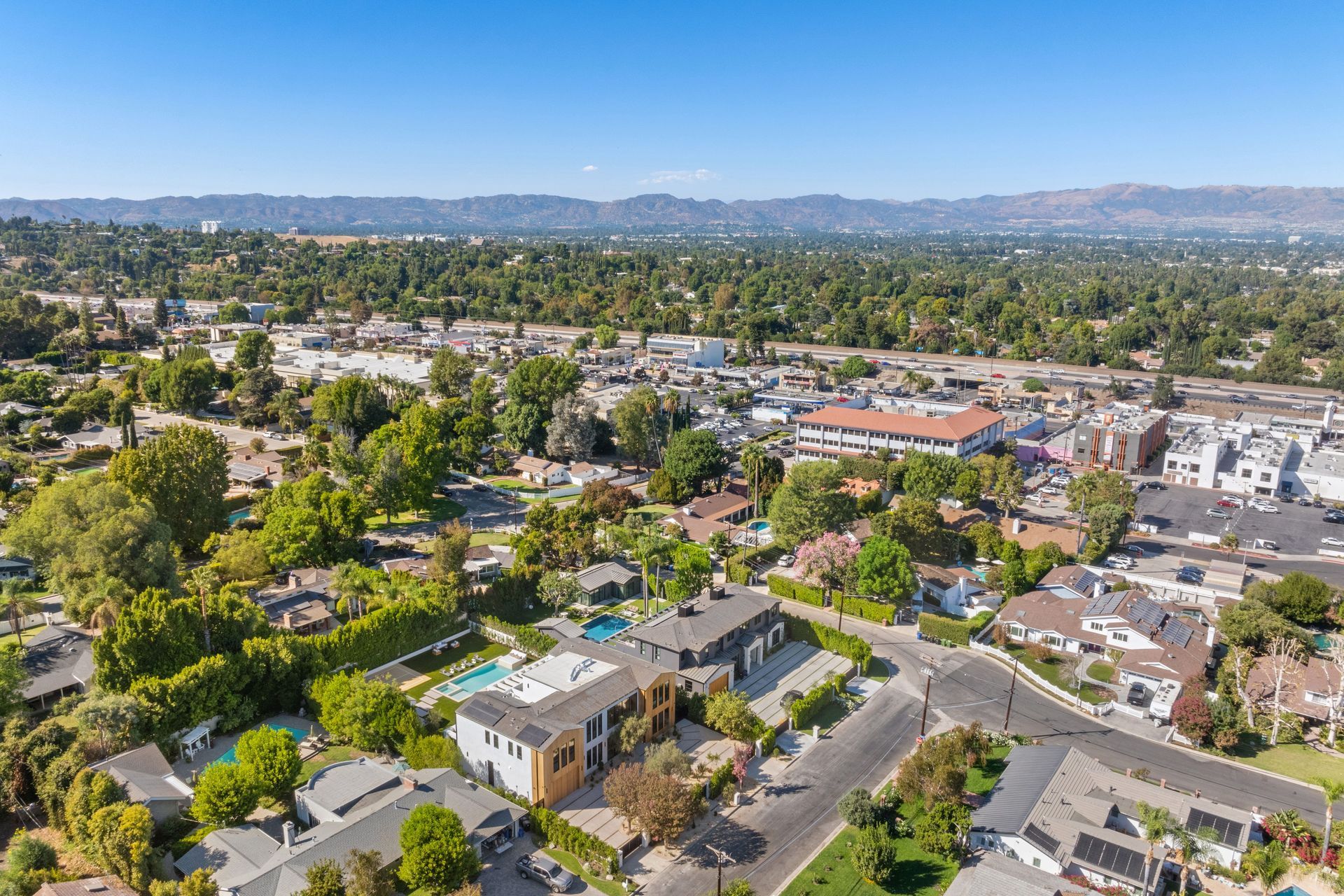
Home insurance helps protect your house, personal belongings, and liability risks. We explain coverage options clearly so you know what your policy includes.
Auto insurance provides protection for accidents, liability, and vehicle damage. We help you compare options so you can choose coverage that fits your driving needs.
Motorcycle insurance provides coverage for riders and their bikes. We help you select options that match how and where you ride.
RV insurance supports protection for motorhomes and recreational vehicles. Coverage applies during travel and while parked.
Coverage Built for Contractors and Trades
Support that keeps your work moving.

General Liability Insurance
General liability insurance helps protect contractors from injury and property damage claims. It supports jobsite requirements and contracts.

Workers Compensation
Workers compensation insurance helps protect employees injured while working. It also supports compliance with state requirements.

Commercial Auto Insurance
Commercial auto insurance provides coverage for work vehicles used on jobsites. It helps protect drivers and company vehicles.
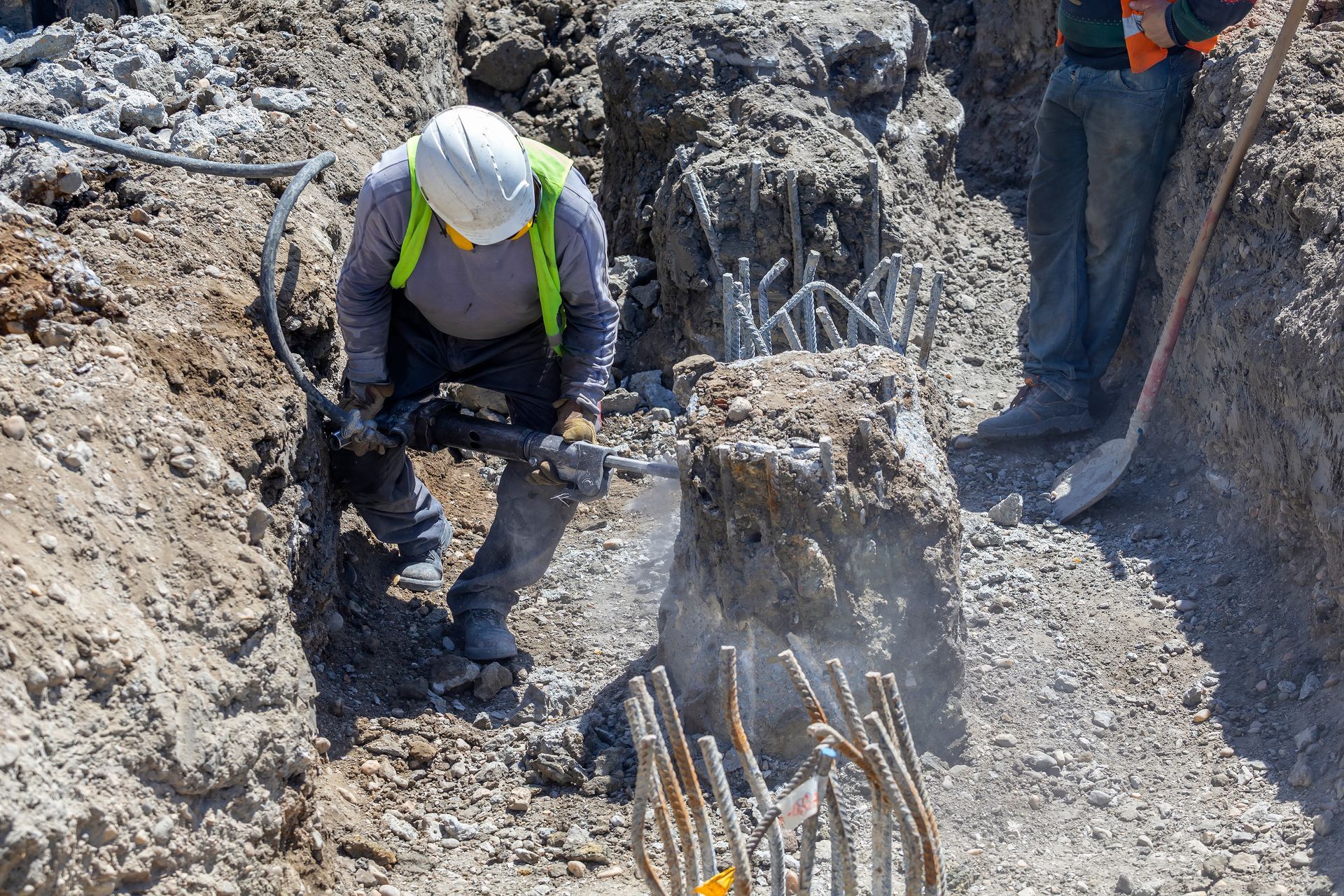
Contractor Insurance
Contractor insurance supports trades and service professionals across Southern California. It helps protect tools, equipment, and daily operations.

Cyber Liability Insurance
Cyber liability insurance helps protect business data and customer information. It supports recovery from digital incidents.

Commercial Property Insurance
Commercial property insurance helps protect offices, shops, and equipment. It supports recovery after covered damage.
Coverage Built for Specialized Work
Support for high-risk and service-driven industries.

Simple Steps Supported by Steady Guidance
A Clear Path to Coverage
Trusted by Clients Across Southern California
Clear service backed by real experiences.
Answers to Common Questions.
Clear explanations to guide your decisions.
How do I know which insurance policy is right for me?
We compare coverage options from multiple carriers to help you see differences in protection and price. You can review clear details and ask questions so you understand what each policy covers. Our team guides you step by step so you feel sure about your decision.
What factors affect my auto insurance premium?
Auto insurance premiums are influenced by your driving history, age, location, vehicle type, and coverage choices. A clean driving record and good safety features can help lower costs. We review these factors with you and help find coverage that fits your budget and needs.
Does homeowners insurance cover all types of damage?
Standard homeowners insurance protects your structure, personal belongings, liability, and additional living expenses in many cases. However, it usually does not include flood or earthquake damage without separate policies. We help you decide if extra coverage is right for your home and location.
Can I update my policy or get certificates online?
Yes. You can submit requests for policy changes and certificates through our online service form at any time. Our team processes those requests quickly and confirms updates once complete so you have the documents you need.
Do I need separate insurance for business risks like EPLI or E&O?
Yes. General liability and workers compensation cover many business risks but do not protect against all exposures. For example, Employment Practices Liability Insurance (EPLI) covers claims like wrongful termination or discrimination, and Errors & Omissions (E&O) covers claims based on mistakes in professional services. We help you identify which extra policies your business may need.
What happens if I need to file a claim?
If you need to file a claim, we guide you through the process and help you contact the insurance carrier. We explain what information you should provide, answer your questions, and stay available while the carrier reviews your claim. This support helps you move forward with confidence.
Contact Us