A busy auto parts store in California isn’t just about managing inventory and meeting customer demand. It’s also about protecting a business that faces unique risks in a competitive and ever-changing environment. With the state experiencing some of the highest premium increases and regulatory changes, understanding the intricacies of auto parts retail insurance has never been more important. Start by exploring how current market trends, rising repair costs, and new liability guidelines can dramatically affect your premiums and coverage options. For instance, California’s personal auto insurance premiums experienced a substantial increase last year, signaling broader shifts in the insurance landscape
according to AM Best.
Understanding the Risks for Auto Parts Retailers
Auto parts stores operate in an environment where risks come in numerous forms. The combination of high-value stock, specialized inventory, and complex supply chains can expose businesses to several liabilities. For retail stores, risks include property damage due to theft, fire, or severe weather, as well as the possibility of customer injuries on premises.
Insurance coverage for auto parts retailers must account for incidents ranging from simple shoplifting to large-scale losses from environmental events. With the rising costs of repairs and modern vehicle technology driving up repair bills, the financial exposure of an auto parts store is significant. Experts like Karl Susman have noted that increased accident frequency and advanced technology in vehicles are forcing insurers to adjust their risk calculations and premium structures explain industry trends.
Moreover, auto parts retailers must often contend with a rapidly evolving regulatory environment. In California, new minimum liability limits require higher coverage amounts, affecting business liability insurance needs. This regulatory push has been designed to ensure that coverage adequately protects both businesses and their customers during accidents and other incidents.


By: Jennifer Roberts
Commercial Insurance Agent at Caruso Insurance Services
Recent Trends and Market Statistics
Recent market trends show that premium rates for auto insurance in California have been impacted by multiple factors. According to data from AM Best, private passenger automobile insurance premiums have risen dramatically by 11.6% to reach $36.49 billion in 2023 AM Best statistics. While this figure directly relates to personal auto insurance, the ripple effects on related sectors such as auto parts retail are noteworthy.
This continuing trend is influenced by an increase in claim severity. The enhanced speeds on roads, coupled with higher repair costs, create a challenging landscape for insurers, ultimately leading to higher premiums for businesses. Auto parts retailers must account for these changes, particularly when considering coverage that ties into general liability or commercial auto usage.
With these rising costs, some stores are exploring bundled policies that offer a combination of general liability, property, and commercial auto coverage. This approach can sometimes yield savings and provide more robust protection against a range of risks.
Implications of Tariffs and Supply Chain Disruptions
Recent developments in California have indicated that auto insurance premiums could see an additional increase due to tariffs imposed on parts and other imported goods. One report projected a 7% premium increase in August 2025 due to these tariffs, as opposed to a 4% increase if tariffs were not applied KSBW Action News 8. The difference may seem subtle, but for a business managing slim profit margins, every percentage point can add up.
Supply chain issues have also surfaced as a major factor influencing costs. Ongoing global disruptions have already seen automotive maintenance costs rise by 13% over the past year Spectrum News 1 detailed how maintenance costs climbed. Higher parts and labor expenses inevitably translate to increased repair costs for vehicles, which in turn affect claims and ultimately, insurance premiums.
For an auto parts store, higher maintenance and repair costs can signal an overall increase in business risk. Insurers look at the broader economic conditions, and when repair and maintenance costs rise, premiums reflect the risk exposure. Retailers must carefully consider these interconnected factors when choosing coverage.
Key Coverage Components for Auto Parts Retailers
This section details the essential coverage components auto parts businesses should review to ensure comprehensive protection against common risks. With the unique challenges faced in California, a well-rounded insurance policy is crucial.
General Liability and Property Coverage
General liability coverage is the foundation of protection for any auto parts store. It covers the cost of property damage, bodily injury, and other liabilities that can arise from accidents within and around the storefront. Since customer interactions and on-site activities present inherent risks, general liability insurance plays a vital role.
Property coverage is also essential. Many auto parts stores stock expensive and specialized items that can be targets for theft or loss due to unexpected events such as fire or severe weather. This coverage not only helps protect against the loss of inventory but also contributes to recovery efforts during business interruptions.
For instance, if a power surge causes significant disruption, policyholders can rely on property coverage to recoup losses, ensuring minimal downtime and financial strain. An effective strategy involves seeking policies that align the property value with actual replacement costs.
Commercial Auto Coverage for Business Vehicles
Some auto parts stores maintain a fleet of commercial vehicles to handle deliveries and collect parts from vendors. Commercial auto insurance for these vehicles is necessary to safeguard against potential incidents on the road. Considering the uptick in accident frequency documented in California, ensuring comprehensive coverage for business vehicles is critical.
Insurance providers assess risks based on accident statistics and repair costs associated with modern vehicles. With the complexity and cost of modern vehicle repairs driving up claims, coverage limits must be set appropriately. Insurers may argue that advanced vehicle technology adds an extra layer of complexity to accident claims, necessitating robust coverage for commercial auto vehicles.
This type of coverage is also beneficial for managing risks that could involve multiple vehicles, where one accident may trigger a cascade of financial liabilities. It protects the business beyond the storefront, extending to any vehicle operations.
Cyber Liability and Data Protection
With the increasing reliance on digital technology and online transactions, cyber liability becomes more significant for auto parts retailers. Data breaches and cyberattacks may compromise customer information, leading to legal and reputational damage. Cyber liability policies help mitigate these risks by covering costs related to data recovery, legal fees, and customer notification processes.
While traditional insurance policies focus on physical risks, cyber liability explicitly addresses non-tangible risks that can sometimes have equally severe impacts. Given the rapid increase in digital transactions within the retail environment, many insurers now offer cyber coverage as an add-on or as part of a bundled policy package.
Retailers must be proactive in working with insurance agents to ensure they have sufficient cyber protection, fully understanding what is covered and what is excluded. This becomes especially important as technology use in retail operations continues to grow.
California’s insurance regulations have seen significant shifts in recent years. One major change affecting auto parts stores is the implementation of new minimum liability limits. The state now requires coverage limits of $30,000 for bodily injury per person, $60,000 per accident, and $15,000 for property damage per accident California Department of Insurance guidelines.
These regulatory updates aim to ensure that policyholders have adequate coverage in the event of an accident. For auto parts retailers, this means reviewing current policies to confirm that they align with state requirements. Failure to meet these standards could result in underinsurance, leaving a business exposed when a claim arises.
Moreover, increased liability limits may have a cascading effect on premium costs. With insurers recalculating risks based on enhanced coverage requirements, the cost of liability insurance is rising. Understanding these nuances helps guide business owners in balancing coverage needs with associated premiums.
Impact of Modern Technology on Insurance Needs
As modern vehicles incorporate advanced technology, insurance claims have become more complex. When a vehicle is involved in an accident, the combination of intricate components and expensive repair parts tends to drive up repair costs. Studies have shown that repair costs increased by 3.7% in the first half of 2024 compared to the previous year Insurance Journal reported on these rising costs. Auto parts stores, which often supply and install advanced parts, may see indirect effects as repair trends influence overall market risk assessments.
The integration of modern technology in vehicles means insurers must stay updated on the latest developments. This impacts how risk is calculated, not just for individual car policies but also for coverage linked to commercial activities and product liability. Retailers need to remain in close contact with insurance providers to keep policies updated and aligned with technology-driven repair environments.
Experts suggest that aligning coverage with current technology trends is not simply a recommendation-it’s a necessity. By keeping policies current, auto parts retailers can protect themselves against unforeseen liabilities that stem from rapid technological progress.
Strategies for Managing Insurance Costs
Auto parts store owners must be proactive in managing insurance costs while ensuring comprehensive protection. Finding the balance between affordable premiums and sufficient coverage is a common challenge. By incorporating risk management strategies and leveraging bundled policy options, retailers can mitigate some of the financial pressures associated with rising premium costs.
Bundling Policies for Comprehensive Coverage
A popular strategy among business owners is to bundle multiple insurance coverages under one policy. Bundling general liability, property insurance, commercial auto, and even cyber liability into one cohesive package can simplify claims processes and sometimes reduce overall premium costs. For those looking to streamline policy management, bundling provides the convenience of a single renewal cycle and consistent coverage terms across different risk areas.
In California, where the insurance market is dynamic and affected by high claim payouts, bundling offers both cost savings and increased efficiency in attaining proper coverage. By selecting policies that cover various aspects of the business, retailers reduce potential gaps in protection. This is particularly important given the multifaceted nature of risks in the auto parts sector.
Retailers should compare bundled packages and work with knowledgeable insurance professionals who understand state-specific challenges. Detailed discussions about coverage gaps and risk exposure can lead to better decisions that ultimately protect the bottom line.
Implementing Risk Management Best Practices
Insurance costs can be controlled by adopting proactive risk management practices. Regularly inspecting the retail environment to ensure safety, maintaining proper documentation, and training staff on emergency procedures are just a few measures that can reduce the frequency and severity of claims.
Risk management not only aims to decrease the likelihood of an incident but also demonstrates to insurers that the business is committed to minimizing claim exposure. This can sometimes result in more favorable premium rates and policy terms.
With the industry evolving constantly, integrating modern practices such as advanced surveillance systems, digital inventory management, and staff training on emergency response helps reduce vulnerabilities. This practical, hands-on approach enhances a store’s resilience against both predictable and unexpected risks.
Choosing the Right Insurance Partner
Having the right insurance partner is vital. Insurance agents with expertise in retail and auto parts sectors can recommend tailored policy options that best fit a store’s specific needs. Instead of selecting generic policies, retailers benefit from coverage designed to address the unique challenges faced by auto parts stores.
For instance, a study by J.D. Power in 2024 recognized customer satisfaction among insurers, with Auto Club of Southern California (AAA) scoring highest among California auto insurers J.D. Power’s study. This type of customer feedback can be valuable when evaluating service quality and claims handling efficiency, ensuring peace of mind in times of need.
While premium cost is an important factor, the level of support provided by an insurance partner during claims processing can make a significant difference. Choosing a partner with a solid reputation for transparency, customer care, and efficient claims management is essential for long-term business stability.
Practical Considerations for Auto Parts Retailers
Auto parts retailers must be vigilant about aligning their operational practices with their insurance coverage. There are several practical steps that business owners can take to maximize protection and ensure compliance with evolving regulatory requirements.
Inventory Management and Loss Prevention
Inventory represents one of the largest investments for an auto parts store. Implementing strict inventory control processes helps not only in managing costs but also in preventing losses due to theft, damage, or accidental misplacement. Detailed tracking systems that record purchase dates, product conditions, and historical sales trends contribute to effective loss prevention measures.
Loss prevention strategies extend to monitoring high-value items and installing security systems that deter theft. An integrated approach involving both physical security measures and digital monitoring systems minimizes risk. In a challenging market environment, such proactive measures help lower overall risks, which can translate into better premium terms.
Retailers should also consider implementing periodic audits that verify inventory accuracy. By ensuring that records align with actual stock, any discrepancies can be promptly addressed. These measures not only protect the financial interests of the business but also support claims processes should an incident occur.
Employee Training and Safety Protocols
Employees are often at the frontline of risk management in any retail environment. Comprehensive training on handling inventory, emergency procedures, and customer safety protocols is essential. Regular safety drills and updated training sessions ensure that every team member is prepared to respond effectively in the event of an accident or emergency.
Enhanced employee training reduces the likelihood of claims related to workplace injuries or mishandling of products. A well-trained workforce demonstrates a proactive stance on risk management, potentially lowering insurance premiums over time. Modern training initiatives may include digital modules and in-person workshops that cover everything from first aid to advanced security system operations.
This investment in staff development not only creates a safer work environment but also promotes an organizational culture of preparedness and accountability, which insurance providers recognize positively during policy renewals.
Staying Ahead of Regulatory Changes
California’s regulatory landscape is subject to frequent updates, and staying informed is critical for auto parts retailers. Businesses must regularly consult with insurance professionals and legal advisors to ensure their policies remain compliant. The recent update to minimum liability limits-$30,000 for bodily injury per person, $60,000 per accident, and $15,000 for property damage per accident-requires careful review of existing policies California Department of Insurance release.
Business owners should schedule annual reviews of all insurance policies. These reviews can help identify any areas where coverage might be inadequate or outdated in light of new legal requirements or market shifts. In a state as dynamic as California, ignoring regulatory updates could leave a business vulnerable to significant financial losses during an incident.
By staying ahead of regulatory changes, retailers not only protect themselves but also ensure that clients and customers feel secure knowing the business adheres to the latest standards of operational safety and accountability.
Comparing Coverage: A Chart for Clarity
When deciding on an insurance policy, a side-by-side comparison can make the distinctions much clearer. The following table outlines key aspects of coverage often available to auto parts retailers:
| Coverage Component | Key Benefits | Potential Drawbacks |
|---|---|---|
| General Liability | Covers bodily injury, property damage, and legal fees arising from accidents on premises. | May not cover specialized equipment or high-value inventory without endorsements. |
| Property Insurance | Protects physical assets from theft, fire, or natural disasters. | Often limited by actuarial values and may require regular updates to reflect current market prices. |
| Commercial Auto | Covers damage and liability related to company vehicles used for deliveries and pickups. | Rising repair costs and accident frequencies could lead to higher premiums. |
| Cyber Liability | Protects against data breaches and cyberattacks affecting customer information. | May require additional premiums and is dependent on the store’s digital security measures. |
This comparison chart simplifies what each coverage component offers while also highlighting challenges that may require extra attention. Auto parts retailers can leverage this information to ask targeted questions when consulting with insurance professionals.
Adapting to the Future of Insurance in California
As California continues to be a significant market for insurance, auto parts retailers must adapt to emerging trends. The overall environment of rising premiums and more stringent liability requirements is prompting a shift in how risks are assessed and covered. The impact of advanced vehicle technology and modern repair processes cannot be ignored, as they influence claim severity and frequency.
Several factors converge to shape the future of insurance for auto parts retailers: increased claim payouts due to faster road speeds, modern vehicle technologies, and evolving regulations designed to protect both consumers and businesses. Staying informed and flexible becomes a necessity as these trends redefine risk management in the state.
Industry experts suggest that businesses combining proactive risk management strategies with adaptive insurance policies are best positioned to minimize financial shocks. Consistently reviewing policies and negotiating with insurers can help secure coverage that aligns with both current and future needs.
Embracing New Technologies and Analytics
Innovations in data analytics and technology are reshaping the insurance industry. Many insurers now rely on advanced analytics to better assess risk exposure. For auto parts retailers, embracing these new technologies opens avenues for clearer insights into business vulnerabilities. Analytics may assist in determining which part of the business is at the highest risk and help negotiate lower premiums by demonstrating reduced exposure.
For instance, integrating automated security systems in retail environments and digital inventory tracking can alleviate some concerns about theft or mismanagement. These improvements not only bolster operational efficiency but also strengthen risk profiles in the eyes of insurers.
As technology continues to be a transformative force, staying current with digital solutions will be essential. The insurers who adapt quickly can make the case for lower risks and enhanced operational practices, potentially offsetting some of the rising cost increases seen across the market.
Forecasting Future Premium Trends
Recent projections indicate that California auto insurance premiums may continue to rise moderately. With tariffs and labor costs influencing premium increases, policyholders are watching closely as proposed changes get implemented. The interplay between supply chain disruptions and updated state regulations suggests that premium trends might evolve gradually but steadily.
It is important for retail insurance buyers to remain informed through industry updates and expert analyses. Periodic consultation with insurance advisors will help ensure that businesses take proactive measures rather than react after adverse developments occur. This forward-thinking approach is crucial in a market where even small premium increases can impact overall business costs.
Retailers should build flexibility into their risk management strategies, planning for incremental increases while also exploring cost-saving measures through bundling policies and enhanced risk management techniques.
Frequently Asked Questions
This section addresses common questions auto parts retailers may have about insurance coverage and best practices for managing associated risks.
Q: What types of insurance should an auto parts retailer maintain?
A: Most retailers benefit from a combination of general liability, property, commercial auto, and cyber liability coverage. Each component addresses specific risks that can occur on the premises and during operations. It is important to tailor policy limits to actual risk exposure.
Q: How do increasing repair and maintenance costs affect insurance premiums?
A: Rising repair costs, influenced by increased labor and parts expenses, lead insurers to adjust their pricing models. This often results in higher premiums as the insurer compensates for the increased risk in claim severity Insurance Journal.
Q: How can an auto parts store manage rising insurance costs?
A: Bundling policies, implementing comprehensive risk management practices, and regularly reviewing coverage options can help manage overall costs. Engaging with an experienced insurance professional is essential to ensure optimal coverage at a competitive rate.
Q: Do newer technologies in vehicles impact insurance for auto parts retailers?
A: Yes. As vehicle technology advances, repair costs tend to rise. This increase in claim severity affects market pricing and requires insurers to adapt their risk assessments accordingly, affecting overall premiums.
Q: Is it important to update insurance policies regularly?
A: Absolutely. With evolving regulatory standards and market conditions, regular policy reviews can ensure that coverage remains compliant and aligned with current risk exposures. Proactive reviews can prevent potential coverage gaps.
Q: How does bundling insurance policies benefit auto parts retailers?
A: Bundling multiple policies under one account can reduce administrative efforts and often leads to cost savings. It also provides comprehensive coverage that addresses various business risks with consistent renewal and claim handling processes.
Final Considerations for Auto Parts Retail Insurance
Auto parts retailers face a complex environment where rising repair costs, increasing claim severities, and evolving regulatory standards combine to create challenging conditions for insurance providers and policyholders alike. The blend of physical risks, technological advances in automotive repair, and tightening liability requirements means that every facet of the business must be evaluated carefully when selecting insurance coverage.
Smart retailers will prioritize working with experienced insurance professionals who understand the nuances of California's market. By maintaining updated policies, employing strong risk management strategies, and investing in new technologies, businesses can safeguard their operations against unforeseen risks. The goal is not only to secure affordable premiums but also to ensure robust and comprehensive protection that aligns with business realities.
This guide has explored how auto parts stores in California can navigate a challenging insurance landscape. With a detailed review of coverage components-from general liability to cyber insurance-and an analysis of recent market trends, retailers are better equipped to make informed decisions. Keeping an eye on evolving trends, such as the significant premium increases reported by AM Best and the impact of shifting repair costs, is critical for sustainable business practices AM Best insights.
Before You Go
Managing insurance for an auto parts store is a dynamic challenge. The interplay of regulatory changes, technological advancements, and shifting economic conditions requires constant vigilance and adaptation. Retailers not only must secure adequate coverage now but also plan for future trends that may reshape the insurance landscape.
By embracing a proactive stance on risk management and seeking the guidance of experienced insurance advisors, auto parts retailers in California can protect their investments and ensure continuity in the face of unexpected events. The journey toward comprehensive retail insurance is ongoing-regular updates and informed decisions remain key to success in a competitive market.
Having a robust insurance policy in place also builds customer trust and fortifies the reputation of businesses operating in the high-stakes auto parts industry. With the right strategy, even increased costs and regulatory complexities can be managed effectively, allowing auto parts retailers to continue thriving in California’s dynamic economic environment
KSBW Action News insights.
ABOUT THE AUTHOR:
JENNIFER ROBERTS
Jennifer Roberts supports business clients with commercial insurance service and account coordination. She works closely with clients to explain coverage details clearly and guide them through policy updates that support business needs.
Jennifer believes strong organization and clear communication are key to reliable service. She stays involved throughout the policy process, from documentation to ongoing updates, and focuses on maintaining accurate and dependable client accounts.
Contact Us

Service that stays with you.
Our team helps simplify insurance decisions for families and businesses. We focus on clear explanations, fast responses, and dependable service. You can count on us for help with coverage questions, updates, and long-term support.
Coverage that keeps you secure
Reliable Protection for Everyday Life
Home insurance helps protect your house, personal belongings, and liability risks. We explain coverage options clearly so you know what your policy includes.
Auto insurance provides protection for accidents, liability, and vehicle damage. We help you compare options so you can choose coverage that fits your driving needs.
Motorcycle insurance provides coverage for riders and their bikes. We help you select options that match how and where you ride.
RV insurance supports protection for motorhomes and recreational vehicles. Coverage applies during travel and while parked.
Coverage Built for Contractors and Trades
Support that keeps your work moving.

General Liability Insurance
General liability insurance helps protect contractors from injury and property damage claims. It supports jobsite requirements and contracts.

Workers Compensation
Workers compensation insurance helps protect employees injured while working. It also supports compliance with state requirements.
Commercial Auto Insurance
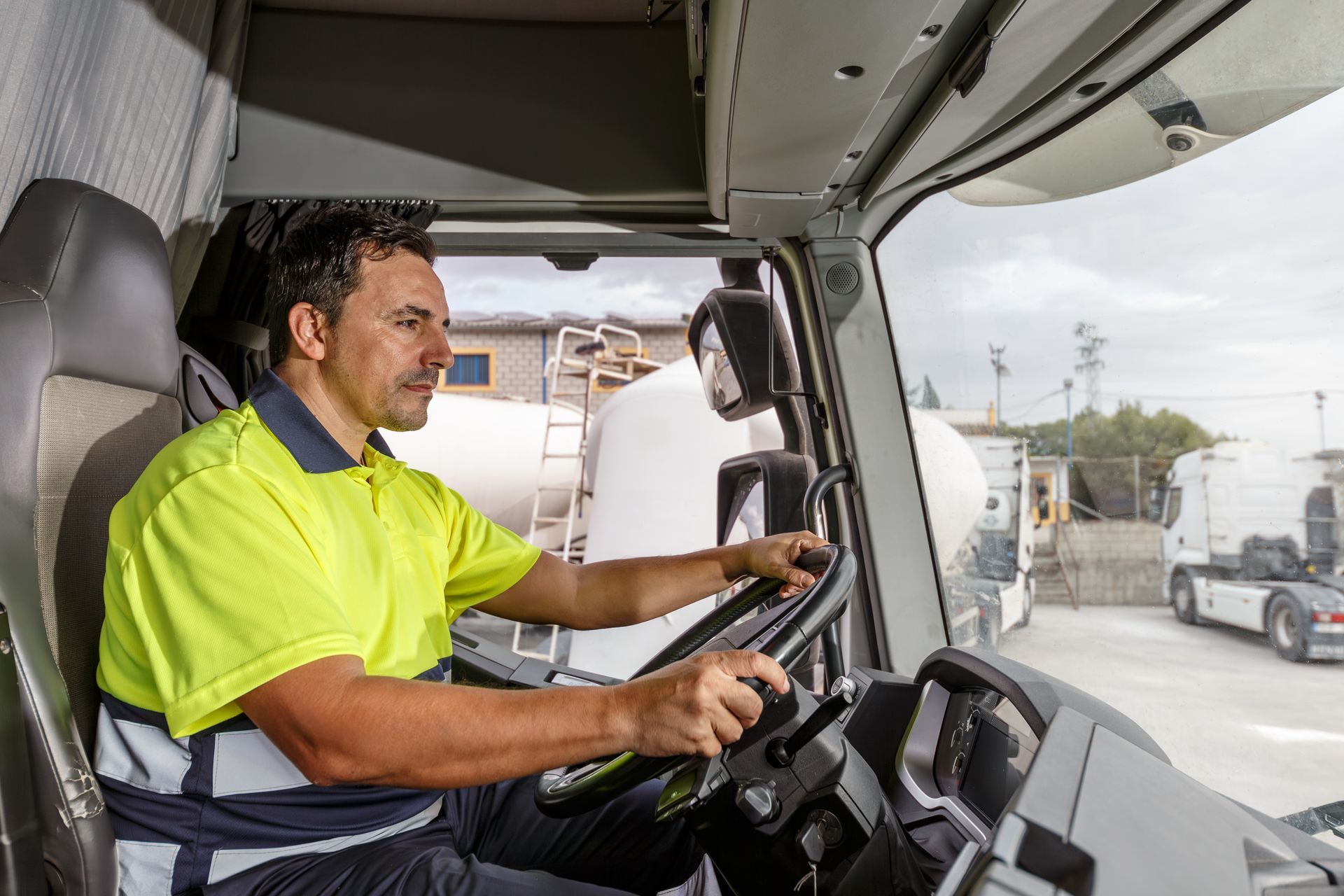
Commercial auto insurance provides coverage for work vehicles used on jobsites. It helps protect drivers and company vehicles.
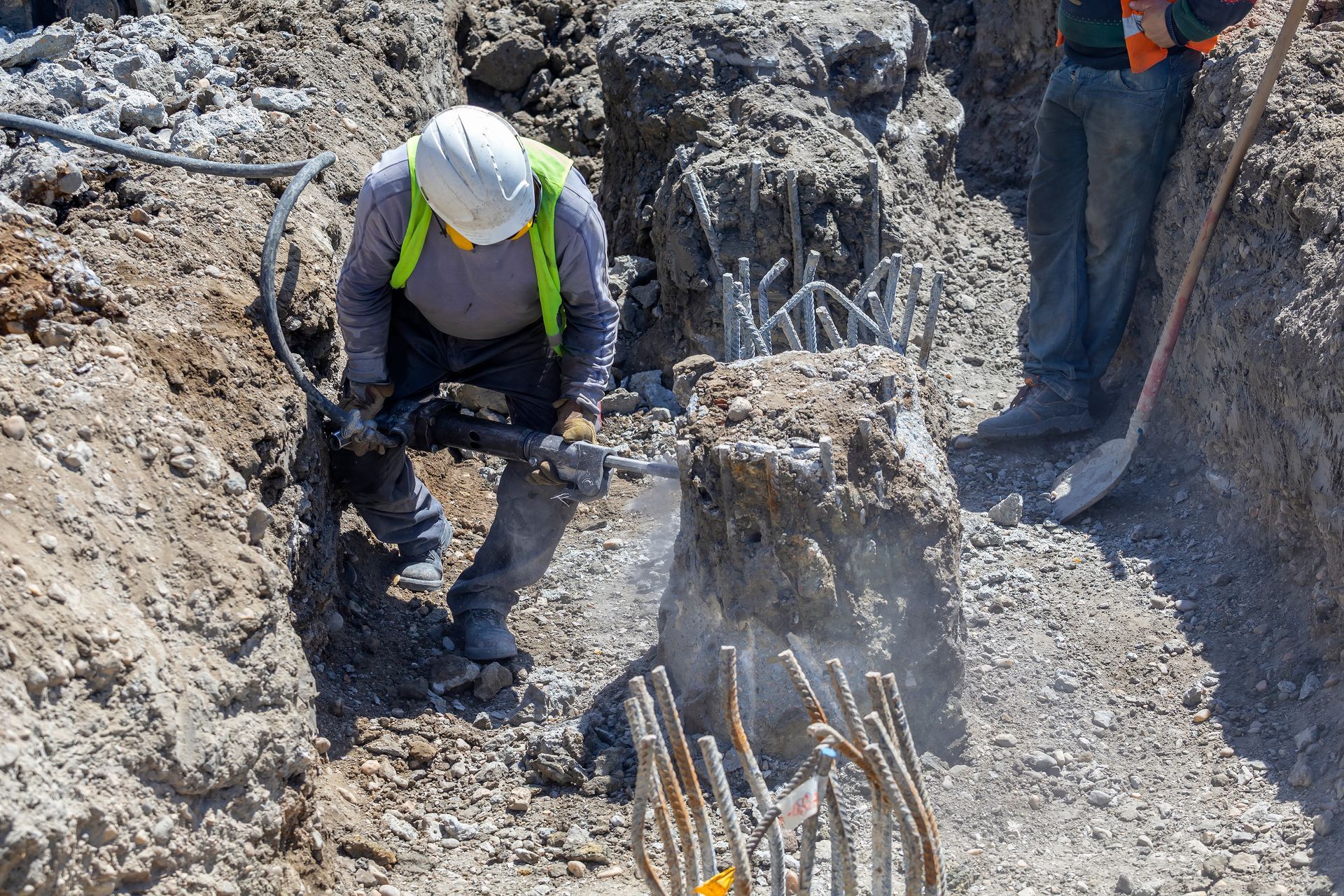
Contractor Insurance
Contractor insurance supports trades and service professionals across Southern California. It helps protect tools, equipment, and daily operations.

Cyber Liability Insurance
Cyber liability insurance helps protect business data and customer information. It supports recovery from digital incidents.

Commercial Property Insurance
Commercial property insurance helps protect offices, shops, and equipment. It supports recovery after covered damage.
Coverage Built for Specialized Work
Support for high-risk and service-driven industries.
Simple Steps Supported by Steady Guidance
A Clear Path to Coverage
Trusted by Clients Across Southern California
Clear service backed by real experiences.
Answers to Common Questions.
Clear explanations to guide your decisions.
How do I know which insurance policy is right for me?
We compare coverage options from multiple carriers to help you see differences in protection and price. You can review clear details and ask questions so you understand what each policy covers. Our team guides you step by step so you feel sure about your decision.
What factors affect my auto insurance premium?
Auto insurance premiums are influenced by your driving history, age, location, vehicle type, and coverage choices. A clean driving record and good safety features can help lower costs. We review these factors with you and help find coverage that fits your budget and needs.
Does homeowners insurance cover all types of damage?
Standard homeowners insurance protects your structure, personal belongings, liability, and additional living expenses in many cases. However, it usually does not include flood or earthquake damage without separate policies. We help you decide if extra coverage is right for your home and location.
Can I update my policy or get certificates online?
Yes. You can submit requests for policy changes and certificates through our online service form at any time. Our team processes those requests quickly and confirms updates once complete so you have the documents you need.
Do I need separate insurance for business risks like EPLI or E&O?
Yes. General liability and workers compensation cover many business risks but do not protect against all exposures. For example, Employment Practices Liability Insurance (EPLI) covers claims like wrongful termination or discrimination, and Errors & Omissions (E&O) covers claims based on mistakes in professional services. We help you identify which extra policies your business may need.
What happens if I need to file a claim?
If you need to file a claim, we guide you through the process and help you contact the insurance carrier. We explain what information you should provide, answer your questions, and stay available while the carrier reviews your claim. This support helps you move forward with confidence.
Contact Us