Restaurant operations in California face unique challenges that demand specialized solutions. From rising costs to unpredictable natural events such as wildfires, understanding restaurant insurance is essential for safeguarding a business's future. The importance of having tailored coverage isn’t limited to mitigating risk; it also works to support an industry that generated billions in economic output and employs millions of Californians. Insights from the National Restaurant Association underscore how crucial these measures are.
Insurance not only protects against claims and unexpected losses but also provides critical stability to an industry where labor costs and operational hazards are significantly high. With California’s eating and drinking establishments projected to produce remarkable figures for both revenue and employment, this article delves into the nuances of restaurant insurance, exploring risk factors, coverage types, and industry trends, complemented by vital statistics and expert insights.
Understanding Risk in the California Restaurant Industry
Restaurants in California endure heightened risks compared to many other business types. High claim frequency and increased severity-especially when handling hot food-contribute to elevated premium rates. Studies indicate that restaurants bear higher pure premium rates than sandwich shops. This disparity is likely reflective of the increased hazard potential present in operations that often involve open kitchens and continuous customer interaction.
The nature of the restaurant business inherently involves multiple hazards, whether these are linked to kitchen fires, slips and falls, or even customer injuries. In addition to physical risks, there is an emerging factor of environmental perils, particularly as wildfires become more common across California. The recent move by the California Department of Insurance to finalize a forward-looking wildfire catastrophe model has changed the game for risk management in the region. For more detailed insight into wildfire coverage gaps, refer to California Department of Insurance.
Establishments need tailored policies that cover property damage, liability claims, and business interruptions. Restaurant insurance is designed to mitigate losses arising from these diversified risks, ensuring continuity in operations when unforeseen incidents occur.


By: Patrick Caruso
President of Caruso Insurance Services
The Financial Landscape and Its Impact on Insurance
The restaurant industry is a significant contributor to California's economy. Projections indicate that by 2025, California's eating and drinking establishments will generate $199.36 billion in direct economic output, while simultaneously supporting over 1.75 million jobs and driving $71.14 billion in total labor income (National Restaurant Association). With these figures in mind, the pressure on restaurant insurance providers grows substantially.
The high percentage of payroll costs-over 28% of restaurant revenue, the highest in the nation-compounds the financial risk. This high payroll ratio leaves little margin for error in coverage policies, intensifying the need for robust, well-structured insurance plans. Factoring in these financial commitments makes it crucial for restaurant owners to choose policies that protect not only assets but also revenue streams during periods of inactivity caused by emergencies.
Industry experts have recently commented on these changes. Kaya Stanley from the California Restaurant Mutual Benefit Corporation noted that raising assessments to $1.7 billion marks a shift in the state’s insurance landscape (CRMBC). This development underscores the importance of being proactive in selecting appropriate coverage that can handle rising costs while also addressing evolving risks.
Types of Insurance Coverage for Restaurants
The spectrum of restaurant insurance coverage is wide. Business owners should evaluate multiple types of policies ranging from general liability and property insurance to more specialized products such as workers’ compensation. Each element addresses different facets of risk within the restaurant environment. Some critical coverages include:
This table provides a clear comparison of basic versus extended protection available for restaurants:
| Coverage Type | Basic Protection | Extended Protection |
|---|---|---|
| General Liability | Covers bodily injury and property damage | Includes legal fees and additional incident-specific claims |
| Property Insurance | Protects building, equipment, and inventory | Covers business interruption losses and natural disasters |
| Workers' Compensation | Covers on-the-job injuries | Offers comprehensive protection including rehabilitation |
| Business Interruption | Limited to lost income due to physical damage | Broader coverage including additional operating expenses |
This comparison can help restaurant operators identify gaps in their existing policies, ensuring that every potential financial risk is covered. Tailored policies provide a cushion against the economic shocks that can otherwise jeopardize a business’s survival during crises.

Addressing Specific Risks in the Restaurant Industry
One notable factor driving high insurance costs in the restaurant industry is the inherent nature of culinary operations. Restaurants face frequent claims related to burns, slips, and cuts, with high claim frequencies escalating premium values. A study by the Workers' Compensation Insurance Rating Bureau of California highlighted that restaurants carry a higher pure premium rate than sandwich shops due to both claim frequency and severity (WCIRB). These statistics influence how insurers design risk categories and determine rates.
In addition to the physical risks posed by day-to-day culinary operations, there is a macro trend of rising operating costs. For instance, a noted expert, Janet Ruiz of the Insurance Information Institute, commented on how prices are increasing while cities appear to offer fewer affordable options for coverage (SF Chronicle). This double challenge of increased claims and escalating premiums drives the need for a more tactical approach to insurance coverage.
Restaurant insurance providers are now looking at data-driven solutions which factor in regional risk patterns, business-specific operations, and overall industry trends. Such personalized approaches to underwriting aim to bridge coverage gaps and mitigate risks particular to California’s dynamic environment.
Innovative Approaches to Wildfire Coverage
Wildfire risks have emerged as a major factor in calculating restaurant insurance premiums in California. In a pivotal change, the state’s insurance regulator recently completed its review of the first forward-looking wildfire catastrophe model. The implementation of this model paves the way for insurers to close coverage gaps across the state, thereby providing restaurants with better access to wildfire insurance (California Department of Insurance).
This model is essential for comprehensively assessing potential losses from wildfires. As climate change increases the frequency and severity of these events, having robust wildfire coverage becomes indispensable. The focus now shifts towards creating flexible policies that not only provide reactive measures but also incentivize proactive risk management practices. In turn, these measures can help stabilize premium costs over time.
Restaurant owners are encouraged to discuss with their insurance advisors how best to integrate wildfire protection into their existing policies. Given that the model represents a significant shift in understanding risk, the integration of its findings can bring renewed confidence in the overall resilience of an insurance portfolio.
Impact of Economic Trends on Restaurant Insurance
Catalysts like labor costs and rising operational expenses play a huge role in determining insurance needs. California restaurants are uniquely affected by these trends, with payroll costs making up over 28% of revenue (NEXT Insurance). Such high percentages leave restaurants vulnerable in the event of an interruption, since high fixed costs continue to drain available funds even during downtime.
The state’s booming foodservice industry, which is expected to generate over $220.1 billion in sales across more than 86,000 restaurant locations, underlines the economic significance of this sector (National Restaurant Association). This staggering volume means that any disruption can have a cascading effect on both employment numbers and the overall health of the local economy.
Insurance providers must carefully factor these economic dynamics into their policies. As revenue streams are closely tied to labor costs and operational margins, customized coverage that considers these details becomes a strategic necessity for restaurant operators. Flexible, comprehensive plans allow business owners to navigate periods of economic uncertainty without compromising on essential operational support.
Preparing for the Unexpected: Business Interruption and Liability Coverage
Disruptions, whether due to natural disasters, fires, or other unforeseen events, can lead to extended closures and significant revenue losses. Business interruption coverage is designed to step in when unexpected events occur, covering the lost revenue and helping offset ongoing payroll and operating expenses. This form of insurance becomes critical for maintaining stability during downtime.
Liability coverage also plays a pivotal role in restaurant insurance policies. With customer interactions and food service operations come risks that could result in injury or property damage. Liability policies protect restaurants from financial exposure in the event of lawsuits, further highlighting the importance of having robust legal protection integrated within broader coverage plans.
Business interruption policies often include elements to cover additional expenses like temporary relocation or equipment rental during a crisis. Adopting such comprehensive coverage strategies offers peace of mind and ensures that a restaurant can get back on its feet without incurring debilitating financial strains later.
The Role of Experts and Market Trends
Experts in the restaurant insurance sector emphasize the necessity of adapting to new market conditions. With dramatic changes in risk profiles, evidenced by shifts in data and newly enforced assessment policies, restaurant insurance is evolving rapidly. Quotes from industry leaders such as Kaya Stanley of the CRMBC highlight that a $1.7 billion assessment increase signals a recalibrated market approach (CRMBC CEO).
In parallel, discussions on rising premiums, where nearly 38% of restaurant owners nationwide lack business insurance coverage compared to 29% in the previous year (NEXT Insurance), underline a critical gap in risk management. Such insights hint at sustainability concerns for both established and emerging restaurateurs. They also emphasize that maintaining up-to-date coverage is not an option but a necessity under current market pressures.
The trends indicate that as risk scenarios become more complex, so must the strategies behind insurance underwriting. Restaurant owners are encouraged to maintain active dialogue with insurance providers, ensuring that their specific operational risks are reflected in their policies. By doing so, they can better align financial commitments with the appropriate levels of coverage required for resilience.
Choosing the Right Policy: Factors to Consider
Selecting the right insurance policy can feel overwhelming given the spectrum of available coverages. Key considerations include the size of the restaurant, its location, claim history, and the types of services provided. Not all policies offer the same level of protection, and the right policy is the one that best aligns with an establishment’s risk profile.
Before committing to a particular plan, it is wise for restaurant operators to assess:
- The limits of each policy, ensuring they cover not only standard risks but also extraordinary events.
- Exclusions and deductibles that might affect overall claim recoveries.
- Flexibility in upgrades or modifications, should the restaurant’s risk factors evolve over time.
Engaging a trusted broker who understands the specific challenges of California’s culinary industry can also be critical. These specialists assist in customizing policies that bridge potential gaps, ensuring a smoother claims process when incidents occur.
Integrating Risk Management with Insurance Solutions
Successful risk management in the restaurant business goes beyond purchasing an insurance policy. Integrating robust safety measures into daily operations is equally important. From regular maintenance checks in kitchens to employee training on safety protocols, a proactive approach can help to minimize the frequency and severity of claims.
Insurance providers now encourage risk mitigation strategies that reduce the likelihood of claims. For example, restaurants adopting advanced fire suppression systems or rigorous hygiene programs can sometimes benefit from lower premiums. These practical changes signal that the establishment is taking steps to safeguard its assets and operations.
Such forward-thinking strategies highlight the importance of coupling an adequate insurance plan with proactive risk management. Ultimately, the combined approach not only protects against accidents but also contributes to a more sustainable business model in a competitive market.
Frequently Asked Questions
What types of coverage do restaurants typically need?
Restaurants should consider a mix of general liability, property insurance, workers’ compensation, and business interruption coverage. These address various risks from physical injuries and property damage to revenue loss during business disruptions.
How do wildfires impact restaurant insurance?
Wildfire coverage has become crucial in high-risk areas of California. With new forward-looking catastrophe models in place, insurers are better able to assess risk and offer tailored wildfire protection as part of comprehensive coverage.
Why are restaurant premiums generally higher than other business sectors?
High claim frequency and the severity of incidents related to kitchen operations contribute to elevated insurance costs. The intensive labor environment and the nature of the services provided add to the overall risk profile.
Can restaurant owners customize their insurance policies?
Yes, many insurers and brokers offer flexible solutions that can be tailored to the specific operations and risk levels of a restaurant. Customization often includes reviewing deductibles, exclusions, and coverage limits.
What is the impact of economic trends on restaurant insurance?
Rising labor and operational costs increase the financial exposure of restaurants. This makes comprehensive coverage essential to offset potential losses, especially in cases where business interruptions occur.
How important is a risk management plan when it comes to insurance?
A strong risk management plan can help to reduce the frequency and severity of claims, potentially leading to lower premiums. Combining operational safety measures with the right insurance policy creates a more resilient business model.
Looking Ahead: Strengthening Resilience in California’s Restaurant Sector
Today’s restaurant industry demands rapid adaptation to evolving market challenges. As operational hazards multiply and economic pressures intensify, maintaining resilient and adaptable insurance coverage is paramount. The dynamic interplay between innovative risk models, expert market insights, and robust policy structures forms the backbone of a well-prepared establishment.
By carefully assessing risks and tailoring the right coverage, restaurant owners can protect their investments and continue thriving despite adversity. With projections indicating enormous economic outputs-ranging from billions in direct contributions to substantial labor income-insurance plays a central role in securing both legacy businesses and newer ventures.
Policymakers, industry experts, and insurers are closely monitoring trends to ensure that coverage remains both accessible and relevant. As these dynamics shift, maintaining open communication with trusted insurance professionals will be critical for adapting policies to meet new challenges head-on. The continuous evolution of California’s insurance framework hints at a future where tailored financial safety nets empower restaurant owners to focus on delivering exceptional culinary experiences while staying financially secure.
Final Thoughts on Restaurant Insurance in California
Restaurant insurance is about more than just protecting property-it is a fundamental part of building a resilient business. In California’s fiercely competitive market, where a single incident can have lasting financial consequences, the right insurance coverage offers critical peace of mind. Balancing the cost of policies against inherent risks means staying informed, proactive, and adaptive.
Industry statistics indicate that failure to secure appropriate business insurance can expose restaurant owners to considerable risks, especially as emerging trends such as wildfire threats and rising operational costs continue to shape the landscape. In fact, a recent study by NEXT Insurance highlights that nearly 38% of restaurant owners nationwide lack business insurance despite growing risks (NEXT Insurance).
Staying on top of industry shifts and working with professionals who understand the intricacies of restaurant operations can make all the difference, ensuring that a business not only survives but thrives in challenging times. This comprehensive approach to coverage protects valuable assets and reinforces long-term stability in a vibrant and evolving marketplace
Wrapping Things Up
The landscape of restaurant insurance in California is as dynamic as the industry itself. Balancing the high stakes of risk management with the demands of a thriving economy requires a careful, nuanced approach. With economic outputs projected in the billions and a labor force that significantly underpins the state’s economic framework, each restaurant should prioritize tailored insurance solutions to safeguard an otherwise high-risk venture.
By integrating innovations like the wildfire catastrophe model, leveraging expert insights on rising premium trends, and understanding how coverage types address key business interruptions and liabilities, restaurant operators can build enduring defenses against unexpected financial shocks. Understanding what each policy offers-and recognizing the unique challenges of the restaurant sector-empowers operators to navigate the intricate maze of risk effectively.
A well-crafted insurance plan stands as a testament to a proactive approach in safeguarding not just immediate assets, but the long-term dynamism of California's restaurant industry. Whether it involves reassessing deductible levels, adjusting coverage as operations evolve, or engaging in risk management practices, a purposeful strategy enables restaurant owners to focus on what matters most-delivering quality dining experiences.
Adapting to a future filled with both challenges and opportunities, restaurant insurance remains a crucial component of strategic planning. With the right risk mitigation techniques and tailored policies, the backbone of California’s vibrant food scene can continue to flourish, ensuring that both customers and business owners enjoy a secure and prosperous dining landscape.
ABOUT THE AUTHOR:
PATRICK CARUSO
I’m Patrick Caruso, founder of Caruso Insurance, and I have spent more than 25 years helping families, contractors, and small businesses across Southern California make confident insurance decisions. I focus on explaining coverage in clear terms, comparing multiple carriers, and supporting clients with steady communication so they feel secure with each step. My goal is to provide dependable guidance, simple answers, and a smooth process for anyone who needs personal or business insurance.
Contact Us

Service that stays with you.
Our team helps simplify insurance decisions for families and businesses. We focus on clear explanations, fast responses, and dependable service. You can count on us for help with coverage questions, updates, and long-term support.
Coverage that keeps you secure
Reliable Protection for Everyday Life
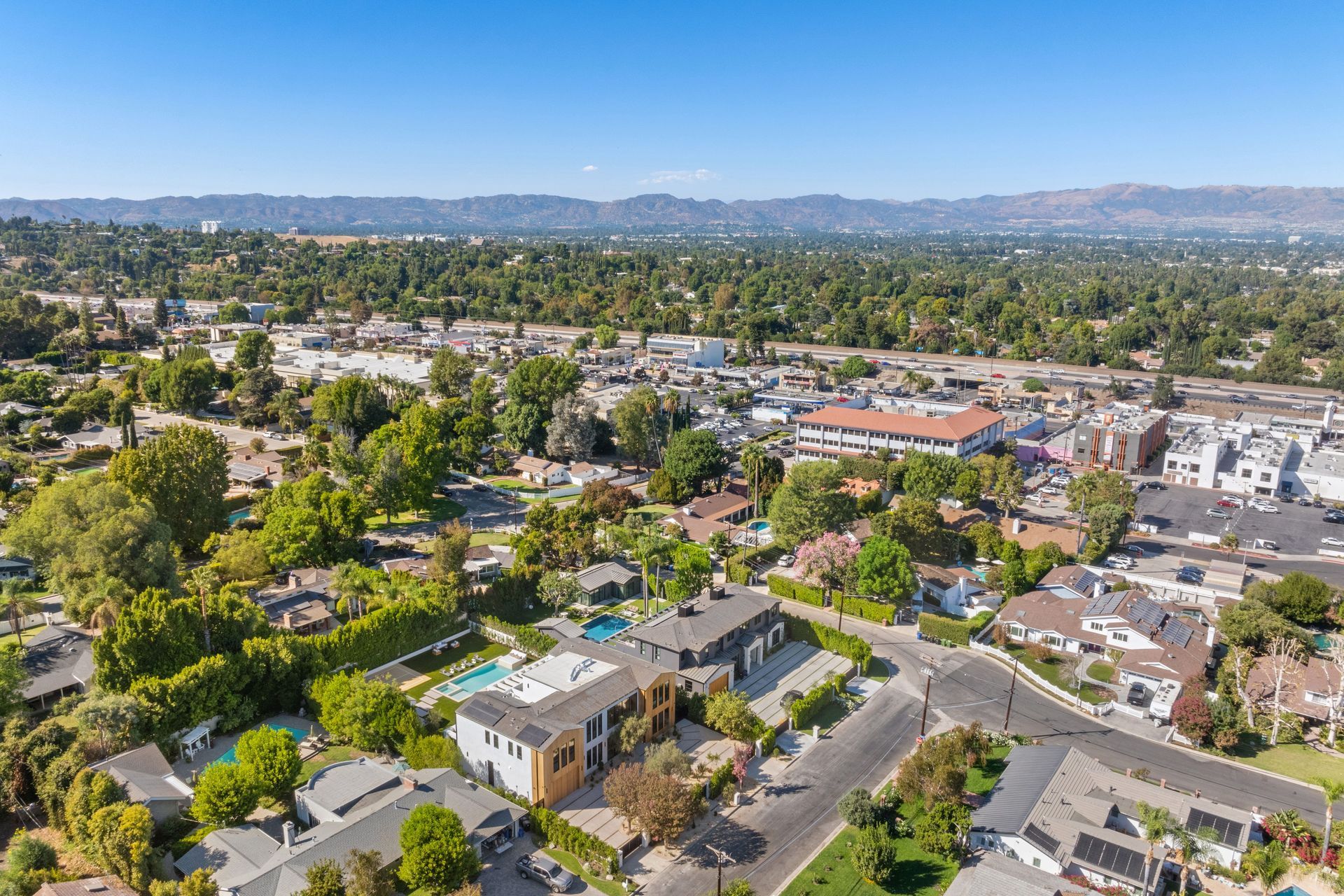
Home insurance helps protect your house, personal belongings, and liability risks. We explain coverage options clearly so you know what your policy includes.
Auto insurance provides protection for accidents, liability, and vehicle damage. We help you compare options so you can choose coverage that fits your driving needs.
Motorcycle insurance provides coverage for riders and their bikes. We help you select options that match how and where you ride.
RV insurance supports protection for motorhomes and recreational vehicles. Coverage applies during travel and while parked.
Coverage Built for Contractors and Trades
Support that keeps your work moving.

General Liability Insurance
General liability insurance helps protect contractors from injury and property damage claims. It supports jobsite requirements and contracts.

Workers Compensation
Workers compensation insurance helps protect employees injured while working. It also supports compliance with state requirements.

Commercial Auto Insurance
Commercial auto insurance provides coverage for work vehicles used on jobsites. It helps protect drivers and company vehicles.
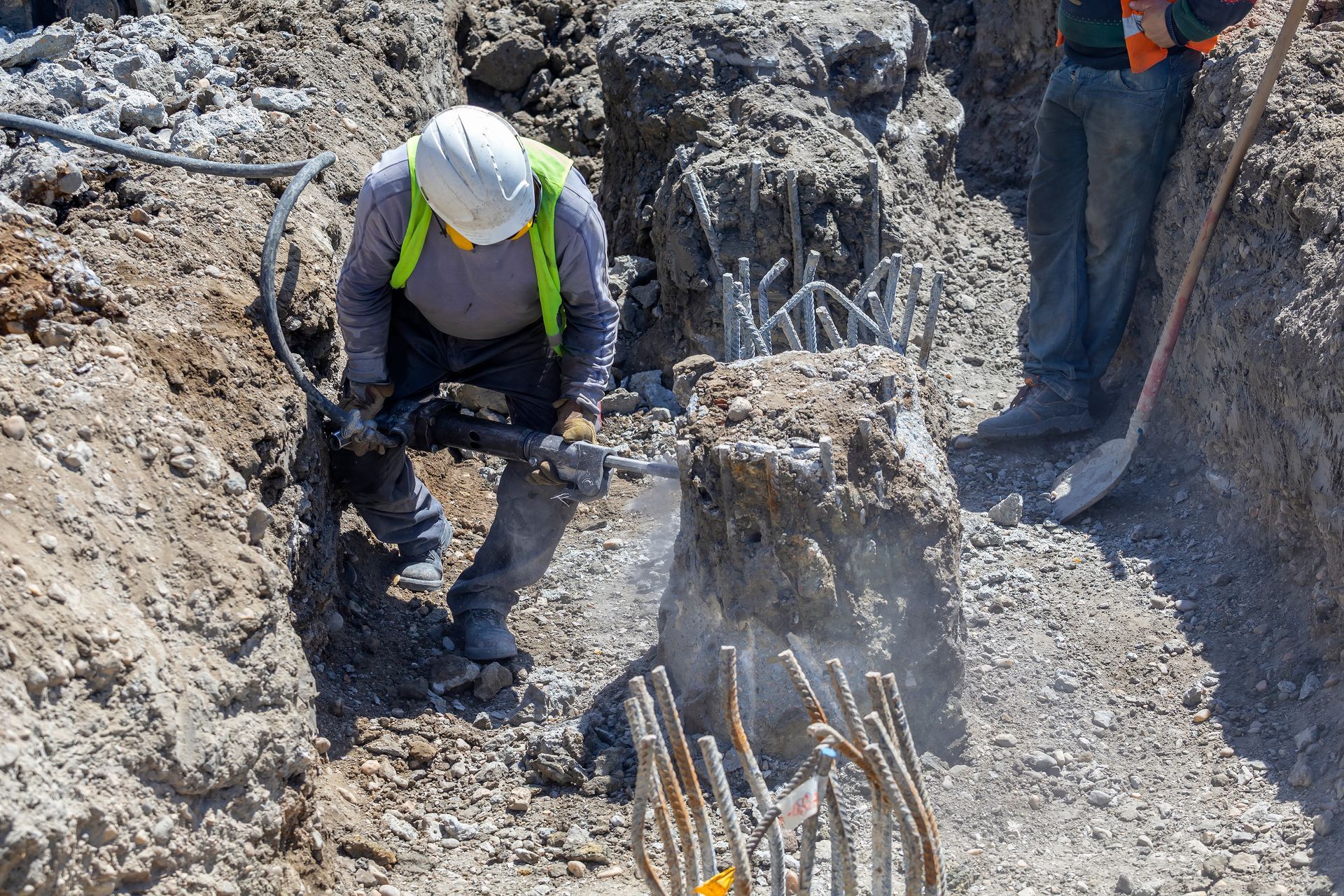
Contractor Insurance
Contractor insurance supports trades and service professionals across Southern California. It helps protect tools, equipment, and daily operations.

Cyber Liability Insurance
Cyber liability insurance helps protect business data and customer information. It supports recovery from digital incidents.

Commercial Property Insurance
Commercial property insurance helps protect offices, shops, and equipment. It supports recovery after covered damage.
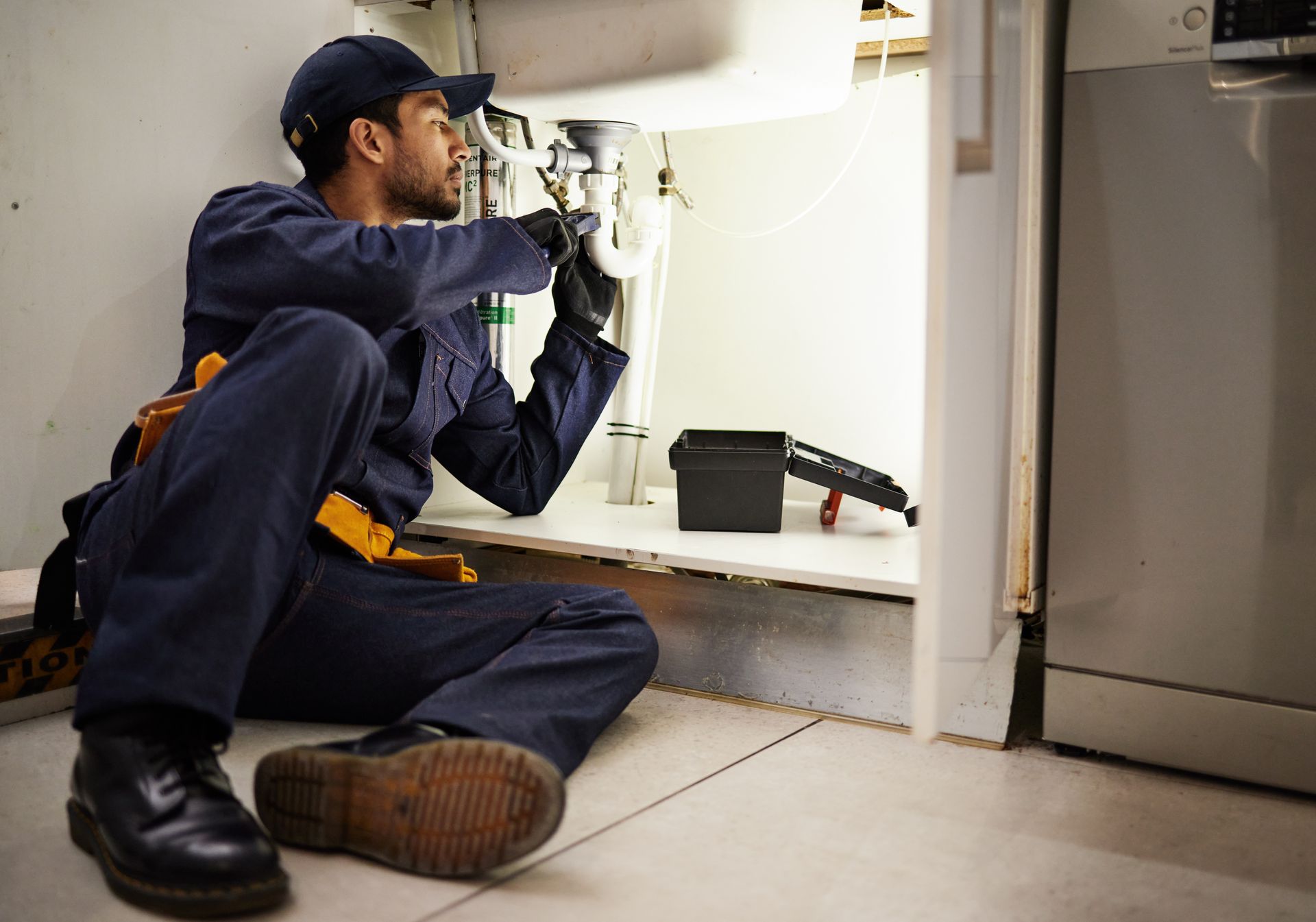
Coverage Built for Specialized Work
Support for high-risk and service-driven industries.


Simple Steps Supported by Steady Guidance
A Clear Path to Coverage
Trusted by Clients Across Southern California
Clear service backed by real experiences.
Answers to Common Questions.
Clear explanations to guide your decisions.
How do I know which insurance policy is right for me?
We compare coverage options from multiple carriers to help you see differences in protection and price. You can review clear details and ask questions so you understand what each policy covers. Our team guides you step by step so you feel sure about your decision.
What factors affect my auto insurance premium?
Auto insurance premiums are influenced by your driving history, age, location, vehicle type, and coverage choices. A clean driving record and good safety features can help lower costs. We review these factors with you and help find coverage that fits your budget and needs.
Does homeowners insurance cover all types of damage?
Standard homeowners insurance protects your structure, personal belongings, liability, and additional living expenses in many cases. However, it usually does not include flood or earthquake damage without separate policies. We help you decide if extra coverage is right for your home and location.
Can I update my policy or get certificates online?
Yes. You can submit requests for policy changes and certificates through our online service form at any time. Our team processes those requests quickly and confirms updates once complete so you have the documents you need.
Do I need separate insurance for business risks like EPLI or E&O?
Yes. General liability and workers compensation cover many business risks but do not protect against all exposures. For example, Employment Practices Liability Insurance (EPLI) covers claims like wrongful termination or discrimination, and Errors & Omissions (E&O) covers claims based on mistakes in professional services. We help you identify which extra policies your business may need.
What happens if I need to file a claim?
If you need to file a claim, we guide you through the process and help you contact the insurance carrier. We explain what information you should provide, answer your questions, and stay available while the carrier reviews your claim. This support helps you move forward with confidence.
Contact Us