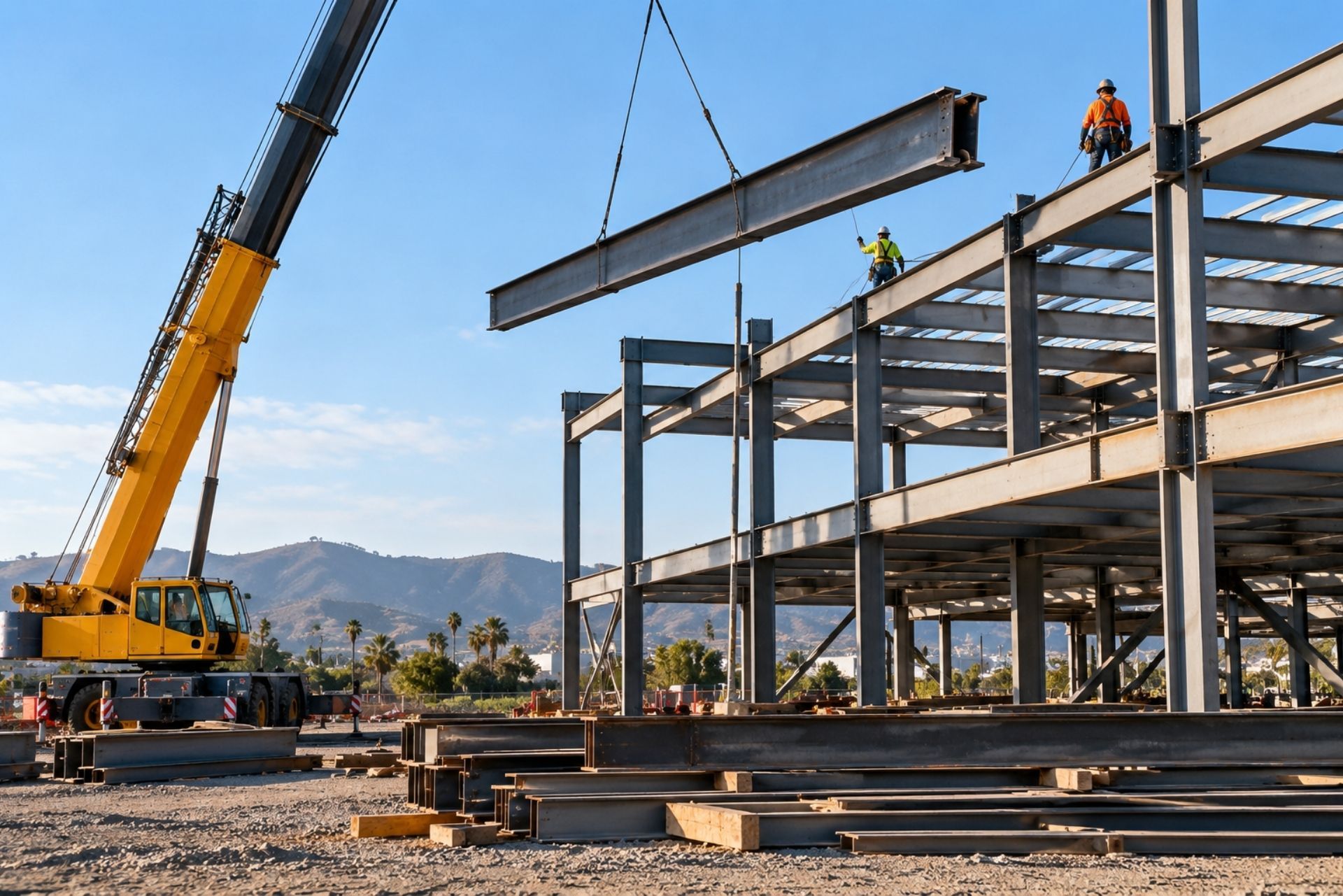
Steel erection is one of the few trades where a single bad afternoon can produce three different claims at once: a connector's fall, a dropped beam that crushes a parked truck, and a lawsuit filed eight years later over a weld that cracked. For contractors in California, getting coverage right isn't a box to check before bidding. It decides whether one incident stays a bad week or becomes the end of the company.
This guide covers what steel-erection contractor insurance in California actually needs to handle: general liability built for height and struck-by exposures, completed operations, workers' compensation, equipment coverage, and the certificates that general contractors demand before you set a single column. Each section focuses on practical decisions, the dollar math behind them, and the contract language that tends to cause trouble.
Whether you're a
five-person crew doing tenant improvements in Fresno or a union shop erecting mid-rise frames in Los Angeles, the same principle applies. Underwriters price your business on what they think will go wrong. Your job is to give them evidence that it won't, and to buy coverage that fits the contracts you sign.
The Risk Landscape for California Steel-Erection Contractors
Few trades combine as many severe loss drivers as structural steel. Ironworkers spend their days at height, under suspended loads, beside cranes, and around hot work. Insurers classify the trade as high-hazard, which means fewer carriers write it and those that do ask hard questions.
California adds its own layers. Cal/OSHA enforces steel-erection rules under Title 8, including Section 1710, and citations can follow any serious injury. Seismic design requirements mean moment connections and welds face heavy scrutiny, which feeds directly into defect litigation. Wildfire rebuilds have also pulled steel contractors into areas with tight schedules and crowded sites.
Then there's the legal environment. California's construction defect statute of repose allows claims for latent defects up to 10 years after substantial completion, and residential projects fall under SB 800's specific defect standards. Courts here are not shy about large verdicts, and general contractors push that risk downstream through indemnity clauses.
The practical result:
carriers look closely at your loss runs, safety program, project mix (residential versus commercial), and whether you subcontract any work. A contractor who can document all four will see better terms than one who simply submits an application and hopes.
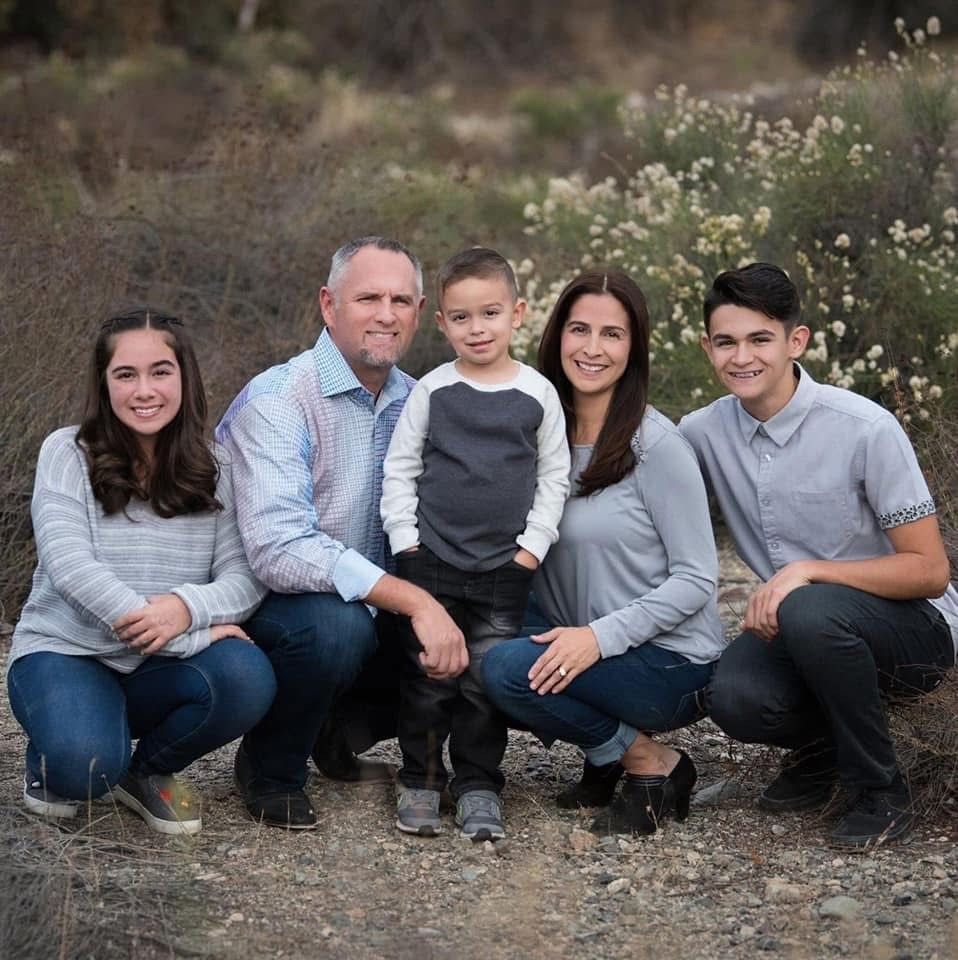
By: Peter Plew
Commercial Insurance Agent at Caruso Insurance Services
General Liability and High-Hazard Exposure Management
Commercial general liability covers bodily injury and property damage to third parties, and it's the policy every GC will ask about first. For steel erectors, the details inside the policy matter more than the limit on the declarations page. Many high-hazard policies carry exclusions that quietly gut coverage.
Watch for these:
- Residential or tract-housing exclusions that eliminate coverage for any work on condos, apartments, or single-family homes
- Action-over exclusions that remove coverage when your own employee sues the GC, who then tenders the claim back to you
- Subcontractor warranty conditions requiring every sub to carry matching limits and name you as additional insured, or coverage voids
- Height limitations that exclude work above a stated number of stories
A typical small erector might carry $1 million per occurrence and $2 million aggregate, with an umbrella stacked on top. Larger commercial jobs often require $5 million to $10 million total.
Mitigating Height and Struck-By Risks
Falls and struck-by incidents drive the most severe claims in this trade, and underwriters know it. Your premium reflects how convincingly you control them.
Document your fall protection plan for each project, including controlled decking zones and connector procedures. Keep written crane lift plans, rigging inspection logs, and tagline policies. Photograph site conditions at the start of each phase and file them with daily reports. Annual third-party safety audits cost a few thousand dollars and give underwriters something concrete to credit. On a $60,000 liability premium, even a 10% safety credit returns $6,000 a year, which typically covers the audit with money left over.
Completed Operations and Construction Defect Claims
Completed operations coverage responds after you've left the site, and in California that tail is long. A failed connection discovered during a 2033 retrofit can trace back to a building you finished in 2026.
Confirm that your policy's completed operations aggregate is separate from general aggregate and that coverage extends for the full statute of repose. If you switch carriers, ask whether prior work is excluded. For residential exposure, consider a project-specific policy or confirm the wrap-up covers you through the repose period.
California Workers' Compensation and EMR Dynamics
Workers' compensation is usually the single largest insurance cost for a steel erector, often exceeding general liability several times over. California requires coverage for every employee, and Cal/OSHA plus the Labor Commissioner take uninsured operations seriously: stop orders and penalties follow quickly.
Your rate starts with the classification assigned by the WCIRB, the state's rating bureau, and then gets multiplied by your experience modification (X-Mod or EMR). A 1.00 mod is average. A 1.30 means you pay 30% above standard.
Run the numbers. Say your manual premium is $200,000. At a 0.85 mod, you pay $170,000. At 1.25, you pay $250,000. That $80,000 gap repeats for three years, because claims stay in the experience period that long. One serious fall can easily cost a contractor $200,000 or more in extra premium beyond the claim itself, and many GCs disqualify bidders whose mod tops 1.0 or 1.25.
Keep payroll classifications accurate: misclassifying shop fabricators or office staff into the erection class inflates premium, while the reverse invites audit penalties. Report injuries promptly, use a return-to-work program, and fight fraudulent claims with good documentation. Your loss history follows you to every carrier, much like a CLUE report follows homeowners.
Essential Equipment and Inland Marine Protections
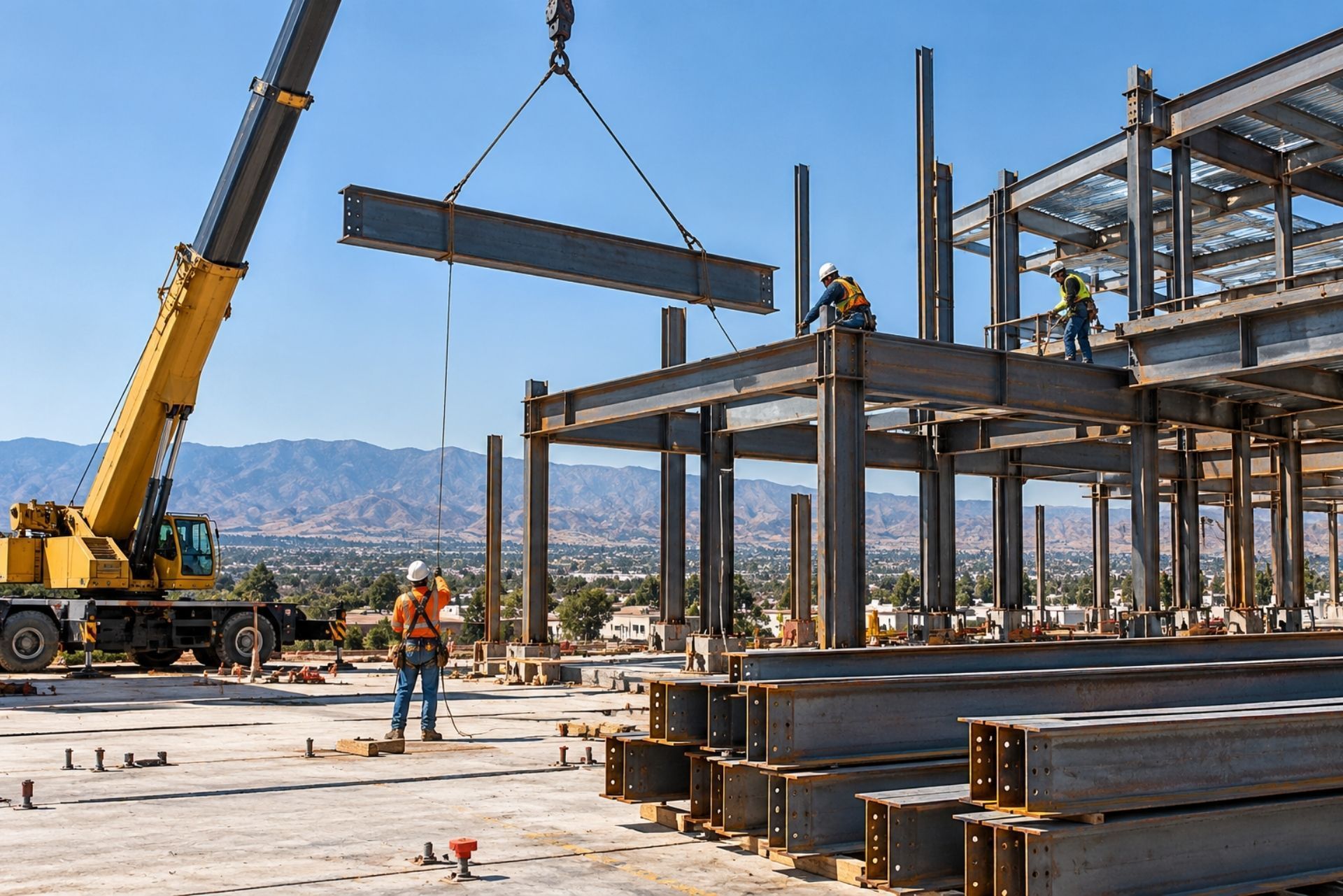
General liability doesn't cover your own tools, welders, or rented cranes. That's the job of inland marine, specifically contractor's equipment coverage.
A mid-sized erector might own $400,000 in welding machines, aerial lifts, and rigging, plus rent cranes worth millions. Rental agreements typically make you responsible for physical damage, and crane companies will ask for proof of coverage before mobilization. Schedule high-value units individually and add rented equipment coverage with a limit that matches the largest machine you lease.
Consider the deductible math. Raising a deductible from $1,000 to $5,000 might save $3,000 annually. If you file fewer than one claim every 1.3 years, the higher deductible wins.
Builder's risk deserves attention too. Usually the owner or GC buys it, but confirm in writing who covers steel stored on site or in transit. Theft of structural members from unsecured laydown yards happens more than people expect. In earthquake-prone regions, check whether builder's risk excludes seismic damage during erection, since partially connected frames are especially vulnerable.
The certificate of insurance is how GCs verify you're covered, and errors here delay payments and mobilizations. A certificate is only a snapshot: it doesn't amend your policy, and courts generally won't treat it as proof of coverage the policy doesn't actually provide.
Before signing any subcontract, send the insurance exhibit to your broker. Compare required limits, endorsements, and notice provisions against what you carry. Gaps discovered after award cost money to fix mid-term, and gaps discovered after a loss are worse.
Track certificates you collect from your own subs, too. Keep a log with expiration dates and require updated certificates at renewal. If a sub's coverage lapses and their worker gets hurt, your carrier may pick up the claim, and your mod takes the hit.
Additional Insured and Waiver of Subrogation Clauses
Most GCs require additional insured status for ongoing and completed operations, primary and noncontributory wording, and waivers of subrogation on general liability, auto, and workers' comp. Blanket endorsements that apply whenever a written contract requires them save time and prevent missed names.
California Civil Code Section 2782 limits how far indemnity can shift a GC's own negligence onto subs, but contract wording still matters. Waiver of subrogation on workers' comp usually carries a surcharge, either per project or blanket. Price it into your bids rather than absorbing it.
Strategic Insurance Procurement and Risk Transfer
The best coverage plan starts with picking the right broker: one who places high-hazard construction routinely and knows which carriers accept steel erection, residential exposure, and California defect risk. A generalist agent will often land you on a policy riddled with exclusions you won't discover until a claim.
Start renewals 90 to 120 days out. Bring five years of loss runs, your safety manual, audit reports, payroll by class, and a list of upcoming projects. Underwriters reward contractors who tell a clear story backed by documents.
Understand wrap-up programs (OCIPs and CCIPs) before you bid. When the owner or GC provides coverage, you remove those costs from your bid, but you still need your own policies for off-site work and for exposures the wrap-up excludes. Ask how long completed operations coverage lasts under the wrap-up, since some end well short of California's 10-year repose period.
The contractors who pay the least over time aren't the ones who shop hardest each year. They keep crews safe, document everything, read contracts before signing, and treat insurance as part of operations rather than paperwork. Review your current program against every section above this month, and fix the gaps before the next certificate request lands in your inbox.
ABOUT THE AUTHOR:
PETER PLEW
Hi my name is Peter Plew and I am a commercial insurance professional. I listen to and strategize with business owners about their visions of the future and assist in getting there as quickly as possible. I help identify unique exposure and risk’s that business owners have and the reasons why they need to be insured against them. My goal is to make sure my clients are always taken care of on a daily basis with any service needs, questions, or concerns they may have. I love to golf and spend time with my family in my spare time.
Contact Us

Service that stays with you.
Our team helps simplify insurance decisions for families and businesses. We focus on clear explanations, fast responses, and dependable service. You can count on us for help with coverage questions, updates, and long-term support.
Coverage that keeps you secure
Reliable Protection for Everyday Life
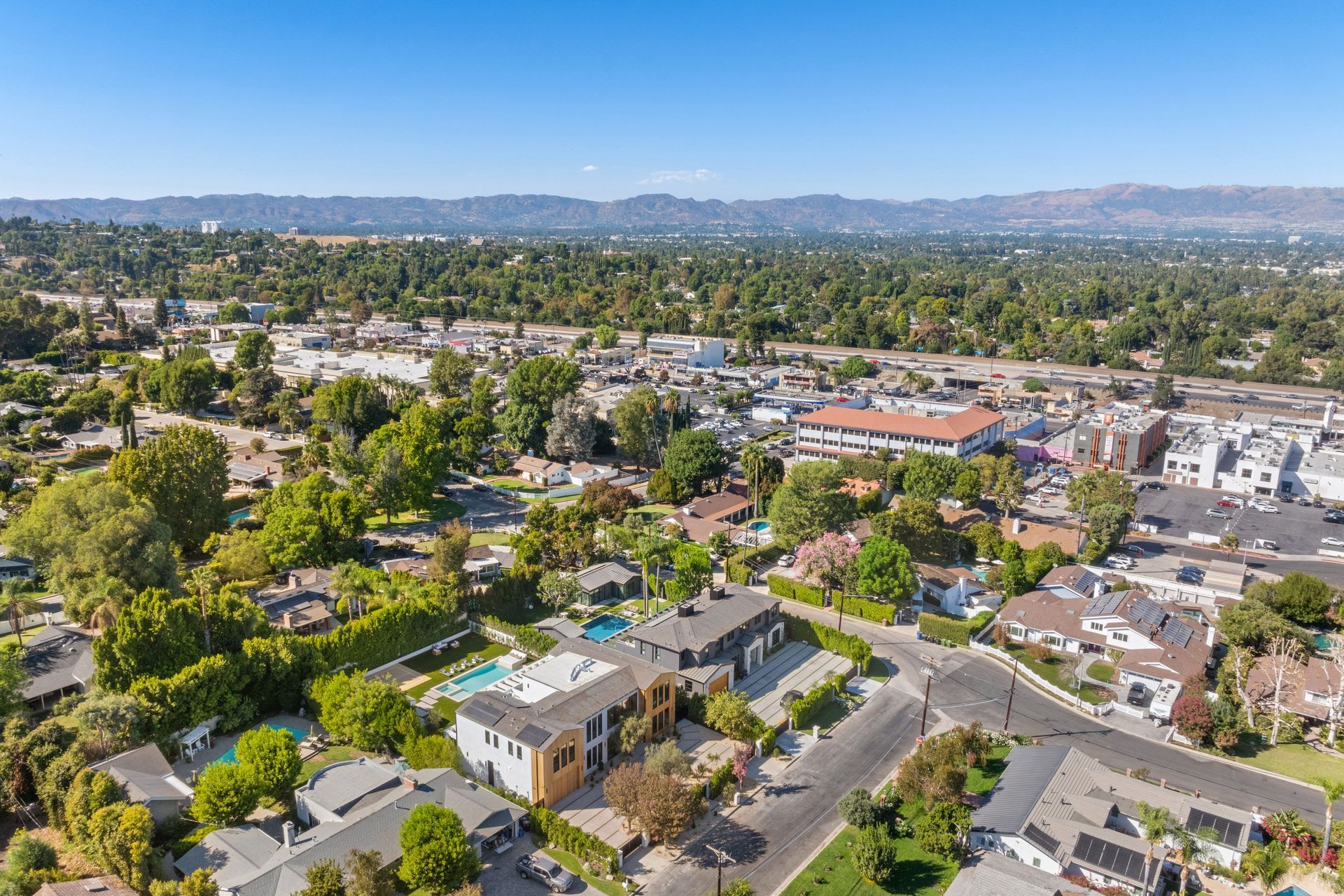
Home insurance helps protect your house, personal belongings, and liability risks. We explain coverage options clearly so you know what your policy includes.
Auto insurance provides protection for accidents, liability, and vehicle damage. We help you compare options so you can choose coverage that fits your driving needs.
Motorcycle insurance provides coverage for riders and their bikes. We help you select options that match how and where you ride.
RV insurance supports protection for motorhomes and recreational vehicles. Coverage applies during travel and while parked.
Coverage Built for Contractors and Trades
Support that keeps your work moving.

General Liability Insurance
General liability insurance helps protect contractors from injury and property damage claims. It supports jobsite requirements and contracts.

Workers Compensation
Workers compensation insurance helps protect employees injured while working. It also supports compliance with state requirements.
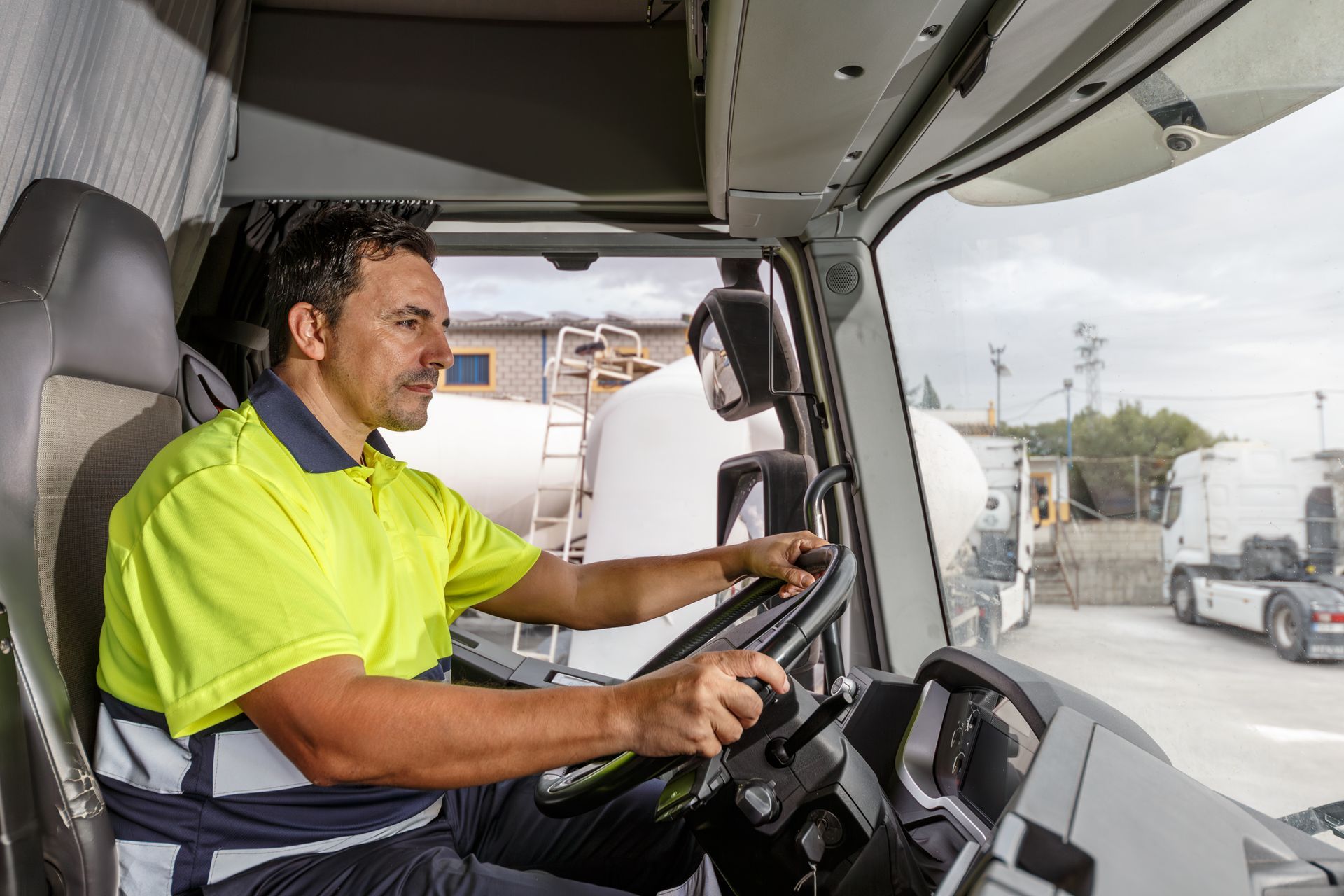
Commercial Auto Insurance
Commercial auto insurance provides coverage for work vehicles used on jobsites. It helps protect drivers and company vehicles.
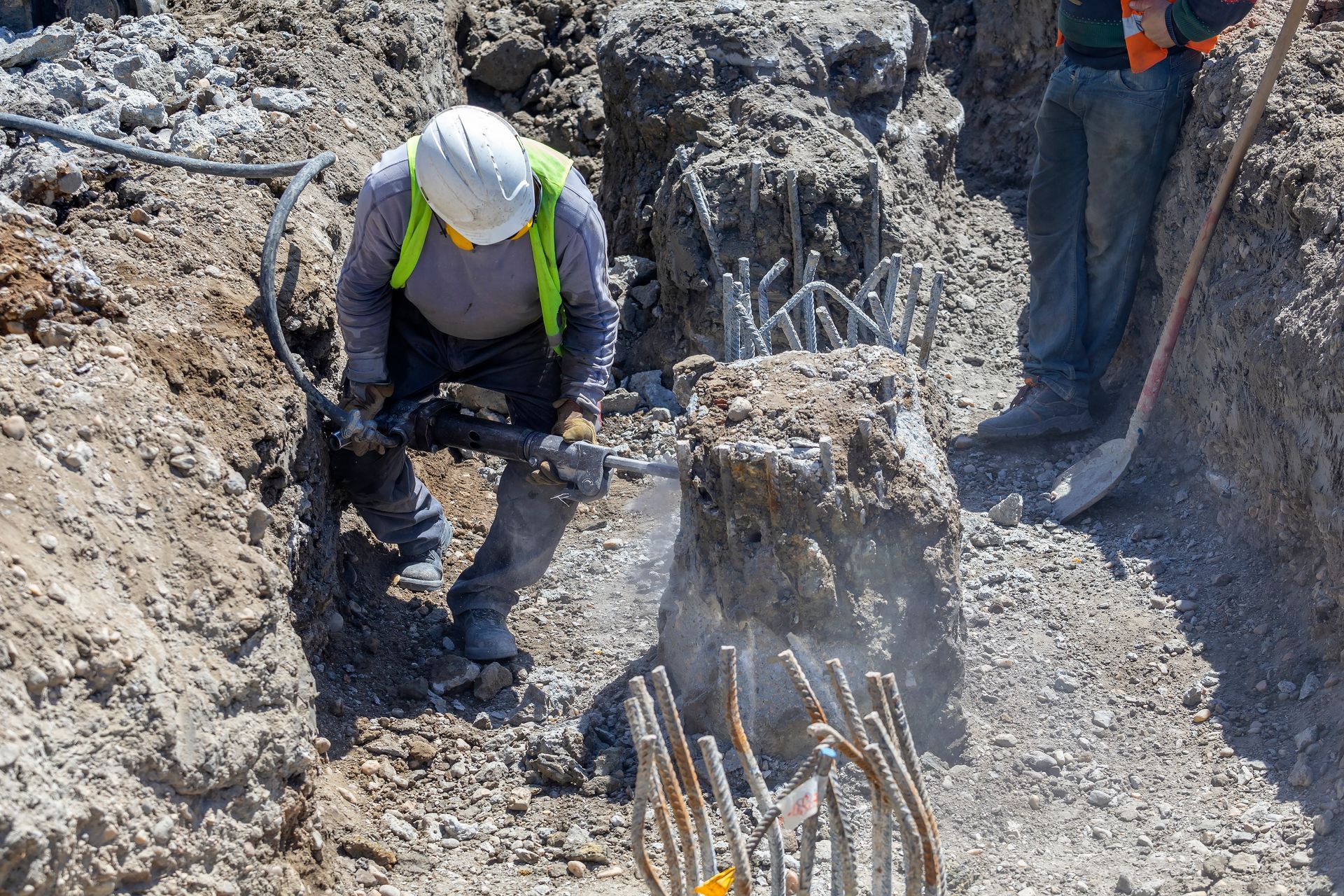
Contractor Insurance
Contractor insurance supports trades and service professionals across Southern California. It helps protect tools, equipment, and daily operations.

Cyber Liability Insurance
Cyber liability insurance helps protect business data and customer information. It supports recovery from digital incidents.

Commercial Property Insurance
Commercial property insurance helps protect offices, shops, and equipment. It supports recovery after covered damage.
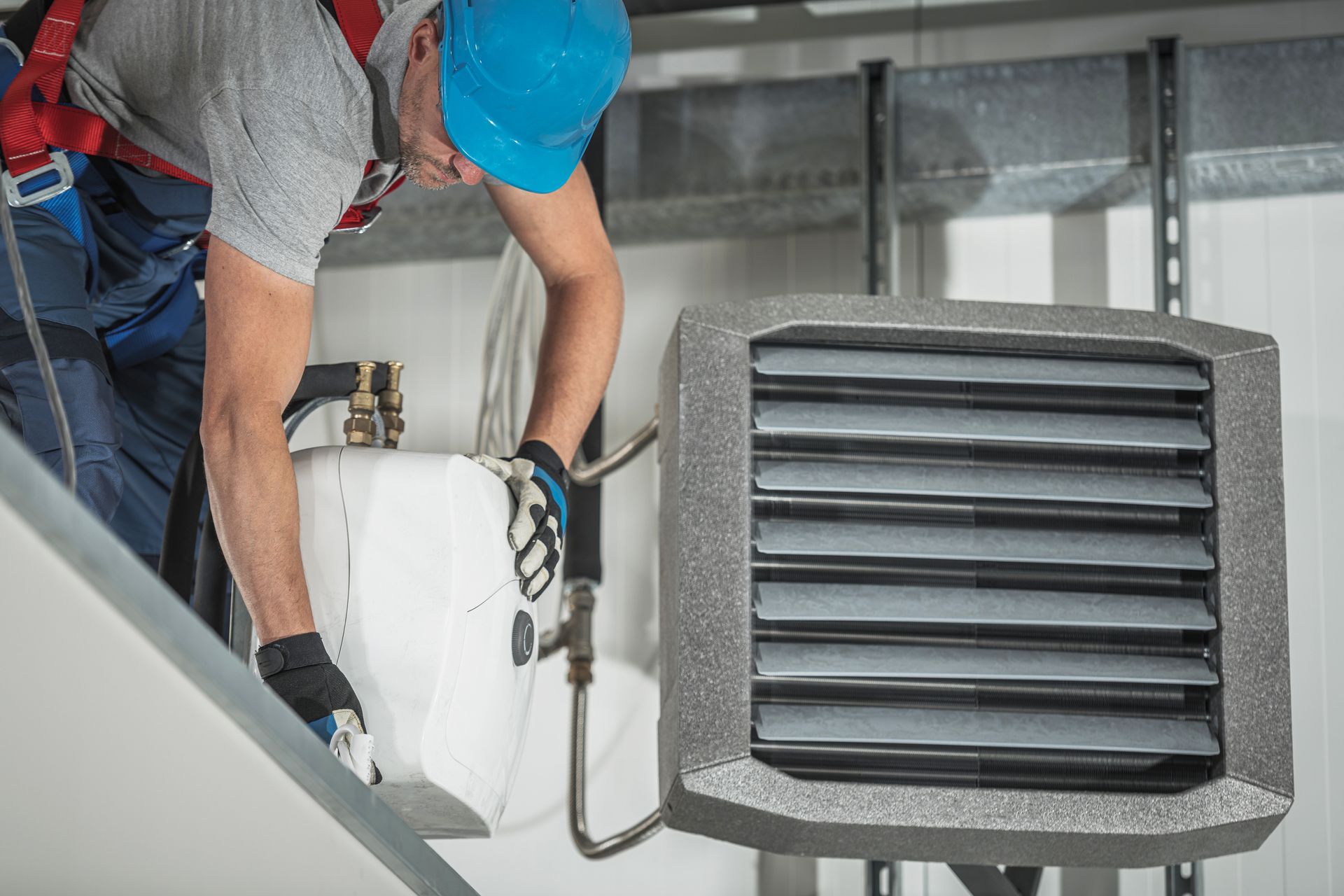
Coverage Built for Specialized Work
Support for high-risk and service-driven industries.
Simple Steps Supported by Steady Guidance
A Clear Path to Coverage
Trusted by Clients Across Southern California
Clear service backed by real experiences.
Answers to Common Questions.
Clear explanations to guide your decisions.
How do I know which insurance policy is right for me?
We compare coverage options from multiple carriers to help you see differences in protection and price. You can review clear details and ask questions so you understand what each policy covers. Our team guides you step by step so you feel sure about your decision.
What factors affect my auto insurance premium?
Auto insurance premiums are influenced by your driving history, age, location, vehicle type, and coverage choices. A clean driving record and good safety features can help lower costs. We review these factors with you and help find coverage that fits your budget and needs.
Does homeowners insurance cover all types of damage?
Standard homeowners insurance protects your structure, personal belongings, liability, and additional living expenses in many cases. However, it usually does not include flood or earthquake damage without separate policies. We help you decide if extra coverage is right for your home and location.
Can I update my policy or get certificates online?
Yes. You can submit requests for policy changes and certificates through our online service form at any time. Our team processes those requests quickly and confirms updates once complete so you have the documents you need.
Do I need separate insurance for business risks like EPLI or E&O?
Yes. General liability and workers compensation cover many business risks but do not protect against all exposures. For example, Employment Practices Liability Insurance (EPLI) covers claims like wrongful termination or discrimination, and Errors & Omissions (E&O) covers claims based on mistakes in professional services. We help you identify which extra policies your business may need.
What happens if I need to file a claim?
If you need to file a claim, we guide you through the process and help you contact the insurance carrier. We explain what information you should provide, answer your questions, and stay available while the carrier reviews your claim. This support helps you move forward with confidence.
Contact Us