A significant wildfire disaster in Los Angeles in January 2025 highlighted the urgent need for reliable and comprehensive builders risk coverage in California. With over 50,000 acres burned and nearly 29 lives lost, the event not only shocked residents but also cast a spotlight on the vast risks facing construction projects across the state. Experts and industry leaders now stress that understanding builders risk insurance is paramount, particularly in an era where unpredictable hazards and market uncertainties prevail.
McKinsey & Company outlines the increasing complexities in risk and mitigation strategies that affect both insurers and property developers.
Understanding Builders Risk Insurance
What Is Builders Risk Insurance?
Builders risk insurance is a specialized property policy that covers buildings during construction. It extends protection against a range of risks including fire damage, vandalism, and weather-related incidents. Since construction sites are inherently exposed to hazards, rating the risk properly becomes essential to safeguard both the builders' investment and the future homeowners’ interests.
This type of policy differs from standard property insurance in that it is designed to cover a project on a temporary basis. Coverage often begins right after construction starts and ends when the project is completed, usually coinciding with the issuance of a permanent homeowner's policy.
Given California's susceptibility to wildfires and other natural disasters, understanding the specifics of builders risk insurance is key. This coverage addresses multiple risk factors that can disrupt construction timelines and increase overall project costs.
Sectors That Benefit from Builders Risk Coverage
Builders risk insurance is not limited to residential projects. Commercial properties, industrial constructions, and large-scale developments all require robust coverage to mitigate incidents that could jeopardize the entire project. While the focus is often on new home construction, many large-scale building projects rely on builders risk coverage to manage unforeseen challenges and protect their financial outlay.
In California, where unpredictable natural events can affect even the most carefully planned projects, builders risk policies offer a safety net that is crucial across many sectors. For example, the construction industry’s vulnerabilities were underscored by statements from Brady Thomas at Munich Re Specialty, highlighting an atmosphere of uncertainty within the field. His insights provide a realistic view of the risks inherent in modern construction
Munich Re.

By: Peter Plew
Commercial Insurance Agent at Caruso Insurance Services
The California Insurance Market and Its Unique Challenges
Market Dynamics Shaping Builders Risk Insurance
California’s construction and insurance markets are intricately interwoven with the realities of natural hazards. The builders risk insurance market is projected to reach significant growth in the coming years. For instance, projections have indicated a growth trajectory from several billion dollars today to an $8.75 billion market by 2033 Munich Re.
The increasing value of these projects reflects broader economic trends, including rising construction costs and the complexities introduced by climate change. California's markets are evolving rapidly to address these new risks, and builders risk policies must adapt in tandem. Architects and developers are now considering these risks during every phase of planning, starting from insurance underwriting all the way through claims management.
The current regulatory and market environment forces both insurers and underwriters to balance the inevitable increases in premium pricing with the practical considerations of risk management. The challenge of integrating wildfire mitigation into underwriting has been a topic of active discussion. Sheri Lee Scott from Milliman’s Property & Casualty practice explains that additional regulatory mandates could exacerbate an already complex situation, requiring innovative yet compliant approaches CalMatters.
The Impact of Wildfires on Builders Risk Policies
Wildfire incidents, a recurring threat in California, have a significant impact on underwriting and claim payouts within builders risk policies. Structural modifications combined with strategic vegetation management can reduce wildfire risks by up to 75% when implemented together. Such modifications underscore how proactive measures can mitigate potential losses and reduce insurance premiums CalMatters.
Recent wildfire events have driven home the point that the landscape for builders risk insurance is evolving. In January 2025, Los Angeles experienced the most catastrophic wildfire incident in its history, which further emphasized the need for comprehensive coverage. These events have prompted both insurers and developers to revisit policies and safety standards, steering the industry towards a more resilient future.
Even with mitigation efforts accounted for, achieving the right premium requires balancing many factors. Market instability, incomplete risk data, and evolving regulatory pressures all contribute to a landscape where every construction project must navigate uncertainty with prudence and strategic thinking.
Policy Coverage and Key Considerations
Core Elements of Builders Risk Policies
At its core, builders risk insurance includes coverage for physical loss, damage due to various perils, and even business interruption during the construction phase. Policies often cover incidents like fire, theft, and windstorm damage. In California, where environmental hazards are a constant worry, policies are typically tailored to address local risks without compromising comprehensive coverage.
Different policies may include contractual liability coverage for loss due to employee actions, as well as coverage for temporary structures and construction materials on-site. This flexibility ensures that builders, contractors, and developers have access to the exact protection they need. A contract for such a policy often details specific exclusions and limitations; hence, a thorough review by legal and insurance professionals is recommended before proceeding with coverage purchase.
Builders risk insurance may also cover damage caused by actions from third parties, depending on the policy structure. The robust nature of these policies positions builders to mitigate risks associated with accidents that occur during the building process.
Understanding Exclusions and Limitations
While builders risk insurance is comprehensive, it does come with exclusions that are critical to understand. Many policies do not include coverage for employee theft or errors in design and workmanship unless specifically added to the policy. Additionally, perils such as earthquakes, which are common in the region, might require separate coverage or endorsements.
It is important for builders and developers to take proactive steps. For example, structural and vegetation modifications can significantly reduce the risks associated with wildfire damage. Research shows that such modifications can lower wildfire risk by nearly 75% when both form of modifications are applied together CalMatters. With targeted improvements, even high-risk projects can potentially lower premium costs and enhance overall project resilience.
Contractual disputes can arise if a builder assumes risks not covered by insurance. Therefore, thorough documentation and clear communication between stakeholders become key elements of any successful risk management strategy.

Market Trends and Projections for Builders Risk Insurance
Increasing Market Growth and Demand
Current projections for the builders risk insurance market suggest rapid growth, largely driven by increased construction activity and heightened awareness of natural catastrophes. With market estimates suggesting a notable increase by 2033, there is a clear signal that investment in these policies provides significant long-term benefits Munich Re.
The growth in the construction industry, especially in high-population areas like Los Angeles and the Bay Area, reinforces the importance of builders risk coverage. Rising standard construction costs paired with increasingly stringent building codes make it imperative for those in the industry to secure policies that not only provide coverage in the event of disaster but also support the resiliency of financial planning and risk management strategies.
Investors and developers are now making a clear connection between optimal risk management and long-term profitability. With the ever-present threat of wildfires and other hazards, high-value construction projects demand assurance that their investments remain safeguarded against unexpected downturns caused by property damage or delayed project completion.
Regulatory Influences and Industry Adaptation
Regulatory requirements in California continue to evolve in response to climate challenges and market pressures. The industry is confronted with the challenge of incorporating wildfire mitigation into underwriting processes-a dilemma that has stirred caution among experts. Sheri Lee Scott raised concerns about the need for a balanced approach that does not inadvertently increase premiums or discourage participation from private insurers CalMatters.
Ongoing discussions between regulatory bodies and insurance carriers highlight gaps that remain between required rate approvals and actual rates necessary to cover potential claims. Proposals from organizations such as the Center for California Real Estate have advocated for streamlined rate approvals and expanded private insurer participation to address these challenges. With total wildfire-related losses in California for 2025 projected between $28 billion and $40 billion, regulatory innovation is not only beneficial-it is indispensable.
Regulatory scrutiny has emphasized the need for comprehensive risk assessments and structured risk management plans. This has led to a shift where builders and developers seek out more flexible policies that accommodate evolving risk landscapes. In this way, builders risk insurance becomes not just a safeguard but also a catalyst for strategic planning in construction projects.
Key Risk Mitigation Strategies in Construction
Structural and Vegetation Modifications
One of the most impactful ways to manage risk in construction is through structural and vegetation modifications that reduce wildfire probabilities. Studies have shown that certain modifications can significantly decrease the likelihood of catastrophic wildfire damage. For instance, structural changes paired with clearing excess vegetation can lower wildfire risk by up to 75% compared to unmodified buildings CalMatters.
These improvements often involve installing fire-resistant building materials, strategic placement of non-combustible barriers, and proper maintenance of landscaping to reduce combustible material. Emphasizing these precautionary measures during construction can also have a lasting impact on future insurance claims and policy premiums, making builders risk insurance more cost-effective over the life of the policy.
Developers who invest in proactive measures typically notice smoother underwriting processes as insurers become more confident in a project's overall risk profile. This alignment between mitigation efforts and decreased premium costs makes incorporating risk reduction strategies a worthwhile investment.
Adopting a Comprehensive Risk Management Plan
Beyond physical modifications, a comprehensive risk management plan is pivotal for successful construction projects. Such a plan includes regular site inspections, coordinated emergency response strategies, and clearly defined communication channels between all project stakeholders. Laying down a detailed risk management roadmap ensures that every aspect-from material procurement and labor to on-site safety measures-is aligned with industry best practices.
This proactive approach not only helps reduce potential claims but also positions a project favorably during the underwriting process. Insurance carriers are more willing to offer favorable terms to builders who demonstrate a systematic approach to limiting foreseeable risks.
Integrating ongoing risk assessments and updating safety protocols as the project evolves assures that coverage remains effective, mitigating both immediate and long-term hazards. Such detailed planning is particularly important in regions like California where the unpredictable nature of wildfires necessitates constant vigilance.
Challenges and Opportunities for Stakeholders
Issues Facing Builders and Developers
The construction industry in California faces several challenges beyond the immediate threats of natural disasters. Rising material costs, lengthy permit processes, and labor shortages are also significant factors that influence project timelines and outcomes. When these issues intersect with natural disaster risks, the financial stakes become exceptionally high.
For example, a recent report by the Terner Center for Housing Innovation highlighted that the insurance burden for constructing condominiums in Los Angeles can be three to four times higher than that for rental apartments. This discrepancy puts additional pressure on developers to secure comprehensive coverage to safeguard their investments Terner Center.
The confluence of rising construction costs and increased insurance premiums requires developers to be more strategic. This means considering alternative building methods and integrating risk mitigation strategies early in the planning process to offset future financial impacts.
Opportunities for Insurers and Underwriters
On the flip side, the evolving market dynamics present significant opportunities for insurers and underwriters who can adapt to the current needs of builders and developers. By designing policies that are flexible, risk-sensitive, and reflective of modern construction challenges, insurers can tap into a growing market segment. The anticipated market boom to $8.75 billion by 2033 underscores the potential of innovative underwriting practices that reconcile risk mitigation with market realities Munich Re.
Insurers who embrace advanced risk assessment tools and factor in proactive mitigation steps, like structural modifications, can offer policies that are both cost-effective and robust. A proactive approach to risk is beneficial for everyone involved-from reducing the incidence of major claims to stabilizing premium rates over time.
Further, collaboration between regulatory bodies and private insurers is creating a climate where innovative solutions can thrive. Strategic partnerships and new underwriting models are gradually emerging that hold promise for making builders risk insurance not only comprehensive, but also more accessible to the industry at large.
A Comprehensive Comparison of Builders Risk Coverage Options
Coverage Inclusions and Policy Options
While reviewing available builders risk policies, several key inclusion factors emerge. These include coverage for on-site materials, temporary structures, and even business interruption coverage during halted operations due to a claim event. Farmers may not fully appreciate these distinctions until they are reviewing their construction projects, but entrepreneurs in the construction industry are well aware that a policy must be tailored to the specific vulnerabilities of their project.
Insurance carriers often provide customizable options. Builders risk policies can be enhanced by including endorsements for natural disasters that may not be covered under standard clauses. When assessing options, builders need to ensure that the policy respects both the unique timeline of the construction phase and the special hazard concerns inherent in California’s ecosystem.
Understanding the nuances in various coverage options helps builders make informed decisions. While dealing with risk, it is equally important to comprehend policy limitations, deductibles, and specific exclusions. Such an analysis not only protects the project from unexpected losses but also streamlines the claims process once coverage is activated.
Comparison Table: Key Coverage Factors
| Coverage Factor | Standard Policy | Enhanced Coverage Option |
|---|---|---|
| Fire and Smoke Damage | Included | Included with extended limits |
| Windstorm and Hail | Included | Optional endorsements available |
| Business Interruption | Basic coverage | Extended coverage including delay costs |
| Temporary Structures & Materials | Included | Increased limits for high-value projects |
| Natural Disaster Endorsements | Usually excluded | Optional endorsements for earthquakes and floods |
This table provides a side-by-side look at the critical elements of builders risk coverage options. Developers can use such comparative analyses to choose the policy that best meets the unique challenges of their projects, while also understanding the potential cost differences between standard and enhanced coverage plans.
Aligning coverage with project demands and risk exposure is key to making a secure investment. In California, where environmental uncertainty drives field dynamics, opting for enhanced policies may yield long-term savings and improved project continuity.
The Future Outlook for Builders Risk Insurance in California
Emerging Trends and Innovations
Looking ahead, builders risk insurance is set to undergo transformative changes driven by technological advancements and evolving market demands. Insurers are increasingly leveraging data analytics and remote monitoring to better predict risk exposures, enabling more dynamic and responsive policy offerings. As construction projects become more digitized, real-time safety monitoring is evolving as a critical factor in premium determination.
Innovations such as automated risk assessment tools and improved weather forecasting models are poised to reduce losses by anticipating incidents before they occur. This predictive approach can translate to more accurately priced premium fees and tailored policies, especially for high-risk areas in California.
Furthermore, the collaborative effort between regulatory bodies and private insurers is likely to yield new underwriting models that balance compliance with the practical realities of risk. Such adaptations not only enhance coverage but also empower builders to incorporate best practices in site management and mitigation strategies.
Strategies for Staying Ahead in Uncertain Times
For builders and developers, the path forward involves a blend of proactive risk management and continuous learning about market shifts. Engaging closely with insurance professionals and risk management experts can help ensure that policies remain aligned with project demands and evolving hazards.
Staying informed about regulatory changes and market trends is equally important. Networking through industry summits and forums, such as the California Wildfire Summit, offers practical insights into risk trends and strategic mitigation measures. This ongoing education is central to anticipating market shifts and adjusting policies accordingly.
Adapting to this shifting environment means not only investing in quality coverage but also integrating cutting-edge safety practices into everyday operations. Builders who adopt such measures may find that their policies become more favorable, reflecting a lower overall risk profile that benefits everyone involved.
Frequently Asked Questions
What exactly does builders risk insurance cover?
Builders risk insurance covers property damage during construction, including incidents like fire, theft, and weather-related events. It typically includes protection for on-site materials, temporary structures, and may extend to interruption of operations.
How long does the coverage last?
Coverage generally starts when construction begins and ends when the project is completed or when the permanent policy takes effect. The exact duration depends on project timelines and the specific terms of the policy.
Are natural disasters such as wildfires covered under a standard policy?
Some policies include basic wildfire coverage but often require additional endorsements or enhanced coverage options to fully protect against severe disaster risk. Modifications in construction and vegetation can reduce fire risk and potentially affect premium costs.
Can I modify my policy during construction?
Yes, builders risk policies often offer flexibility through amendments and endorsements as the project scope evolves. It is important to have ongoing discussions with your insurer to ensure the coverage matches changing circumstances.
How do market changes affect builders risk insurance premiums?
Market trends, regulatory changes, and increased construction costs can influence premiums significantly. Innovations in risk assessment and mitigation practices may help stabilize rates while maintaining comprehensive coverage.
Is it necessary to obtain separate coverage for hazards like earthquakes?
In California, hazards such as earthquakes are usually excluded from standard builders risk policies. Builders should consider separate endorsements or additional coverage options to ensure comprehensive protection against all risks.
Wrapping Things Up
Final Thoughts on Navigating Builders Risk Insurance
For builders and developers in California, securing appropriate builders risk insurance is as critical as ensuring robust construction practices. With the evolving risk landscape, especially in light of devastating wildfires and other natural hazards, a comprehensive approach to insurance is vital.
Understanding policy details, from core inclusions to key exclusions, can make the difference between a project progressing smoothly or facing severe financial setbacks. By staying abreast of market trends, leveraging advanced risk management tools, and actively engaging with insurance experts, stakeholders can mitigate risks while safeguarding their investments.
The future of builders risk insurance in California hinges on the industry's ability to adapt to both environmental demands and regulatory pressures. Embracing proactive measures and innovative solutions may well set the stage for a more resilient, secure, and sustainable construction environment. With prudent planning and informed decision-making, builders can transform risk into an opportunity for enhanced project success. Don't underestimate the importance of well-structured insurance-it's a cornerstone of modern construction projects that supports long-term growth and stability. McKinsey & Company sheds light on the broader implications of these complex challenges, underscoring that in times like these, preparation and adaptation are crucial.
Before You Go
Builders risk insurance is a nuanced domain, where every decision impacts the financial stability of construction projects. The comprehensive understanding of both market dynamics and policy specifics detailed in this guide is designed to empower industry professionals to navigate these challenges effectively.
Careful planning, diligent risk management, and engagement with knowledgeable insurance professionals are essential. As California continues to be a land of opportunities and challenges alike, proper coverage stands as a pillar of safety and continuity for every ambitious project.
For further insights on mitigating risks and ensuring robust coverage through your construction phase, keep informed on industry updates and evolving regulatory measures. This mindset not only prepares you for the uncertainties of the future but also reinforces the essential connection between risk management and sustainable success in an ever-changing market.
ABOUT THE AUTHOR:
PETER PLEW
Hi my name is Peter Plew and I am a commercial insurance professional. I listen to and strategize with business owners about their visions of the future and assist in getting there as quickly as possible. I help identify unique exposure and risk’s that business owners have and the reasons why they need to be insured against them. My goal is to make sure my clients are always taken care of on a daily basis with any service needs, questions, or concerns they may have. I love to golf and spend time with my family in my spare time.
Contact Us

Service that stays with you.
Our team helps simplify insurance decisions for families and businesses. We focus on clear explanations, fast responses, and dependable service. You can count on us for help with coverage questions, updates, and long-term support.
Coverage that keeps you secure
Reliable Protection for Everyday Life
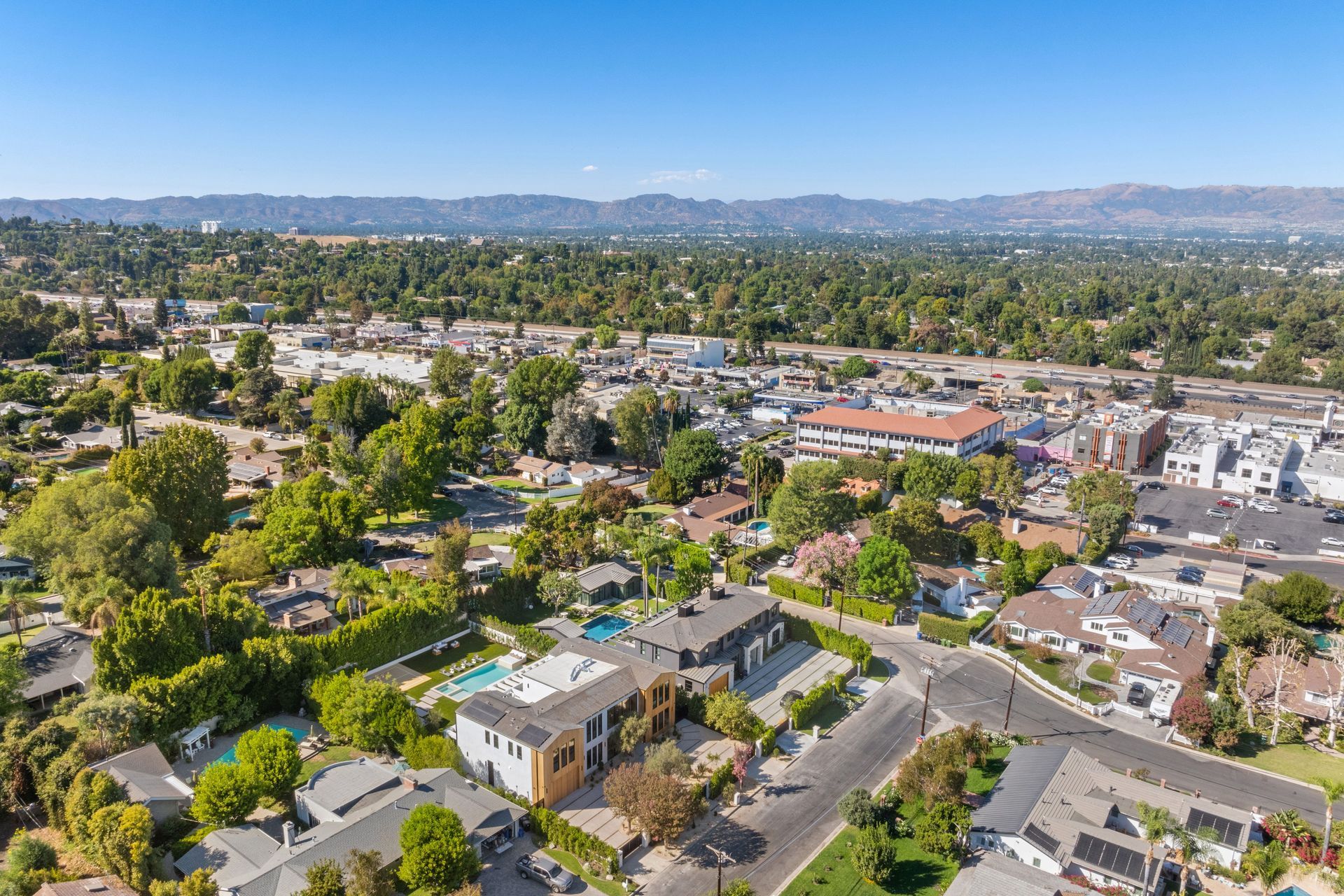
Home insurance helps protect your house, personal belongings, and liability risks. We explain coverage options clearly so you know what your policy includes.
Auto insurance provides protection for accidents, liability, and vehicle damage. We help you compare options so you can choose coverage that fits your driving needs.
Motorcycle insurance provides coverage for riders and their bikes. We help you select options that match how and where you ride.
RV insurance supports protection for motorhomes and recreational vehicles. Coverage applies during travel and while parked.
Coverage Built for Contractors and Trades
Support that keeps your work moving.

General Liability Insurance
General liability insurance helps protect contractors from injury and property damage claims. It supports jobsite requirements and contracts.

Workers Compensation
Workers compensation insurance helps protect employees injured while working. It also supports compliance with state requirements.

Commercial Auto Insurance
Commercial auto insurance provides coverage for work vehicles used on jobsites. It helps protect drivers and company vehicles.
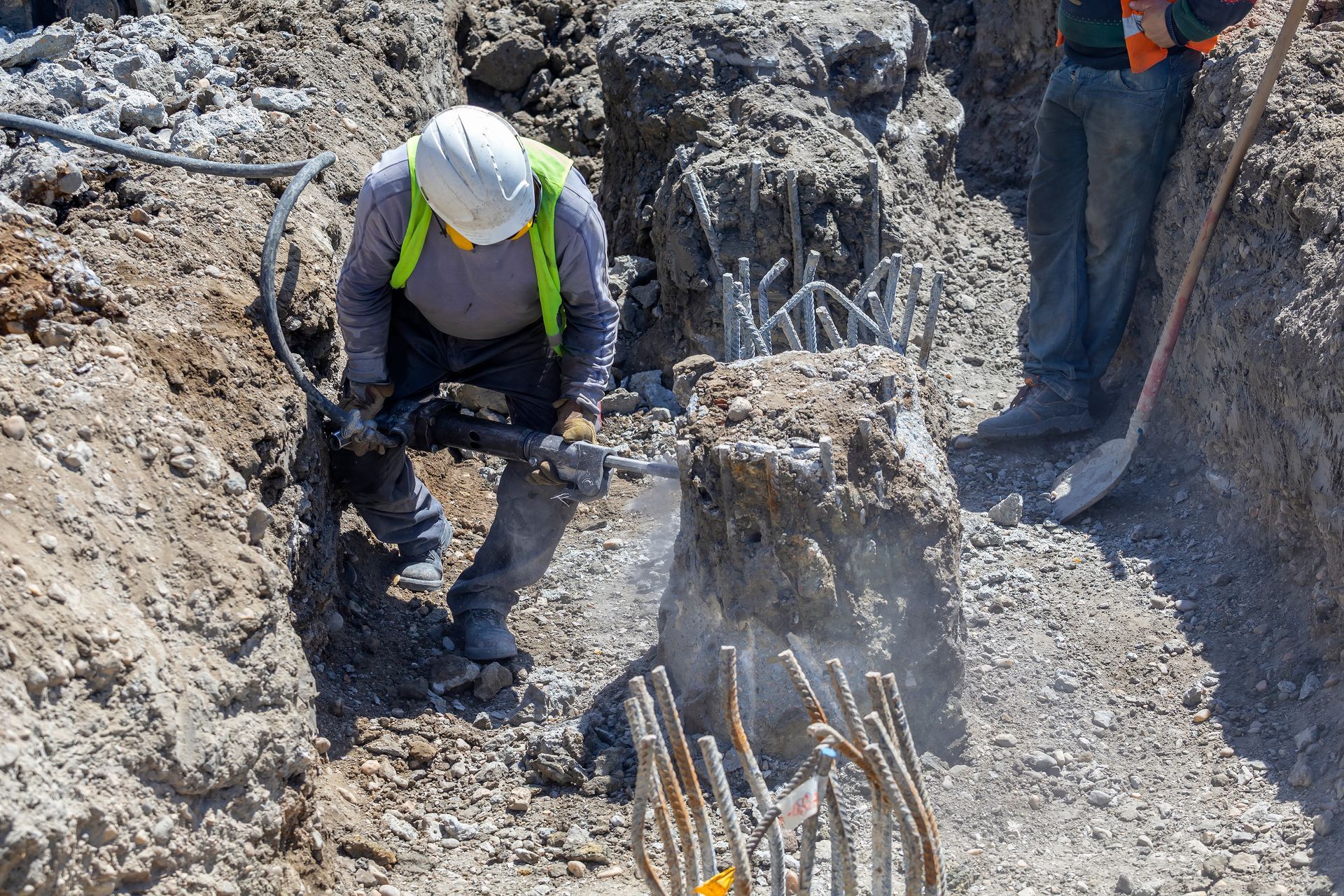
Contractor Insurance
Contractor insurance supports trades and service professionals across Southern California. It helps protect tools, equipment, and daily operations.

Cyber Liability Insurance
Cyber liability insurance helps protect business data and customer information. It supports recovery from digital incidents.

Commercial Property Insurance
Commercial property insurance helps protect offices, shops, and equipment. It supports recovery after covered damage.
Coverage Built for Specialized Work
Support for high-risk and service-driven industries.



Simple Steps Supported by Steady Guidance
A Clear Path to Coverage
Trusted by Clients Across Southern California
Clear service backed by real experiences.
Answers to Common Questions.
Clear explanations to guide your decisions.
How do I know which insurance policy is right for me?
We compare coverage options from multiple carriers to help you see differences in protection and price. You can review clear details and ask questions so you understand what each policy covers. Our team guides you step by step so you feel sure about your decision.
What factors affect my auto insurance premium?
Auto insurance premiums are influenced by your driving history, age, location, vehicle type, and coverage choices. A clean driving record and good safety features can help lower costs. We review these factors with you and help find coverage that fits your budget and needs.
Does homeowners insurance cover all types of damage?
Standard homeowners insurance protects your structure, personal belongings, liability, and additional living expenses in many cases. However, it usually does not include flood or earthquake damage without separate policies. We help you decide if extra coverage is right for your home and location.
Can I update my policy or get certificates online?
Yes. You can submit requests for policy changes and certificates through our online service form at any time. Our team processes those requests quickly and confirms updates once complete so you have the documents you need.
Do I need separate insurance for business risks like EPLI or E&O?
Yes. General liability and workers compensation cover many business risks but do not protect against all exposures. For example, Employment Practices Liability Insurance (EPLI) covers claims like wrongful termination or discrimination, and Errors & Omissions (E&O) covers claims based on mistakes in professional services. We help you identify which extra policies your business may need.
What happens if I need to file a claim?
If you need to file a claim, we guide you through the process and help you contact the insurance carrier. We explain what information you should provide, answer your questions, and stay available while the carrier reviews your claim. This support helps you move forward with confidence.
Contact Us