
A significant shift in California’s real estate and financial landscape has drawn the attention of investors and property owners alike. With the state’s economy topping U.S. GDP contributions, the role of commercial bonds continues to evolve. Recent market developments highlight factors such as fluctuating construction costs, trade uncertainties, and climate-related challenges affecting bond spreads. For those invested in commercial bond coverage in California, understanding these trends is critical. Insights from experts and up-to-date market statistics provide a deeper look into the opportunities and challenges in this space. For example, California's economy, which accounts for nearly 14.4% of U.S. GDP, has led to unique dynamics in municipal and commercial bonds
(nuveen.com).
Understanding the Commercial Bond Landscape in California
California’s commercial real estate market is dynamic, and its bond market reflects the state’s economic vibrancy and risks. With a robust $3.36 trillion economy and significant tax-supported debt, the environment for commercial bonds is both promising and complex (nuveen.com). Investors need to pay attention to the economic indicators at play, including municipal debt levels, commercial construction costs, and trends in delinquency rates.
In recent years, California has experienced shifts that have ripple effects across its financial markets. A record delinquency rate in the office sector underscores the risks that come with underperforming properties, while municipal debt issuance indicates local governments’ responses to fiscal challenges. These factors combine to create a layered risk environment that directly influences the spreads and yields of commercial bonds in the state.


By: Danielle Sweet
Commercial Insurance Agent at Caruso Insurance Services
Key Economic Drivers Impacting Commercial Bonds
California’s sizeable economy drives many facets of its commercial bond market. With the state’s GDP representing nearly 14.4% of national output (nuveen.com), it is no wonder that economic shifts in the state unquestionably affect bond performance. Investors must remain heterodox in their approach, reviewing municipal debt reports, state-backed initiatives, and trends in commercial real estate delays.
For instance, municipal agencies in 2024 reported an increase in debt issuance with 1,248 debt issues totaling approximately $78.1 billion (treasurer.ca.gov). This substantial issuance reflects local governments’ strategies to manage budgets, infrastructure, and growth, significantly impacting the supply and demand in the bond market. Bond spreads and yields adjust accordingly to suit the evolving risk profile.
Today’s economic environment demands that investors watch both macroeconomic factors and localized events, such as state-level fiscal policies and trade issues impacting development costs.
Trade Policies, Construction Costs, and Market Uncertainties
As California grapples with global trade tensions and local construction cost surges, real estate developers have had to re-evaluate project timelines. An insightful comment from a partner at a renowned law firm encapsulated the sentiment: trade tariffs and ambiguous policies were among the chief concerns influencing decisions (latimes.com).
This caution is evident in the fact that over a third of commercial real estate developers have delayed or canceled projects due to increased construction costs and ongoing trade tensions. Such delays inevitably have repercussions for the commercial bond market, creating uncertainty regarding expected revenues and cash flows that support bond repayments.
For those evaluating commercial bond coverage, these shifts serve as a reminder of the delicate balance between economic expansion and risk management. Tracking how these external pressures interact with local market conditions is paramount for making informed financial decisions.

The Impact of Office Delinquency Rates on Bond Performance
The office sector's health plays a crucial role in assessing the broader commercial real estate landscape. A recent study noted that the delinquency rate in the office sector reached a record high quarter, with rates surging to 11.66% (allviewrealestate.com). This uptick in delinquency highlights potential vulnerabilities in tenant quality and property cash flows, which can have a domino effect on bond performance.
When large portions of office properties underperform, underlying cash flows that back municipal and commercial bonds can become unpredictable. Investors and bond underwriters are increasingly factoring in these risks, which often lead to adjustments in the premiums demanded on bonds associated with office loans or commercial properties. The changing landscape calls for bond investors to seek comprehensive coverage options backed by up-to-date market intelligence.
Staying current with data on office performance can help assess the future stability of commercial bonds linked to real estate markets. For instance, elevated delinquency rates signal the need for more rigorous analysis and diversified risk management techniques.
California’s Municipal Debt and Bond Issuance Trends
Municipal debt is a cornerstone of California's overall financial structure. The state recorded the largest amount of tax-supported debt in the nation, reaching $98 billion (nuveen.com). This extensive debt load influences the secondary market for commercial bonds by informing investors about fiscal policies and budget priorities at the state level.
The year 2024 was notable for its high volume of debt issuances by state and local agencies, with 1,248 separate debt issues totaling around $78.1 billion (treasurer.ca.gov). These issuances reflect the state’s proactive approach to managing its fiscal challenges and funding critical infrastructure projects. The size and frequency of new debt issues can serve as indicators for the level of government support available to stabilize the market during economic downturns.
For investors, understanding these issuance trends is essential. A concentrated focus on municipal bonds helps mitigate broader market risks, but it also requires a nuanced understanding of how local economic health and bond spreads interact over time.
Assessing Risk in a Volatile Market Environment
California’s commercial bonds do not operate in isolation. Their performance reflects broader statewide conditions, including trade tensions, natural disasters, and evolving fiscal policies. Recent evidence suggests that market vulnerabilities have spurred caution among both developers and bond investors alike. For example, commercial real estate project delays and increased construction costs have introduced new variables into the equation (latimes.com).
Potential risks extend beyond the realm of construction and trade policies. Climate-related events, such as wildfires that recently affected Los Angeles County, started showing an impact on municipal bond spreads (ice.com). This trend marks a transition where traditional financial metrics must be balanced against environmental risk factors, challenging long-held assumptions about risk and return in the commercial bond market.
Investors are thus required to adopt a more holistic approach when assessing bond-related risks. This includes examining environmental, social, and governance (ESG) factors-a framework that has grown in relevance amid California's ongoing climate challenges.
Innovations in Bond Coverage: What Property Owners Need to Know
Commercial bond coverage in California has evolved as market risks expand. Property owners must now consider a range of factors that affect not only the immediate financial landscape but also long-term operational viability. Insurers and bond underwriters are increasingly offering more comprehensive policies that address both traditional financial risks and emerging environmental exposures.
Comprehensive bond coverage typically includes features that protect against project delays, rising construction costs, and potential revenue shortfalls resulting from underperformance or external shocks. For example, the insurance industry's response to the current climate crisis has prompted calls for detailed mitigation strategies at the property level (carriermanagement.com).
The integration of risk mitigants in bond coverage enhances financial resilience for property owners. Because commercial bonds often serve as a safety net during economic turbulence, comprehensive policies can help secure both immediate projects and long-term investment stability. These products have evolved to offer more granular protections suited to California's unique market conditions.
Comparative Analysis: Municipal Bonds versus Commercial Bonds
Investors often face the challenge of choosing between municipal bonds and commercial bonds as key components of a diversified portfolio. Each type of bond has its advantages, and understanding the differences can help mitigate risks and optimize returns. Municipal bonds, backed by large tax-supported debts in California, generally offer stability based on governmental backing (nuveen.com), while commercial bonds tend to exhibit variation based on project-specific risks and market cycles.
A comparative analysis reveals that municipal bonds often come with lower yields but increased stability, making them attractive for risk-averse investors. Commercial bonds, on the other hand, are tied to the performance of specific sectors such as office real estate, where rising delinquency rates can indicate higher risk but also the potential for higher returns if projects perform strongly.
A table below provides a side-by-side comparison of municipal bonds versus commercial bonds:
| Aspect | Municipal Bonds | Commercial Bonds |
|---|---|---|
| Credit Backing | Government-backed; lower risk | Project-specific; higher variability |
| Yield | Typically lower | Potential for higher yield |
| Market Sensitivity | Influenced by fiscal policies | Affected by sector performance and delays |
| Risk Factors | Political and fiscal stability | Construction costs, office delinquency rates |
This comparative view emphasizes the need for investors to choose based on their risk tolerance and market outlook. Each option offers distinct advantages that must be weighed against prevailing economic conditions and future projections.
Strategies for Managing Risks in California’s Bond Market
Navigating the complexities of California’s bond market requires proactive risk management strategies. Risk moderators include diversifying investments, staying updated on economic and environmental developments, and choosing coverage policies that align with current market conditions. Experts suggest that investors and property owners should seek professional guidance to tailor their approaches, ensuring that bond portfolios are robust enough to weather periods of volatility.
For instance, integrating robust risk management measures is key in addressing the uncertainties posed by trade disputes and construction delays (latimes.com). Such an approach might include holding a diverse mix of municipal and commercial bonds, coupled with strategic insurance products to mitigate potential losses.
Other strategies include actively monitoring market signals, such as widening bond spreads in response to climate-related events. By keeping a close watch on these indicators, investors can adjust their risk profiles quickly and take advantage of temporary market dislocations.
Mitigation Efforts and Policy Innovations in Bond Coverage
With California’s market challenges coming from varied directions, policy innovations in bond coverage have become critical. Insurers have started to address climate risk head on by integrating mitigation strategies that reflect recent market developments-such as wildfire impacts on bond spreads (ice.com), delays in commercial real estate projects, and evolving economic policies.
New coverage models now combine traditional bond insurance with additional layers of protection that address property-specific risks. This holistic approach allows property owners to manage the financial impacts of construction cost surges, trade uncertainty, and even localized environmental events. While these products are relatively new, early feedback suggests that they offer significant value, especially in high-risk areas of the state.
For those looking to update their commercial bond coverage, engaging with experts on environmental risk and fiscal policy can lead to more resilient portfolio configurations. Staying informed about regulatory changes and emerging risk factors is a critical element of long-term financial planning.
Emerging Trends: The Future of Commercial Bond Coverage
Looking ahead, the commercial bond landscape in California is set to evolve further. Innovations in technology and data analytics are likely to change how risks are assessed and how coverage is structured. Data-driven underwriting processes have begun to incorporate real-time market conditions, offering more custom-tailored policies that reflect the immediate needs of property owners and investors.
Another emerging trend is the growing integration of climate risk assessments into underwriting procedures. As illustrated by the reaction of Los Angeles County bond spreads to wildfire intensity, the financial industry is increasingly taking environmental factors into account (ice.com). Investors and property owners who stay abreast of these new developments may find themselves better positioned to navigate future market turbulence.
Beyond technology, a collaborative approach involving government agencies, insurers, and developers is becoming more common. These partnerships help to develop comprehensive risk mitigation strategies and ensure that bond coverage remains responsive to rapid changes in market conditions. The focus continues to shift toward ensuring that policies offer targeted relief at the property level, tailoring solutions to the precise nature of local risks.
Addressing Frequently Asked Questions on Commercial Bond Coverage
This section covers common questions that help clarify the nuances around commercial bond coverage in California. By addressing these queries, investors and property owners can better understand the value and application of different products in the current financial climate.
What are the primary risks affecting California commercial bonds?
The key risks include construction delays due to increased costs, environmental challenges such as wildfires, and trade uncertainties affecting project timelines (latimes.com). Investors must also pay attention to office sector delinquency rates and municipal debt trends.
How do municipal bonds differ from commercial bonds in California?
Municipal bonds are backed by governmental revenues and tax-supported debt, offering generally lower yields but enhanced stability. Commercial bonds, in contrast, are tied to the performance of specific real estate projects and tend to yield higher returns along with increased risk.
Why is it important to monitor office delinquency rates?
Office delinquency rates give an indication of cash flow challenges in the commercial real estate sector. High delinquency rates can signal potential weaknesses in revenue streams, which ultimately might affect bond repayment schedules.
What steps can be taken to mitigate risks in this market?
A diversified investment strategy, staying updated on economic trends, and choosing comprehensive coverage policies are effective steps. Engaging with experts who understand both traditional financial risks and emerging environmental concerns is also vital.
Can commercial bond coverage be tailored to individual property risks?
Yes, many insurers now offer policies that factor in localized risks including specific construction challenges and environmental exposures. Customizing coverage has become a key aspect of managing modern bond-related uncertainties.
How are new technologies influencing bond underwriting?
Advanced data analytics and real-time market monitoring are enabling more precise underwriting processes. This evolution allows insurers to adjust policy terms based on up-to-date market and environmental conditions, offering improved risk management over traditional methods.
Final Considerations for Commercial Bond Coverage in California
As California continues to lead in economic contribution and innovation, its commercial bonds offer both significant opportunities and notable challenges. The intricate balance between robust economic growth and emerging risks-from high construction costs to environmental uncertainties-demands that investors and property owners maintain a proactive and informed stance. With insights from market experts and regular updates on industry trends, those involved in commercial bond markets can optimize their coverage and safeguard investments.
Property owners, developers, and financial professionals alike should monitor metrics that affect bond performance, including municipal debt, office sector delinquency rates, and key policy innovations in insurance coverage (nuveen.com). A well-rounded understanding paired with comprehensive coverage options will empower stakeholders to navigate an often volatile market landscape successfully.
Staying current on regulatory changes, technological advancements, and evolving market conditions remains critical. Employing a diverse, informed strategy ensures that commercial bond investments in California continue to contribute positively to long-term portfolio stability.
Wrapping Things Up
Commercial bond coverage in California represents a dynamic and evolving sector. The intricate interplay of economic forces, trade policies, and environmental risks requires that investors and property owners remain agile and informed. With deep-rooted market shifts and emerging technological trends, the future of commercial bonds appears both challenging and promising. Measures to protect against market uncertainties, including updated risk mitigation and comprehensive bond coverage strategies, are more critical than ever.
Market players must understand that adopting proactive measures-such as diversification and staying aligned with current fiscal and environmental data-can make the difference between weathering market volatility and experiencing significant portfolio disruptions. A tailored approach, informed by both historical data and forward-looking trends, makes it possible to mitigate risks while capitalizing on emerging opportunities.
For anyone involved in California’s commercial real estate market or holding municipal debt, monitoring the evolving landscape is not optional-it is a strategic imperative. In a state with a $3.36 trillion economy, staying well-informed about commercial bond market trends can provide a solid foundation for long-term financial planning (treasurer.ca.gov).
ABOUT THE AUTHOR:
DANIELLE SWEET
HI! I am Danielle Sweet your insurance extraordinaire. I have been in the insurance industry since I was 19 years old working in many different areas of insurance to provide a broad knowledge base to our clients. I have three amazing children who keep me on my toes even as they are older. I have a passion for horses and am lucky to ride every week. I am truly blessed to be able to help business owners and individuals navigate the world of insurance and educate you to make an informed decision that is right for you.
Contact Us

Service that stays with you.
Our team helps simplify insurance decisions for families and businesses. We focus on clear explanations, fast responses, and dependable service. You can count on us for help with coverage questions, updates, and long-term support.
Coverage that keeps you secure
Reliable Protection for Everyday Life
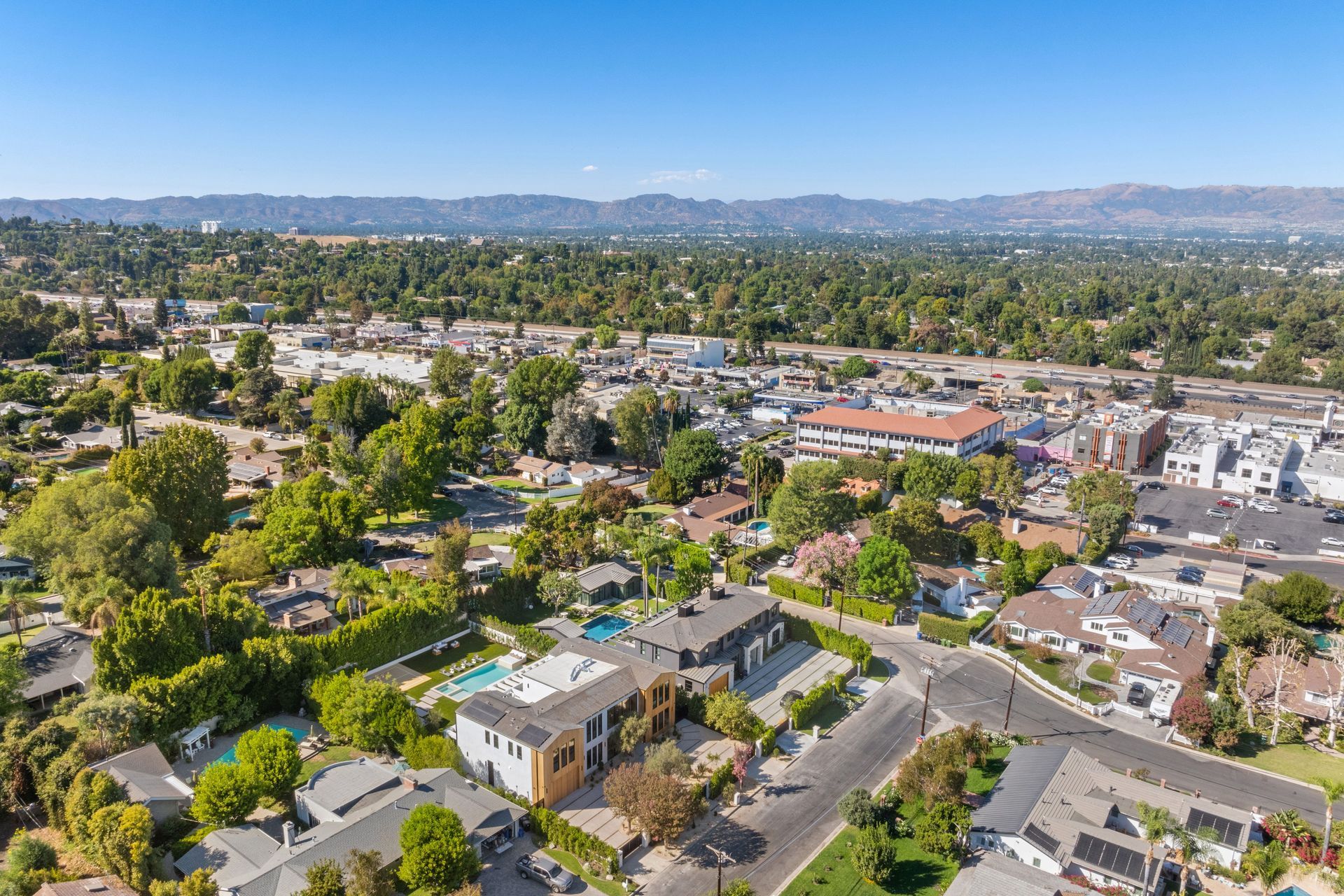
Home insurance helps protect your house, personal belongings, and liability risks. We explain coverage options clearly so you know what your policy includes.
Auto insurance provides protection for accidents, liability, and vehicle damage. We help you compare options so you can choose coverage that fits your driving needs.
Motorcycle insurance provides coverage for riders and their bikes. We help you select options that match how and where you ride.
RV insurance supports protection for motorhomes and recreational vehicles. Coverage applies during travel and while parked.
Coverage Built for Contractors and Trades
Support that keeps your work moving.

General Liability Insurance
General liability insurance helps protect contractors from injury and property damage claims. It supports jobsite requirements and contracts.

Workers Compensation
Workers compensation insurance helps protect employees injured while working. It also supports compliance with state requirements.

Commercial Auto Insurance
Commercial auto insurance provides coverage for work vehicles used on jobsites. It helps protect drivers and company vehicles.
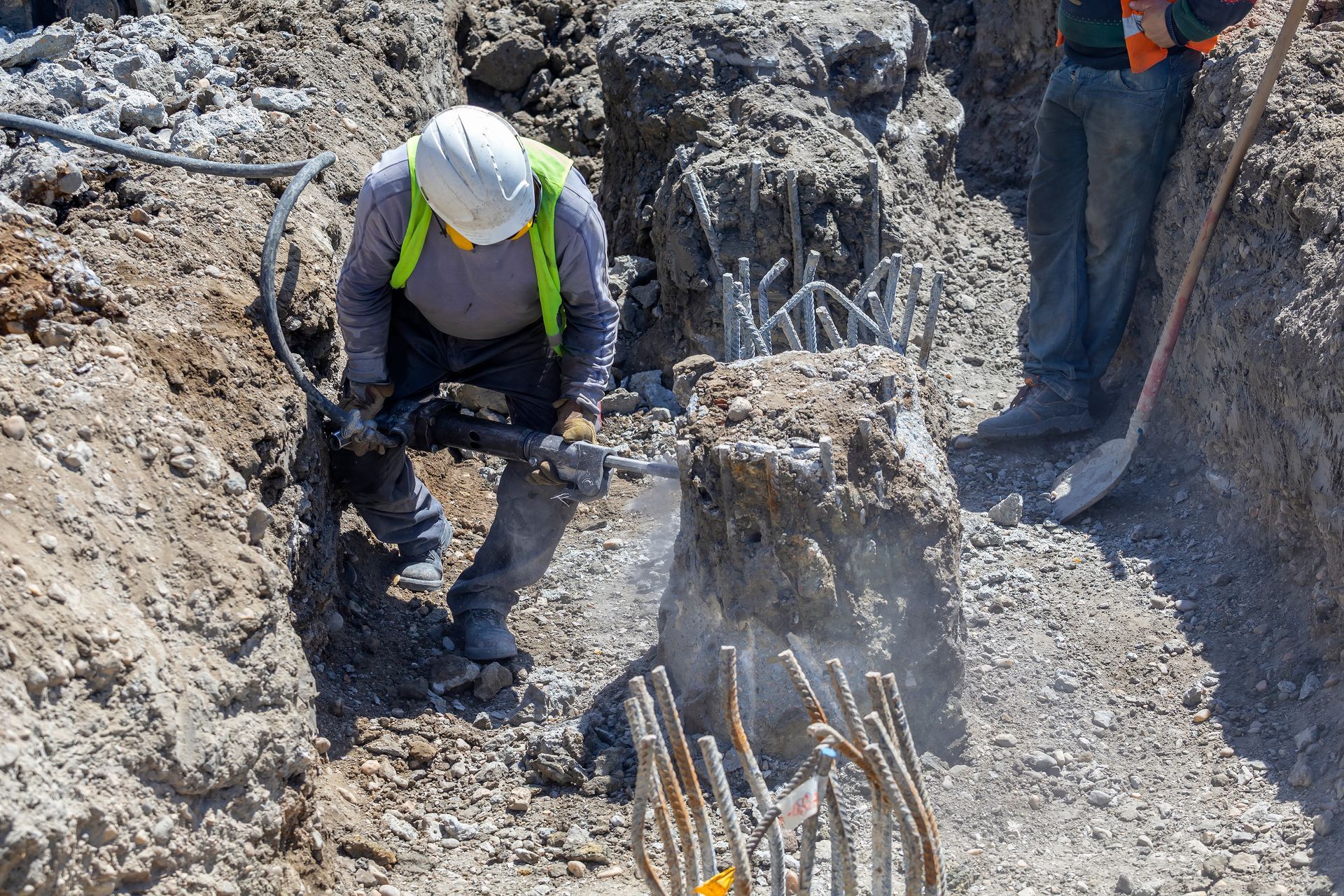
Contractor Insurance
Contractor insurance supports trades and service professionals across Southern California. It helps protect tools, equipment, and daily operations.

Cyber Liability Insurance
Cyber liability insurance helps protect business data and customer information. It supports recovery from digital incidents.

Commercial Property Insurance
Commercial property insurance helps protect offices, shops, and equipment. It supports recovery after covered damage.
Coverage Built for Specialized Work
Support for high-risk and service-driven industries.



Simple Steps Supported by Steady Guidance
A Clear Path to Coverage
Trusted by Clients Across Southern California
Clear service backed by real experiences.
Answers to Common Questions.
Clear explanations to guide your decisions.
How do I know which insurance policy is right for me?
We compare coverage options from multiple carriers to help you see differences in protection and price. You can review clear details and ask questions so you understand what each policy covers. Our team guides you step by step so you feel sure about your decision.
What factors affect my auto insurance premium?
Auto insurance premiums are influenced by your driving history, age, location, vehicle type, and coverage choices. A clean driving record and good safety features can help lower costs. We review these factors with you and help find coverage that fits your budget and needs.
Does homeowners insurance cover all types of damage?
Standard homeowners insurance protects your structure, personal belongings, liability, and additional living expenses in many cases. However, it usually does not include flood or earthquake damage without separate policies. We help you decide if extra coverage is right for your home and location.
Can I update my policy or get certificates online?
Yes. You can submit requests for policy changes and certificates through our online service form at any time. Our team processes those requests quickly and confirms updates once complete so you have the documents you need.
Do I need separate insurance for business risks like EPLI or E&O?
Yes. General liability and workers compensation cover many business risks but do not protect against all exposures. For example, Employment Practices Liability Insurance (EPLI) covers claims like wrongful termination or discrimination, and Errors & Omissions (E&O) covers claims based on mistakes in professional services. We help you identify which extra policies your business may need.
What happens if I need to file a claim?
If you need to file a claim, we guide you through the process and help you contact the insurance carrier. We explain what information you should provide, answer your questions, and stay available while the carrier reviews your claim. This support helps you move forward with confidence.
Contact Us