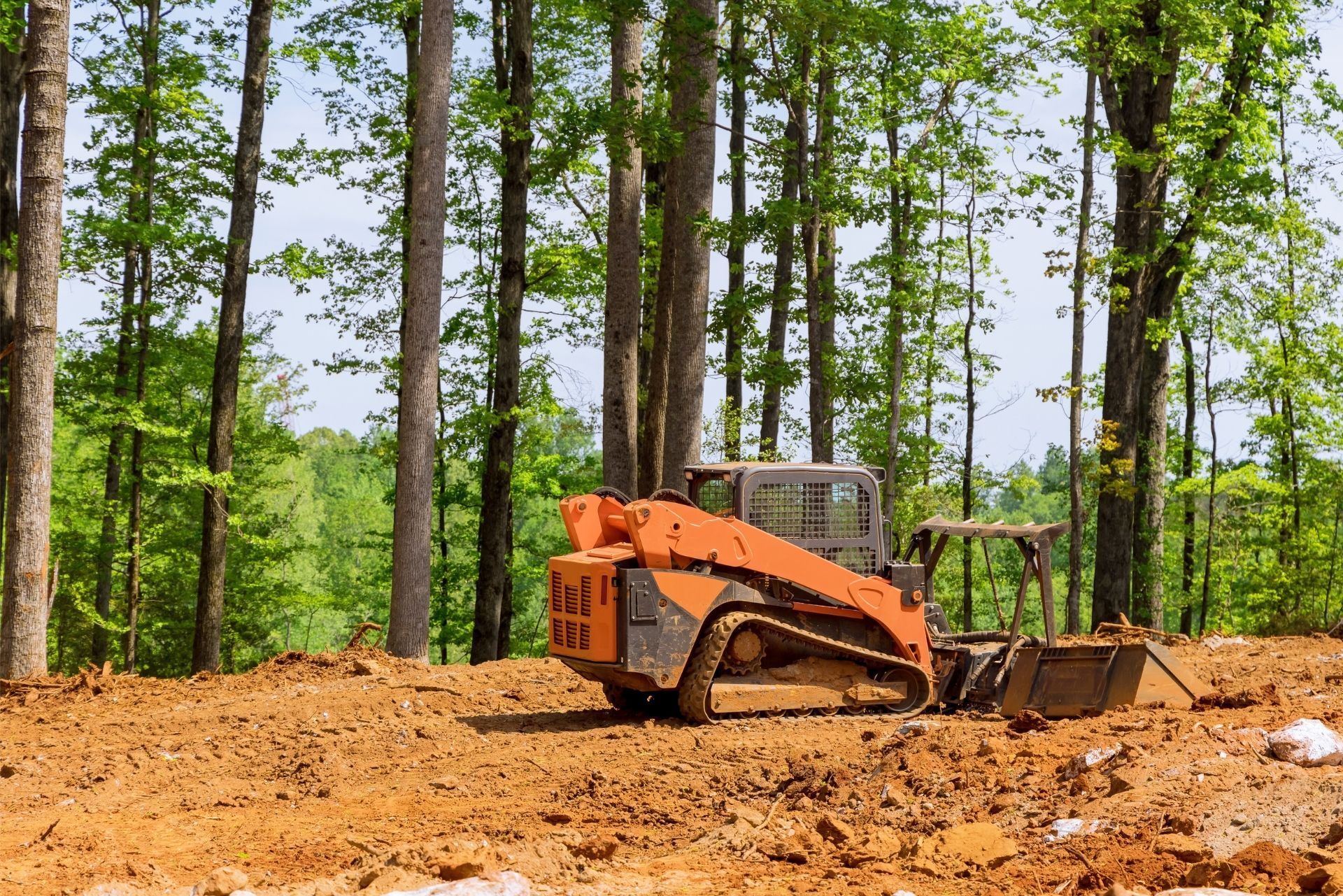
A construction site can turn into a financial nightmare the moment an unforeseen issue arises. For grading contractors in California, having the right insurance coverage is not just a regulatory requirement but a critical safety net. Recent changes and industry studies highlight potential pitfalls like construction defect liability and underinsurance that can put businesses at serious risk. A deeper look into these challenges reveals why tailored insurance solutions are indispensable for maintaining profitability and minimizing disruption on site.
Industry experts stress that understanding these risks is as crucial as knowing the local regulations.
Understanding the Unique Risks for California Grading Contractors
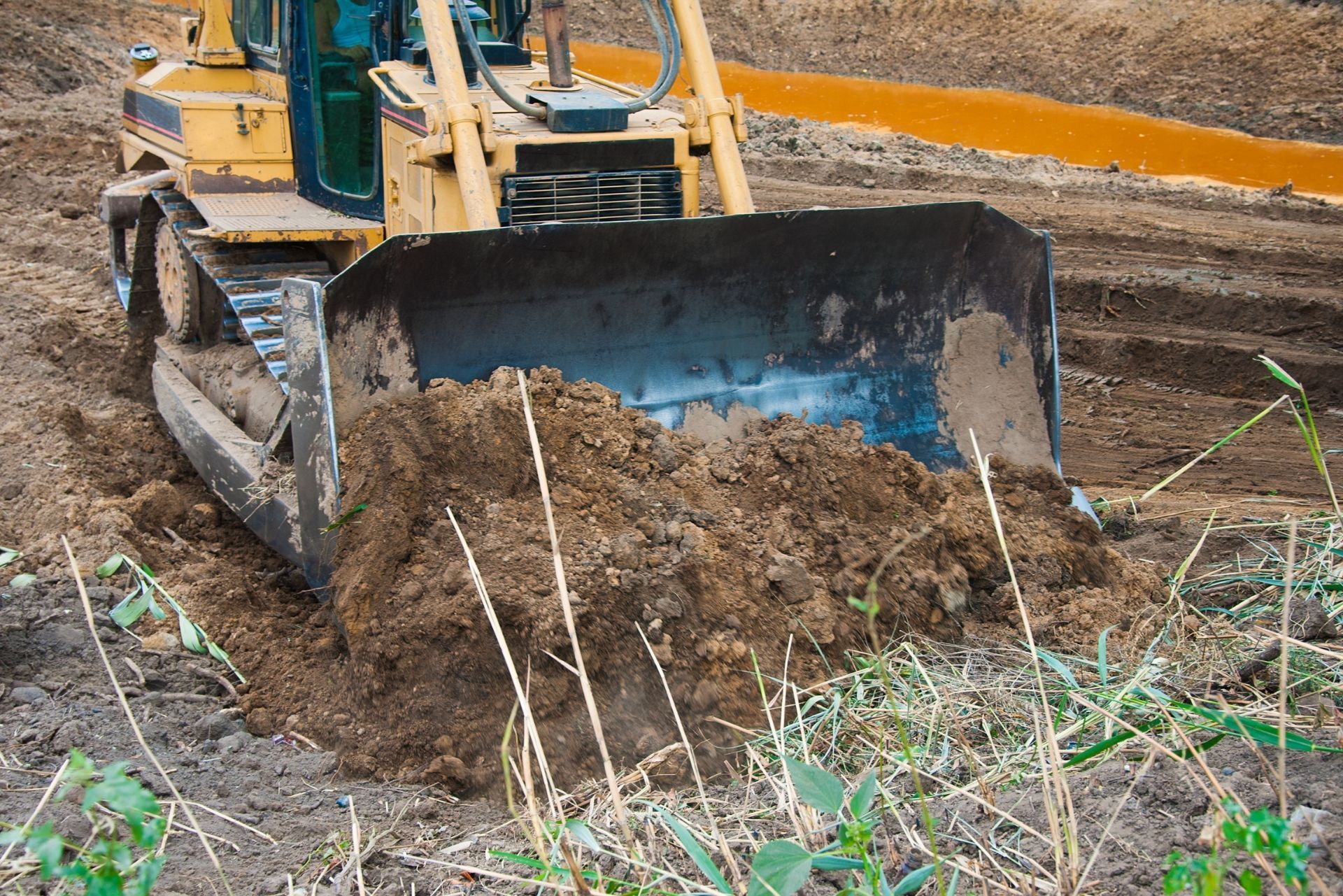
Land grading contractors in California operate in a complex environment, where soil conditions, environmental regulations, and construction standards interact to create unique risk profiles. Navigating this landscape requires a comprehensive approach to insurance that covers a multitude of scenarios. Leveled ground, uneven slopes, and unstable soil can lead to problems that extend far beyond mere delays in project timelines.
Contractors must consider not only the traditional risks associated with construction but also emerging challenges such as rising litigation over construction defects and the persistent problem of underpricing repairs. Reports indicate that significant financial burdens can arise from construction defect liability, particularly in California's housing development sector (EPS study).

By: Patrick Caruso
President of Caruso Insurance Services
Key Components of a Comprehensive Insurance Package
General Liability Insurance
General liability coverage is the cornerstone of any contractor's insurance package. It protects against claims related to bodily injury and property damage that may occur on the job site. For grading contractors, this means coverage for accidents involving heavy machinery or inadvertent damage to neighboring properties caused by earth movement.
This type of insurance provides a first line of defense against lawsuits and helps cover legal fees if a claim arises. Given that California contractors face a high frequency of claims, with some studies stating a 43% annual claim rate among contractors (industry report), robust general liability coverage is essential.
Workers' Compensation Insurance
Workers' compensation is mandatory for contractors in California who employ workers. Beyond being a legal requirement, it ensures that employees receive necessary medical treatment and wage replacement if injured on the job. This coverage is particularly important on a grading site, where heavy equipment and demanding physical work increase the risk of injury.
Recent regulatory updates suggest that adjustments in workers’ compensation thresholds could impact premiums. For instance, the Workers’ Compensation Insurance Rating Bureau (WCIRB) approved a proposal to increase the hourly wage threshold for several dual wage classifications by $2 to $5 per hour, effective September 1, 2026 (ranchomesa.com). This change may affect premium calculations, driving higher costs if contractors do not adjust their coverage accordingly.
Construction Defect Liability: A Hidden Threat
Construction defect liability can have a profound impact on the bottom line of a grading contractor's operation. Defects in grading work can lead to water drainage issues or structural instability, which may result in extensive repair costs. Studies confirm that construction defect liability contributes to significant burdens within California's housing development sector (EPS research).
When defaults in grading work manifest as water damage or foundational problems, the ensuing legal battles can drain resources and erode trust. Contracts and warranties need to be clearly defined, which places a premium on customized insurance coverage that explicitly addresses defect liability, ensuring that both contractors and property owners are covered in the event of a claim.
Dealing with Systemic Underinsurance and Underpricing Issues
Insurers have often been criticized for setting coverage limits using flawed algorithms. These methods, such as the 360Value pricing system used by some firms, have shown trends of underestimating reconstruction costs. For grading contractors, this underinsurance can lead to inadequate payouts in the event of a catastrophe. The mispricing of insurance coverage has been repeatedly highlighted as a systemic issue (calcoasttimes.com).
Underestimated reconstruction costs often result in contractors facing out-of-pocket expenses that can jeopardize business continuity. It is critical for contractors to work with experienced brokers who can negotiate more realistic coverage limits that truly reflect the risks inherent in large-scale grading operations.
Risk Management Strategies for Grading Contractors
A proactive approach to managing risk goes beyond purchasing robust insurance policies. Successful grading contractors invest in comprehensive risk management strategies, ranging from rigorous training protocols to regular equipment maintenance schedules. Emphasizing safety training helps reduce on-site injuries, which can lower workers' compensation claims and keep general liability claims in check.
Regular site audits and adherence to environmental regulations can prevent many common issues before they escalate into major claims. Documenting each phase of a project not only improves quality control but also provides crucial evidence if a defect-related claim surfaces. Consider incorporating digital tools that track project progress and monitor potential hazards in real time.
Special Considerations for California Contractors
In California, contractors face specific regulatory and environmental challenges that require tailored insurance packages. Beyond the typical risks, contractors must consider local laws that can influence coverage requirements and claim processes. Legal stipulations surrounding construction defect liability and workers' compensation often vary by county, underscoring the need for local expertise when structuring a policy.
Contractors in regions with strict seismic regulations, for example, may need additional coverage in case of earthquake-related damage-a risk compounded by the dynamic geological landscape of the state. Staying informed about local rulings and industry updates is crucial to ensure that insurance policies remain compliant with evolving local standards.
Coverage Gaps and How to Close Them
Despite the availability of various insurance products, gaps in coverage remain a common concern for many grading contractors. These gaps often emerge when insurers rely on internal rules that may not fully account for the diverse risks on a job site. Repair pricing is one such area where internal limits have led to underpricing, frequently leaving contractors vulnerable to insufficient payout amounts (sfchronicle.com).
Closing these coverage gaps requires a layered insurance approach. Contractors should explore endorsements and additional liability policies that specifically address pitfalls such as construction defect liability or environmental hazards. Collaborative discussions with insurers can also help tailor coverage limits-ensuring that all potential scenarios, whether rare or common, are adequately covered.
Innovative Insurance Products for the Modern Grading Contractor
Beyond traditional insurance coverage, new products have emerged that cater specifically to the needs of grading contractors. These modern solutions often bundle multiple coverages into one comprehensive plan, addressing general liability, property damage, and even environmental risks within a single package. Such bundled packages not only simplify administration but also offer potential cost savings.
Innovative policies are increasingly featuring dynamic pricing models that take into account the contractor's proactive risk management measures. This approach rewards safe practices by lowering premiums over time. For contractors who can demonstrate a consistent track record of safety and compliance, these programs can provide a significant financial advantage.
Implementing Best Practices in Insurance Management
Effective insurance management for grading contractors involves a combination of regular policy reviews, careful documentation, and strategic risk analysis. Maintaining up-to-date records and staying engaged with your insurance provider ensures that coverage remains aligned with the evolving scope of your projects. Regular audits can help uncover potential underinsurance issues, especially in light of systemic problems previously highlighted in the industry (industry insights).
Contractors are encouraged to schedule annual policy reviews and adjust their coverage as project scales or types change. This not only helps in meeting regulatory uncertainties but also in exploiting industry advances in policy formulations that better capture real-world costs and liabilities.
Comparing Key Insurance Coverage Options
A clear understanding of the differences between various insurance options can help contractors make informed decisions. The table below outlines a side-by-side comparison of coverage types relevant to grading contractors:
| Coverage Type | Main Benefits | Common Gaps |
|---|---|---|
| General Liability | Protection against bodily injury, property damage, and legal claims | May not cover all forms of construction defect liability |
| Workers' Compensation | Medical treatment and wage replacement for injured employees | Potential increases due to hourly wage threshold changes (WCIRB update) |
| Construction Defect Liability | Covers repair costs and legal fees resulting from construction defects | Often excluded or limited in standard policies |
| Environmental Liability | Protection against pollution claims and environmental remediation | May require separate endorsements |
This comparison underscores that while standard coverages provide basic protection, specialized endorsements and bundled policies may be necessary for comprehensive risk management in grading projects.
Cost Considerations and Premium Impacts
Insurance premiums for grading contractors are influenced by several factors, including past claims history, project scale, and even regional variations in risk. With reports noting a rate of 43% annual claims among California contractors, it becomes clear that premium costs are intertwined with the claim frequency and severity (contractor claims statistic).
The potential underpricing of repair costs due to flawed algorithms further complicates the premium landscape. Contractors must closely review the terms and conditions of offered policies to ensure that their premiums genuinely reflect the risks of reconstruction and repair. The combination of high claims rates and sophisticated risk assessments means that partnering with an informed broker can be a game-changer when negotiating terms.
Legal and Regulatory Considerations
Compliance with California’s stringent construction codes and insurance mandates is non-negotiable. Contractors must align their insurance policies with local legal requirements, which can vary significantly from one jurisdiction to another. For instance, ensuring that workers' compensation insurance meets regulatory minimums is essential for avoiding legal issues (legal guidelines).
Additionally, carefully reviewing any contractual obligations is crucial. Construction contracts often include clauses related to defect liability and insurance requirements that must be clearly understood before work begins. Consulting with legal professionals who specialize in construction law can help clarify these obligations and ensure that the insurance package fully complies with state regulations.
Practical Steps for Securing Adequate Coverage
Securing robust insurance coverage starts with a comprehensive risk assessment. Contractors should document all aspects of their operations from site management practices and safety protocols to equipment maintenance schedules. Detailed records can serve as powerful evidence in the event of a claim, reducing the likelihood of disputes over coverage limits.
Engaging with experienced insurance brokers is another vital step. These professionals bring specialized knowledge of the grading industry and can guide contractors in selecting policies that match the specific demands of their projects. Transparent communication with insurers about job-specific risks will lead to more accurate underwriting and better protection.
Tailoring Policies to Meet Project-Specific Needs
Every grading project has distinct characteristics, from the terrain and scale to the type of construction defect risks involved. Tailoring insurance policies to these specifics means negotiating coverage limits that truly address project risks rather than relying solely on generic policies.
For instance, if a project involves sensitive environmental areas or unstable soil conditions, negotiating additional environmental and defect liability coverage can prevent future financial strain. This proactive approach ensures that contractors are not caught off-guard if a defect arises or if unexpected damage occurs during grading operations.
Keeping Up with Industry Trends and Updates
Staying informed is key to effective risk management and policy maintenance. Industry trends such as the increase in construction defect liability claims and rising workers’ compensation costs have significant implications for how coverage is structured and priced. Regularly reviewing industry studies and news updates helps contractors understand how shifts in the market might affect their premiums and coverage options.
For example, emerging research reported by the
Commercial Litigation Outlook indicates that disputes over defective construction practices are likely to increase. Such insights can drive discussions with insurers to revise policy terms before gaps become problematic.
Integrating Risk Management with Overall Business Strategy
Insurance is one component of a broader risk management strategy. Successful grading contractors understand that robust risk management integrates insurance with operational best practices. Strategic planning that includes identifying potential hazards, investing in employee training, and employing modern technology for monitoring project conditions can significantly reduce incident rates.
The interplay between comprehensive risk management and well-structured insurance policies means that contractors are less likely to face unexpected financial setbacks. A holistic approach creates a resilient operational framework, ensuring that when problems do occur, they are swiftly and efficiently addressed.
Embracing Technological Advances in Insurance
Technology plays an increasingly important role in managing risk and evaluating insurance claims. For grading contractors, innovations that monitor site conditions in real time can assist in mitigating risks before they cause damage. Tools like digital project management platforms and automated safety checks not only improve efficiency but also provide invaluable data for insurers to assess risk accurately.
Modern insurers are beginning to incorporate these technological insights into their underwriting processes, adjusting premiums based on real-world performance metrics. This shift towards data-driven pricing models holds the promise of more accurately reflecting an operator's risk and potentially reducing premium costs for those who demonstrate proactive safety measures.
Case Studies: Learning from Real-World Experiences
Case studies of grading projects gone awry offer important lessons for contractors. Consider a scenario where a grading contractor faced extensive legal challenges after a seemingly minor defect escalated into a major infrastructure issue. The lack of a dedicated construction defect liability endorsement left the contractor exposed to repair costs that soared beyond initial estimates.
In another instance, contractors struggled with underinsurance when their policies failed to cover the true costs of emergency repairs. These real-world examples highlight the need for comprehensive coverage and the importance of understanding fine print in insurance contracts. Learning from these experiences, many contractors are now seeking deeper coverage and regularly consulting with industry experts to refine their policies.
Before You Go: Final Thoughts for Grading Contractors
Grading contractors in California face a unique and challenging environment that demands a robust and flexible insurance strategy. With risks ranging from construction defect liabilities to the dangers of underpricing and underinsurance, adopting a proactive approach is key. Engaging with knowledgeable brokers, tailoring policies to your specific projects, and integrating advanced risk management practices can shield your business from unforeseen setbacks.
The evolving industry landscape and the recent adjustments in regulatory frameworks, such as the workers' compensation updates, underscore the importance of staying informed and agile. When each risk is addressed with a tailored insurance solution, grading contractors can focus on delivering quality work while confidently managing potential hazards.
Frequently Asked Questions
Q1: Why is specialized insurance necessary for grading contractors?
A: Specialized insurance covers the unique risks associated with grading work, including construction defects, environmental hazards, and worker injuries. This ensures that contractors have tailored protection that addresses specific operational challenges.
Q2: What does construction defect liability insurance cover?
A: Construction defect liability insurance covers repair costs, legal fees, and other expenses arising from defects in construction work. It is especially important in offsetting the financial burdens associated with potential lawsuits and remediation costs (EPS study).
Q3: How can contractors address the issue of underinsurance?
A: Contractors should work with experienced brokers to negotiate coverage limits that reflect true reconstruction costs. Regular policy reviews and transparent risk assessments help minimize the risk of underinsurance.
Q4: What additional coverage should grading contractors consider?
A: Beyond general liability and workers' compensation, contractors may need endorsements for environmental liability and construction defect coverage. Tailored packages can address the full range of construction risks.
Q5: How do recent workers' compensation updates affect insurance premiums?
A: Updated wage thresholds can cause premium rates to rise if contractors do not adjust their coverage. Staying informed about regulatory changes ensures that policies remain adequate and compliant (WCIRB update).
Q6: What role does technology play in risk management for grading contractors?
A: Technological tools help monitor site conditions, track safety compliance, and provide data to insurers for more accurate underwriting. This approach supports proactive risk management and may lead to lower premiums.
Q7: Where can grading contractors find local insurance expertise?
A: Contractors should consider consulting locally based brokers and legal experts who are familiar with California’s regulatory landscape, ensuring all coverage complies with the state-specific requirements (local guidelines).
Before You Wrap Up
The multifaceted risks for California grading contractors necessitate a robust, adaptive, and well-understood insurance framework. From construction defect liability and underinsurance challenges to new workers’ compensation thresholds, every potential hazard demands attention. The importance of aligning insurance coverage with actual project risks-and adapting as those risks evolve-cannot be overstated.
Contractors are encouraged to review their existing policies, compare available offerings, and seek advice from trusted experts within the industry. With thorough risk management practices and an informed understanding of insurance dynamics, grading contractors can safeguard their businesses, ensure compliance, and maintain a competitive edge in a challenging industry.
Adopting an active role in managing insurance and risk factors today lays the foundation for long-term operational resilience. Every grading project, from small residential undertakings to massive commercial developments, benefits from the right mix of insurance coverage and risk control measures.
ABOUT THE AUTHOR:
PATRICK CARUSO
I’m Patrick Caruso, founder of Caruso Insurance, and I have spent more than 25 years helping families, contractors, and small businesses across Southern California make confident insurance decisions. I focus on explaining coverage in clear terms, comparing multiple carriers, and supporting clients with steady communication so they feel secure with each step. My goal is to provide dependable guidance, simple answers, and a smooth process for anyone who needs personal or business insurance.
Contact Us

Service that stays with you.
Our team helps simplify insurance decisions for families and businesses. We focus on clear explanations, fast responses, and dependable service. You can count on us for help with coverage questions, updates, and long-term support.
Coverage that keeps you secure
Reliable Protection for Everyday Life
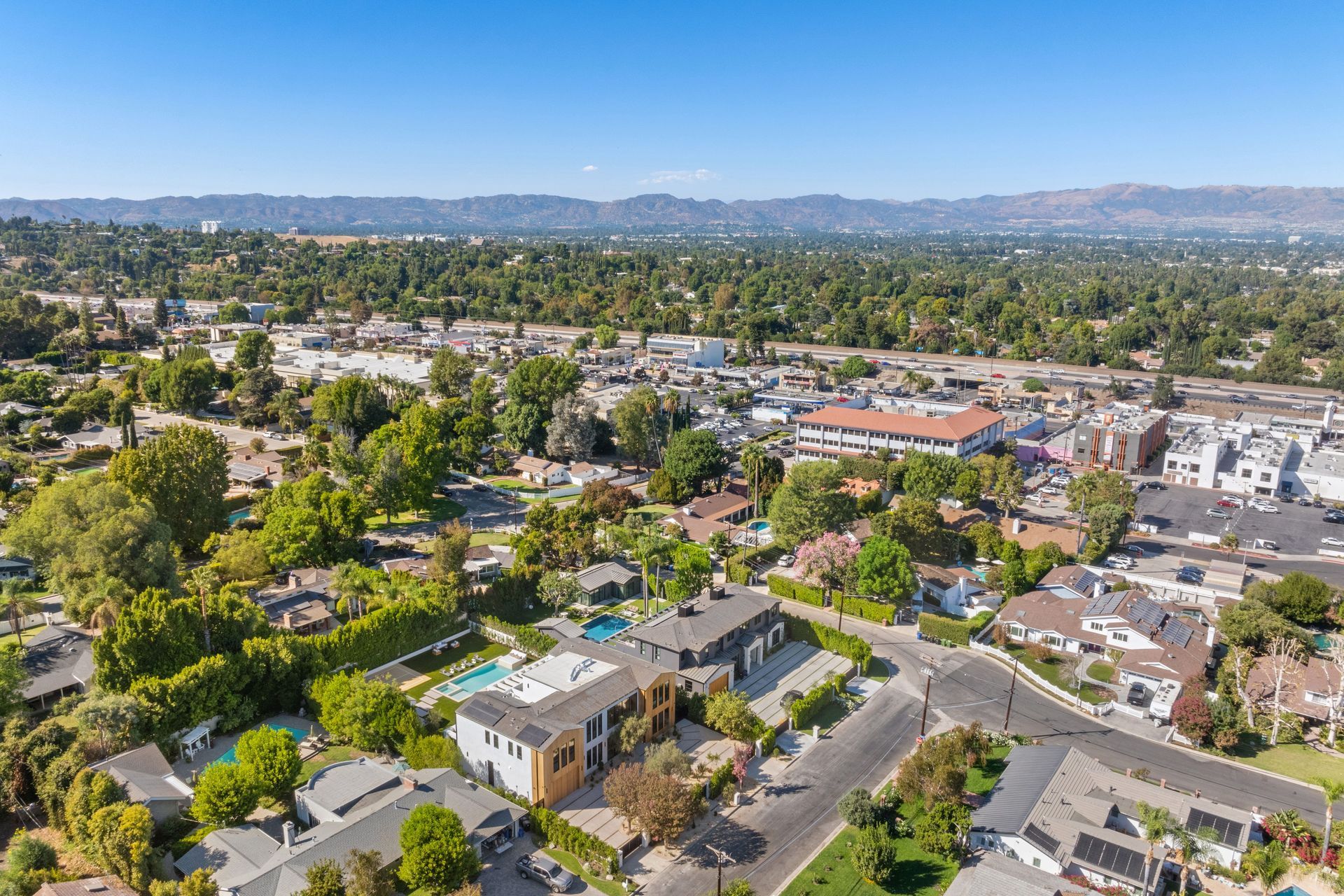
Home insurance helps protect your house, personal belongings, and liability risks. We explain coverage options clearly so you know what your policy includes.
Auto insurance provides protection for accidents, liability, and vehicle damage. We help you compare options so you can choose coverage that fits your driving needs.
Motorcycle insurance provides coverage for riders and their bikes. We help you select options that match how and where you ride.
RV insurance supports protection for motorhomes and recreational vehicles. Coverage applies during travel and while parked.
Coverage Built for Contractors and Trades
Support that keeps your work moving.

General Liability Insurance
General liability insurance helps protect contractors from injury and property damage claims. It supports jobsite requirements and contracts.

Workers Compensation
Workers compensation insurance helps protect employees injured while working. It also supports compliance with state requirements.

Commercial Auto Insurance
Commercial auto insurance provides coverage for work vehicles used on jobsites. It helps protect drivers and company vehicles.
Contractor Insurance
Contractor insurance supports trades and service professionals across Southern California. It helps protect tools, equipment, and daily operations.

Cyber Liability Insurance
Cyber liability insurance helps protect business data and customer information. It supports recovery from digital incidents.

Commercial Property Insurance
Commercial property insurance helps protect offices, shops, and equipment. It supports recovery after covered damage.
Coverage Built for Specialized Work
Support for high-risk and service-driven industries.



Simple Steps Supported by Steady Guidance
A Clear Path to Coverage
Trusted by Clients Across Southern California
Clear service backed by real experiences.
Answers to Common Questions.
Clear explanations to guide your decisions.
How do I know which insurance policy is right for me?
We compare coverage options from multiple carriers to help you see differences in protection and price. You can review clear details and ask questions so you understand what each policy covers. Our team guides you step by step so you feel sure about your decision.
What factors affect my auto insurance premium?
Auto insurance premiums are influenced by your driving history, age, location, vehicle type, and coverage choices. A clean driving record and good safety features can help lower costs. We review these factors with you and help find coverage that fits your budget and needs.
Does homeowners insurance cover all types of damage?
Standard homeowners insurance protects your structure, personal belongings, liability, and additional living expenses in many cases. However, it usually does not include flood or earthquake damage without separate policies. We help you decide if extra coverage is right for your home and location.
Can I update my policy or get certificates online?
Yes. You can submit requests for policy changes and certificates through our online service form at any time. Our team processes those requests quickly and confirms updates once complete so you have the documents you need.
Do I need separate insurance for business risks like EPLI or E&O?
Yes. General liability and workers compensation cover many business risks but do not protect against all exposures. For example, Employment Practices Liability Insurance (EPLI) covers claims like wrongful termination or discrimination, and Errors & Omissions (E&O) covers claims based on mistakes in professional services. We help you identify which extra policies your business may need.
What happens if I need to file a claim?
If you need to file a claim, we guide you through the process and help you contact the insurance carrier. We explain what information you should provide, answer your questions, and stay available while the carrier reviews your claim. This support helps you move forward with confidence.
Contact Us