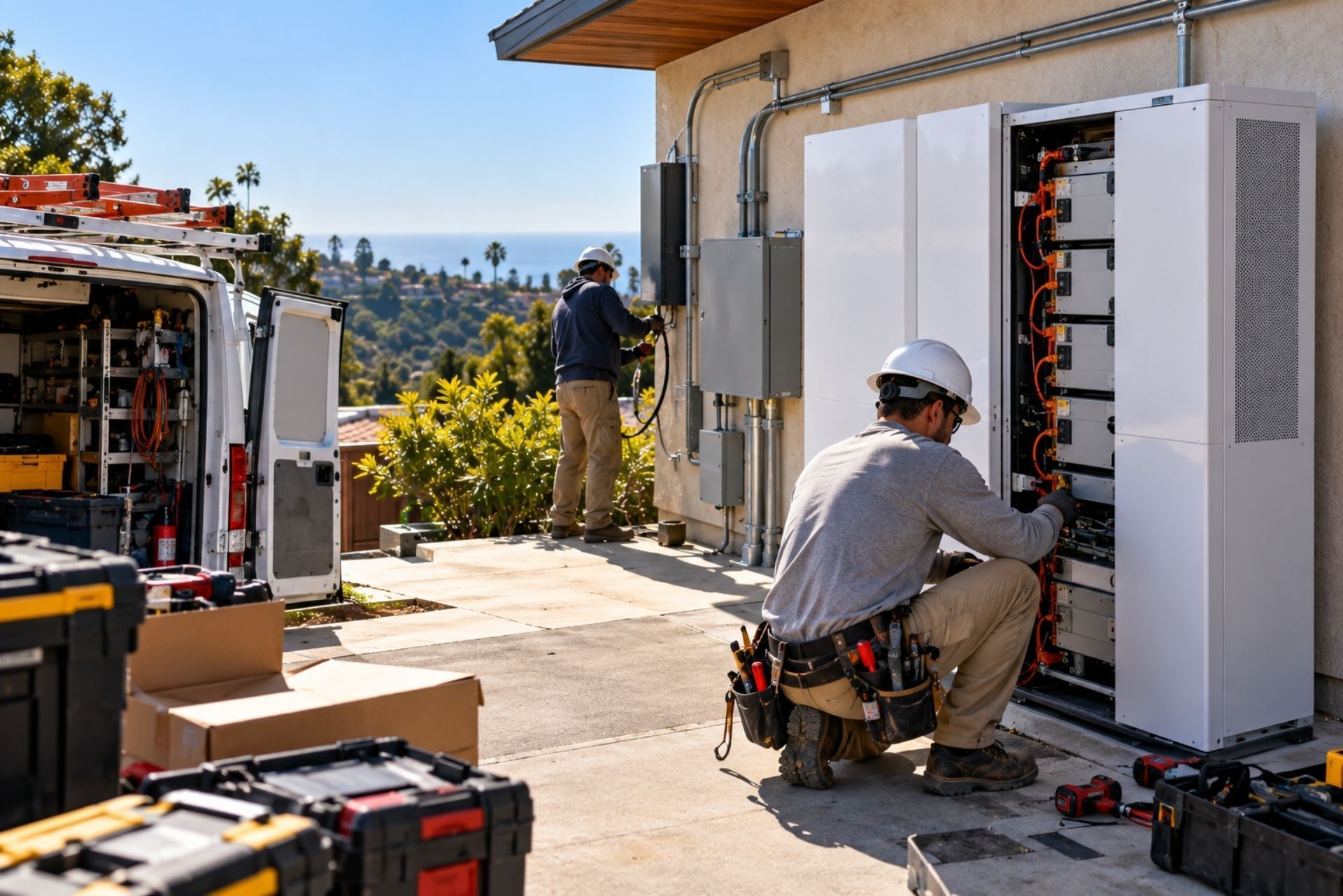
California's battery storage market is booming, and the insurance side of the business hasn't kept up. Most installers I've talked to are either underinsured, paying too much, or carrying policies with exclusions that would gut them in a real claim. The state added over 10 GW of battery storage capacity between 2020 and 2025, and residential installations surged after net metering changes made batteries nearly essential for solar ROI. But here's the problem: lithium-ion systems carry fire, chemical, and liability risks that standard electrical contractor policies weren't designed for.
If you're a battery storage installer operating in California, your
insurance portfolio needs to cover
general liability, fire and thermal events, workers' compensation, inland marine, and completed operations - at minimum. Getting any one of these wrong can cost you your
CSLB license, your ability to bid on projects, or your entire business after a single incident. This guide breaks down each coverage type, explains what California specifically demands, and shows you where most installers leave money on the table or
gaps in their protection.
The Evolving Landscape of Energy Storage in California
California's push toward 100% clean energy by 2045 has turned battery storage from a niche add-on into a core part of nearly every solar project. The state's grid reliability problems, wildfire-driven shutoffs, and aggressive decarbonization targets have created a market where installers can barely keep up with demand. But that growth has also attracted scrutiny from regulators, insurers, and the Contractors State License Board.
Meeting CSLB Licensing and Insurance Requirements
As of 2026, General Liability insurance is not a universal requirement for all CSLB license holders, but it is mandatory for contractors organized as Limited Liability Companies (LLCs), which must carry at least $1 million in coverage (https://readylaneinsurance.com/do-contractors-need-general-liability-insurance-in-california/). If you're doing both electrical and solar work, you may need dual licensing, and each license carries its own insurance verification. The CSLB actively audits contractors, and a lapsed mandatory policy can trigger automatic license suspension - which means every active project stops (https://wpinsure.com/blog/general-contractor-insurance-san-diego/).
Beyond the minimums, most commercial and utility-scale project owners require $2 million to $5 million in general liability, plus umbrella coverage. If you're bidding on anything larger than residential, your insurance limits are often the first thing a general contractor checks.
Impact of NEM 3.0 on Battery Installation Volume
NEM 3.0 slashed the value of exported solar electricity by roughly 75%, which made standalone solar a harder sell for homeowners. The flip side: battery storage became almost mandatory for new solar installations to pencil out financially. This policy shift drove a massive increase in residential battery installs starting in 2023, and that wave hasn't slowed.
More installations mean more exposure. Every battery you mount on a garage wall or wire into a main panel is a potential liability event for years after you leave the jobsite. Your insurance needs to reflect this volume increase, not just your revenue.

By: Patrick Caruso
President of Caruso Insurance Services
Essential Liability Coverage for Battery Contractors
Liability coverage is where most installers get the basics right but miss critical details. A standard general liability policy for an electrical contractor covers slip-and-fall at a jobsite, sure. But battery storage work introduces risks that require specific endorsements and policy structures.
General Liability and Completed Operations
Your general liability policy covers damage or injury caused during active work. Completed operations coverage picks up where GL leaves off: it protects you after the job is done and you've left the site. For battery installers, completed operations is arguably more important than active-work coverage because thermal events and wiring failures often manifest months or years after installation.
One critical trap to watch for: many budget policies include a "Your Work" exclusion that can void completed operations claims if a fire traces back to your own wiring or connections. If your policy has this exclusion, you're essentially paying for coverage that disappears the moment you need it most. Insist on a policy that explicitly covers your own work under completed operations.
Professional Liability for System Design Errors
If you're specifying battery capacity, designing system layouts, or recommending specific inverter-battery pairings, you're performing design work. Standard GL policies don't cover errors in professional judgment or design. A homeowner whose system underperforms because you sized the battery wrong, or a commercial client whose backup power fails during an outage because of your load calculations, can bring a professional liability claim.
Professional liability (errors and omissions) coverage fills this gap. Premiums for battery storage design work typically run higher than standard electrical E&O because insurers view energy storage system sizing as a specialized risk.
Pollution Liability for Hazardous Materials and Fire
Lithium-ion batteries contain electrolytes and materials classified as hazardous. If a battery you installed ruptures, vents toxic gases, or causes a fire that requires hazmat cleanup, your general liability policy almost certainly excludes pollution-related costs. A dedicated pollution liability policy covers cleanup, third-party bodily injury from toxic exposure, and environmental remediation.
In California, where air quality regulations are among the strictest in the country, a single battery fire in a residential neighborhood can trigger regulatory involvement from local air quality management districts. Remediation involves specialized testing for toxic heavy metals like nickel, cobalt, and lithium, as well as corrosive gases (https://www.mayfieldenv.com/battery-fire-cleanup-decontamination/).
Mitigating High-Risk Factors in Lithium-Ion Systems
Lithium-ion chemistry is inherently more volatile than most building materials installers work with. Insurers know this, and the ones writing battery storage policies are paying close attention to how you manage these risks.
Managing Thermal Runaway and Fire Suppression Risks
Thermal runaway - where a battery cell overheats and triggers a chain reaction in adjacent cells - is the nightmare scenario for installers and insurers alike. Insurers have started warning that a system passing its performance guarantee test tells an owner less than they might assume about real-world safety and performance. A battery can pass commissioning and still develop internal faults months later.
Your best defense is documentation. Photograph every connection, torque every terminal to manufacturer spec and log it, and follow NFPA 855 spacing and ventilation requirements to the letter. Insurers increasingly ask for this documentation during underwriting, and having it ready can meaningfully reduce your premiums.
Product Liability and Manufacturer Recalls
When a battery cell defect causes a fire, the manufacturer bears primary product liability. But here's what catches installers off guard: if your installation deviated from the manufacturer's specs in any way, even minor things like mounting orientation or wire gauge, liability can shift to you. Plaintiff attorneys look for any installation deviation to pull the installer into the claim alongside the manufacturer.
Keep every manufacturer installation manual on file, version-dated. If a recall hits a product you've installed, your completed operations coverage and your documentation trail determine whether you're protected or exposed.
California-Specific Workers' Compensation Needs
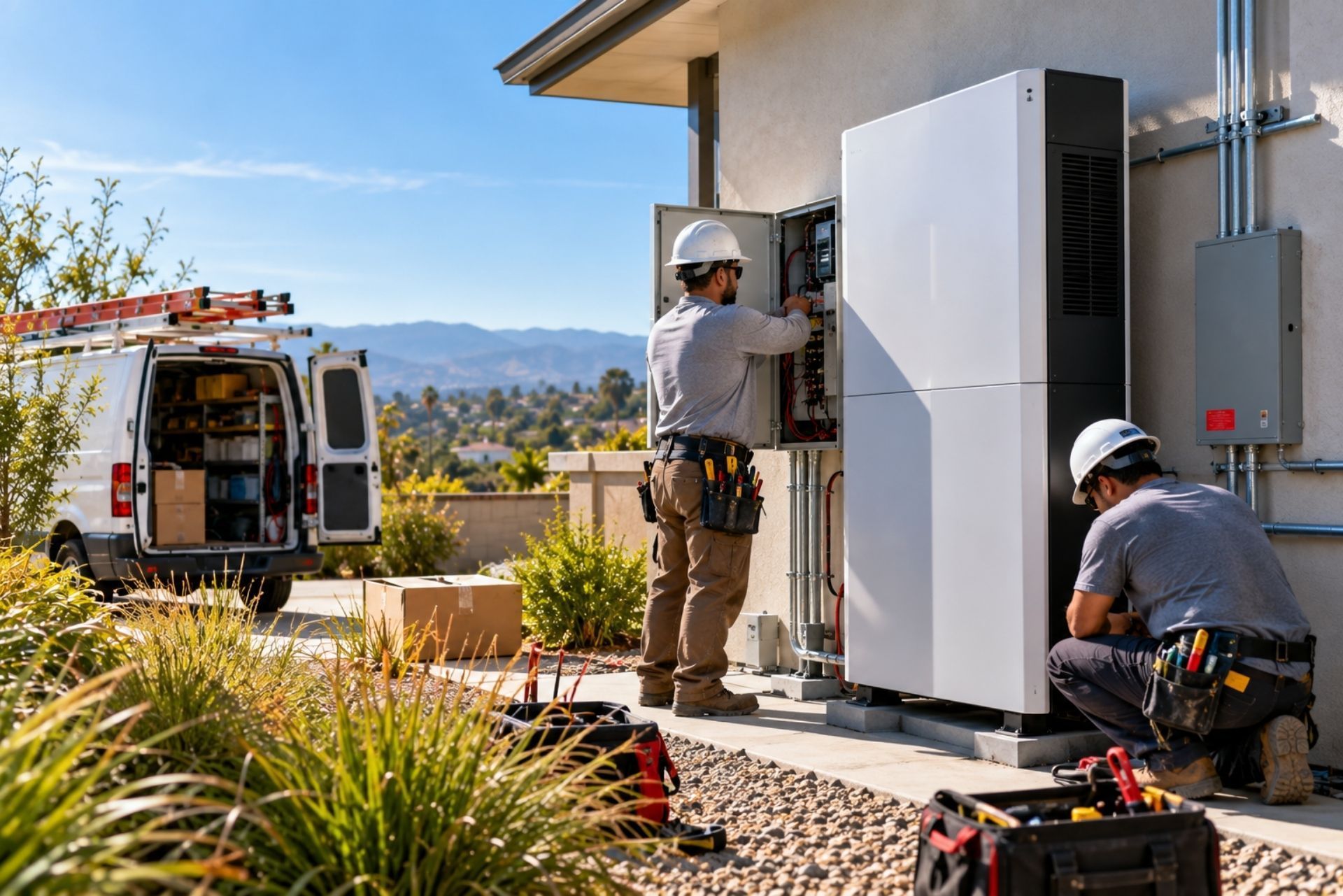
Workers' comp in California is mandatory for any employer, with no exceptions for small crews. The state's system is complex, and battery storage work introduces classification and rating challenges that directly affect your premiums.
Classification Codes for Battery Storage Technicians
Most battery storage installers fall under WCIRB Class 5140 or 5190 for electrical wiring. Effective September 1, 2026, the WCIRB increased the dual wage threshold for these classifications to $40.00 per hour. This matters because installers paying above that threshold qualify for "High Wage" pure premium rates of approximately $3.863 per $100 of payroll, while those paying below it face "Low Wage" rates of roughly $2.180.
Here's the math: for a crew of five technicians each earning $85,000 annually, the difference between high-wage and low-wage classification could swing your annual workers' comp premium by several thousand dollars. Paying above threshold isn't just good for retention - it directly reduces your insurance costs per dollar of payroll at the pure premium level.
Safety Protocols to Lower Experience Modification Rates
Your Experience Modification Rate (EMR or X-Mod) is the single biggest lever you have on workers' comp costs. An EMR of 1.0 is average; anything above 1.0 means you're paying a surcharge, and anything below means you're getting a discount. One serious injury claim - a fall from a roof, an arc flash burn, electrocution - can push your EMR above 1.0 for three years.
Invest in documented safety programs: weekly toolbox talks, annual OSHA 10 or 30 certifications for all field staff, mandatory PPE protocols for high-voltage work, and incident reporting systems. Insurers and the WCIRB both factor these programs into your rating. A company with an EMR of 0.85 versus 1.15 on $500,000 of annual payroll saves real money every single year.
Protecting Physical Assets and Supply Chains
Battery modules, inverters, and balance-of-system components are expensive and vulnerable to damage, theft, and supply chain disruption. Standard commercial property insurance doesn't cover equipment in transit or staged at jobsites.
Inland Marine for High-Value Battery Transport
Inland marine insurance covers goods in transit and at temporary locations. A single pallet of residential battery modules can represent $30,000 to $80,000 in value. If that pallet is damaged in transit, stolen from a delivery truck, or destroyed in a warehouse fire before installation, your standard property policy won't cover it.
Inland marine policies for battery storage contractors should specifically cover lithium-ion products, since some carriers exclude them due to fire risk. Get this confirmed in writing before you bind the policy.
Installation Floaters for On-Site Equipment
An installation floater covers materials and equipment at the jobsite from the moment they arrive until the project is completed and accepted by the owner. This bridges the gap between your inland marine coverage (which ends at delivery) and the owner's property insurance (which starts at project acceptance).
For commercial battery projects where you might have $200,000 or more in equipment staged on-site for weeks, an installation floater is not optional - it's essential. Make sure your floater covers the full replacement value of all materials on-site, including components you haven't yet installed.
The 2026 insurance market is showing a sharper divergence where property rates for well-engineered battery storage portfolios have softened while casualty pricing remains flat. This means your engineering and safety practices directly influence what you pay.
Start with documentation. Insurers reward contractors who can demonstrate consistent installation quality through photo logs, commissioning reports, and maintenance records. Annual property inspections of your own facilities, detailed maintenance documentation with photos and reports, and safety retrofits all signal lower risk to underwriters.
Bundle your policies where possible. Carrying GL, completed operations, inland marine, and workers' comp with the same carrier or through the same broker often unlocks package discounts of 10% to 15%. Work with a broker who specializes in contractor or energy insurance - generalist brokers often don't know which carriers are competitive for battery storage risks.
Keep your claims history clean. Every claim you file gets recorded in industry databases, and a pattern of losses makes you expensive to insure for years. Set appropriate deductibles that discourage filing small claims, and handle minor incidents out of pocket when the math makes sense.
The battery storage insurance market in California is specialized and evolving fast. Getting the right coverage for general liability, thermal and fire events, workers' comp, inland marine, and completed operations isn't just about compliance - it's about protecting a business that's increasingly valuable in a state that desperately needs what you do. Review your policies annually, document everything, and work with a broker who understands both energy storage technology and California's regulatory environment. The installers who treat insurance as a strategic investment rather than a grudging expense are the ones still in business five years from now.
ABOUT THE AUTHOR:
PATRICK CARUSO
I’m Patrick Caruso, founder of Caruso Insurance, and I have spent more than 25 years helping families, contractors, and small businesses across Southern California make confident insurance decisions. I focus on explaining coverage in clear terms, comparing multiple carriers, and supporting clients with steady communication so they feel secure with each step. My goal is to provide dependable guidance, simple answers, and a smooth process for anyone who needs personal or business insurance.
Contact Us

Service that stays with you.
Our team helps simplify insurance decisions for families and businesses. We focus on clear explanations, fast responses, and dependable service. You can count on us for help with coverage questions, updates, and long-term support.
Coverage that keeps you secure
Reliable Protection for Everyday Life
Home insurance helps protect your house, personal belongings, and liability risks. We explain coverage options clearly so you know what your policy includes.
Auto insurance provides protection for accidents, liability, and vehicle damage. We help you compare options so you can choose coverage that fits your driving needs.
Motorcycle insurance provides coverage for riders and their bikes. We help you select options that match how and where you ride.
RV insurance supports protection for motorhomes and recreational vehicles. Coverage applies during travel and while parked.
Coverage Built for Contractors and Trades
Support that keeps your work moving.

General Liability Insurance
General liability insurance helps protect contractors from injury and property damage claims. It supports jobsite requirements and contracts.

Workers Compensation
Workers compensation insurance helps protect employees injured while working. It also supports compliance with state requirements.

Commercial Auto Insurance
Commercial auto insurance provides coverage for work vehicles used on jobsites. It helps protect drivers and company vehicles.
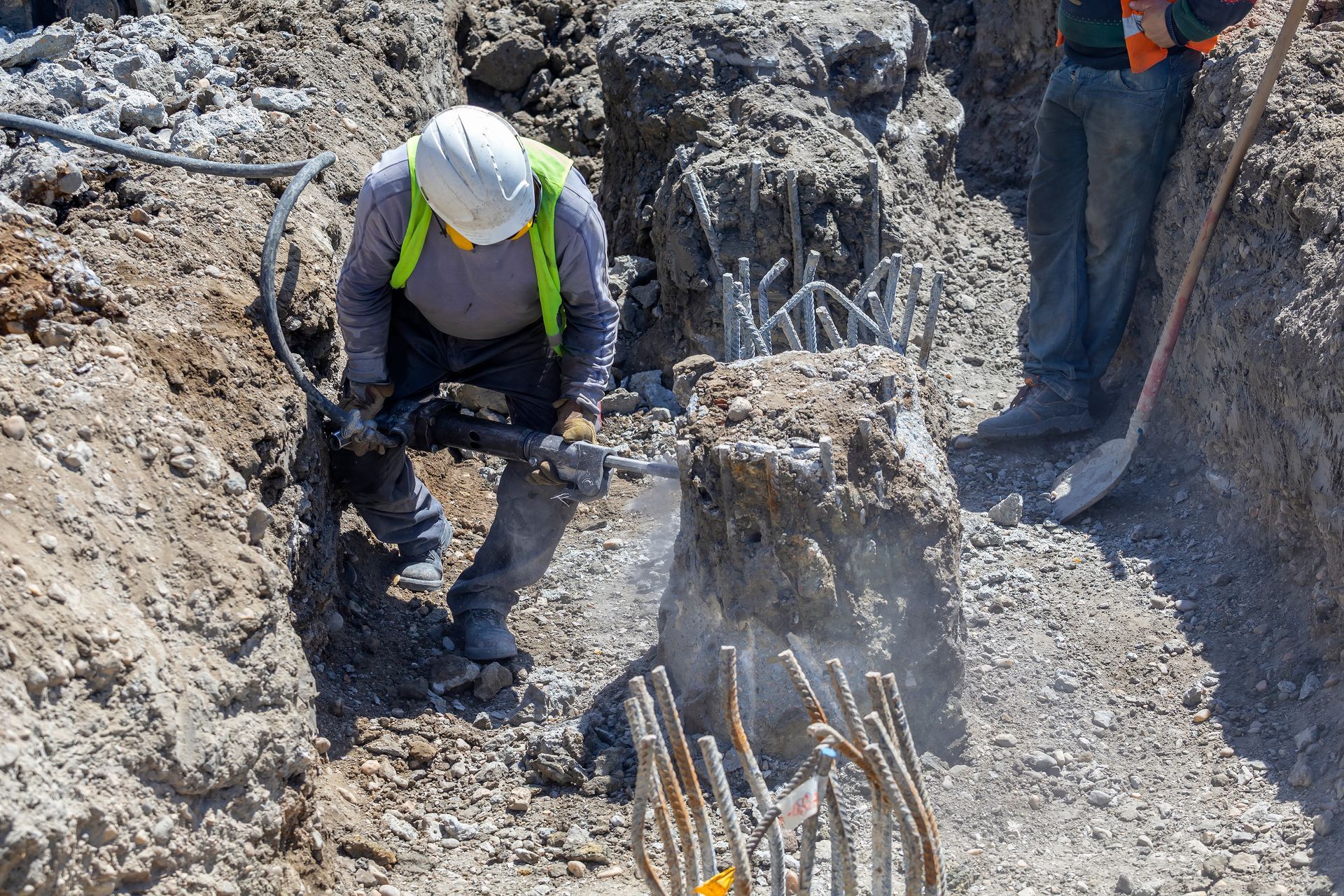
Contractor Insurance
Contractor insurance supports trades and service professionals across Southern California. It helps protect tools, equipment, and daily operations.

Cyber Liability Insurance
Cyber liability insurance helps protect business data and customer information. It supports recovery from digital incidents.

Commercial Property Insurance
Commercial property insurance helps protect offices, shops, and equipment. It supports recovery after covered damage.
Coverage Built for Specialized Work
Support for high-risk and service-driven industries.


Simple Steps Supported by Steady Guidance
A Clear Path to Coverage
Trusted by Clients Across Southern California
Clear service backed by real experiences.
Answers to Common Questions.
Clear explanations to guide your decisions.
How do I know which insurance policy is right for me?
We compare coverage options from multiple carriers to help you see differences in protection and price. You can review clear details and ask questions so you understand what each policy covers. Our team guides you step by step so you feel sure about your decision.
What factors affect my auto insurance premium?
Auto insurance premiums are influenced by your driving history, age, location, vehicle type, and coverage choices. A clean driving record and good safety features can help lower costs. We review these factors with you and help find coverage that fits your budget and needs.
Does homeowners insurance cover all types of damage?
Standard homeowners insurance protects your structure, personal belongings, liability, and additional living expenses in many cases. However, it usually does not include flood or earthquake damage without separate policies. We help you decide if extra coverage is right for your home and location.
Can I update my policy or get certificates online?
Yes. You can submit requests for policy changes and certificates through our online service form at any time. Our team processes those requests quickly and confirms updates once complete so you have the documents you need.
Do I need separate insurance for business risks like EPLI or E&O?
Yes. General liability and workers compensation cover many business risks but do not protect against all exposures. For example, Employment Practices Liability Insurance (EPLI) covers claims like wrongful termination or discrimination, and Errors & Omissions (E&O) covers claims based on mistakes in professional services. We help you identify which extra policies your business may need.
What happens if I need to file a claim?
If you need to file a claim, we guide you through the process and help you contact the insurance carrier. We explain what information you should provide, answer your questions, and stay available while the carrier reviews your claim. This support helps you move forward with confidence.
Contact Us