Earthwork contractors in California face unique challenges that require tailored insurance coverage. With evolving conditions, rising construction costs, and regulatory shifts, knowing what to look for in insurance can profoundly impact a contractor's bottom line. Recent reports on construction defect litigation and emerging risks from natural disasters also underscore the need to stay proactive when selecting coverage. A detailed review of the current market, combined with expert insights, is essential for contractors looking to secure their business.
For example, a report by Seyfarth Shaw points to an anticipated increase in construction defect litigation brought on by labor shortages and rebuilding pressures in areas hit by hurricanes and wildfires (Commercial Litigation Outlook 2025). Understanding these dynamics is crucial when navigating the insurance landscape.
Understanding the Basics of Earthwork Contractor Insurance
Earthwork contractor insurance is more than just a legal requirement; it’s a critical safety net that protects against financial pitfalls. The policy can cover property damage, site accidents, and potential legal fees stemming from defects or mishaps during the construction process. Contractors need to ensure that the coverage is comprehensive enough to address the varied risks associated with intricate earthwork projects.
Though insurance policies may appear similar on the surface, differences in the type of work, project scale, and geographical factors can significantly affect the risk profile. It's vital that contractors review all aspects of their policies and remain vigilant about any changes within the industry.
Different policies may also reflect the specific needs of subcontractors, small crews, or larger firms with extensive project portfolios. Ensuring that every segment of a construction project is covered can be complicated, which is why each policy must be reviewed with the specific dynamics of earthwork in California in mind.


By: Peter Plew
Commercial Insurance Agent at Caruso Insurance Services
Key Coverage Areas for Earthwork Contractors
General Liability and Pollution Coverage
General liability insurance covers bodily injury and property damage that may occur on a job site. Contractors undertaking large-scale excavations or land grading projects should not only ensure that their general liability limits are adequate but also account for environmental exposures. Pollution coverage can be crucial, given the uncertainty of encountering hazardous materials, spills, or contamination incidents while working on various sites.
Some policies may include pollution indemnification or environmental cleanup costs, which can be indispensable during unforeseen incidents. As risks on sites shift with climate change and evolving environmental regulations, understanding the policy boundaries and limitations is key.
Contractors should compare coverage layers carefully to confirm that there is no overlap or gap between different policy provisions, ensuring that they remain fully protected against unexpected claims.
Equipment and Machinery Coverage
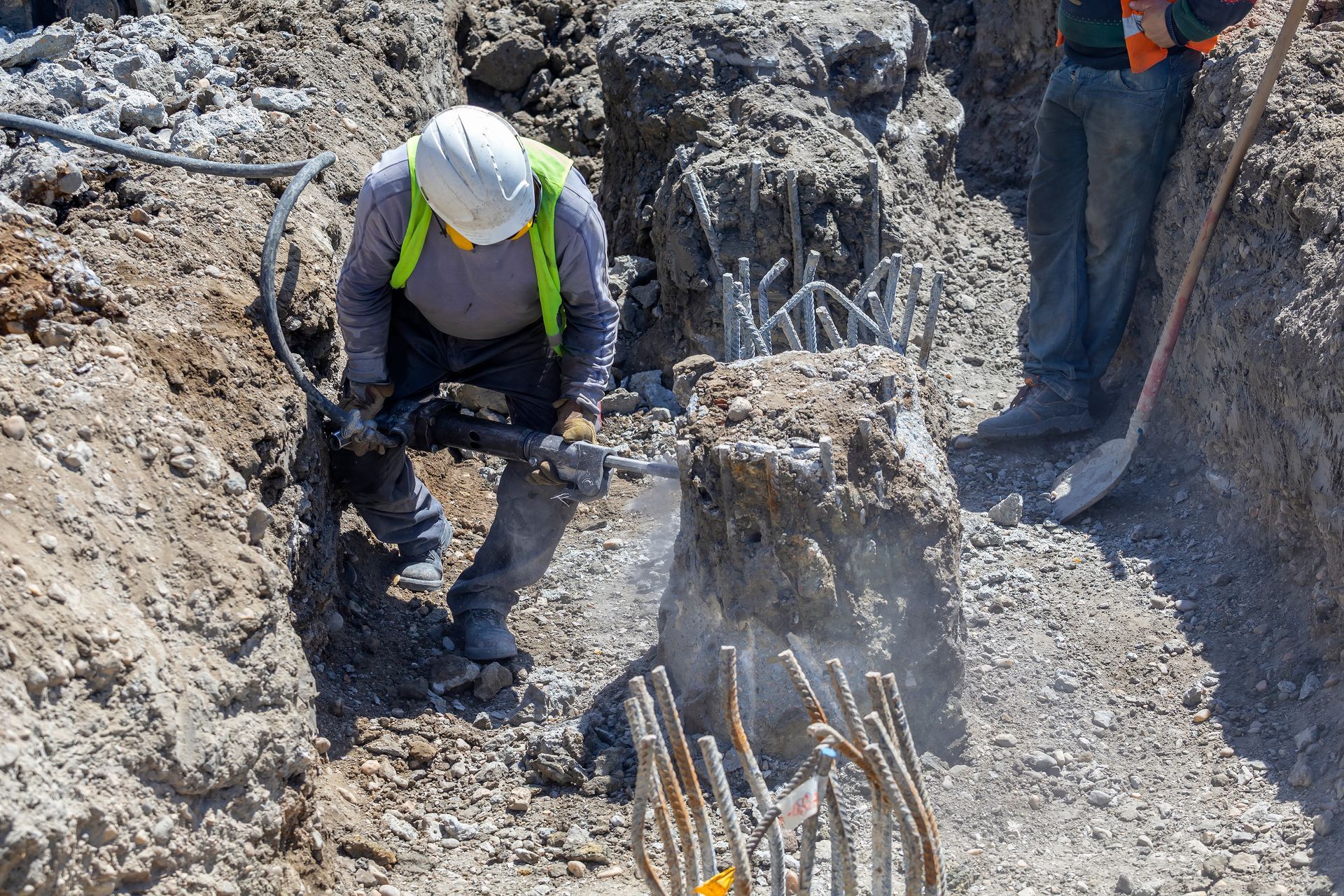
Earthwork often involves expensive machinery and specialized equipment. Insuring these assets is crucial, as repairs or replacements can result in significant downtime and financial loss if an accident occurs. Contractors need policies that cover both on-site damages and transportation-related incidences.
The rising cost of materials in California also heightens the importance of protecting critical tools of the trade. A comprehensive equipment and machinery policy can help reduce disruptions and ensure that projects remain on schedule even after an unforeseen event.
This type of coverage often extends to rented or leased equipment, ensuring that businesses are not exposed to excessive loss if an incident occurs with third-party machinery.
Challenges in the California Construction Market
Increase in Construction Defect Litigation
One of the challenges facing contractors in California is an anticipated surge in construction defect litigation. For contractors, increased legal exposure can result in higher premiums and administrative burdens. Notably, the Commercial Litigation Outlook report by Seyfarth Shaw indicates that litigation relating to construction defects is expected to rise, particularly in areas ravaged by natural disasters (Insurance Journal, 2025).
Defects in earthwork projects can result in prolonged delays and even structural failures. A small crack in the foundation or an unnoticed shift in soil composition can escalate into complex litigation that ties up resources. Contractors must stay abreast of best practices in quality control and collaborate closely with insurers to mitigate potential claims.
This trend underscores the need for thorough documentation, as well as proactive measures to uphold quality standards during all project phases.
Rising Material Costs and Project Expenses
The cost of construction materials has seen an upward trend in recent months, as highlighted by the JM Construction Report, which noted a noticeable increase in the California Construction Cost Index (JM Construction, 2025). Rising costs can squeeze contractor margins and influence project bidding practices, making cost management a critical element in business planning.
Fluctuations in material costs, such as those for aggregates and steel, often necessitate adjustments in project budgets. Contractors may encounter increased liability if they try to cut corners to manage tight budgets, further underscoring the need for comprehensive coverage that accounts for potential overruns.
Contractors who have invested in advanced project management and risk mitigation techniques can better adapt to these fluctuations, protecting their profit margins despite external pressures.

Liability for Construction Defects in California
Understanding Construction Defect Liability
Construction defect liability is a particular concern for earthwork contractors, as even minor oversights can lead to significant long-term financial and legal consequences. The Terner Center for Housing Innovation at UC Berkeley explains that construction defect liability notably contributes to delays and higher costs in housing development (Terner Center, 2025). This issue is especially pressing in areas where rebuilding is already constrained by labor shortages and escalating material expenses.
For contractors, understanding the full scope and ramifications of construction defect liability means assessing every facet of a project meticulously. From design and planning to final site inspection, systematic oversight can effectively limit the risk of defects that may later result in expensive claims.
Developing best practices that include regular site inspections and third-party assessments may help avert disputes. Many contractors have found value in working with specialized construction expert witness groups who provide litigation support and technical insights when disputes arise.
Contractor Claims and Legal Exposure
Legal disputes associated with construction defects can involve extensive evaluations of workmanship, weather-induced damage, and shifts in geologic composition. Recent legal findings indicate that increased focus on construction defects can lead to protracted claims, tying up contractor resources and potentially impacting their operational liquidity.
Contractors may find that addressing claims early through robust documentation and proper communication channels with insurers can reduce the severity of legal challenges. Having legal support with expertise in construction defect claims can further streamline the process and minimize disruptive impacts on projects.
As litigation becomes more common, preparing for potential legal exposure by maintaining high safety and quality standards may help reduce overall risk. Aligning with industry best practices becomes an essential risk management strategy.
Impact of Internal Guidelines and Policy Adjustments
Changes on the insurance front, such as internal guidelines implemented by California insurers, are shifting the landscape for contractors. A recent article in the San Francisco Chronicle discussed how new internal guidelines are being used to limit wildfire damage payouts, which can result in reduced adequacy of coverage for contractors, particularly in high-risk zones (San Francisco Chronicle, 2025).
For earthwork contractors operating in wildfire-prone areas, understanding policy language and exclusions becomes crucial. When policies have strict limitations or specific triggers, contractors must ensure that any gaps in coverage are addressed by negotiating better terms or seeking supplementary options.
Reviewing policy adjustments regularly and discussing potential changes with an insurance professional can help contractors mitigate the risk of uncovered losses.
Workers’ Compensation and Exemption Issues
Another challenge in managing insurance risks arises from workers’ compensation. A 2018 study by the California Department of Consumer Affairs highlighted that a significant percentage of contractors reported false workers' compensation exemptions, especially in fields like Earthwork and Paving (California Department of Consumer Affairs, 2018). Misclassified workers or improperly processed exemptions can lead to severe financial penalties and undermine the validity of an insurance claim.
Contractors must take extra care to ensure that all documentation is accurate and that procedures are meticulously followed. Issues with workers’ compensation claims can have a cascading effect, influencing everything from premium calculations to potential litigation. Robust internal controls and regular audits can serve as effective countermeasures against compliance lapses.
This aspect of insurance not only affects cost calculations but also shapes the overall legal risk profile faced by contractors.
Integrating Technological Advances in Risk Management
Using Remote Sensing for Geologic Assessments
Technological advances provide innovative ways to assess and mitigate risk on earthwork projects. A study on interferometric synthetic-aperture radar (InSAR) has shown that remote sensing can estimate geologic composition in California's Central Valley (arXiv, 2022). Such techniques offer non-invasive methods to monitor land deformation, which is a critical factor in projects where soil stability plays a major role.
This type of advanced monitoring can give contractors a head start in identifying potential problem areas before they develop into major issues. By integrating these insights into risk management strategies, project planning becomes more data-driven and precise.
Additionally, leveraging remote sensing data allows for more frequent inspections without incurring significant downtime, thus offering a cost-effective solution for maintaining high project standards.
Benefits of Digital Documentation and Regular Audits
Regular audits and the methodical collection of digital documentation have become indispensable practices in modern construction management. Digital records provide timely and accurate data during inspections and legal reviews, reducing discrepancies and potential disputes. When detailed records are maintained, it is easier to present a reliable claim history and project documentation if a lawsuit or insurance claim arises.
This practice not only reinforces compliance but also supports risk management when defending against allegations of construction defects. Proper documentation backed by digital tools reinforces both internal and external audit processes, ensuring that processes remain transparent and accountable.
Contractors are increasingly relying on advanced project management systems to consolidate data across multiple projects, helping them identify trends and initiate preemptive measures for future work.
Incorporating Expert Support and Consultation
Utilizing the Expertise of Construction Witness Groups
Given the complexity of construction projects and the potential for disputes, many contractors have begun working with construction expert witness groups. These professionals offer independent assessments and comprehensive reporting on site conditions and construction defects. Engaging expert support can be especially advantageous when a claim escalates into litigation, providing an additional layer of credibility and detailed insight into the technical aspects of the construction process.
These experts often offer services such as site inspections, forensic analysis, and technical consultation. Contractors can benefit from such insights, helping to validate claims and defend their practices during disputes.
By collaborating with experts, earthwork contractors can maintain quality control and establish robust defense mechanisms should litigation arise.
Working with Experienced Insurance Professionals
Partnering with insurance professionals who understand the nuances of the California construction market is a wise strategy. These professionals can help navigate policy adjustments, identify potential gaps in coverage, and offer guidance on managing claims effectively. Their expertise is particularly valuable in managing evolving risks such as those associated with construction defects and environmental factors.
Insurance professionals bring invaluable insights into how changing market conditions, like internal guidelines aimed at wildfire damage, are likely to affect coverage terms. By engaging experienced advisors, contractors can ensure that they receive tailored advice and secure a policy that genuinely meets the demands of their everyday operations.
Clear communication with insurers and strategic planning can further enhance the value of existing policies and reduce the likelihood of costly disputes.
Practical Strategies for Earthwork Contractors
Emphasizing Quality Control and Documentation
Quality control measures that include rigorous documentation, frequent site checks, and adherence to best practices can substantially reduce the chance of construction defects. Maintaining detailed records of work progress is important, as they may be critical if discrepancies are raised later. Contractors who make documentation a cornerstone of their operational policies often find themselves in a better position to manage and resolve disputes.
Implementing quality control best practices not only helps secure smoother projects, but it also makes a compelling case for insurers when evaluating claims. This, in turn, can lead to more favorable policy conditions and pricing. Documentation can serve as both a proactive and reactive tool in managing the risks associated with earthwork projects.
The benefits of thorough documentation extend beyond immediate claims management and contribute to long-term stability in the business, reducing the burden of litigation-induced delays and additional costs.
Leveraging Data and Technology in Daily Operations
Advances in technology continue to revolutionize operations in the construction field. Integrating digital tools for project management, risk assessment, and even remote sensing helps contractors stay ahead of potential challenges. Data-driven decision-making facilitates accurate forecasting and resource allocation.
When technological tools are embraced, regular monitoring becomes more feasible, helping to identify deviations from expected work quality or delays in project progression. These tools contribute to both operational efficiency and improved risk management.
By incorporating technology into everyday operations, contractors can minimize errors, streamline dispute resolution processes, and ensure that both insurers and clients receive thorough, up-to-date information about the project status.
Frequently Asked Questions
What does Earthwork Contractor Insurance typically cover?
Earthwork contractor insurance generally covers property damage, bodily injury, environmental contamination, and liability arising from construction defects. Policies are customized to address the specific risks associated with soil movement, equipment damage, and project delays.
How does construction defect litigation impact insurance premiums?
An increase in construction defect litigation, especially in areas impacted by natural disasters, can drive higher premiums. Insurers adjust rates based on anticipated litigation risk and historical patterns, which places additional pressure on contractors to maintain impeccable records (Commercial Litigation Outlook 2025).
Are there industry best practices to reduce liability?
Yes. Implementing robust quality control measures, maintaining detailed documentation, and engaging periodic site audits are all crucial. Additionally, contractors can mitigate risk through proactive communication with insurance professionals.
How can contractors benefit from using remote sensing technology?
Remote sensing, including InSAR technology, provides non-invasive geologic assessments that help detect soil instability and potential defects early on. This proactive strategy helps in reducing future risks and supports effective project management (arXiv Study).
What role do expert witness groups play in managing disputes?
Expert witness groups provide independent assessments and detailed construction investigations that can support a contractor's case during litigation. Their in-depth evaluations are highly valuable in managing the technical aspects of a claim.
Why is accurate workers' compensation documentation so important?
Proper workers' compensation records ensure that claims are processed correctly and can prevent costly legal disputes over exemptions. Accuracy here is crucial given the regulatory scrutiny in California (Workers' Compensation Study, 2018).
Before You Go
Earthwork contractor insurance is a dynamic and integral part of a contractor’s risk management strategy. As market conditions evolve and litigation trends shift, maintaining a proactive stance on insurance coverage is essential. Staying informed by leveraging expert advice, digital tools, and best practices in quality control can safeguard both the business and its workers.
Contractors should periodically review their policies in the context of regional risks, market adjustments like internal policy changes for wildfire damage, and rising operational costs. A carefully negotiated insurance policy not only protects against immediate claims but also serves as a long-term investment in project sustainability.
For those looking to dive deeper into the challenges faced by the California construction market and get up-to-date insights, industry resources like the Terner Center and insurance publications offer invaluable guidance (San Francisco Chronicle). By understanding the nuances of policy language and available protection options, contractors can confidently steer their projects toward success.
ABOUT THE AUTHOR:
PETER PLEW
Hi my name is Peter Plew and I am a commercial insurance professional. I listen to and strategize with business owners about their visions of the future and assist in getting there as quickly as possible. I help identify unique exposure and risk’s that business owners have and the reasons why they need to be insured against them. My goal is to make sure my clients are always taken care of on a daily basis with any service needs, questions, or concerns they may have. I love to golf and spend time with my family in my spare time.
Contact Us

Service that stays with you.
Our team helps simplify insurance decisions for families and businesses. We focus on clear explanations, fast responses, and dependable service. You can count on us for help with coverage questions, updates, and long-term support.
Coverage that keeps you secure
Reliable Protection for Everyday Life
Home insurance helps protect your house, personal belongings, and liability risks. We explain coverage options clearly so you know what your policy includes.
Auto insurance provides protection for accidents, liability, and vehicle damage. We help you compare options so you can choose coverage that fits your driving needs.
Motorcycle insurance provides coverage for riders and their bikes. We help you select options that match how and where you ride.
RV insurance supports protection for motorhomes and recreational vehicles. Coverage applies during travel and while parked.
Coverage Built for Contractors and Trades
Support that keeps your work moving.

General Liability Insurance
General liability insurance helps protect contractors from injury and property damage claims. It supports jobsite requirements and contracts.

Workers Compensation
Workers compensation insurance helps protect employees injured while working. It also supports compliance with state requirements.

Commercial Auto Insurance
Commercial auto insurance provides coverage for work vehicles used on jobsites. It helps protect drivers and company vehicles.
Contractor Insurance
Contractor insurance supports trades and service professionals across Southern California. It helps protect tools, equipment, and daily operations.

Cyber Liability Insurance
Cyber liability insurance helps protect business data and customer information. It supports recovery from digital incidents.

Commercial Property Insurance
Commercial property insurance helps protect offices, shops, and equipment. It supports recovery after covered damage.
Coverage Built for Specialized Work
Support for high-risk and service-driven industries.



Simple Steps Supported by Steady Guidance
A Clear Path to Coverage
Trusted by Clients Across Southern California
Clear service backed by real experiences.
Answers to Common Questions.
Clear explanations to guide your decisions.
How do I know which insurance policy is right for me?
We compare coverage options from multiple carriers to help you see differences in protection and price. You can review clear details and ask questions so you understand what each policy covers. Our team guides you step by step so you feel sure about your decision.
What factors affect my auto insurance premium?
Auto insurance premiums are influenced by your driving history, age, location, vehicle type, and coverage choices. A clean driving record and good safety features can help lower costs. We review these factors with you and help find coverage that fits your budget and needs.
Does homeowners insurance cover all types of damage?
Standard homeowners insurance protects your structure, personal belongings, liability, and additional living expenses in many cases. However, it usually does not include flood or earthquake damage without separate policies. We help you decide if extra coverage is right for your home and location.
Can I update my policy or get certificates online?
Yes. You can submit requests for policy changes and certificates through our online service form at any time. Our team processes those requests quickly and confirms updates once complete so you have the documents you need.
Do I need separate insurance for business risks like EPLI or E&O?
Yes. General liability and workers compensation cover many business risks but do not protect against all exposures. For example, Employment Practices Liability Insurance (EPLI) covers claims like wrongful termination or discrimination, and Errors & Omissions (E&O) covers claims based on mistakes in professional services. We help you identify which extra policies your business may need.
What happens if I need to file a claim?
If you need to file a claim, we guide you through the process and help you contact the insurance carrier. We explain what information you should provide, answer your questions, and stay available while the carrier reviews your claim. This support helps you move forward with confidence.
Contact Us