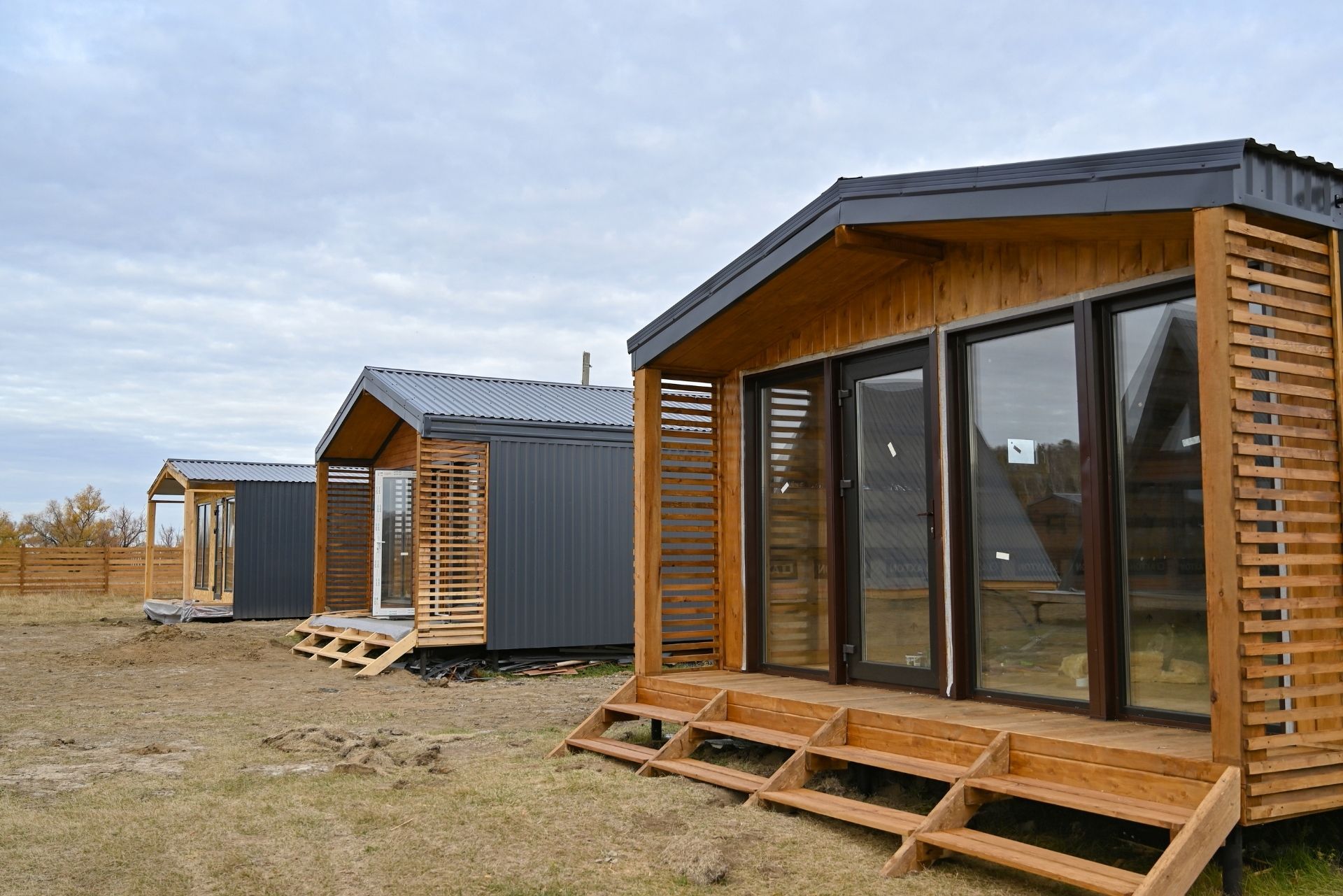
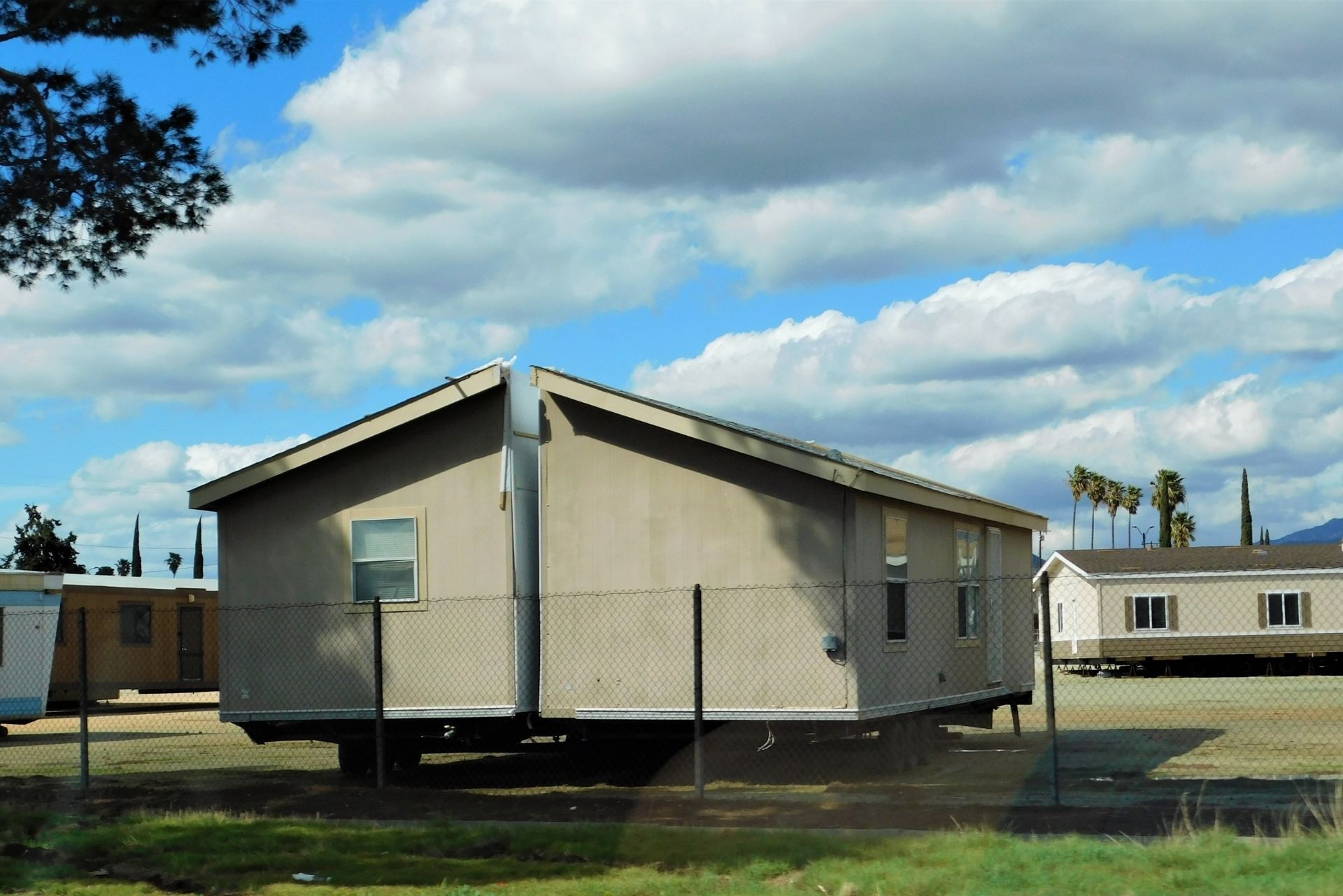
A major storm knocks down a mobile home in a quiet Los Angeles neighborhood. The homeowner, already reeling from escalating premiums and a challenging insurance market, wonders how to protect the roof over their head without breaking the bank. This scenario is all too common today in California, where mobile home insurance is a crucial but often misunderstood safeguard against nature’s unpredictability and increasing insurance costs. For insights on the current rate adjustments and market dynamics, check out recent analyses.
Mobile home insurance in California is not just about shielding property from typical wear and tear. It plays a critical role in covering losses from wildfires, storms, and other natural disasters which have intensified recently. The rising number of claims, many driven by catastrophic events like the 2025 wildfires in Los Angeles, points to a broader trend. These events have shaken the insurance industry and left many homeowners seeking clearer, more reliable coverage options.
This guide delves into why mobile home insurance is vital, the unique challenges faced in California, and how homeowners can navigate rising premiums and policy changes. It also outlines practical steps to ensure you have the right cover while addressing gaps in coverage emerging from market shifts.
The Unique Landscape of Mobile Home Insurance in California
California’s insurance market has its own set of challenges that are distinct from those found in other states. The state’s natural environment, characterized by wildfires, earthquakes, and occasional flooding, drives a specialized need for mobile home insurance that comprehensively covers a range of hazards.
Mobile homes, by virtue of their construction and layout, can be more vulnerable than traditional homes in the face of these challenges. With many locations in the state being particularly susceptible to wildfires, homeowners must understand both their coverage options and the market’s evolving conditions.
For example, the role of government-backed programs like the FAIR Plan has grown significantly in California. Recent data highlighted that the FAIR Plan’s total exposure nearly quintupled over a five-year time frame, reflecting increased reliance on alternatives when conventional insurers withdraw from the market (McKinsey & Company).

By: Karla Torres
Personal Insurance Agent at Caruso Insurance Services
Factors Impacting Mobile Home Insurance
Market Challenges and Premium Increases
Mobile home insurance in California is influenced by a confluence of factors. One significant area is premium increases driven by the state’s high-risk exposures. Recent reports suggest that homeowners insurance premiums across the state are expected to rise, with some projections indicating a jump as high as 21% in the coming year (Insurify).
This steep increase is compounded by natural disasters. The 2025 Los Angeles wildfires, for instance, marked one of the costliest events in state history, triggering uninsured losses and widespread policy nonrenewals. Even though mobile homes have unique coverage needs, many parallels exist with residential homeowners policies, where underwriting profitability has been a challenge.
While the average annual premium in California was slightly below the national average, homeowners continue to face volatility in policy coverage and affordability. Such market dynamics put additional pressure on mobile home owners who often find themselves caught between adequate coverage and rising costs.
Risk Exposure and Environmental Hazards
California’s environmental hazards present a unique risk profile for mobile home insurance. Wildfire exposure stands out as a primary threat. Recent catastrophic events saw insured losses projected between $35 billion and $45 billion, a reminder of the sheer scale of the challenge (McKinsey & Company).
Besides wildfires, earthquakes and flooding also contribute to the elevated risks. Mobile homes, sometimes built on less secure foundations, may require additional endorsements or separate policies to cover these hazards. The elevated risk factors, when aggregated, mean that insurers have to recalibrate their risk models constantly, contributing to premium increases and tighter underwriting standards.
For those considering mobile homes as their primary residence, understanding these risk markers is essential. Knowing the specific environmental challenges in your area can help tailor your policy to bridge potential coverage gaps effectively.
It can be challenging to navigate the wide array of mobile home insurance options available, particularly as providers adjust policies to address the state’s unique exposures. A comparison of basic and extended coverages highlights critical distinctions in policy features.
The table below outlines key coverage elements to consider when evaluating mobile home policies:
| Coverage Element | Basic Mobile Home Policy | Extended Mobile Home Policy |
|---|---|---|
| Dwelling Coverage | Covers structural damage from common perils | Covers structural damage, including upgrades and customizations |
| Personal Property | Limited personal property protection | Enhanced limits and replacement cost coverage |
| Liability Protection | Standard liability limits | Expanded liability for incidents on mobile home property |
| Loss of Use | Covers temporary housing costs | Higher limits with added contingencies |
| Additional Perils | May require separate endorsements | Often includes natural disaster endorsements as options |
This table is a useful guide to understanding what differentiates a standard policy from one that might offer broader protection. It’s wise to closely evaluate both your needs and the features on offer to find the best fit.
Comparative resources and advice from trusted industry experts can provide additional insights as you navigate these varying options.
Strategies for Managing Rising Premiums
Understanding Policy Adjustments
One of the primary challenges for California mobile home owners in recent years is managing insurance costs. The projected 21% premium rise in 2025 is indicative of a wider trend in the state (Insurify).
Such adjustments often stem from a combination of environmental hazards and financial pressures on insurance providers. Insurers face increased risk exposures when underwriting mobile home policies, leading many to pass these expenses onto consumers. This situation highlights the importance of being proactive in managing premiums.
Reviewing your policy, understanding deductible choices, and exploring discounts for safety improvements can make a significant difference. Some insurers offer reductions if the mobile home has been retrofitted with modern safety features, such as fire-resistant materials or earthquake reinforcements.
Practical Steps to Lower Your Costs
Several strategies may help mitigate the impact of rising premiums. Begin by evaluating your current coverage to understand what is absolutely necessary. The goal is to strike a balance between protection and cost efficiency.
Consider bundling mobile home insurance with other policies if available. Bundling can sometimes yield multi-policy discounts, easing your overall expenses. Additionally, regularly comparing multiple providers may uncover competitive offerings that align with your risk profile and financial constraints.
Leveraging tools and expert advice from agencies can also prove beneficial. For instance, some independent studies indicate that even though California premiums trailed just below national averages, the underlying market vulnerabilities and growing claims can affect future rates. Staying informed and ready to act can help prepare for any fluctuations.
Regulatory Changes and Market Dynamics
Government Interventions and Policy Revisions
State authorities are not standing still as market conditions change. The California Department of Insurance has taken proactive steps-intervening directly in consumer complaints and implementing forward-looking models to close gaps in wildfire coverage (California Department of Insurance).
These measures are particularly relevant for mobile home policies, which have historically been more vulnerable to coverage gaps in the wake of natural disasters. Regulatory initiatives include examining market conduct and returning funds to policyholders where insurers have not met expected service levels. Such actions help foster trust and ensure that mobile home owners receive the protection they need.
In addition to direct interventions, the adoption of new risk-assessment models is poised to reshape policy underwriting. Insurers are now incorporating forward-looking catastrophe models that account for changing wildfire patterns, a critical update given the recent devastation from wildfires in California.
Impact of Past Disasters on Policy Terms
Historical events have a lasting impact on mobile home insurance policies. The 2025 Los Angeles wildfires are a stark illustration, having destroyed thousands of structures, claimed lives, and left a lasting imprint on insurer practices (McKinsey & Company).
Such events force insurers to reexamine policy terms, coverage limits, and the assumptions underlying their premium models. Although these revisions might translate into short-term premium hikes, they ultimately help ensure that policies better reflect current risks.
For mobile home owners, understanding that policy adjustments seek to match the heightened risks of catastrophe can make premium changes slightly easier to digest. By discussing potential changes with your agent and exploring coverage adjustments, you can maintain a resilient policy that offers genuine peace of mind.
Coverage Gaps and Common Concerns
Identifying and Addressing Gaps
One concern that often plagues mobile home owners is the risk of being underinsured following major events. The California Department of Insurance received numerous consumer complaints from wildfire survivors over underinsurance issues (San Francisco Chronicle).
This frequently occurs when policyholders assume that the basic coverage level will be sufficient in case of a disaster without realizing that many policies exclude certain high-risk perils. The critical takeaway is to ensure that your policy specifically addresses potential hazards affecting mobile homes, such as structural vulnerabilities and specific environmental risks.
A thorough assessment of your property is necessary to identify potential gaps. Homeowners should consider supplemental endorsements that provide robust coverage for disaster-prone events specific to California’s landscape. Such endorsements can cover costs not traditionally included in standard policies, ranging from advanced fire prevention systems to reinforcement against severe weather events.
Consumer Protections and Advocacy Efforts
Amid the challenges, there have been concerted efforts from regulatory bodies to protect policyholders. The California Department of Insurance has demonstrated a commitment to enforcing market conduct standards by returning millions of dollars to policyholders when irregularities are identified (San Francisco Chronicle).
This level of advocacy should reassure mobile home owners that government oversight is actively working to prevent exploitation in a market marked by rapid changes and occasional insurer withdrawals.
Staying informed through reputable sources and understanding your rights as a policyholder is essential. Knowledge empowers consumers to negotiate better terms and seek recourse when policy discrepancies arise, ultimately bolstering confidence in the insurance process.
Future Trends and Prospects
Technological Advances in Risk Management
Technology is rapidly reshaping the insurance industry, and mobile home insurance is no exception. Enhanced risk models, data analytics, and remote monitoring systems are becoming common tools for insurers looking to better predict and manage losses.
Adopting advanced monitoring systems for fire and weather conditions can significantly lower risk levels. As insurers integrate these technological improvements into their underwriting processes, customers might eventually see benefit in the form of more precise, risk-oriented premiums. This trend also means that innovative mobile home owners can proactively invest in technologies that directly lower their policy costs.
Advanced data analytics help insurers to refine their loss ratios and craft policies that accurately reflect the risk profile of mobile home communities. Studies have indicated that national loss ratios for homeowners’ insurance hover around 57.5% (Independent Institute), a benchmark that offers insight into the industry's financial health and future trends.
Environmental Policy and Community Resilience
Beyond technology, broader environmental policies will increasingly shape California’s mobile home insurance landscape. As climate change accelerates, risk models must evolve in tandem with shifting geographic and climatic conditions.
Legislative efforts are underway to improve community resilience by providing more robust incentives for property owners to invest in mitigation strategies. Mobile home owners who upgrade their property with safety features might benefit from these changes with coverage that not only protects them but also incentivizes proactive risk management.
Regulatory initiatives have already begun to influence pricing structures across the state. With market pressure mounting, insurers are likely to adopt more flexible policies that take into account both technological safeguards and environmental advancements. This shift will continue to shape premium dynamics, ensuring that mobile home insurance remains both affordable and comprehensive.
Frequently Asked Questions
Q: What makes mobile home insurance in California different from standard homeowners insurance?
A: Mobile home insurance is tailored to address the unique construction and inherent risks associated with mobile homes, including vulnerability to environmental hazards and structural challenges specific to these properties.
Q: How can mobile home owners in California manage rising insurance premiums?
A: Evaluating current policies, considering bundling options, and exploring discounts for safety features are effective ways to manage costs without compromising on essential coverage.
Q: Are there additional endorsements available for mobile home policies?
A: Yes, many insurers offer supplemental endorsements that cover gaps for specific hazards such as wildfire damage, earthquakes, or flood risks, ensuring more comprehensive protection.
Q: How do regulatory actions impact mobile home insurance policies?
A: Regulatory actions, including closer oversight and interventions by the California Department of Insurance, help enforce fair pricing practices and ensure policies accurately reflect current risks.
Q: What role does technology play in determining mobile home insurance rates?
A: Technology enables better risk modeling through advanced analytics and real-time monitoring, leading to more personalized premiums that correspond closely to individual risk profiles.
Q: How should mobile home owners prepare for potential premium increases?
A: Staying informed about market trends, incorporating safety upgrades, and discussing policy adjustments with insurance professionals can help owners adapt to premium changes effectively.
Wrapping Things Up: Securing Your Mobile Home Legacy
Ensuring that your mobile home is adequately insured in California requires an attentive approach to the evolving market. The increasing frequency of catastrophic events like the 2025 Los Angeles wildfires serves as a wake-up call for many. Policies need to be robust, agile, and designed to match the specific risks that mobile homes face. Insurance is not a one-time purchase; it’s an evolving contract that must align with the most current environmental and market conditions.
California’s mobile home market, like other segments of property insurance, is navigating tough currents with premium hikes and policy adjustments. By staying educated and proactive, mobile home owners can secure coverage that fits both their budget and the unique lifestyle these residences offer.
Homeowners are encouraged to regularly review policy terms, consult with trusted insurance advisors, and monitor developments within this specialized market. Reliable information and personal vigilance remain the best tools to counteract rising costs and gaps in coverage. Articles like this provide one pathway to making well-informed decisions that protect your mobile home legacy effectively.
Looking Ahead: Embracing Change in the Insurance Landscape
The California mobile home insurance market continues to reflect the broader shifts in the state's economic, environmental, and technological spheres. As new risks emerge and old hazards intensify, the market adapts to mitigate exposures and safeguard property owners. Changes to pricing structures, revised coverage conditions, and the introduction of advanced risk models signal a transformative period that every homeowner should keep an eye on.
Consumers must balance cost considerations with the imperative of maintaining optimal protection. State-backed programs and regulatory oversight are key components of this intricate puzzle, providing relief and guidance during turbulent times. For instance, the escalation in premium rates has been noted as a reaction to broader market pressures (Kin Insurance), prompting stakeholders to reexamine the value offered by every policy.
Looking to the future, the dialogue between technology advancements and environmental policy will play a critical role in redefining mobile home insurance. As insurers refine their lenses and incorporate comprehensive, forward-looking models, policies will hopefully become more reflective of real-time risks and more responsive to changes in consumer needs.
Final Thoughts for Mobile Home Owners
California’s regulations, market trends, and catastrophic event history underline a clear message: proactive planning and informed decision-making are essential when it comes to mobile home insurance. Whether facing premium hikes, policy adjustments, or risk factors unique to mobile homes, having a strong grasp of both the challenges and the protective strategies available enables homeowners to preserve their investments.
By understanding what sets mobile home insurance apart and learning how to navigate California’s rapidly shifting insurance landscape, homeowners can make decisions that provide long-term security and peace of mind. Regularly consulting experts and accessing updated market research are good practices that align with securing durable and comprehensive coverage.
Through a combination of smart policy evaluation, technology adoption, and robust risk management, mobile home owners can confidently address rising concerns and safeguard their homes against a broad spectrum of risks. With these strategies in place, the legacy of homeownership is protected even in the face of an evolving and occasionally unforgiving market environment. For further insights into market conditions, referencing detailed analyses such as those by
Independent Institute remains a beneficial practice.
ABOUT THE AUTHOR:
KARLA TORRES
Hi, I’m Karla Torres-Millan. I’ve been with Caruso Insurance for 14 years and in the insurance industry for a fantastic 25 years, as I specialize in personal insurance. I enjoy hiking, traveling to Baja, and spending time with family. I’m happily married and have two beautiful daughters, both of which have never failed to keep me busy. I’m passionate about what I do because I love to help others. I strive to eliminate the stress families experience when it comes to the lack of protection on their assets.
Contact Us

Service that stays with you.
Our team helps simplify insurance decisions for families and businesses. We focus on clear explanations, fast responses, and dependable service. You can count on us for help with coverage questions, updates, and long-term support.
Coverage that keeps you secure
Reliable Protection for Everyday Life
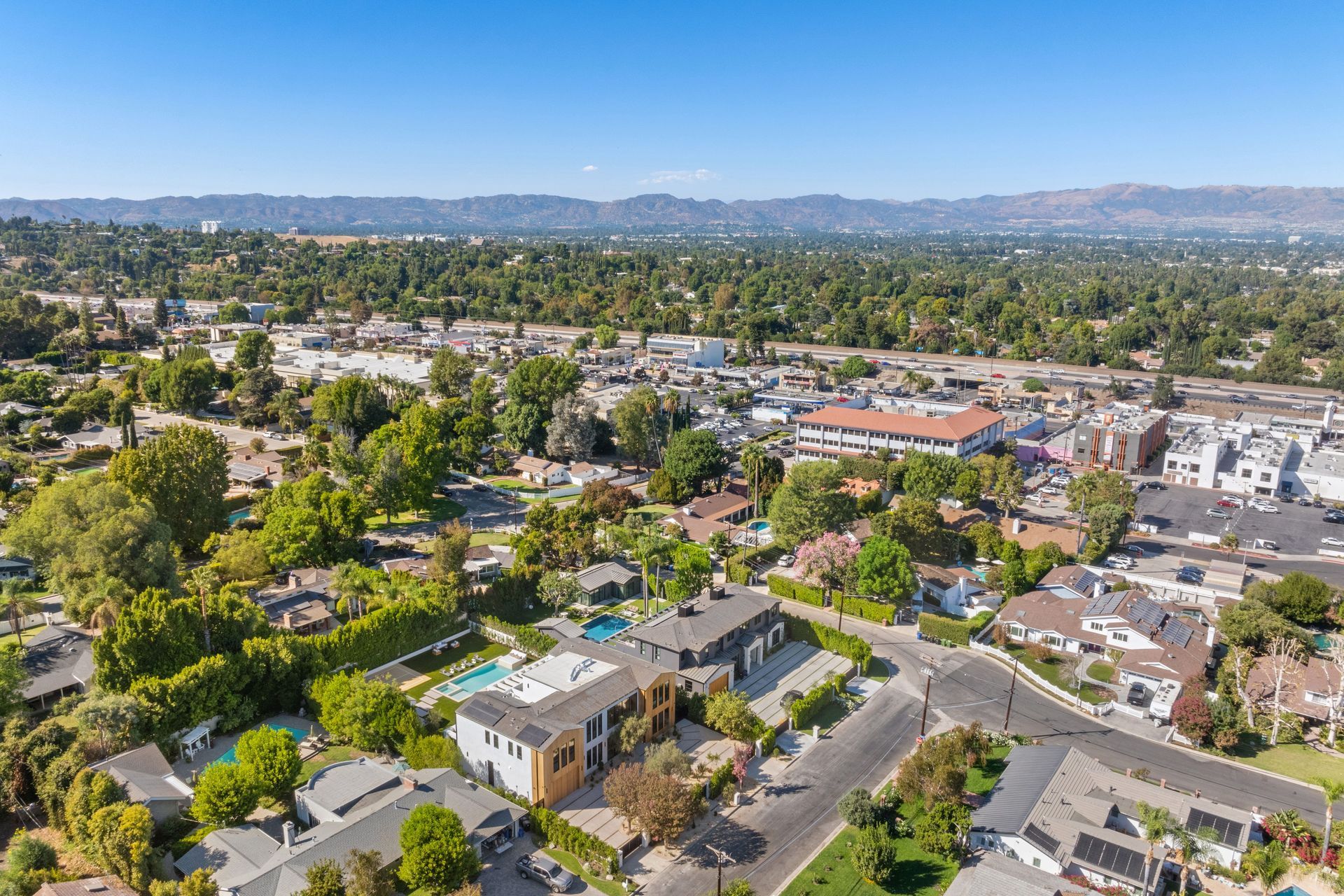
Home insurance helps protect your house, personal belongings, and liability risks. We explain coverage options clearly so you know what your policy includes.
Auto insurance provides protection for accidents, liability, and vehicle damage. We help you compare options so you can choose coverage that fits your driving needs.
Motorcycle insurance provides coverage for riders and their bikes. We help you select options that match how and where you ride.
RV insurance supports protection for motorhomes and recreational vehicles. Coverage applies during travel and while parked.
Coverage Built for Contractors and Trades
Support that keeps your work moving.

General Liability Insurance
General liability insurance helps protect contractors from injury and property damage claims. It supports jobsite requirements and contracts.

Workers Compensation
Workers compensation insurance helps protect employees injured while working. It also supports compliance with state requirements.

Commercial Auto Insurance
Commercial auto insurance provides coverage for work vehicles used on jobsites. It helps protect drivers and company vehicles.
Contractor Insurance
Contractor insurance supports trades and service professionals across Southern California. It helps protect tools, equipment, and daily operations.

Cyber Liability Insurance
Cyber liability insurance helps protect business data and customer information. It supports recovery from digital incidents.

Commercial Property Insurance
Commercial property insurance helps protect offices, shops, and equipment. It supports recovery after covered damage.
Coverage Built for Specialized Work
Support for high-risk and service-driven industries.



Simple Steps Supported by Steady Guidance
A Clear Path to Coverage
Trusted by Clients Across Southern California
Clear service backed by real experiences.
Answers to Common Questions.
Clear explanations to guide your decisions.
How do I know which insurance policy is right for me?
We compare coverage options from multiple carriers to help you see differences in protection and price. You can review clear details and ask questions so you understand what each policy covers. Our team guides you step by step so you feel sure about your decision.
What factors affect my auto insurance premium?
Auto insurance premiums are influenced by your driving history, age, location, vehicle type, and coverage choices. A clean driving record and good safety features can help lower costs. We review these factors with you and help find coverage that fits your budget and needs.
Does homeowners insurance cover all types of damage?
Standard homeowners insurance protects your structure, personal belongings, liability, and additional living expenses in many cases. However, it usually does not include flood or earthquake damage without separate policies. We help you decide if extra coverage is right for your home and location.
Can I update my policy or get certificates online?
Yes. You can submit requests for policy changes and certificates through our online service form at any time. Our team processes those requests quickly and confirms updates once complete so you have the documents you need.
Do I need separate insurance for business risks like EPLI or E&O?
Yes. General liability and workers compensation cover many business risks but do not protect against all exposures. For example, Employment Practices Liability Insurance (EPLI) covers claims like wrongful termination or discrimination, and Errors & Omissions (E&O) covers claims based on mistakes in professional services. We help you identify which extra policies your business may need.
What happens if I need to file a claim?
If you need to file a claim, we guide you through the process and help you contact the insurance carrier. We explain what information you should provide, answer your questions, and stay available while the carrier reviews your claim. This support helps you move forward with confidence.
Contact Us