
A deluge can turn dreams into disaster in a matter of hours, leaving communities reeling from financial and personal losses. In California, where heavy rains and severe flooding have become increasingly common, understanding flood insurance coverage is crucial. Recent events, such as record rainfall in parts of Southern California in February 2023, underscore the reality of flood risks. Examining what flood insurance covers in California and its limitations reveals much about the available options and potential gaps in protection. For more details on recent developments, see this Insurify report on flood claims.
The state’s unique geography and diverse climate patterns mean that flood risks vary significantly. Homeowners and business owners alike must navigate a complex landscape of policy choices, each with its own benefits and limitations. With only 2% of residents reportedly purchasing flood insurance (AM Best), many remain vulnerable when disaster strikes.
This article delves into the specifics of what flood insurance covers in California, addressing frequently asked questions, recent trends, and practical tips to make an informed decision when purchasing flood coverage.
Understanding Flood Insurance in California
Flood insurance in California offers protection against losses resulting from sudden and unexpected flooding events. Not all policies are created equal, and understanding the fundamental elements of flood coverage is the first step in safeguarding property and assets.
Unlike standard homeowners policies, flood insurance policies are designed specifically to cover damages caused by rising water, overflow of bodies of water, or rapid snowmelt. Flood events often lead to extensive structural damage as well as ruined personal belongings, making the coverage vital in high-risk areas. Detailed insights can be found in studies like the one by FloodGenome, which explores the complexity of flood risk factors in urban environments.
Reserve funds provided by flood insurance help individuals recover from water-induced damage. However, understanding the nuances of policy inclusions and exclusions is key, as many homeowners assume their standard property insurance covers floods. In reality, special flood coverage is required to get comprehensive financial protection when floods strike.


By: Sofia Alexander
Personal Insurance Agent at Caruso Insurance Services
What Flood Insurance Covers
Flood insurance policies generally provide coverage for physical damages to a building and its contents caused by direct flood hazards. Typically, these policies cover repair costs, replacement of damaged structures, and even damaged personal possessions, though the extent of coverage can vary significantly.
Many policies will cover structural damage such as foundation repairs, roofing replacement, wall damage, and electrical system failures due to floodwaters. Additionally, personal property coverage may include items like furniture, appliances, and clothing that have been damaged during flooding, though specific limits and conditions often apply. For comprehensive details on coverage limitations and financial thresholds, consumers should carefully review policy documents and compare offerings from both government programs and private insurance companies.
In some cases, private flood insurance policies, which account for nearly half of the flood market in California (AM Best report), offer expanded coverage options compared to government programs. This often includes higher limits and coverage for additional structures like garages or sheds on the property. A property owner must also consider deductibles and coverage limits carefully, which can vary widely between providers.
Residential Structures and Personal Belongings
For many homeowners, the primary concern is damage to the residential structure and the contents within. Flood insurance policies cover not only the structure but also personal belongings that have been washed or ruined by floodwater. The distinction becomes critical, especially in areas where floods occur frequently, and homeowners may face recurring claims.
Policies typically protect the foundation, walls, electrical systems, and plumbing of a building. Contents coverage often includes furniture, clothing, kitchen appliances, and electronics. Although policies have limits, many insurance companies offer additional endorsements to extend coverage on high-value items or collections that might not otherwise be fully insured.
Instances of underinsurance remain a serious issue. For example, properties insured by the National Flood Insurance Program (NFIP) come with a limit of $250,000 per residence (AM Best). This limitation means that many homeowners in flood-prone areas may not receive full reimbursement for severe losses.
Other Structures and Additional Coverage
Many homeowners wonder what happens to additional structures, such as garages or outdoor storage sheds, when floods occur. Often, flood insurance can extend to structures that are not attached to the main dwelling. Add-ons in private policies can provide tailored coverage designed for these separate outbuildings, offering broader protection against damage and losses that might otherwise go uncompensated.
The coverage for additional structures is crucial in multi-building properties or properties with significant ancillary buildings. Policyholders should ensure that their flood insurance plan clearly specifies coverage for these structures, as exclusions are common in standard homeowners policies.
Insurance Commissioner Ricardo Lara has emphasized that as Californians take steps to mitigate wildfire risks, flood risk coverage should not be neglected. While steps are being taken to bolster wildfire policies, ensuring robust flood coverage remains equally essential (Insurance Commissioner Ricardo Lara).
California residents have access to both government-backed and private flood insurance options. Each type of coverage has its own advantages and limitations that need to be evaluated based on individual needs, budget, and risk profile. Often, the decision comes down to coverage limits, control over policy options, and the overall customization of the policy.
Government policies, such as those provided by the NFIP, are standardized to help homeowners in flood-prone areas. However, the NFIP’s $250,000 per residence limit can be a significant drawback for those with higher-value properties. Additionally, some underinsured homes may not recover completely after a major flood event. These limitations make a strong case for considering private flood insurance, which accounts for nearly 50% of California’s flood market (AM Best report).
Private flood insurance often offers more flexible terms and, in some cases, higher limits. Policy customization can be key, as clients may tailor their coverage to include items and structures that are typically excluded in more generalized government programs. For individuals with unique or high-value properties, private policies present a compelling alternative for robust financial protection.
Side-by-Side Coverage Comparison
The table below outlines a basic comparison between government-backed NFIP policies and private flood insurance options available in California. This side-by-side comparison helps highlight distinctions in coverage limits, premium structures, and flexibility.
| Coverage Feature | NFIP (Government) | Private Flood Insurance |
|---|---|---|
| Maximum Coverage Limit | Up to $250,000 per residence (AM Best) | Often higher and customizable limits |
| Policy Customization | Standardized policies with limited options | Tailored coverage options available |
| Secondary Structures | Often not covered or limited coverage | More likely to be included or offered as an add-on |
| Premium Flexibility | Rates set by government guidelines | Variable premiums based on detailed risk assessment |
The chart illustrates that while NFIP policies provide a baseline level of protection, those seeking more comprehensive coverage may find private options better suited to their needs. Consumers are encouraged to compare options closely, assess their individual risk scenarios, and consult with insurance professionals before making a decision.
Risk Factors and Recent Flood Events in California
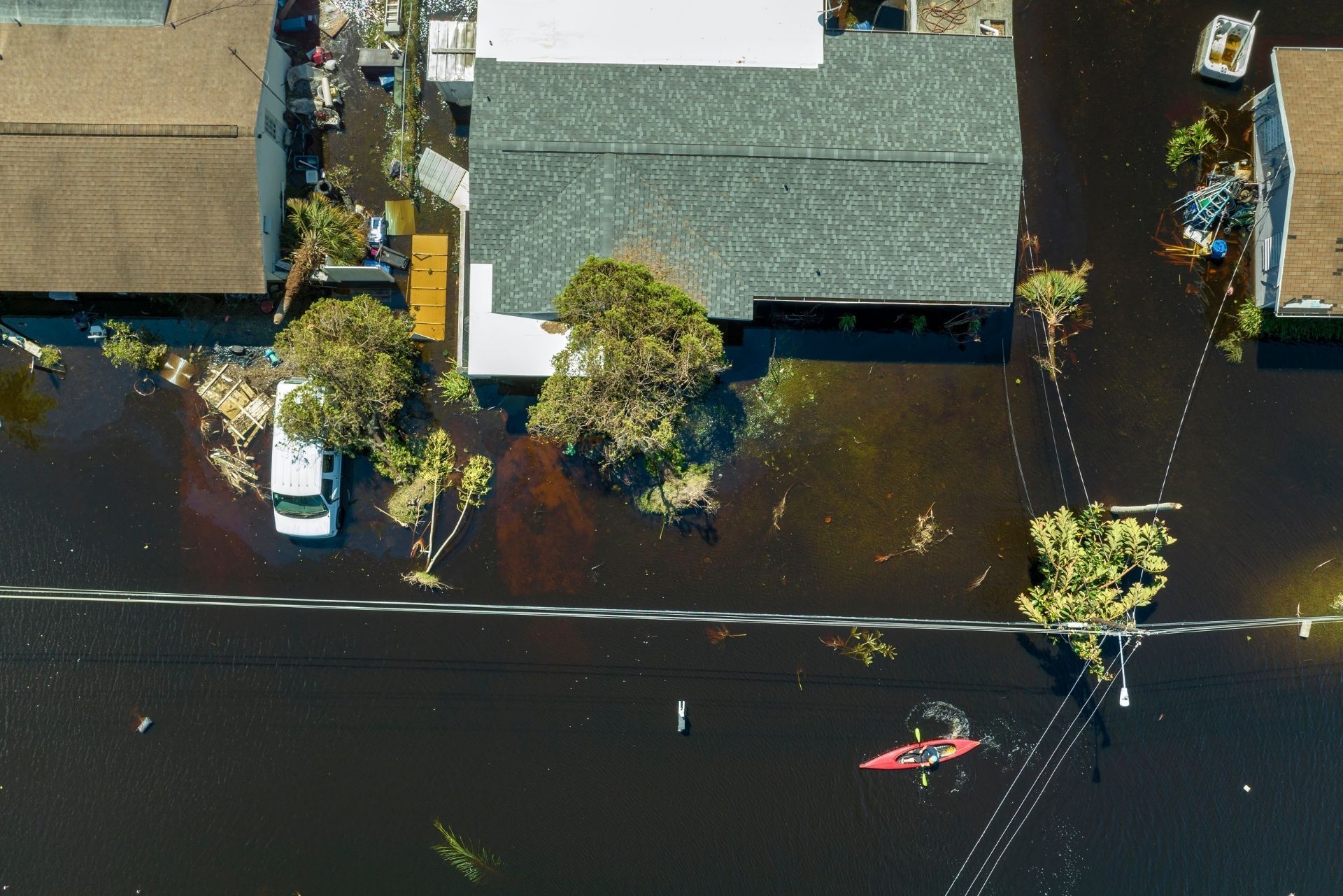
Due to its expansive and diverse landscape, California experiences a wide range of flood events. Heavy rainfall and sudden downpours are not uncommon, and the risk is compounded by geographic and climatic variations across the state. Significant rainfall events in early 2023 have led to severe flooding in several regions, underscoring the ever-present risk even for those living away from coastal zones (Insurify).
Local weather patterns combined with climate change have increased the frequency and intensity of flood incidents in California. Urban areas with significant impervious surfaces and limited drainage can experience flash floods that overwhelm infrastructure. On the rural side, river flooding following heavy rains can result in widespread damage not only to homes but also to agricultural lands and property bordering waterways.
A critical part of this discussion involves understanding which areas remain underinsured. With only 2% of California residents having purchased flood insurance (AM Best), many properties are financially exposed if severe events occur. This vulnerability drives home the importance of analyzing flood insurance options carefully, particularly for those living in high-risk zones.
Economic Impact of Flood Events
Beyond the immediate property damage, flooding in California often results in substantial economic losses. Many of these losses may never be insured, leading to a prolonged recovery period for affected communities. David Blades, Associate Director of Industry Research and Analytics at AM Best, has acknowledged that the economic impact from recent storm events is expected to be significant (AM Best).
The financial repercussions extend beyond individual homeowners, affecting local businesses, public services, and the overall economy. Insurance coverage helps mitigate these losses, but its effectiveness depends on the adequacy of the policy limits and the precision with which risk is assessed. Areas where flood claims are consistently high can expect rising premiums and possibly more stringent policy conditions, leaving policyholders balancing cost against adequate coverage.
Communities facing repeat flooding events are forced to navigate issues of underinsurance, increasing the urgency for both individuals and local authorities to consider enhanced coverage options. With proactive planning and thorough assessment of risk factors, homeowners and businesses can better prepare for the financial challenges that follow a natural disaster.
Coverage Costs and Policy Considerations
Cost is a significant factor when evaluating flood insurance. As with any specialized policy, premiums for flood coverage vary based on geographic location, historical flood data, and the property’s risk profile. In 2023, nearly 40% of policyholders in California paid less than $1,000 for their flood insurance policy, with another 32% paying between $1,000 and $2,000 (San Francisco Chronicle).
These figures illustrate that while flood insurance can be affordable, the costs are not uniformly low across all areas or property types. Factors such as proximity to waterways, elevation, and even changes in regional weather patterns can influence the premium. Policyholders are advised to explore various options to determine the best match for their particular situation while making sure not to skimp on coverage details.
Although the numbers above provide a sense of general affordability, the long-term value of a policy goes beyond the premium. It is important to consider deductibles, claim limits, and the speed at which claims are processed. In the aftermath of a major flood, the difference between life and financial ruin can hinge on how quickly and comprehensively an insurance provider is able to respond.
Additional Policy Considerations
When purchasing flood insurance, policyholders need to thoroughly assess several critical considerations. One key aspect is understanding exclusions; many policies do not cover damage related to mold, wear and tear, or damage that results from inadequate maintenance. Ensuring that all questions regarding coverage specifics are clearly answered by an insurance agent is vital.
Another factor to consider is the waiting period. Typically, there may be a period between when a policy is purchased and when it actually becomes effective. This waiting period can leave a gap in coverage if a flood event occurs immediately after securing the policy. Having additional backup, such as savings or emergency funds, may help mitigate losses during this window."
In addition, future policy renewals must be analyzed closely because flood risk assessments can change annually. With shifting weather patterns, a policy that offered extensive protection one year might need adjustments the next. Tailoring coverage and revisiting policy details on a regular basis can be beneficial in maintaining robust protection.
Challenges with Underinsurance and Gaps in Coverage
Underinsurance remains a pervasive issue in California, particularly when flood damage is concerned. Many policyholders quickly discover that their level of coverage does not match the actual cost of repairs or rebuilding. For example, flood insurance obtained through the NFIP may leave homeowners with significant shortfalls due to the $250,000 maximum coverage per residence (AM Best).
Underinsured properties struggle to recover fully after severe flood events. This exposes homeowners to significant financial strain and long-term economic uncertainty. The vulnerability is even more apparent when private insurers, who sometimes offer higher limits and more customizable plans, are not fully utilized by the majority of Californians.
The fact that a meager 2% of California residents have purchased any form of flood insurance implies a large segment of the population remains exposed to these financial risks (AM Best). This statistic reiterates the importance of not only purchasing flood insurance but also ensuring that the policy is robust enough to cover the full spectrum of potential flood damage.
Bridging the Insurance Gap
Addressing the underinsurance problem requires a multifaceted approach. First, increasing public awareness about the real risks of flooding and the benefits of comprehensive insurance coverage is necessary. Homeowners must be made aware of how quickly flood damage can escalate financially.
Insurance providers are also tasked with fulfilling their responsibilities, encouraging broader policy adoption throughout the state. Steps toward this include streamlined policies, competitive pricing, and increased customization to match the unique needs of different regions, as noted by Insurance Commissioner Ricardo Lara (Insurance Commissioner Ricardo Lara).
These initiatives aim not only to increase the number of flood-insured properties but also to enhance overall coverage levels. Consumers should work with insurance professionals to reevaluate their needs periodically, ensuring that no significant gaps remain unaddressed.
Strategies for Effective Flood Risk Management
In addition to purchasing the right flood insurance, proactive flood risk management is key. This involves not only securing financial protection but also implementing practical measures to reduce damage. Measures can include installing flood barriers, using elevated storage for valuables, and regularly maintaining drainage systems around the property.
Community-level planning can complement these individual efforts. Municipalities have a role in improving public infrastructure and emergency response systems to minimize the impact of flood events. Collaboration between public agencies and private insurers can lead to more resilient communities where property damage is prevented before it occurs.
Technological advancements, such as those highlighted in studies like the FloodGenome study, are contributing valuable insights into flood risk analysis. Such advancements help in mapping flood-prone areas more accurately and predicting which regions may be more susceptible to damage. These insights can inform both public policy and individual insurance decisions.
Implementing Protective Measures
Homeowners can take various steps to manage flood risk on their properties. Installing physical barriers and backflow prevention devices can significantly reduce water intrusion. Managing landscaping to facilitate better water drainage is another practical measure to minimize damage.
For communities, investing in infrastructure improvements such as updated stormwater systems can yield long-term benefits. In high-risk districts, local government initiatives to reinforce levees or restore natural water-absorption areas can protect both urban and rural environments. All these tactics, combined with appropriate insurance, form a two-pronged approach to flood risk management.
Ultimately, these measures not only reduce the immediate financial impact of flood events but also enhance the overall safety and stability of communities. They also prompt homeowners and local authorities to take a proactive stance when planning for extreme weather occurrences.
Evaluating Insurance Providers and Policy Options
Choosing the right insurance provider and policy involves thorough research. Different providers offer varying coverage strategies, premium structures, and claim handling processes. Prospective policyholders must balance cost, coverage limits, policy deductibles, and customer service efficiency.
Insurance professionals advise that consumers work with trusted agents who understand regional risks and local market conditions. Obtaining multiple quotes and comparing the terms is essential, especially in a market as diverse as California’s. With private companies now accounting for nearly half of the state’s flood market, there is a range of offerings that cater to different insurance needs (AM Best report).
This research process not only helps in selecting a policy with favorable terms but also ensures that claims processing will be efficient if disaster strikes. The key is making an informed decision based on current risk assessments, coverage needs, and financial realities.
Comparative Analysis and Decision-Making Tools
Consumers benefit from various tools that allow them to view multiple policy options side by side. Online comparison charts, for example, offer insights into premium differences, coverage levels, and deductibles. Such tools can be invaluable when making a decision that not only meets immediate needs but also provides long-term security.
These comparisons often cover aspects like eligibility criteria, policy renewability, claim limits, and additional endorsements for outbuildings or personal property. By analyzing these factors, a policyholder can pinpoint areas where a policy might fall short and identify options that offer more comprehensive protection.
In many cases, policyholders have discovered unexpected benefits from private flood insurance, including more personalized service and faster claims turnaround. A strategic approach to evaluating coverage through detailed comparisons can ultimately lead to a more secure financial future in the face of potential flood events.
Frequently Asked Questions
This section addresses common concerns among residents looking to understand flood insurance in California. The queries below reflect typical issues that consumers may have as they navigate the complexities of flood coverage.
What exactly does flood insurance cover?
Flood insurance covers direct physical damage to buildings and their contents caused by flooding events. This generally includes damage to the structure, foundational elements, electrical and plumbing systems, as well as personal property within the insured building.
Is flood insurance included in standard homeowners policies?
No, flood insurance is typically a separate policy. Standard homeowners policies rarely cover flood damage, and special, dedicated insurance is required to protect against water-related losses.
What are the differences between NFIP and private flood insurance?
NFIP policies, which are government-backed, offer standardized coverage with limits such as $250,000 per residence (AM Best). Private flood insurance, on the other hand, can offer higher limits, more flexible options, and customized endorsements to suit individual needs.
Why is there a growing concern about underinsurance in California?
Many properties, especially those covered under the NFIP, may not be fully protected if a flood exceeds the policy's limits. With only 2% of residents having flood insurance (AM Best), a significant number of homeowners face the risk of being underinsured.
How can one determine the appropriate level of flood insurance?
Assessing flood risk involves evaluating your property’s location, historical flood data, and potential future weather events. Speaking with a knowledgeable insurance agent can help determine the optimal coverage level based on these factors.
Do insurance companies provide additional support for flood risk mitigation?
Some insurers offer endorsements and incentives for implementing flood mitigation measures. This can include discounts on premiums if specific protective steps, such as installing flood barriers or improving drainage, are taken.
Final Thoughts on Flood Insurance in California
Considering the ever-changing weather patterns and increasing frequency of heavy rainfall events, obtaining flood insurance is an essential part of protecting property and financial well-being in California. Homeowners should not only focus on the basic policy but also examine potential gaps in coverage that could leave them vulnerable in the face of a catastrophe.
With options ranging from government-backed NFIP policies to more flexible private insurance, consumers have several avenues to tailor their protection according to their unique needs. By carefully weighing the benefits and limitations of each option, each property owner can craft a strategy that ensures robust financial protection.
While obtaining robust flood coverage might seem like a daunting process, understanding the specifics-such as the role of secondary structures, policy deductibles, and exclusions-can empower residents to make informed choices. Staying proactive in both implementing risk mitigation measures and maintaining updated insurance coverage is the best way to prepare for future flood events, ensuring a safer tomorrow even amidst unpredictable weather patterns.
Wrapping It Up
Flood insurance is more than just an item on a checklist; it is an essential element in managing the financial repercussions of flooding. With rising flood risks throughout California, it is crucial to ensure that the chosen policy not only covers immediate structural damage but also addresses the broader concerns surrounding property value and long-term recovery.
Individuals should take the time to review multiple policies, exploring both NFIP and private options, before settling on a plan that fully aligns with their risk profile. Working with knowledgeable professionals, staying informed about policy changes, and understanding local risk factors can help alleviate fears and improve preparedness. As flood events continue to test the resilience of communities, sound insurance coverage stands as a key pillar supporting recovery and long-term stability.
It is clear that whether you are in a high-risk urban zone or a rural area susceptible to river flooding, taking proactive steps now could mean the difference between financial ruin and a smoother, quicker recovery after a flood event. Residents are encouraged to evaluate their insurance needs carefully and remain open to updated policies that can address the evolving landscape of flood risks.
Additional Perspectives on Flood Insurance Policy Trends
Insurance experts stress that understanding market trends and risk assessments is as crucial as the policy details themselves. Recent developments suggest that more private insurers are stepping into the market, potentially offering policies that provide enhanced protection in response to the increasing incidence of severe weather events in California.
One notable trend is the growing emphasis on personalized assessments of flood risk. Insurers are increasingly relying on newer studies and technologies, such as the innovative tools highlighted in the FloodGenome study, to break down risk into more actionable data points. This focus on detailed analytics helps align premium costs more closely with the actual risk on the ground, promising fairer pricing and more precise coverage options for homeowners across diverse regions.
Additionally, the discussion surrounding the affordability of flood insurance continues to evolve. The observation that many California flood insurance policyholders pay relatively modest premiums illustrates the range of policy options available. Nonetheless, this affordability factor may conceal the potential gaps in coverage that arise from underinsurance. Such discrepancies demand a careful examination of both cost and coverage scope, urging consumers to negotiate for better terms and more comprehensive safety nets.
Emerging Policy Innovations
As the environment shifts and flood events become more common, policy innovations are emerging that promise to address some of the longstanding issues in flood insurance coverage. These innovations include enhanced endorsements for both residential and non-residential structures, extended coverage for unique property features, and even bundled policies that combine elements of flood, earthquake, and fire insurance into a more holistic package.
Industry leaders have noted that these innovative approaches can fill in the gaps left by older, more generalized policies. For instance, understanding that a significant portion of flood insurance policyholders in California is paying between $1,000 and $2,000 annually (San Francisco Chronicle) highlights the potential for tailored products that offer improved coverage at competitive rates.
Adoption of these innovations is expected to grow as homeowners become more informed about the unique risks of flood events and the limitations of blanket insurance policies. This trend represents a move towards greater personalization in an industry that has, until now, often relied on one-size-fits-all solutions.
Path Forward for Consumers
California’s flood insurance market is poised for further change as both private and public sectors respond to the growing demand for better coverage. Homeowners are encouraged to keep abreast of these trends, engage in meaningful discussions with local insurance agents, and remain proactive in adjusting their policies as the risk environment evolves.
Periodic assessments of coverage adequacy, informed by the latest predictive models and risk maps, can help identify when a policy upgrade is warranted. With climate patterns in flux and flood events becoming more erratic, staying informed and flexible is no longer optional-it's a necessity.
Ultimately, the path forward involves a combination of personal diligence, expert consultation, and a willingness to adapt to new insurance products that align more closely with emerging risks. The goal is to construct a resilient financial foundation that can weather the inevitable storms of the future.
Looking Ahead: Preparing for Future Flood Events
As California faces the prospect of increasingly severe weather patterns, the importance of being prepared cannot be overstated. Investing in robust flood insurance is one of the critical steps in this preparation, serving as a financial lifeline after a catastrophic event. Understanding what flood insurance covers-and what it leaves out-is crucial for long-term security.
Ongoing research in flood modeling and risk assessment, such as the insights drawn from the AM Best analysis, provides valuable data that informs policy changes and updates. These developments help shape the future of insurance, ensuring that both traditional and innovative solutions continue to evolve in tandem with emerging flood risks.
With the combined efforts of homeowners, insurers, and public policymakers, the future of flood insurance in California holds promise. Increased coverage adoption, more responsive policy designs, and the integration of advanced analytical tools all contribute to a safer, more secure landscape for every Californian.
Preparing for Tomorrow Today
Effective flood risk management begins with proactive steps taken long before a disaster strikes. Homeowners should consider regular maintenance of drainage systems, installation of flood barriers, and creating an emergency plan with clear evacuation procedures.
At the community level, local governments can provide resources and guidelines to help residents understand the best practices for flood preparedness. Workshops, outreach programs, and updated risk assessments are all part of an integrated approach that bridges individual preparedness with collective resilience.
Looking ahead, the collaboration between insurance companies and municipal authorities can lead to innovative approaches that not only mitigate the initial damage but also streamline the recovery process in the wake of a flood event.
Staying Informed and Adaptive
Changes in climate and evolving regional risk profiles demand that homeowners remain informed and adaptive. Regularly reviewing insurance policies and updating coverage as needed is essential to maintain adequate protection. With new data emerging about flood trends and risk areas, flexibility in policy terms can make all the difference when a disaster looms.
Consumers are advised to stay connected with local news outlets and industry reports that shed light on emerging risks and policy enhancements. With tools for risk assessment advancing rapidly, proactive steps taken today can significantly influence the level of protection available tomorrow.
The key takeaway is that ongoing education, periodic policy reviews, and a willingness to adapt are essential components of long-term security in the face of recurring flood risks.
Final Words on Flood Insurance Coverage
Flood insurance remains a vital safety net for California residents, offering crucial financial protection against the unpredictable power of water. Whether opting for the government-backed NFIP, with its standardized offerings, or choosing the more tailored solutions available from private insurers, understanding your coverage is the first step toward reducing the financial risk associated with flood events.
The choices made today reflect an understanding of both immediate risks and long-term planning needs. By working with experienced professionals, leveraging the latest insights, and staying informed about market innovations, homeowners can secure policy options that truly fit their individual circumstances.
As flood events are projected to become increasingly common, the urgency to adopt effective flood insurance policies grows. Financial resilience hinges on recognizing the gaps in conventional coverage, being proactive about risk mitigation, and ensuring that policy limits align with the true cost of potential damages. Navigating through options and making informed decisions is essential in avoiding the pitfalls of underinsurance, a challenge that continues to haunt many in California.
Key Takeaways for Homeowners
Homeowners should recognize several important points when considering flood insurance. First, it is necessary to appreciate that standard homeowners policies do not protect against flood damage. Second, a variety of policy options exist, each with strengths and limitations tied to coverage limits, deductible amounts, and policy flexibility.
Thoroughly assessing the property’s risk profile-through local flood maps, historical weather data, and personalized risk assessments-helps in choosing the most appropriate coverage. Finally, staying proactive by revisiting policies as conditions change can ward off the consequences of being underinsured.
In the end, being well-informed is the best defense against the challenges posed by flood events. An effective flood insurance policy not only mitigates financial strain during a crisis but also paves the way for a smoother recovery when the waters recede.
Before You Go
Residents across California are encouraged to evaluate their flood insurance options with care and precision. With frequent updates from insurers and a dynamic risk landscape, keeping an open dialogue with insurance professionals is more important than ever. Reviewing policy details, investigating additional endorsements, and staying updated on regional trends are practical steps that ensure lasting protection.
The decision to invest in flood insurance is not merely a financial one; it is about safeguarding the essence of what makes a home secure-ensuring that when floodwaters rise, the path to recovery is both clear and viable.
Ultimately, the commitment to informed, proactive, and well-tailored flood insurance policies will serve as a cornerstone in building resilient communities across California.

ABOUT THE AUTHOR:
SOFIA ALEXANDER
Hello, my name is Sofia Alexander. I’ve been in the insurance business for 15+ years and still going strong. I’ve learned that the key to a successful agent/client relationship is helping, listening, and creatively solving problems. Being a wife and mother has made me better at my job. I’m more strategic and thoughtful. That being said, “How may a help you today?”
Contact Us

Service that stays with you.
Our team helps simplify insurance decisions for families and businesses. We focus on clear explanations, fast responses, and dependable service. You can count on us for help with coverage questions, updates, and long-term support.
Coverage that keeps you secure
Reliable Protection for Everyday Life
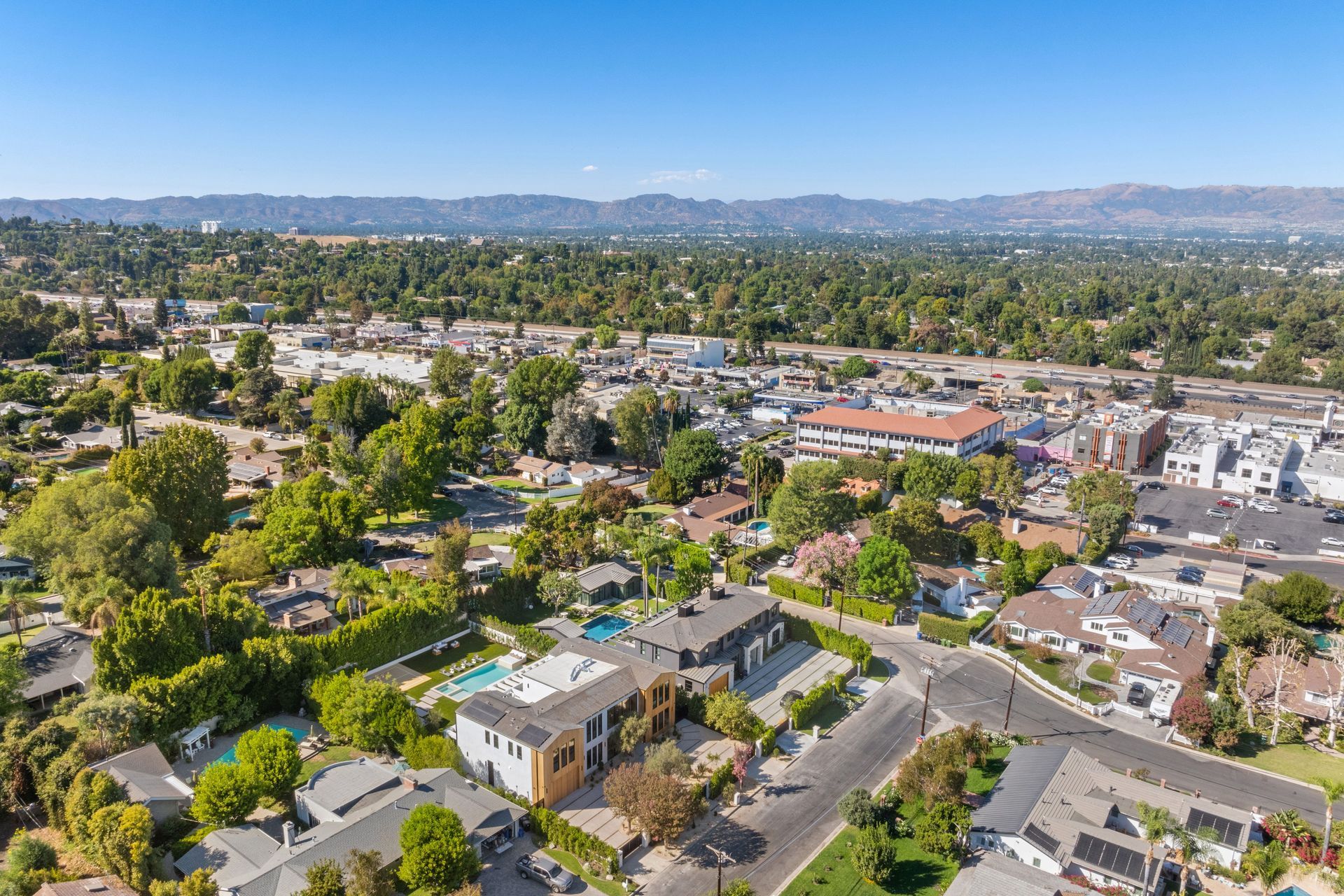
Home insurance helps protect your house, personal belongings, and liability risks. We explain coverage options clearly so you know what your policy includes.
Auto insurance provides protection for accidents, liability, and vehicle damage. We help you compare options so you can choose coverage that fits your driving needs.
Motorcycle insurance provides coverage for riders and their bikes. We help you select options that match how and where you ride.
RV insurance supports protection for motorhomes and recreational vehicles. Coverage applies during travel and while parked.
Coverage Built for Contractors and Trades
Support that keeps your work moving.

General Liability Insurance
General liability insurance helps protect contractors from injury and property damage claims. It supports jobsite requirements and contracts.

Workers Compensation
Workers compensation insurance helps protect employees injured while working. It also supports compliance with state requirements.

Commercial Auto Insurance
Commercial auto insurance provides coverage for work vehicles used on jobsites. It helps protect drivers and company vehicles.
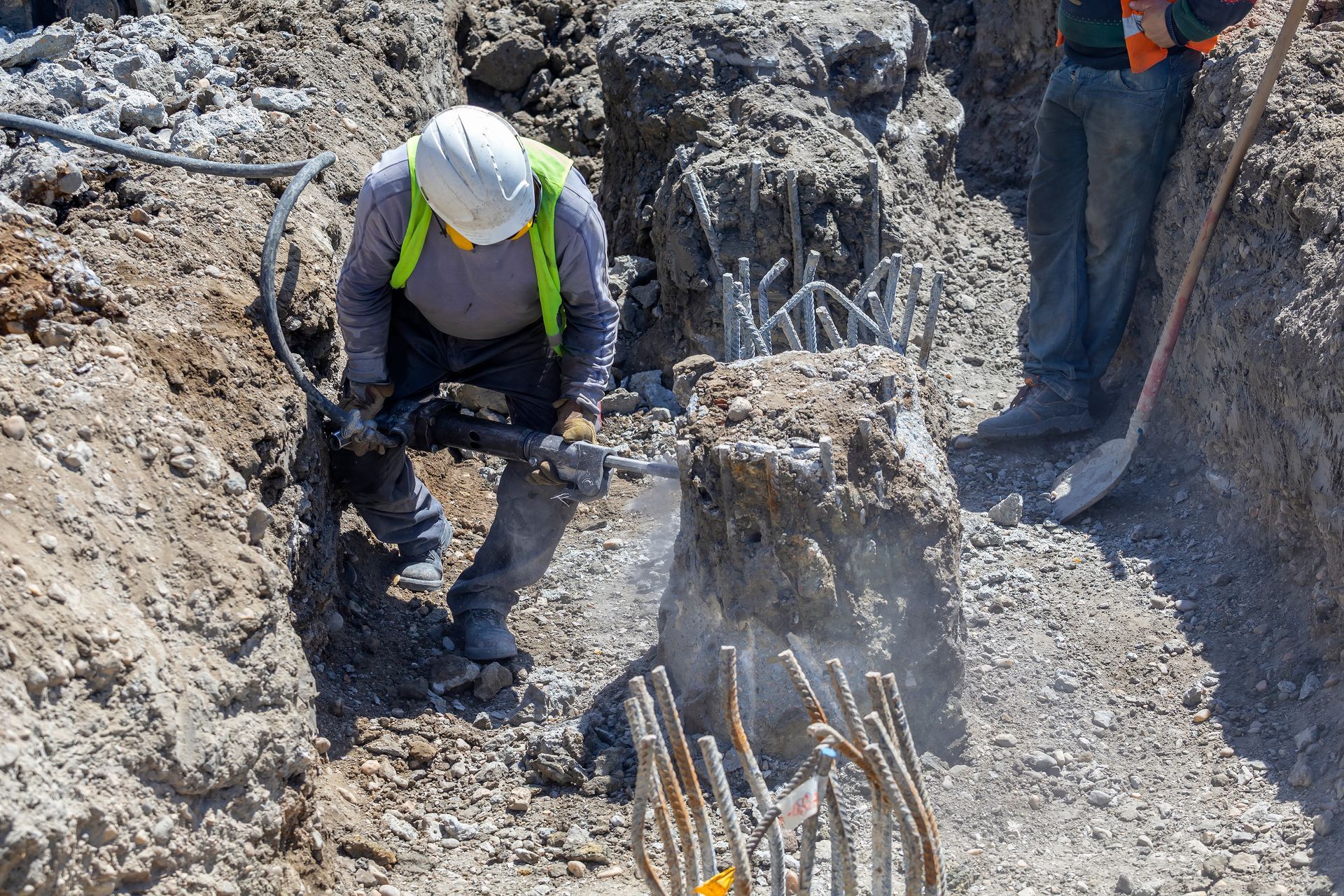
Contractor Insurance
Contractor insurance supports trades and service professionals across Southern California. It helps protect tools, equipment, and daily operations.

Cyber Liability Insurance
Cyber liability insurance helps protect business data and customer information. It supports recovery from digital incidents.

Commercial Property Insurance
Commercial property insurance helps protect offices, shops, and equipment. It supports recovery after covered damage.
Coverage Built for Specialized Work
Support for high-risk and service-driven industries.



Simple Steps Supported by Steady Guidance
A Clear Path to Coverage
Trusted by Clients Across Southern California
Clear service backed by real experiences.
Answers to Common Questions.
Clear explanations to guide your decisions.
How do I know which insurance policy is right for me?
We compare coverage options from multiple carriers to help you see differences in protection and price. You can review clear details and ask questions so you understand what each policy covers. Our team guides you step by step so you feel sure about your decision.
What factors affect my auto insurance premium?
Auto insurance premiums are influenced by your driving history, age, location, vehicle type, and coverage choices. A clean driving record and good safety features can help lower costs. We review these factors with you and help find coverage that fits your budget and needs.
Does homeowners insurance cover all types of damage?
Standard homeowners insurance protects your structure, personal belongings, liability, and additional living expenses in many cases. However, it usually does not include flood or earthquake damage without separate policies. We help you decide if extra coverage is right for your home and location.
Can I update my policy or get certificates online?
Yes. You can submit requests for policy changes and certificates through our online service form at any time. Our team processes those requests quickly and confirms updates once complete so you have the documents you need.
Do I need separate insurance for business risks like EPLI or E&O?
Yes. General liability and workers compensation cover many business risks but do not protect against all exposures. For example, Employment Practices Liability Insurance (EPLI) covers claims like wrongful termination or discrimination, and Errors & Omissions (E&O) covers claims based on mistakes in professional services. We help you identify which extra policies your business may need.
What happens if I need to file a claim?
If you need to file a claim, we guide you through the process and help you contact the insurance carrier. We explain what information you should provide, answer your questions, and stay available while the carrier reviews your claim. This support helps you move forward with confidence.
Contact Us