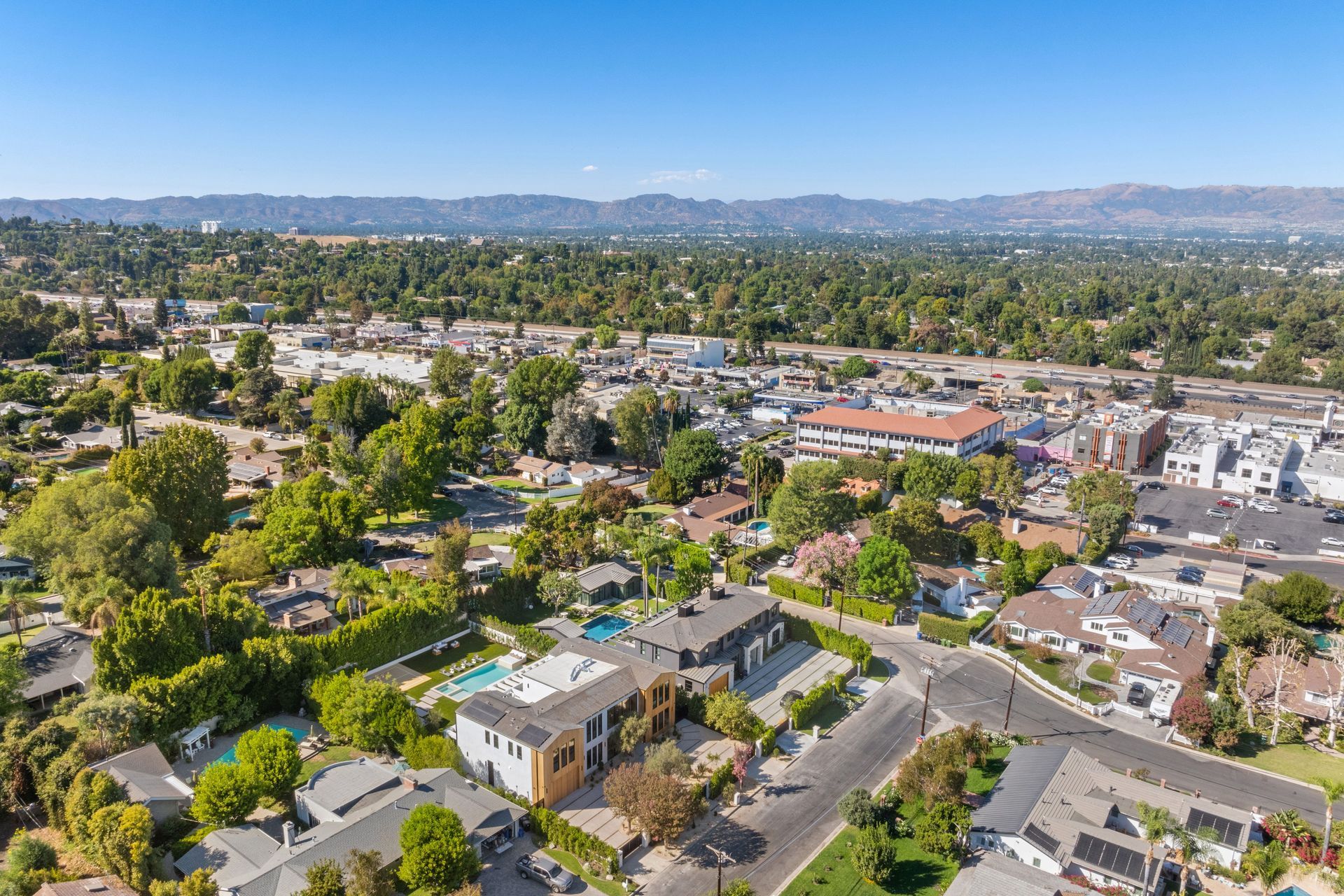
Owning a rental property can be a lucrative investment, but it also comes with its own set of risks. From natural disasters to tenant-related damages, unforeseen events can significantly impact your financial stability. This is where rental property insurance plays a crucial role. Understanding what rental property insurance covers, why it’s essential, and how to choose the right policy can protect your investment and provide peace of mind.
What Is Rental Property Insurance?
Rental property insurance, often referred to as landlord insurance, is a specialized type of insurance designed to protect property owners who rent out their homes, apartments, or commercial spaces. Unlike a standard homeowner’s policy, which primarily covers owner-occupied properties, rental property insurance addresses the unique risks associated with leasing properties to tenants. This type of insurance is essential for landlords, as it provides a safety net that can help mitigate financial losses resulting from unforeseen events.
Typically, this insurance covers the physical structure of the property, liability protection, and loss of rental income due to covered damages. It is important to note that rental property insurance does not cover the tenant’s personal belongings; tenants are responsible for obtaining renters insurance for their possessions. This distinction is crucial for both landlords and tenants, as it delineates the responsibilities of each party in the event of a loss. By ensuring that both landlords and tenants have appropriate coverage, potential disputes can be minimized, fostering a more harmonious rental relationship.
Key Components of Rental Property Insurance
Rental property insurance policies generally include three main types of coverage:
- Property Damage Coverage: Protects the building and any attached structures from damage caused by fire, storms, vandalism, or other insured perils. This coverage is vital, as it ensures that landlords can repair or rebuild their properties without incurring crippling out-of-pocket expenses.
- Liability Coverage: Offers protection if someone is injured on the property and the landlord is found legally responsible. This aspect of the policy can cover legal fees, medical expenses, and any settlements or judgments that may arise from such incidents, thus safeguarding the landlord's financial well-being.
- Loss of Rental Income: Covers lost rental income if the property becomes uninhabitable due to a covered event, such as a fire or severe storm. This feature is particularly beneficial for landlords who rely on rental income as a primary source of revenue, as it helps to ensure financial stability during periods of property damage.
In addition to these core components, many rental property insurance policies offer optional add-ons that can further enhance coverage. For instance, some landlords may choose to include coverage for equipment breakdowns, which can protect against the costs associated with repairing or replacing essential appliances and systems within the rental unit. Additionally, coverage for legal expenses related to eviction proceedings can be invaluable, as navigating tenant disputes can often lead to significant legal costs. Understanding these options allows landlords to tailor their insurance policies to better suit their specific needs and the unique characteristics of their rental properties.


By: Karla Torres
Personal Insurance Agent at Caruso Insurance Services
Why Is Rental Property Insurance Important?
Many landlords underestimate the importance of rental property insurance, assuming their homeowner’s policy is sufficient or that tenants will cover any damages. However, the risks associated with rental properties are distinct and often more complex.
Protecting Your Investment
Real estate is typically one of the largest investments a person makes. According to the National Association of Realtors, investment properties accounted for approximately 15% of all home sales in 2023, highlighting the popularity of rental properties as an income source. Protecting this investment against damage or liability is vital to maintaining profitability and financial security. Additionally, the value of real estate can fluctuate due to market conditions, making it even more crucial for landlords to safeguard their assets. A well-structured rental property insurance policy can cover various risks, including natural disasters, vandalism, and theft, ensuring that landlords can recover quickly from unforeseen events and maintain their property’s value over time.
Mitigating Liability Risks
Landlords face potential liability claims if tenants or visitors suffer injuries on the property due to negligence, such as poor maintenance or unsafe conditions. Liability claims can result in costly legal fees and settlements. Rental property insurance provides liability coverage that helps cover these expenses, safeguarding landlords from significant financial loss. Moreover, having this coverage can enhance a landlord's credibility and professionalism, as it demonstrates a commitment to maintaining a safe living environment for tenants. This proactive approach can also lead to better tenant retention, as renters are more likely to feel secure in a well-managed property.
Ensuring Continuity of Income
Rental income is often a primary source of revenue for landlords. If a property becomes uninhabitable due to damage, rental income can cease until repairs are completed. Loss of rental income coverage compensates landlords for this gap, helping them meet mortgage payments and other expenses during the downtime. This aspect of rental property insurance is particularly important in areas prone to natural disasters, where recovery times can be lengthy. Furthermore, landlords can use this coverage to plan for potential disruptions, allowing them to maintain financial stability and invest in future property improvements or acquisitions without the fear of losing income during unforeseen circumstances.
What Does Rental Property Insurance Typically Cover?
Understanding the scope of coverage is essential when selecting a rental property insurance policy. While specific terms vary by insurer and policy, the following are common coverages included.
Dwelling Coverage
This protects the physical structure of the rental property, including walls, roof, floors, and built-in appliances. Covered perils often include fire, lightning, windstorms, hail, vandalism, and certain water damages. It’s important to verify which perils are included, as some natural disasters like floods or earthquakes may require separate policies. Additionally, some policies may also cover the costs associated with debris removal after a covered loss, which can be a significant expense in the aftermath of a disaster.
Other Structures Coverage
Coverage may extend to detached structures on the property such as garages, sheds, fences, or swimming pools. This ensures that all parts of the property are protected against damage. For landlords with multiple structures, it’s crucial to assess the total value of these assets to ensure adequate coverage limits are in place. Furthermore, some policies may offer additional benefits for structures that are not used for rental purposes, such as a home office or workshop, which can be valuable for landlords who utilize their property for personal use as well.
Liability Protection
Liability coverage helps pay for legal expenses and damages if a tenant or visitor is injured on the property and the landlord is found responsible. This can cover medical bills, legal fees, and settlement costs, which can be financially devastating without insurance. Moreover, it’s important for landlords to understand the extent of their liability coverage, as some policies may include specific limits on the amount covered or exclude certain types of incidents, such as dog bites or slips and falls in common areas.
Loss of Rental Income
If the property is damaged by a covered peril and becomes uninhabitable, this coverage reimburses lost rental income during the repair period. This is particularly important for landlords who rely on rental income to cover mortgage payments and other property-related expenses. Additionally, some policies may offer coverage for extra expenses incurred during the repair process, such as temporary housing for displaced tenants, ensuring that landlords can maintain a positive relationship with their renters even in challenging situations.
Optional Coverages
Many insurers offer additional coverages that landlords can add to their policies, such as:
- Equipment Breakdown Coverage: Protects major appliances and systems like HVAC, plumbing, or electrical components. This coverage can save landlords from unexpected repair costs that may arise from equipment failures, which can disrupt tenant comfort and satisfaction.
- Legal Expense Coverage: Covers legal costs related to tenant disputes or eviction proceedings. This can be particularly beneficial in today's rental market, where disputes can arise more frequently and can lead to lengthy and costly legal battles.
- Flood and Earthquake Insurance: Separate policies may be necessary in high-risk areas. Understanding the local climate and geological risks can help landlords make informed decisions about which additional coverages to secure.

What Rental Property Insurance Does Not Cover
It’s equally important to understand what rental property insurance typically excludes to avoid surprises.
Tenant’s Personal Property
Insurance policies for rental properties do not cover tenants’ personal belongings. Tenants should obtain renters insurance to protect their possessions from theft, fire, or other damages. This type of insurance can be a lifesaver for renters, as it not only covers personal items like furniture, electronics, and clothing but may also provide liability protection in case someone is injured while visiting the rental property. By securing renters insurance, tenants can gain peace of mind knowing that their valuables are safeguarded against unforeseen events.
Normal Wear and Tear
Damage resulting from regular use and aging of the property is not covered. Maintenance issues such as worn-out carpets, faded paint, or plumbing leaks due to aging pipes are the landlord’s responsibility. It’s essential for landlords to conduct regular inspections and maintenance to address these issues proactively. By doing so, they can ensure that the property remains in good condition, which can help retain tenants and prevent costly repairs in the future. Additionally, keeping a well-maintained property can enhance its market value and appeal to potential renters.
Intentional Damage by Tenants
Some policies exclude damage caused intentionally by tenants. However, many insurers offer coverage options for tenant-caused damage, often called “tenant damage” or “vandalism by tenants” endorsements, which landlords can add for extra protection. This can be particularly beneficial in situations where a tenant may cause significant damage through negligence or malicious intent. Landlords should carefully review their insurance policy and consider these endorsements to ensure they are adequately protected against potential financial losses stemming from tenant actions.
Certain Natural Disasters
Floods, earthquakes, and hurricanes may require separate insurance policies depending on the location. For example, the
Federal Emergency Management Agency (FEMA) reports that flood damage causes over $3 billion in insured losses annually in the U.S., emphasizing the importance of specialized
flood insurance in flood-prone areas. Additionally, some regions may be more susceptible to earthquakes, prompting landlords to consider
earthquake insurance as a necessary investment. Understanding the specific risks associated with the property's location can help landlords make informed decisions about the types of coverage they need to protect their investment effectively.
How to Choose the Right Rental Property Insurance Policy
Choosing the right insurance policy involves evaluating your property’s specific risks, coverage needs, and budget. Here are some key factors to consider.
Assess Your Property’s Risks
Location plays a significant role in determining risks. Properties in hurricane-prone coastal areas, flood zones, or regions with high crime rates may require additional coverage or endorsements. Understanding local risks helps tailor the policy to your needs.
Determine Coverage Limits
Coverage limits should reflect the replacement cost of the property and potential liability exposure. Underinsuring can leave landlords vulnerable to out-of-pocket expenses, while overinsuring may lead to unnecessarily high premiums.
Compare Multiple Insurance Providers
Shopping around and comparing quotes from different insurers can help find the best coverage at competitive rates. Look for companies with strong financial ratings and positive customer reviews to ensure reliable service.
Understand Deductibles and Premiums
Higher deductibles generally lower premium costs but increase out-of-pocket expenses when filing a claim. Balancing deductibles and premiums based on your financial situation is essential.
Review Policy Exclusions and Endorsements
Carefully read policy exclusions and consider endorsements or riders to cover gaps. For instance, if your property is in a flood zone, purchasing flood insurance is critical since most standard policies exclude flood damage.
Consult an Insurance Professional
Insurance agents or brokers specializing in rental properties can provide valuable insights and help customize a policy that fits your specific circumstances.
Tips for Managing Rental Property Insurance Effectively
Beyond purchasing the right policy, proactive management can optimize your insurance benefits and reduce risks.
Maintain the Property Regularly
Regular maintenance reduces the likelihood of damage and liability claims. Addressing issues like faulty wiring, broken stairs, or plumbing leaks promptly can prevent accidents and costly repairs.
Screen Tenants Carefully
Thorough tenant screening can reduce the risk of property damage and eviction-related expenses. Checking references, credit history, and rental background helps identify responsible tenants.
Document Property Condition
Before renting, document the property’s condition with photos and written records. This can aid in resolving disputes over damages when tenants move out.
Encourage Tenants to Get Renters Insurance
While rental property insurance doesn’t cover tenant belongings, encouraging or requiring renters insurance protects tenants and reduces landlord liability for tenant property losses.
Review and Update Your Policy Annually
Property values, local risks, and insurance offerings change over time. Reviewing your policy annually ensures your coverage remains adequate and cost-effective.
Common Misconceptions About Rental Property Insurance
Several myths surround rental property insurance that can mislead landlords.
“My Homeowner’s Insurance Covers My Rental Property”
Standard homeowner’s insurance typically excludes coverage for properties rented out to others. Using a homeowner’s policy for a rental property can result in denied claims or policy cancellation.
“I Don’t Need Insurance Because My Tenant Is Responsible”
While tenants are responsible for their personal property, landlords remain liable for the physical structure and injuries on the property. Insurance protects landlords from these risks.
“Rental Property Insurance Is Too Expensive”
Though premiums vary, the cost of rental property insurance is generally affordable compared to potential losses from damage or liability claims. Skipping insurance can lead to far greater financial hardship.
| Risk Category | Examples | Why It’s Higher Risk | Insurance Impact |
|---|---|---|---|
| Property Condition & Age | Older buildings, deferred maintenance, outdated electrical/plumbing | Increases the likelihood of claims from fire, water damage, and tenant injury | Higher premiums or mandatory inspections before coverage |
| Tenant Profile | Section 8, short-term rentals (e.g., Airbnb), high turnover tenants | Unstable occupancy increases loss frequency and lowers predictability | Added surcharges or exclusions, stricter underwriting |
| Vacancy & Occupancy Rates | Properties vacant for 30+ days, frequent tenant turnover | Vacant units are more susceptible to vandalism, water leaks, and squatters | Vacancy clauses may limit or deny claims; possible premium hikes |
| Natural Disaster Zones | Properties in flood plains, wildfire zones, or coastal hurricane areas | Elevated exposure to catastrophic loss events | Separate deductibles or exclusions for perils; higher rates |
| Security Measures | No alarms, lighting, or deadbolts; unsecured entry points | Increases risk of burglary, arson, and vandalism | Premium discounts may be denied or rates increased |
| Claims History | Multiple past losses or prior coverage cancellations | A track record of losses signals higher future risk | Declinations, surcharges, or non-renewals possible |
ABOUT THE AUTHOR:
KARLA TORRES
Hi, I’m Karla Torres-Millan. I’ve been with Caruso Insurance for 14 years and in the insurance industry for a fantastic 25 years, as I specialize in personal insurance. I enjoy hiking, traveling to Baja, and spending time with family. I’m happily married and have two beautiful daughters, both of which have never failed to keep me busy. I’m passionate about what I do because I love to help others. I strive to eliminate the stress families experience when it comes to the lack of protection on their assets.
Contact Us

Service that stays with you.
Our team helps simplify insurance decisions for families and businesses. We focus on clear explanations, fast responses, and dependable service. You can count on us for help with coverage questions, updates, and long-term support.
Coverage that keeps you secure
Reliable Protection for Everyday Life
Home insurance helps protect your house, personal belongings, and liability risks. We explain coverage options clearly so you know what your policy includes.
Auto insurance provides protection for accidents, liability, and vehicle damage. We help you compare options so you can choose coverage that fits your driving needs.
Motorcycle insurance provides coverage for riders and their bikes. We help you select options that match how and where you ride.
RV insurance supports protection for motorhomes and recreational vehicles. Coverage applies during travel and while parked.
Coverage Built for Contractors and Trades
Support that keeps your work moving.

General Liability Insurance
General liability insurance helps protect contractors from injury and property damage claims. It supports jobsite requirements and contracts.

Workers Compensation
Workers compensation insurance helps protect employees injured while working. It also supports compliance with state requirements.

Commercial Auto Insurance
Commercial auto insurance provides coverage for work vehicles used on jobsites. It helps protect drivers and company vehicles.
Contractor Insurance
Contractor insurance supports trades and service professionals across Southern California. It helps protect tools, equipment, and daily operations.

Cyber Liability Insurance
Cyber liability insurance helps protect business data and customer information. It supports recovery from digital incidents.

Commercial Property Insurance
Commercial property insurance helps protect offices, shops, and equipment. It supports recovery after covered damage.
Coverage Built for Specialized Work
Support for high-risk and service-driven industries.


Simple Steps Supported by Steady Guidance
A Clear Path to Coverage
Trusted by Clients Across Southern California
Clear service backed by real experiences.
Answers to Common Questions.
Clear explanations to guide your decisions.
How do I know which insurance policy is right for me?
We compare coverage options from multiple carriers to help you see differences in protection and price. You can review clear details and ask questions so you understand what each policy covers. Our team guides you step by step so you feel sure about your decision.
What factors affect my auto insurance premium?
Auto insurance premiums are influenced by your driving history, age, location, vehicle type, and coverage choices. A clean driving record and good safety features can help lower costs. We review these factors with you and help find coverage that fits your budget and needs.
Does homeowners insurance cover all types of damage?
Standard homeowners insurance protects your structure, personal belongings, liability, and additional living expenses in many cases. However, it usually does not include flood or earthquake damage without separate policies. We help you decide if extra coverage is right for your home and location.
Can I update my policy or get certificates online?
Yes. You can submit requests for policy changes and certificates through our online service form at any time. Our team processes those requests quickly and confirms updates once complete so you have the documents you need.
Do I need separate insurance for business risks like EPLI or E&O?
Yes. General liability and workers compensation cover many business risks but do not protect against all exposures. For example, Employment Practices Liability Insurance (EPLI) covers claims like wrongful termination or discrimination, and Errors & Omissions (E&O) covers claims based on mistakes in professional services. We help you identify which extra policies your business may need.
What happens if I need to file a claim?
If you need to file a claim, we guide you through the process and help you contact the insurance carrier. We explain what information you should provide, answer your questions, and stay available while the carrier reviews your claim. This support helps you move forward with confidence.
Contact Us