
California wineries face unique challenges that extend beyond the art of winemaking. With fluctuating weather patterns and rising wildfire risks, wineries in the state are navigating a challenging insurance landscape. As the economic impact of the wine industry climbs-with close to $84.51 billion in total activity in 2025-the need for tailored insurance solutions becomes even more critical.
This guide dives into the realities of winery insurance in California, addressing rising premiums, specialized coverage requirements, and the dwindling competition among insurers. The discussion blends industry statistics, real-world challenges, and expert insights to provide a robust resource for winery operators across the state.
By understanding the risk factors and the cost structures in place, winery owners and managers can better prepare themselves to secure coverage that supports their operations, protects their assets, and keeps their businesses resilient in the face of uncertainties.
Understanding the Insurance Landscape for California Wineries
With climate patterns shifting and wildfire risks intensifying, the insurance market for California wineries has experienced a drastic change in competitive dynamics. Today, many wineries report that instead of having multiple insurance firms to choose from, they are often left with only one provider willing to cover the increasing risk. As highlighted by experts in industry publications like Wine Spectator, the contracting options for wineries have narrowed significantly.
This contraction in available providers has led to a scenario where premiums escalate quickly. Rising wildfire incidents contribute heavily to this trend, with North Bay wineries and Napa County vineyards reporting premium increases and, in some instances, even instances where wineries operate without any insurance because options are so limited.
The shrinking insurance market is not just a challenge of supply but also a reflection of the increasing risks. Insurers are observing rising losses and are forced to adjust their pricing models accordingly. The pressure from the reinsurance market, in which wildfire coverage costs have surged, has made the entire landscape less forgiving for winery owners.
By: Peter Plew
Commercial Insurance Agent at Caruso Insurance Services
Why Tailored Coverage is Crucial for Wineries
Wineries require specialized coverage that goes beyond traditional business insurance. The intricacies of vineyard operations, from equipment and property damage to liability risks and even reputational harm from unexpected disruptions, demand customized solutions. This need for tailored coverage is reinforced by the fact that wineries are not simply manufacturing products, but also managing a significant agricultural investment.
Traditional policies may leave out key exposures related to vineyard-specific risks, such as wildfire damage. Napa County's experience in 2025, where vineyards suffered under a record number of wildfires that damaged thousands of acres, underscores the necessity of a comprehensive, tailored approach to insurance (Cal Coast Times). These specialized policies can cover everything from grape yield loss to the cost of rebuilding damaged infrastructure.
The California FAIR Plan is one example of a solution that has gained traction among wineries, particularly in regions where standard market options are increasingly scarce. In San Diego County, up to 40% of wineries noted policy premium increases, prompting many to turn to the FAIR Plan for essential wildfire
coverage (San Diego County Vintners Association). This shift illustrates that as risks evolve, so too must the products designed to mitigate them.
The Impact of Wildfire Activity on Winery Insurance
Historical Wildfire Trends and Their Effects
Wildfires have become a recurring challenge for California wineries, particularly in areas like Napa County, where recent years have witnessed an increase in both the frequency and severity of these events. Data from 2025 shows that Napa County experienced 28 wildfires that burnt over 95,000 acres and led to significant damage of approximately 2,500 acres of vineyard area. This level of destruction forces insurance companies to reconsider their risk assumptions.
This barrage of wildfires is not merely a natural occurrence-it is a systemic risk that underpins the rising insurance premiums. Insurers are forced to factor in these risks, which in turn impacts the premiums charged to winery owners. As wildfire activities escalate, so do the costs associated with providing coverage, making it imperative for winery owners to have thorough risk management strategies.
Wildfire activity thus acts as a catalyst for change, forcing insurers to tighten underwriting standards and driving up the cost of risk transfer. The impact is felt across the board, with even historically stable regions now experiencing a higher volatility in insurance costs.
Shifts in the Reinsurance Market and Coverage Availability
The reinsurance market has witnessed dramatic changes. A notable expert insight from Wine Spectator highlighted that capacity is shrinking alongside rising costs due to increasing reinsurance losses from wildfire incidents. This scenario has resulted in fewer insurance companies stepping forward with competitive options for wineries.
When reinsurers pass on their increased costs to primary insurers, wineries often end up facing not only higher premiums but also reduced policy terms and conditions that may not comprehensively cover all risks. In some instances in the North Bay region, the situation is so dire that wineries have chosen to operate without any coverage at all because the insurance solutions offered are either too expensive or too limited in scope (KZST 100.1).
This reinsurance dynamic creates a cascading effect on the insurance marketplace. It also underscores the urgency for innovative insurance solutions that can provide robust protection without leaving winery owners overexposed to the risks they face.
The Economic Significance and Broader Impact on the California Wine Industry
California’s wine industry plays a crucial role in the state’s economy. In 2025, the industry was responsible for generating nearly $84.51 billion in economic activity. This robust economic activity is fueled by a network of over 4,600 wine producers and 570,000 acres of vineyards. However, these impressive figures mask the financial pressures winery operators face in securing adequate insurance coverage.
Insurance costs, driven by wildfire risks and a limited number of underwriting firms, add another layer of complexity to an already competitive market. The economic significance of this industry demands that wine producers maintain continuity amid uncertainties. Adequate insurance coverage not only protects their vineyards and production facilities but also secures the livelihoods of countless individuals who are part of the winery ecosystem-farm workers, winemakers, distributors, and even local tourism activities.
The relationship between solid insurance coverage and economic stability is critical. When wineries are properly insured, they are better positioned to manage losses, invest in preventative measures, and ultimately sustain their operations in the long term. Insurers, by adapting to emerging risks, play a pivotal role in bolstering the state’s multifaceted wine economy.
Exploring the Options: Coverage Types and Policy Considerations
Core Coverage Areas in Winery Insurance
Wineries need to secure a mix of coverage types to mitigate the various risks inherent in their operations. Policies typically include property damage, business interruption, and liability insurance. Property damage coverage secures the physical assets, such as vineyards, equipment, and production facilities, while business interruption policies ensure that operations can resume promptly after a disruption.
Liability coverage is equally critical because it protects against claims arising from on-site incidents, product liability, or even accidents on the property. This layered protection structure becomes especially important when considering that wineries are not static operations-they often invite public visits, tastings, and events that can potentially expose them to greater risks.
In planning for these coverage scenarios, a risk assessment that is unique to the winery’s location and operational details is essential. Insurers often conduct these evaluations to determine premium costs and coverage limits. A thorough understanding of these policies empowers winery owners to negotiate better terms and ensure that no significant risks are left uncovered.
Specialized Policies for Wildfire and Natural Disaster Preparedness
Given the persistent threat of wildfires in California, specialized policies that address these risks are no longer optional-they are essential. Wildfire coverage within winery insurance policies has evolved to include not just property damage but also other related costs such as equipment replacement and post-disaster recovery efforts. These additions provide a safety net that can be the difference between a manageable setback and a potentially devastating financial blow.
Some regions have even witnessed wineries turning to alternative insurance arrangements like the California FAIR Plan. These programs offer a fallback option when traditional insurers withdraw from high-risk areas. For example, a study in 2025 showed that a significant portion of San Diego County wineries, around 40%, reported increases in premiums, compelling many to rely on the FAIR Plan for wildfire coverage (San Diego County Vintners Association).
This form of coverage can be less comprehensive than bespoke insurance plans offered by multiple companies, but it ensures that wineries are not left entirely unprotected. It is an example of how regulatory and industry measures adapt to evolving risk profiles.
Cost Drivers and Factors Influencing Premiums
Several factors influence how much wineries pay for insurance. The most prominent drivers include the regional wildfire risk, the historical loss data associated with adverse events, and the overall economic activity of the operation. In regions like Napa County, where recent records indicate 28 wildfires burning vast tracts of land, the inherent risk translates directly into premium adjustments (Cal Coast Times).
Insurers base their rates on the potential cost of claims. When wildfire incidents increase in frequency and severity, the reinsurance market steps in but at a higher cost, which trickles down to the primary insurance policies. For winery owners, understanding these cost drivers is key to managing and potentially reducing expenses through risk mitigation strategies.
Some wineries invest in advanced fire prevention measures and infrastructure improvements to lower their risk profile. These measures, while incurring upfront expense, can lead to lower premiums over time by demonstrating proactive risk reduction to insurers.
Market Dynamics and the Declining Number of Underwriters
The number of insurance underwriters willing to take on winery risks has diminished considerably in recent years. Previously, wineries might have seen bids from four or five different insurance companies, but recent trends indicate that many are lucky to receive just one bid. This contraction restricts negotiations and leaves winery owners with limited choices, often resulting in less favorable terms.
One of the key reasons for this trend is the overall increase in both frequency and severity of losses linked to wildfires. With multiple underwriters stepping back, those remaining tend to charge premium rates that reflect the high-risk environment. The dynamics observed in the industry reveal a shift where quality coverage is hard to come by, and wineries may have fewer options for recourse should issues arise.
Insurers must balance their portfolios against extreme risks, and as they retrench from high-risk markets, the supply of affordable and comprehensive insurance options for wineries shrinks. This fact underscores the significance of risk management initiatives and the need for innovative insurance products designed specifically for high-risk agricultural operations.
Risk Management Strategies for Winery Owners
While insurance provides an important safety net, proactive risk management remains critical. Winery owners need to invest in both physical and operational enhancements that mitigate the impact of adverse events. From implementing advanced fire detection systems to enhancing building codes and infrastructure, practical measures can substantially reduce the frequency and impact of losses.
Preventative steps include regular property inspections, incorporating fire-resistant materials, and collaborating with local fire departments on response strategies. These measures not only help reduce potential claims but can also signal to insurers that the risk is being managed, potentially leading to more favorable premium rates.
Risk management must also extend to operational practices. Establishing crisis management protocols, diversifying supply chains, and investing in employee training can all contribute to a greater overall resilience. Such strategies are essential in protecting the winery from both natural and human-made risks, ensuring that operations can continue with minimal disruption.
Innovative Solutions and Collaborative Approaches
Some winery owners are turning to industry partnerships and local cooperatives to reinforce their risk management efforts. Innovative financing solutions, combined with shared resources for disaster preparedness, can help offset some of the economic burden of extensive coverage premiums. These solutions may include group policies and collective bargaining with insurers, offering smaller operations greater clout in negotiating terms.
Collaboration extends beyond the immediate winery community, with regional insurance programs like the California FAIR Plan offering a lifeline for high-risk areas. While such plans may provide basic coverage, they serve as an important backup for wineries whose risk profiles currently exceed the appetite of major insurers.
The move toward stronger collaboration is a recognition that risk, especially from natural disasters like wildfires, is a shared challenge. By working together, wineries can improve both the terms of coverage and the collective resilience of the industry.
Coverage Comparison: Traditional Policies Versus Specialized Solutions
Determining the right insurance solution often means weighing the benefits of traditional policies against those of specialized programs. Traditional policies may offer broader coverage but often come with limitations when it comes to addressing the unique exposures of a winery.
On the other hand, specialized programs geared toward high-risk environments include provisions that cover not only standard property damage but also the nuanced risks associated with vineyard operations, such as crop loss and wildfire impact. These specialized policies may come at a higher cost but are structured to address the specific vulnerabilities faced by winery businesses.
Below is a comparison chart detailing key differences between traditional coverage and specialized wildfire and winery policies:
| Coverage Feature | Traditional Policy | Specialized Winery Policy |
|---|---|---|
| Property Damage | General coverage, may exclude wildfire damage | Inclusive of wildfire, fire-resistant materials, and crop loss |
| Business Interruption | Standard interruption coverage | Enhanced coverage for extended downtime due to wildfires |
| Liability Coverage | Broad liability, but may have coverage gaps | Tailored to events and production-specific risks |
| Premium Adjustments | Stable, but may not reflect local risks | Responsive to regional wildfire trends and preventative measures |
This comparison emphasizes that while traditional policies have their place, specialized solutions often offer a more complete safety net for wineries in high-risk regions.
Strategies for Securing Competitive Rates
For winery operators, finding competitive rates in a dwindling market can be challenging. Smart steps include leveraging risk management improvements and actively engaging with trusted insurance brokers who understand the winery sector.
One practical approach is to compare multiple insurance quotes whenever possible. Although the number of insurers willing to offer coverage has decreased, reaching out to brokers who specialize in agricultural or wine industry risks can uncover innovative policy solutions that balance cost with comprehensive protection.
In addition, continuous dialogue with insurers about improvements in risk management practices can lead to lower premiums. Demonstrating investments in fire prevention and property enhancements not only reduces risk but may also sway insurers toward offering better terms.
Negotiating Coverage and Premium Terms
Negotiating with insurers requires a strategic approach. Detailed documentation of property improvements, risk management measures, and historical loss data can support a case for lower premiums. Effective record-keeping and proactive communication are critical elements during negotiations.
Retailers in the wine industry should prepare for discussions by clearly outlining the unique features of their operations that mitigate risk. Approaching negotiations with a well-crafted portfolio of risk management successes may lead to premium discounts even in a high-cost environment.
Clear, transparent negotiations help not only in securing a competitive rate but also in building a long-term relationship with the insurer-an aspect that can prove beneficial as market risks evolve over time.
The Future of Winery Insurance in California
Looking ahead, the landscape of winery insurance in California is set for further transformation. As wildfire risks and climate change continue to impact the region, insurers and winery owners alike must brace for ongoing changes. The industry is witnessing a consolidation of insurance providers, which may spur the development of innovative coverage models designed for the modern risk environment.
Advanced analytical tools and data-driven insights are paving the way for more accurate risk assessments. These developments help insurers fine-tune their pricing strategies and offer policies that better reflect the realities of vineyard operations. This evolution in underwriting practices is anticipated to foster greater transparency between insurers and winery operators.
Despite the challenges, there remains hope that increased collaboration within the industry can yield creative solutions. Innovations such as pooled risk funds and cooperative insurance models are being explored to manage the rising costs. As the debate continues, the key takeaway is that both insurers and winery owners must remain agile, embracing changes that ultimately strengthen the resilience of California’s wine industry.
Practical Steps for Winery Owners to Optimize Their Insurance Portfolio
For operators keen on mitigating risk and managing costs, taking practical steps to optimize insurance portfolios is essential. From regular safety audits and structured risk assessments to investing in fire prevention technologies, the actions taken by winery owners have a direct impact on premium rates.
An often overlooked strategy includes partnering with local fire departments to develop customized emergency response plans. Such collaborations can not only reduce risk but also improve the overall safety profile of the operation. Insurers are increasingly placing value on demonstrated proactive risk management, leading to better policy conditions.
Furthermore, maintaining open channels of communication with insurance brokers and underwriters ensures that any changes in operations or property status are adequately reflected in insurance policies. Keeping documentation up to date is a critical component of this process. These efforts, while detailed and sometimes demanding, ultimately position wineries to enjoy more stable and competitive rates in the long run.
Integrating Technology and Data Analytics
Modern technology plays a pivotal role in shaping the future of risk management for wineries. Data-driven insights from weather forecasts, fire risk prediction algorithms, and advanced modeling tools provide invaluable information to both insurers and winery operators. This technological edge means that potential threats can be identified earlier and addressed more efficiently, leading to reduced losses.
Tools that monitor local wildfire activity and integrate real-time data into risk management plans are becoming standard practice in several regions. Enhanced predictive analytics can help wineries fine-tune their prevention and response measures, thereby not only safeguarding the vineyard but also lowering the risk profile for insurers. This symbiotic relationship between technology and operational safety is set to revolutionize the insurance landscape over the coming years.
Many experts believe that the integration of sophisticated data analytics will facilitate more dynamic pricing models, ensuring that coverage reflects the actual risk level on a much more granular basis. This trend points toward a future where winery insurance is both responsive and fair, rewarding those who adopt advanced preventive measures with lower premiums and improved coverage terms.
Frequently Asked Questions
This section provides answers to some of the most common questions raised by winery owners and industry stakeholders regarding insurance coverage in California.
Q1: Why is insurance coverage becoming increasingly expensive for California wineries?
A: Rising wildfire risks and a dwindling number of underwriters drive up the cost of insurance. Increased claims and reinsurance costs are directly influencing premium hikes (Wine Spectator).
Q2: What types of coverage are essential for a winery in California?
A: Essential coverage includes property damage, business interruption, and liability insurance. Specialized policies addressing wildfire damage and crop loss are also critical for comprehensive protection.
Q3: How does wildfire activity affect insurance premiums for wineries?
A: Increased frequency and severity of wildfires raise the risk exposure for insurers, resulting in higher premiums. Regions like Napa County, which experienced record wildfire activity, exemplify this trend (Cal Coast Times).
Q4: Are specialized insurance programs like the California FAIR Plan sufficient for winery coverage?
A: The California FAIR Plan offers basic coverage, which is helpful when traditional insurers are not available. However, for full coverage, wineries should consider policies that are specifically designed to address the broad spectrum of risks they face.
Q5: What risk mitigation strategies can help lower my winery's insurance premiums?
A: Investing in fire prevention systems, enhancing infrastructure, and regularly updating risk management plans can lead to lower premiums. Documenting these improvements and working closely with insurance professionals also helps in negotiating better terms.
Q6: How can technological advancements improve winery insurance coverage?
A: Technology boosts risk prediction and management through advanced data analytics, proactive monitoring, and improved emergency response planning. These innovations lead to more accurate underwriting and fairer premium rates over time.
Q7: What should I do if I can't find an insurer willing to cover my winery risks?
A: Consider exploring cooperative insurance arrangements or alternative markets such as the California FAIR Plan. Consulting with brokers specializing in agricultural risks can also reveal creative coverage options.
Final Thoughts on Securing Winery Insurance in California
Securing appropriate insurance coverage is both a necessity and a challenge for California wineries. With the industry facing unprecedented wildfire risks and market contraction, every winery owner and operator must arm themselves with knowledge and strategic planning. From understanding the intricacies of traditional versus specialized policies to implementing robust risk management practices, the path to comprehensive coverage is paved with diligence and adaptability.
In a market where insurance providers are few and rising premium trends are becoming the norm, staying informed and proactive is the best defense. The evolving dynamics in the reinsurance marketplace and the increasing reliance on programs like the California FAIR Plan demonstrate that the challenge is both real and manageable, provided each stakeholder is committed to taking the right preventive measures.
It is essential for winery owners to remember that while the insurance landscape may seem daunting, there is a range of options available. By aligning risk management efforts with the right coverage strategies, it is possible to secure a safety net that supports both the operation and the economic vitality of California’s rich wine heritage. As the industry continues to change, ongoing dialogues between insurers and winery owners will likely yield innovative solutions tailored to meet future challenges. For the latest statistics and insights, industry professionals can refer to reputable sources like
WineAmerica and trusted market reports.
Wrapping Things Up
The journey to securing optimal winery insurance in California is layered and demanding, influenced by environmental challenges and shifting market dynamics. With nearly 4,600 wine producers and a substantial economic footprint, California's wineries must navigate unprecedented risks with flexibility and resilience.
From accounting for wildfire threats in policy design to embracing advanced analytics for proactive risk management, every strategy that mitigates risk contributes to a more secure operational future. Engaging with knowledgeable insurance professionals and staying abreast of market trends ensures that winery owners can adapt swiftly to change.
While the challenges are significant, the ongoing collaboration between industry stakeholders and insurance providers fosters an environment where tailored, innovative solutions can take root. Ultimately, by proactively managing risks and seeking comprehensive coverage, California wineries can continue to thrive despite the unpredictable landscape. In an uncertain market, the priority remains clear-protect the legacy and economic vitality of one of the world's most iconic wine-producing regions.
ABOUT THE AUTHOR:
PETER PLEW
Hi my name is Peter Plew and I am a commercial insurance professional. I listen to and strategize with business owners about their visions of the future and assist in getting there as quickly as possible. I help identify unique exposure and risk’s that business owners have and the reasons why they need to be insured against them. My goal is to make sure my clients are always taken care of on a daily basis with any service needs, questions, or concerns they may have. I love to golf and spend time with my family in my spare time.
Contact Us

Service that stays with you.
Our team helps simplify insurance decisions for families and businesses. We focus on clear explanations, fast responses, and dependable service. You can count on us for help with coverage questions, updates, and long-term support.
Coverage that keeps you secure
Reliable Protection for Everyday Life
Home insurance helps protect your house, personal belongings, and liability risks. We explain coverage options clearly so you know what your policy includes.
Auto insurance provides protection for accidents, liability, and vehicle damage. We help you compare options so you can choose coverage that fits your driving needs.
Motorcycle insurance provides coverage for riders and their bikes. We help you select options that match how and where you ride.
RV insurance supports protection for motorhomes and recreational vehicles. Coverage applies during travel and while parked.
Coverage Built for Contractors and Trades
Support that keeps your work moving.

General Liability Insurance
General liability insurance helps protect contractors from injury and property damage claims. It supports jobsite requirements and contracts.

Workers Compensation
Workers compensation insurance helps protect employees injured while working. It also supports compliance with state requirements.

Commercial Auto Insurance
Commercial auto insurance provides coverage for work vehicles used on jobsites. It helps protect drivers and company vehicles.
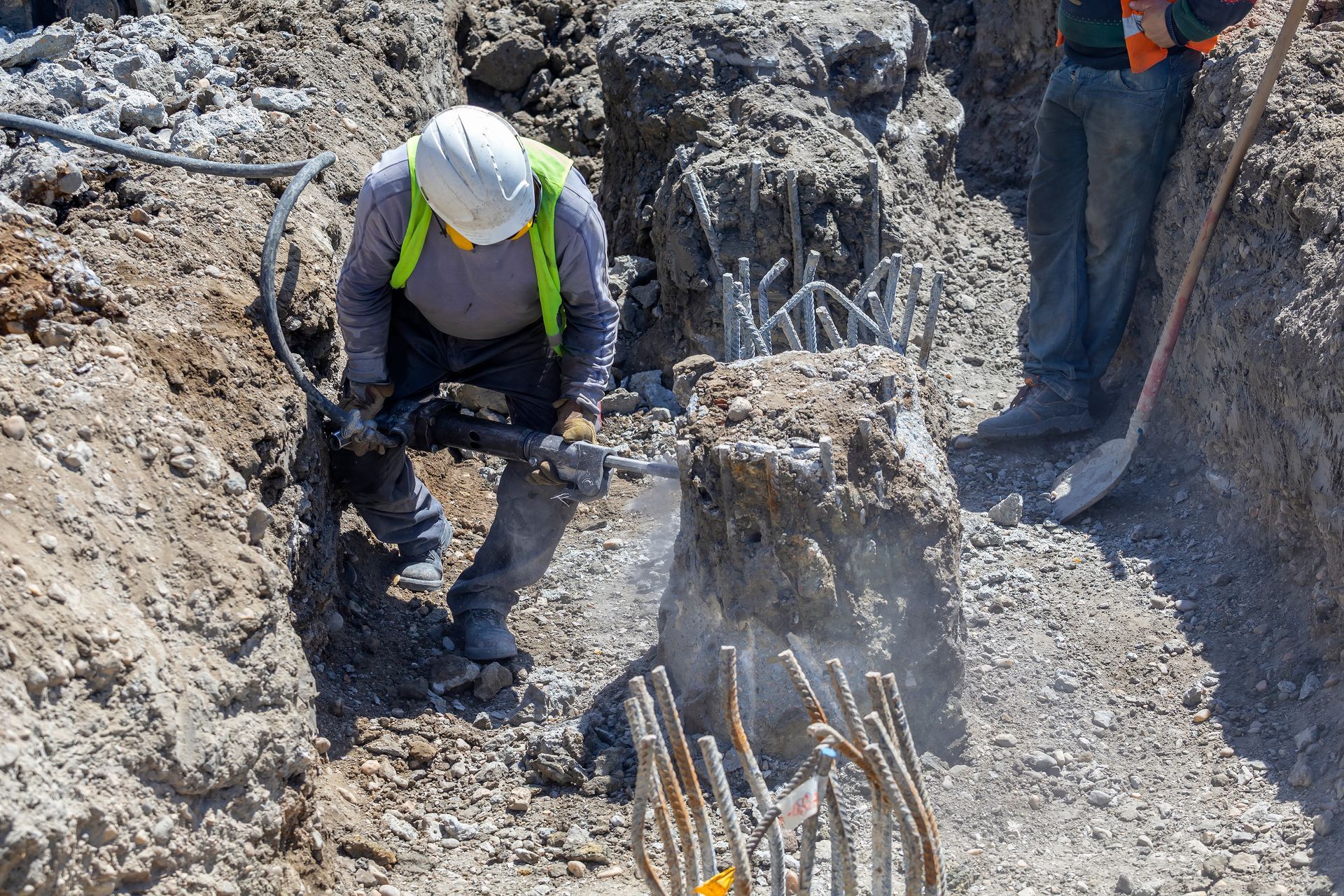
Contractor Insurance
Contractor insurance supports trades and service professionals across Southern California. It helps protect tools, equipment, and daily operations.

Cyber Liability Insurance
Cyber liability insurance helps protect business data and customer information. It supports recovery from digital incidents.

Commercial Property Insurance
Commercial property insurance helps protect offices, shops, and equipment. It supports recovery after covered damage.
Coverage Built for Specialized Work
Support for high-risk and service-driven industries.



Simple Steps Supported by Steady Guidance
A Clear Path to Coverage
Trusted by Clients Across Southern California
Clear service backed by real experiences.
Answers to Common Questions.
Clear explanations to guide your decisions.
How do I know which insurance policy is right for me?
We compare coverage options from multiple carriers to help you see differences in protection and price. You can review clear details and ask questions so you understand what each policy covers. Our team guides you step by step so you feel sure about your decision.
What factors affect my auto insurance premium?
Auto insurance premiums are influenced by your driving history, age, location, vehicle type, and coverage choices. A clean driving record and good safety features can help lower costs. We review these factors with you and help find coverage that fits your budget and needs.
Does homeowners insurance cover all types of damage?
Standard homeowners insurance protects your structure, personal belongings, liability, and additional living expenses in many cases. However, it usually does not include flood or earthquake damage without separate policies. We help you decide if extra coverage is right for your home and location.
Can I update my policy or get certificates online?
Yes. You can submit requests for policy changes and certificates through our online service form at any time. Our team processes those requests quickly and confirms updates once complete so you have the documents you need.
Do I need separate insurance for business risks like EPLI or E&O?
Yes. General liability and workers compensation cover many business risks but do not protect against all exposures. For example, Employment Practices Liability Insurance (EPLI) covers claims like wrongful termination or discrimination, and Errors & Omissions (E&O) covers claims based on mistakes in professional services. We help you identify which extra policies your business may need.
What happens if I need to file a claim?
If you need to file a claim, we guide you through the process and help you contact the insurance carrier. We explain what information you should provide, answer your questions, and stay available while the carrier reviews your claim. This support helps you move forward with confidence.
Contact Us