Operating a gas station in California presents challenges and risks that go beyond simple business concerns. With thousands of gallons of fuel sold each year, the inherent risks of equipment failure, environmental spills, and liability issues require robust and tailored insurance policies. As varied as these risks are, gas station insurance in California offers specialized coverage options to help navigate potential hazards and safeguard assets. Detailed analyses and studies, such as those revealing how higher gasoline margins affected consumer costs, provide valuable context for business owners working to secure optimal coverage (Yahoo News).
Risk management for gas price margins and environmental hazards makes understanding the essentials of insurance even more critical. Should issues arise from factors like underground tank damage during frequent earthquakes, or wildfire risks coupled with structural vulnerabilities, insurance plays a central role. This guide delves into the unique challenges faced by California gas station owners and explores the tailored insurance solutions available.
Topics range from understanding basic liability coverage to exploring specialized policies that address unforeseen natural disasters. Business owners and decision-makers will find insights drawn from industry studies and expert opinions particularly valuable in planning long-term risk mitigation strategies.
Understanding the Insurance Needs of Gas Stations
California gas station insurance isn’t a one-size-fits-all policy. Managing risks begins with identifying the types and numbers of hazards a station might encounter. These include environmental spills, damage to underground tanks due to frequent earthquakes, and even liability issues involving customers.
Gas stations require a variety of coverages that address multiple facets of their business. From property damage to business interruption and environmental liability, policies are designed to mitigate financial losses while helping maintain operations after a claim. The unique challenges of managing hazardous materials add additional components to the insurance portfolio.
For example, statistical evidence has shown that Californian drivers use, on average, 568 gallons of gasoline annually
(E360 Insurance). This consumption level, combined with the potential for natural disasters such as earthquakes – with an average of 8,000 occurrences per year – illustrates why comprehensive coverage is paramount.
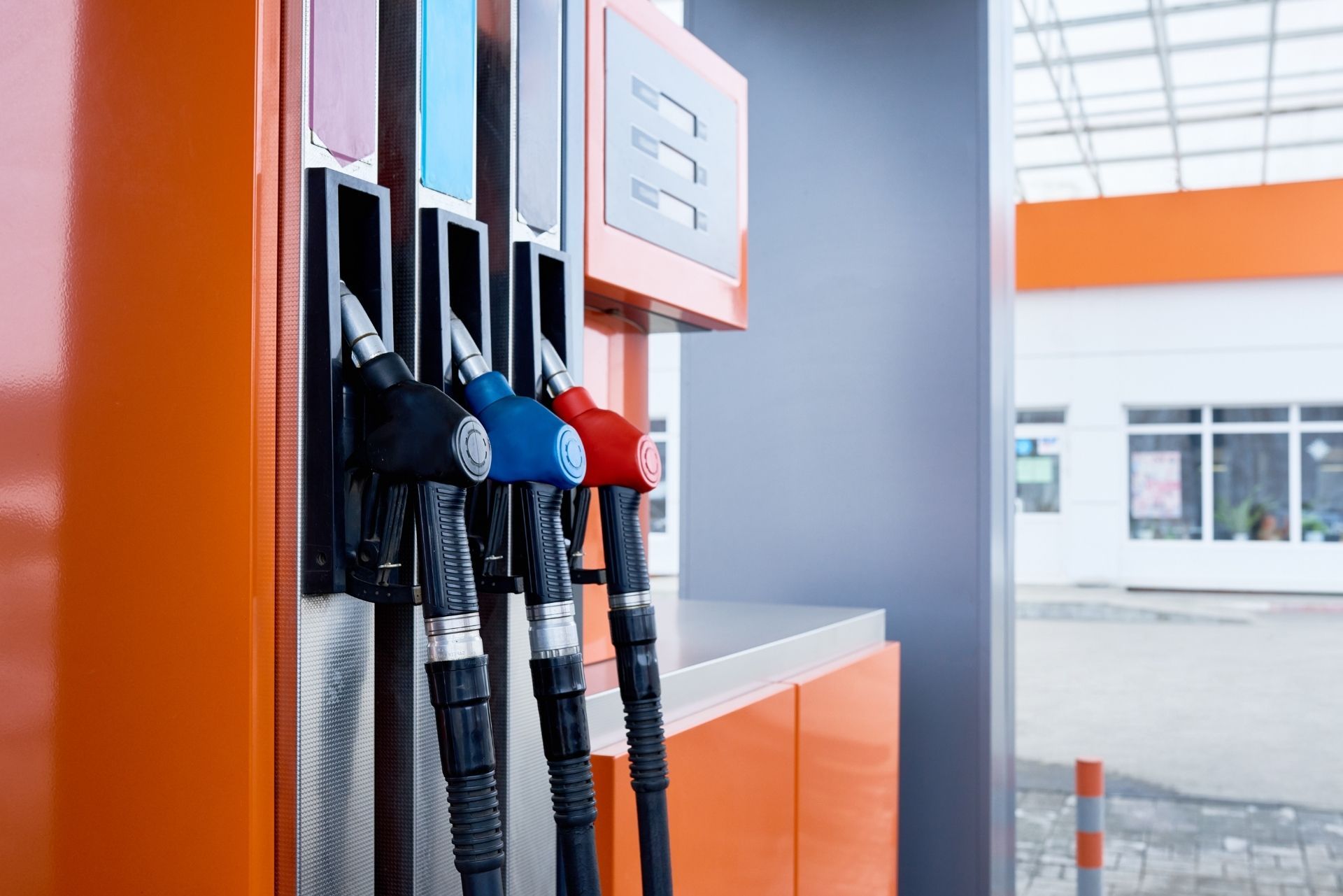
By: Peter Plew
Commercial Insurance Agent at Caruso Insurance Services
Key Risks and Coverage Considerations
Property Damage and Environmental Liability
Property damage and environmental issues form the cornerstone of what insurance policies for gas stations must cover. Physical damage to a facility can arise from either natural occurrences or human error. In addition, compromised fueling systems can result in spills, leading to environmental remediation costs that are often significant. Understanding the terms of environmental liability policies is critical to protecting not only the business but also the surrounding community.
Environmental liability claims typically involve cleanup costs, third-party bodily injury, and even fines imposed by regulatory agencies. In a state like California, where wildfire risks have prompted insurers to adjust their coverage models, ensuring that policies are up to date with current hazards is an essential part of risk management. Recent studies also suggest that specific structural modifications can reduce wildfire risk by 40%, and when combined with vegetation adjustments, risk can be diminished by as much as 75% (CalMatters).
Mitigation strategies may involve both retrofitting existing structures and adopting new standards in design. It is important for gas station operators to routinely assess their fire suppression systems, tank integrity, and other critical infrastructure components. Policymakers and insurers continue to shift focus towards risk mitigation measures aimed at reducing the likelihood of a claim being filed.
Liability Coverage
Liability coverage for gas stations addresses scenarios where a customer or a third party sustains injuries or property damage due to a station’s operations. The complex dynamics involved in everyday operations, coupled with the hazardous nature of fuel, call for comprehensive liability policies. These policies safeguard the owner against potentially crippling legal costs and settlements from claims arising out of an unforeseen accident.
Contact with fuel, slip-and-fall accidents, and environmental contamination scenarios are all common points where liability coverage plays a crucial role. By ensuring that financial support is available when claims occur, business owners can focus on continuing operations without the debilitating impact of class action lawsuits or extensive claim settlements.
Many policies also incorporate extensions specifically addressing risks unique to the retail fuel environment, such as those from equipment malfunctions or errors in fuel dispensing. It is advisable to closely scrutinize each part of a policy to avoid gaps that might later lead to unforeseen liabilities.
Financial Impact and Market Trends
Gross Margins and Consumer Costs
Research indicates that Californians have incurred an average "mystery surcharge" of 41 cents per gallon from 2015 through 2024, which accumulated to a staggering $59 billion in extra costs due to higher gross gasoline industry margins (Yahoo News). Such figures emphasize the complexity of the fuel market and how intertwined it is with consumer spending. When running a gas station, understanding industry economics can help formulate a risk strategy that accounts for such hidden costs.
With fluctuating margins, gas station owners face an array of indirect challenges. These fluctuations can strain small businesses that operate on tight margins while increasing exposure to regulatory and competitive pressures. This financial stress further underlines the importance of having a stable insurance platform that can absorb shocks resulting from market instability.
By closely monitoring market trends and integrating them into their insurance policy considerations, station owners can avoid a scenario where external economic pressures compound operational risks.
Impact of Natural Disasters
California's varied landscape makes natural disasters a constant threat. Beyond earthquakes, wildfires remain a consistent risk. Recent developments have seen the California Department of Insurance complete a review of three forward-looking wildfire catastrophe models in August 2025. This progress allows insurers to broaden coverage options and stabilize rates across the state (California Department of Insurance). Such proactive approaches by state regulators benefit both insurers and gas station operators by providing more predictable frameworks in times of disaster.
A comprehensive disaster mitigation strategy should include upgrades to infrastructure, the installation of fire suppression systems, and regular risk assessments. Ensuring that a policy encompasses all likely scenarios is indispensable for reducing downtime and recovery costs after a natural event.
The frequency of earthquakes – averaging 8,000 events per year – also accentuates the risk for potential underground tank damage, which could lead not only to costly environmental spills but also to significant disruptions in business operations.
Mitigation Strategies and Their Insurance Implications
Implementing Structural and Vegetation Modifications
Data shows that specific structural modifications can yield a 40% reduction in wildfire risk, and integrating vegetation modifications can reduce that risk by as much as 75% (CalMatters). Many gas stations in California can significantly benefit from such mitigation measures by reducing the probability of fire-related incidents.
Measures like reinforcing building frameworks, upgrading electrical systems to reduce spark risks, and clearing combustible vegetation from facility perimeters can not only enhance safety but may also lower insurance premiums over time. Insurers often incentivize these proactive changes as they reduce the potential payout on a claim.
While initial investments in mitigation might seem daunting, the reduction in overall risk exposure often justifies the expense. In many cases, these improvements can be a deciding factor in keeping policy rates manageable even in high-risk areas.
Mitigation and Its Complex Influence on Underwriting
Not all risk mitigation efforts deliver linear benefits. Actuarial insights suggest that integrating certain mitigation measures during underwriting could sometimes "exacerbate" the insurance crisis by challenging insurers’ systems for compliance and rate adequacy (CalMatters). The calibration of risk-based premiums often hinges on a balance between structural safeguards and market realities.
Insurance underwriting in this space is evolving along with technological advances and predictive models. The complexity of incorporating extensive mitigation efforts into pricing models has led some experts to caution against overreliance on mitigation as a sole disparaging factor in premium calculations.
Ensuring that mitigation measures are factored into broader risk analyses remains essential. A detailed understanding of how each mitigation step impacts the overall claim profile of a gas station is critical to crafting effective and sustainable insurance programs.
Understanding the Role of Specialized Insurance Policies
Product Offerings for Gas Stations
Specialized gas station insurance policies cater to distinct risks such as equipment breakdown, fuel dispersion incidents, and property damage from severe weather or natural disasters. These products often bundle general liability, property coverage, and environmental liability into a single, comprehensive package. Coverage details may also extend to business interruption policies that help recoup lost income during recovery periods.
The complexity of a gas station's operations means that policies come with tailored provisions. For instance, coverage for underground storage tanks is critical in California, where seismic activity is a routine hazard. This renders gas station insurance not only a legal and operational requirement but also an essential part of long-term business continuity planning.
Insurance solutions designed specifically for gas stations often factor in industry-specific risks, such as fuel contamination and environmental remediation. Understanding the fine print of these endorsements can reveal considerable savings, offering enhanced protection at competitive rates.
Industry Trends and Future Directions
Industry reports from centers focused on real estate and insurance have stressed the urgency of addressing the insurance crisis in California. Highlighted actions include reforming rate approvals and securing long-term funding for mitigation efforts (Carrier Management). These recommendations underscore the difficulty in finding a balance between advancing risk mitigation strategies and maintaining manageable rates for businesses.
Innovation in catastrophe modeling, as seen with the updated wildfire catastrophe models, promises to enhance the predictability and stability of rates over time. Such technological advancements inspire confidence among insurers and business operators alike by providing more reliable risk assessments.
As the market evolves, it is expected that more gas station owners will be able to secure policies that adjust dynamically to reflect on-the-ground realities. Continuous improvements in risk assessment methods and underwriting flexibility are likely to drive trends towards more personalized and cost-effective coverage.
Key Considerations When Evaluating a Policy
Risk Assessment and Policy Customization
Evaluating insurance policies for gas stations is no trivial task. Each station has its unique risk profile based on location, size, and infrastructure. Detailed risk assessments help highlight potential hazards including exposure to natural disasters, operational risks, and liability concerns.
Customization of insurance packages is often the key to ensuring that coverage options align perfectly with a business’s specific risk exposure. Business owners should work closely with experienced brokers to ensure that policies address potential gaps and incorporate mitigation measures as part of the overall risk management plan.
For instance, studies indicate that integrating structural improvements and vegetation modifications can substantially lower wildfire risks. However, a well-rounded policy should also account for less obvious exposures while aligning with the broader compliance requirements set by state regulators.
Practical Steps to Secure Adequate Coverage
To secure adequate insurance coverage, gas station operators need to:
- Review a facility’s exposure to environmental and operational risks.
- Consult with insurance advisors who specialize in fuel retail to understand the nuances of policy options.
- Implement recommended mitigation measures and document improvements for potential premium reductions.
Regular inspections, updated risk profiles, and careful documentation of all modifications are crucial. These steps ensure that insurers maintain an accurate picture of the operational risk landscape, which in turn supports fair and accurate premium assessments.
Additionally, business owners should consider employing third-party risk assessments. These external evaluations can provide an unbiased picture of potential vulnerabilities and help align insurance offerings to current operational realities.
Basic vs. Extended Coverage
Understanding your coverage options for a gas station is critical to making informed decisions. Generally, policies are structured around a baseline of fundamental protection, with extended coverage options available for those who require enhanced or niche-specific safeguards.
The following table provides a side-by-side comparison of basic versus extended coverage options for gas stations:
| Coverage Feature | Basic Coverage | Extended Coverage |
|---|---|---|
| Property Damage | Covers physical damage to the station | Includes additional coverage for fire suppression systems and storage tanks |
| Environmental Liability | Limited to minor spills and cleanup costs | Extends to major spills and environmental remediation efforts |
| Business Interruption | Standard limits on downtime | Enhanced limits for extended recovery periods |
| Natural Disaster Coverage | Basic seismic and fire protection | Additional endorsements for earthquakes and wildfires |
| Liability Protection | Standard third-party liability | Expanded which may include equipment failure and fuel-related claims protection |
This side-by-side chart clearly shows the differences in coverage highlights between the two types of plans. The additional endorsements included in extended coverage can significantly reduce risk exposure, especially in high hazard areas where natural disasters are prevalent.
Examining these differences helps gas station owners assess which policy aligns best with their operations and risk profiles.
Preparing for Claims and Managing Risks
Steps to Take Following a Loss
In the event of a claim, timely and accurate communication with insurers is vital. Damage reports, photographic evidence, and clear documentation of events can facilitate a smoother claims process. Adequate record keeping not only supports the claims association but also strengthens future underwriting negotiations.
Gas station operators must familiarize themselves with the claims process outlined in their policies. This preparation can help reduce response times and ensure that any disruptions to business operations are minimized.
Insurers often request detailed reports that document the chain of events. Being prepared with these materials can lessen time wasted in processing claims, and enhance the insurer’s ability to offer support during the recovery phase.
Ongoing Risk Management and Policy Reviews
Effective risk management involves regular reviews of both physical and policy-related aspects of operations. Gas station owners should take every opportunity to update risk assessments in light of new technologies or improved mitigation measures. Regular policy reviews ensure that coverage remains current with the evolving business profile and industry standards.
Adjustments in coverage can often respond to changes such as newly introduced mitigation techniques or rising environmental threats. Business owners who take proactive steps in assessing risks tend to negotiate better terms with their insurers over time.
Moreover, staying informed about industry trends – such as recent updates in wildfire catastrophe models by regulatory bodies – can provide additional leverage when discussing policy renewals or expansions
(California Department of Insurance). This ongoing assessment is a key component in managing long-term risk.
Frequently Asked Questions
Below are some common questions gas station owners often ask regarding insurance policies and risk management strategies:
What does a typical gas station insurance policy include?
Policies typically include coverage for property damage, environmental liability, business interruption, and liability protection related to accidents or spills. Each policy can have different endorsements based on specific operational risks.
Do mitigation measures help lower insurance premiums?
Yes, implementing structural improvements and vegetation modifications can reduce wildfire risk, which may lower premiums over time. Insurers often reward proactive steps that reduce the likelihood of significant claims.
How often should a gas station review its coverage?
It is recommended that gas station owners conduct a detailed policy review at least once a year and after any major operational changes or the implementation of new mitigation strategies.
Is additional coverage needed for natural disasters in California?
Given California's susceptibility to earthquakes and wildfires, extra coverage tailored for these natural disasters is highly recommended. This helps ensure that any loss from such events is adequately covered.
What role does regular risk assessment play in insurance?
Regular risk assessment helps identify emerging hazards and ensures that insurance coverage is kept up-to-date with current operational risks. A proactive approach can also facilitate more favorable premium terms over time.
Wrapping Things Up
Securing the right insurance coverage for a gas station is a balance between understanding inherent risks and leveraging appropriate mitigation steps. Comprehensive gas station insurance in California addresses not only tangible losses like property damage and liability claims, but also intangibles such as financial stability when market dynamics shift.
Keeping abreast of evolving market trends, technological advances in risk modeling, and proactive mitigation investments can help station owners navigate the complexities of both insurance policies and statewide hazards. With specialized offerings available tailored to everything from underground tank damage during earthquakes to wildfire risks, the right insurance policy builds a safety net that allows business owners to concentrate on growth.
As regulatory agencies update models and as technological tools evolve, gas station operators in California can expect insurance products that are increasingly attuned to real-world challenges. Careful policy selection and regular review, combined with effective risk management strategies, are essential for staying resilient in an environment of constant change. For further insights and assistance with crafting a tailored insurance strategy, exploring industry publications and expert analyses, such as those from
E360 Insurance, can be particularly useful.
ABOUT THE AUTHOR:
PETER PLEW
Hi my name is Peter Plew and I am a commercial insurance professional. I listen to and strategize with business owners about their visions of the future and assist in getting there as quickly as possible. I help identify unique exposure and risk’s that business owners have and the reasons why they need to be insured against them. My goal is to make sure my clients are always taken care of on a daily basis with any service needs, questions, or concerns they may have. I love to golf and spend time with my family in my spare time.
Contact Us

Service that stays with you.
Our team helps simplify insurance decisions for families and businesses. We focus on clear explanations, fast responses, and dependable service. You can count on us for help with coverage questions, updates, and long-term support.
Coverage that keeps you secure
Reliable Protection for Everyday Life
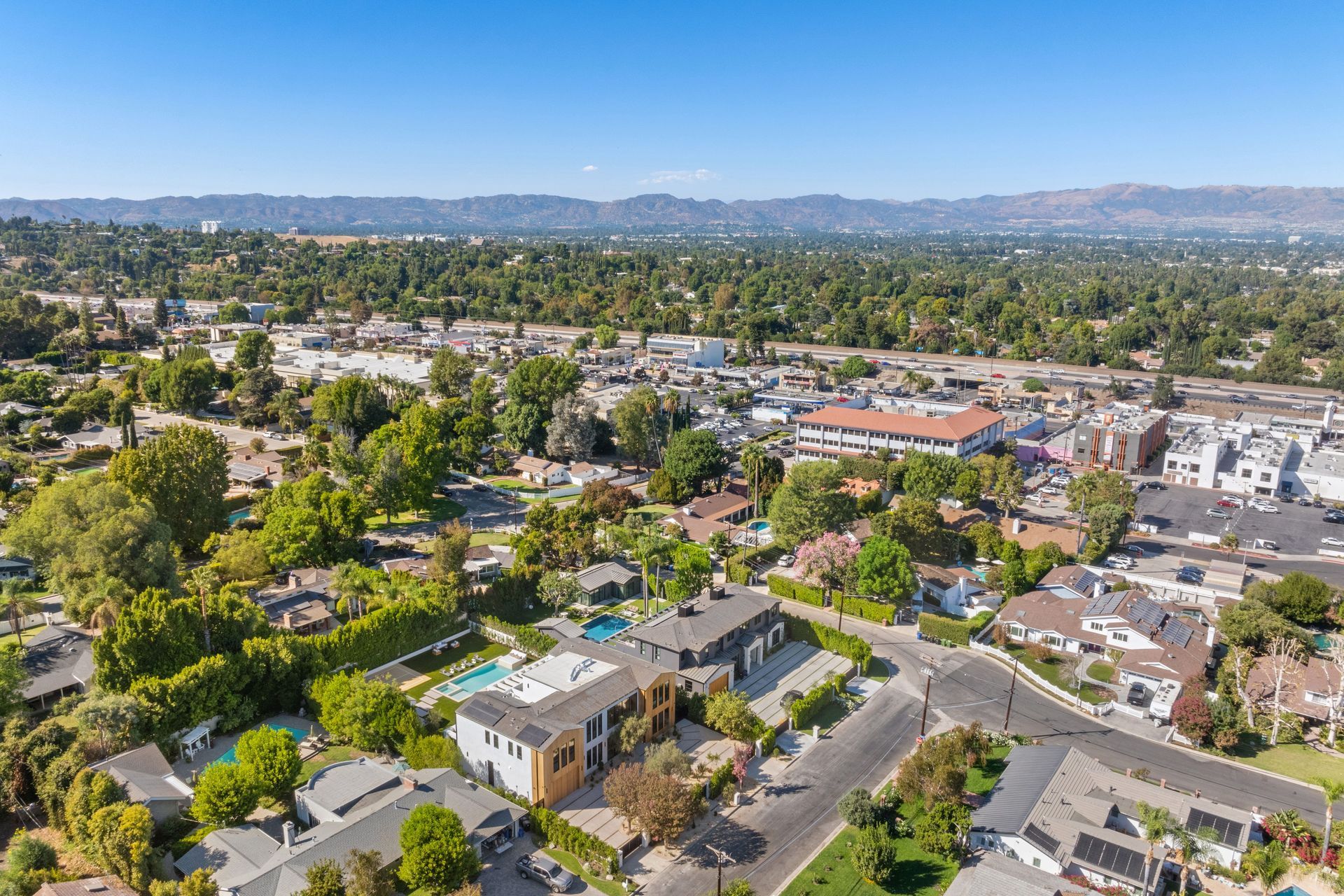
Home insurance helps protect your house, personal belongings, and liability risks. We explain coverage options clearly so you know what your policy includes.
Auto insurance provides protection for accidents, liability, and vehicle damage. We help you compare options so you can choose coverage that fits your driving needs.
Motorcycle insurance provides coverage for riders and their bikes. We help you select options that match how and where you ride.
RV insurance supports protection for motorhomes and recreational vehicles. Coverage applies during travel and while parked.
Coverage Built for Contractors and Trades
Support that keeps your work moving.

General Liability Insurance
General liability insurance helps protect contractors from injury and property damage claims. It supports jobsite requirements and contracts.

Workers Compensation
Workers compensation insurance helps protect employees injured while working. It also supports compliance with state requirements.
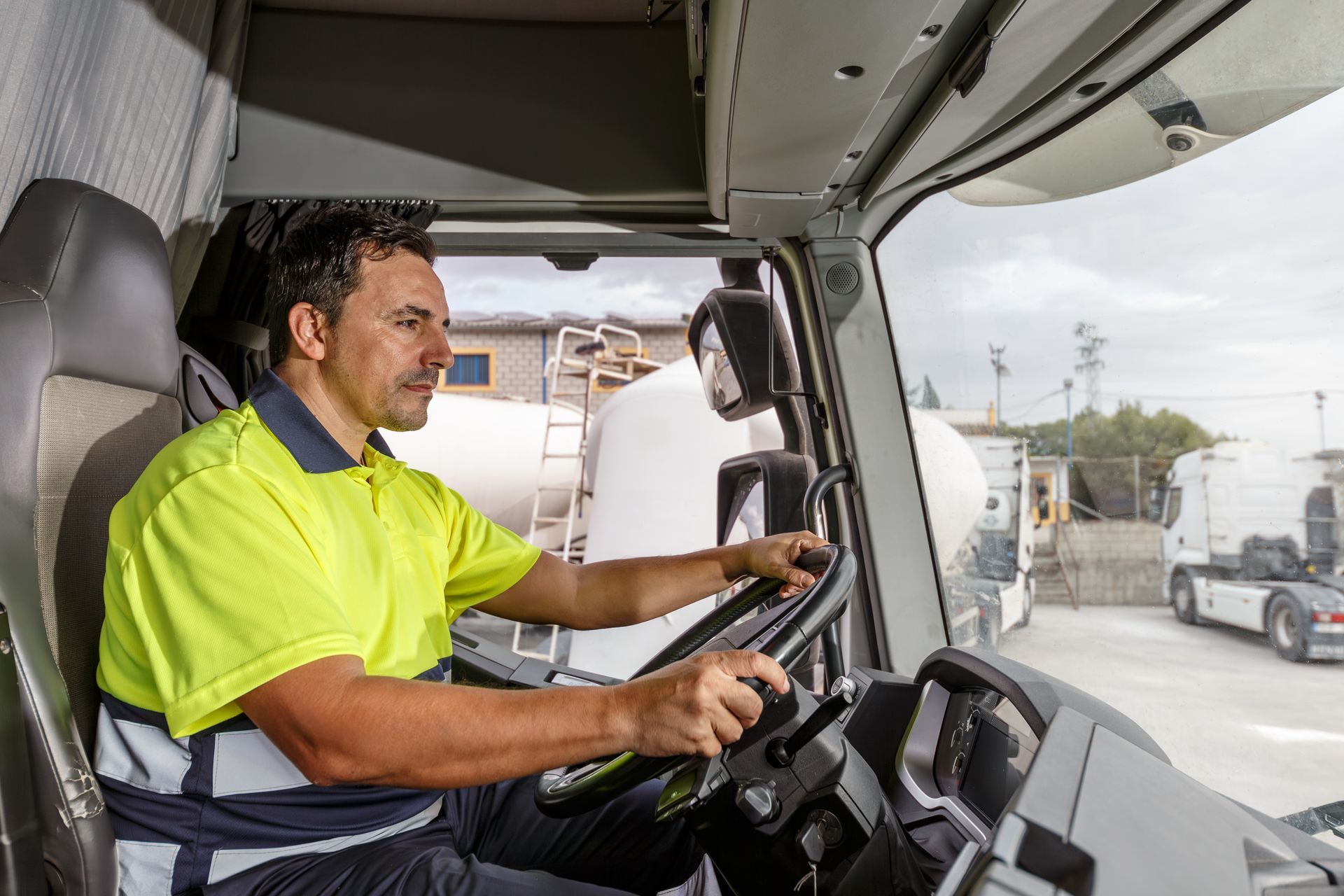
Commercial Auto Insurance
Commercial auto insurance provides coverage for work vehicles used on jobsites. It helps protect drivers and company vehicles.
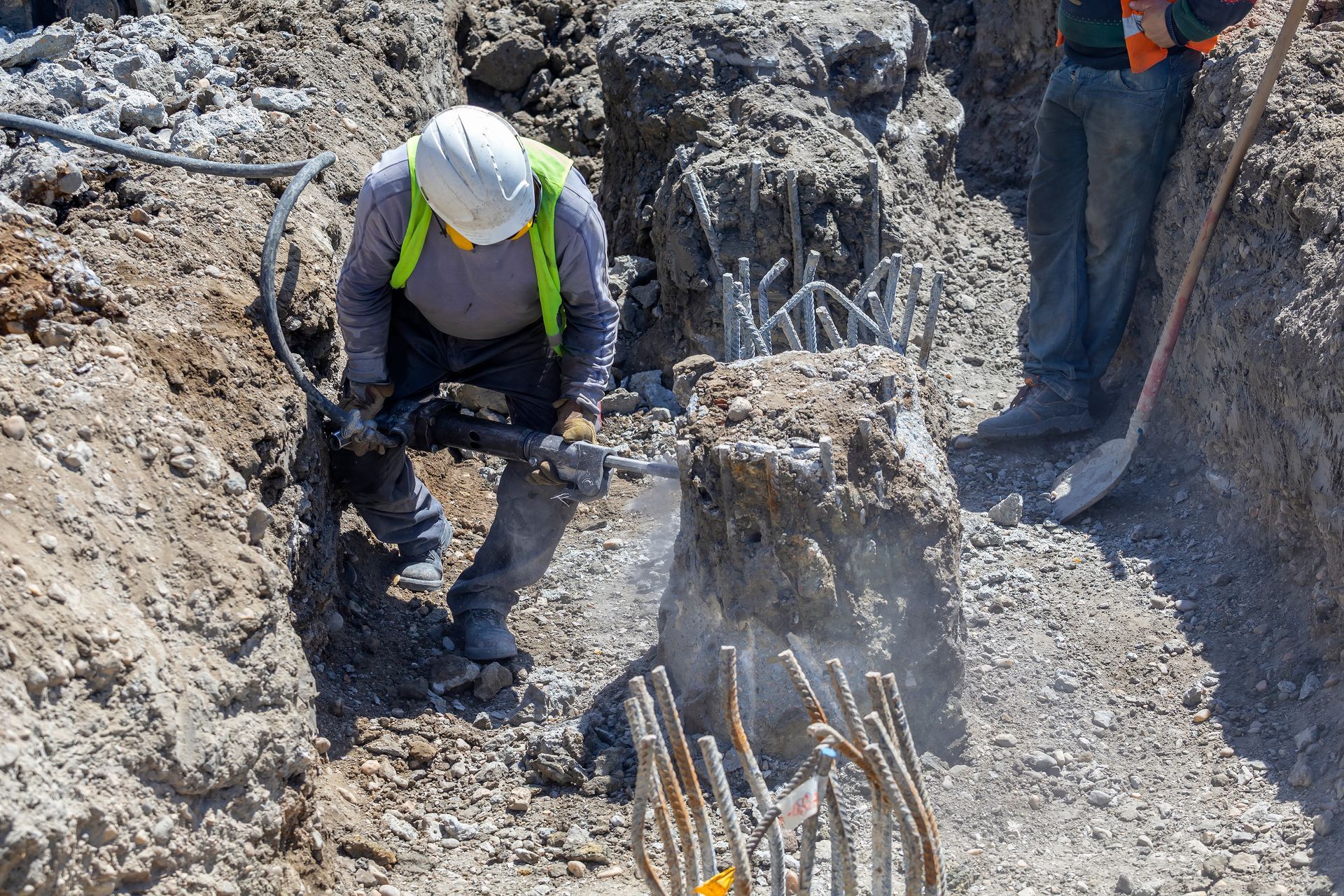
Contractor Insurance
Contractor insurance supports trades and service professionals across Southern California. It helps protect tools, equipment, and daily operations.

Cyber Liability Insurance
Cyber liability insurance helps protect business data and customer information. It supports recovery from digital incidents.

Commercial Property Insurance
Commercial property insurance helps protect offices, shops, and equipment. It supports recovery after covered damage.
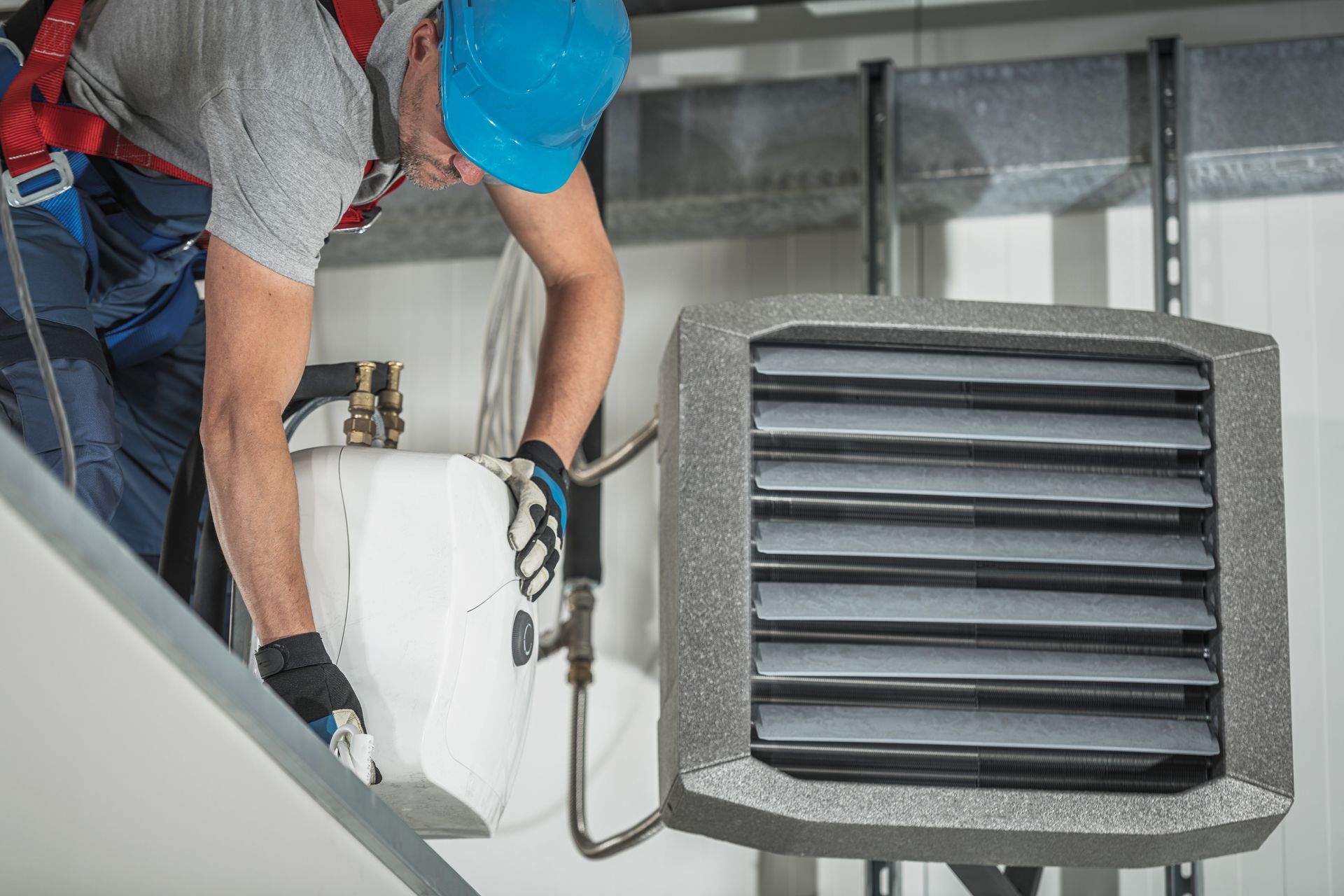
Coverage Built for Specialized Work
Support for high-risk and service-driven industries.
Simple Steps Supported by Steady Guidance
A Clear Path to Coverage
Trusted by Clients Across Southern California
Clear service backed by real experiences.
Answers to Common Questions.
Clear explanations to guide your decisions.
How do I know which insurance policy is right for me?
We compare coverage options from multiple carriers to help you see differences in protection and price. You can review clear details and ask questions so you understand what each policy covers. Our team guides you step by step so you feel sure about your decision.
What factors affect my auto insurance premium?
Auto insurance premiums are influenced by your driving history, age, location, vehicle type, and coverage choices. A clean driving record and good safety features can help lower costs. We review these factors with you and help find coverage that fits your budget and needs.
Does homeowners insurance cover all types of damage?
Standard homeowners insurance protects your structure, personal belongings, liability, and additional living expenses in many cases. However, it usually does not include flood or earthquake damage without separate policies. We help you decide if extra coverage is right for your home and location.
Can I update my policy or get certificates online?
Yes. You can submit requests for policy changes and certificates through our online service form at any time. Our team processes those requests quickly and confirms updates once complete so you have the documents you need.
Do I need separate insurance for business risks like EPLI or E&O?
Yes. General liability and workers compensation cover many business risks but do not protect against all exposures. For example, Employment Practices Liability Insurance (EPLI) covers claims like wrongful termination or discrimination, and Errors & Omissions (E&O) covers claims based on mistakes in professional services. We help you identify which extra policies your business may need.
What happens if I need to file a claim?
If you need to file a claim, we guide you through the process and help you contact the insurance carrier. We explain what information you should provide, answer your questions, and stay available while the carrier reviews your claim. This support helps you move forward with confidence.
Contact Us