A high-profile settlement involving Snapchat Inc. and its investors has captured attention across the industry, and California businesses are taking note. Companies in the Golden State face unique challenges when it comes to protecting their leadership from the growing scope of risks. As D&O insurance coverage continually evolves, decision makers need clear, data-supported guidance to navigate the market. Recent trends, including rising securities class action filings and evolving environmental, social, and governance (ESG) enforcement strategies, have pushed risk managers to take a closer look at D&O offerings. For instance, a pending $65 million settlement involving Snapchat Inc. has sharpened the focus on how D&O policies handle new technological integrations such as artificial intelligence according to expert insights.
California companies look to safeguard their directors and officers with robust insurance policies. This guide dives into the subtleties of D&O insurance specifically for California, illustrating the market trends and offering practical advice. The evolving risk landscape puts federal securities litigation, cybersecurity concerns, and shifting regulatory standards at the forefront of industry discussions.
Business leaders should understand not just the policy terms, but also how changing practices and regulatory trends impact these premium coverages. Throughout the guide, current data and expert viewpoints will be integrated to help guide decision making and ensure that insurance choices remain both comprehensive and cost-effective.
Understanding the Scope of D&O Insurance for California Companies
Directors and officers insurance offers a critical safety net for leaders in a company. While these policies cover defense costs, settlements, and judgments arising from lawsuits alleging mismanagement, the importance of D&O insurance stretches further. It plays a substantial role in attracting talent, assuring investors, and maintaining corporate stability amid uncertainties.
California-based companies often face a nuanced risk environment because of the state's economic dynamism and vibrant industries. With a regulatory regime that is typically more stringent than some other states, board-level decision makers must be cautious. For example, in 2024 federal securities class action filings reached 428 cases, with median settlements exceeding $13.5 million as reported by Emergen Research. This statistic underscores the importance of using D&O policies not merely as a backstop but as an integral part of a full risk management strategy.
Comprehensive D&O policies not only respond to litigation but also help cover reputational damage and adjust to emergent challenges-including shifts in ESG reporting expectations and the integration of new technologies like artificial intelligence. As companies integrate modern technologies, risk categories may multiply, making it even more imperative that D&O coverage evolves accordingly.


By: Peter Plew
Commercial Insurance Agent at Caruso Insurance Services
California is known for its robust legal framework and active regulatory bodies. The state's business community must continually adjust compliance measures to meet both state and federal requirements. Directors and officers play a pivotal role not only in policy decisions but also in overseeing compliance with diverse legislations.
The recent expansion by the SEC's Division of Enforcement, particularly in ESG-related disclosures, has further amplified the regulatory complexities. In 2024, 47 enforcement actions focused on sustainability claims and reporting helped shape the narrative surrounding corporate leadership accountability says a recent study. With such enforcement trends, companies cannot underestimate the impact of governance failures and inaccurate disclosures.
For California directors and officers, the risk associated with misstatements on ESG efforts is increasingly viewable through the lens of potential litigation. As legal environments tighten, heightened scrutiny means that boards must prioritize accuracy in disclosures and fortify their policies accordingly. An effective D&O insurance strategy often includes specifics that address these emerging legal challenges.
Emerging Trends Impacting D&O Insurance
Rising Securities Class Action Filings
The number of federal securities class action filings has nearly doubled over the past decade, reflecting changes in market behavior and legal patterns. In 2024 alone, filings reached new heights, with median settlements exceeding $13.5 million according to industry analyses Emergen Research. Such trends force boards to question whether their current levels of coverage will suffice in the event of a lawsuit.
Securities class actions are not only costly but can distract the leadership from strategic business operations. This risk amplifies challenges for California companies that operate in competitive fields. The likelihood of facing such litigation has driven many boards to become more cautious while negotiating with insurance carriers. Detailed policy reviews and careful underwriting are essential to ensure that D&O policies evolve with emerging risk factors.
Trend data also confirms that regulatory focus, particularly regarding corporate disclosures, is intensifying. As potential liabilities rise, so does the need for carefully structured coverage that addresses emerging claims and new types of litigation.
Technology Integration and the AI Factor
Adopting artificial intelligence into core infrastructure is no longer future talk. It is a tangible reality shaping risk management strategies, with insurers taking notice. A pending $65 million settlement involving Snapchat Inc. has become a cautionary example, highlighting potential pitfalls when companies rely on AI-driven processes to fuel their growth reports industry experts.
Integrating AI can streamline operations and improve decision-making, but it also increases exposure. Missteps or unanticipated errors stemming from complex algorithms can create significant exposure for directors and officers. As a result, underwriters remain cautious about the risks in the public company market, seeking assurances that companies are structuring their technology integration with proper safeguards.
Risk managers are advised to work closely with both technology and legal experts to ensure that board-level decisions are backed by risk analysis. Building coverage into D&O policies that explicitly considers technological integration is emerging as a critical best practice among sophisticated California companies.

How Market Trends Affect D&O Coverage Costs and Underwriting
Insurance premiums for D&O coverage continue to be dynamic, influenced by both market trends and risk assessments. Although new technologies and rising litigation trends might suggest an upward pricing trajectory, some segments of the market have seen a softening in costs. For example, the average cost for $1 million in D&O coverage in 2024 decreased by 5.2% compared to the previous year according to recent data from Liberty Company.
This decrease in pricing does not imply that risk exposure has diminished. On the contrary, a survey revealed that 62% of global directors view cyber attacks, data loss, and digital crime as primary risks findings shared by CBIZ. Insurance carriers continue underwriting policies with detailed scrutiny, especially in the public company market where regulatory oversight is significant.
California companies must balance expectations of cost and comprehensive objection protection. Analyzing industry patterns, carriers are perceived as becoming more cautious when underwriting D&O policies. This careful approach means that while premium pricing might appear attractive, obtaining robust coverage can require navigating complex risk profiles and negotiating specific policy endorsements.
ESG Reporting and Enhanced Regulatory Scrutiny
Enhanced focus on ESG disclosure has added another layer to the D&O landscape. Recent enforcement actions by the SEC, specifically targeting sustainability claims, demonstrate that boards cannot afford to overlook precise and truthful corporate reporting. With 47 enforcement actions in 2024 centering on ESG-related disclosures Emergen Research highlights this enforcement activity, company directors are increasingly held accountable for misstatements.
Directors who unknowingly provide inaccurate sustainability claims may be vulnerable to litigation. The cost implications in such cases can be significant. This pressure underscores the need for D&O policies to adapt to cover emerging claims related to ESG inaccuracies, ensuring that leaders are not solely responsible for damage control in instances of misreported data.
Insurance underwriters now weigh ESG claims risks more heavily in their evaluations, meaning directors must ensure their policies are not just superficially adequate, but truly tailored to the evolving accountability framework in the modern corporate world.
Insurance Spending Trends and Market Outlook in California
California remains one of the largest markets for insurance spend, fueling various segments, including D&O. In 2021, the California Department of Insurance reported that companies invested over $3.1 billion with diverse local businesses based on official reports. This dramatic increase in spending from previous years underscores a growing confidence in risk mitigation strategies among local businesses.
For boards in California, the robust insurance market offers numerous options but also requires careful analysis of policy details. Lower premium trends in some areas do not necessarily offset the need for comprehensive coverage. Decision makers should evaluate both the cost-efficiency of current policies and any emerging clauses that address new risks, such as cybersecurity or technology integration challenges represented by recent case studies.
Market forecasts for D&O insurance are mixed. Even though average costs have softened, underwriters are still mindful of the increasing probability of large-scale litigation events. As a result, many insurance carriers are meticulously examining public company exposures, ensuring that policies are both competitively priced and thorough.
Comparing Costs and Coverage Options
A careful comparison between basic and enhanced D&O policies reveals clear differences in coverage value. California companies should consider not only the premium cost but also the limits of liability and the specific endorsements that enhance policy protection. Below is a table summarizing the key differences between a basic D&O policy and an extended coverage option to consider when making a decision.
| Policy Feature | Basic D&O Policy | Extended Coverage |
|---|---|---|
| Limit of Liability | $5 million - $10 million | $10 million - $25 million |
| Coverage for Securities Claims | Standard exclusions apply | Expanded coverage with fewer exclusions |
| ESG Misreporting Claims | Usually excluded | May be included with additional endorsements |
| Technology and Cyber Exposures | Limited coverage | Enhanced with specific cyber risk add-on |
| Defense Costs and Settlements | Within policy limits | Often backed by additional defense cost coverage |
The table above illustrates how California companies can benefit from extended coverage options that address industry-specific risks more comprehensively. Business leaders should consider whether the additional cost of enhanced protections justifies the deeper risk mitigation offered by these policies.
This detailed comparison serves as a handy tool for executives looking to balance premium costs against the potential financial exposures they might face in today's complex regulatory environment.
Strategic Considerations for California Boards and Risk Managers
When evaluating D&O policies, a number of strategic factors emerge as especially important for California companies. The rapidly evolving legal climate and technological shifts have reset the risk baseline for directors and officers. Boards need to focus on an approach that includes both prevention and responsive measures. The goal is to ensure that even if litigation arises-whether from securities-related issues or from ESG misreporting-the company's leadership is adequately shielded.
One key consideration is the careful negotiation of policy exclusions and limitations. Insurance carriers have become rigorous in their assessments, which means that boards should work with legal counsel to identify any gaps in coverage. The inclusion of endorsements for cyber risks and technology-related liabilities, for example, is quickly becoming a must-have consideration. It is wise for leadership teams to periodically review policy details as market conditions and risk factors evolve.
Boards must also adopt a forward-thinking perspective when negotiating with insurers. With emerging trends such as the shift toward AI-driven business processes and increasingly aggressive ESG enforcement, understanding how carrier underwriting practices are evolving is paramount. Decision makers would benefit from engaging with risk consultants or brokers who specialize in updating policy terms to reflect these changes.
Best Practices for Risk Mitigation
Risk mitigation involves a multi-layered approach. Start with internal governance improvements by establishing robust compliance processes and regular training for board members. These steps reduce the likelihood of misstatements on disclosures and ensure that leadership is well-informed about emerging risks.
Enhancing relations with insurers is equally important. By maintaining open lines of communication, directors can negotiate modifications that tailor coverage to the company's specific risk profile. This proactive approach helps avoid situations where policy limitations might leave a significant exposure unaddressed during litigation.
Another best practice is conducting regular audits of risk exposure, especially in areas like cyber security and ESG performance. These audits provide valuable insight into potential gaps and help boards modify internal controls. The process fosters a culture of accountability that complements robust D&O coverage.
Future Trends to Monitor
Looking forward, several indicators suggest that D&O insurance will become even more essential for California companies. As securities litigation continues to be on the rise-with filings nearly doubling in the past decade and projections indicating high activity in the coming months-directors must be vigilant about potential vulnerabilities.
Moreover, evolving technological exposures and heightened regulatory enforcement are likely to accelerate underwriting adjustments in the coming years. Experts caution that even if premium costs appear to recede temporarily, underlying risks persist, and boards should be prepared for potential adjustments in coverage provisions.
Company leadership should remain informed by tracking industry data, consulting with specialists, and staying engaged in peer networks to monitor shifts in risk profiles. With such measures, California businesses can ensure that their coverage remains robust and adapts to new challenges as they emerge.
Financial Implications and Insurance Spending Patterns in California
Financial planning is a cornerstone of risk management for any company. In California, where the insurance market is particularly vigorous, the financial implications of D&O coverage decisions are pronounced. Insurance spending trends indicate that local businesses are increasingly willing to prioritize broad coverage, as reflected by the sharp rise in spending reported by the California Department of Insurance from official sources.
Spending decisions go hand in hand with the benefits of comprehensive coverage. An effectively managed D&O policy not only provides defense against legal exposures but also acts as a strategic asset that reassures investors, enhances credibility, and stabilizes leadership confidence during market uncertainties. Even amid premium softening-a noted 5.2% decrease for $1 million of coverage in 2024-financial prudence remains paramount.
Directors should consider both immediate policy premiums and the potential long-term financial exposures arising from litigation, regulatory actions, or technological disruptions. The decision to invest in more comprehensive coverage often translates into significant cost savings during periods of crisis, mitigating the risk of unpredictable expenses and reputational damage.
Integrating Insurance Cost Considerations with Broader Risk Management
Cost is an important factor when discussing D&O policies, but it should never be the sole driver of policy decisions. California boards benefit best when they align cost considerations with an in-depth review of their overall risk environment. Strategic budgeting requires close collaboration between risk managers, finance teams, and board members.
One effective strategy is to perform scenario planning exercises, which can simulate the potential impact of litigation or disruptive market events on the company’s financial profile. Such analyses help quantify the benefits of higher coverage limits and additional endorsements that may come at a premium. In turn, clear projections pave the way for smart, informed spending decisions that align with the company’s risk tolerance.
Insurance spending patterns in California have increasingly reflected this strategic approach, with many companies opting for policies that offer both broad coverage and tailored risk management solutions. This trend mirrors the increasing complexity of the challenges faced by directors and officers today.
Frequently Asked Questions
The following section addresses common queries regarding D&O insurance for California companies, providing quick answers to guide risk managers and business leaders.
Q: What exactly does D&O insurance cover?
A: D&O insurance covers legal expenses, settlements, and judgments from lawsuits alleging mismanagement or breaches of fiduciary duties by directors and officers.
Q: Why is D&O insurance particularly important for companies in California?
A: California has a rigorous legal and regulatory environment. Robust D&O coverage helps protect leadership against litigation and regulatory actions that may arise from compliance, ESG reporting, and technology integration challenges.
Q: How is the cost of D&O insurance determined?
A: Costs are influenced by a company’s risk profile, historical litigation trends, coverage limits, and emerging risks like cybersecurity threats. For example, recent studies have noted a modest reduction in premium costs despite increasing market risks from Liberty Company.
Q: How can companies ensure their D&O policies remain adequate amid evolving risks?
A: Regular policy reviews, engagement with risk management professionals, and updates to cover emerging issues like AI integration and ESG misreporting are essential. Boards should also negotiate policy endorsements for better risk alignment.
Q: Should D&O insurance be considered along with other types of coverage?
A: Yes. D&O insurance is part of a broader risk management strategy. Companies often integrate it with general liability, cyber insurance, and other specialized policies for comprehensive protection.
Q: What future trends might affect D&O insurance for California companies?
A: Increasing litigation in securities filings, tighter regulatory enforcement on ESG disclosures, and the complexities of technological integrations are all trends likely to influence underwriting practices and coverage terms.
Wrapping Things Up
California companies must remain proactive about board risk management. The multifaceted environment, marked by evolving litigation trends and persistent technological challenges, necessitates a robust approach to D&O insurance. By staying informed with timely data-such as the spike in securities class actions or emerging concerns around artificial intelligence integrations-company leadership can better safeguard their personal assets and corporate reputation.
As D&O policies evolve, precise policy details and tailored endorsements play a decisive role in ensuring effective coverage. Risk managers should not only assess premiums but also continuously review the scope of coverage against a backdrop of regulatory changes and market realities. Comprehensive risk analysis and adaptive insurance policies have become indispensable tools in today’s competitive business landscape.
Keeping pace with industry developments is key. California boards are encouraged to collaborate closely with risk consultants, legal advisers, and insurance brokers. This collaboration ensures that every aspect of corporate governance is protected, from cybersecurity concerns to potential litigation related to ESG disclosures.
For further insights into industry trends, detailed updates on market conditions, and expert perspectives, let these emerging trends guide policy refinements. With the right strategy in place, risk management becomes not just a defensive measure, but a proactive tool in fostering long-term business resilience.
Final Thoughts on D&O Insurance for California Companies
Directors and officers serve as the backbone of corporate decision making, driving strategic initiatives and ensuring governance standards remain high. In an environment where litigation risks are shifting and regulatory scrutiny intensifies, California companies need D&O insurance that keeps pace with these changes. From significant securities litigation to the multifaceted challenges associated with technological advancements, having robust coverage is not optional-it's essential.
Through careful policy evaluation, detailed scenario planning, and periodic coverage reviews, business leaders can align their insurance programs with their risk profiles. Investments in extended coverage options, enhanced legal defenses, and technology-specific endorsements signal a commitment to comprehensive risk management. Such a proactive approach can prevent financial distress and reputational damage under challenging circumstances.
Moreover, understanding and adapting to a market of evolving underwriting practices-informed by trends like premium pricing adjustments and new liability clauses-empowers companies to build resilience against future challenges. For those tracking the latest on D&O market trends, it remains clear that balancing premium costs with the need for high-quality coverage is a central theme.
For example, a survey noted that 62% of global directors see cyber attacks and digital crimes among their top risks
as per CBIZ findings. This insight dovetails with broader market shifts and emphasizes that a robust D&O policy today lays the foundation for resilient leadership tomorrow.
Conclusion
While specific conclusions are best drawn in light of individual circumstances, the trends and data shared in this guide underscore the importance of a tailored D&O insurance strategy for California companies. With increasing securities class action filings and a focus on ESG reporting, directors and officers face a dynamic risk environment that demands adaptable and comprehensive coverage.
A well-structured D&O policy can provide the necessary safeguard against costly litigation, reputational damage, and regulatory penalties. By taking a proactive, engaged approach and regularly updating policies to match emerging risks, California companies can foster a climate of robust risk management, ensuring longevity and resilience even in fast-evolving environments.
Business leaders must prioritize these discussions at the board level and remain alert to changes in technological, regulatory, and market conditions. In a world where risk is a constant, effective D&O coverage is a cornerstone for corporate governance and strategic continuity.
Investing in quality D&O insurance today is an investment in the stability and success of tomorrow's leadership. By integrating robust coverage into the overall corporate strategy, California companies can achieve a balance between cost efficiency and risk protection that supports long-term growth and sustainability
as highlighted by industry experts.
Frequently Asked Questions Recap
This section serves as a quick reference to address ongoing concerns regarding Directors and Officers insurance for California companies.
Q: What key risks can impact D&O insurance premiums?
A: Insurance premiums are influenced by potential litigation risks, regulatory challenges such as ESG enforcement, and emerging threats like cyber attacks and data breaches.
Q: How do market trends in California vary from other regions?
A: California's market is distinct due to its stringent regulatory framework, vibrant economic climate, and higher exposure to litigation, all of which are factored into premium pricing and coverage terms.
Q: Can D&O policies cover claims related to technology failures like AI errors?
A: Many modern D&O policies now include endorsements or tailored provisions that address technology integration risks and related exposure arising from AI-driven processes.
Q: How often should companies review their D&O policies?
A: Regular reviews, ideally annually or whenever significant business changes occur, are important to ensure that insurance remains aligned with evolving risk profiles.
Q: What is a significant factor driving the rising cost of claims?
A: The increase in securities class action filings and large settlements, as well as pressures from enhanced regulatory and ESG disclosure requirements, are key factors driving claims costs.
Q: Why might extended D&O coverage be a better choice for some companies?
A: Extended coverage often includes broader protection against emerging risks, such as cyber-related incidents and technology integration issues, providing more comprehensive support for directors and officers.
ABOUT THE AUTHOR:
PETER PLEW
Hi my name is Peter Plew and I am a commercial insurance professional. I listen to and strategize with business owners about their visions of the future and assist in getting there as quickly as possible. I help identify unique exposure and risk’s that business owners have and the reasons why they need to be insured against them. My goal is to make sure my clients are always taken care of on a daily basis with any service needs, questions, or concerns they may have. I love to golf and spend time with my family in my spare time.
Contact Us

Service that stays with you.
Our team helps simplify insurance decisions for families and businesses. We focus on clear explanations, fast responses, and dependable service. You can count on us for help with coverage questions, updates, and long-term support.
Coverage that keeps you secure
Reliable Protection for Everyday Life
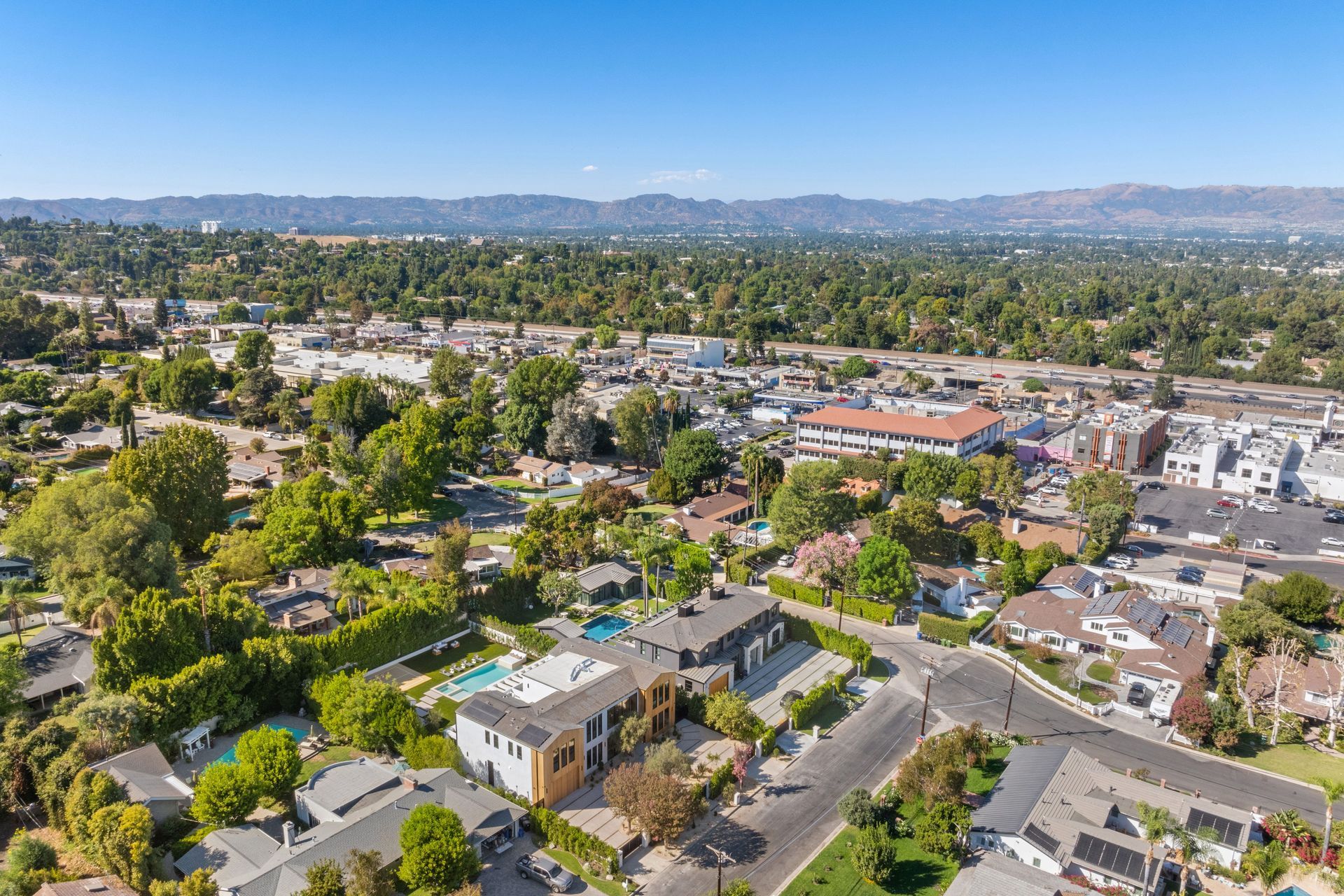
Home insurance helps protect your house, personal belongings, and liability risks. We explain coverage options clearly so you know what your policy includes.
Auto insurance provides protection for accidents, liability, and vehicle damage. We help you compare options so you can choose coverage that fits your driving needs.
Motorcycle insurance provides coverage for riders and their bikes. We help you select options that match how and where you ride.
RV insurance supports protection for motorhomes and recreational vehicles. Coverage applies during travel and while parked.
Coverage Built for Contractors and Trades
Support that keeps your work moving.

General Liability Insurance
General liability insurance helps protect contractors from injury and property damage claims. It supports jobsite requirements and contracts.

Workers Compensation
Workers compensation insurance helps protect employees injured while working. It also supports compliance with state requirements.

Commercial Auto Insurance
Commercial auto insurance provides coverage for work vehicles used on jobsites. It helps protect drivers and company vehicles.
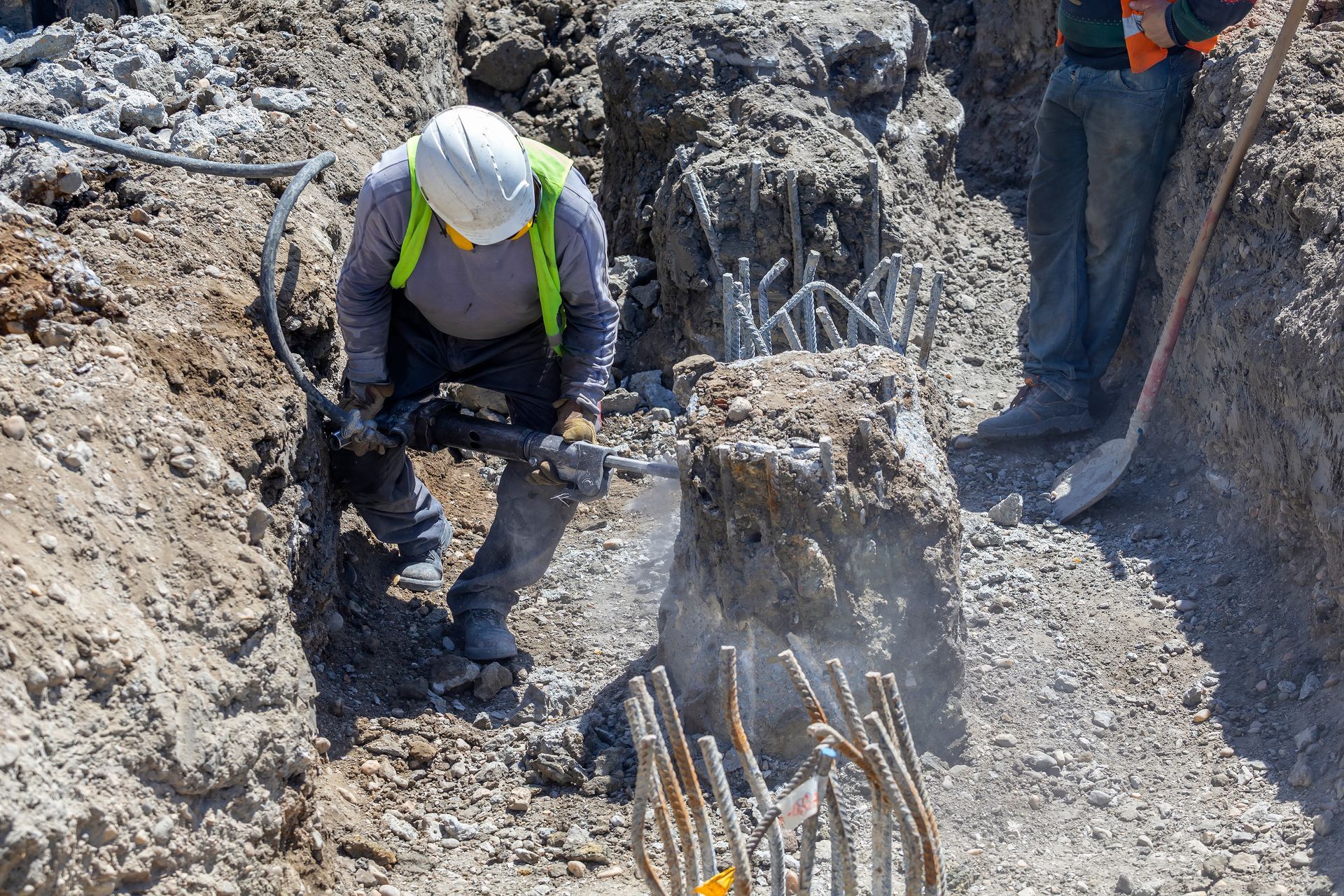
Contractor Insurance
Contractor insurance supports trades and service professionals across Southern California. It helps protect tools, equipment, and daily operations.

Cyber Liability Insurance
Cyber liability insurance helps protect business data and customer information. It supports recovery from digital incidents.

Commercial Property Insurance
Commercial property insurance helps protect offices, shops, and equipment. It supports recovery after covered damage.
Coverage Built for Specialized Work
Support for high-risk and service-driven industries.



Simple Steps Supported by Steady Guidance
A Clear Path to Coverage
Trusted by Clients Across Southern California
Clear service backed by real experiences.
Answers to Common Questions.
Clear explanations to guide your decisions.
How do I know which insurance policy is right for me?
We compare coverage options from multiple carriers to help you see differences in protection and price. You can review clear details and ask questions so you understand what each policy covers. Our team guides you step by step so you feel sure about your decision.
What factors affect my auto insurance premium?
Auto insurance premiums are influenced by your driving history, age, location, vehicle type, and coverage choices. A clean driving record and good safety features can help lower costs. We review these factors with you and help find coverage that fits your budget and needs.
Does homeowners insurance cover all types of damage?
Standard homeowners insurance protects your structure, personal belongings, liability, and additional living expenses in many cases. However, it usually does not include flood or earthquake damage without separate policies. We help you decide if extra coverage is right for your home and location.
Can I update my policy or get certificates online?
Yes. You can submit requests for policy changes and certificates through our online service form at any time. Our team processes those requests quickly and confirms updates once complete so you have the documents you need.
Do I need separate insurance for business risks like EPLI or E&O?
Yes. General liability and workers compensation cover many business risks but do not protect against all exposures. For example, Employment Practices Liability Insurance (EPLI) covers claims like wrongful termination or discrimination, and Errors & Omissions (E&O) covers claims based on mistakes in professional services. We help you identify which extra policies your business may need.
What happens if I need to file a claim?
If you need to file a claim, we guide you through the process and help you contact the insurance carrier. We explain what information you should provide, answer your questions, and stay available while the carrier reviews your claim. This support helps you move forward with confidence.
Contact Us