California Distribution Company Insurance
Insurance coverage designed to protect HVAC contractors and their daily operations.
or call us: 951-547-6770
Distribution companies in California have faced incredible changes over recent years. With waves of market pressure now transforming the landscape, understanding insurance needs is more crucial than ever. A look into the industry's trends and challenges offers key insights for companies large and small.
A notable shift in market dynamics is evident, and companies must prepare to adapt. From regulatory changes to evolving risk profiles in a state that navigates both natural disasters and economic shifts, decision-makers are rethinking risk management strategies. Business owners looking for reliable insurance coverage have to make sense of a complex scene. Read more about the market challenges in
California’s insurance market crisis insights.
Understanding the Unique Risks of the Distribution Sector
Distribution companies manage a variety of risks that go beyond ordinary business hazards. The logistics involved in moving goods across vast areas can expose businesses to property damage, supply chain disruptions, and liability issues. Weather extremes and wildfires further complicate risk management.
Recent challenges, such as the catastrophic wildfire that consumed more than 50,000 acres in Los Angeles and destroyed over 16,000 structures, underline the potential impact of natural disasters on insurance claims. These events emphasize the critical need for robust and adaptable insurance policies, tailored specifically to distribution companies facing similar risks as highlighted by McKinsey & Company.
The evolving landscape means that distributing businesses must carefully evaluate their coverage options. Taking proactive steps now can shield them from both evolving risks and the financial turbulence that follows crises. With a rapidly changing environment, there is an increased focus on understanding local risks and building resilience across operations.


By: Danielle Sweet
Commercial Insurance Agent at Caruso Insurance Services
Insurance Market Trends Affecting California Distribution Companies
The insurance market in California is dynamic and occasionally volatile. In 2021, the state's insurance companies spent about $3.1 billion with diverse local businesses – a figure that more than doubled the spending in 2020 according to the California Department of Insurance. Such statistics illustrate growing confidence in the state's distribution network, despite underlying challenges.
Distribution businesses benefit when insurers see value in the local market, planning long-term collaborations rather than quick turnovers. Yet, the industry's current conditions also reflect broader struggles. With several carriers scaling back or even exiting the California market, competition narrows, causing reduced access to coverage and limited consumer choices. This trend underscores the need for businesses to secure protective and comprehensive policies that can weather market changes.
Recent findings indicate that homeowners’ insurance companies in California have experienced persistent underwriting losses compared to national averages. This scenario adds additional pressure on companies, underscoring the importance of choosing insurance partners with local insights and the capability to manage California’s distinctive risk factors.
How Regulatory and Market Pressures Shape Coverage Options
Changing regulations continue to shape the insurance framework for distribution companies in California. As insurers reassess the terms of coverage, several players are adapting their business models. With increasing pressure on rates and underwriting practices, companies might find themselves in a challenging position when renewing policies or seeking new coverage.
Regulators and advocacy groups are closely monitoring these shifts. A prominent voice in the industry, Shannon Douglass of the California Farm Bureau, pointed out that the market is experiencing a crisis due to insurers scaling back or exiting the state as noted by industry experts. Such public statements have spurred further regulatory considerations aimed at protecting businesses against potential market upheavals.
Distribution companies must therefore look for insurers with expertise in handling unpredictable market shifts and evolving regulatory environments. It is essential to partner with an insurer that not only understands the statistics and mechanics of claims but also the real-world impacts of policy adjustments and market contractions.

Financial Performance and Underwriting Challenges
The financial health of insurers directly impacts the quality and availability of coverage for distribution businesses. Between 2012 and 2021, the average direct underwriting profit for homeowners’ insurance companies in California was -13.1 percent, a dramatic contrast to the national average of 3.6 percent according to an Independent Institute study. This discrepancy mainly reflects the unique challenges of operating in California, where high-risk factors such as wildfires, earthquakes, and climate change weigh heavily on financial outcomes.
For distribution companies, the implications are significant. With insurers struggling to maintain profitability under heavy claims pressure, customers often face narrower coverage options and higher premiums. The stress on insurers to balance risk and profitability forces a reevaluation of underwriting practices and can lead to higher deductibles or modified policy limits.
Even though the industry has experienced a net combined ratio improvement – reaching 96.6 in 2024, the best underwriting performance since 2013
as reported by the Insurance Information Institute and Milliman – these gains have not fully offset the vulnerabilities inherent in the market, especially for specialized sectors like distribution.
Surplus Lines Policies: An Emerging Alternative
As major carriers adjust their coverage strategies, many distribution companies have turned to surplus lines insurance. These policies provide coverage options that might not be available through standard insured channels. For companies operating in high-risk areas, surplus lines offer a valuable solution when traditional policies fall short.
The surge in surplus lines homeowners insurance transactions in California, which increased by 119 percent in the first half of 2025 compared to the same period in 2024, is a clear indicator that market participants are seeking alternatives to standard coverage programs as mentioned by the Surplus Line Association of California. Benjamin J. McKay, the association's CEO, highlighted that this growth began as major admitted carriers started scaling back coverage options in mid-2023.
The increased reliance on surplus lines coverage points to companies’ need for flexible and innovative policy designs that meet their unique exposure. While these policies often come with different terms and conditions, their tailored nature can make them a lifeline for distribution companies, especially during periods of market strain. Evaluating surplus lines options alongside traditional policies is beneficial for a comprehensive risk management strategy.
Customizing Insurance Solutions for Distribution Companies
Every distribution company has its own unique needs. Factors such as the size of the operation, geographic spread, inventory value, and logistics complexity can influence the level of risk exposure. Insurance brokers who specialize in the distribution sector offer tailored insurance solutions that address these specific concerns.
Customized policies can include coverage for property damage, business interruption, liability, and employee-related risks. By working closely with insurers, distribution companies can craft policies that reflect their everyday operational risks. It is essential for businesses to share detailed operational data with insurers to ensure that the policy nuances are well aligned with their specific risk profile.
Companies should also consider working with brokers who understand local market conditions in California. Detailed insight into state-specific challenges, including wildfire risks and regulatory changes, is indispensable in constructing a policy that offers both broad coverage and targeted protection.
Assessing Coverage Gaps and Risks in the Distribution Sector
Many business owners assume that a generic commercial insurance policy offers complete protection, but distribution companies require more specialized coverage. There are often gaps-especially when dealing with natural disasters or complex logistical operations-that generic policies may fail to cover adequately.
Risk assessments can reveal the specific vulnerabilities of a distribution operation. For instance, while property coverage might address damage from a fire or explosion, it may not be enough for supply chain disruptions that occur because of extended power outages or natural disasters like the Los Angeles wildfire. Industry experts advise a thorough evaluation of one’s policy to identify areas that might need supplemental insurance layers.
Coverage gaps may include business interruption, contingent liability from transport partners, or specialized product recall policies. Working with an experienced broker who understands these subtleties can be the difference between financial stability and a crippling loss in the wake of an unforeseen event.
Insurance Strategies Amid a Challenging Market
Successful risk management in a challenging market requires strategic planning. Distribution companies need to leverage preventive measures, regular coverage reviews, and close collaboration with their insurance providers. Establishing a strategic risk management framework can help in anticipating market shifts and mitigating potential pitfalls.
An integrated approach to insurance involves regularly updating risk assessments, revisiting coverage limits, and ensuring that any new operational changes are reflected in insurance policies. Keeping communication channels open with insurers can also lead to more flexible terms in times of market stress. Distributors often benefit from a proactive stance rather than waiting for coverage issues to emerge after a disaster.
More than ever, companies should perform annual reviews of their policies. Given California's dynamic insurance environment, it is advisable to work with brokers who understand both current trends and future projections. This practice helps ensure that the company remains adequately protected while also maximizing financial efficiency.
Innovative Practices in Insurance Underwriting
Innovation in underwriting is reshaping how insurance coverage is determined for distribution companies. Advanced data analytics, risk modeling, and real-time monitoring are increasingly being used to translate complex risk exposure into tailored and reliable coverage estimates.
Insurers that adopt innovative underwriting practices bring a level of granularity to policy formulation that can significantly benefit distribution companies. Such methods help in identifying potential blind spots. Consequently, policies are better aligned to actual risk scenarios, ensuring that premium pricing is thorough and reflective of the operational reality.
A clear advantage of this approach is the ability to rapidly adjust policies as market conditions change. With real-time data, insurers are more agile in modifying coverage in response to sudden market shifts or unexpected events. This advanced approach infuses greater confidence in both the insurer and the insured during periods of market volatility.
Balancing Costs and Coverage: A Financial Perspective
Cost is invariably a central concern when selecting an insurance policy. Distribution companies must strike a balance between acceptable premiums and adequate coverage. High premiums can deter growth, yet insufficient coverage poses a significant risk to the company's long-term financial stability.
Examining the trends in underwriting profitability, one notes that distribution companies operate in a context where insurers have experienced substantial losses on portfolios compared to national norms. The -13.1 percent direct underwriting profit for California homeowners’ insurance, contrasted with a modest national positive average, illustrates the unique cost pressures inherent in California's market as outlined in a recent study. Such figures prompt a critical evaluation of each premium’s cost versus value ratio.
While innovative underwriting practices may help reduce costs over time, businesses are encouraged to engage in a detailed cost-benefit analysis when renewing policies. A structured dialogue with insurance providers regarding premium adjustments in light of recent market trends can reveal options to fine-tune both coverage level and risks. In many cases, the extra cost of robust coverage can pay dividends during unforeseen events that would otherwise compromise operations.
| Feature | Standard Coverage | Enhanced Coverage |
|---|---|---|
| Property Protection | Basic property loss protection | Extended coverage for machinery and high-value assets |
| Business Interruption | Revenue loss reimbursement | Customizable downtime coverage with additional limits |
| Liability Protection | General liability | Product and environmental liability endorsements |
| Cyber Coverage | Not typically included | Expanded to cover cyber threats and data breaches |
Working with Insurance Brokers and Consultants
In a market as intricate as California’s, partnering with experienced insurance brokers or consultants can prove invaluable for distribution companies. Trusted brokers bridge the complex gap between evolving market conditions and a company's specific risk profile. Their expert insights help ensure that companies receive tailored advice and maintain access to a comprehensive suite of coverage options.
Experienced brokers understand that each distribution operation has distinct needs. They work to clarify the nuances of policy coverage, customize policy terms to bridge gaps, and secure competitive pricing. Given the current market challenges, it is more important than ever to work with professionals who not only understand California’s dynamic risks but also have firsthand experience with the turbulent market trends.
This collaborative approach has provided companies with greater clarity and transparency, ensuring that any gaps in coverage are addressed as promptly as market conditions require. The process of regular policy review and open communication with brokers is central to maintaining financial resilience during both calm and crisis periods.
Assessing Long-Term Insurance Trends in California
Long-term projections for the property, casualty, and direct insurance market in California indicate steady growth. Industry reports project the market to expand to $76 billion over the five years to 2025 according to IBISWorld. This upward trend, while promising, must be viewed in light of the localized challenges that persist across the state.
For distribution companies, this projected growth signals increasing competition among insurers to capture the market. However, the market’s expansion also means potential increased volatility, especially amid the pressures of natural disasters, regulatory shifts, and evolving claims environments. Planning ahead involves not merely chasing growth but also rigorously preparing to adapt to emerging risks.
Companies should use this period of growth as an opportunity to reassess their risk management strategies. Tracking changes in premium pricing, policy modifications, and coverage enhancements can help distribution businesses stay ahead. Ensuring that policies evolve in tandem with market conditions is key to long-term risk mitigation.
Practical Strategies for Insurance Risk Management
Insuring a California distribution business is about more than just acquiring a policy. It is about building a comprehensive risk management strategy that encompasses assessment, preparation, and response. Many distribution companies are investing in proactive risk management to protect both their assets and revenue streams.
Companies are advised to adopt a multi-layered strategy. Initial steps often include a thorough audit of assets, operations, and supply chains. Such audits help pinpoint vulnerabilities that might require supplementary endorsements or even new policy additions. Periodic reviews ensure that policies remain responsive to shifts in operational scale and market conditions.
Risk management efforts can extend beyond insurance policies to include operational changes. Incorporating safety protocols, investing in technology to monitor supply chains, and implementing robust disaster recovery plans are practical measures that work in tandem with insurance coverage. An integrated risk management framework makes it easier to justify and maintain comprehensive insurance, ensuring that business continuity is protected even in the wake of catastrophic events.
Real-World Examples and Industry Best Practices
Across California, numerous distribution companies have successfully adopted bespoke insurance strategies to navigate a challenging market. Best practices include maintaining open lines of communication with insurers, regularly updating risk assessments, and customizing policies to account for local hazards. These measures have not only led to more resilient companies but have also spurred industry innovations in coverage design.
For instance, some companies have integrated supply chain innovations with insurance adjustments – modifying policy terms to reflect new logistics methods or updated safety procedures. Such examples underline that risk management is a continuous process, requiring active participation from every level of the distribution organization. With the right guidance, tailored policy options help shield operations from both predictable and unexpected risks.
Leveraging real-world success stories, companies can see the value of adopting a proactive insurance approach. In a landscape where carrier choices narrow due to market pressures, adopting industry best practices becomes not just advisable but necessary for long-term operational stability.
Crafting a Future-Ready Risk Management Plan
Looking ahead, distribution companies must be forward-thinking in their approach. Whether it's a rising trend in surplus lines policies or new underwriting models driven by innovation, staying ahead means constantly re-evaluating strategies and policies. Future-focused planning includes building flexibility into policies, ensuring that risk management plans are adaptable to both current challenges and emerging threats.
To craft a future-ready risk management plan, companies should start by compiling a detailed inventory of assets and liabilities. This process provides a clear view of potential exposures and highlights areas where additional coverage or endorsements might be beneficial. Ongoing dialogue with insurance providers further helps in anticipating shifts in the regulatory or claims environment.
The strategic incorporation of technology, such as real-time data analytics, can further enhance these plans. Such innovations facilitate early detection of emerging risks and enable rapid adjustments to coverage options. The outcome is not just a robust insurance portfolio but a comprehensive risk management organization capable of withstanding shocks over the long term.
Frequently Asked Questions
What types of coverage should a distribution company consider?
Coverage should include property damage, business interruption, liability protection, and any specific risks that match the company's logistics operations. Often, tailored endorsements are necessary for managing supply chain and natural disaster risks.
How can surplus lines policies benefit distribution companies?
Surplus lines policies fill coverage gaps when traditional insurers scale back. They offer flexible, tailored options crucial for companies facing high-risk exposures.
What role does local market knowledge play in crafting insurance policies?
Local market knowledge is essential for understanding California-specific risks like wildfires and regulatory shifts. It ensures that the policy accurately mirrors the business environment and risk profile.
How often should distribution companies review their insurance policies?
Regular reviews, at least annually or with major operational changes, ensure that coverage remains aligned with current risks and business needs.
What are some key factors driving high premiums in California?
High premiums can result from frequent claims related to natural disasters, challenging underwriting environments, and evolving regulatory demands. Detailed risk assessment is critical to mitigating these costs.
Can technology help manage insurance risks?
Yes, technology such as advanced data analytics and real-time risk monitoring plays a significant role in improving underwriting practices and ensuring policies are responsive to emerging risks.
Wrapping Things Up: Preparing for a Resilient Future
California distribution companies face a unique set of challenges that require thoughtful and proactive insurance planning. With a market that is both dynamic and unpredictable, ensuring comprehensive and adaptive coverage is critical to long-term success. By understanding the risks inherent in the distribution business and embracing innovative coverage solutions, companies can secure stability even in turbulent times.
Engaging with experienced brokers, reviewing policies regularly, and building contingency plans seamlessly integrate to form a solid risk management framework. The evolving market trends and growth projections offer both challenges and opportunities, emphasizing the need for flexibility and detailed planning. This readiness not only safeguards operations but positions companies advantageously for future market growth.
Distribution companies looking to navigate California's intricate insurance landscape must remain vigilant and informed. Whether through traditional policies, surplus lines, or innovative underwriting, the goal remains to secure a resilient future. To better understand the evolving market, refer to detailed metrics and analyses, such as those published by industry experts and organizations like the
IBISWorld insurance report.
ABOUT THE AUTHOR:
DANIELLE SWEET
HI! I am Danielle Sweet your insurance extraordinaire. I have been in the insurance industry since I was 19 years old working in many different areas of insurance to provide a broad knowledge base to our clients. I have three amazing children who keep me on my toes even as they are older. I have a passion for horses and am lucky to ride every week. I am truly blessed to be able to help business owners and individuals navigate the world of insurance and educate you to make an informed decision that is right for you.
Contact Us

Service that stays with you.
Our team helps simplify insurance decisions for families and businesses. We focus on clear explanations, fast responses, and dependable service. You can count on us for help with coverage questions, updates, and long-term support.
Coverage that keeps you secure
Reliable Protection for Everyday Life

Home insurance helps protect your house, personal belongings, and liability risks. We explain coverage options clearly so you know what your policy includes.
Auto insurance provides protection for accidents, liability, and vehicle damage. We help you compare options so you can choose coverage that fits your driving needs.
Motorcycle insurance provides coverage for riders and their bikes. We help you select options that match how and where you ride.
RV insurance supports protection for motorhomes and recreational vehicles. Coverage applies during travel and while parked.
Coverage Built for Contractors and Trades
Support that keeps your work moving.

General Liability Insurance
General liability insurance helps protect contractors from injury and property damage claims. It supports jobsite requirements and contracts.

Workers Compensation
Workers compensation insurance helps protect employees injured while working. It also supports compliance with state requirements.

Commercial Auto Insurance
Commercial auto insurance provides coverage for work vehicles used on jobsites. It helps protect drivers and company vehicles.
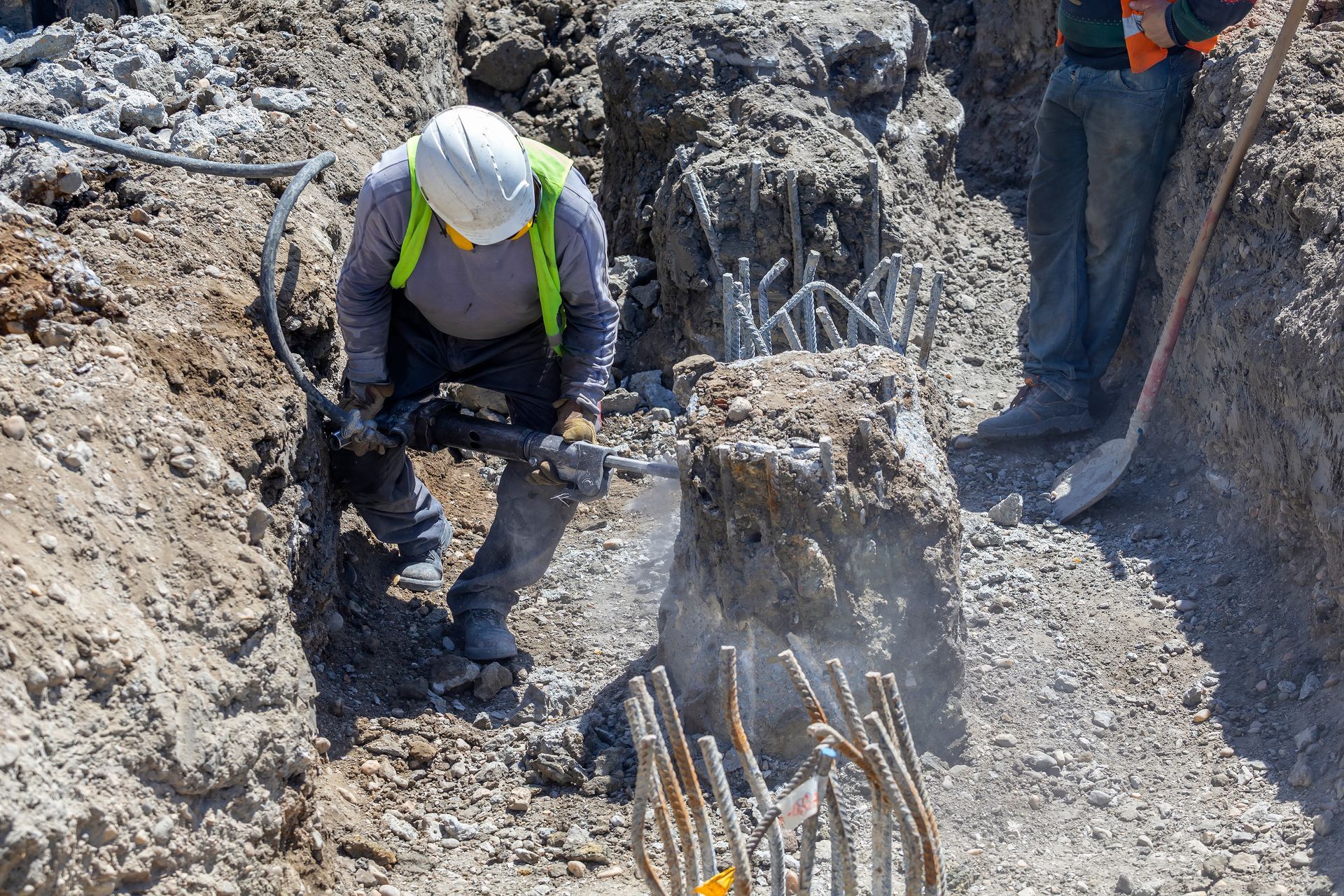
Contractor Insurance
Contractor insurance supports trades and service professionals across Southern California. It helps protect tools, equipment, and daily operations.

Cyber Liability Insurance
Cyber liability insurance helps protect business data and customer information. It supports recovery from digital incidents.

Commercial Property Insurance
Commercial property insurance helps protect offices, shops, and equipment. It supports recovery after covered damage.
Coverage Built for Specialized Work
Support for high-risk and service-driven industries.



Simple Steps Supported by Steady Guidance
A Clear Path to Coverage
Trusted by Clients Across Southern California
Clear service backed by real experiences.
Answers to Common Questions.
Clear explanations to guide your decisions.
How do I know which insurance policy is right for me?
We compare coverage options from multiple carriers to help you see differences in protection and price. You can review clear details and ask questions so you understand what each policy covers. Our team guides you step by step so you feel sure about your decision.
What factors affect my auto insurance premium?
Auto insurance premiums are influenced by your driving history, age, location, vehicle type, and coverage choices. A clean driving record and good safety features can help lower costs. We review these factors with you and help find coverage that fits your budget and needs.
Does homeowners insurance cover all types of damage?
Standard homeowners insurance protects your structure, personal belongings, liability, and additional living expenses in many cases. However, it usually does not include flood or earthquake damage without separate policies. We help you decide if extra coverage is right for your home and location.
Can I update my policy or get certificates online?
Yes. You can submit requests for policy changes and certificates through our online service form at any time. Our team processes those requests quickly and confirms updates once complete so you have the documents you need.
Do I need separate insurance for business risks like EPLI or E&O?
Yes. General liability and workers compensation cover many business risks but do not protect against all exposures. For example, Employment Practices Liability Insurance (EPLI) covers claims like wrongful termination or discrimination, and Errors & Omissions (E&O) covers claims based on mistakes in professional services. We help you identify which extra policies your business may need.
What happens if I need to file a claim?
If you need to file a claim, we guide you through the process and help you contact the insurance carrier. We explain what information you should provide, answer your questions, and stay available while the carrier reviews your claim. This support helps you move forward with confidence.
Contact Us