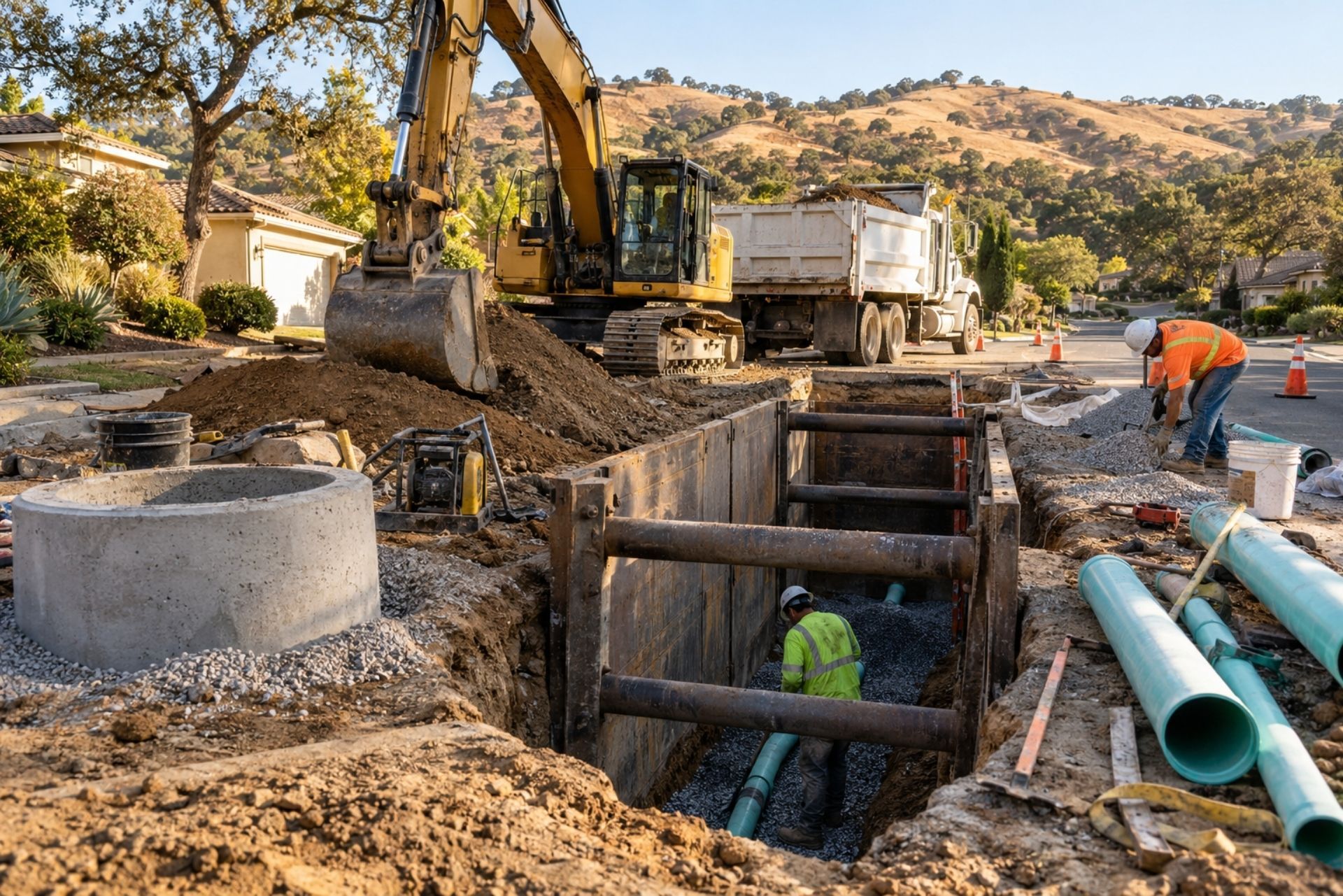
Running a sewer construction business in California means dealing with risks that most industries never encounter: cave-ins, contaminated soil, ruptured utility lines, and property damage claims that can run into six figures before lunch. The insurance needs of a C-42 sanitation contractor look nothing like those of a general builder, and getting the wrong coverage - or not enough of it - can end your business faster than any bad project.
This guide covers sewer contractor insurance in California from every angle that matters: general liability, pollution exposure, equipment protection, trenching injury risks, and the state-specific licensing and bonding rules that trip up even experienced operators. If you're starting a sewer contracting business, renewing your policies, or just trying to figure out whether your current coverage actually protects you, this is the practical breakdown you need.
California's regulatory environment is aggressive, and Cal/OSHA doesn't bluff. The state's soil conditions vary wildly from sandy coastal fills to expansive clay in the Central Valley, and each project carries unique insurance implications. Pair that with some of the highest workers' comp rates in the country, and you start to understand why getting your insurance stack right isn't optional: it's survival.
Essential Insurance Policies for California Sewer Contractors
Sewer work sits at the intersection of construction, environmental liability, and heavy equipment operation. That means no single policy covers everything, and the gaps between policies are where claims destroy businesses.
General Liability and Pollution Coverage
A commercial general liability (CGL) policy is your foundation. It covers third-party bodily injury, property damage, and completed operations claims: think a homeowner suing because your crew damaged their driveway, or a pedestrian injured near your worksite. While California law does not mandate CGL for all license types (except LLCs), a $1 million per occurrence limit is the "practical standard" for commercial work and public projects [https://www.thecontractormatrix.com/contractor-insurance-requirements/california].
Here's the catch: standard CGL policies almost universally exclude pollution-related claims. If your crew accidentally ruptures a sewage line and contaminates a neighboring property's well water, your general liability policy likely won't pay. That's where Contractors Pollution Liability (CPL) comes in. CPL covers cleanup costs, third-party bodily injury from pollutant release, and environmental damage claims. For small environmental and utility contractors, CPL coverage runs approximately $223 per month, or about $2,675 annually. Given that a single sewage spill cleanup can cost $50,000 or more, that's a bargain.
Professional Liability for Design-Build Projects
If your company handles any design work, engineering calculations, or system layout - even informally - you need professional liability coverage. Standard general liability policies explicitly exclude "professional services", which means a design error that causes a sewer system failure won't be covered under your CGL. This gap catches a lot of design-build sewer contractors off guard.
Professional liability (sometimes called errors and omissions) covers claims arising from faulty plans, incorrect slope calculations, or inadequate capacity designs. Even if you subcontract engineering work, you can still be named in a lawsuit. Carrying your own professional liability policy means you're not relying entirely on someone else's coverage to defend you.
Commercial Auto and Fleet Protection
Your trucks, vac-cons, camera vans, and crew vehicles need commercial auto coverage. Personal auto policies won't cover vehicles used for business, and California's minimum liability limits ($30,000/$60,000/$15,000) are low for a contractor hauling heavy equipment through residential neighborhoods [https://cglsantafesprings.com/news/california-sb-1234-general-liability-requirements-2025]. Most sewer contractors carry commercial auto liability with higher limits for vehicles towing excavators or transporting hazardous waste.
Don't overlook hired and non-owned auto coverage either. If an employee runs an errand in their personal vehicle during work hours and causes an accident, your business can be held liable.
By: Patrick Caruso
President of Caruso Insurance Services
California-Specific Legal and Licensing Requirements
California's Contractors State License Board (CSLB) enforces strict requirements that directly affect your insurance obligations. Missing any of these can result in license suspension, fines, or both.
CSLB Bond Requirements for C-42 Licensees
Every licensed C-42 (Sanitation System) contractor in California must maintain a $25,000 contractor's license bond. This bond protects consumers if you fail to complete a project, violate building codes, or cause property damage that you refuse to address. It's not insurance for you: it's a financial guarantee for your clients.
A recent legislative change worth knowing about: AB 521, effective January 1, 2026, clarifies that the CSLB isn't liable for attorney fees in civil claims involving a contractor's cash deposit filed in lieu of a bond. If you've been using a cash deposit instead of a surety bond, this affects your risk calculation. Most contractors find that a surety bond is cheaper and simpler than tying up $25,000 in cash.
State-Mandated Workers' Compensation Rules
California law requires workers' compensation coverage for every employee, with zero exceptions for small businesses. If you have even one employee, you need a policy. Operating without workers' comp is a criminal offense in California, carrying penalties up to $100,000 and potential jail time.
For sewer contractors, workers' comp rates are among the highest in construction because of the injury profile: trenching collapses, exposure to hydrogen sulfide gas, heavy equipment accidents, and repetitive strain injuries. Your experience modification rate (EMR) directly affects your premium. An EMR above 1.0 means you're paying more than average for your classification; below 1.0 means you're paying less. Investing in safety training and maintaining clean OSHA records is one of the most effective ways to reduce your single largest insurance expense.
Protecting Heavy Machinery and Specialized Equipment
Sewer contractors rely on expensive, specialized equipment that's often working in remote locations or moving between jobsites. Standard property insurance doesn't adequately cover mobile equipment.
Inland Marine Insurance for Trenching Gear
Inland marine insurance covers equipment in transit and at jobsites: excavators, shoring systems, pipe lasers, CCTV inspection cameras, and jetting equipment. The name sounds odd (there's nothing marine about a backhoe), but this policy type was originally designed for goods moving over land, and it's become the standard for mobile contractor equipment.
A typical sewer contractor might have $500,000 to $2 million in equipment that needs coverage. Inland marine policies can be written on either a scheduled basis (listing each piece of equipment) or a blanket basis (covering all equipment up to a total limit). Scheduled policies are usually cheaper but require you to update the list every time you buy or sell equipment.
Coverage for Rented or Leased Excavators
Renting a large excavator for a specific project is common, but the rental company's damage waiver is usually expensive and limited. Your inland marine policy may cover rented equipment, but check the terms carefully. Many policies cap rented equipment coverage at a fraction of your owned equipment limit.
If you regularly rent equipment, ask your insurance broker about adding a rented equipment endorsement. This is almost always cheaper than the rental company's damage waiver, and it provides broader coverage. Make sure the policy covers the full replacement value of the most expensive machine you're likely to rent.
Mitigating High-Risk Sewer Construction Hazards
Sewer work is inherently dangerous, and the insurance implications of a serious incident go far beyond workers' comp claims.
Underground Utility Damage Liability
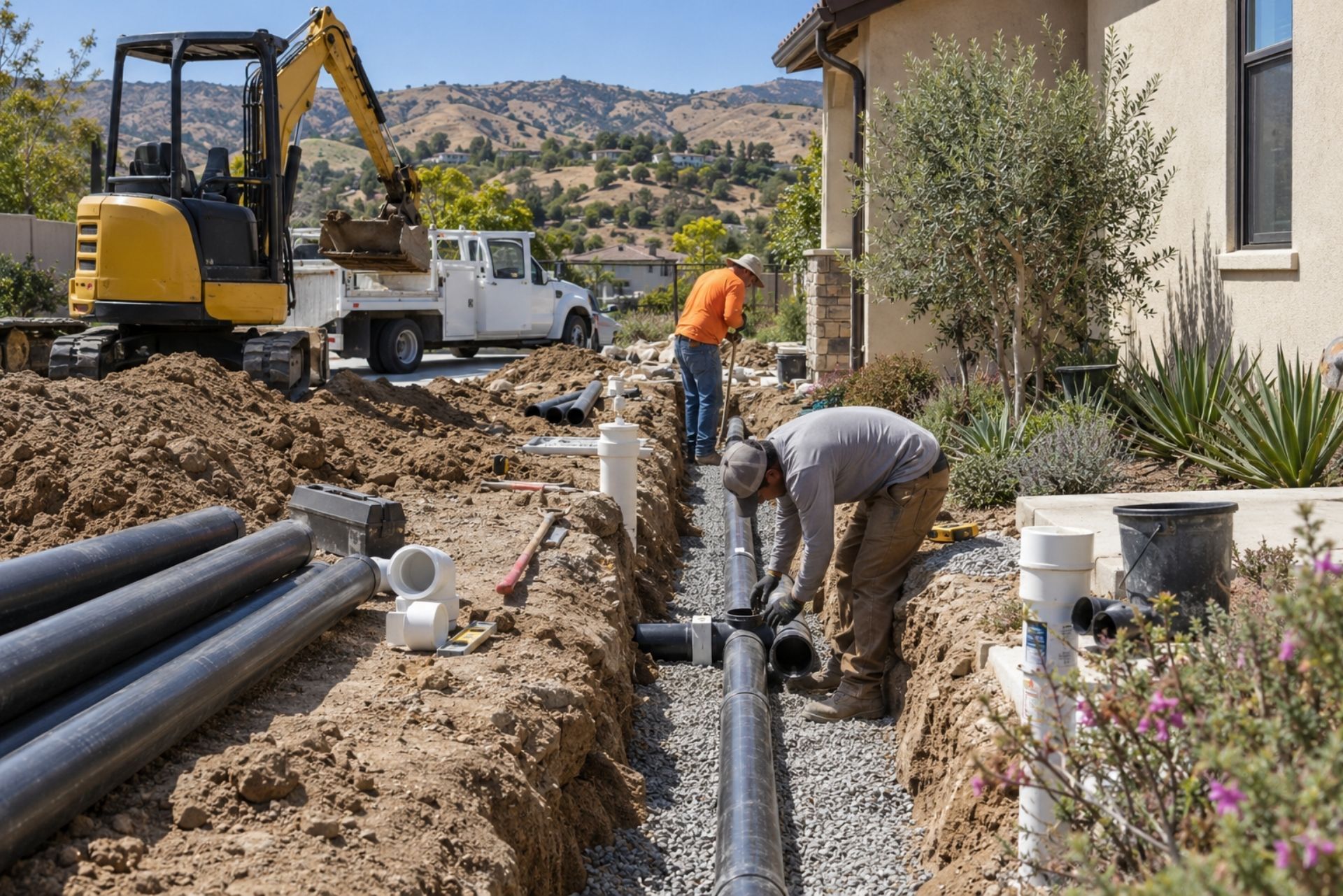
Hitting an unmarked gas line, fiber optic cable, or water main during excavation is one of the most common - and expensive - claims for sewer contractors. Even when you've called 811 and followed all locate protocols, mismarks happen. A ruptured gas line can trigger evacuations, fire department responses, and repair costs that quickly exceed $100,000.
Your CGL policy typically covers underground utility damage, but check for exclusions related to failure to follow locate procedures. Some policies require documented proof that you called for locates before coverage applies. Keep meticulous records of every locate request, every mark-out, and every hand-dig around marked utilities.
Excavation Collapse and Shoring Risks
Trench collapses remain one of the deadliest hazards in construction. National trenching fatalities reached 17 deaths in 2025, the highest count since 2022, and Cal/OSHA has responded with aggressive enforcement. A single cubic yard of soil can weigh as much as a car, making proper shoring, sloping, and shielding non-negotiable.
From an insurance perspective, a trench collapse that injures or kills a worker triggers workers' comp claims, potential OSHA fines, and possibly third-party lawsuits. Cal/OSHA penalties for serious violations can exceed $25,000 per instance, and willful violations carry penalties several times higher. Your claims history from incidents like these will follow your business through the CLUE database, affecting your insurability and premium rates for years.
Understanding what drives your premiums helps you control costs without sacrificing coverage.
Project Depth and Soil Condition Variables
Insurers evaluate risk based on the type of work you perform. Shallow sewer lateral replacements at 4-6 feet carry lower risk than deep mainline installations at 15-20 feet. Projects in unstable soils - sandy fill, high water table areas, or expansive clay - increase the likelihood of collapse and property damage claims.
When applying for coverage, be specific about your typical project scope. If you primarily do shallow residential work, make sure your broker communicates that clearly. Being lumped into a higher-risk classification because of vague descriptions can cost you thousands in unnecessary premiums.
Claim History and Safety Record Impacts
Your loss history is the single biggest factor in your premium calculation after classification code. Insurers pull your CLUE (Comprehensive Loss Underwriting Exchange) report, which tracks every claim filed against your business for the past five to seven years. Even claims that were ultimately denied or settled for small amounts appear on this report.
A clean safety record does more than keep premiums low: it keeps you insurable. Contractors with multiple serious claims may find themselves unable to get coverage from standard carriers, forcing them into surplus lines markets where premiums can be two to three times higher. Invest in documented safety programs, regular toolbox talks, and competent person training for every crew leader. The return on that investment shows up directly on your insurance bill.
Securing Comprehensive Coverage for Your Sewer Business
Getting sewer contractor insurance right in California requires more than checking boxes on a CSLB application. You need a coordinated insurance program where general liability, pollution coverage, professional liability, equipment protection, and workers' comp all work together without gaps.
Start by working with a broker who specializes in contractor insurance, not a generalist who also sells home and auto policies. A specialist understands the difference between a C-42 and a C-36 classification, knows which carriers write pollution coverage for sewer contractors, and can identify gaps that a generalist would miss.
Review your coverage annually, not just at renewal. Every time you add a service line, buy equipment, hire employees, or take on larger projects, your insurance needs change. The $50,000 policy that covered your one-truck operation three years ago probably isn't adequate for the business you're running today. Build the cost of proper coverage into your bids from day one, and treat insurance as what it actually is: the thing that keeps your business alive when something goes wrong.
ABOUT THE AUTHOR:
PATRICK CARUSO
I’m Patrick Caruso, founder of Caruso Insurance, and I have spent more than 25 years helping families, contractors, and small businesses across Southern California make confident insurance decisions. I focus on explaining coverage in clear terms, comparing multiple carriers, and supporting clients with steady communication so they feel secure with each step. My goal is to provide dependable guidance, simple answers, and a smooth process for anyone who needs personal or business insurance.
Contact Us

Service that stays with you.
Our team helps simplify insurance decisions for families and businesses. We focus on clear explanations, fast responses, and dependable service. You can count on us for help with coverage questions, updates, and long-term support.
Coverage that keeps you secure
Reliable Protection for Everyday Life
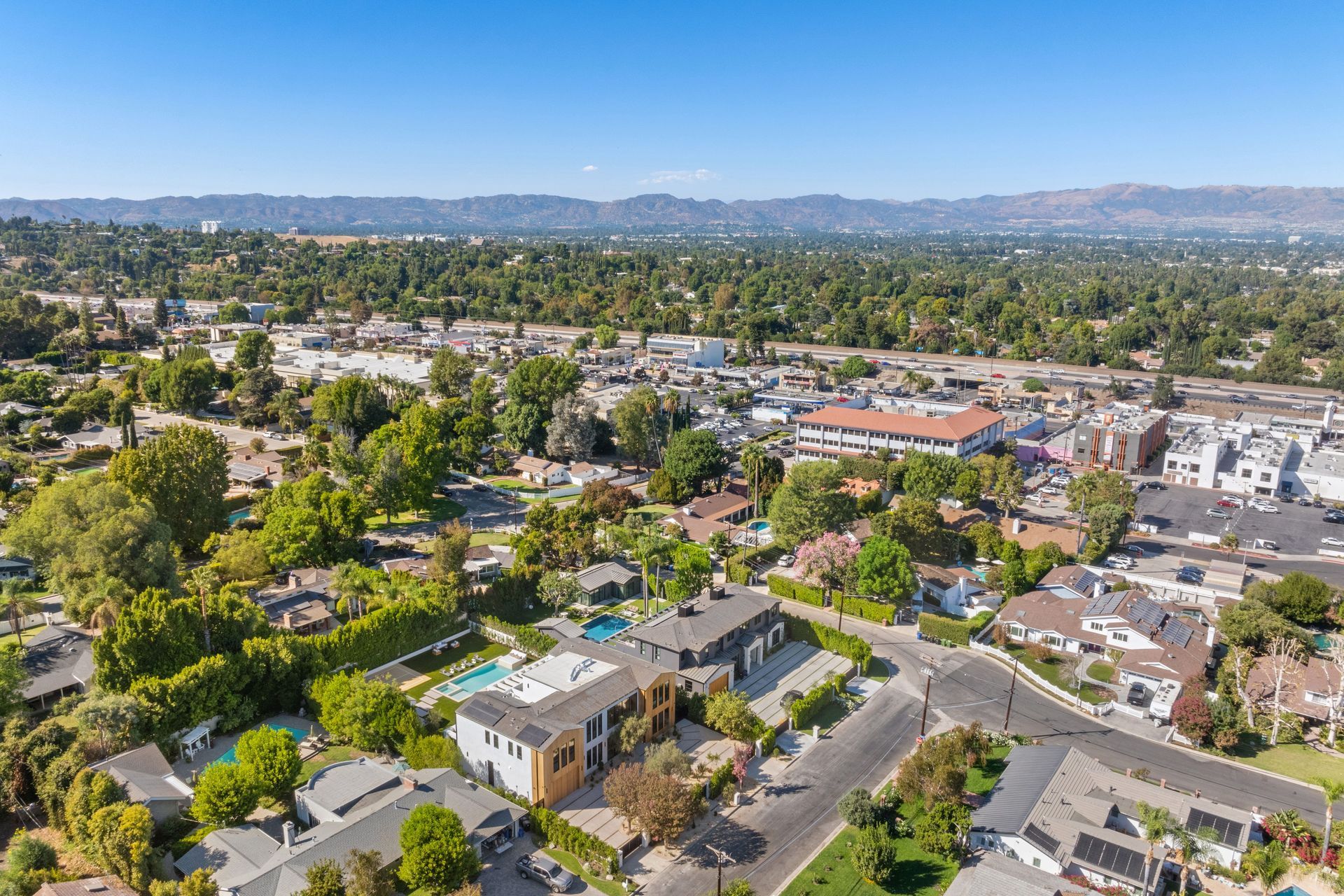
Home insurance helps protect your house, personal belongings, and liability risks. We explain coverage options clearly so you know what your policy includes.
Auto insurance provides protection for accidents, liability, and vehicle damage. We help you compare options so you can choose coverage that fits your driving needs.
Motorcycle insurance provides coverage for riders and their bikes. We help you select options that match how and where you ride.
RV insurance supports protection for motorhomes and recreational vehicles. Coverage applies during travel and while parked.
Coverage Built for Contractors and Trades
Support that keeps your work moving.

General Liability Insurance
General liability insurance helps protect contractors from injury and property damage claims. It supports jobsite requirements and contracts.

Workers Compensation
Workers compensation insurance helps protect employees injured while working. It also supports compliance with state requirements.
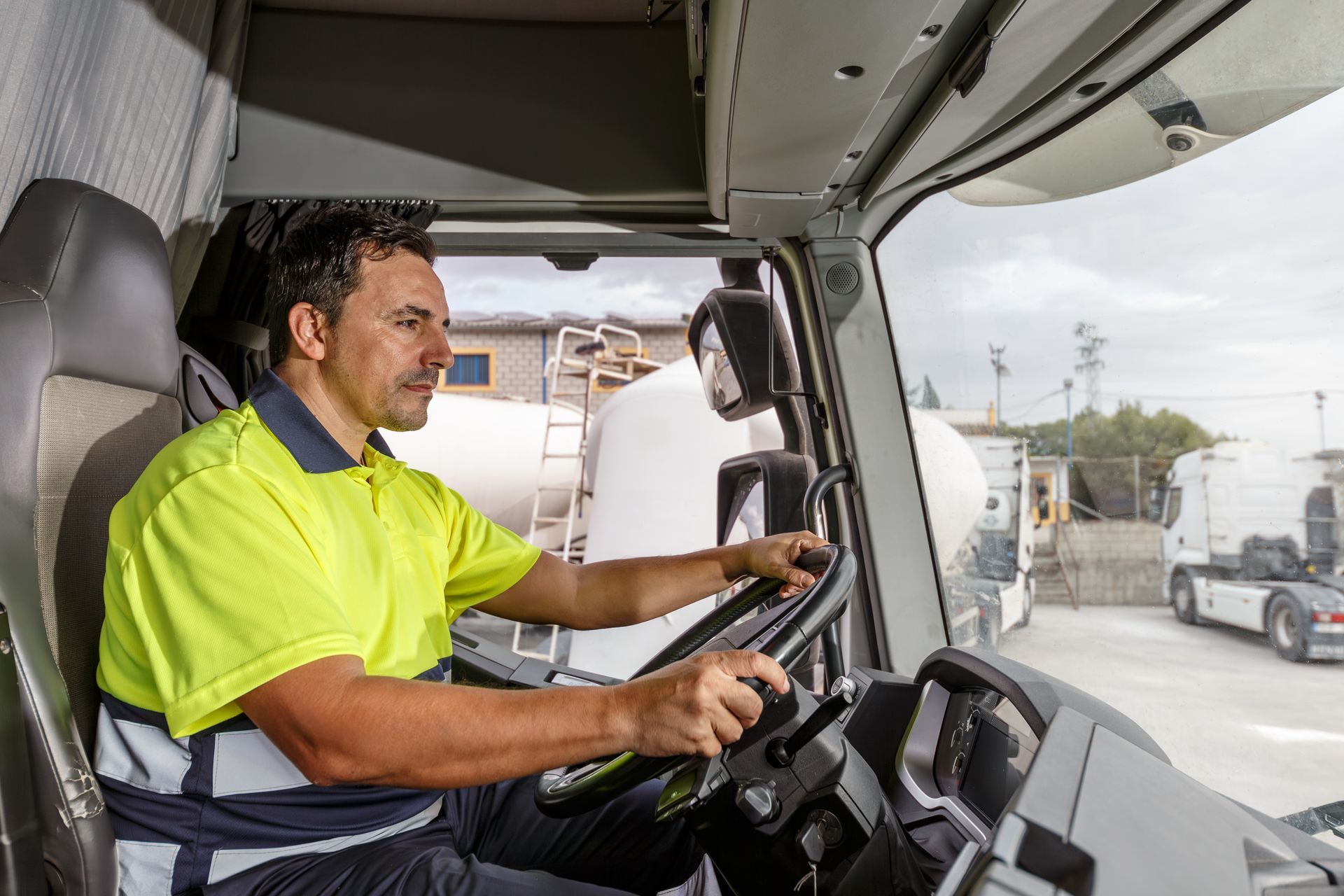
Commercial Auto Insurance
Commercial auto insurance provides coverage for work vehicles used on jobsites. It helps protect drivers and company vehicles.
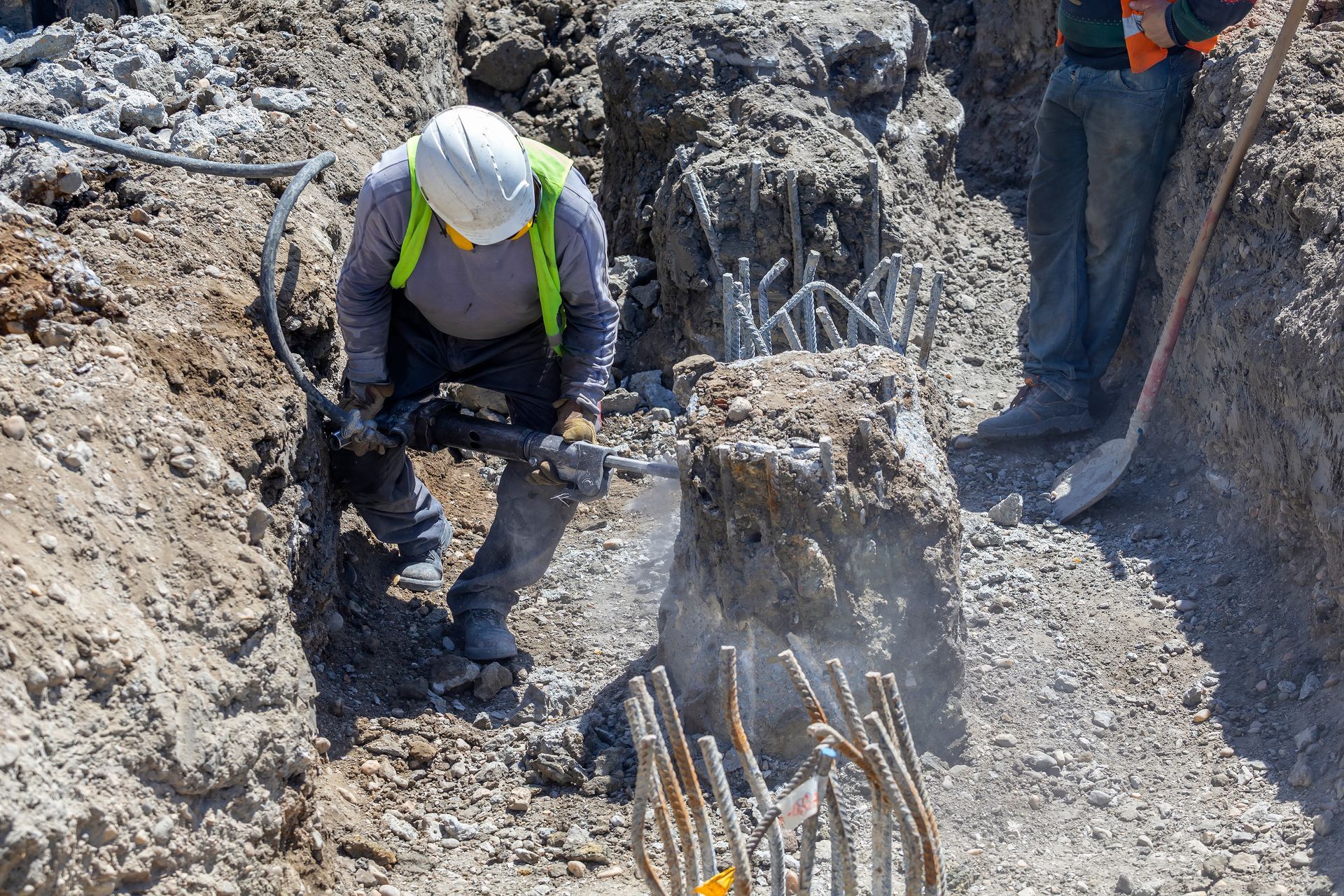
Contractor Insurance
Contractor insurance supports trades and service professionals across Southern California. It helps protect tools, equipment, and daily operations.

Cyber Liability Insurance
Cyber liability insurance helps protect business data and customer information. It supports recovery from digital incidents.

Commercial Property Insurance
Commercial property insurance helps protect offices, shops, and equipment. It supports recovery after covered damage.
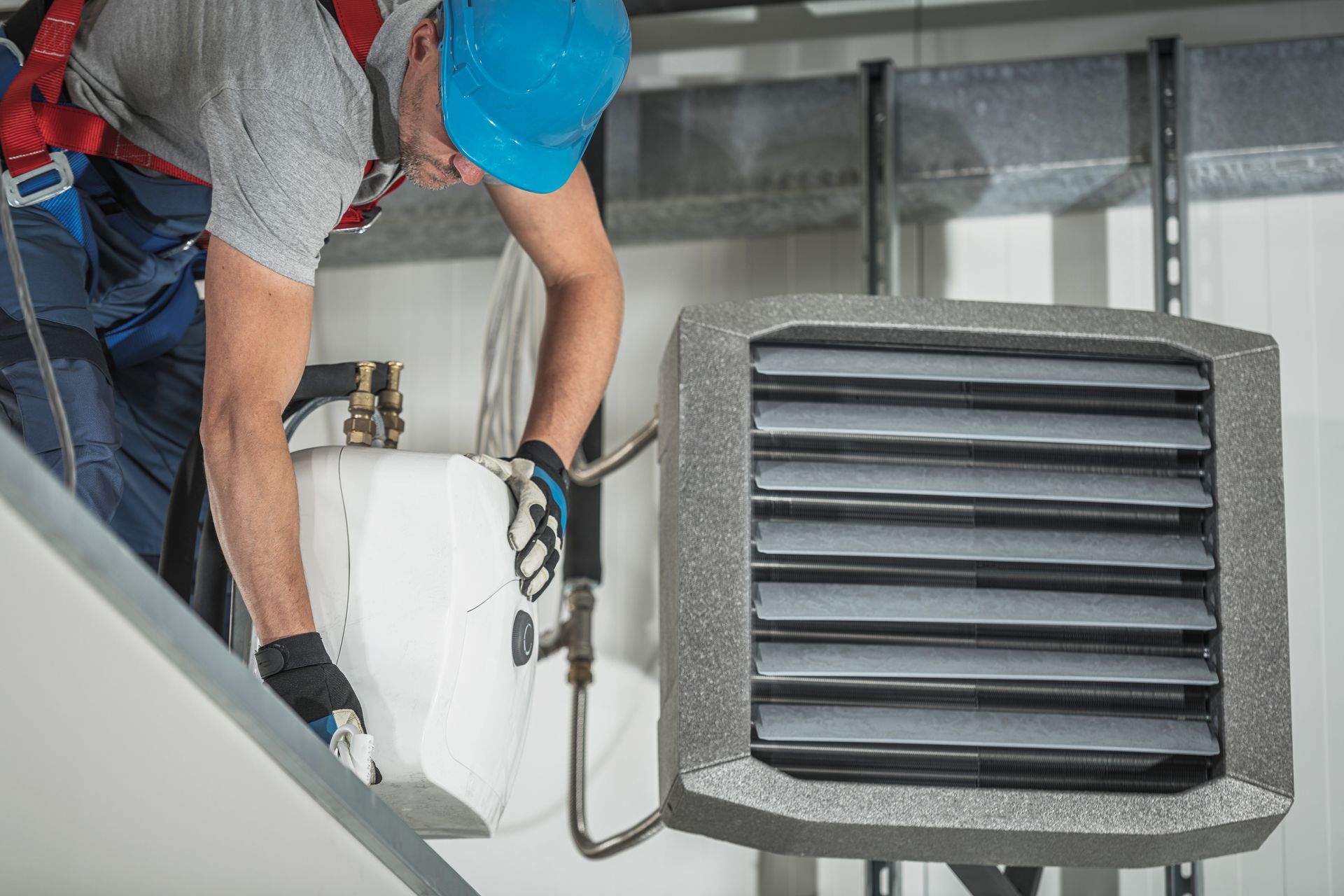
Coverage Built for Specialized Work
Support for high-risk and service-driven industries.
Simple Steps Supported by Steady Guidance
A Clear Path to Coverage
Trusted by Clients Across Southern California
Clear service backed by real experiences.
Answers to Common Questions.
Clear explanations to guide your decisions.
How do I know which insurance policy is right for me?
We compare coverage options from multiple carriers to help you see differences in protection and price. You can review clear details and ask questions so you understand what each policy covers. Our team guides you step by step so you feel sure about your decision.
What factors affect my auto insurance premium?
Auto insurance premiums are influenced by your driving history, age, location, vehicle type, and coverage choices. A clean driving record and good safety features can help lower costs. We review these factors with you and help find coverage that fits your budget and needs.
Does homeowners insurance cover all types of damage?
Standard homeowners insurance protects your structure, personal belongings, liability, and additional living expenses in many cases. However, it usually does not include flood or earthquake damage without separate policies. We help you decide if extra coverage is right for your home and location.
Can I update my policy or get certificates online?
Yes. You can submit requests for policy changes and certificates through our online service form at any time. Our team processes those requests quickly and confirms updates once complete so you have the documents you need.
Do I need separate insurance for business risks like EPLI or E&O?
Yes. General liability and workers compensation cover many business risks but do not protect against all exposures. For example, Employment Practices Liability Insurance (EPLI) covers claims like wrongful termination or discrimination, and Errors & Omissions (E&O) covers claims based on mistakes in professional services. We help you identify which extra policies your business may need.
What happens if I need to file a claim?
If you need to file a claim, we guide you through the process and help you contact the insurance carrier. We explain what information you should provide, answer your questions, and stay available while the carrier reviews your claim. This support helps you move forward with confidence.
Contact Us