When a small mistake or an unforeseen incident triggers a significant claim, managing risk becomes crucial for electrical contractors in California. With the state’s booming construction and renovation market, the need for adequate insurance coverage has never been greater. Detailed policies can make the difference between a business that weathers a challenging claim and one that folds under unexpected losses. For instance, electricians in California experience premium increases each year that often exceed general inflation rates, underscoring the importance of understanding insurance coverage options in this region.
California contractors face a unique set of challenges, from strict regulatory requirements to the increasing threat of wildfires. Each risk factor demands a specific set of coverages tailored to the operating environment of electrical contractors. It is essential to navigate these challenges with a clear strategy for protecting assets, employees, and reputation.
Several factors shape the current insurance environment in California. Among them, regulatory changes, evolving risk factors, and market trends all contribute to a complex landscape. This guide aims to break down each element to help electrical contractors make informed decisions regarding their insurance needs.
Understanding the Insurance Requirements for Electrical Contractors in California
California law has established specific insurance thresholds for electrical contractors. As of 2026, contractors are required to carry a minimum of $1 million per occurrence and $2 million in aggregate coverage for general liability claims (regulatory updates). This requirement ensures that even smaller claims do not jeopardize a contractor’s financial security while providing a safety net in the event of a significant incident.
The necessity for high coverage limits is further amplified by the increasing complexity of electrical systems and the potential for costly mistakes. A single error in wiring or electrical setup may result in property damage or even personal injury, exposing contractors to claims that could easily exceed standard policy limits.
Regulatory bodies and local jurisdictions have also imposed stringent safety codes and work standards. Complying with these can require additional specialist coverages, sometimes even outside the typical policy framework. Such regulatory hurdles demand that contractors stay informed about their policy details and adapt their coverage as needed.

By: Patrick Caruso
President of Caruso Insurance Services
Trends Driving Increasing Premiums
One significant factor influencing insurance premiums for electrical contractors is the rising frequency and severity of claims related to natural disasters. Wildfires, for example, have altered risk assessments dramatically in regions across California. Industry expert Brian Murphy, senior vice president at Heffernan Insurance Brokers, has highlighted that wildfires are occurring with greater frequency, prompting insurers to adjust definitions of wildfire-exposed areas.
This evolving risk landscape naturally drives annual premium increments that often exceed normal inflation rates. For electricians, the premiums have jumped between 5% and 15% each year over the past decade (industry statistics). These steep increases are due in part to the expanded underwriting criteria and increased likelihood of complex claims that can have far-reaching financial implications.
Additionally, the overall economic conditions and rising costs of materials and labor contribute to the escalation of premiums. Insurers are forced to keep a close watch on trends that could lead to higher payouts in areas where the risk of claim events is intensifying. This leaves contractors with a dual challenge: managing operational costs while ensuring that their risk management strategies evolve accordingly.
Types of Insurance Coverage for Electrical Contractors
General Liability Insurance
This policy remains the cornerstone of an electrical contractor's insurance portfolio. General liability insurance covers incidents resulting in bodily injury, property damage, and legal defense costs related to such occurrences. It is designed to protect the business from unforeseen accidents that could otherwise drain resources.
Given the complexity of job sites and the inherent risks involved with electrical installations, general liability insurance is indispensable. Business owners without an adequate policy may face significant out-of-pocket expenses in cases of major claims.
Even though the minimum legal requirements in California call for significant limits, larger clients often demand even higher coverage. Meeting these expectations is essential not only for compliance but for maintaining business relationships and securing new contracts.
Commercial Property Insurance
While general liability is critical, property insurance covers potential damage to physical assets. This policy can protect both the contractor's owned property as well as leased facilities or equipment. From fire damage to theft, having the right commercial property insurance can ensure that operational downtime is minimized in case of an incident.
Electrical contractors typically invest heavily in tools and specialized equipment, much of which may prove expensive to replace. Commercial property insurance addresses this need by replacing or repairing lost assets, thus sustaining continued operations.
An expanded policy can also offer coverage for business interruption, ensuring that if a disaster temporarily halts operations, a contractor can continue to meet financial obligations and payrolls.
Professional Liability and Errors & Omissions Coverage
Professional liability insurance, also known as errors and omissions coverage, is critical for legal protection against claims arising from professional mistakes or negligence. Electrical work involves intricate diagnostics and problem-solving; even a small error can escalate into a costly legal dispute.
This coverage is particularly important when addressing projects involving new technology or unconventional setups. It is not uncommon for clients to attribute subsequent malfunctions directly to an installation that did not meet promised specifications.
Ensuring that your policy explicitly covers such liabilities can provide much-needed peace of mind. Contractors are often advised to review policy details with insurance professionals to ensure that all potential legal pitfalls are adequately addressed.
Surety Bonds
Surety bonds play a unique role by providing third-party guarantees that contractual obligations will be met. Recent studies have shown that incorporating network effects into surety bonds can raise the average risk and tail probability mass of the loss distribution by approximately 2% (surety bond study). This additional risk factor means that while surety bonds provide valuable financial reassurance to clients, they also come with a higher inherent risk that must be managed.
Many electrical contractors leverage surety bonds to secure government contracts or projects with high financial stakes. These bonds serve the dual purpose of demonstrating financial responsibility and ensuring that projects will be completed in accordance with agreed terms.
It is critical that contractors understand the implications of these increased risk assessments in their bond agreements and work closely with their insurers to ensure that the coverage reflects the true scope of their projects and obligations.

Impact of Wildfires on Insurance and Risk Management
The growing wildfire threat in California has had far-reaching implications for all industries, including electrical contracting. Wildfires not only represent environmental and safety risks but also significantly influence insurance coverage and premium calculations. In affected areas, insurers account for the elevated risk by adjusting policy definitions and increasing coverage limits, leading to higher premiums.
Risk prevention strategies are evolving alongside these changes. Regular maintenance of electrical systems, adherence to updated building codes, and implementing effective risk management practices are essential for minimizing exposure. Contractors benefit from revisiting their risk assessments periodically and adopting measures that can mitigate potential wildfire-related damages.
A recent update from California's Department of Insurance expanded the FAIR Plan to offer up to $20 million in commercial coverage for businesses unable to secure insurance through conventional avenues (department announcement). This development signifies a noteworthy shift in how wildfire risks are addressed and could serve as an important option for contractors in high-risk areas.
How Regulatory Changes Affect Coverage Options
State regulations frequently influence both the structure and limits of insurance policies available to electrical contractors. As noted earlier, California mandates minimum coverage limits; however, market conditions often drive these numbers substantially upward. Contractors working on large projects or with corporate clients might need to secure even higher limits than those legally required to satisfy contractual obligations.
Changes in state regulations-coupled with evolving risk landscapes such as frequent wildfires-prompt insurers to revisit their underwriting criteria regularly. This means that renewal periods might bring about significant premium adjustments or even changes in policy terms. Staying updated on these regulatory changes is key for any contractor who wants to avoid gaps in coverage.
New policies or amendments often arise following high-profile claims or catastrophic events. The rapid evolution in policy terms requires that every contractor maintain an ongoing dialogue with their insurance provider. Doing so ensures that both coverage and limits remain aligned with the contractor’s operational risks and client expectations.
Optimizing Risk Management Strategies
Risk management is not merely acquiring insurance-it involves a proactive approach to reducing claims. Electrical contractors can leverage several techniques to minimize risks and reduce premium costs over time.
Regular safety training sessions, adherence to the latest industry standards, and implementation of advanced safety technology are critical components of an effective risk management strategy. By investing in employee training and updating equipment, businesses not only lower the frequency of claims but may also negotiate more favorable premiums on renewed contracts.
Contractors are encouraged to work with risk management consultants who specialize in high-risk industries like electrical contracting. Such professionals can conduct thorough risk assessments and suggest corrective actions that reduce exposure to hazards. Measures might include installing advanced fire detection systems or re-engineering complex electrical layouts to prevent overloading-a common contributor to fire hazards in commercial properties.
Leveraging Technology in Risk Prevention
The rise of smart technology and IoT (Internet of Things) devices has opened new avenues for reducing operational risks. For example, smart monitoring systems can detect abnormal current patterns or overheating components, triggering immediate alerts and preventing potential failures.
An increasing number of contractors now integrate these technologies into their work processes, viewing them as investments that lower the long-term cost of risk. In regions prone to wildfires, deploying sensors that provide early warning of environmental dangers can be especially crucial.
While technological investments may initially seem expensive, the payoff is evident when insurance claims decrease and overall business continuity improves. This proactive approach can result in more stable premiums and a stronger negotiating position during policy renewals.
Special Considerations for Electrical Contractors
Electrical contracting is a dynamic field where every project comes with its own unique set of risks. Contractors face challenges ranging from intricate wiring issues to potential hazards on complex construction sites. As such, a one-size-fits-all insurance strategy rarely proves sufficient.
Tailored coverages that specifically address the nuances of electrical work are essential. For example, policies that bundle professional liability with general and property insurance might provide a more comprehensive safety net. By understanding the detailed risks inherent in different job types, contractors can select policies that more accurately cover their exposure.
Contractors who work with large corporations or government clients may encounter tighter risk requirements. These clients often demand higher limits and additional coverages to safeguard their interests. Preparing for these demands by engaging an experienced insurance broker can help navigate the complexities and secure appropriate coverages.
Addressing the Challenges of Increasing Contractor Populations
The number of licensed electrical contractors in California has seen a modest increase in recent years, with some regions experiencing growth above 5% (industry report on licensed contractors). This growing competition makes it even more important for individual contractors to stand out through superior risk management and comprehensive insurance coverage.
With more contractors sharing the same client base, companies must emphasize their commitment to safety, professionalism, and compliance. A clear demonstration of adequate and proactive insurance coverage not only protects against potential losses, but it also builds credibility with prospective clients.
Contractors can benefit greatly by regularly benchmarking their coverage against local competitors and adapting to emerging challenges. This level of strategic risk management ensures robust protection while securing favorable terms during negotiations with insurers.
Comparison of Coverage Options
Various insurance policies cater to the different phases and needs of electrical contracting. Understanding the distinctions between available coverages can help contractors choose the right combination for their unique circumstances. The table below provides a side-by-side comparison of common coverage types and highlights their key benefits and limitations.
| Coverage Type | Key Benefits | Limitations |
|---|---|---|
| General Liability | Protection from bodily injury, property damage, and legal defense costs | May not cover professional errors or specialized equipment losses |
| Commercial Property | Covers physical assets, including tools, equipment, and buildings | Limited if business interruption services are not included |
| Professional Liability | Protects against claims of errors and omissions in professional services | May exclude claims related to non-professional incidents |
| Surety Bonds | Provides contractual guarantees for project completion | Increases exposure to risk due to network effects on loss distribution |
This comparison helps contractors visualize how different policies combine to form a holistic risk management solution. Balancing the benefits and limitations of each option can lead to a more robust overall coverage strategy.
For electrical contractors, insurance is not just a legal requirement but a critical element of the overall business strategy. Sustainable business growth depends largely on the ability to manage risk effectively while defending against unforeseen incidents. Including detailed insurance analysis in your business planning process can improve both competitiveness and resilience.
Many contractors now incorporate insurance reviews into regular business audits. By doing so, they assess their exposure, identify coverage gaps, and potentially negotiate better rates as part of an ongoing relationship with insurers. Such careful planning alleviates the chance of lasting financial impacts from large or multiple claims.
Strategic business planning coupled with comprehensive insurance coverage assures clients that the contractor is both responsible and prepared-qualities highly prized by large-scale projects or long-term partnerships. Working closely with insurance brokers further enhances these efforts by aligning policies with precise business needs.
Cost Management and Future-Proofing Coverage
Premium management is a recurring challenge. While premium hikes for electrical contractors have ranged from 5% to 15% annually (insurance premium statistics), contractors can adopt measures to manage these costs by enhancing safety protocols and reducing exposure to claims.
There are opportunities to negotiate multi-year contracts or bundle coverages, which might help in locking in more favorable terms. Increasing risk awareness among employees and maintaining impeccable service standards can also lead insurers to view the contractor as a lower risk, potentially moderating premium increases over time.
Future-proofing insurance coverage means anticipating policy changes and market trends. Keeping abreast of regulatory updates, emerging technologies, and evolving risks ensures that coverage remains competitive and comprehensive in the long run.
Risk Prevention Best Practices for California Electrical Contractors
Risk prevention extends beyond acquiring the proper coverage. Proactive practices and continued education are key elements in minimizing the impact of potential incidents. Electrical contractors can greatly benefit from robust safety training programs, third-party risk assessments, and adopting the latest industry standards.
Regular updates to safety protocols, such as routine equipment inspections and adherence to updated wiring codes, can drastically reduce the frequency of claims. Employees who are well-versed in safety procedures contribute to a culture of preventive care that pays dividends during insurance renewals.
Furthermore, investments in state-of-the-art safety technologies not only reduce operational hazards but also demonstrate to insurers that the business is serious about managing risks effectively. Contractors who stay ahead of the curve can often negotiate lower premiums based on their demonstrated commitment to risk mitigation.
Developing a Comprehensive Safety Culture
Building a safety culture requires continuous training, clear communication, and thorough documentation of all procedures and incidents. Electrical contractors should schedule regular safety drills and update training modules to reflect current best practices. Specific focus areas include proper handling of high-voltage systems, routine equipment maintenance, and emergency response protocols.
Documenting safety improvements and incident reports can also serve as evidence when negotiating with insurers. A well-documented safety record may help justify the lower risk associated with your business and lead to more advantageous premium rates.
Employing safety consultants to provide periodic risk assessments is another strategy that offers both immediate and long-term benefits. Their insights can help identify and rectify potential vulnerabilities before they escalate into costly issues.
Financial Impact and Business Continuity
The financial ramifications of an unprotected claim can be severe. A single substantial loss may drain reserves, disrupt operations, and even jeopardize a contractor’s business continuity. Effective insurance coverage, therefore, should be viewed as a critical investment that supports the entire enterprise.
Commercial property damage, liability claims, contractual breaches, and even issues arising from surety bonds contribute to the financial pressures that operators face. Understanding these risks comprehensively as part of a risk management plan can substantially mitigate potential losses during challenging periods.
If claims occur, well-structured coverage ensures that compensation is provided promptly so that recovery and continuity efforts remain on track. This level of security is invaluable for maintaining trust with clients and creditors alike.
Balancing Premium Costs and Coverage Values
Balancing cost and value in your insurance program is critical for every electrical contractor. While premiums have shown a steady uptick-driven by increased wildfire risk and regulatory adjustments-managing risks prudently can contribute to moderating these costs. Contractors should consider the long-term implications of each coverage decision, ensuring that every dollar spent on risk management translates to reduced exposure.
Adopting a comprehensive review process for all policies, ideally on an annual basis, not only keeps coverage aligned with current needs but also positions the contractor to dispute premium hikes where justified. Strategic negotiations with carriers, bolstered by documented safety improvements, can sometimes result in beneficial adjustments to terms and costs.
Engaging an experienced broker who understands the complexities of electrical contracting is a significant asset. Their expertise in negotiating policy specifics, combined with a clear presentation of your risk management successes, can lead to more favorable terms and relief from abrupt premium escalations.
Frequently Asked Questions
This section addresses common queries that electrical contractors in California may have about their insurance coverage and overall risk management strategies.
Q: Why is general liability insurance so crucial for electrical contractors?
A: General liability insurance protects against bodily injury and property damage, which are common risks in the field. It also covers legal defense costs that could arise from claims related to these incidents.
Q: How do wildfires affect insurance premiums for contractors?
A: Wildfires increase risk exposure, leading insurers to charge higher premiums. Insurers adjust coverage definitions and limits in areas more susceptible to wildfires, impacting overall policy costs.
Q: What role do surety bonds play in the contracting industry?
A: Surety bonds guarantee that contractual obligations will be met and assure clients of project completion. However, network effects in these bonds can increase the average risk, which may affect costs (study on surety bonds).
Q: Can technology help reduce insurance costs?
A: Yes, implementing smart safety and risk monitoring systems can lower exposure to hazards. This proactive approach often helps in negotiating lower premiums by demonstrating reduced risk.
Q: What steps should contractors take to manage increasing premium costs?
A: Regularly update safety protocols, invest in training, and work closely with risk management professionals. Documenting improvements and negotiating with insurers over time can help stabilize costs.
Q: Is it necessary to work with an insurance broker?
A: Working with an experienced broker, especially one familiar with California's intricate regulations, can ensure that coverage meets both legal requirements and the unique risks of electrical contracting.
Wrapping Things Up
Electrical contracting in California demands a dynamic approach to insurance and risk management. Rapid changes in environmental risks, such as frequent wildfires, strict regulatory requirements, and evolving industry standards all contribute to a challenging marketplace. Selecting the right mix of policies-whether it is general liability, commercial property, professional liability, or surety bonds-is central to safeguarding business interests.
Contractors must maintain vigilance about policy changes and market trends, balancing the need to secure robust coverage against rising premium costs. Proactive risk management, investment in safety technologies, and a disciplined focus on continuous improvement can all play vital roles in achieving long-term success.
Staying informed is essential. Regularly reviewing policy terms, negotiating adjustments, and leveraging expert advice from trusted brokers are all strategies that can provide tangible benefits over time. With the right approach, electrical contractors in California can not only meet statutory obligations but also thrive in a competitive and increasingly challenging market. For additional insights on how current trends are influencing premiums, consider reading up on the latest market reports available from leading industry resources.
Final Thoughts on Insurance Preparedness
UBeing prepared means more than meeting minimum coverage requirements-it's about ensuring sustainable business operations when unexpected challenges arise. A well-rounded insurance strategy considers regulatory changes, market pressures, and the nuanced risks of electrical projects.
Electrical contractors who adopt a proactive stance toward both insurance and risk management position themselves for success. Continual risk assessment, investment in innovative safety measures, and actively engaging with insurance experts help keep a business resilient in the face of adversity.
Even as premium costs may rise-driven partly by increased wildfire risks and evolving underwriting standards-a robust risk management strategy can help stabilize costs over time. Embracing these changes and planning accordingly is not just prudent; it is imperative for long-term business success. For further details on premium trends and risk management strategies, interested contractors can reference
industry expert insights available from trusted sources.
ABOUT THE AUTHOR:
PATRICK CARUSO
I’m Patrick Caruso, founder of Caruso Insurance, and I have spent more than 25 years helping families, contractors, and small businesses across Southern California make confident insurance decisions. I focus on explaining coverage in clear terms, comparing multiple carriers, and supporting clients with steady communication so they feel secure with each step. My goal is to provide dependable guidance, simple answers, and a smooth process for anyone who needs personal or business insurance.
Contact Us

Service that stays with you.
Our team helps simplify insurance decisions for families and businesses. We focus on clear explanations, fast responses, and dependable service. You can count on us for help with coverage questions, updates, and long-term support.
Coverage that keeps you secure
Reliable Protection for Everyday Life

Home insurance helps protect your house, personal belongings, and liability risks. We explain coverage options clearly so you know what your policy includes.
Auto insurance provides protection for accidents, liability, and vehicle damage. We help you compare options so you can choose coverage that fits your driving needs.
Motorcycle insurance provides coverage for riders and their bikes. We help you select options that match how and where you ride.
RV insurance supports protection for motorhomes and recreational vehicles. Coverage applies during travel and while parked.
Coverage Built for Contractors and Trades
Support that keeps your work moving.

General Liability Insurance
General liability insurance helps protect contractors from injury and property damage claims. It supports jobsite requirements and contracts.

Workers Compensation
Workers compensation insurance helps protect employees injured while working. It also supports compliance with state requirements.

Commercial Auto Insurance
Commercial auto insurance provides coverage for work vehicles used on jobsites. It helps protect drivers and company vehicles.
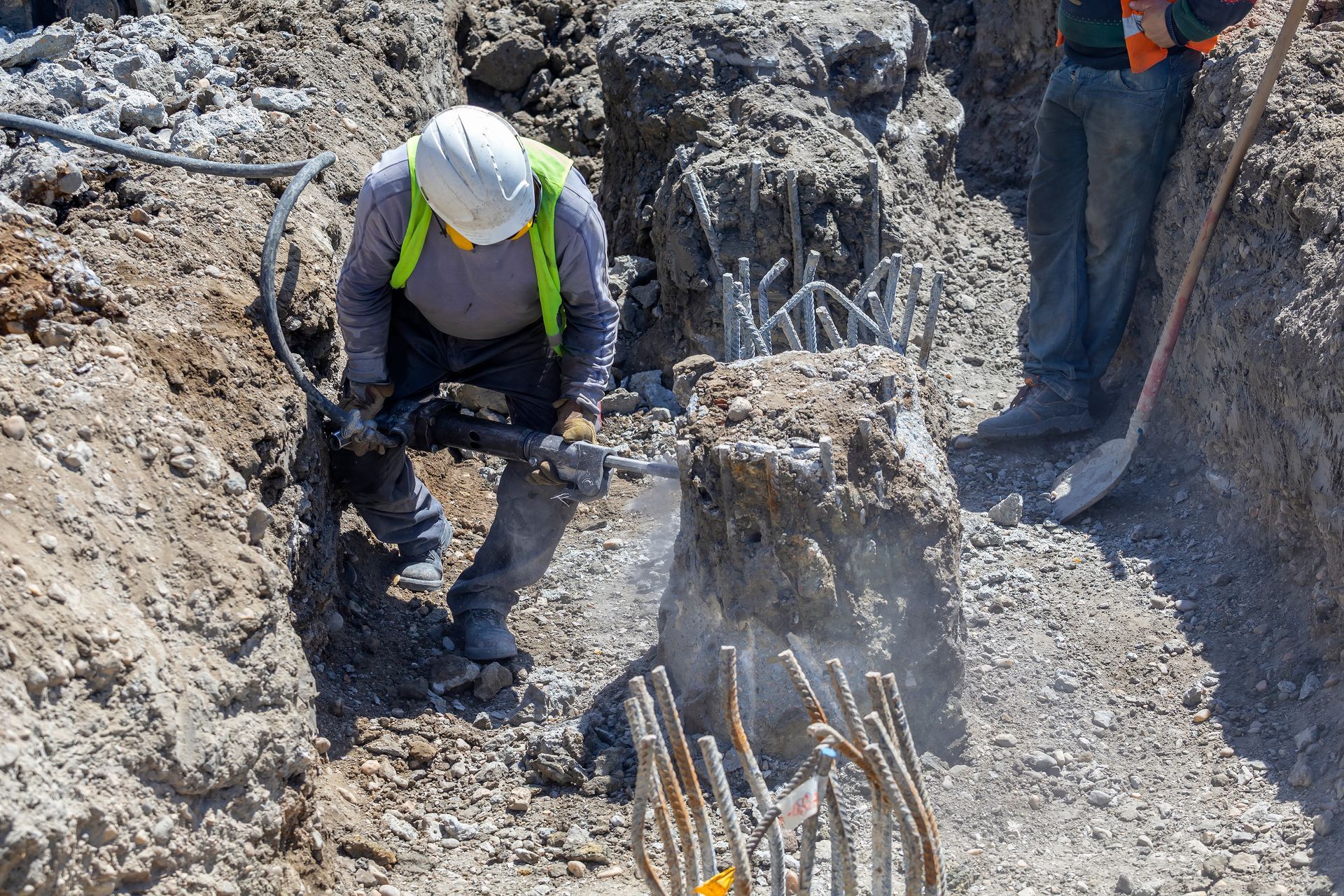
Contractor Insurance
Contractor insurance supports trades and service professionals across Southern California. It helps protect tools, equipment, and daily operations.

Cyber Liability Insurance
Cyber liability insurance helps protect business data and customer information. It supports recovery from digital incidents.

Commercial Property Insurance
Commercial property insurance helps protect offices, shops, and equipment. It supports recovery after covered damage.
Coverage Built for Specialized Work
Support for high-risk and service-driven industries.



Simple Steps Supported by Steady Guidance
A Clear Path to Coverage
Trusted by Clients Across Southern California
Clear service backed by real experiences.
Answers to Common Questions.
Clear explanations to guide your decisions.
How do I know which insurance policy is right for me?
We compare coverage options from multiple carriers to help you see differences in protection and price. You can review clear details and ask questions so you understand what each policy covers. Our team guides you step by step so you feel sure about your decision.
What factors affect my auto insurance premium?
Auto insurance premiums are influenced by your driving history, age, location, vehicle type, and coverage choices. A clean driving record and good safety features can help lower costs. We review these factors with you and help find coverage that fits your budget and needs.
Does homeowners insurance cover all types of damage?
Standard homeowners insurance protects your structure, personal belongings, liability, and additional living expenses in many cases. However, it usually does not include flood or earthquake damage without separate policies. We help you decide if extra coverage is right for your home and location.
Can I update my policy or get certificates online?
Yes. You can submit requests for policy changes and certificates through our online service form at any time. Our team processes those requests quickly and confirms updates once complete so you have the documents you need.
Do I need separate insurance for business risks like EPLI or E&O?
Yes. General liability and workers compensation cover many business risks but do not protect against all exposures. For example, Employment Practices Liability Insurance (EPLI) covers claims like wrongful termination or discrimination, and Errors & Omissions (E&O) covers claims based on mistakes in professional services. We help you identify which extra policies your business may need.
What happens if I need to file a claim?
If you need to file a claim, we guide you through the process and help you contact the insurance carrier. We explain what information you should provide, answer your questions, and stay available while the carrier reviews your claim. This support helps you move forward with confidence.
Contact Us