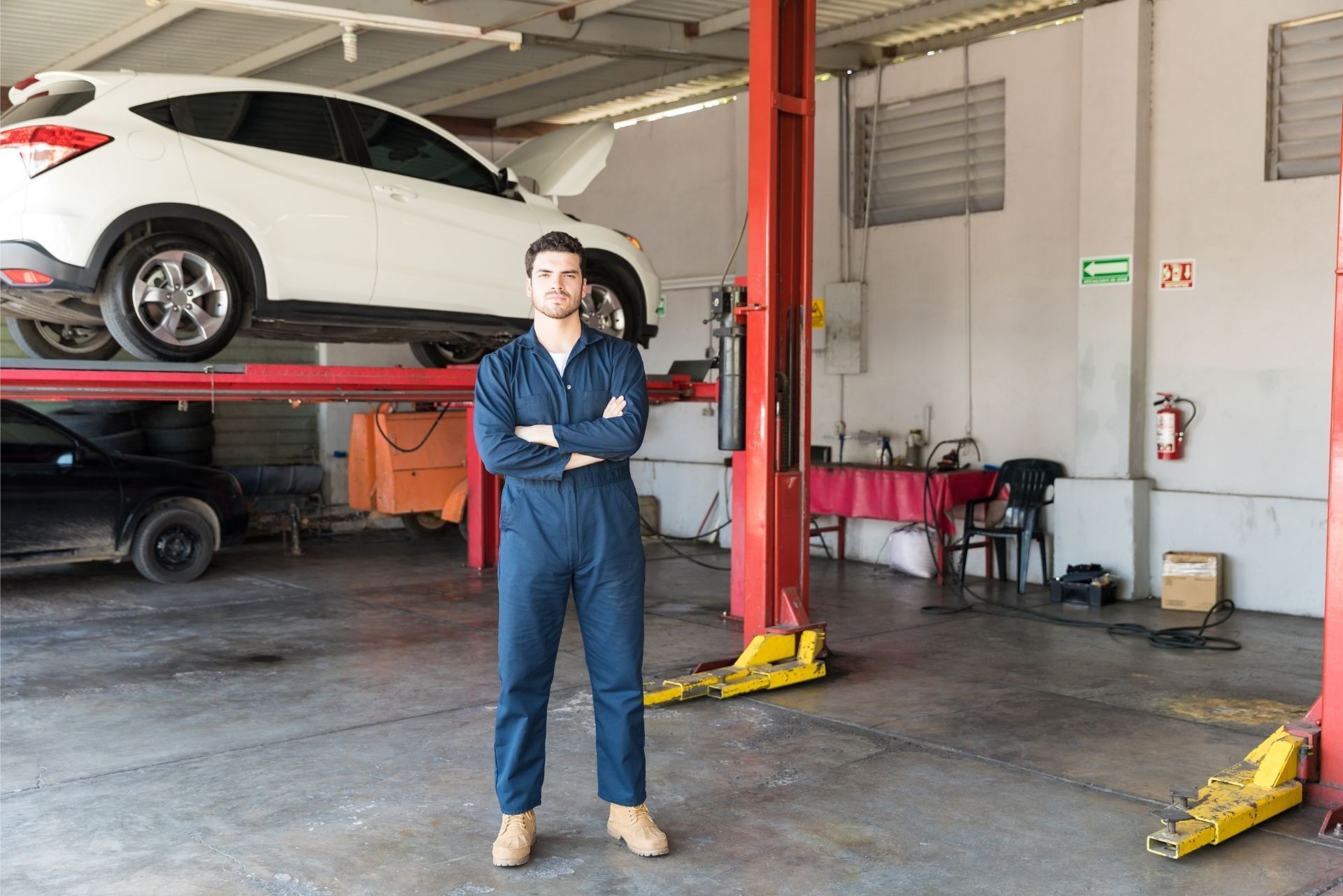
Imagine a bustling auto repair shop in Los Angeles, where dozens of vehicles come and go every day, and the owner faces the daily challenge of protecting valuable customer property. Garage keepers insurance in California plays a critical role in safeguarding these assets. With the complex regulatory environment and unique risks posed by the state, understanding this specialized coverage is more urgent than ever. For a detailed view of California's challenging insurance market, an Independent Institute report offers valuable context.
The insurance landscape for garage keepers is distinct from that of auto dealerships or general contractors, largely due to the specific risks associated with handling vehicles belonging to others. This guide explores the essentials of garage keepers insurance in California, explains why its role is increasingly important, and discusses topics that anyone running a vehicle storage, repair, or maintenance facility should know.
Key challenges include navigating regulatory hurdles, evaluating coverage limits, and mitigating financial exposures that could jeopardize both business operations and customer trust. The following sections offer a deep dive into these aspects and more.
Understanding Garage Keepers Insurance in California
Garage keepers insurance is designed to cover damage to vehicles in the custody of a business. Whether vehicles are damaged by fire, theft, or even severe weather events, this specialized policy ensures that repair shops and auto storage facilities are not burdened with the full cost of replacing customer property.
This type of insurance essentially acts as a safety net. For small independent garages and larger facilities alike, it is a form of protection that builds trust with customers, ensuring that even in the face of unexpected events, their vehicles receive the necessary financial safeguard. Many industry experts emphasize that without a robust garage keepers policy, a single unfortunate incident could lead to disastrous financial losses and weaken customer relationships.
Garage keepers insurance is distinct from traditional commercial auto or general liability policies because it specifically covers the vehicles of others while they are in your care. This line of coverage ensures that repair, storage, or maintenance businesses maintain a strong financial footing and competitive edge in a demanding market.

By: Peter Plew
Commercial Insurance Agent at Caruso Insurance Services
The Complex California Regulatory Environment
California is known for its rigorous and sometimes unpredictable insurance regulatory system. In the realm of homeowners and related insurance markets, the rate-setting process is notoriously slow and challenging. As Mark Sektnan, Vice President for State Government Regulations of the American Property Casualty Insurance Association, commented, "California's regulatory environment is certainly the most challenging of all the 50 states, both in the complexity of the regulatory system and the amount of time it takes to get a rate increase" .
For businesses like auto repair shops, navigating these intricate systems means recognizing that some of the same issues affecting homeowners insurance can indirectly influence garage keepers policies. Delays in regulatory rate adjustments or inconsistent review processes can lead to financial pressures not only on insurers but also on businesses that purchase specialized coverages.
Understanding the interplay between the insurance industry's regulatory environment and business-specific requirements can help garage owners and managers make more informed decisions when setting up their own insurance programs. With the state pushing for reforms and new approaches, stakeholders are hopeful for a more coordinated strategy that benefits both insurers and commercial policyholders alike.
Key Coverage Elements of Garage Keepers Policies
At its core, garage keepers insurance for California businesses is designed to cover several key risks. The primary coverage elements typically include property damage protection, liability coverage, and loss of income protection if a business interruption occurs due to insured incidents. This multi-layered coverage is vital in a state that faces its own unique challenges, including a high exposure to natural disasters and other unexpected events.
One distinct feature of these policies is the emphasis on property damage that affects customer vehicles. When an insured event like a fire or wind damage occurs, the policy steps in to cover repair and replacement costs. Without such coverage, businesses may face lawsuits or significant out-of-pocket expenses that could destabilize operations.
Other elements worth noting include third-party liability protection. Garage keepers insurance can extend to cover legal defense costs if a customer sues for negligence or improper handling of their vehicle. Considering that customer trust is paramount in any service industry, ensuring proper coverage instills confidence and provides peace of mind on both sides.
Financial Risks and Market Challenges
Financial risk in California's insurance market is not limited to auto or garage keepers policies alone. In the broader context of the state's homeowners insurance, negative underwriting profits illustrate the struggles faced by insurers. Between 2012 and 2021, California's homeowners' insurance companies experienced an average direct underwriting profit of -13.1%, a stark contrast to the national average of 3.6% .
Even though these figures directly refer to homeowners insurance, the underlying issues have a ripple effect across all types of insurance in the state, including garage keepers insurance. For insurance providers, high frequencies of claims, increased payouts, and regulatory delays are compounding factors that can lead to premium hikes and reduced coverage limits for commercial clients. As a result, auto repair and storage businesses must be vigilant and proactive in maintaining appropriate coverage levels amidst a shifting financial landscape.
The potential financial burden extends to both the insurer and the insured. Retail businesses that manage customer vehicles can face significant disruptions and unexpected costs if an uninsured loss occurs. Thus, a robust garage keepers insurance policy is not just a regulatory necessity; it is a vital component of business risk management that can continue to provide financial relief even in turbulent times
Strategies for Managing Insurance Costs
Running an automotive service business in California means juggling numerous expenses, from state-of-the-art equipment to employee wages. However, managing insurance costs should not be underestimated. By adopting well-researched risk management strategies, garage owners can optimize their policies while keeping premiums at a manageable level.
One proven approach is investing in advanced safety and security measures. Installing fire suppression systems, improving infrastructural integrity, and implementing comprehensive employee training programs all lead to fewer claims and lower risk profiles. These measures often result in more favorable underwriting terms and reduce the likelihood of steep premium increases.
Some businesses opt for higher deductibles in exchange for lower monthly premiums. This approach can make sense for well-managed facilities with strong financial reserves and a solid history of administering risk. However, a careful balance must be maintained because an overly high deductible might undermine financial stability in the event of a significant claim.
Impacts of Recent Regulatory Developments on Garage Keepers Insurance
Recent developments in California’s regulatory landscape have put additional focus on the need for better oversight and more sustainable insurance models. In early 2025, a significant change occurred when State Farm requested an emergency rate increase of 22% for homeowners insurance-a figure later reduced to 17% in April . Although this event primarily affected homeowners insurance, its ripple effects have been felt across other insurance sectors.
In response to these market pressures, the Center for California Real Estate released a report in July 2025 proposing six urgent actions to address the ongoing homeowners insurance crisis in the state. While the report does not target garage keepers insurance directly, it signals an environment where coordinated public-private solutions are seen as necessary. Initiatives like these underline the expectation that insurers will need to adapt their risk models and underwriting strategies to account for increasing unpredictability.
The Little Hoover Commission has also offered recommendations, such as incorporating mitigation efforts into underwriting models and establishing public oversight mechanisms for catastrophe modeling . For businesses handling customer vehicles, these changes could eventually lead to more transparent and consistent pricing models, though they might also result in temporary premium adjustments as the market recalibrates.
Wildfire Coverage and Its Financial Implications
California’s susceptibility to wildfires represents a major risk factor that resonates across various insurance lines, including garage keepers insurance. A recent study by McKinsey & Company estimated that the state's homeowners insurance market faces a coverage gap on wildfires ranging from $800 billion to $1.3 trillion when accounting for uninsured and underinsured properties . While these figures specifically address homeowners coverage, the effects are not confined to that sector alone.
For auto repair and storage facilities, severe weather events, including wildfires, pose risks that can parallel those in the homeowner market. Even if a facility is not directly affected by fire, the indirect economic consequences-ranging from supply chain disruptions to increased claim frequencies-can lead insurers to adopt more conservative underwriting practices. As a result, businesses might experience higher premiums or tighter policy terms.
Understanding these wider market risks can help garage keepers protect their assets better. By engaging in proactive measures and incorporating disaster preparedness strategies into their operational plans, businesses can mitigate potential losses. Maintaining open communication with insurers about these measures and seeking policy adjustments in line with best practices is particularly critical in wildfire-prone regions.
Customer-Centric Considerations for Garage Keepers
The primary goal for any business handling customer property is to cultivate confidence and a reputation for reliability. In the competitive world of auto repair and storage, a well-structured garage keepers insurance policy can significantly enhance customer trust. When customers drop off their vehicles, they expect that every precaution has been taken to ensure comprehensive protection.
Clear disclosure of policy details and limits, prompt response in preparing claims, and effective communication of risk management strategies can all contribute to building a loyal customer base. When customers understand that their vehicles are covered against unforeseen damage, it not only shores up their trust but also helps the business stand out in a crowded market.
Some facilities integrate technology to monitor vehicle status and ensure prompt claim handling. This modern approach, combined with tailored insurance coverages, offers a competitive advantage that goes beyond mere policy numbers. It builds a relationship founded on transparency and accountability, satisfying regulatory requirements and customer expectations alike.
Comparing Garage Keepers Insurance with Similar Coverage
There is often confusion between garage keepers insurance and other forms of insurance such as commercial auto or general liability coverage. While each product serves an important function, garage keepers insurance is uniquely designed to address the scenario where a business temporarily assumes responsibility for customer property.
The table below provides a side-by-side comparison to highlight clear differences in value and application:
| Coverage Type | Garage Keepers Insurance | Commercial Auto Insurance | General Liability Insurance |
|---|---|---|---|
| Primary Focus | Covers damage to vehicles in the custody of the business | Covers vehicles owned by the business | Covers bodily injury and property damage to third parties |
| Customer Asset Protection | Yes, includes customer vehicles | No, limited to company-owned assets only | Indirect, not tailored for vehicle storage or repair |
| Policy Triggers | Damage incurred while vehicles are in temporary care | Accidents involving business vehicles | Incidents on the business premises or due to business operations |
This comparison clarifies that while other forms of insurance address certain aspects of a business’s risk profile, garage keepers insurance fills a niche need that is essential for establishments handling customer vehicles daily.
Smaller garages especially benefit from this specialized coverage because the potential for significant financial risk from a single claim is high. Ensuring full protection for client property through a dedicated policy can safeguard against both expected and unforeseen challenges.
Risk Management Best Practices for Garage Operators
Solid risk management is the cornerstone for maintaining profitable operations in any industry, and garage keepers insurance is no exception. Comprehensive risk management involves a combination of proactive maintenance, employee training, and adopting modern security measures. Many facilities are investing in digital monitoring systems, detailed risk audits, and regular reviews of operational procedures to reduce claim incidences.
Implementing regular vehicle safety inspections, both for customer vehicles and for the facility infrastructure, can lead to early identification of potential hazards. Additionally, maintaining clear operational protocols ensures that every employee understands their role in minimizing risks.
Insurance providers often reward businesses that demonstrate strong internal controls and transparency. As insurers become more familiar with modern mitigation efforts, those with data-driven safety programs might see more favorable premium rates and terms. In a market as competitive as California’s, small improvements in risk management practices can translate into significant financial benefits over the long term.
The Impact of Socioeconomic Factors on Garage Keepers Insurance
From zip code discrepancies to local economic conditions, a variety of factors influence garage keepers insurance pricing in California. Studies have shown that households in lower-income zip codes spend a higher percentage of their income on homeowners insurance. For instance, in 2024, these households spent an average of 4.6% of their income on such coverage compared to 2.7% for the state average . Although this statistic specifically addresses homeowners insurance, the underlying socioeconomic factors often drive premium evaluations and risk considerations for all types of insurance, including garage keepers policies.
Operators in economically diverse areas need to be acutely aware of such trends when structuring their insurance programs. Adjusting coverage limits and ensuring that premium rates align with local market conditions is essential for maintaining financial sustainability.
Moreover, engaging with local insurance representatives who understand the unique characteristics of the community can provide tailored policy recommendations. As market conditions evolve, a business’s ability to adapt its insurance coverage to reflect local risk factors becomes a key component of long-term resilience.
Future Trends for Garage Keepers Insurance in California
Looking ahead, the insurance market in California continues to face headwinds driven by natural disasters, regulatory changes, and economic uncertainties. Emerging trends include a growing focus on integrating catastrophe modeling and mitigation efforts into the underwriting process. Industry experts, such as Pete Peterson, Dean of the Pepperdine University School of Public Policy, note it is time to move from fragmented efforts to coordinated public-private solutions that stabilize the market, protect homeowners, and build long-term sustainability .
For garage keepers, this means insurers may adopt more dynamic risk assessment models that consider both historical data and emerging threats. Innovations in data analytics and technology-driven monitoring solutions are likely to play pivotal roles. As insurers refine their understanding of risk in the context of increasingly volatile weather patterns, policy terms and premium structures could undergo notable modifications.
Additionally, future policy adjustments may better reflect the real costs associated with safeguarding customer property. Collaborative initiatives that bring together businesses, insurers, and regulatory authorities could lead to a more stable market dynamic, ensuring that both customer needs and business operations are well protected despite environmental and market challenges.
Practical Advice for Garage Owners
Garage owners and managers should start by assessing their current risk exposure. A comprehensive evaluation of facility vulnerabilities including infrastructure integrity, fire suppression systems, and employee training programs is the first step in tailoring effective insurance protection. By identifying potential weak points, businesses can work proactively with insurance providers to ensure that their coverage adequately reflects their risk profile.
Documenting all risk management measures, investing in preventive technologies, and maintaining regular safety audits can prove invaluable when negotiating policy terms. Facilities that adopt these best practices often find that insurance companies are more willing to offer competitive rates, acknowledging the reduced risk profile with more favorable underwriting.
Dedicated consultations with specialized insurance agents help clarify the differences between policy options. Entrepreneurs can benefit from detailed discussions about coverage limits, deductible choices, and claims processes. Tailoring coverage to align with specific business needs not only builds customer confidence but also stabilizes the financial aspects of operations.
Advancements in technology have made it possible for garage keepers to better monitor, evaluate, and mitigate risk. Digital tools such as real-time monitoring systems and automated safety audits are increasingly used to predict and manage scenarios that could trigger insurance claims. By integrating these systems, business owners can collect data that not only improves day-to-day operations but also provides evidence of proactive risk management when negotiating with insurers.
Many innovative facilities are now using digital dashboards to track machine and facility performance. These technologies enable a quick response to emerging issues and help reduce the frequency and severity of incidents. As the insurance market becomes more data-driven, these technological enhancements may lead to improved underwriting practices with more accurately priced premiums.
Such proactive measures also allow businesses to present detailed data during policy renewals, making a strong case for maintaining or even reducing premium rates. Embracing technological tools not only streamlines operations but also aligns well with the evolving expectations of insurers in a rapidly changing risk landscape.
Addressing Customer Concerns and FAQs
Many garage owners encounter common questions from customers regarding the scope and limitations of their insurance policies. Transparency about the details of garage keepers insurance is key to addressing these concerns. Below is a FAQ section that covers frequent inquiries
Frequently Asked Question
Q: What exactly does garage keepers insurance cover?
A: This policy covers damage to customer vehicles while they are in the custody of the business, including incidents like fire, theft, or weather-related damage.
Q: How is garage keepers insurance different from commercial auto insurance?
A: Garage keepers insurance specifically covers vehicles in your care, whereas commercial auto insurance covers vehicles owned by the business itself.
Q: Can implementing safety measures affect my premium rates?
A: Absolutely. Investing in improved security systems and comprehensive employee training can reduce the likelihood of claims, potentially leading to lower premiums.
Q: How do regulatory changes impact my policy?
A: Changes in California’s regulatory environment may lead to adjustments in premium rates and coverage limits, so it is important to regularly review your policy with your insurer.
Q: Should I consider a higher deductible to lower premium costs?
A: Choosing a higher deductible can lower your monthly premium, but it’s essential to have sufficient reserves to cover potential out-of-pocket costs during a claim.
Enhancing Business Resilience through Strategic Insurance Planning
Effective insurance planning goes beyond simply purchasing a policy. For garage owners in California, integrating strategic planning into overall business management is critical. This means regularly reviewing risk management strategies, staying updated on regulatory changes, and being proactive about maintaining state-of-the-art safety systems. An effective policy supports not only immediate risk mitigation but also long-term business resilience.
Businesses that invest time in understanding their exposure and aligning insurance coverage with risk management practices are better positioned to handle unexpected financial setbacks. Building a robust relationship with an insurance provider and regularly updating coverage terms in line with operational changes are steps that can pay dividends over the long term.
In an environment where significant adjustments like emergency rate increases, such as the early 2025 incident with State Farm occur, are common, proactive communication between business owners and insurers is essential. This ongoing dialogue ensures both parties stay current with market trends and regulatory changes, ultimately leading to better coverage outcomes.
Lessons from California’s Broader Insurance Landscape
While garage keepers insurance is a specialized area, developments in California’s overall insurance market have lessons that apply broadly. For instance, research detailing a significant coverage gap in wildfire-related claims-estimated between $800 billion and $1.3 trillion for homeowners insurance -underscores the need for robust risk evaluation and strategic planning in all insurance areas. Such high-risk estimates prompt insurers to scrutinize policy structures and risk tolerances across the board.
This heightened risk assessment process benefits garage keepers as well, reminding business owners that despite the specificity of their policy, broader economic and environmental factors play an influential role in premium adjustments and coverage terms. As California continues working on regulatory reforms and market stabilization initiatives, there is an encouraging shift towards building more sustainable insurance models that could benefit all sectors.
Embracing lessons learned from the challenges faced by the homeowners insurance market can serve as a blueprint for improvements here. Ensuring that every aspect of a business's insurance coverage-from risk management protocols to technological integration-is up-to-date stands as an essential strategy for future-proofing operations in an unpredictable market.
What to Keep in Mind When Buying Garage Keepers Insurance in California
When shopping for garage keepers insurance, several key factors come into play. It is important to compare policy details, consider local risk factors, and evaluate the provider's track record. A detailed policy review, including exclusion clauses and coverage limits, ensures that the chosen plan fully aligns with the needs of the business.
Importantly, business owners should pay close attention to the fine print regarding incidents specific to California-such as increased wildfire exposure and challenges resulting from the state’s stringent regulatory system. Having a knowledgeable broker can help navigate these complexities while ensuring that the contract remains both competitive and comprehensive.
Additionally, engaging directly with industry experts and regulatory bodies can provide insights into trends, helping prepare for future challenges. By staying informed and proactive, garage owners are better positioned to negotiate terms that protect both their business interests and customer assets.
Final Thoughts on the Future of Garage Keepers Insurance
California’s risk landscape presents a challenging yet dynamic environment for garage keepers insurance. With evolving regulatory demands, fluctuating market conditions, and the constant need for robust risk management protocols, businesses must remain agile and adaptable. The lessons drawn from homeowners and other insurance sectors highlight an industry in transformation-a shift motivated by the need for coordinated, innovative solutions.
This evolving market is a call to action for both insurers and policyholders. Stakeholders who work together to integrate technology, update risk models, and promote preventive measures can help stabilize the market. Experts like Pete Peterson emphasize that coordinated public-private solutions are key to a resilient insurance framework that benefits all parties involved .
For garage owners, understanding the nuances of their specialized coverage not only safeguards customer property but also builds long-term trust and business stability. By embracing emerging trends and adapting risk management strategies, businesses can confidently face a future of uncertainties while continuing to deliver high-quality service to their clientele. The ongoing evolution of the insurance market ensures that those who remain informed and flexible will be best positioned for sustained success.
This comprehensive guide outlined the key elements, challenges, and strategic considerations of garage keepers insurance in California. It is crucial for business owners to continuously review their policies, leverage the latest technological tools, and remain cognizant of how broader market conditions might impact their coverage. Maintaining a proactive stance will help turn potential vulnerabilities into competitive advantages in an industry where trust and reliability are paramount.
As California continues to enact reforms and face environmental challenges, the combined insights of industry experts, recent market developments, and regulatory updates will guide businesses toward more secure and sustainable insurance solutions. In an environment where risk is managed through clarity and preparedness, garage keepers insurance stands as an essential pillar protecting both businesses and the customers they serve.
Wrapping Things Up
Garage keepers insurance is much more than a regulatory requirement-it is a safeguard that protects the integrity and financial stability of automotive service businesses in California. The landscape may be riddled with regulatory intricacies, financial challenges, and evolving environmental risks, but by understanding the nuances of the policy, implementing proactive risk management strategies, and staying informed about market trends, garage owners can better shield their operations against unforeseen losses.
Investing time in learning the ins and outs of garage keepers policies and engaging with knowledgeable insurance professionals is a wise move. Whether dealing with emerging technological trends or working through the ramifications of statewide regulatory reforms, a comprehensive understanding of these policies can create significant benefits in the long-term sustainability of an automotive service business.
Ultimately, the interplay of market forces, regulatory oversight, economic conditions, and technological innovation means that both insurers and policyholders must work in tandem to promote stability in the insurance space. With continued collaboration, a focus on customer trust, and proactive risk management, the future looks promising for insurance tailored to protect California’s diverse automotive service industry. As the market shifts, staying informed and agile will be the best defense against potential pitfalls.
This guide has explored various aspects of garage keepers insurance-from coverage details and regulatory impacts to technological innovations and practical strategies for everyday business operations. With a comprehensive approach, businesses can ensure they maintain robust protection against the unexpected, bolstering not only their financial resilience but also their reputation for reliability and trust in a competitive market.
ABOUT THE AUTHOR:
PETER PLEW
Hi my name is Peter Plew and I am a commercial insurance professional. I listen to and strategize with business owners about their visions of the future and assist in getting there as quickly as possible. I help identify unique exposure and risk’s that business owners have and the reasons why they need to be insured against them. My goal is to make sure my clients are always taken care of on a daily basis with any service needs, questions, or concerns they may have. I love to golf and spend time with my family in my spare time.
Contact Us

Service that stays with you.
Our team helps simplify insurance decisions for families and businesses. We focus on clear explanations, fast responses, and dependable service. You can count on us for help with coverage questions, updates, and long-term support.
Coverage that keeps you secure
Reliable Protection for Everyday Life
Home insurance helps protect your house, personal belongings, and liability risks. We explain coverage options clearly so you know what your policy includes.
Auto insurance provides protection for accidents, liability, and vehicle damage. We help you compare options so you can choose coverage that fits your driving needs.
Motorcycle insurance provides coverage for riders and their bikes. We help you select options that match how and where you ride.
RV insurance supports protection for motorhomes and recreational vehicles. Coverage applies during travel and while parked.
Coverage Built for Contractors and Trades
Support that keeps your work moving.

General Liability Insurance
General liability insurance helps protect contractors from injury and property damage claims. It supports jobsite requirements and contracts.

Workers Compensation
Workers compensation insurance helps protect employees injured while working. It also supports compliance with state requirements.

Commercial Auto Insurance
Commercial auto insurance provides coverage for work vehicles used on jobsites. It helps protect drivers and company vehicles.
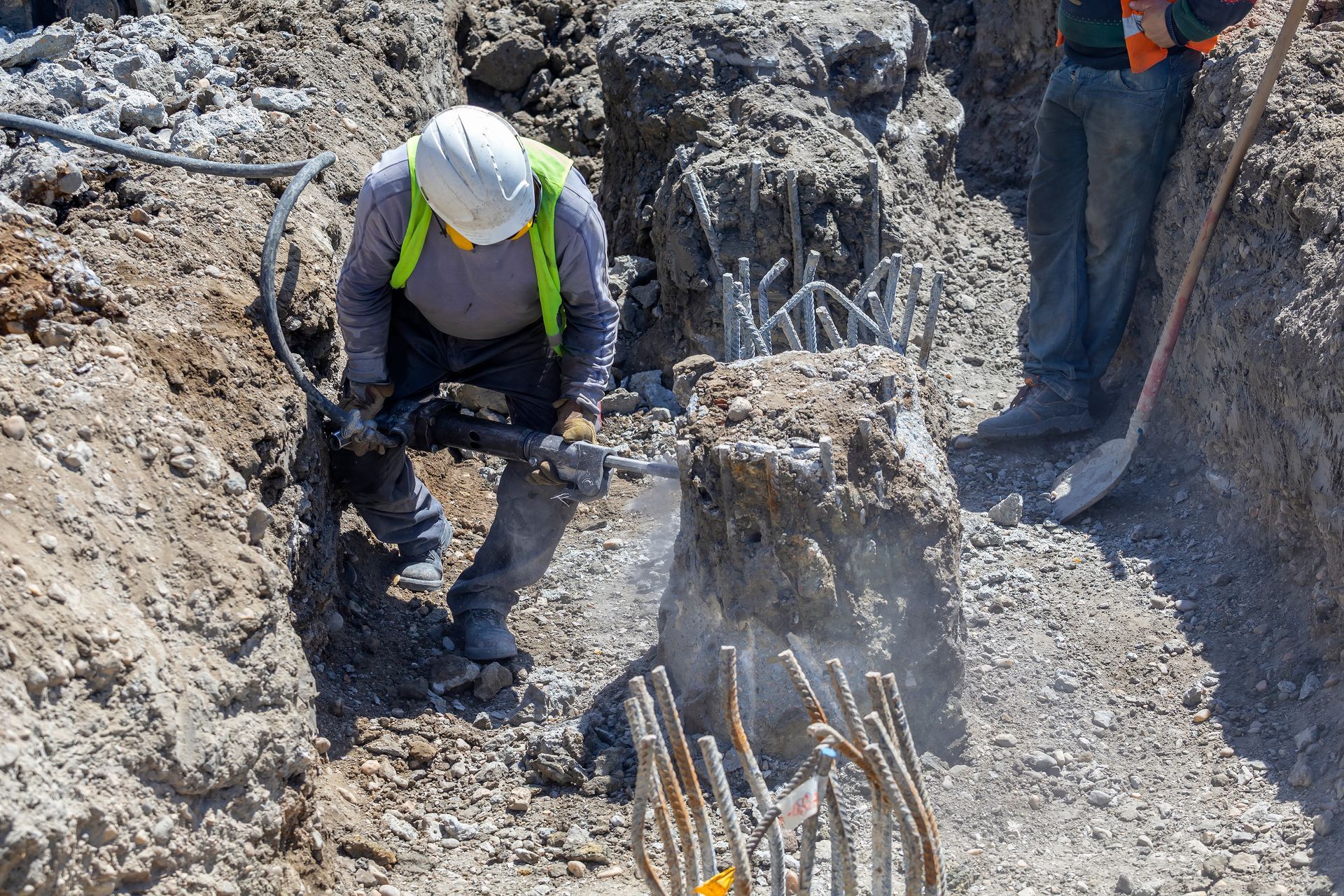
Contractor Insurance
Contractor insurance supports trades and service professionals across Southern California. It helps protect tools, equipment, and daily operations.

Cyber Liability Insurance
Cyber liability insurance helps protect business data and customer information. It supports recovery from digital incidents.

Commercial Property Insurance
Commercial property insurance helps protect offices, shops, and equipment. It supports recovery after covered damage.
Coverage Built for Specialized Work
Support for high-risk and service-driven industries.
Simple Steps Supported by Steady Guidance
A Clear Path to Coverage
Trusted by Clients Across Southern California
Clear service backed by real experiences.
Answers to Common Questions.
Clear explanations to guide your decisions.
How do I know which insurance policy is right for me?
We compare coverage options from multiple carriers to help you see differences in protection and price. You can review clear details and ask questions so you understand what each policy covers. Our team guides you step by step so you feel sure about your decision.
What factors affect my auto insurance premium?
Auto insurance premiums are influenced by your driving history, age, location, vehicle type, and coverage choices. A clean driving record and good safety features can help lower costs. We review these factors with you and help find coverage that fits your budget and needs.
Does homeowners insurance cover all types of damage?
Standard homeowners insurance protects your structure, personal belongings, liability, and additional living expenses in many cases. However, it usually does not include flood or earthquake damage without separate policies. We help you decide if extra coverage is right for your home and location.
Can I update my policy or get certificates online?
Yes. You can submit requests for policy changes and certificates through our online service form at any time. Our team processes those requests quickly and confirms updates once complete so you have the documents you need.
Do I need separate insurance for business risks like EPLI or E&O?
Yes. General liability and workers compensation cover many business risks but do not protect against all exposures. For example, Employment Practices Liability Insurance (EPLI) covers claims like wrongful termination or discrimination, and Errors & Omissions (E&O) covers claims based on mistakes in professional services. We help you identify which extra policies your business may need.
What happens if I need to file a claim?
If you need to file a claim, we guide you through the process and help you contact the insurance carrier. We explain what information you should provide, answer your questions, and stay available while the carrier reviews your claim. This support helps you move forward with confidence.
Contact Us